

Proclamation House: A Contemporary Interpretation of Character Homes in Subiaco
Proclamation House offers a contemporary take on Subiaco's character homes, blending modern design with historical influences for a multi-generational family.


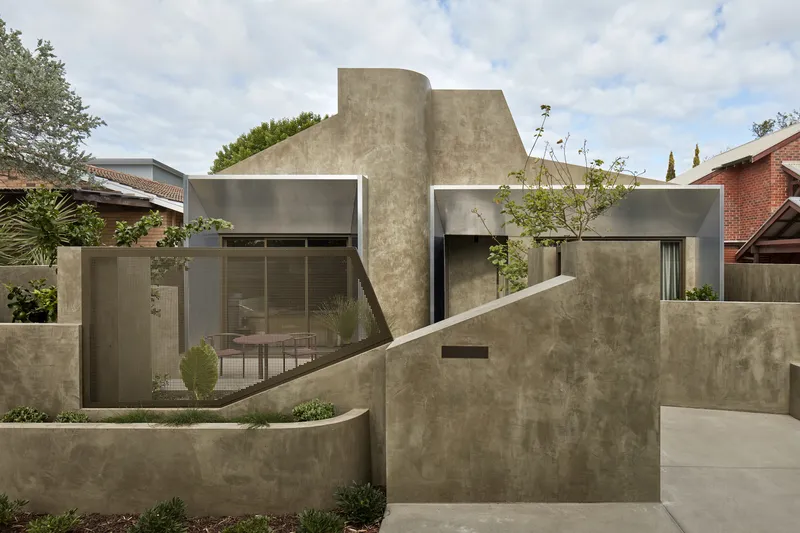
The Proclamation House, designed by State of Kin in Subiaco, Australia, exemplifies a contemporary interpretation of character homes, blending modern design with traditional architecture. This innovative home provides a serene inner-city sanctuary for a multi-generational family. Situated in a character retention area of Subiaco, it embraces the neighborhood’s historical essence while meeting the specific needs of its inhabitants—a professional couple and a parent. With an open brief from the client, the design emphasizes light-filled, flexible spaces for family interaction and relaxation, enhancing the everyday living experience.
A Contemporary Twist on Subiaco's Architectural Identity
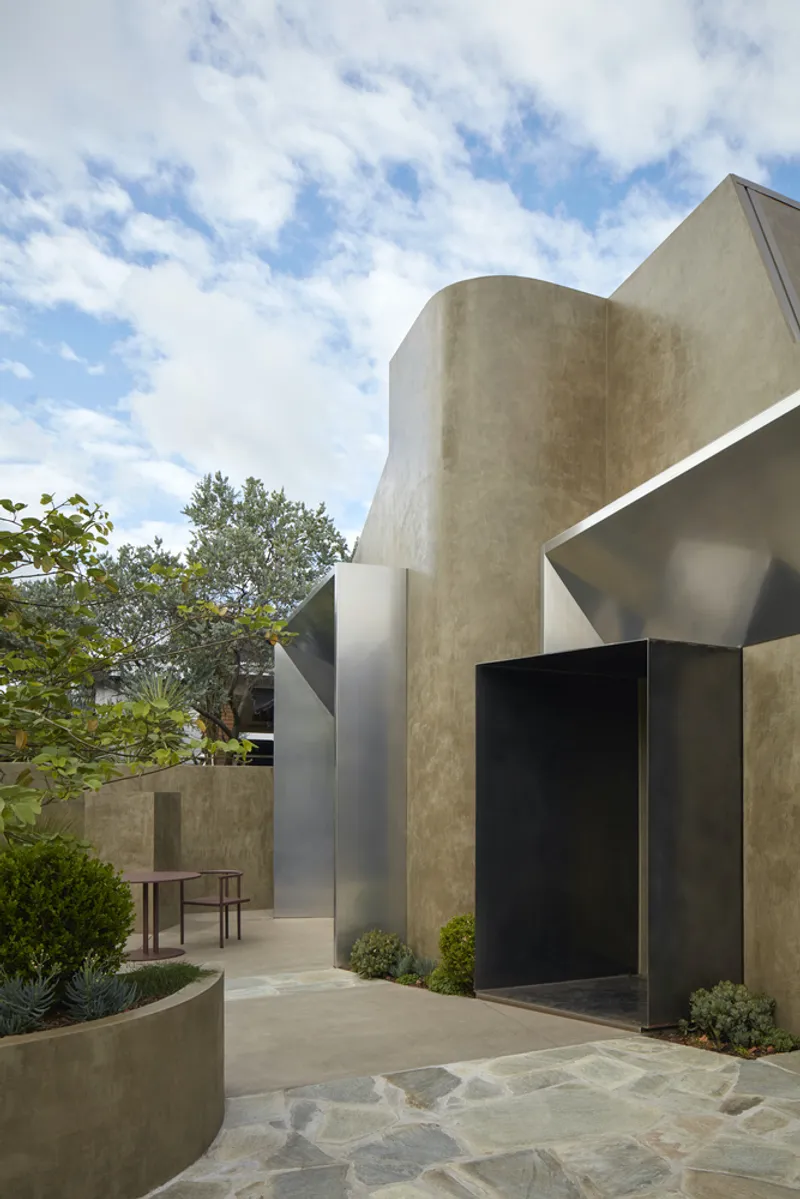
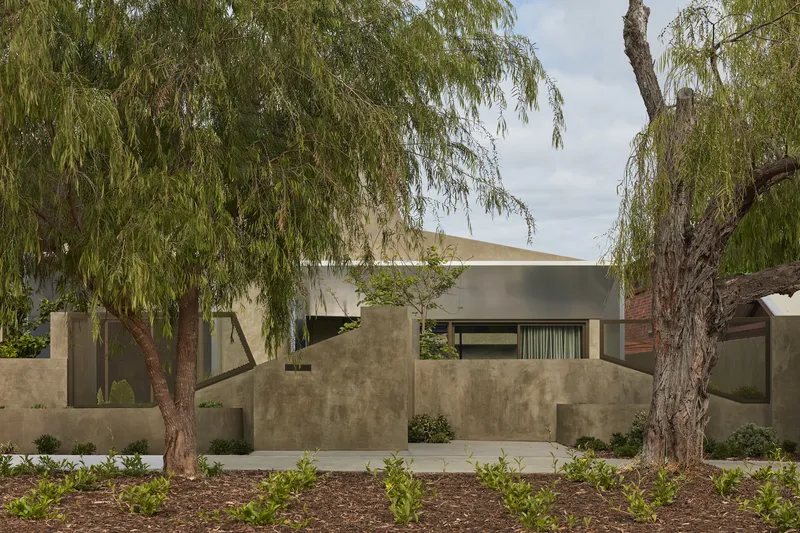
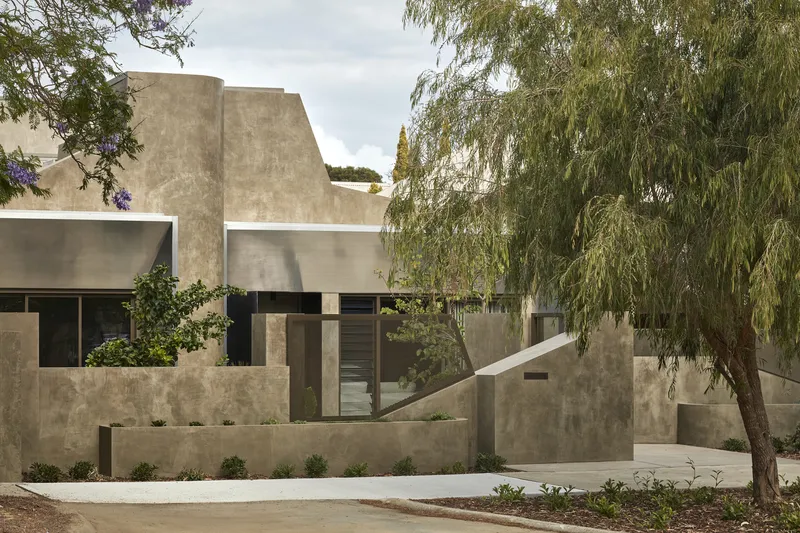
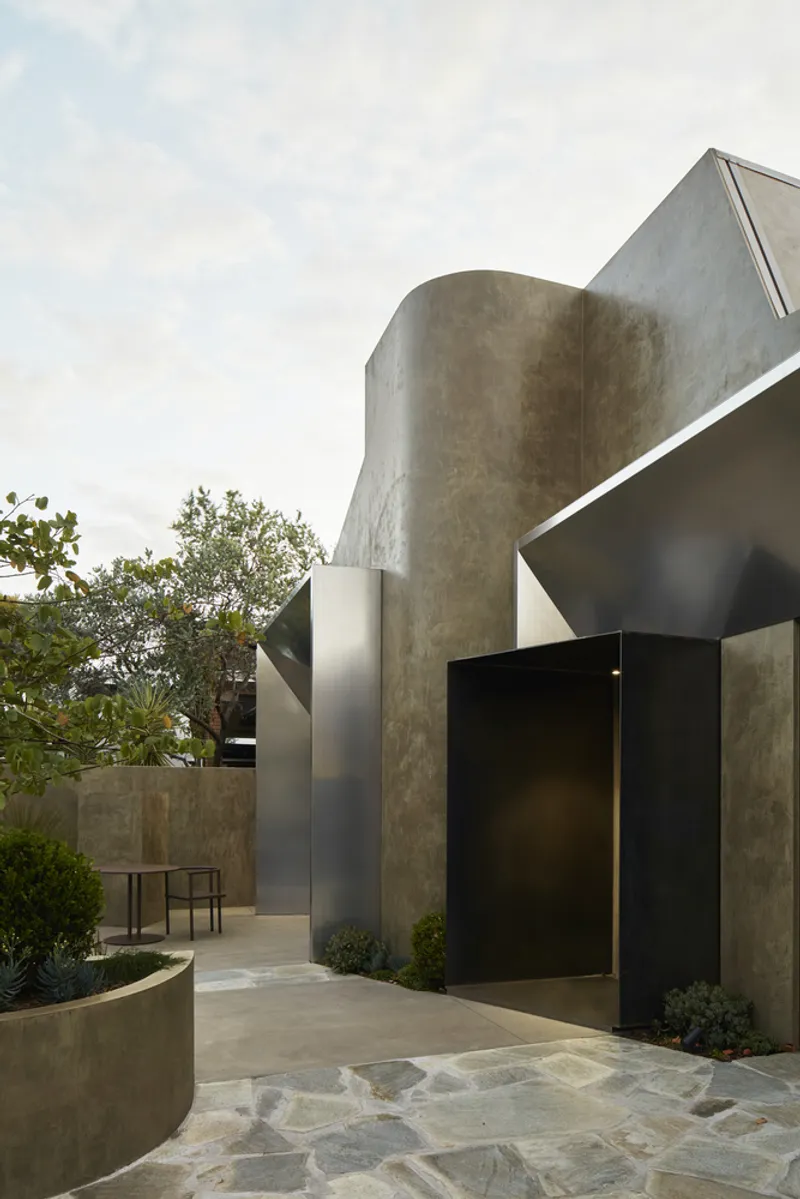
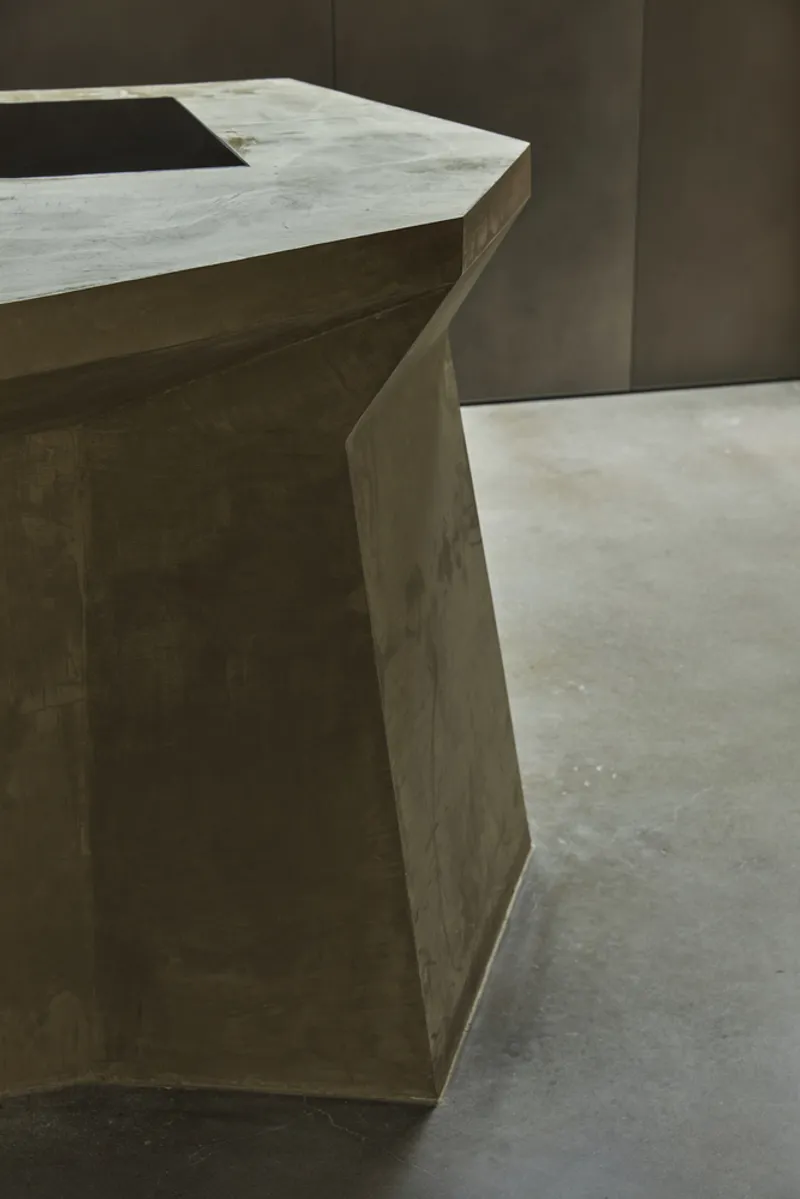
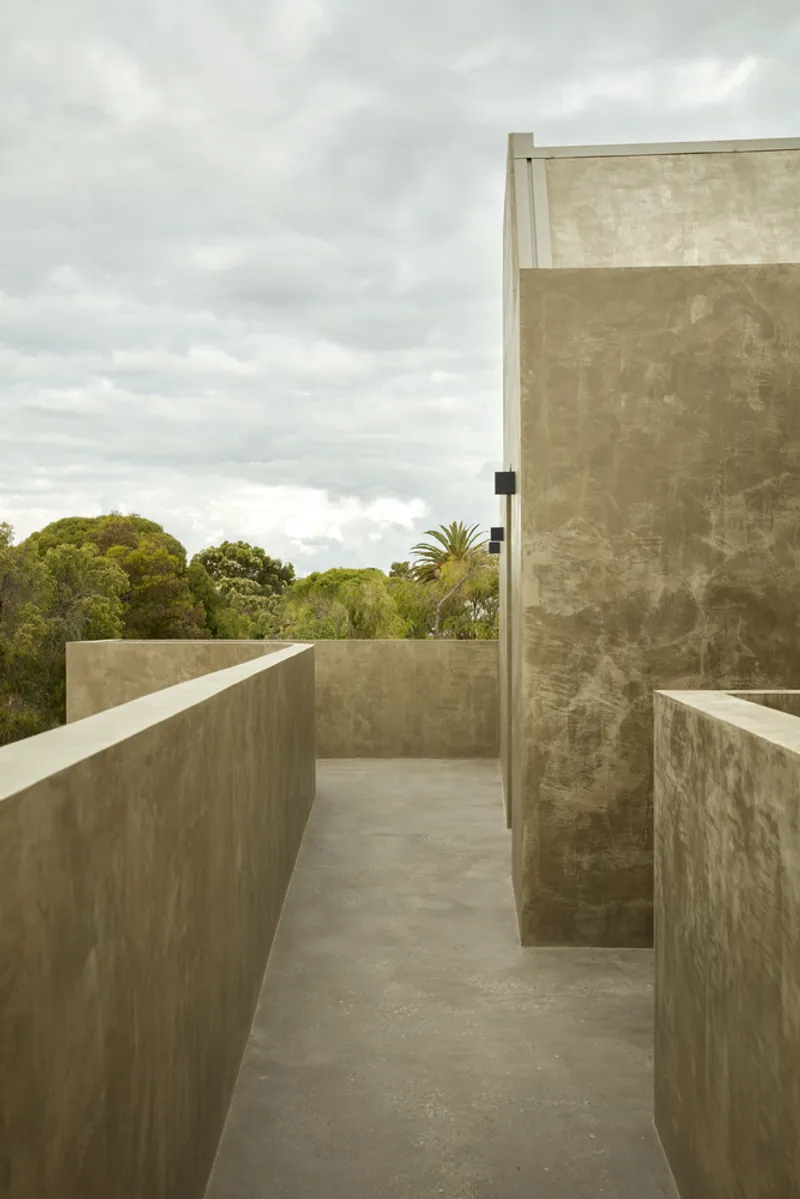
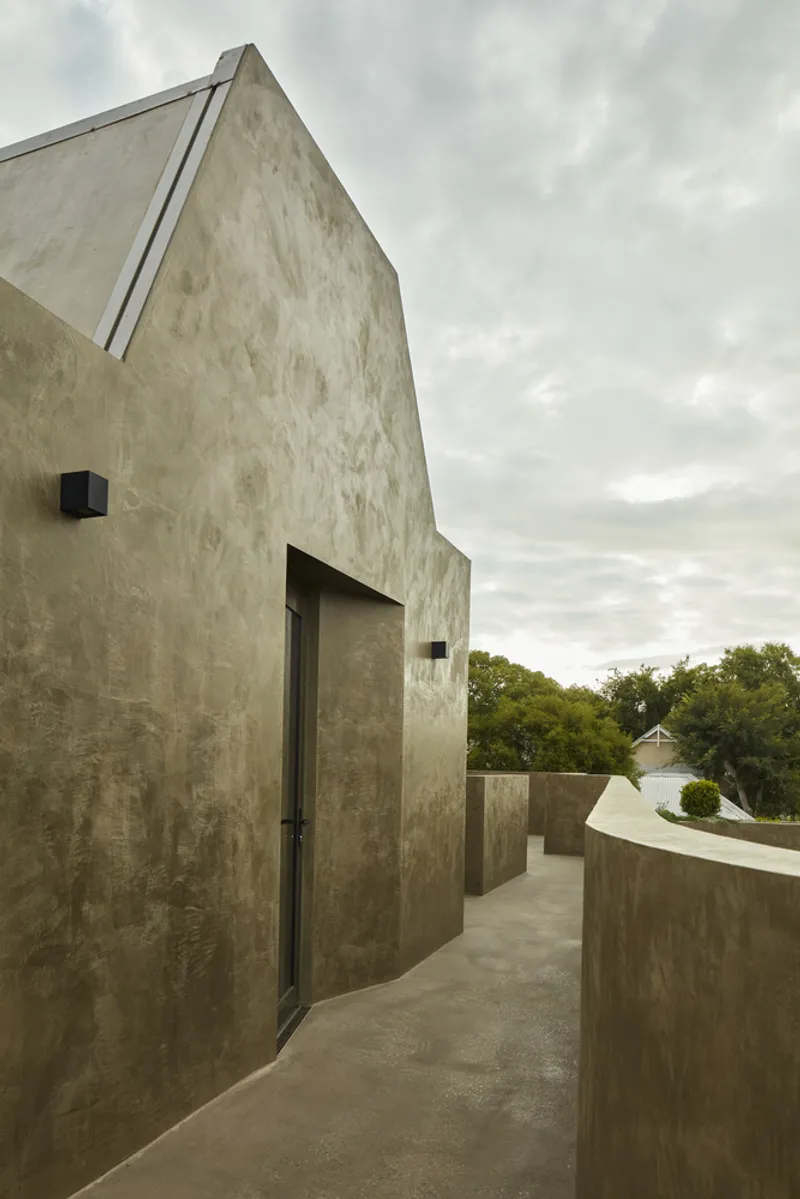
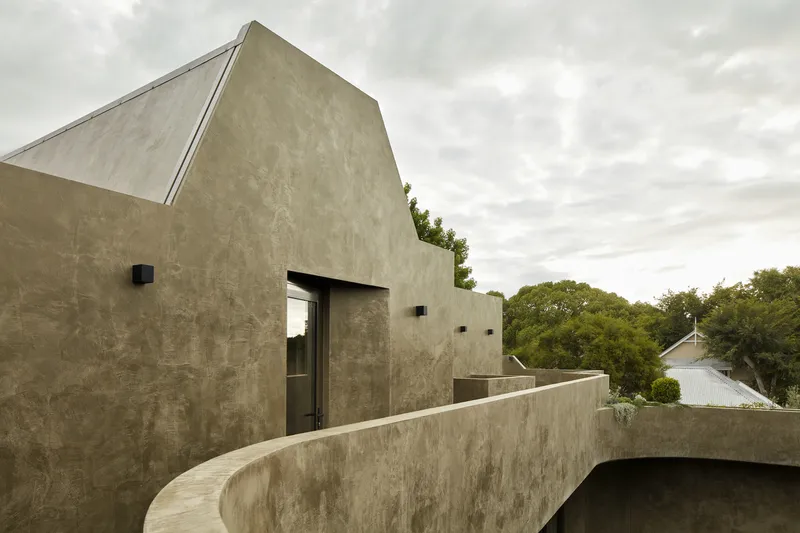
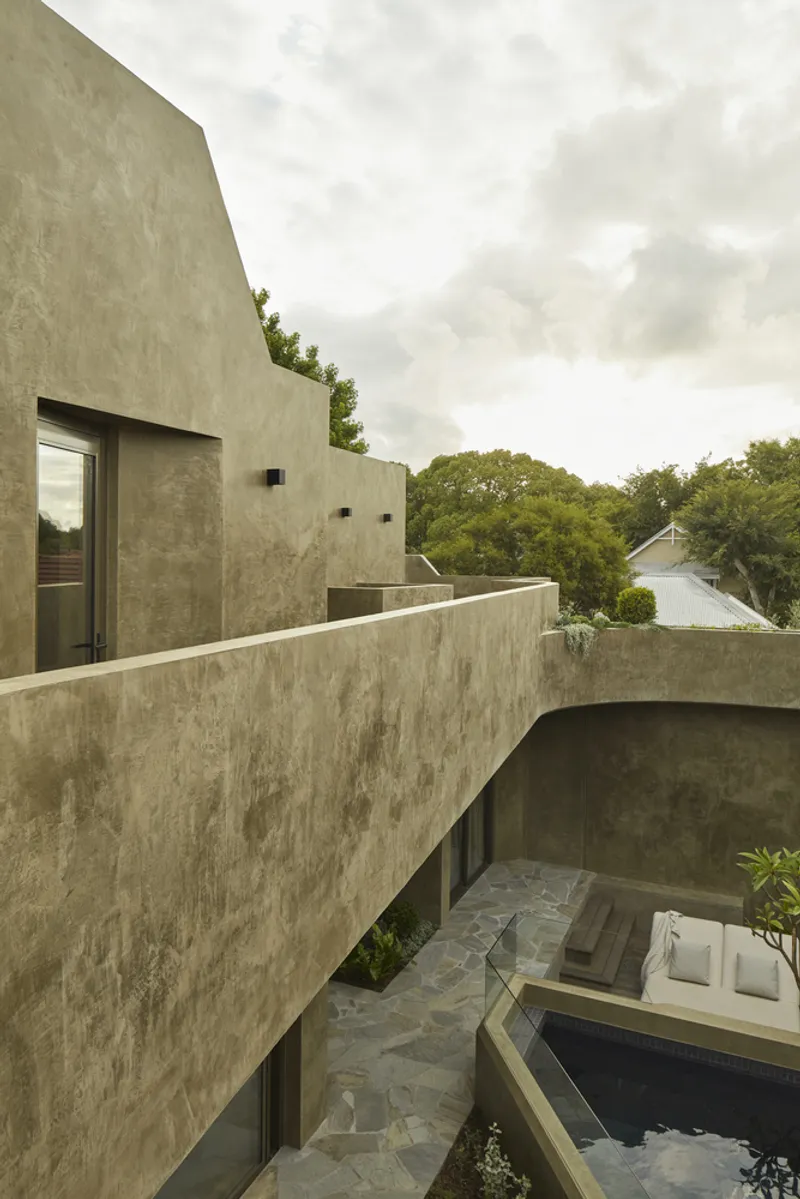
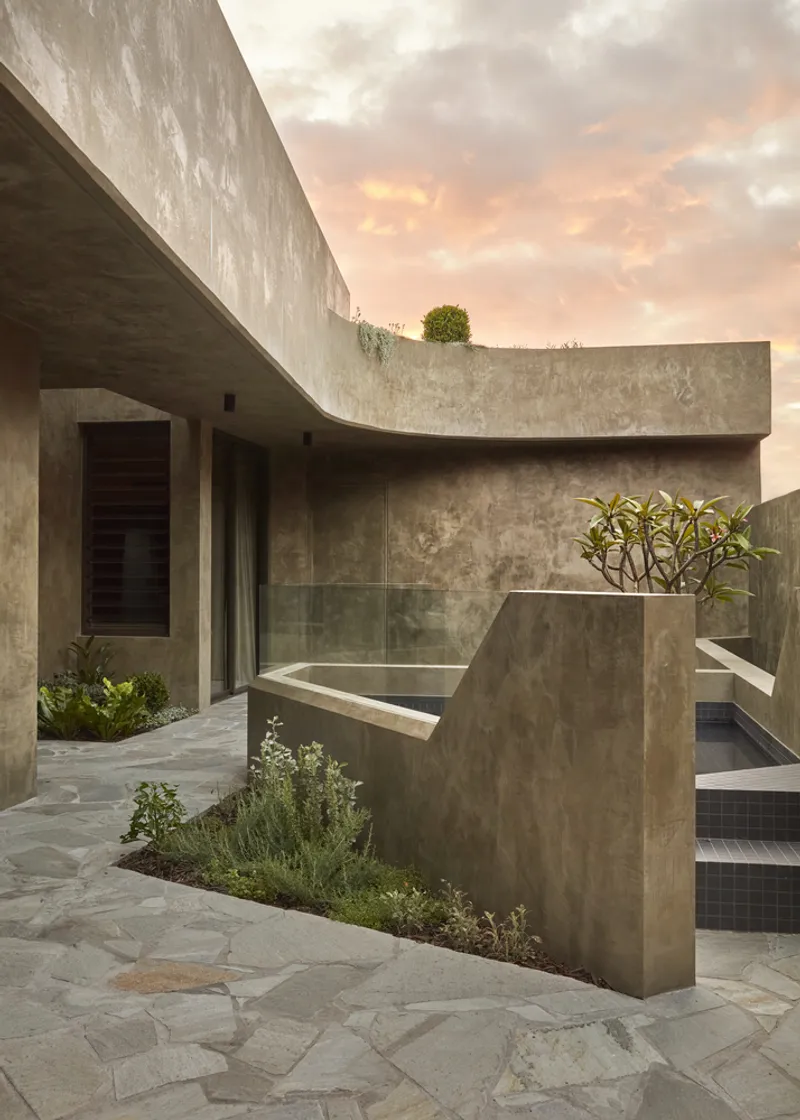
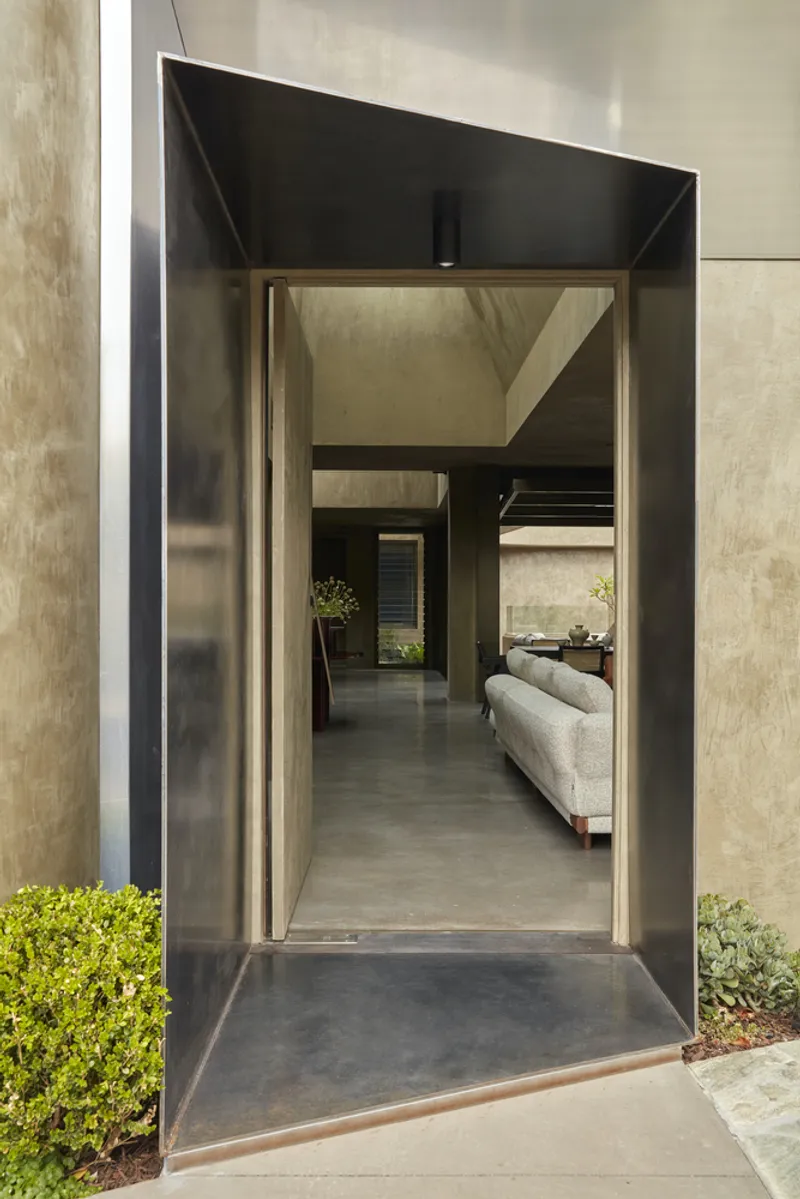
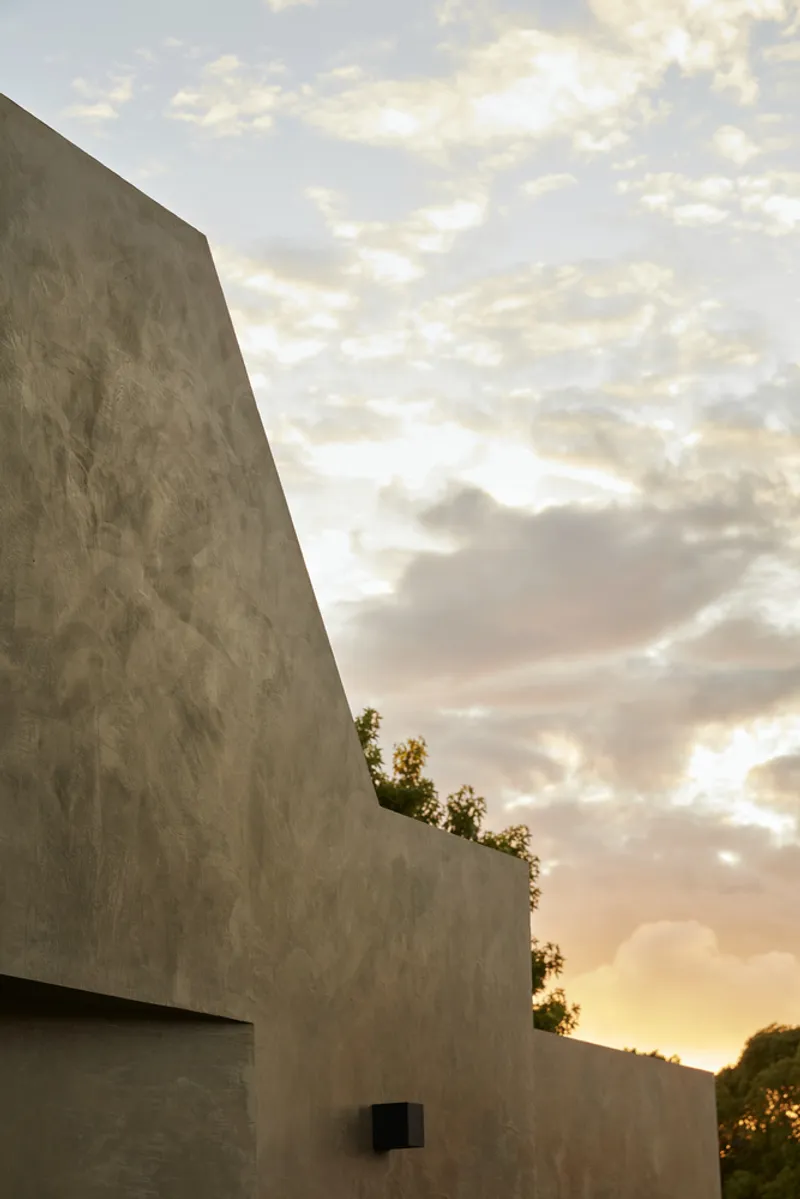
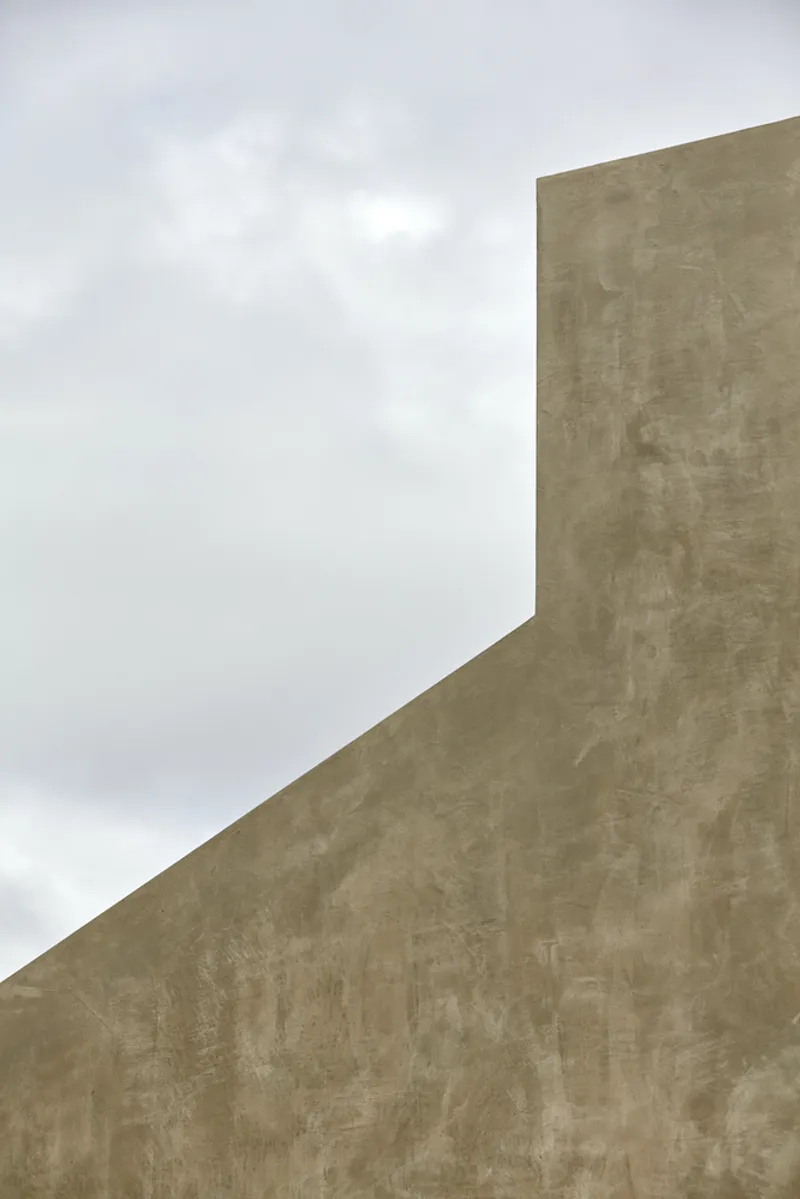
The design of Proclamation House draws inspiration from Subiaco’s rich history of character homes. The project responds thoughtfully to the local context, respecting the proportions, volumes, and setbacks typical of the area’s heritage houses. However, this new interpretation finds fresh expression through a series of abstracted, sweeping, and angular planes, offering a contemporary take on the traditional character cottage vernacular. The use of olive-toned hemp render adds warmth to the structure, seamlessly blending with its natural surroundings, particularly the two Peppermint trees framing the property.
A Light-Filled, Spacious Interior
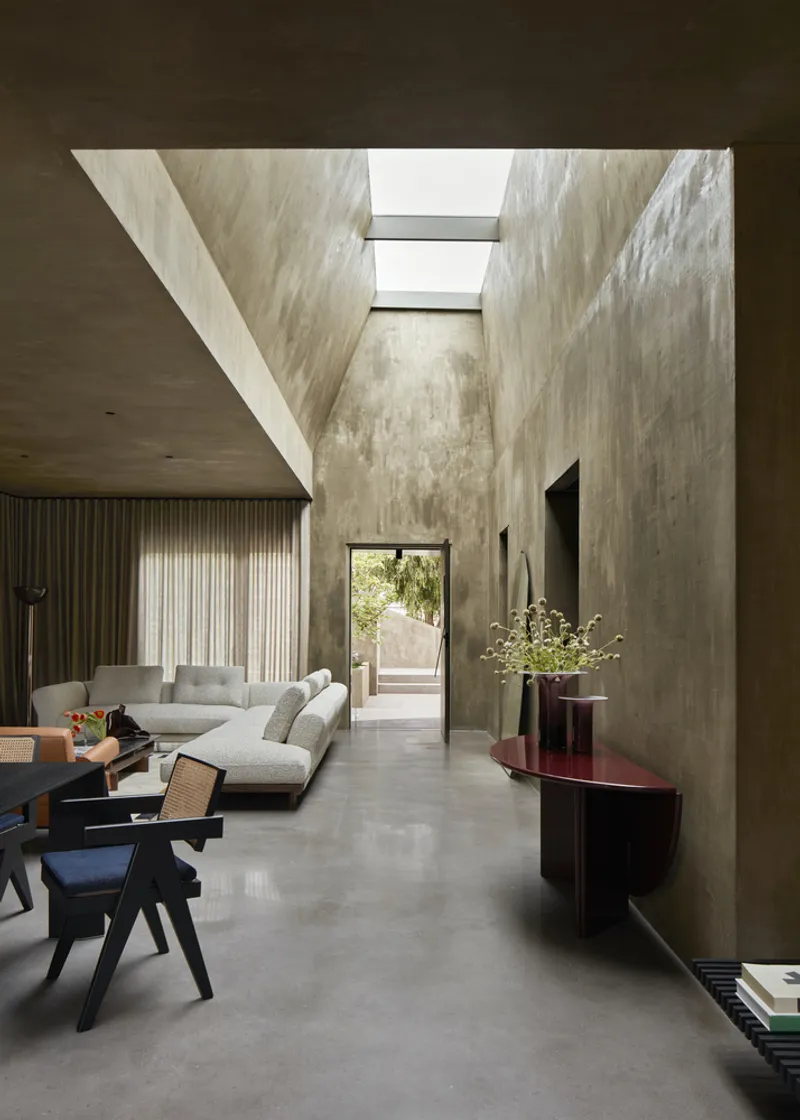
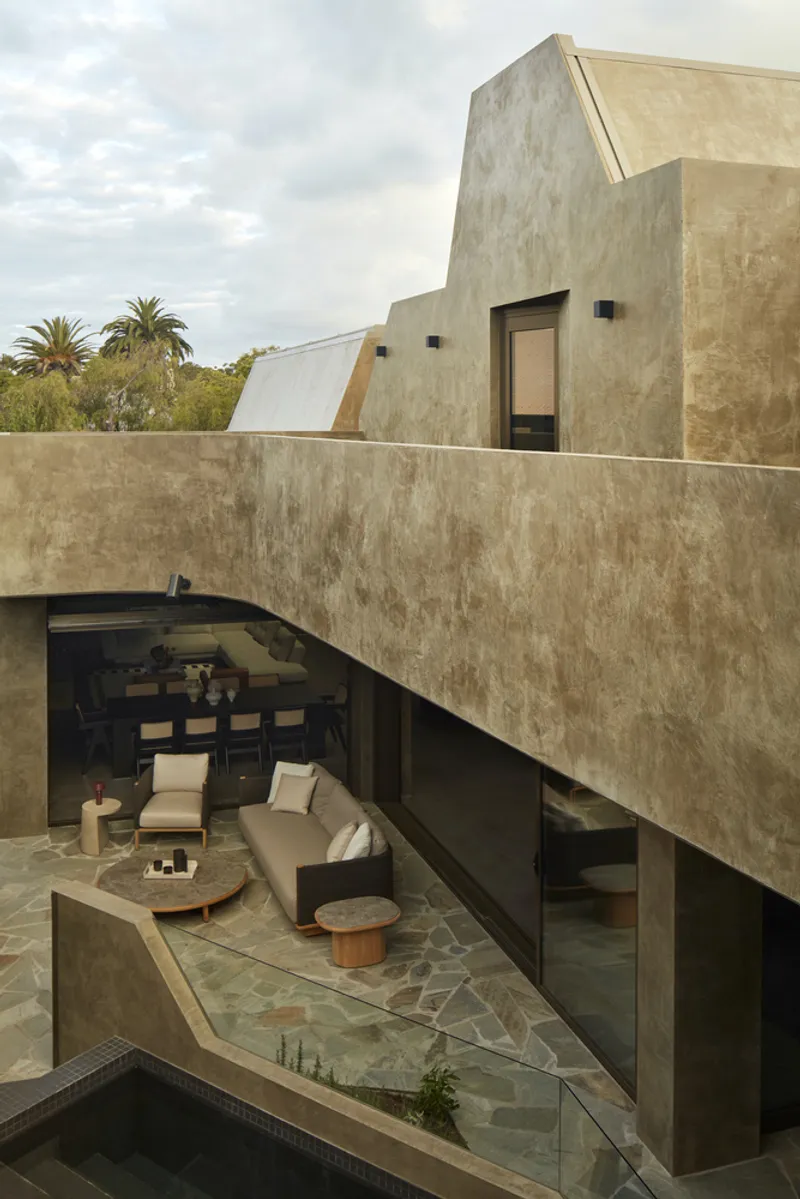
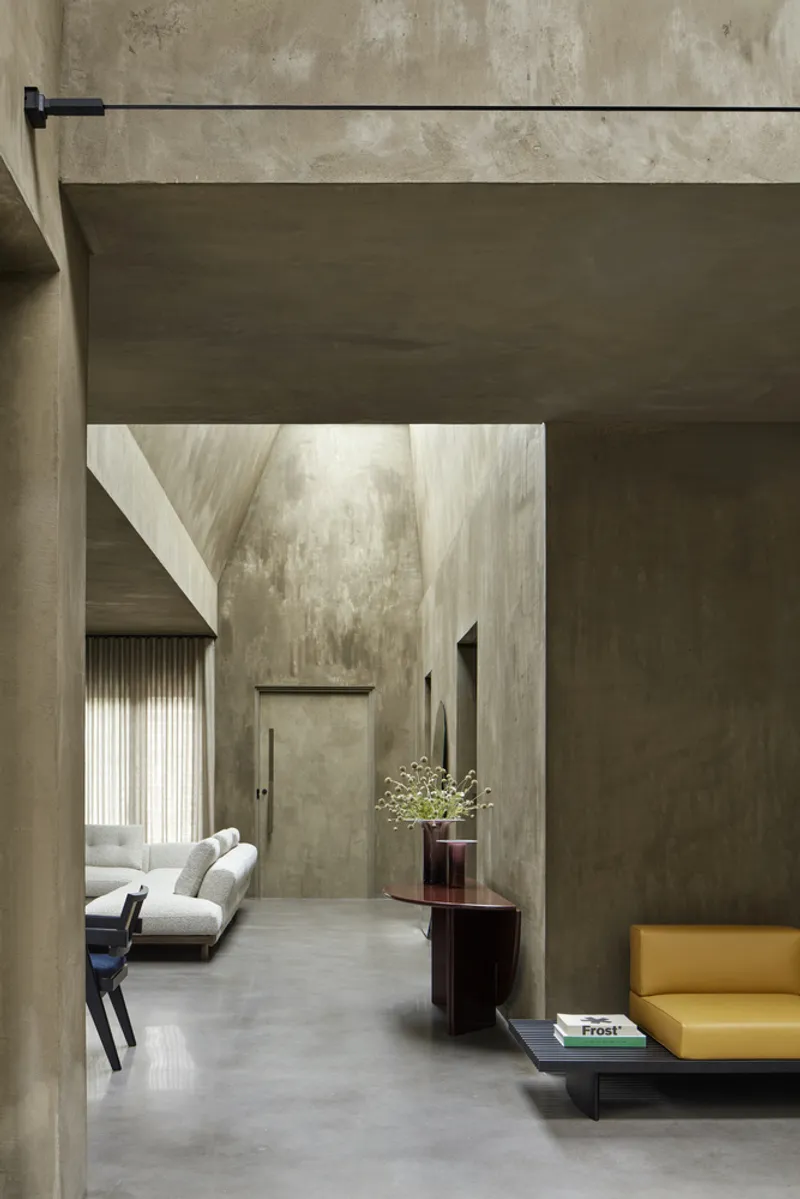
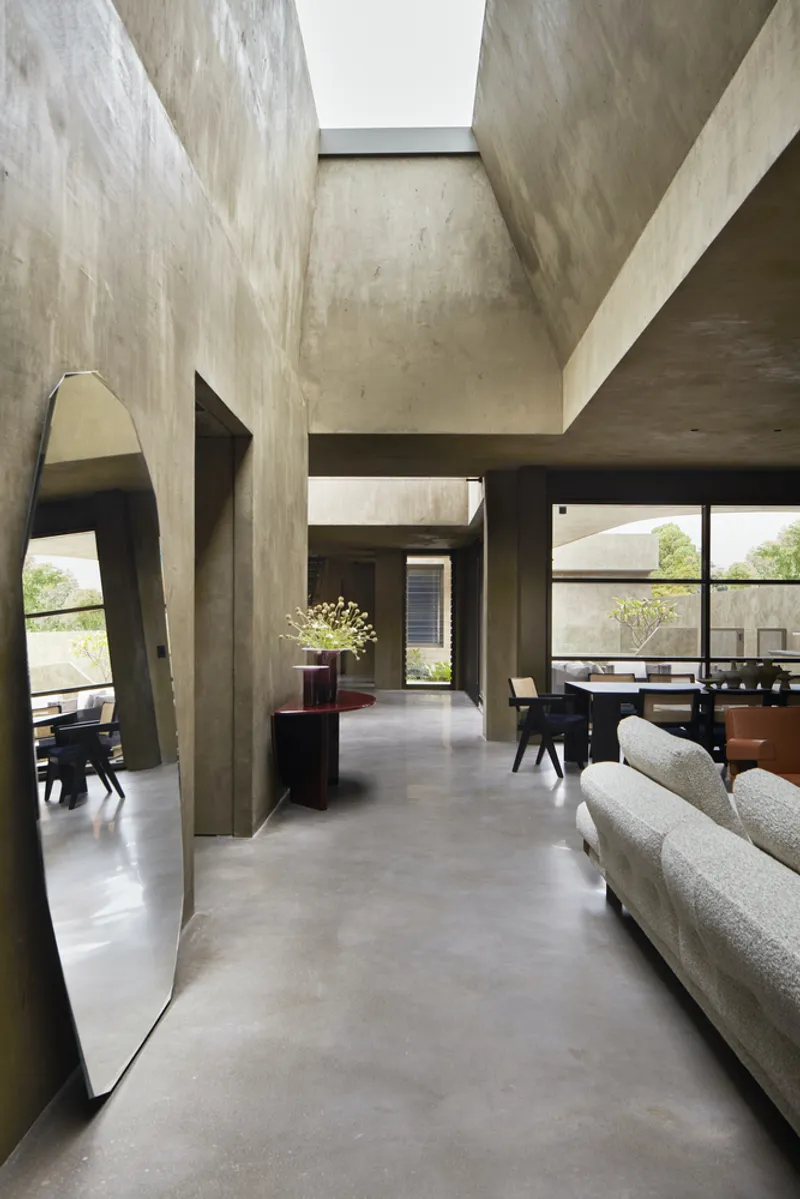
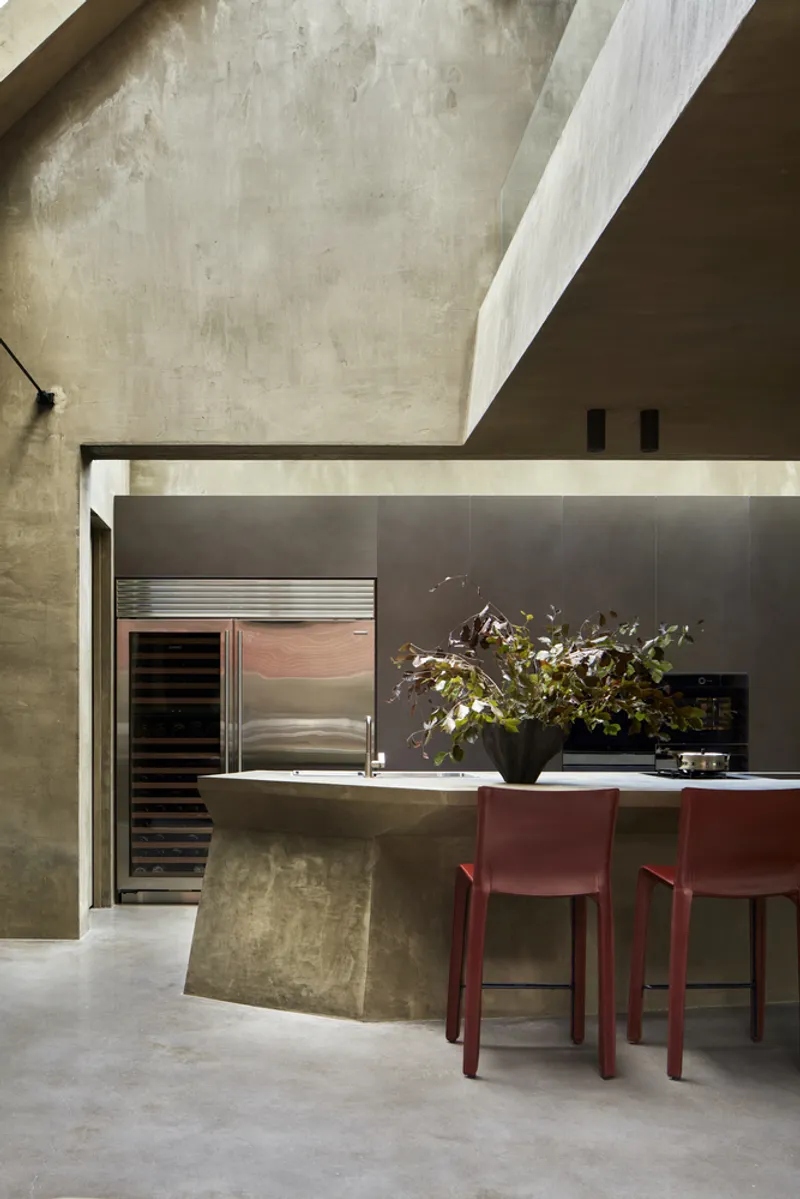
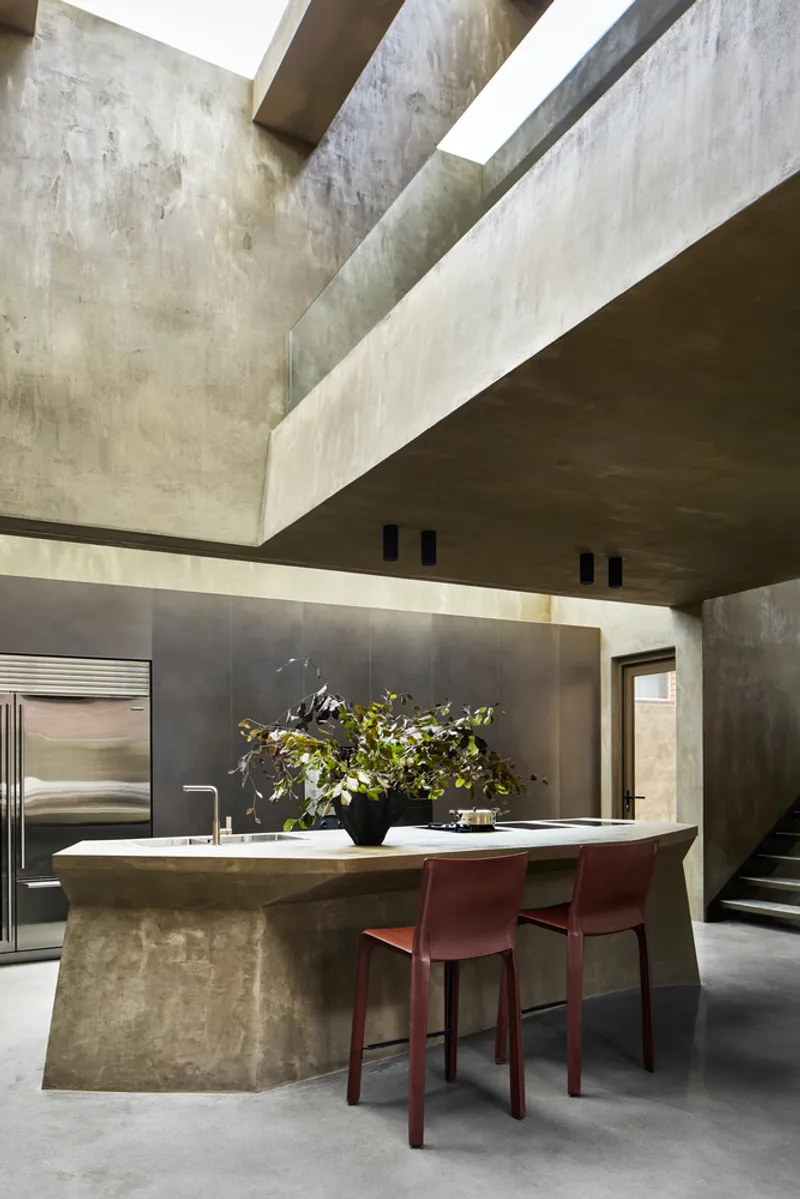
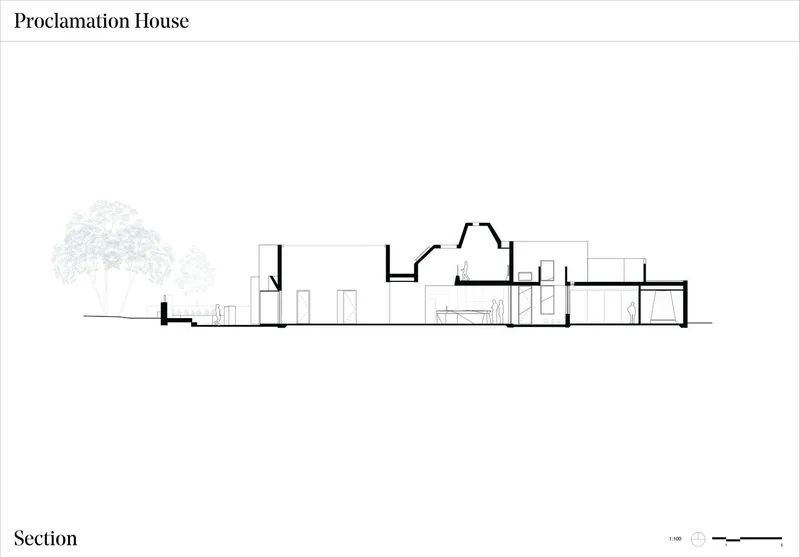
The home’s seemingly single-story façade gives way to a light-filled interior that offers an expansive sanctuary for daily living. The floor level is lowered to maximize light flow and create a sense of openness. The design incorporates a pitched roof, which generates voluminous light wells, enhancing the natural light inside and creating a dynamic and airy atmosphere throughout the home. This innovative spatial layout fosters a deep connection with nature and the surrounding landscape.
Thoughtful Design for Communal Living
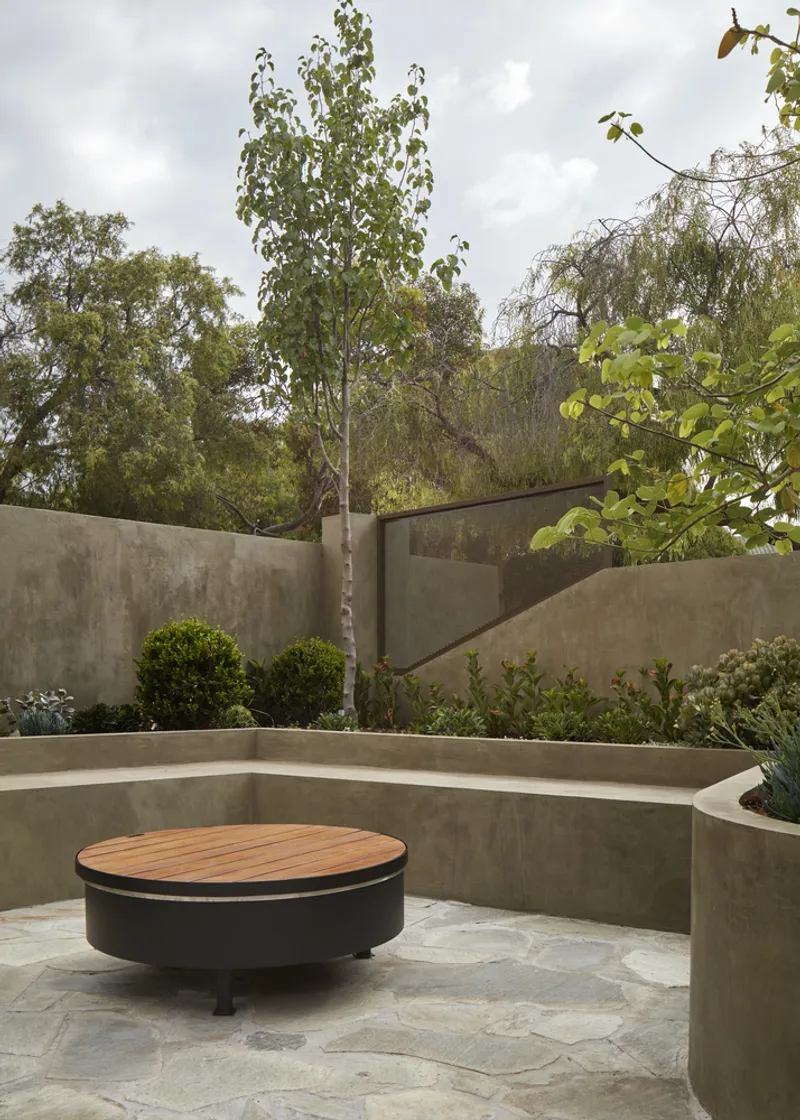
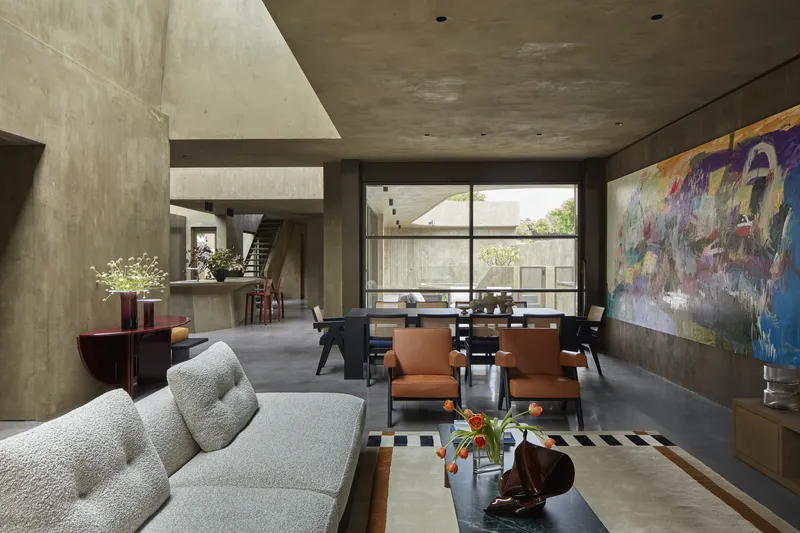
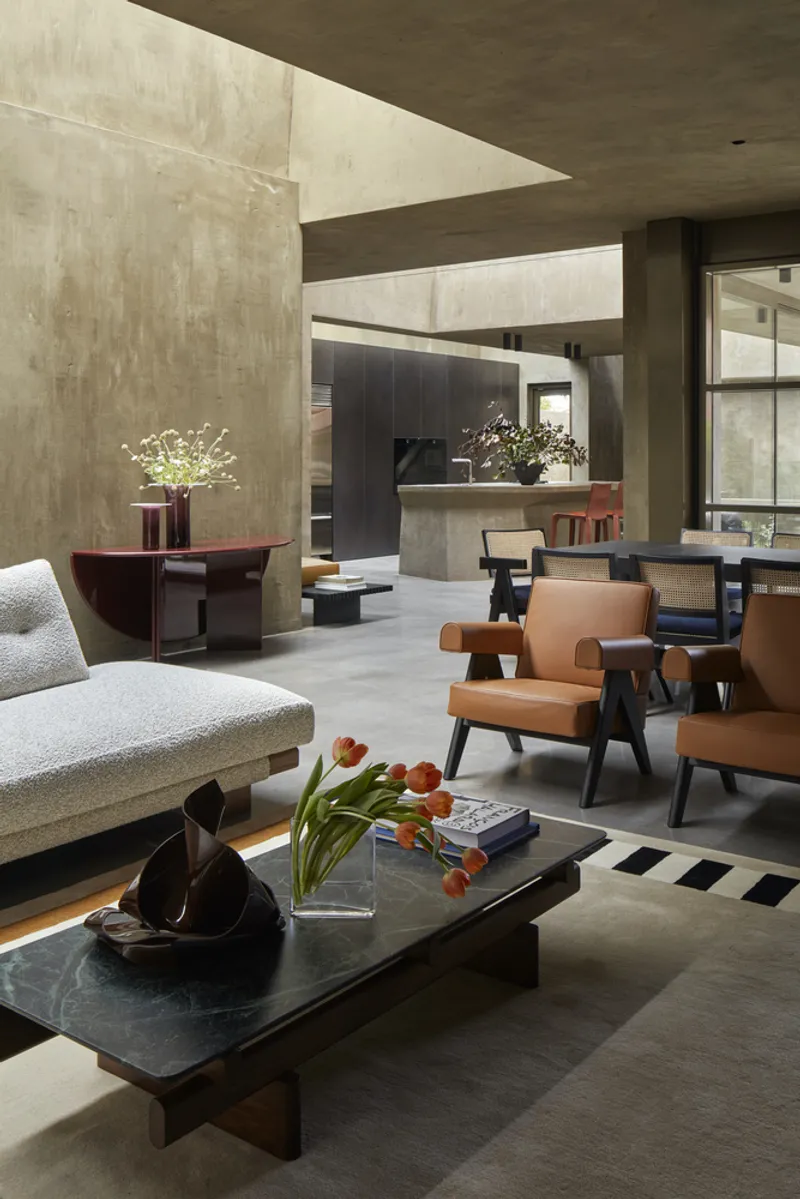
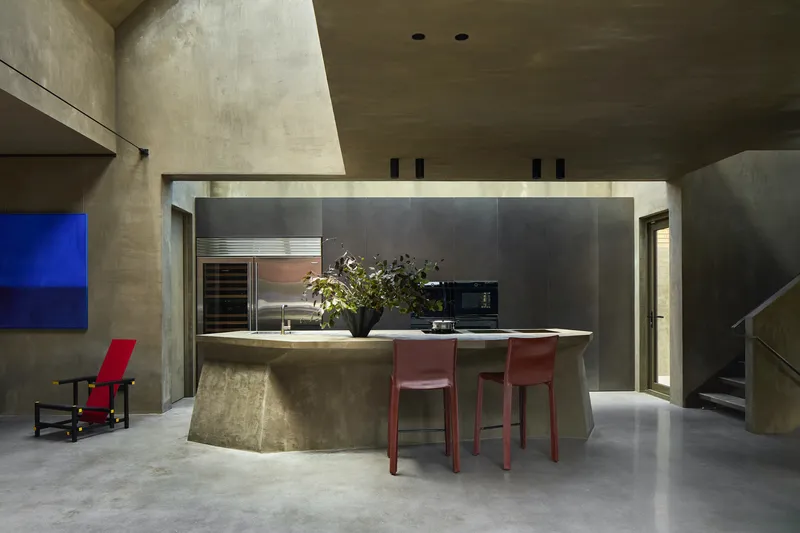
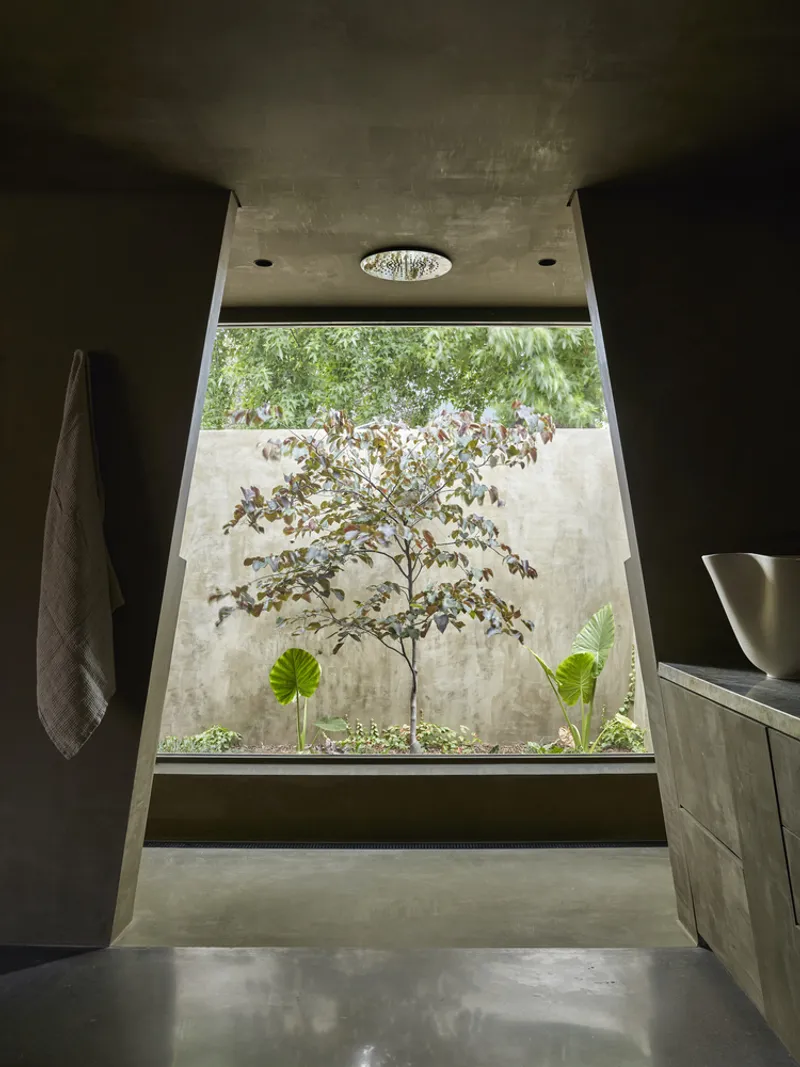
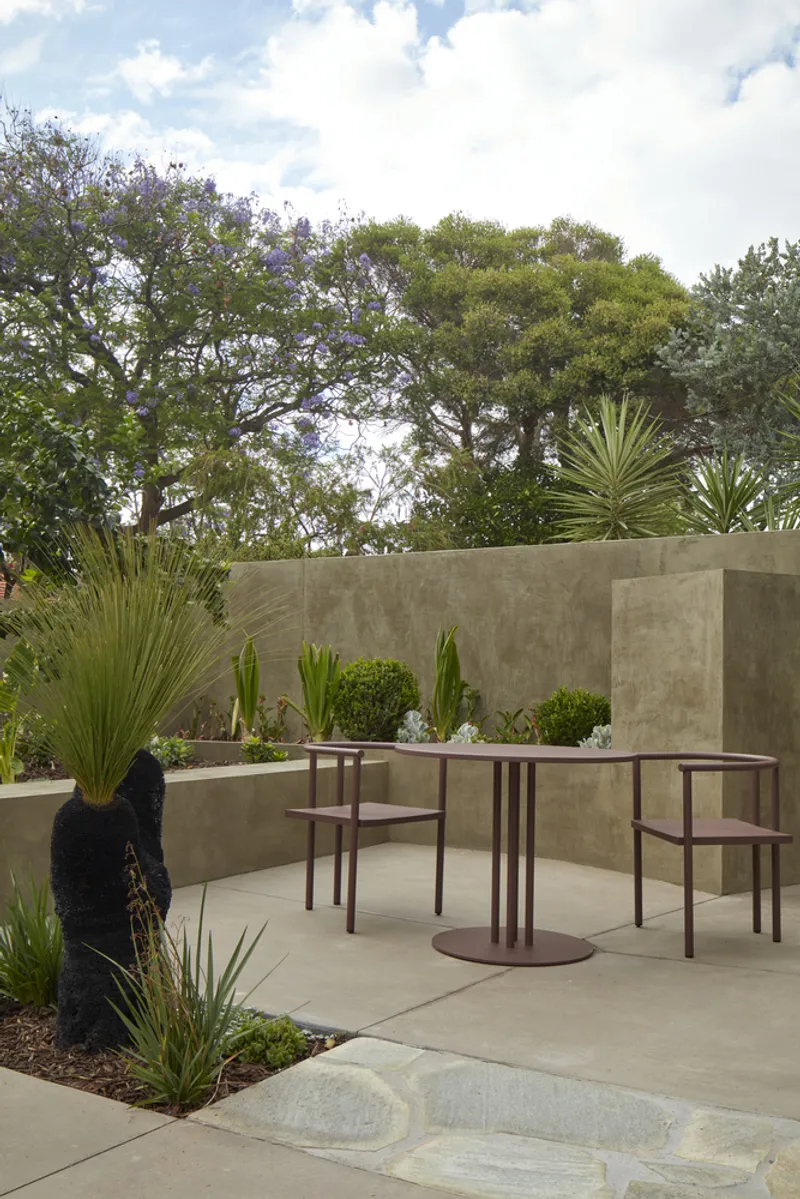
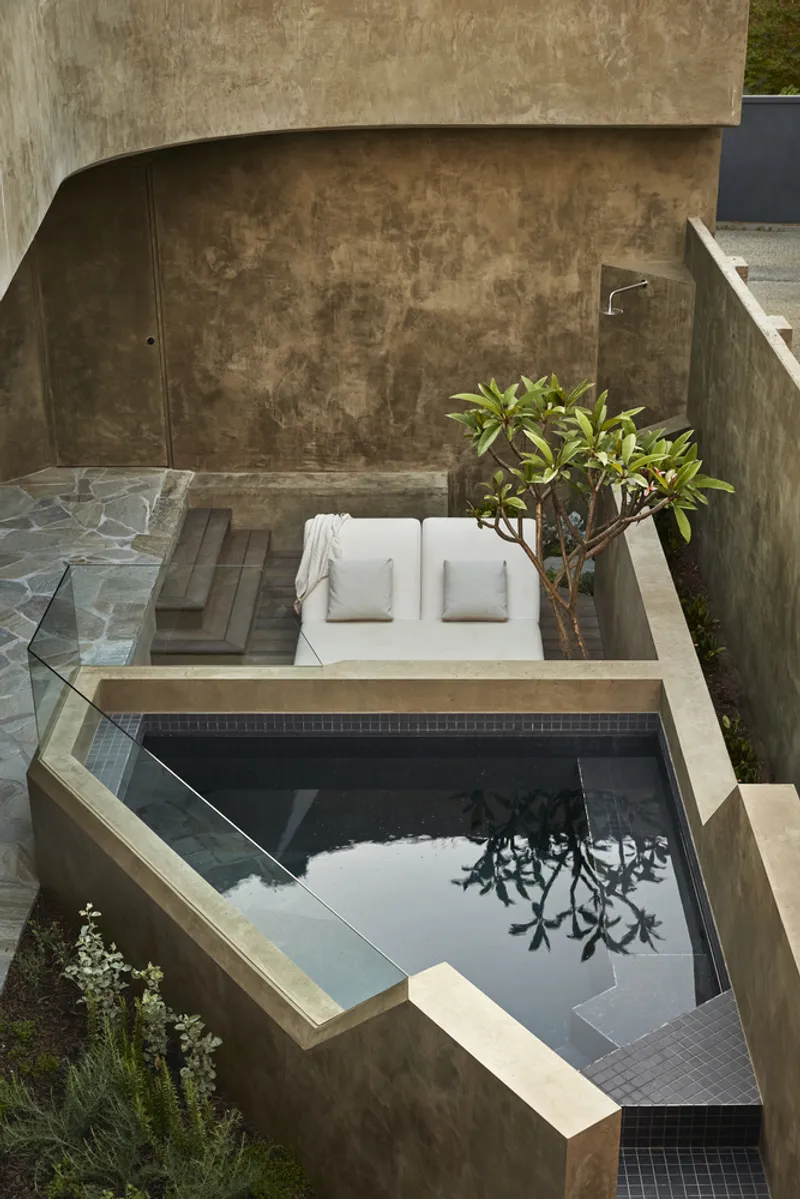
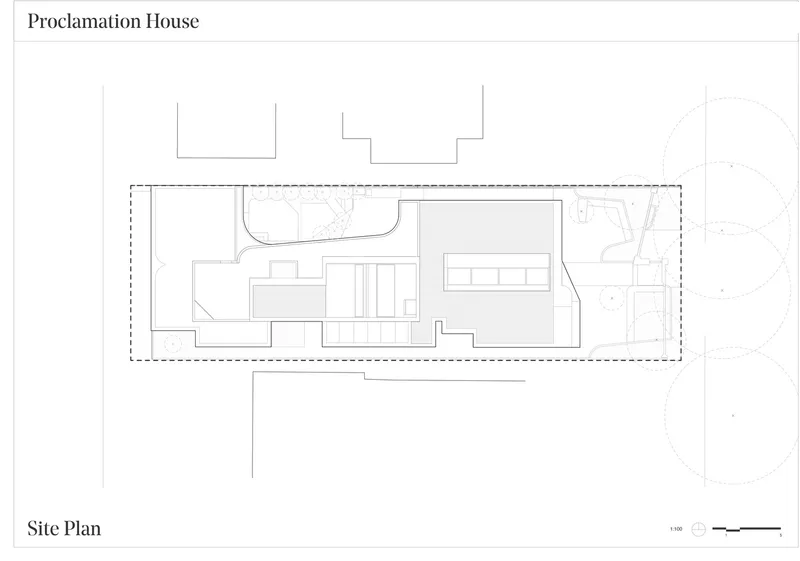
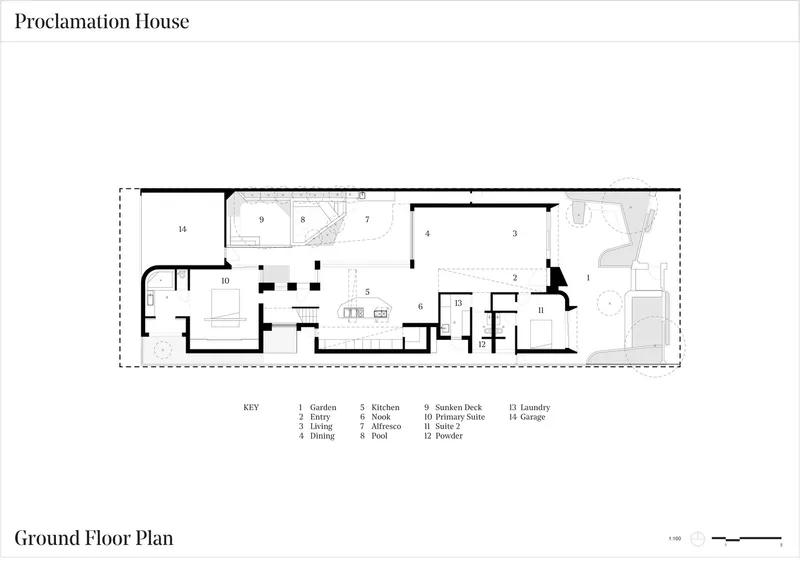
On the ground floor, the design thoughtfully arranges the communal living spaces around a central garden, allowing for easy access to natural light, ventilation, and the surrounding landscape. This layout promotes privacy by creating a buffer between the private bedroom areas while fostering a sense of connection to the exterior. The open living, dining, and kitchen areas flow seamlessly into the garden, enhancing the indoor-outdoor connection and creating a vibrant hub for family interaction.
Mezzanine and Multi-Functional Spaces
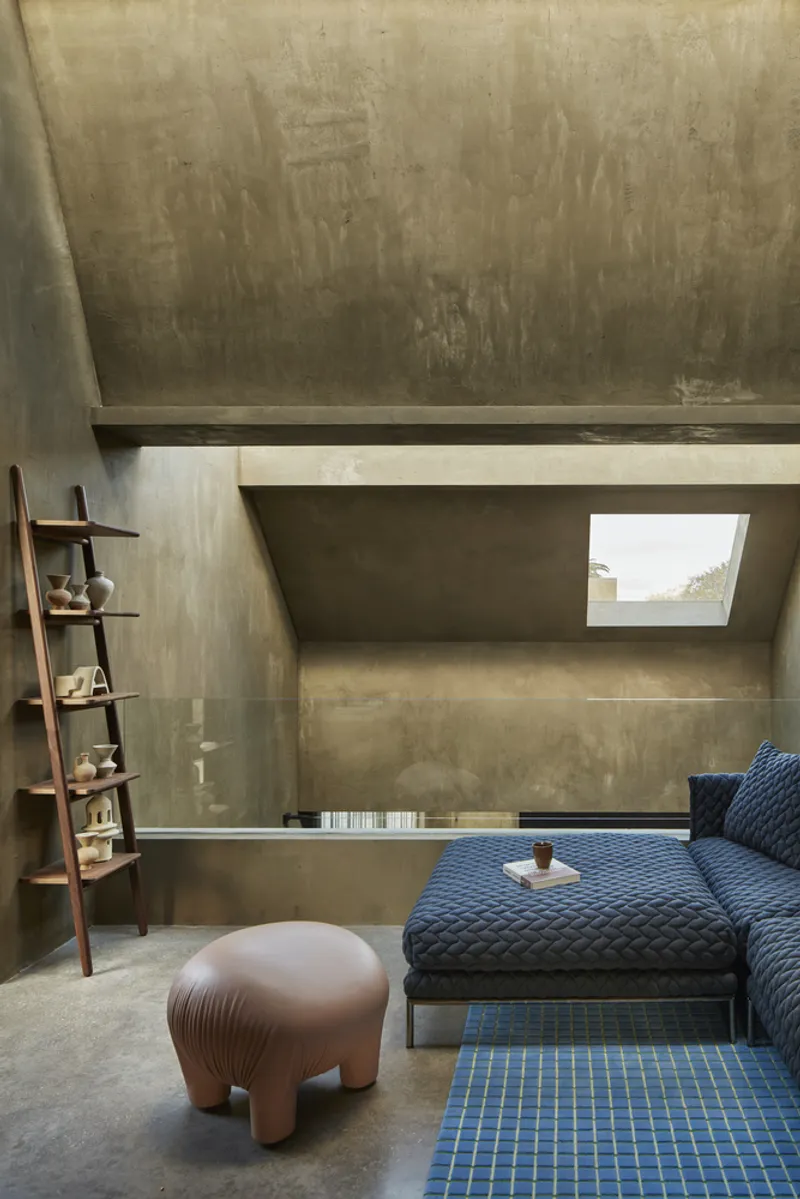
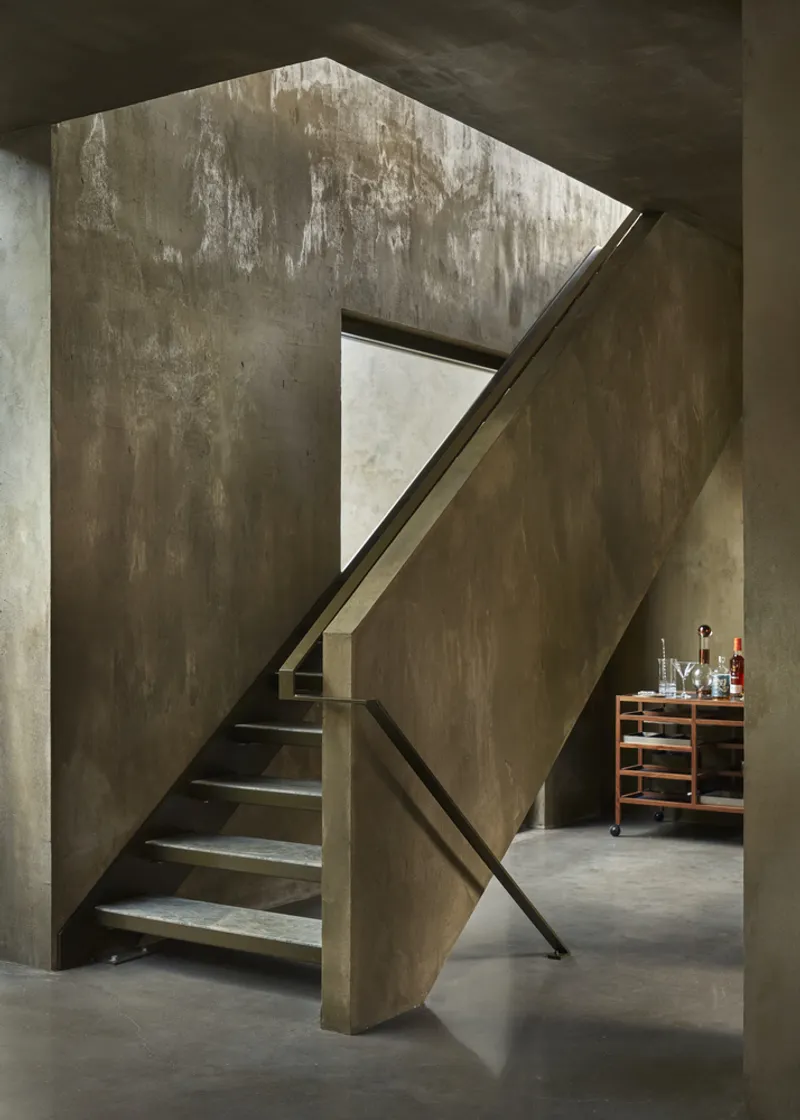
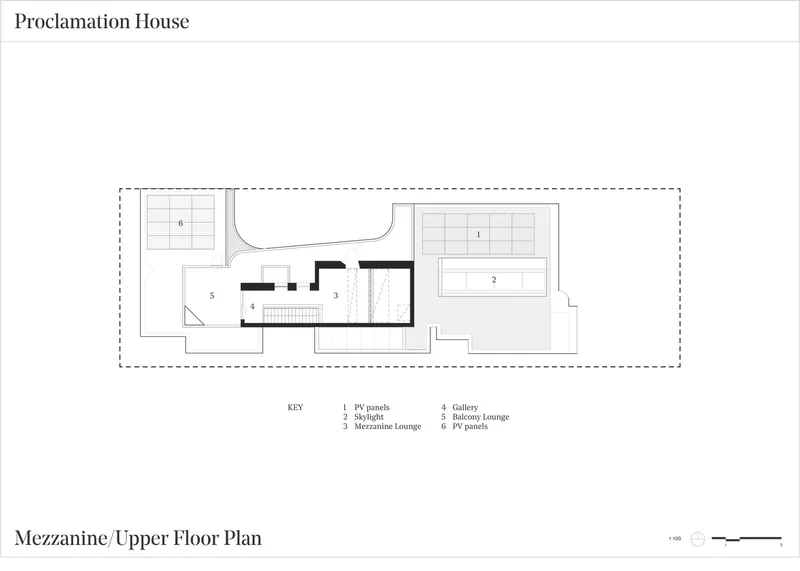
Above the main living area, a mezzanine level offers a unique vertical dialogue between spaces. This level features a study area that doubles as a guest sleeping zone, adding flexibility to the layout. The mezzanine connects the private areas of the home with the communal spaces below, ensuring that the entire home remains functional and adaptable to the evolving needs of the family. The open-plan layout creates a dynamic environment, where every room is versatile, serving various functions at different times.
Material Palette and Interior Finishes
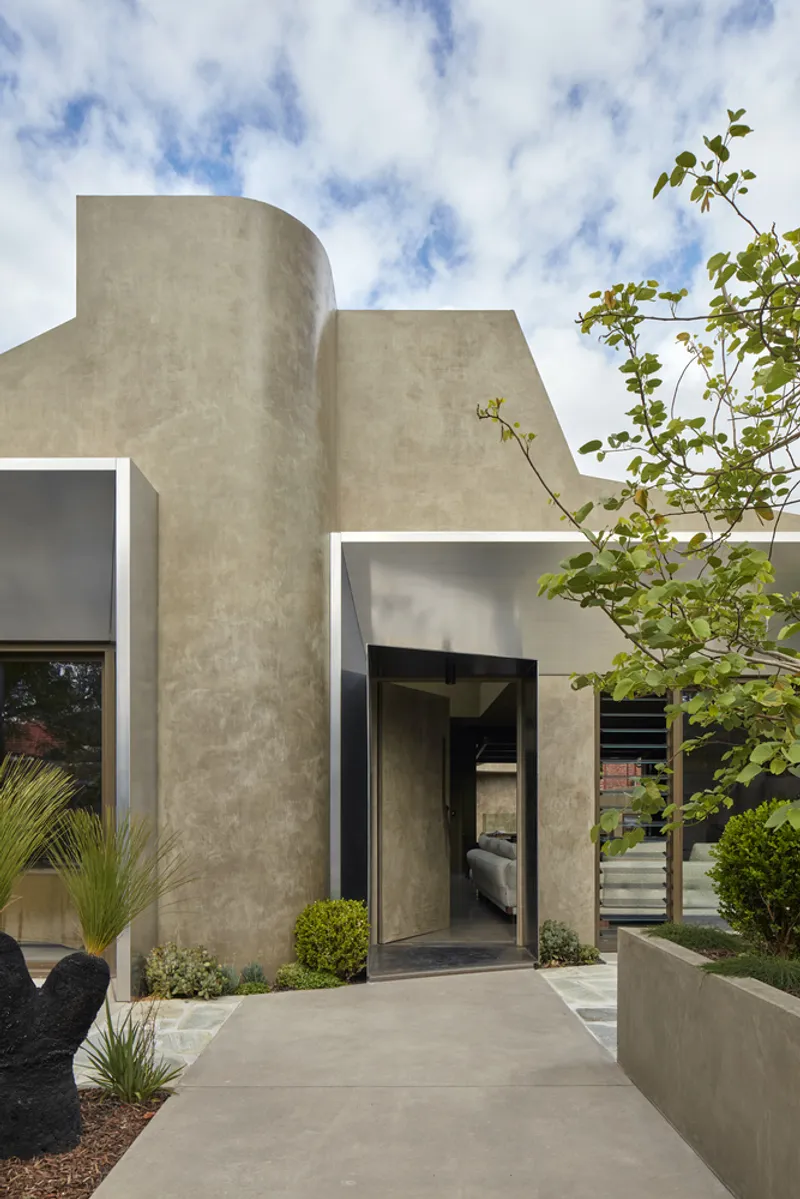
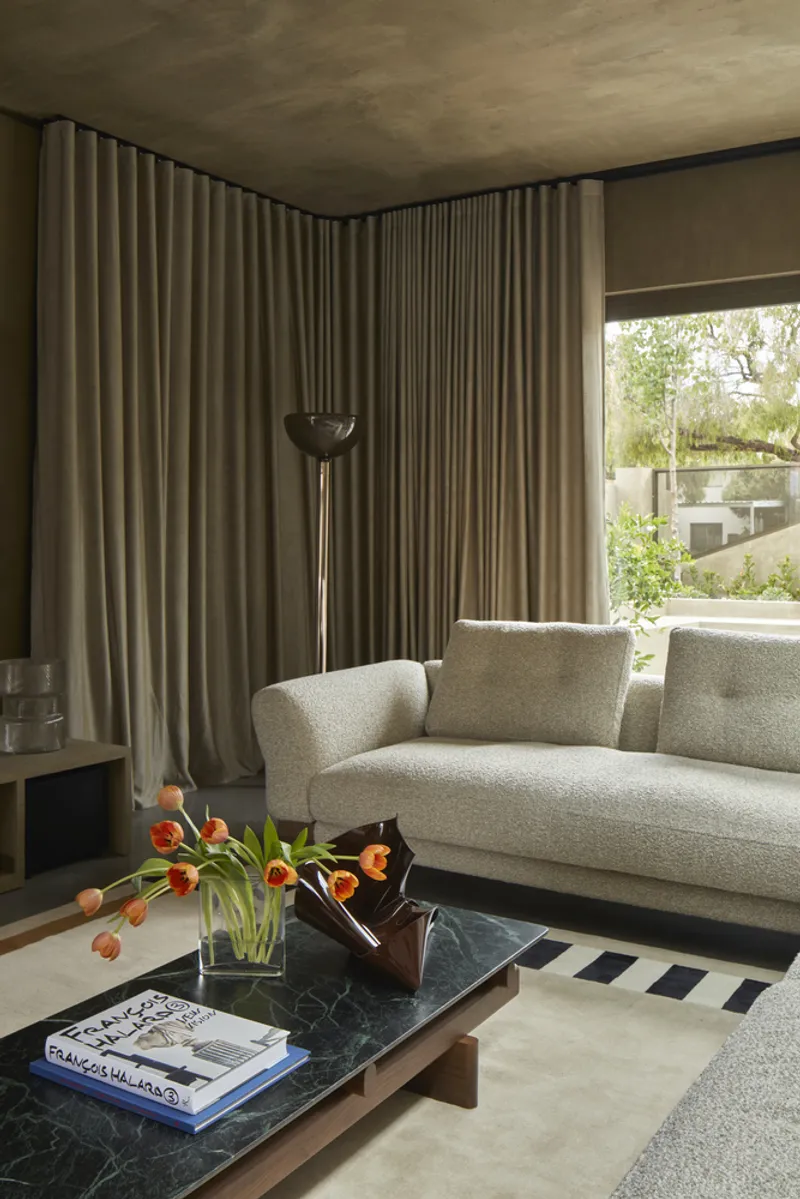
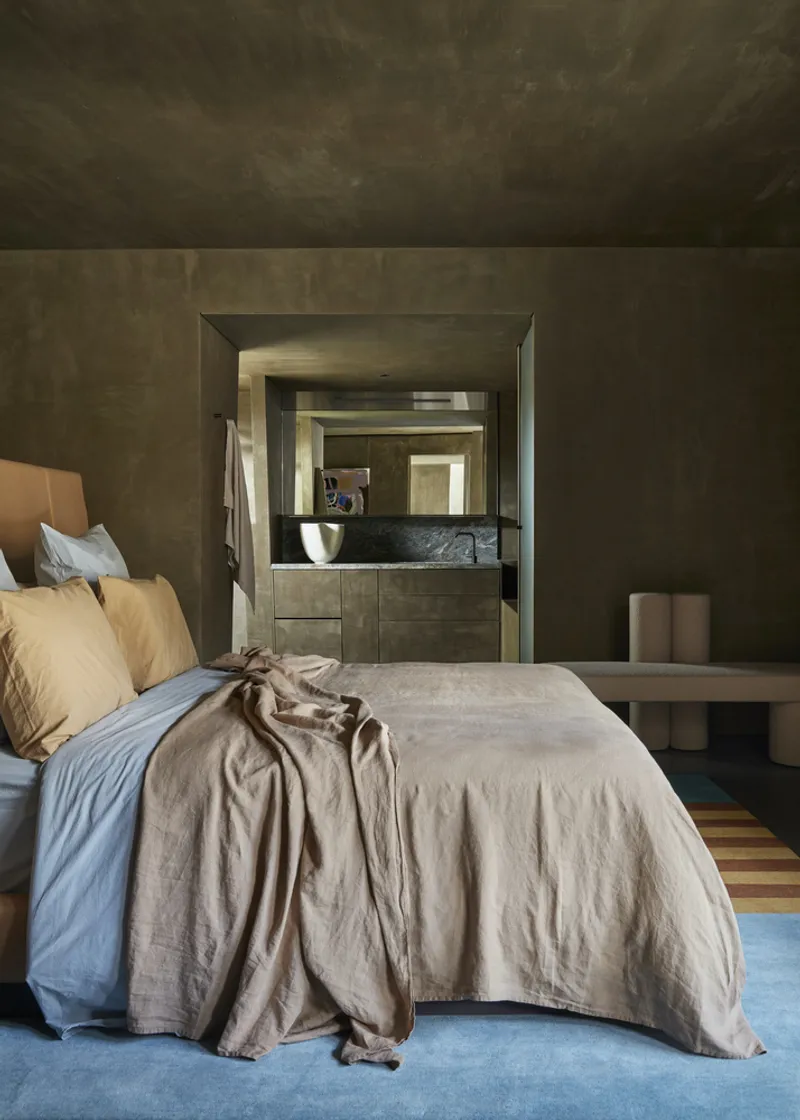
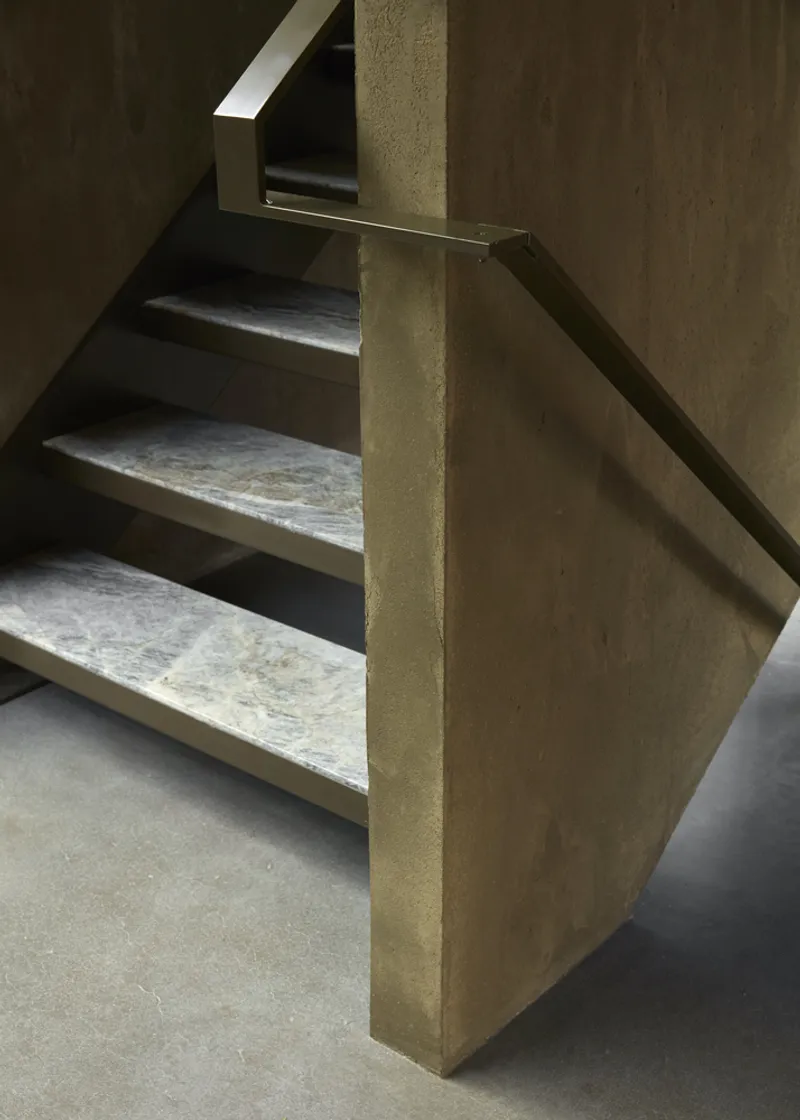
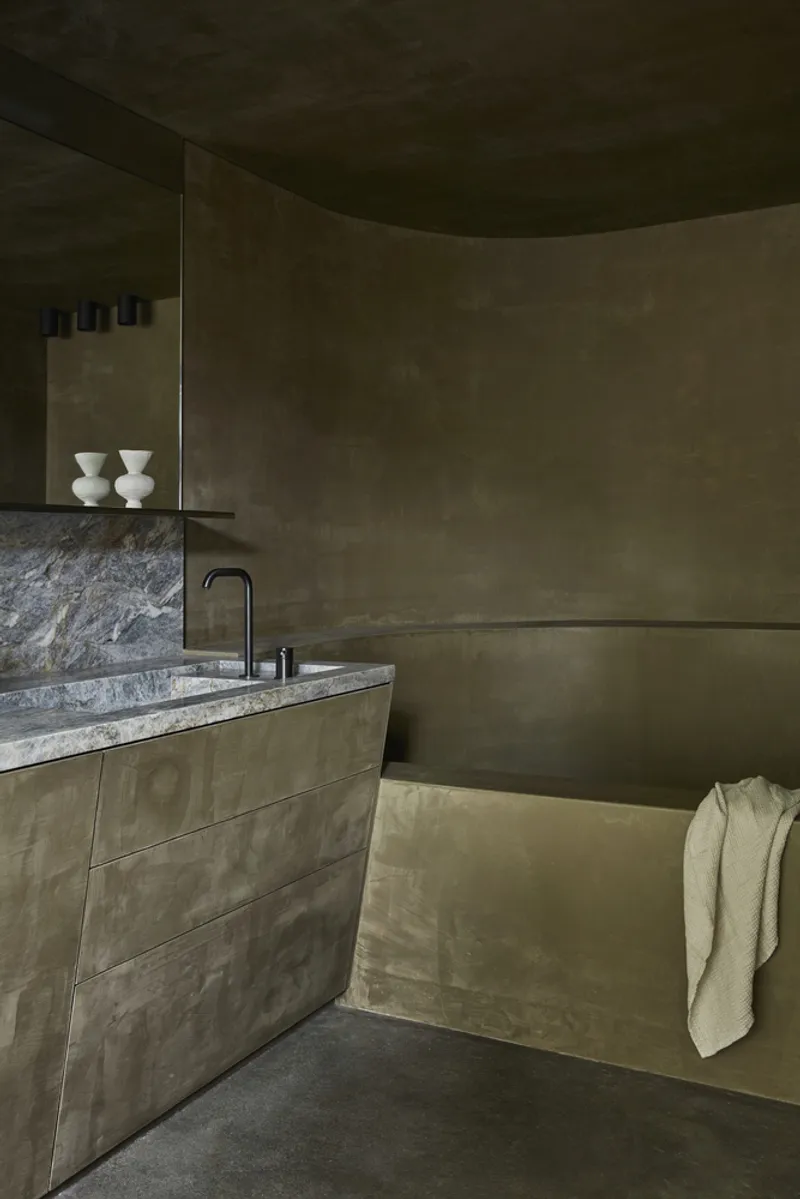
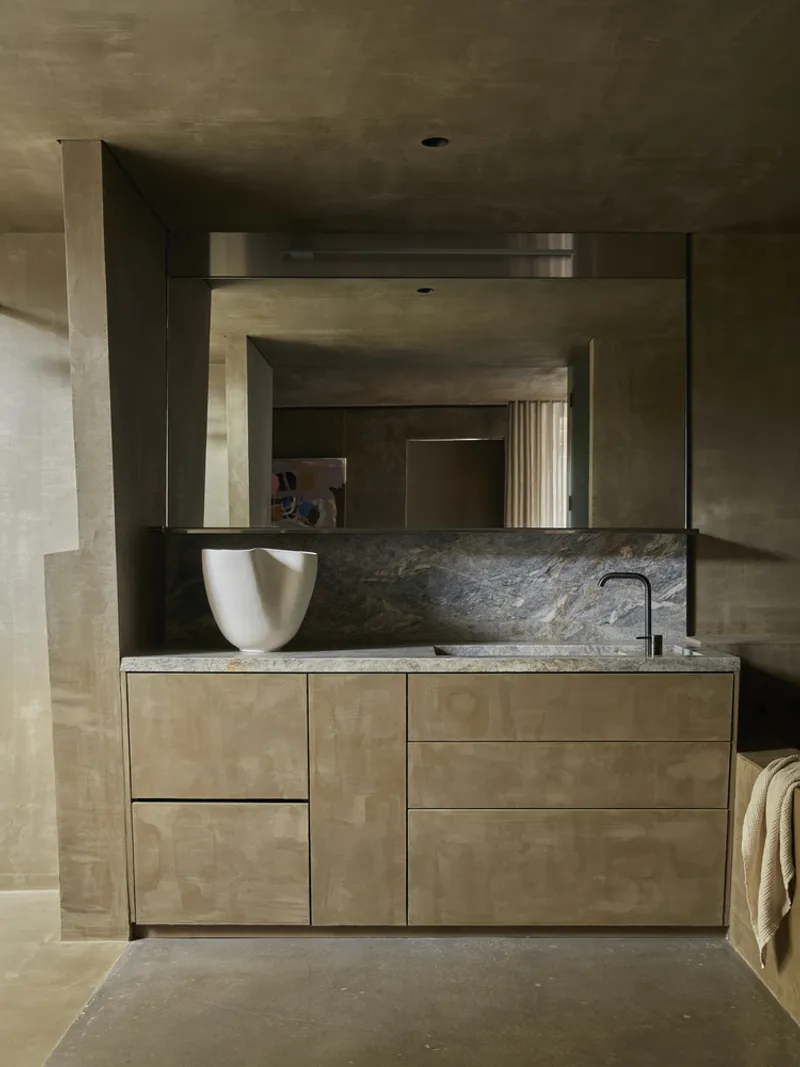
The material palette of Proclamation House is minimal yet elegant, featuring natural materials like oxidized concrete, brushed stainless steel, natural stone, and timbers finished in warm walnut or blackened oiled textures. The olive-toned hemp render applied both inside and outside gives the house a unified look while responding to changing light throughout the day. Inside, soft finishes, furniture, and lighting are strategically layered over the home's monochromatic shell to create depth and define different zones within the open-plan layout. The combination of historic and contemporary furnishings, along with custom-made local pieces, ensures the home’s timeless appeal. These elements allow the design to evolve gracefully over time.
A Balanced Home for the Future
Proclamation House is an outstanding example of contemporary architecture that respects its context while meeting the needs of its residents. Its innovative design blends historical references with modern elements to create a home that will remain relevant for years to come. The house’s commitment to sustainability, functional design, and aesthetic harmony ensures that it will continue to be a multi-generational family home for decades, perfectly balancing the demands of modern living with the architectural character of Subiaco.
All Photographs are work of Jack Lovel


Popular Articles
Popular articles from the community


longwave studio Reorganizes a 112 m² Tainan Apartment Around the Daily Routines of a Family and Two Cats
In Tainan, Taiwan, birch plywood, rust-red furniture and a freestanding plaster wall link arrival, storage, work and family life in one apartment.

GROUP A Strips a 1969 Rotterdam Harbor Headquarters to Its Frame and Wraps It in Timber Louvers
In Rotterdam's M4H harbor district, Ferro Offices reuses a 1969 frame, adds one timber storey and reaches BREEAM-NL Outstanding.

Juan García Correa, John González and Claudia Rueda Sink a Circular Amphitheater into a Manizales Engineering Building
On the La Nubia campus in Manizales, Colombia, the S1 Building folds labs and offices into a hillside of ramped lawns that double as a campus route.

U.GA Architects Wraps an Oval Rooftop Pool in Curved Board-Formed Concrete on Busan's Jeollidan-gil
In Busan's Jeonpo-dong, a 454 m² mixed-use block stacks a neighborhood facility, guest rooms and an oval rooftop pool inside spiraling concrete walls.

Similar Reads
You might also enjoy these articles


Hodi-Mandai Geram
Project Function: Preservation and revitalization of the Intangible heritage and socio-spatial identity of the Hodi by Housing, Cultural Memory Center, Sacred Grove, landscape, local tourism economy


Olio Towers: A Mid-Rise for Performers That Fuses Housing, Rehearsal, and Stage
Located blocks from Houston's Theater District, this modular tower stacks living units around a central performance atrium.

Oasis: Modular Green Housing Carved into Dhaka's Urban Fabric
A shortlisted Plugin Housing entry reclaims unauthorized settlements in Dhaka with stepped concrete volumes, green roofs, and ventilation-driven design.

Black Hole: A Floating Megastructure for the Post-Physical Era
Emiliano Mazzarotto envisions a spherical, self-scaling arena where e-sports, digital hotels, and holographic stadiums replace traditional public space.

Explore Architecture Competitions
Discover active competitions in this discipline

Challenge to reimagine the Iron Throne

Photograph architecture without architects

Illustrate the lost glory of Angkor Wat - Render Challenge

Design challenge to reuse E-waste
Comments (0)
Please login or sign up to add comments
No comments yet. Be the first to comment!