
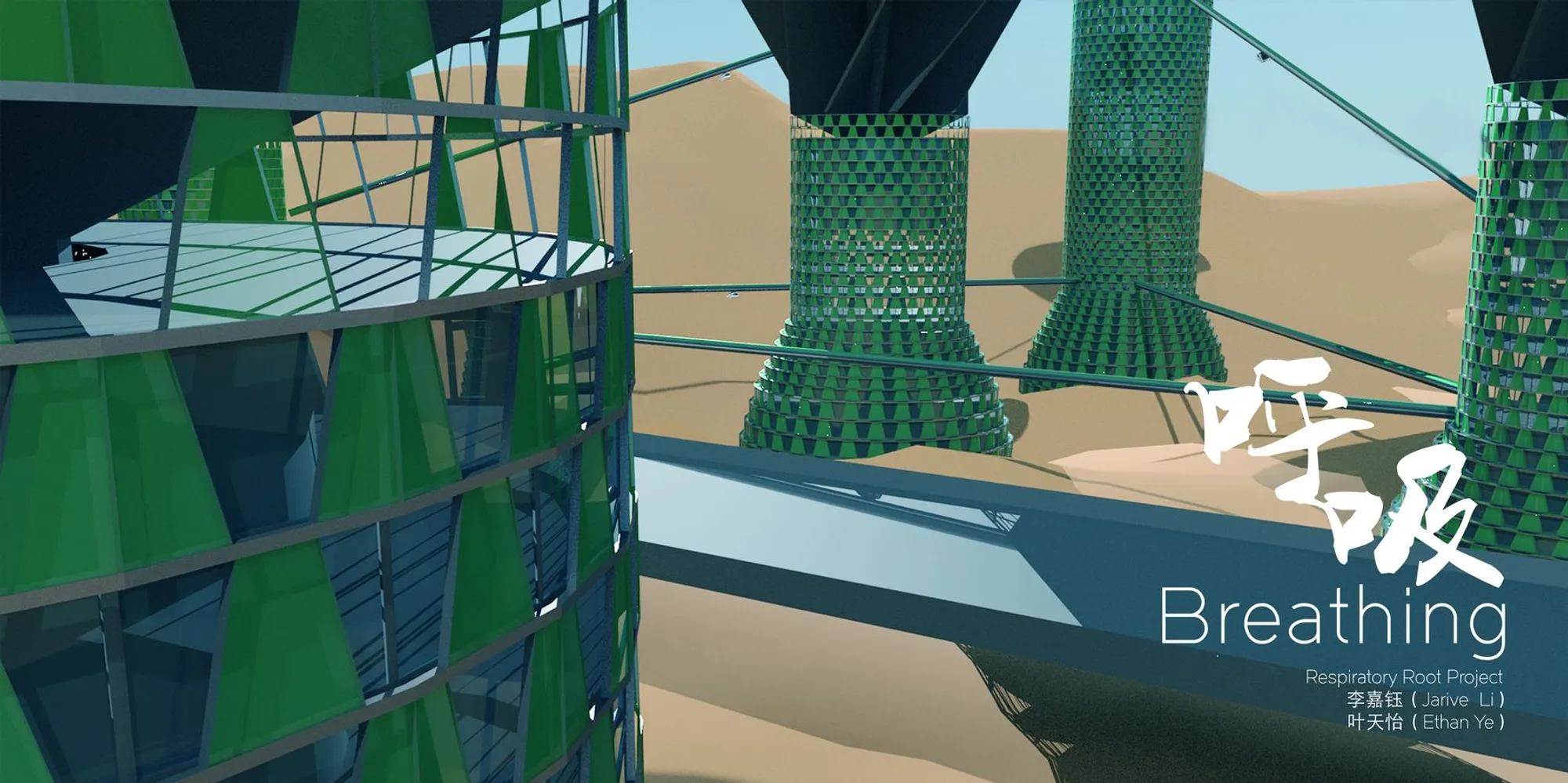
Respiratory Root Project: Modular Towers That Breathe Life into the Sahara
Inspired by banyan aerial roots and metasequoia respiratory systems, this desert habitat turns barren sand into a living, breathing oasis.


What if the Sahara could grow a forest of towers that breathe? The Respiratory Root Project takes the biological logic of banyan aerial roots and metasequoia respiratory systems and translates it into a modular vertical habitat for 1,000 residents per tower. Each structure acts as a self-sustaining lung: absorbing solar energy at its crown, cycling air and water through its core, and anchoring itself into subterranean networks below the sand. Multiplied across a 2.5-mile grid, these towers collectively reimagine the desert not as a void to be endured but as a substrate for a living, interconnected ecology.
Designed by 萘 叶 and 鬼存 李, the project was shortlisted in the EHC - Sahara competition. The brief called for radical proposals for human settlement in one of the planet's most extreme climates, and this entry responds with a design language that is equal parts ecological infrastructure and cultural homage, drawing on the shape of djembe drums for its structural base and on vertical farming, microalgae bioreactors, and dish solar thermal systems for its operational backbone.
A Vertical Ecosystem from Wind Catcher to Subway
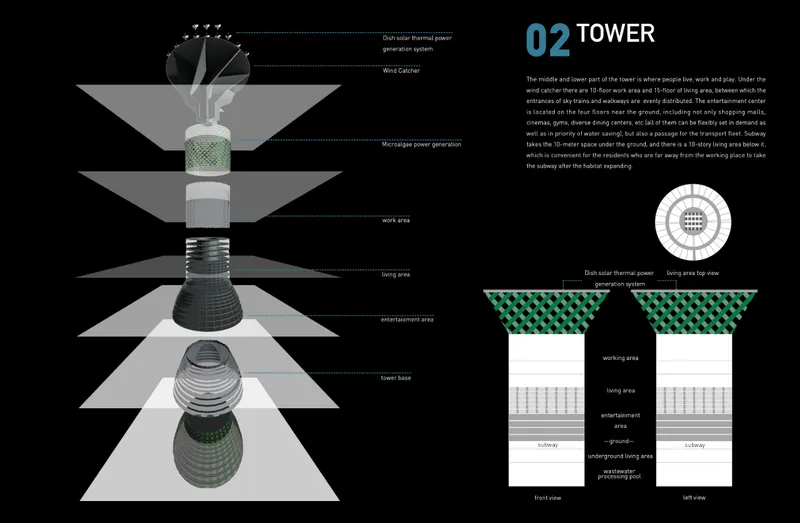
The exploded axonometric reveals the tower's anatomy with surgical clarity. At the top sits a solar-powered wind catcher paired with a dish solar thermal system rated at up to 29.4% efficiency, converting the Sahara's relentless sunlight into usable energy. Below that, a 10-story work zone transitions into 15 floors of residential space, with entertainment programs like malls, cinemas, and gyms occupying the lower levels. The base, inspired by the flared profile of the djembe drum, widens to meet the ground with both cultural resonance and structural stability. At the bottom of the stack, a 10-meter-deep subway network connects towers laterally, while sky trains provide elevated transit between units.
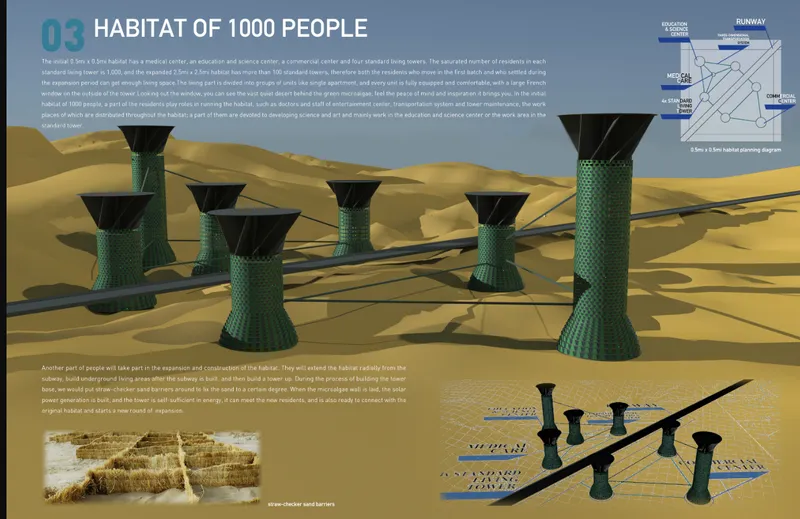
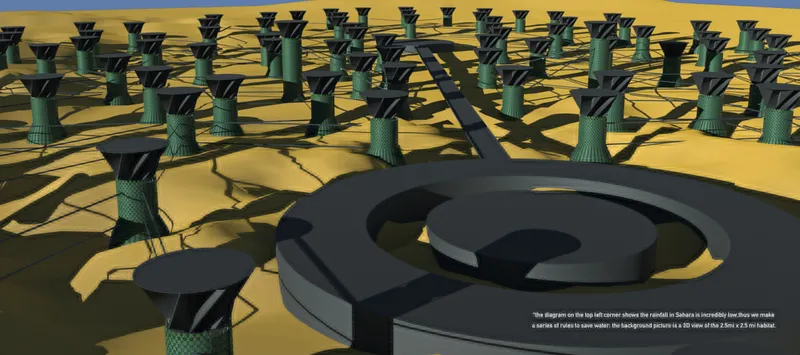
The rendered desert view shows these towers in their intended multiplicity. Their green latticed surfaces and flared canopies read less like conventional buildings and more like a synthetic forest canopy, which is precisely the point. When arrayed across the landscape, the towers produce the visual and ecological effect of turning barren sand into what the designers call a "green sea." Planning diagrams alongside the rendering indicate how a 0.5-mile by 0.5-mile grid hosts four standard towers plus medical, commercial, and educational centers, forming the basic unit of community.
Transit Systems Suspended Between Towers
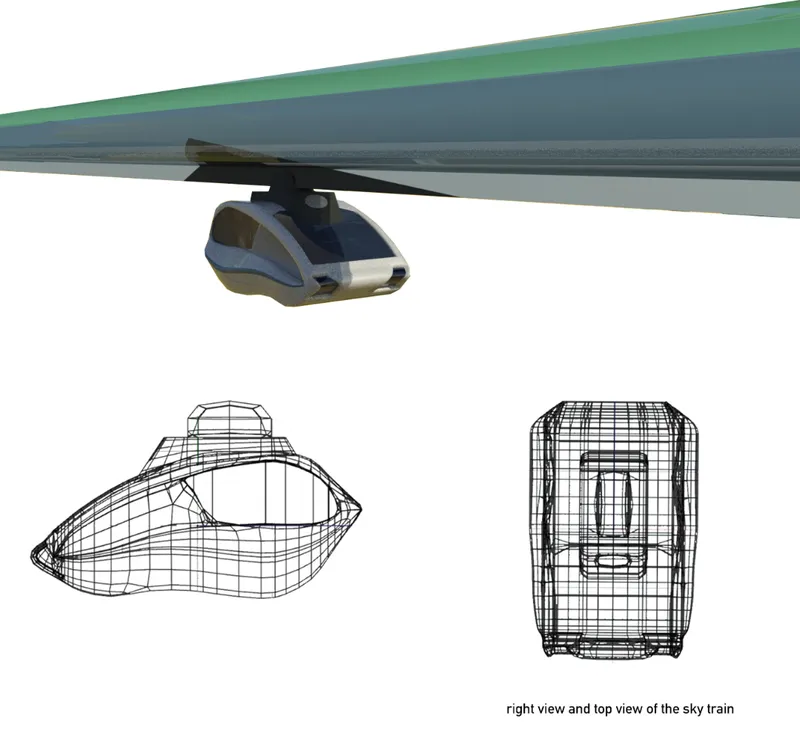
Connectivity between towers relies on a three-dimensional transit network that includes monorail and suspended transport pods. The wireframe and rendered views here show a sleek pod hanging beneath a rail beam, offering a mode of travel that keeps the desert floor unobstructed. This approach avoids the infrastructure sprawl typical of ground-level transit in harsh climates. Instead, movement happens above the sand, linking districts and towers without disturbing the soil stabilization efforts below, which rely on straw-checker sand barriers to hold the landscape together.
Microalgae Walls and Vertical Farms Feed the Tower
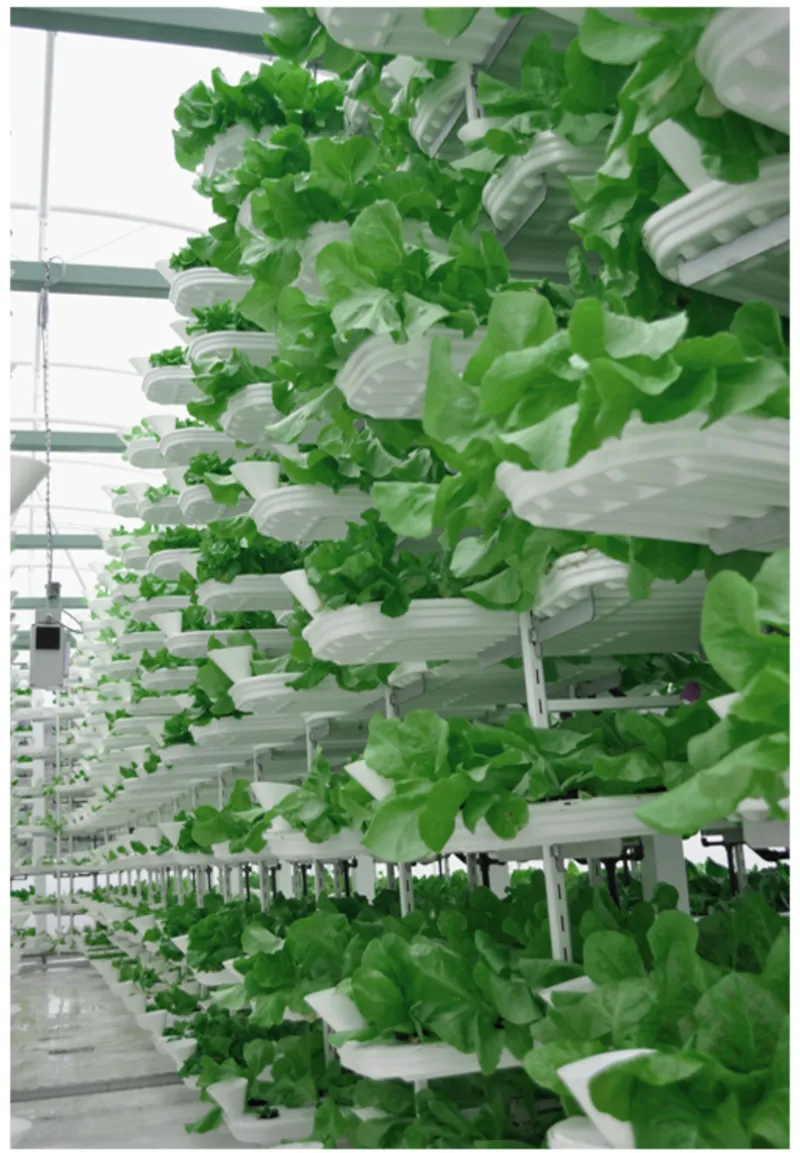
Inside each tower, vertical farming operations produce high-yield crops in compact, climate-controlled environments. The image of hydroponic lettuce growing under fluorescent light in white vertical planters illustrates the agricultural density these systems achieve. With no arable land available outside, food production must happen vertically, and the towers accommodate this without sacrificing residential or commercial space. Meanwhile, microalgae-filled bioreactors serve a dual function: generating power and purifying both air and water. These bioreactors form what the designers describe as "green living walls," blurring the boundary between building envelope and biological system.
The wider landscape view reinforces the scale of ambition. Over 100 towers populate the extended 2.5-mile by 2.5-mile layout, each supporting approximately 1,000 residents in smart, energy-efficient units fitted with panoramic windows. A spiraling ramp structure visible in the terrain suggests pedestrian and service access routes that weave organically through the settlement. Water recycling systems within the towers achieve over 90% efficiency, converting waste into potable water, while a credit-based payment system incentivizes responsible water use among residents.
Lattice Skins That Regulate and Represent
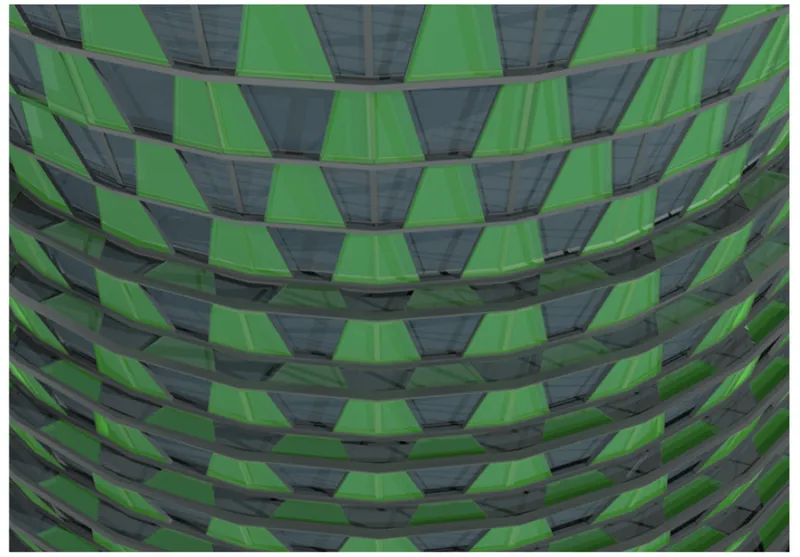
The close-up of alternating green and grey panels forming a curved lattice structure reveals the tower's exterior as more than decoration. This skin negotiates between shading, ventilation, and energy capture. The green panels likely correspond to the microalgae bioreactor zones, while the grey elements provide structural rigidity and solar reflection. The curvature follows the djembe-inspired profile that tapers and flares along the tower's height, creating a rhythm that reads as both engineered and organic. It is a facade system that performs thermally while signaling the project's core thesis: architecture modeled on the respiratory logic of living trees.
Why This Project Matters
The Respiratory Root Project is compelling not because it proposes a single brilliant building, but because it proposes a system. The modular tower is designed for replication, each unit self-sufficient in energy, food, water, and transit, yet networked into a larger settlement through subterranean subways and elevated monorails. The designers have thought through the full stack: from dish solar thermal collection at the tower crown to straw-checker sand barriers stabilizing the soil, from microalgae bioreactors purifying air to a credit economy governing water consumption. That systemic ambition distinguishes the project from more formal or sculptural desert proposals.
What lingers is the metaphor at the heart of the scheme. Turning desert into sea is a romantic idea, but 萘 叶 and 鬼存 李 ground it in observable biology and quantifiable technology. Banyan roots, metasequoia respiratory systems, and vertical farming are not speculative concepts; they are existing phenomena reorganized into an architectural framework for extreme climate habitation. The result is a vision that feels less like utopian fantasy and more like a plausible infrastructure manual for a planet running out of hospitable ground.
View the Full Project
About the Designers
Enter a Design Competition on uni.xyz
uni.xyz runs architecture and design competitions year-round that reward proposals with spatial conviction and real site intelligence.
Project credits: Respiratory Root Project by 萘 叶, 鬼存 李 EHC - Sahara (uni.xyz).



Popular Articles
Popular articles from the community

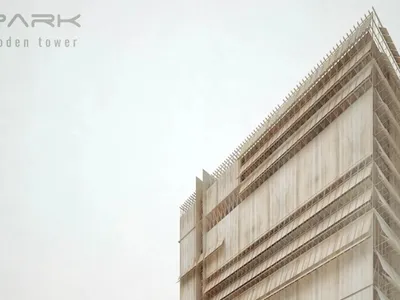
EW PARK: Sustainable Architecture Reimagines the Future of Urban Parking
EW PARK reimagines city parking as a modular wooden tower combining automation, solar energy, electric mobility, and adaptable urban design.
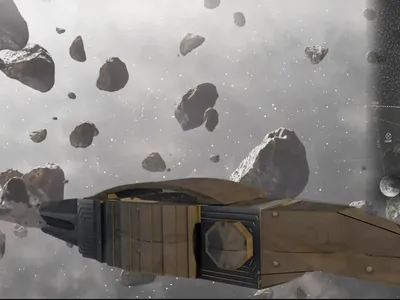
Pangolin Can Help Mining: Biomimicry Architecture for an Asteroid Mining Habitat
Pangolin Can Help Mining explores biomimicry architecture through a modular 3D-printed habitat designed for asteroid mining and future life.

Riyadh For All: Intergenerational Urban Design for Active Aging in Rabat
Riyadh For All reimagines urban design in Rabat with intergenerational co-living, adaptive courtyards, and Moroccan cultural exchange today.
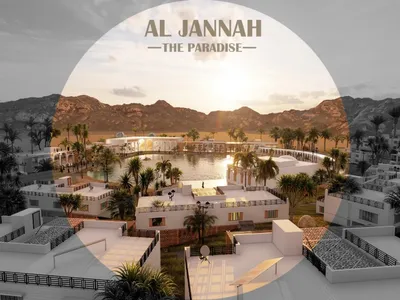
AL-JANNAH: Sustainable Architecture and Permaculture for Afghan Widows
AL-JANNAH uses sustainable architecture and permaculture to create resilient oasis of housing, learning, work and renewal for Afghan widows.


Similar Reads
You might also enjoy these articles

Day and Night Park: A Time-Based Urban Newsstand in Beijing
A temporary urban newsstand in Beijing blending travel, light, and reading through poetic colors, compact form, and community-focused design.

Modernist Patio Renovation in El Masnou, Barcelona by Oliver Segura Arquitectura + Cebrià Arquitectura
Modernist patio renovation blending tradition and innovation with a movable pool, leveled floors, and Catalan materials in El Masnou.

Alto Residencial Coop: Cooperative Housing Development in Santiago de Compostela by Carbajo Barrios Arquitectos
A linear cooperative housing complex blending white volumes and perforated metal façades, enhancing community living, natural light, privacy, and urban integration.
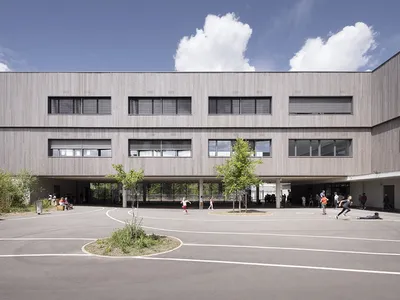
Vil Genis School by BPA ARCHITECTURE – Massy, France
Vil Genis School in Massy, France, features sustainable design, south-facing classrooms, community integration, accessible spaces, and modern educational architecture.





Comments (0)
Please login or sign up to add comments
No comments yet. Be the first to comment!