
Restaurant Architecture in New Zealand: Sugarloaf at Flockhill by Hierarchy Group
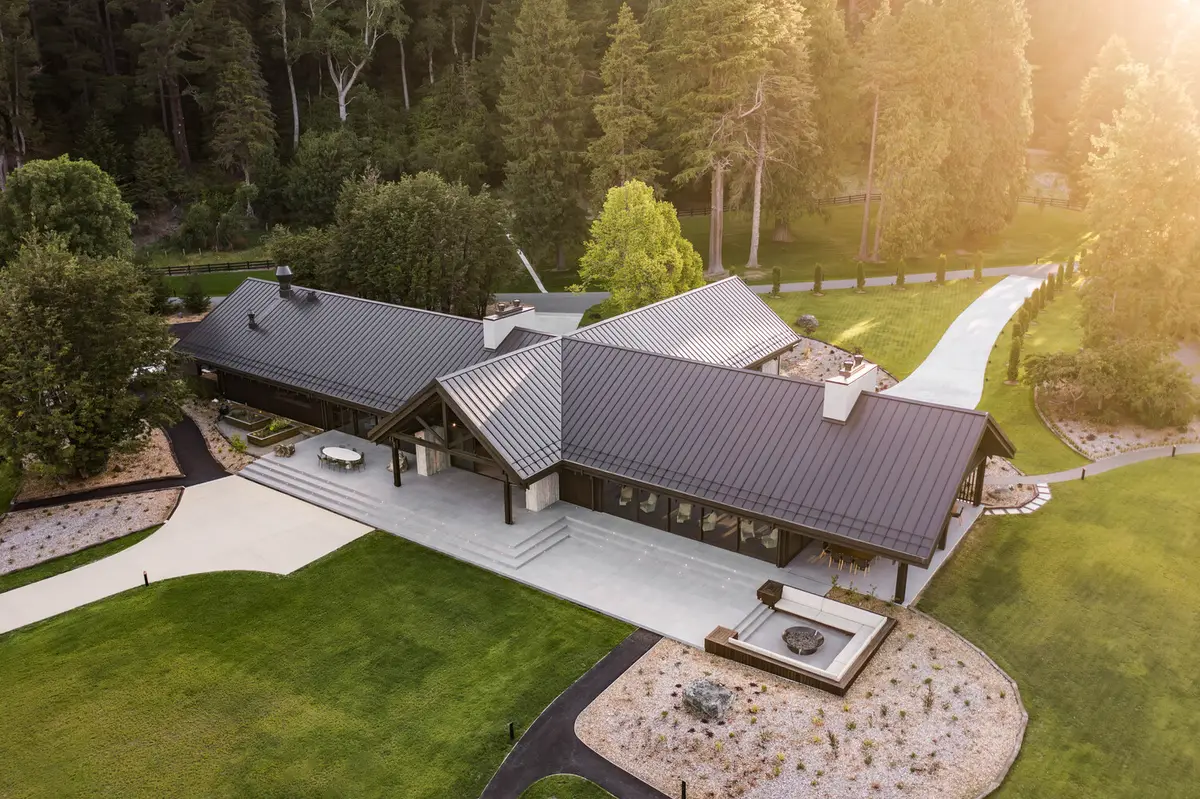
Sugarloaf is a refined restaurant in New Zealand blending monumental architecture with natural materials and alpine landscape immersion.


Blending Landscape and Luxury Dining in the Southern Alps
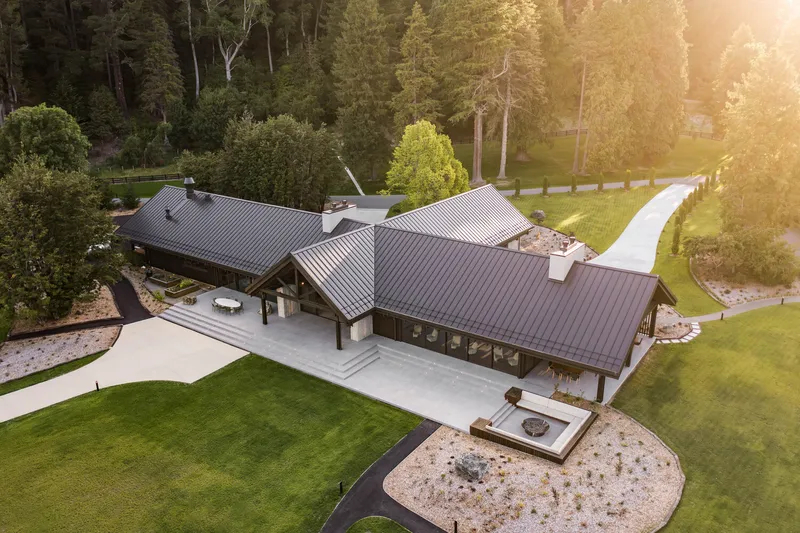
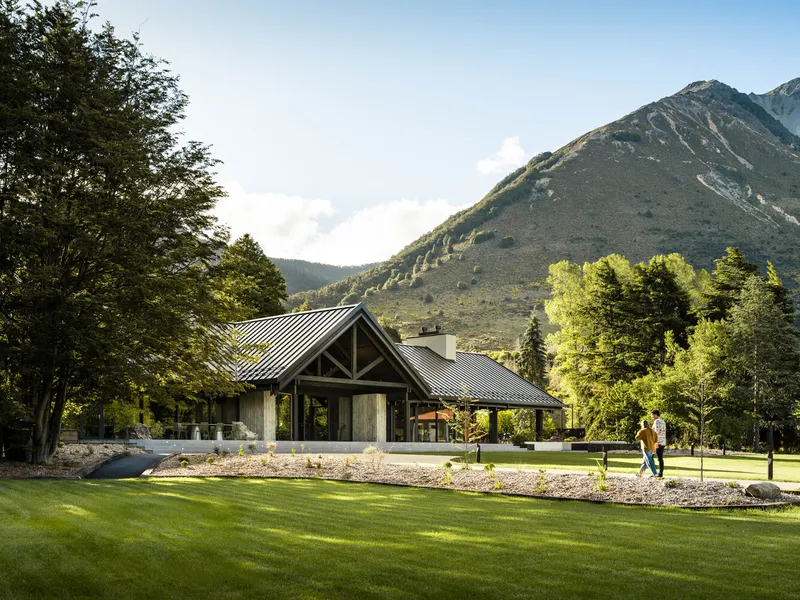
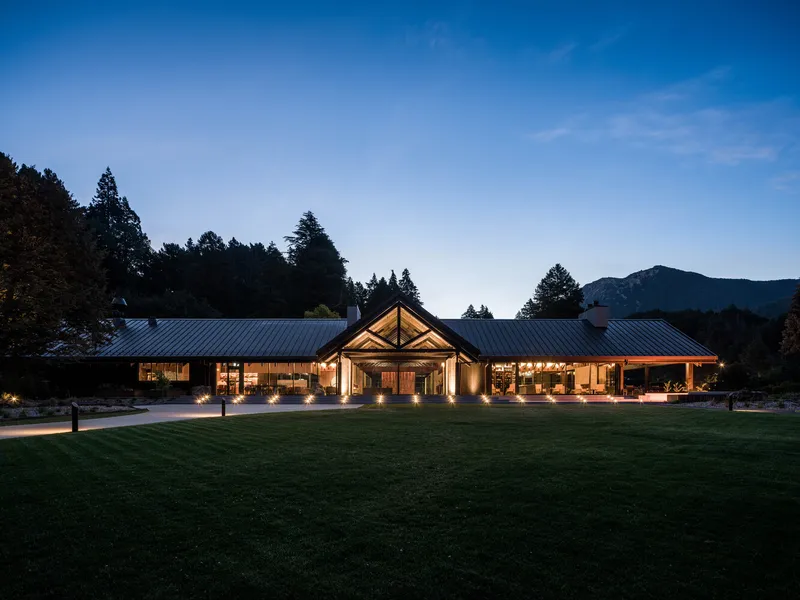
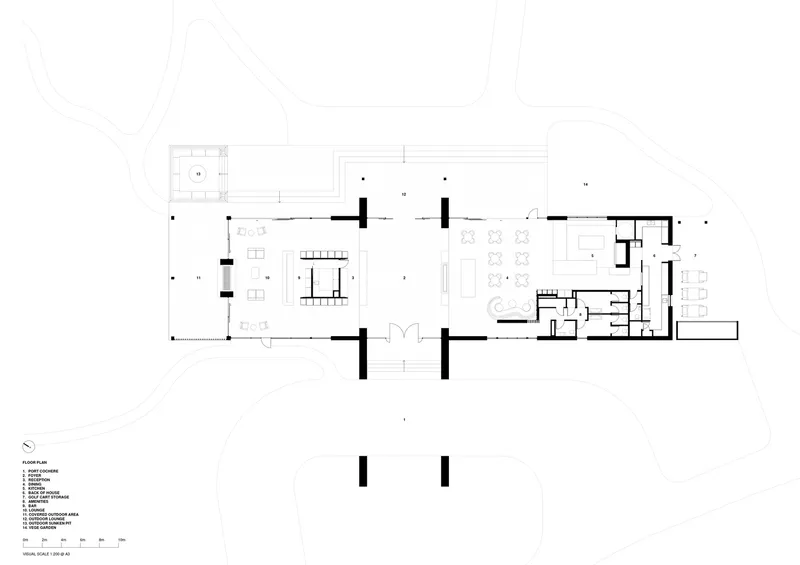
Set within the striking Craigieburn Valley on a historic sheep station, Sugarloaf at Flockhill redefines restaurant architecture in New Zealand. Designed by Hierarchy Group, the 560-square-meter restaurant is a sophisticated yet grounded structure that pays homage to the grandeur of the Southern Alps while reflecting the rustic elegance of New Zealand’s farming heritage. This architectural experience merges world-class hospitality with landscape-centric design, delivering a space that is both inviting and monumental.
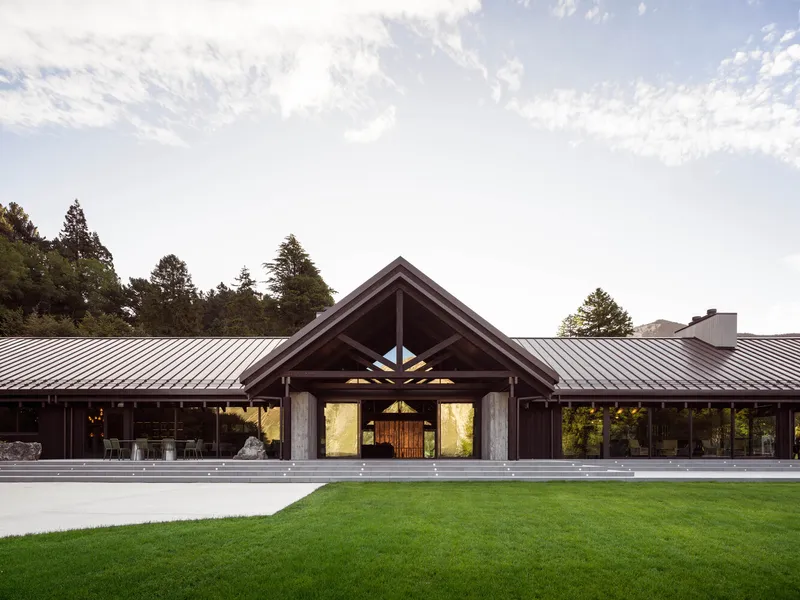
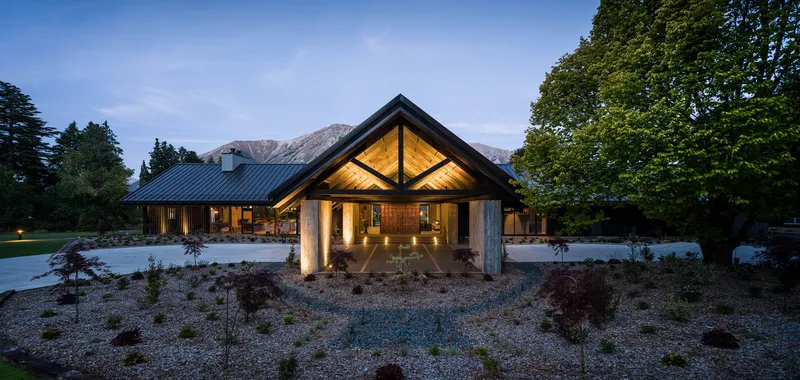
Positioned deliberately within the remote landscape near Lake Pearson, Sugarloaf offers panoramic views of the surrounding alpine environment. Its form avoids dominance over the terrain, instead drawing the eye to the landscape. Guests are greeted by a grand porte-cochère leading to oversized copper doors—an elegant prelude to the warm, cathedral-like interior that unfolds within.
Architectural Rhythm and Material Integrity
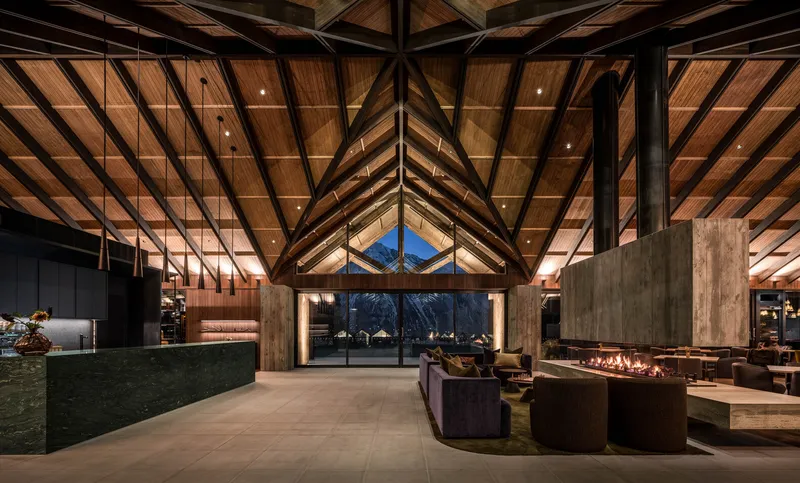
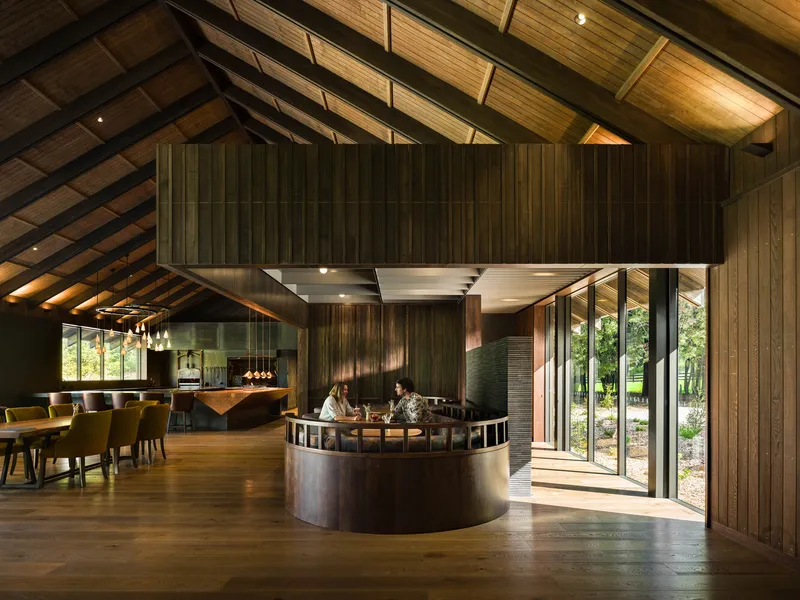
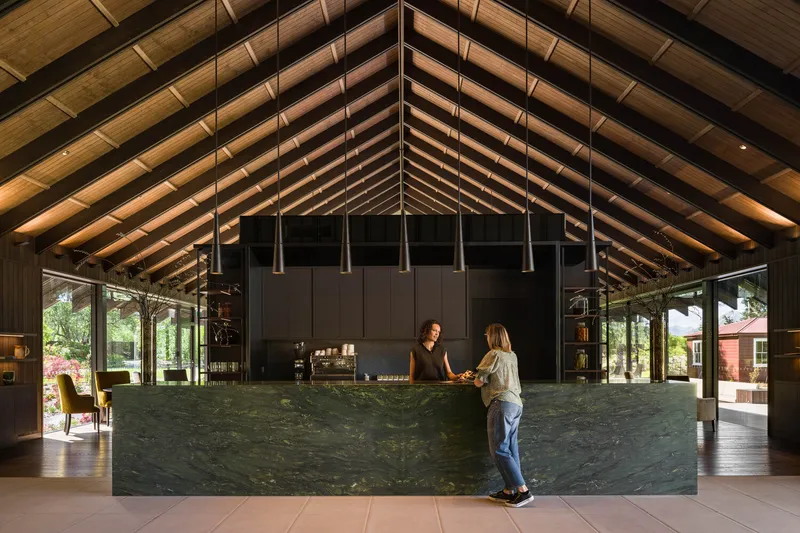
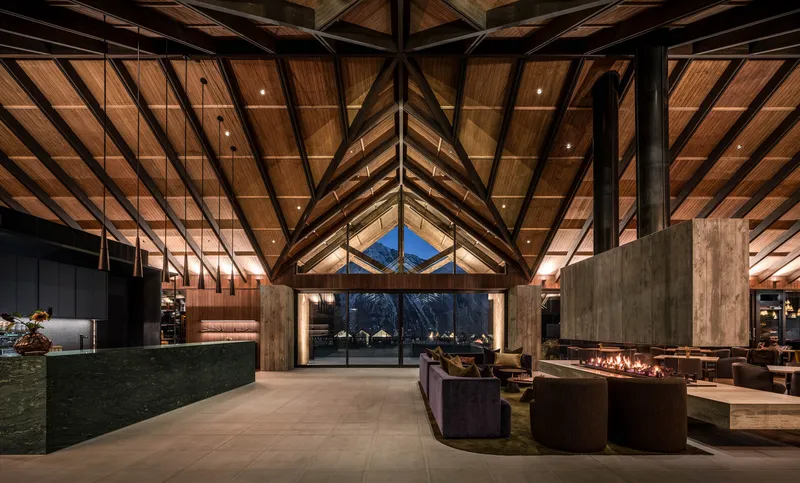
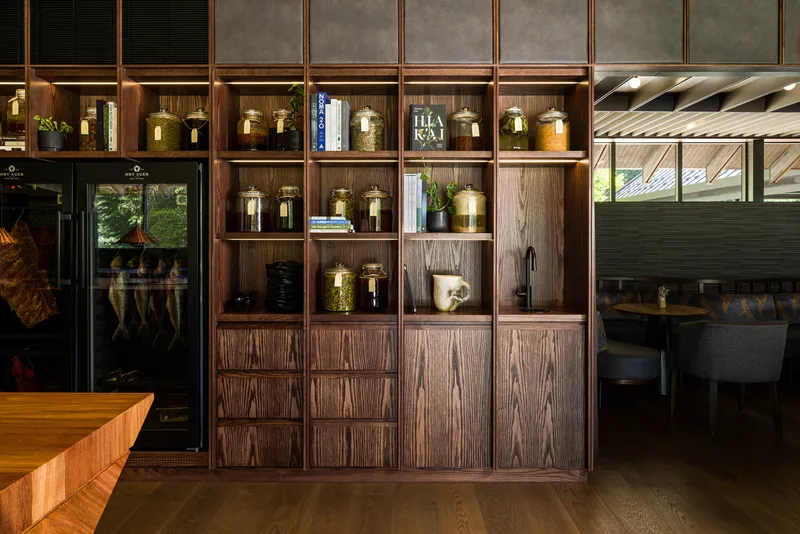
Sugarloaf’s spatial language centers on verticality, rhythm, and balance. The interiors are defined by 7-meter-high timber-clad ceilings, emphasized by paired architectural elements: double flues, mirrored joinery, and sandwiched rafters. Each gesture is methodical, contributing to a cohesive spatial identity that reflects both grandeur and refinement.
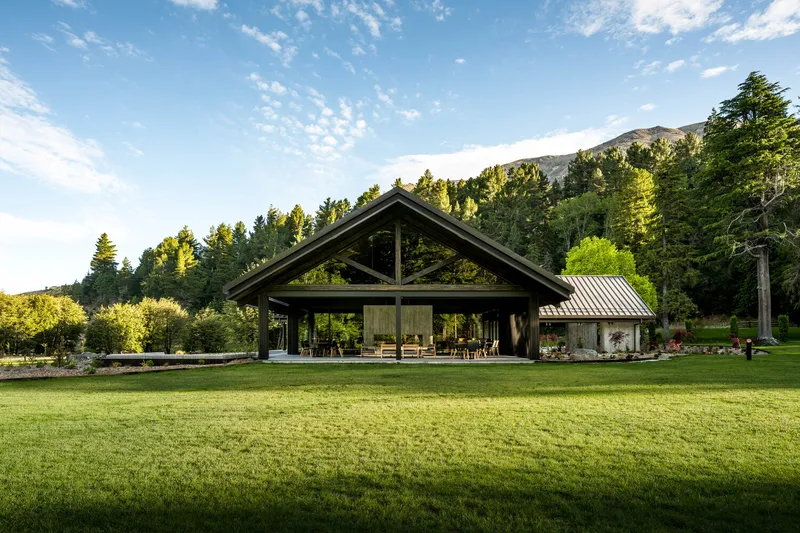
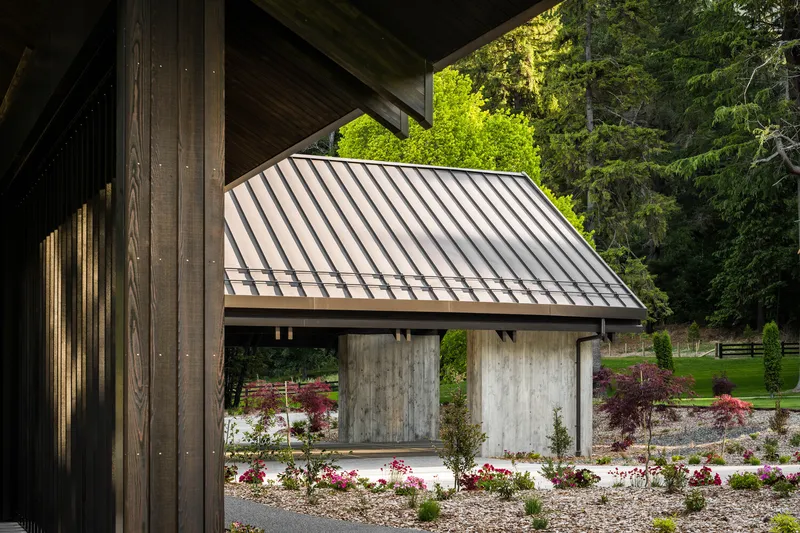
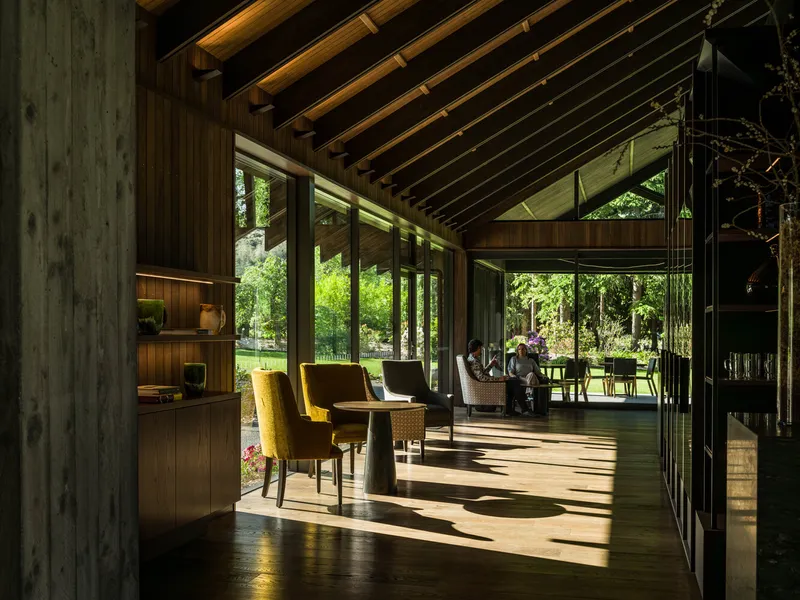
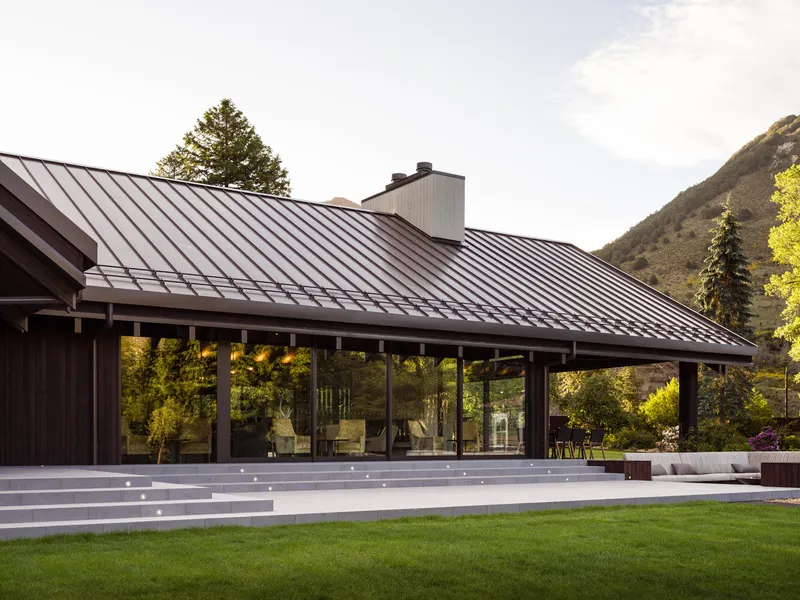
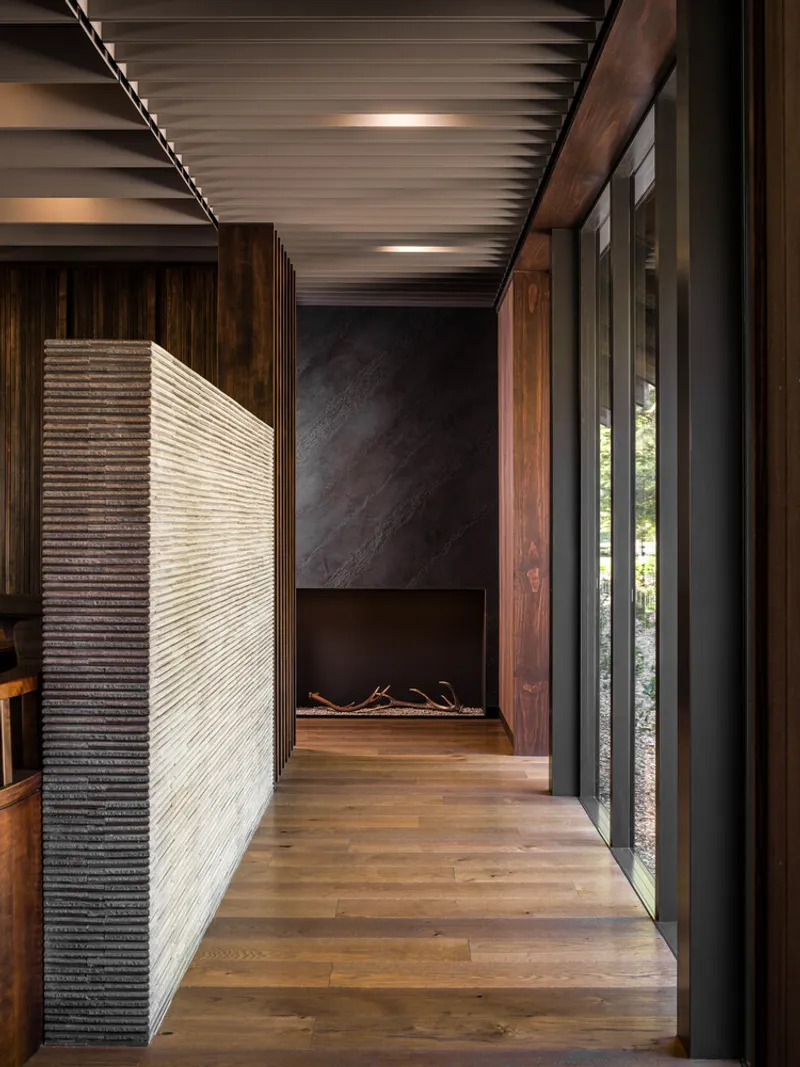
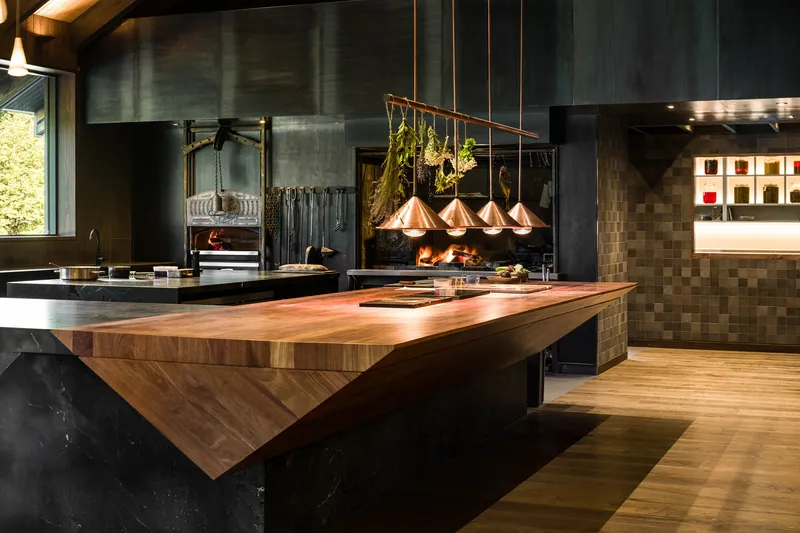
Materiality plays a vital role in this harmony. Inside and out, the palette is tactile, elemental, and honest. Timber, concrete, and blackened steel dominate, while Western Red Cedar cladding is stained ebony to allow the building to retreat into its environment. The massive concrete fireplace suspended from the ceiling becomes a sculptural centerpiece—at once raw and calculated, anchored by the structural precision of hidden engineered steel.
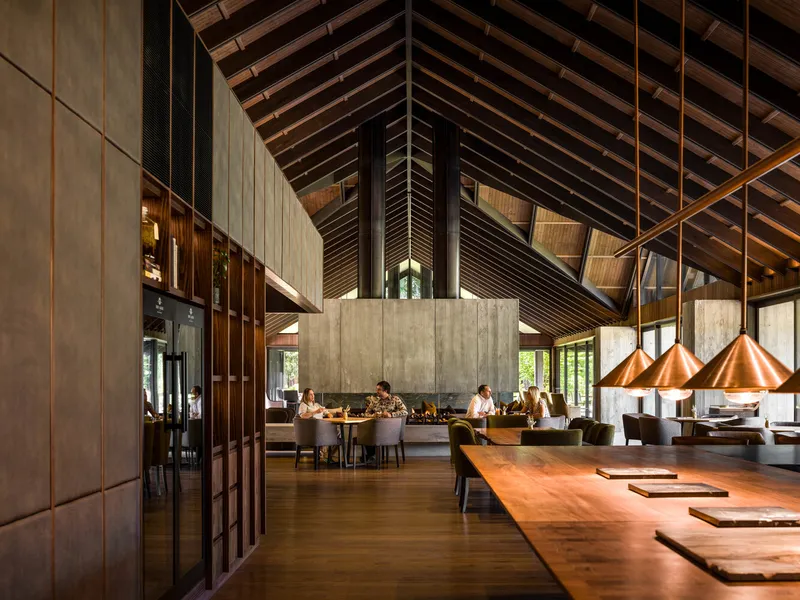
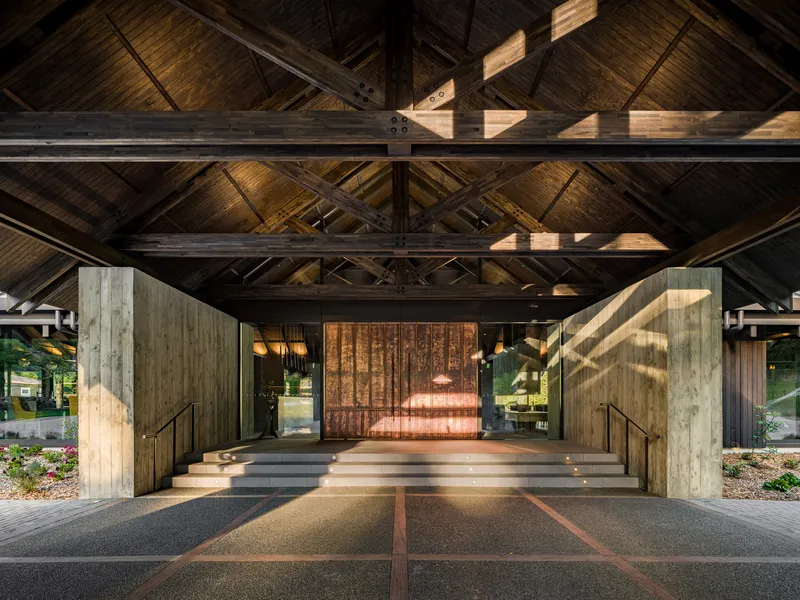
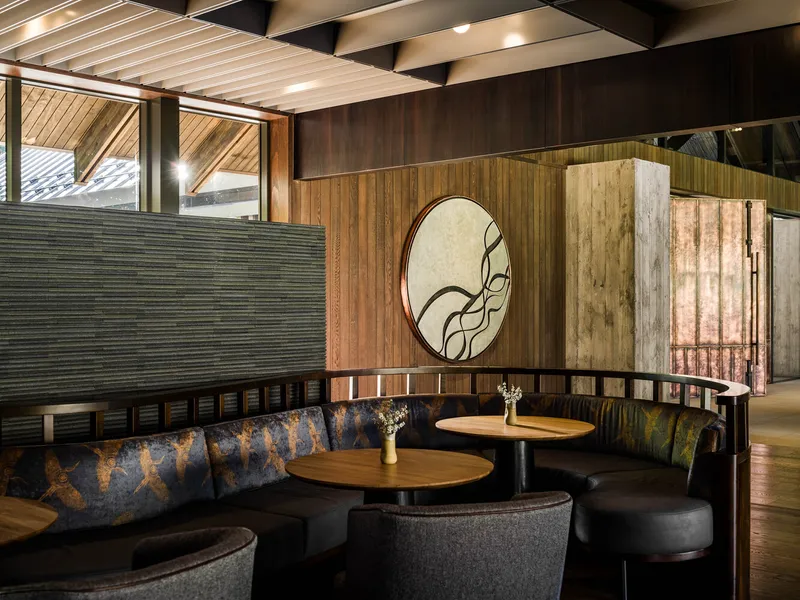
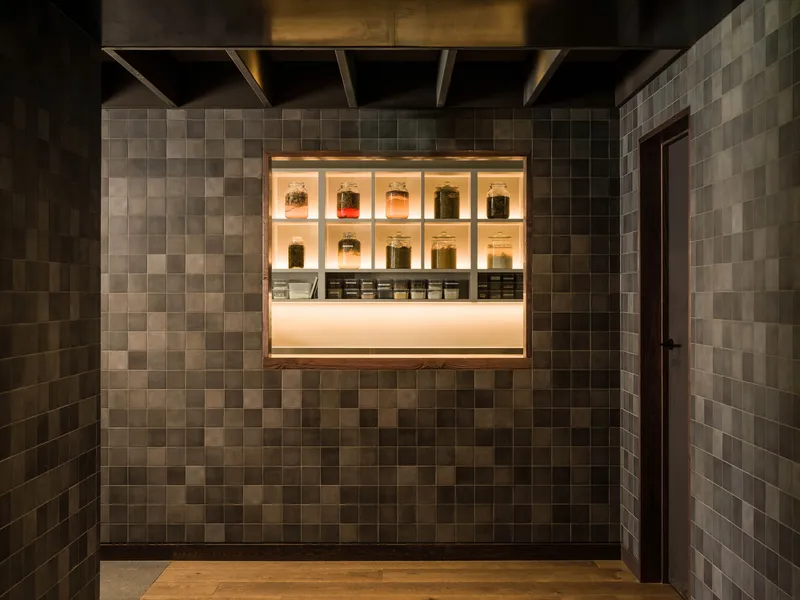
Stone elements ground the material composition: bluestone tiles line the floors, and natural stone slabs shape the countertops, echoing the region’s braided rivers. These finishes are chosen not only for their visual depth and resilience but also for how they will patina over time, aging gracefully within this highland context.
Contextual Design and Cultural Echoes
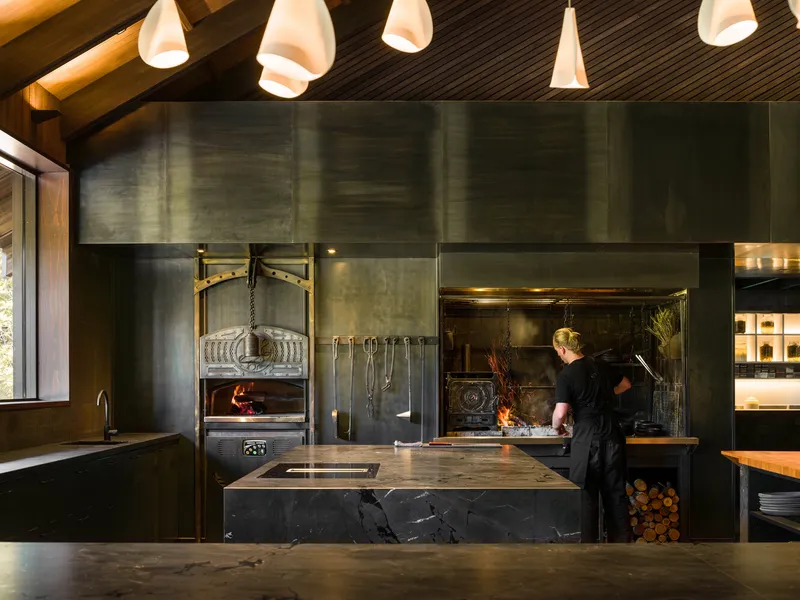
Although Sugarloaf is built at a commercial scale, its atmosphere remains deeply personal and serene. The architecture maintains a balance between masculine mass and feminine detailing. Soft curves are introduced through furnishings and subtle hardware touches, while triangular references in the Tonka kitchen and Bocci pendant lighting echo the surrounding alpine peaks.
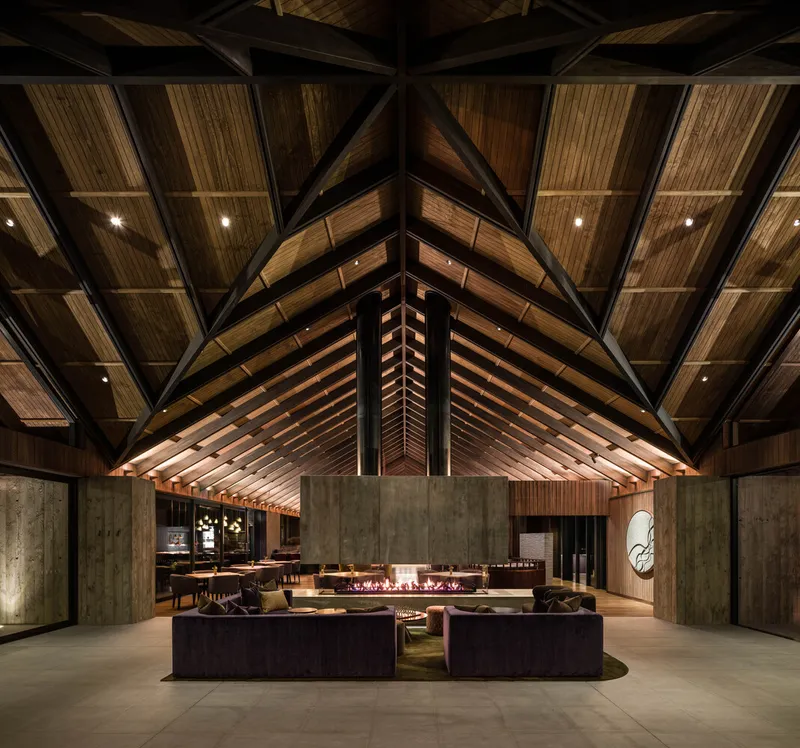
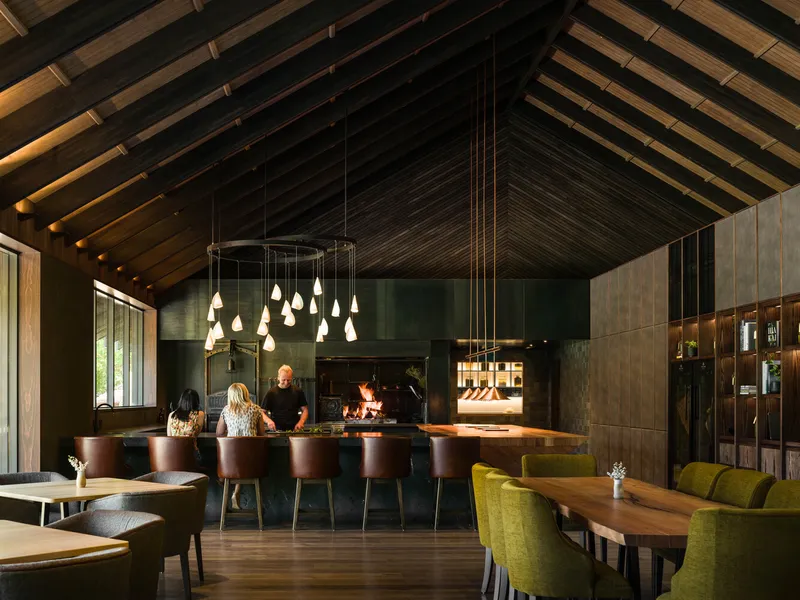
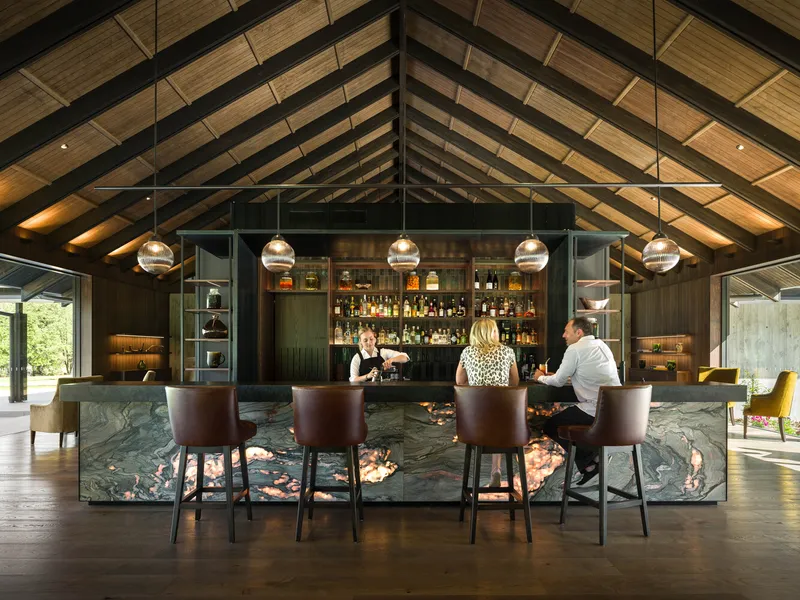
Sugarloaf’s layout and detailing reflect New Zealand's cultural and ecological narratives. Its proportions frame dramatic landscape views, with the interior unfolding as a sequence of moments—each carefully crafted to evoke a sense of place and discovery. The experience is as tactile as it is visual, with each material contributing to a multisensory journey from entry to dining.
A New Benchmark in Restaurant Architecture
Hierarchy Group’s Sugarloaf at Flockhill stands as a compelling new chapter in restaurant architecture in New Zealand. It delivers a rare balance of architectural sophistication, material honesty, and environmental humility. Every aspect—from monumental entry to finely crafted interior details—has been curated to enhance not only the dining experience but the emotional resonance of being in such a powerful landscape.

It is not simply a restaurant, but a landmark that tells the story of its site through architecture. Sugarloaf proves that commercial hospitality can be deeply rooted in context, capable of both reflecting and elevating the natural world that surrounds it.
All the photographs are works of Dennis Radermacher - Lightforge


Popular Articles
Popular articles from the community


Juan García Correa, John González and Claudia Rueda Sink a Circular Amphitheater into a Manizales Engineering Building
On the La Nubia campus in Manizales, Colombia, the S1 Building folds labs and offices into a hillside of ramped lawns that double as a campus route.

Jaramillo Van Sluys Arquitectura and Urbanismo Turn a Demolished Registry Lot in Quito into an Orchard Plaza
In Quito's Centro Histórico, a 2,800 m² plaza exposes the San Agustín convent wall and redraws its lost Augustinian orchard in volcanic stone.

longwave studio Reorganizes a 112 m² Tainan Apartment Around the Daily Routines of a Family and Two Cats
In Tainan, Taiwan, birch plywood, rust-red furniture and a freestanding plaster wall link arrival, storage, work and family life in one apartment.

U.GA Architects Wraps an Oval Rooftop Pool in Curved Board-Formed Concrete on Busan's Jeollidan-gil
In Busan's Jeonpo-dong, a 454 m² mixed-use block stacks a neighborhood facility, guest rooms and an oval rooftop pool inside spiraling concrete walls.

Similar Reads
You might also enjoy these articles

Bamboo Housing Challenge 2026: Design Affordable, Sustainable Homes Using Bamboo
An international design competition by Bamboo U and IBUKU inviting architects and designers to reimagine affordable housing using bamboo — with the winning design built full-scale in Bali.

Computational Design & Education: Beegraphy Design Awards Introduces 7th Category (Featuring Jiyun's Innovative Approach)
Dive into Beegraphy’s 7th Design Awards category, where computational design meets education to create immersive, interactive learning tools, inspired by Jiyun’s work.

From Parametric Lighting to Urban Furniture: Join the 2nd Workshop in Beegraphy’s Computational Design Series
Dive into Cutting-Edge Design Techniques and Practical Applications with Industry Experts

Last Call: Unleash Your Architectural Genius in SHAK's Kindergarten Design Competition
Urgent call for architects to join SHAK's kindergarten design competition before the looming deadline

Explore Architecture Competitions
Discover active competitions in this discipline

Challenge to reimagine the Iron Throne

Photograph architecture without architects

Illustrate the lost glory of Angkor Wat - Render Challenge

Design challenge to reuse E-waste
Comments (0)
Please login or sign up to add comments
No comments yet. Be the first to comment!