
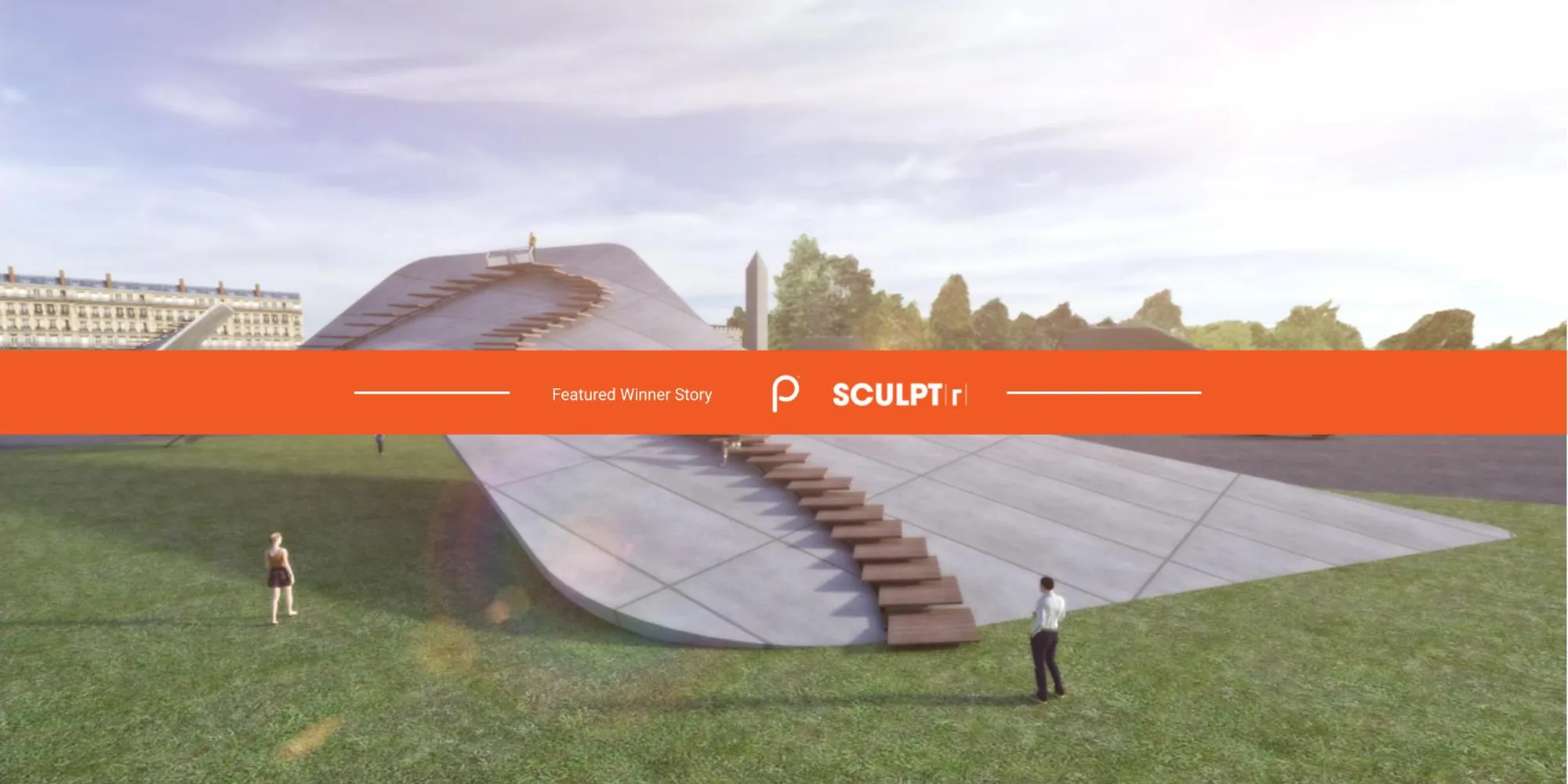
Sculpting activators of Urban Space.
Sculpt|r| - Result Story


In a number of major cities across the world, public squares, parks, and plazas have been important urban vehicles in defining their morphology and even their culture, while at the same time being reflective of them. Throughout history, they have long been places where much architectural intelligence and public resources have been expended. When done right, these spaces act as a focal point for the civic and social life of a city. When designed poorly, though, they can act as a black hole, sucking the life out of a city center.
Agoraphobia has been a common phenomenon that has been identified to be associated with a number of large squares. That coupled with the increasingly large amount of traffic that has been funneled through these squares since their inception leads to the public feeling somewhat disconnected from such squares and spaces. Additionally, squares in many major cities have prominent histories, cultures, or events associated with them. A number of these squares, however, have over the years transformed into large stretches of asphalt allowing people to simply gather or pass through sans any engagement. Public spaces that speak to the people about their culture or history or something that people can personally engage with have indubitably seen more interaction.
Architecture and the Fine Arts have had several intersections in the past, with each discipline mutually benefitting from the other. In the modern age of parametric modeling, material innovation, malleability, and newfound technologies of production, the intersection is broader than ever, particularly in the case of Architecture. Several buildings, habitable or otherwise, have sculptural qualities infused in their form and have led to striking interventions that find common ground with each of these disciplines. Eschewing the ordinary, these interventions have proven to be fertile ground for architects to flex their creativity and bring some interesting colors and proportions to their settings. Can Architecture and Sculpture somehow combine to create something iconic, something that enlivens these public squares?
The challenge is to design an Architectural Sculpture with an intention to enliven a public square in the city of Paris. The intent of the intervention would be to combine the functional qualities of architecture with the artful qualities of a sculpture. The final outcome is to be a built form that can act as an activator of the identified urban square in Paris: the Place de la Concorde. The designed structure may not be fit for habitation on a prolonged basis for people, but it should be able to house them, in an attempt to let them experience its sculptural qualities as if magnified to the size of an actual building.
The jury for the competition consisted of esteemed designers, professionals, and academicians from around the world. The Lead Jurors for the competitions were as follows:
Carmen Barrós, CEO, WaterScales architects, Madrid, Spain
Francisco del Corral, CEO, WaterScales architects, Madrid, Spain
Rocío Pina Isla & Carmelo Rodríguez Cedillo, Co-founders, ENORME Studio, Madrid, Spain
Some of the Best of competition projects as follows:
Winning Project: Engagement Through Sculpture
By: Mohamad Yaish
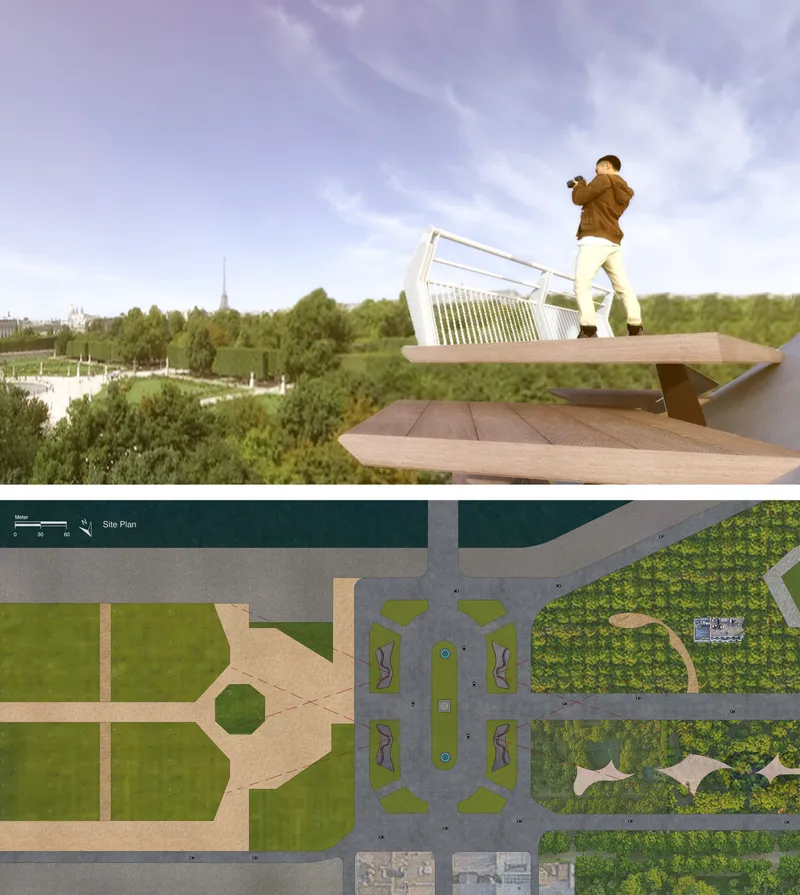
Description: The proposed project intends to engage the public with the city of Paris and create a sense of community while adding a new sense of contemporary feeling.
-----------------
People’s Choice: Under the Wings
By: Jannatun Nayeem Nowshin, Naorin Tabassum Chowdhury,
Asif Elahirocky & Farzana Haque
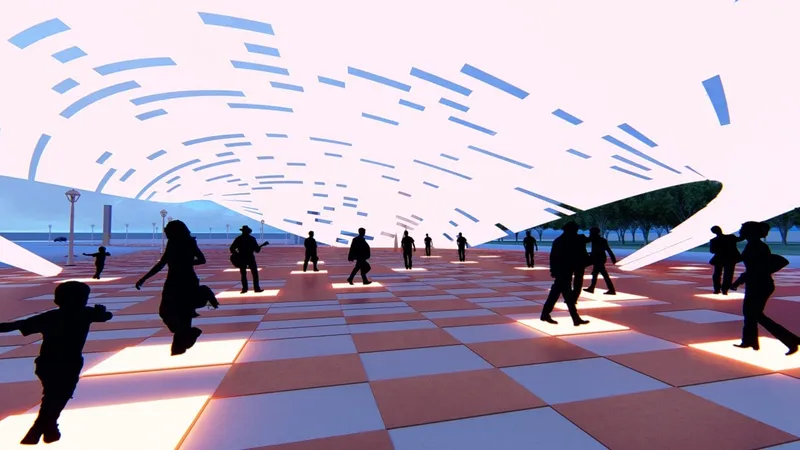
Description: This urban sculpture invites the people to the disconnected public square: Place de la Concorde to discover and experience the glorious journey of the famous Obelisk and the fountains which started hundreds of years ago.While enlivening the barren public square with an interactive LED floor to invite people.
-----------------
Editor’s Choice: Wave 'Coral'
By: Dongpei Yue, 国 黄 & Xiaoqian Zhou
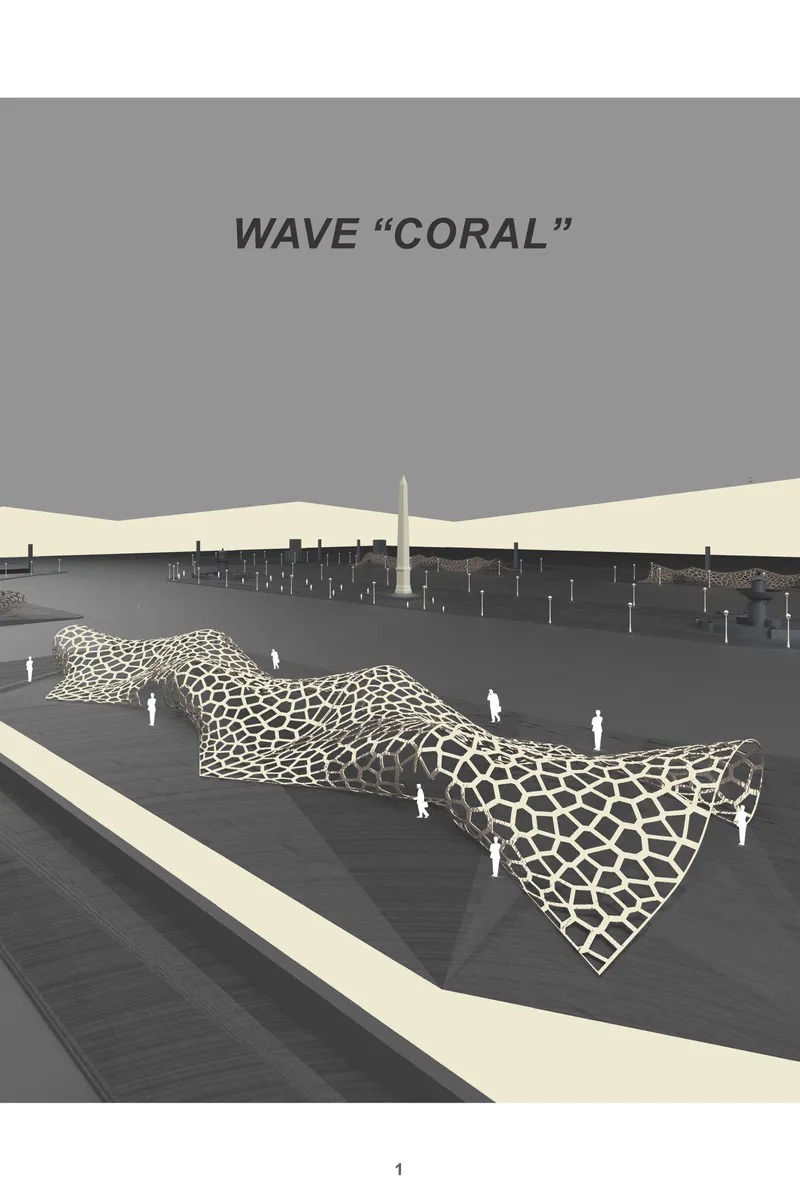
Description: The sculpture is not only about solving practical problems but also to enhance the interpretation of heritage.
-----------------
Editor’s Choice: LEVIATHAN
By: Navid Javan Shojamofrad
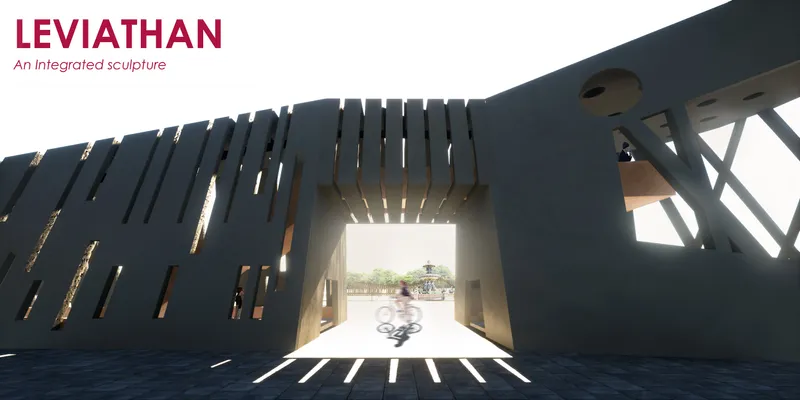
Description: LEVIATHAN is a continuous and integrated architectural sculpture that seeks to draw inspiration from both the symbolic and concrete attributes of the context to create a series of spaces that correspond to a greater whole.
-----------------------
Editor’s Choice: Musique de la Concorde
By: Szymon Świderski & Agnieszka Stawinoga
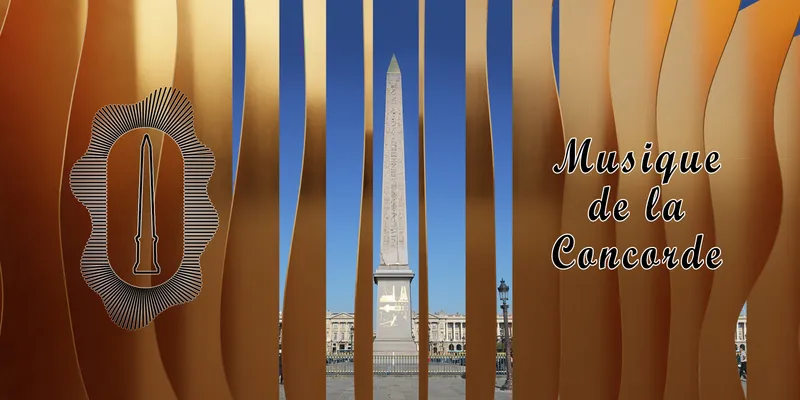
Description: An architectural sculpture located in Paris (France) at the Place de la Concorde, inspired by the visual interpretation of the beautiful melody - French hymn - "Marseillaise"
Discover the design brief here: https://uni.xyz/competitions/sculptr/info/about/
Discover the full results here: https://uni.xyz/competitions/sculptr/entries/
Follow us on social media: Facebook | Instagram | LinkedIn | Twitter | Youtube
Discover other design competitions to participate here: https://uni.xyz/competitions



Popular Articles
Popular articles from the community


The Musturak Paradise: Senior Living Architecture for a Connected Future in Temara, Morocco
The Musturak Paradise reimagines senior living architecture in Temara via private homes, social spaces, culture, community, and shared care.
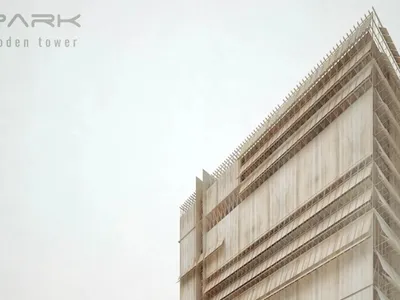
EW PARK: Sustainable Architecture Reimagines the Future of Urban Parking
EW PARK reimagines city parking as a modular wooden tower combining automation, solar energy, electric mobility, and adaptable urban design.

The Earth Pod: 3D Printed Homes for Resilient Refugee Communities
The Earth Pod reimagines refugee housing through 3D printed homes made from clay, combining resilience, self-sufficiency, and rapid shelter.

Co-Life: Senior Housing Design That Reconnects Older Adults With the City
Co-Life reimagines senior housing design through healing gardens, shared streets, workshops, and a sustainable community across generations.

Similar Reads
You might also enjoy these articles
The Musturak Paradise: Senior Living Architecture for a Connected Future in Temara, Morocco
The Musturak Paradise reimagines senior living architecture in Temara via private homes, social spaces, culture, community, and shared care.

The Leaf Center: Cultural Center Architecture for Social Integration in Amsterdam
Cultural center architecture becomes a bridge at The Leaf Center, connecting international students with Amsterdam through art and exchange.

Conexión: Biophilic Design Reimagines High-Rise Living in Hong Kong
Conexión reimagines high-rise living in Hong Kong through biophilic design, green facades, shared spaces, daylight, water and nature within.

Wander to Wonder: Modular Playground Design for Children in Kutupalong Refugee Camp
Wander to Wonder uses modular playground design to create flexible, imaginative play spaces for children in Kutupalong refugee camp.
Comments (0)
Please login or sign up to add comments
No comments yet. Be the first to comment!