
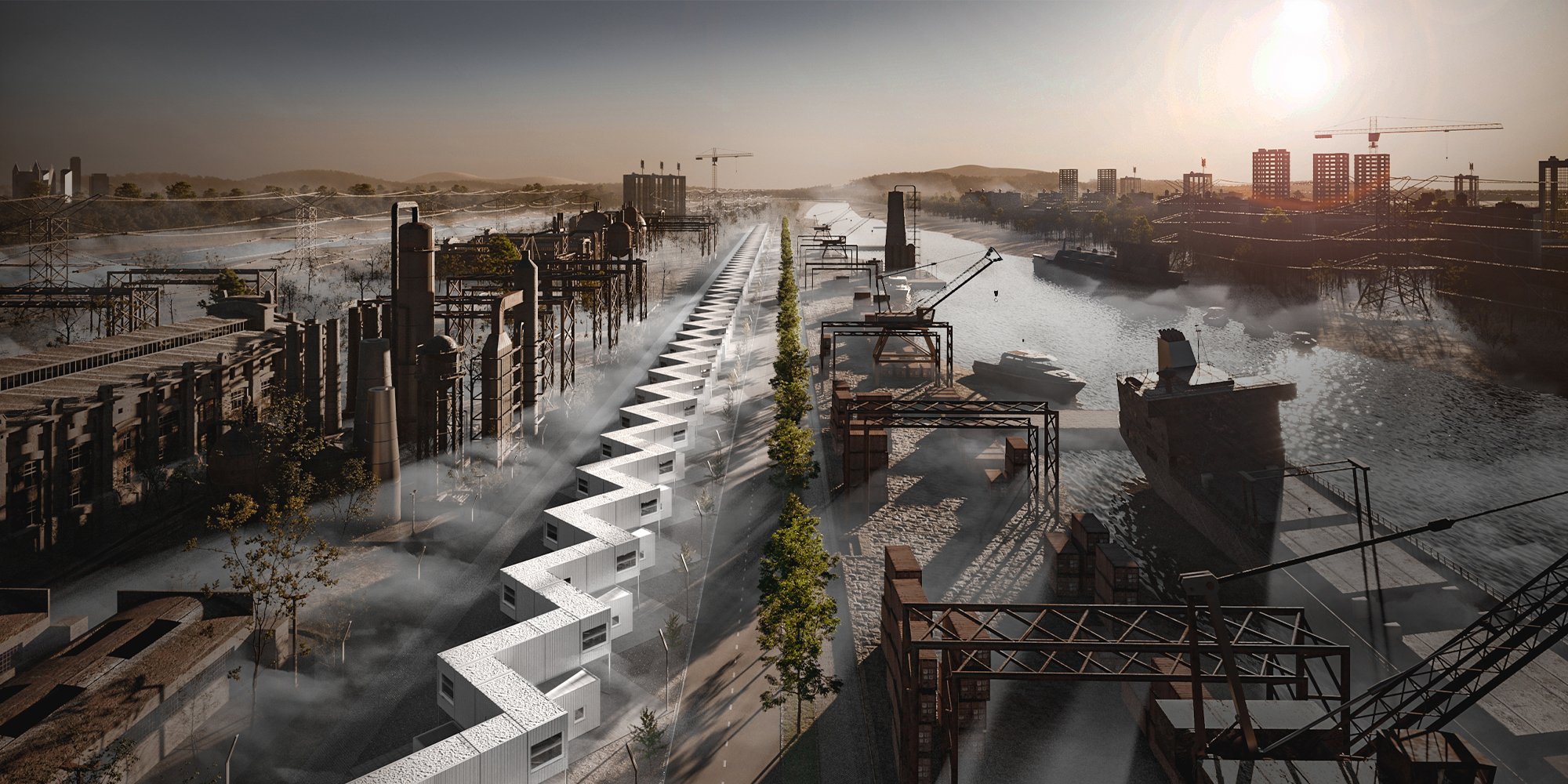
Settlement Patterns & Housing Characteristics
The project began with a thorough case study of existing Harijan settlements, focusing on their behavioral & spatial patterns.

For figuring out the settlement patterns of the Harijan community in Bangladesh, four sites were chosen for physical survey, two being close to the site area for nearby analysis of the settlement patterns, and the other two were selected chronologically for a broader perspective on how the settlement patterns have evolved from suburban to a highly urbanized context.
The Harijan people mostly use one room as their house form due to having no land rights and lack of resources. The room can be divided spatially into 3 sections as per usage, such as living, dining, and semi-outdoor. The semi-outdoor space is used for cooking and other activities at household scale. Each family uses one room as a house form in their day-to-day life. Sometimes extended families live in one room using partitions due to no way of acquiring new space for a living unit, creating awkward interactions between generations and leaving no space for privacy. These rooms are generally composed in a row, using shared walls, developing a cluster supporting several families. Each family lives in a room of approx. 150 sq. ft.
The rooms are then organized in a linear connection with a connecting veranda or sometimes around a small pocket court that supports community activities at the neighborhood scale. These connected rooms then form a cluster. The clusters are mostly semi-pucka/tin shed, developed using different materials as built by different families according to their affordable range. There is adjacent space for cattle rearing with a few rooms, and about 30% has space above them for pigeon houses. Each cluster has 7-11 families. Clusters with a pocket court are thought to be ideal as a result of this study. These clusters later form blocks.
In macro scale, several blocks are then connected with road networks for accessibility. The network tends to have a main spine. The spine then develops a key area where the major amenity functions are placed. Here the key amenity functions are a ram temple and a samiti room for Mondali meetings and communal gatherings.




Popular Articles
Popular articles from the community

A Contemporary Take on Iranian Residential Architecture
A modern interior design in Mashhad that reinterprets brick, light, and spatial flow to create a warm, contemporary residential architecture.
Inverted Architecture Installation by Studio Link-Arc: Exploring the Intersection of Architecture and Living Organisms
Inverted Architecture Installation by Studio Link-Arc blends mycelium, sustainability, inverted design, ecological cycles, and urban adaptive architecture in Shenzhen.

Solar Steam: A Climate-Responsive Architecture That Redefines the Monument
A climate-responsive memorial architecture that transforms heat, decay, and time into a living system reflecting humanity’s ecological impact.
Atelier Macri Concept Store Interior Design by CASE-REAL
Atelier Macri store features a "ko" counter, walnut wood details, cork displays, blending retail, gallery, and seamless customer experiences.


Similar Reads
You might also enjoy these articles

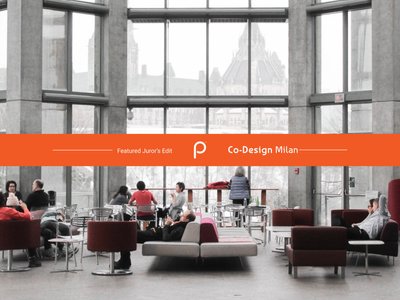
Creating evolutionary co-working spaces
Co-Design Milan Juror's interview
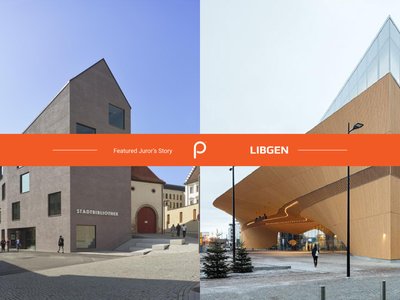
Enhancing the self-learning experience - Juror's opinion
A discussion on libraries of future
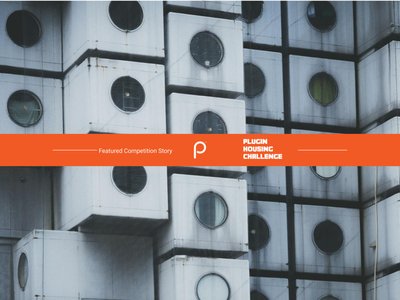
Plugin Housing Challenge - Jury panel interview
Future of Urban-Housing
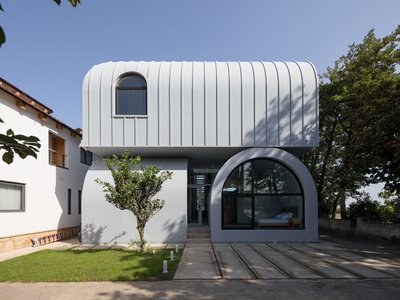
Vault on Vault Villa by KRDS: Innovative Iranian Architecture by the Caspian Sea
Vault on Vault Villa by KRDS combines Iranian vaulted architecture, modern steel structures, and passive climate design overlooking the Caspian Sea.





Comments (0)
Please login or sign up to add comments
No comments yet. Be the first to comment!