

Sky-Framed Living: A Vertical Courtyard Home in Isfahan
Introverted courtyard residence in Isfahan reinterprets traditional Sibe, restoring sky, privacy, light, and multigenerational living within dense urban fabric.


Paakat Residence, designed by Rooydaad Architects, is a contemporary reinterpretation of Iran’s courtyard house typology, rooted deeply in the cultural and climatic legacy of Isfahan. Completed in 2021, the 1,230-square-meter residence reimagines collective living within a dense urban infill site, offering an architectural response to the loss of sky, openness, and communal space in modern apartment living.
Reclaiming the Sky in Urban Living
Historically, Isfahan’s residential fabric was shaped by Sibe, semi-public cul-de-sac spaces surrounded by family homes, and inward-looking courtyards that framed the sky as a daily presence. Paakat Residence revives this forgotten spatial memory. Conceived as a vertical “packet” of open and enclosed spaces, the house restores visual access to the sky, replacing confined corridors and low-ceilinged apartments with layered courtyards, terraces, and light-filled transitional spaces.
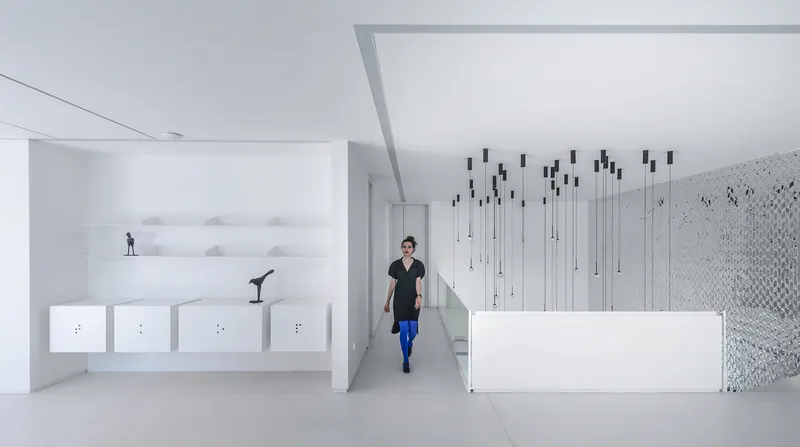
Introversion as Cultural Resistance
Unlike the extroverted facades common in contemporary urban housing, Paakat presents itself as a calm, monolithic volume. Closed to the north and selectively porous to the south, the building embraces introversion as a climate-responsive and culturally grounded strategy. This architectural restraint echoes central desert architecture, prioritizing privacy, thermal comfort, and inward spatial richness over visual exposure to the street.

A House Within an Apartment Block
Although constrained by municipal regulations and its infill context, the project blurs the boundary between house and apartment. Designed for a multigenerational family seeking both independence and togetherness, the residence organizes living units around multiple courtyards distributed vertically. Each level enjoys its own relationship with outdoor space, light, and air, creating a diverse domestic landscape within a single urban structure.
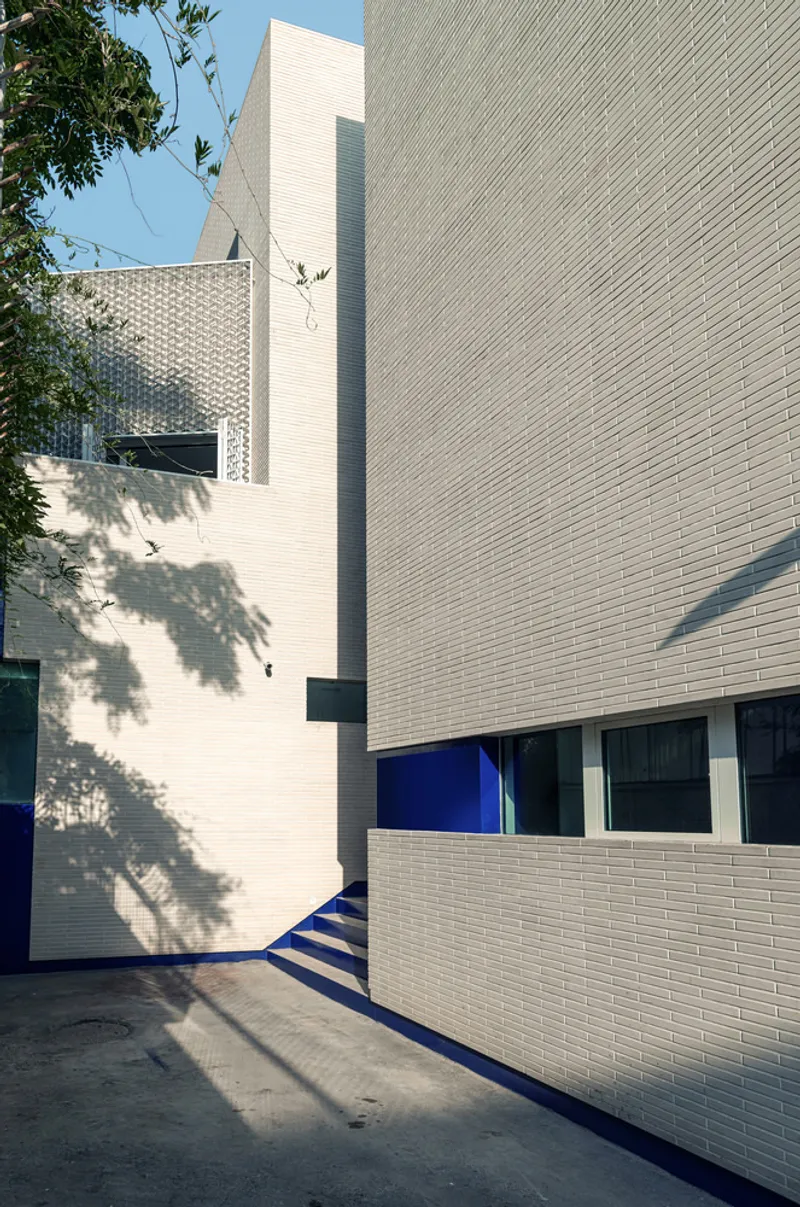
Vertical Sibe and Social Connectivity
One of the project’s most innovative gestures is the transformation of the traditional Sibe into a vertical spatial system. By integrating staircases within this semi-public vertical courtyard, Paakat reintroduces chance encounters and social interaction into everyday movement. The stair becomes more than circulation; it is an architectural event that filters noise, mediates between public and private realms, and strengthens relationships among residents.
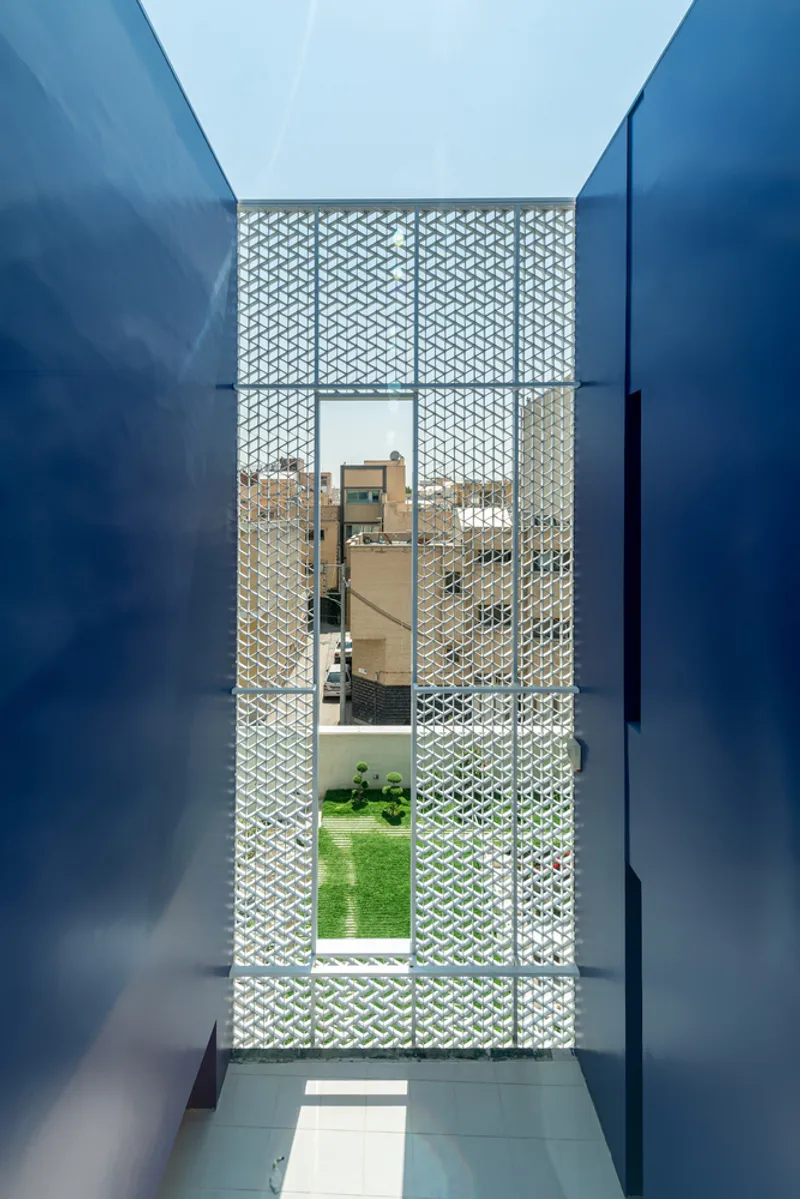
Lattice as Climate and Culture
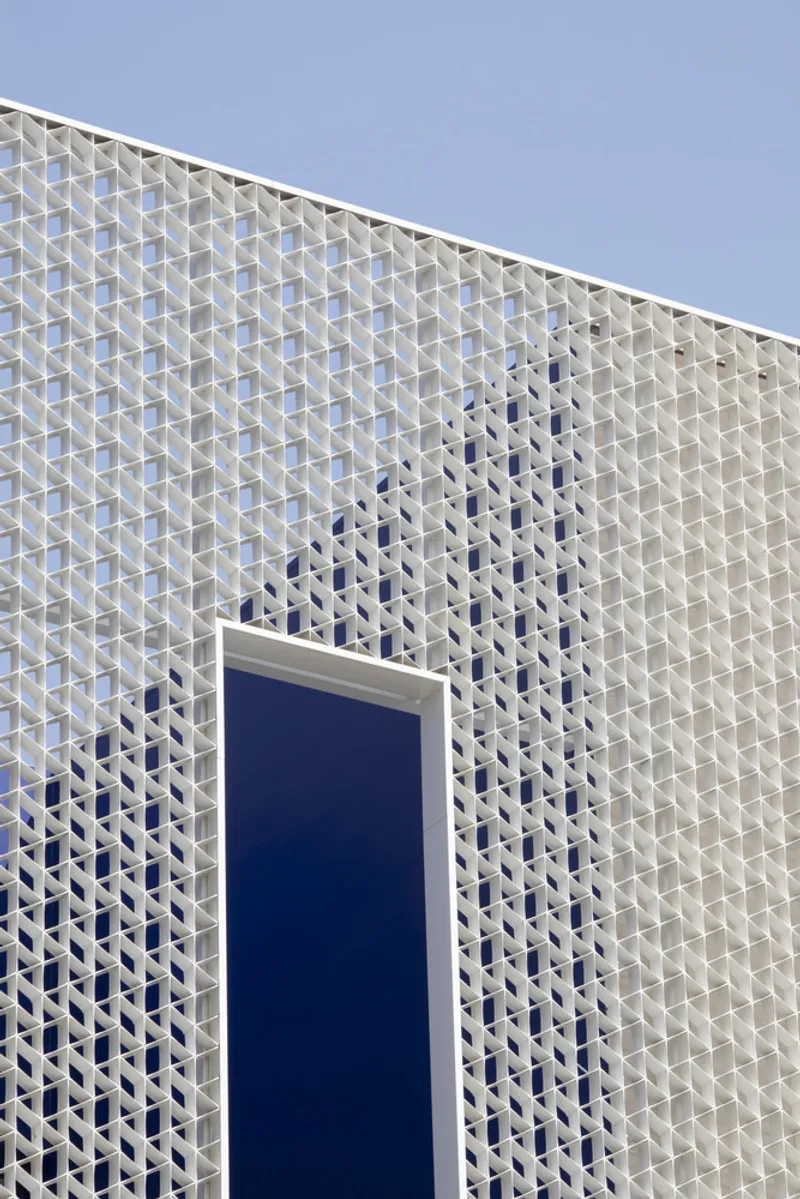
On its southern façade, Paakat Residence employs contemporary latticework inspired by Seljuk and Safavid architectural traditions native to Isfahan. This reinterpretation allows generous openness while preserving privacy and controlling intense summer sunlight. The lattice acts simultaneously as a cultural reference, a climatic device, and a visual filter, reinforcing the project’s balance between tradition and modernity.
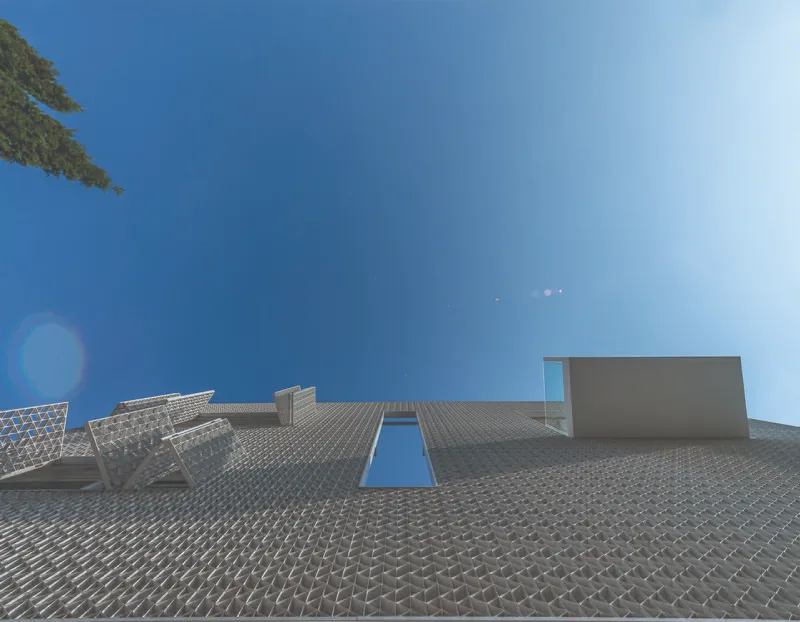
Light, Stair, and Spatial Experience
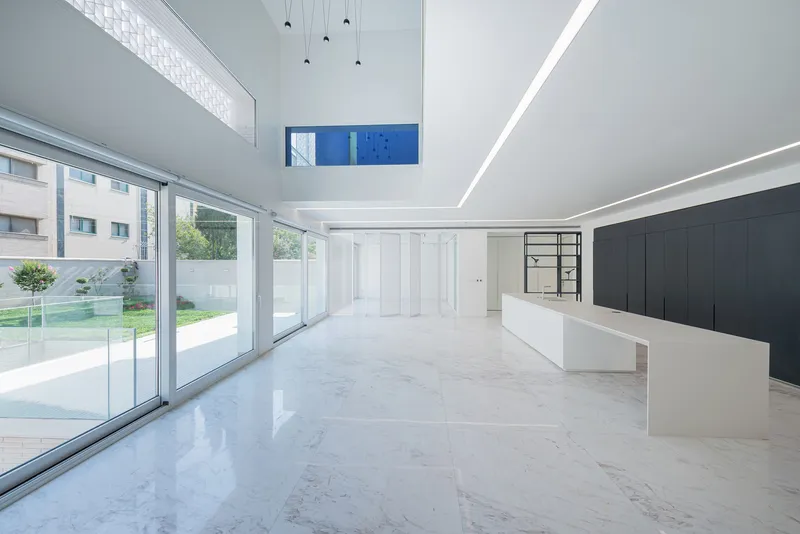
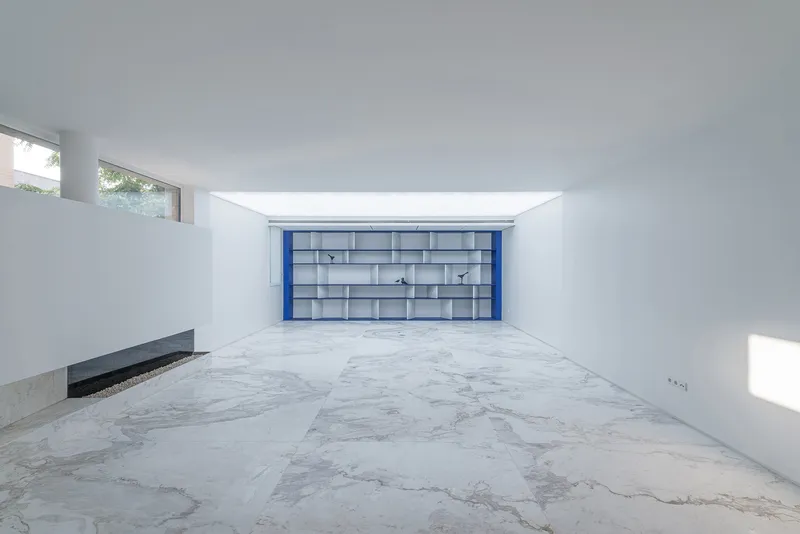
Rejecting the dominance of elevators, the design elevates the stair as a primary spatial element. Through a carefully orchestrated sequence of courtyards, terraces, and openings, natural light penetrates deep into the building, overcoming strict height and opening regulations. The result is a vertical yard that functions as a social condenser, a light well, and a spatial anchor for the entire residence.
Contemporary Iranian Residential Architecture
Paakat Residence stands as a critical commentary on today’s urban housing in Iran. By merging historical typologies with contemporary needs, it demonstrates how culturally rooted design can address density, regulation, and modern lifestyles without sacrificing spatial quality. The project ultimately offers a renewed vision of collective living: one that returns the sky, the courtyard, and the shared threshold to the heart of domestic architecture.
Project Details Architects: Rooydaad Architects Location: Isfahan, Iran Year: 2021 Area: 1,230 m² Lead Architects: Zahra Armand, Mostafa Omidbakhsh Photography: Arash Ashornia

All photographs are works of
Arash Ashornia


Popular Articles
Popular articles from the community


The Amber Palace Opera: A Geological Fiction Surfaces on Tallinn's Baltic Waterfront
Pierre Brillard reimagines a Baltic legend as a public landscape, opera house, and waterfront promenade rooted in Tallinn's coastal identity.

Manzana Morphosis: Stretching Barcelona's Grid into a Living Landscape for 2050
A radical reworking of the Eixample manzana turns density into a tool for generous public space, vertical ecology, and environmental performance.

Singing Woman: Contemporary Architecture Inspired by Estonia’s Voice and the Sea
Singing Woman turns Estonia’s song culture into flowing opera house architecture, blending public life, landscape, sea, and national memory.

Faces of the Soviet Avant-Garde: Turning Moscow's Street Names into an Open-Air Museum
A network of sculptural installations across a Moscow residential district transforms forgotten architect names into spatial encounters with cultural memor

Similar Reads
You might also enjoy these articles

FAMM Arquitectura Organizes Ten Villas Around Courtyards and Jungle in Nosara, Costa Rica
El Molino pairs two elongated volumes with deep overhangs and timber louvers to build a compact coastal community five minutes from the beach.
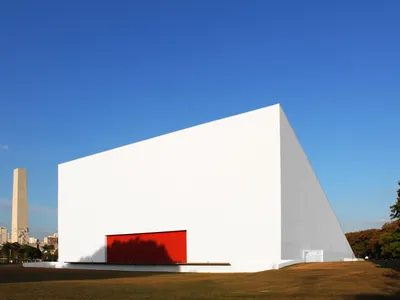
Oscar Niemeyer's Ibirapuera Park Pavilions Define São Paulo's Cultural Identity in Concrete and Curve
A constellation of modernist volumes set within São Paulo's most important urban park, conceived for the city's 400th anniversary in 1954.
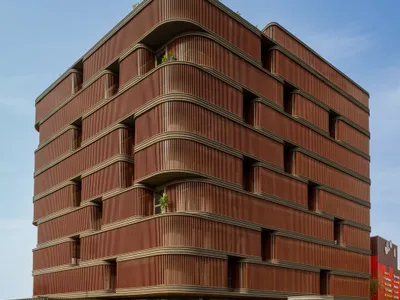
Sanjay Puri Architects Wraps a Jaipur Office Tower in Capsule-Shaped Green Buffers
A nine-level climate-responsive workplace near Jaipur Airport uses stacked planter terraces and aluminium screens to fight 40°C heat.
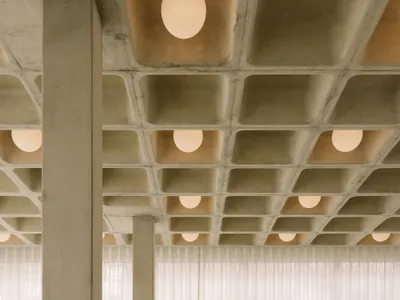
RHO Converts a Berlin Spree-Side Industrial Courtyard into Enkime's 1,000 m² Agency Headquarters
A social media agency's new home in Charlottenburg trades glossy branding for concrete waffle ceilings, glazed tile, and sheer curtains.

Explore Persian Architecture Competitions
Discover active competitions in this discipline

Challenge to reimagine the Iron Throne

Photograph architecture without architects

Illustrate the lost glory of Angkor Wat - Render Challenge

Design challenge to reuse E-waste
Comments (0)
Please login or sign up to add comments
No comments yet. Be the first to comment!