
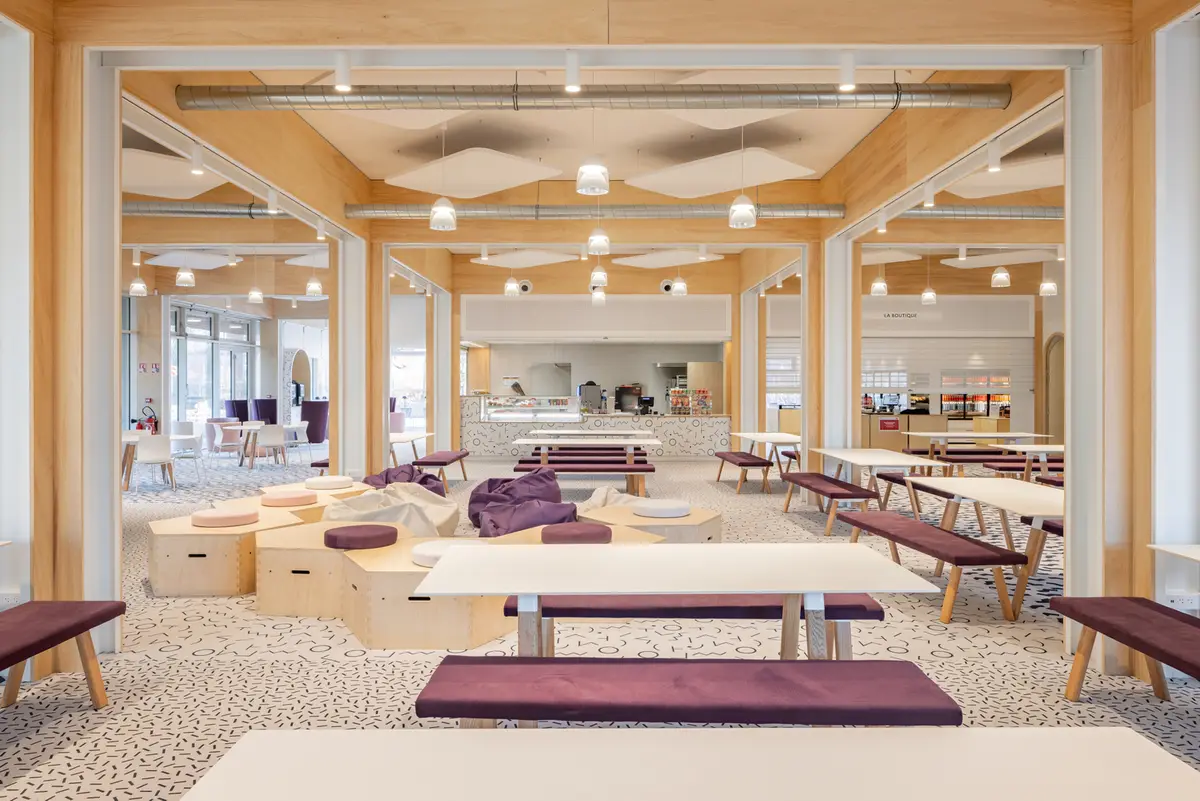
(S)pace Pariselle: A Visionary Example of Experimental Educational Architecture in Villeneuve d'Ascq
(S)pace Pariselle redefines experimental educational architecture through sensory design, material distortion, and historical continuity on a French university campus.


A Radical Approach to Educational Space
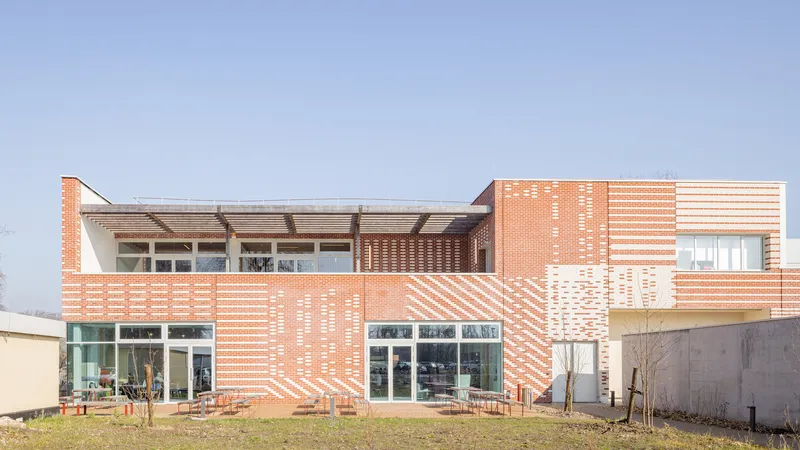
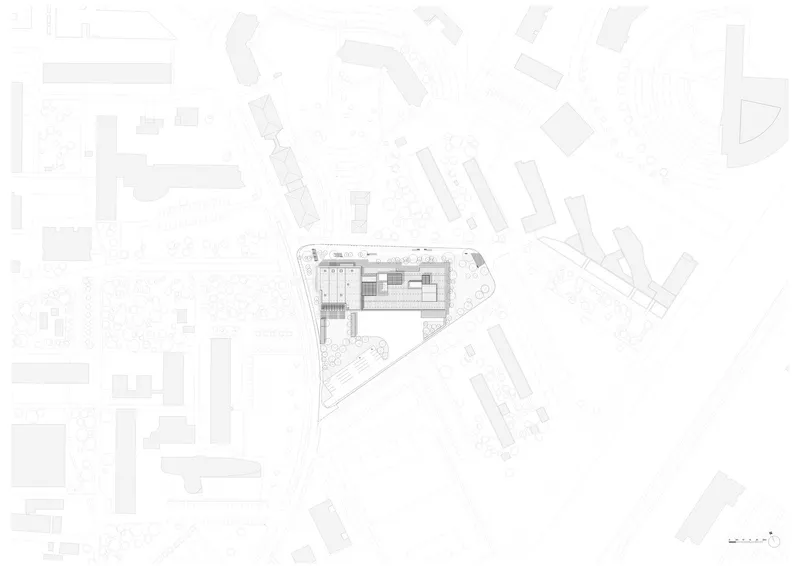
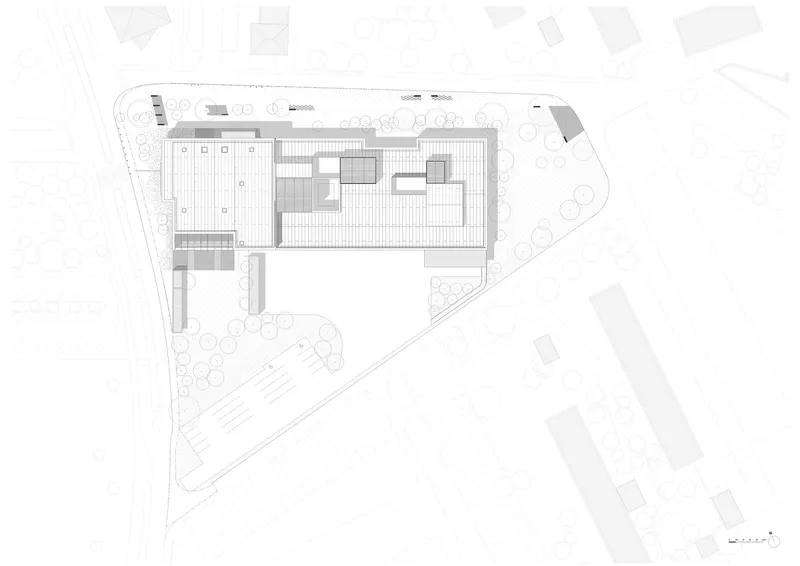
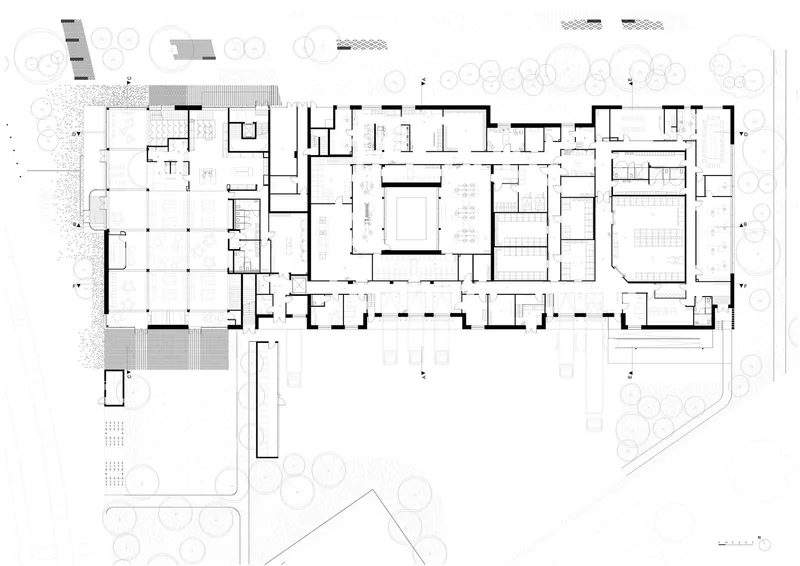
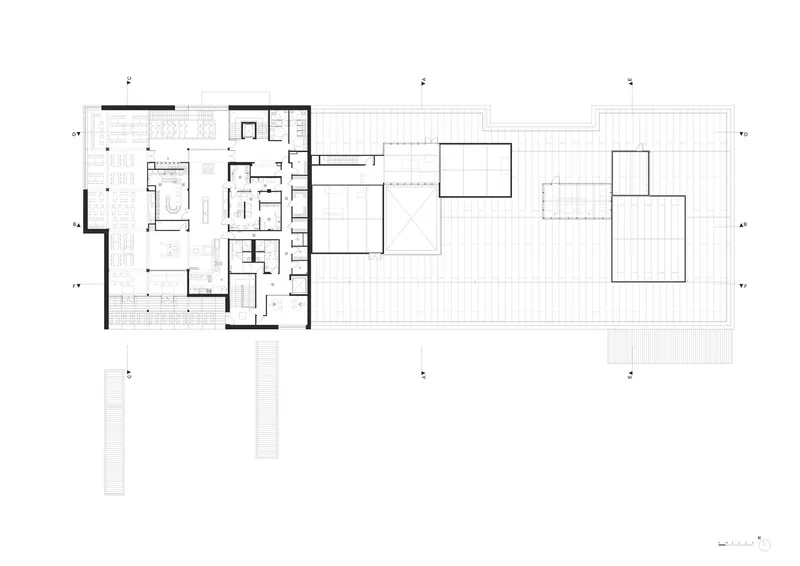
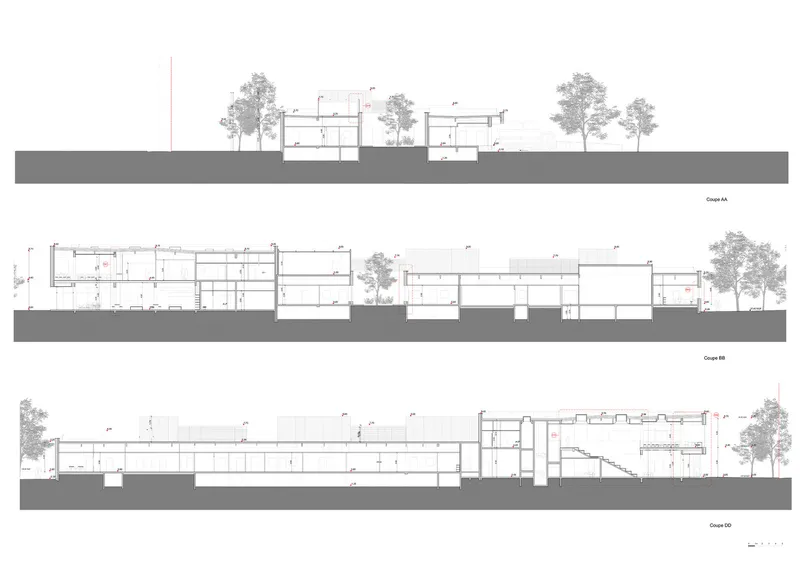
(S)pace Pariselle, designed by Architecture Patrick Mauger in collaboration with D’HOUNDT+BAJART architectes&associés, is a striking new development in experimental educational architecture located on the university campus of Villeneuve d’Ascq, France. Completed in 2024, this 3,906 m² structure is more than a building—it is a transformative spatial experience that merges regionalist traditions with avant-garde aesthetics. Built on the site of a former university residence, this architectural experiment radically reimagines how learning environments can engage the senses and emotions.
Glitch Aesthetics and Vernacular Echoes
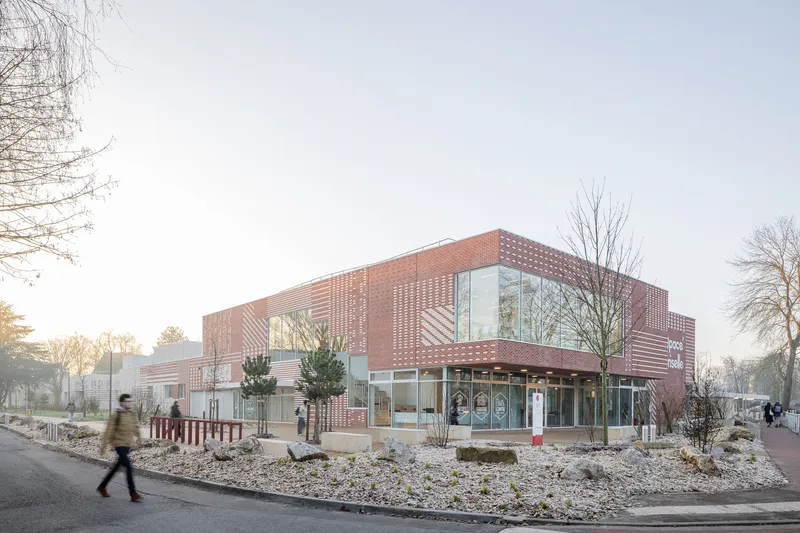
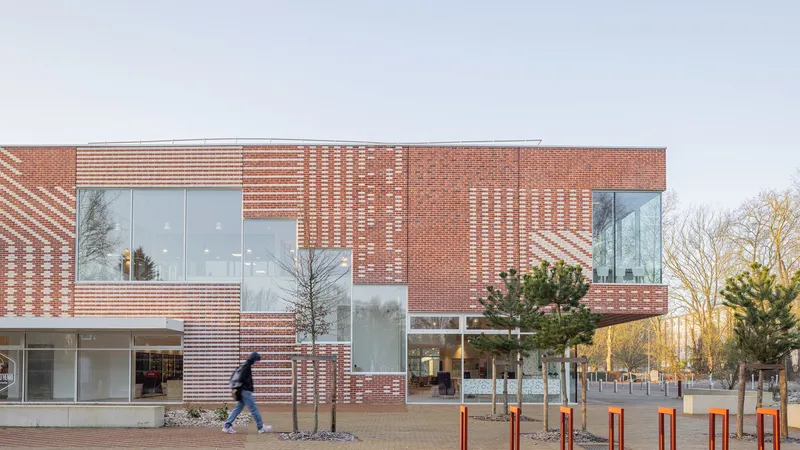
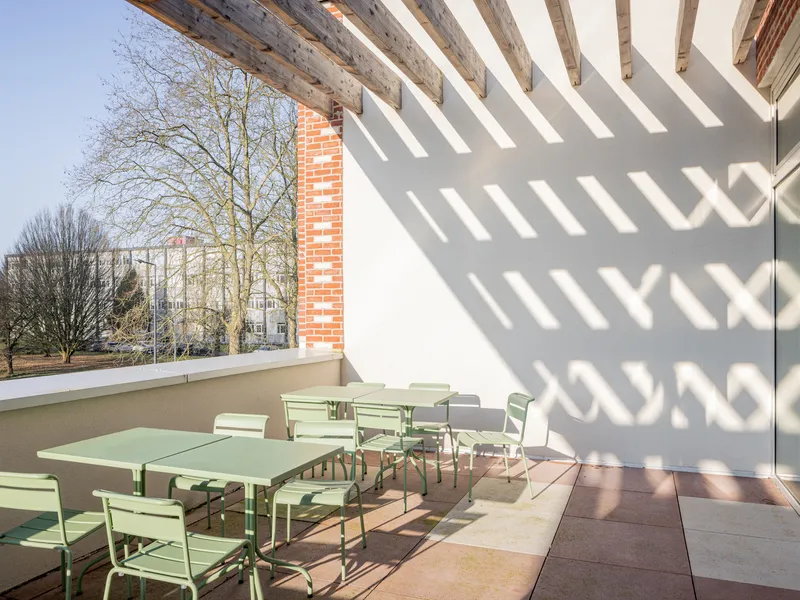
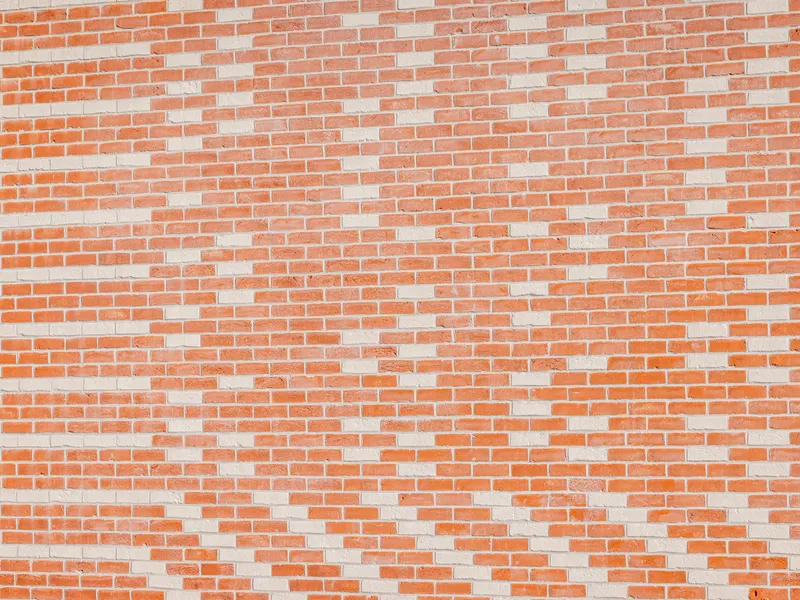
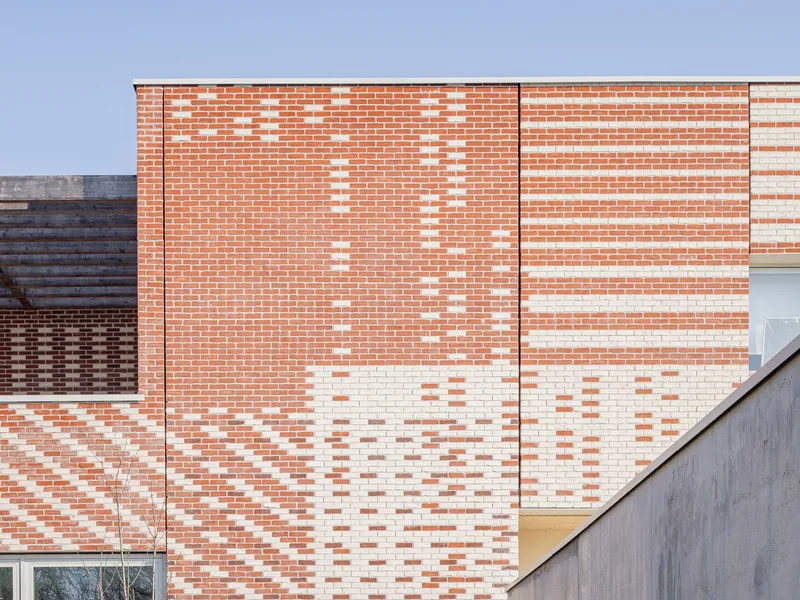
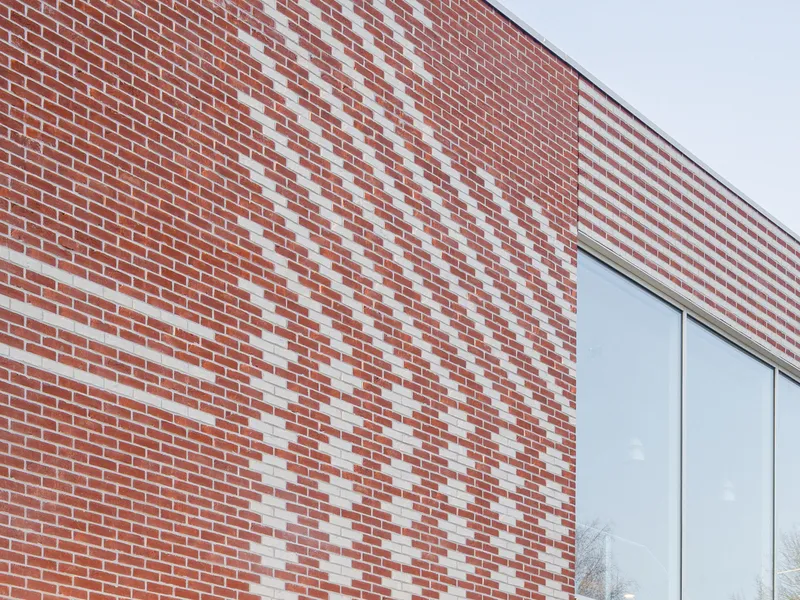
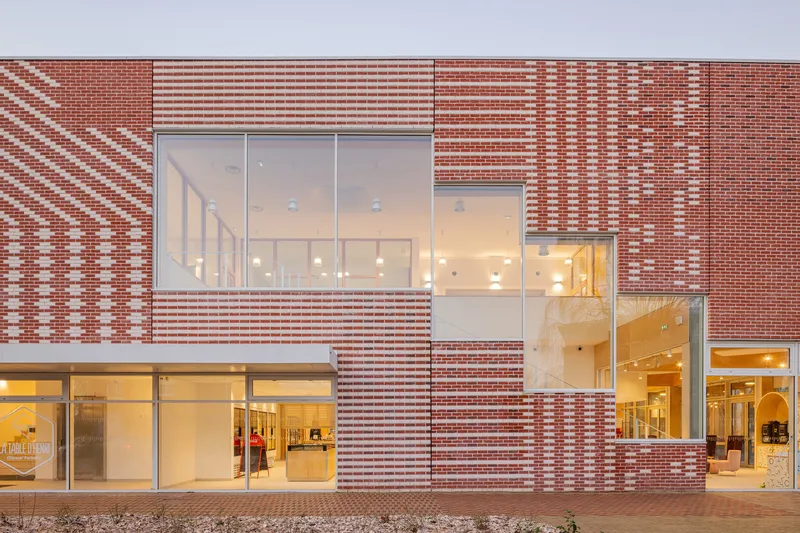
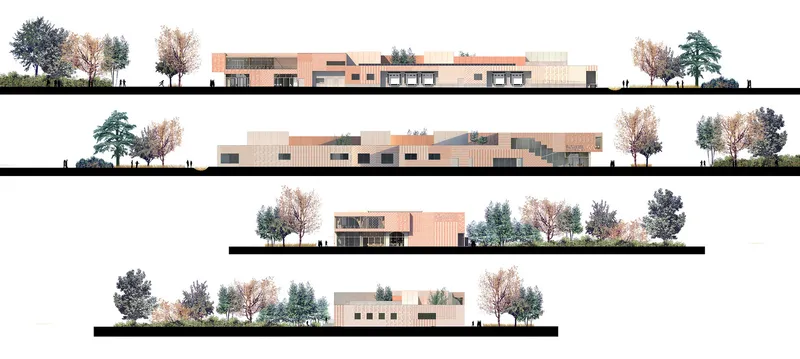
The design is rooted in a hybrid language that blends glitch aesthetics with regionalist and vernacular architecture. Brick and terracotta, traditional materials in the north of France, are reinterpreted through a contemporary, almost psychedelic lens. Straight lines are disrupted, surfaces twist, and geometries fracture into a kaleidoscopic play of forms and textures. These distortions do not simply aim to shock; they generate new spatial rhythms that disrupt expectations and encourage a more active relationship between occupants and space.
A Living Facade Inspired by Sound and Color
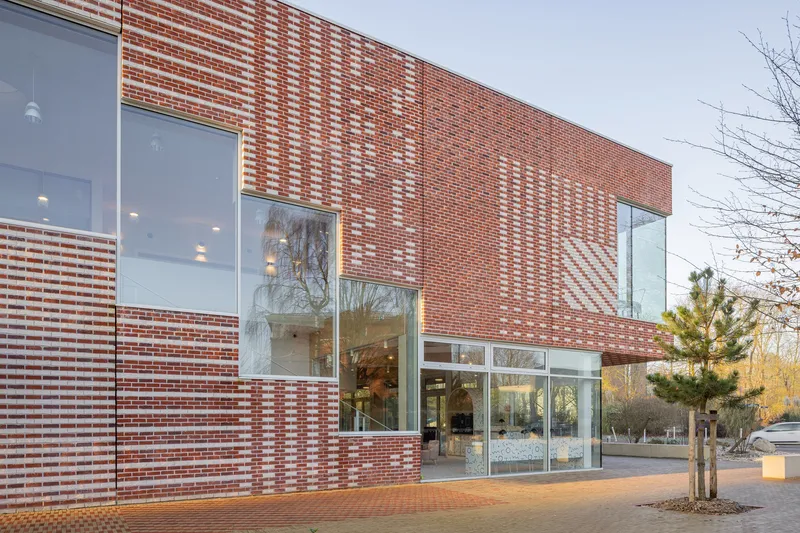
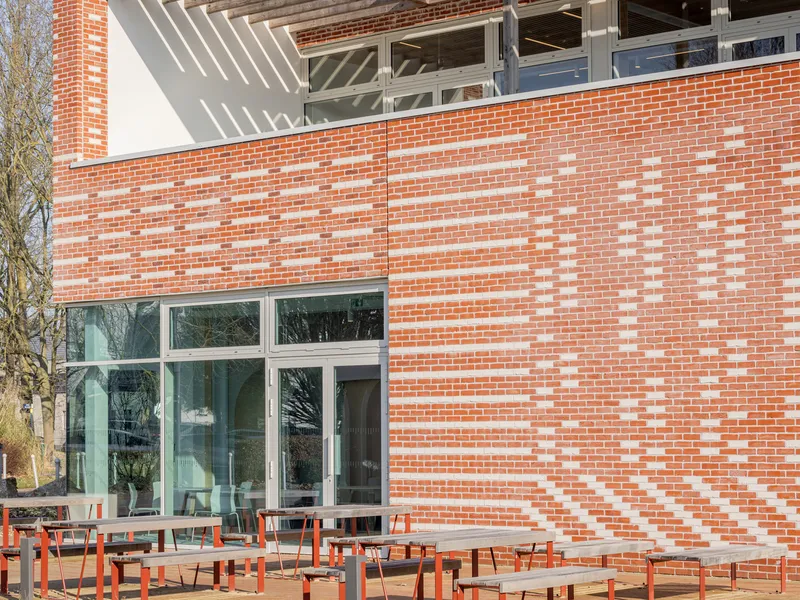
The facade of (S)pace Pariselle serves as a dynamic visual instrument. It pays homage to musician Joy Orbison, with rhythmic distortions that evoke beats and movement. Inspired by Sam Prekop’s oil paintings, the building acts as a three-dimensional canvas of color and sound—an architecture in motion. A gradient of brick colors from deep red to white stretches along 100 meters, allowing the building to blend and contrast with its neighbors in a composition that is both musical and architectural.

Reinventing Learning Spaces as Third Places
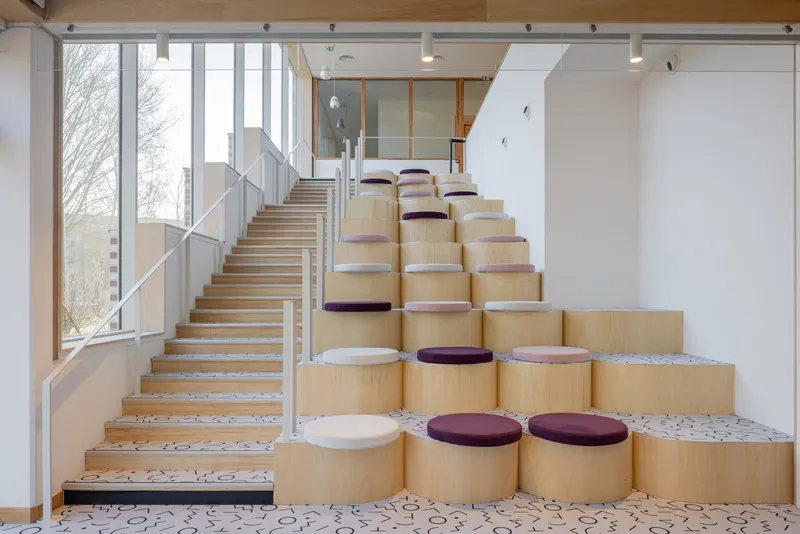
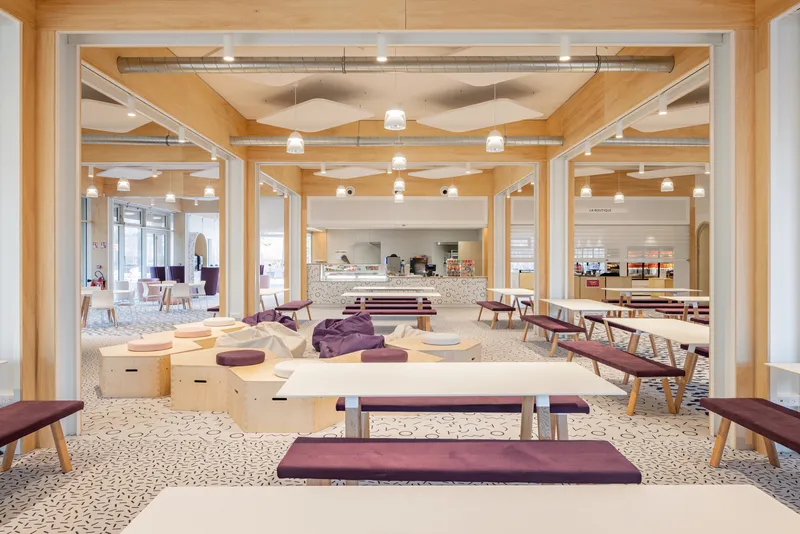
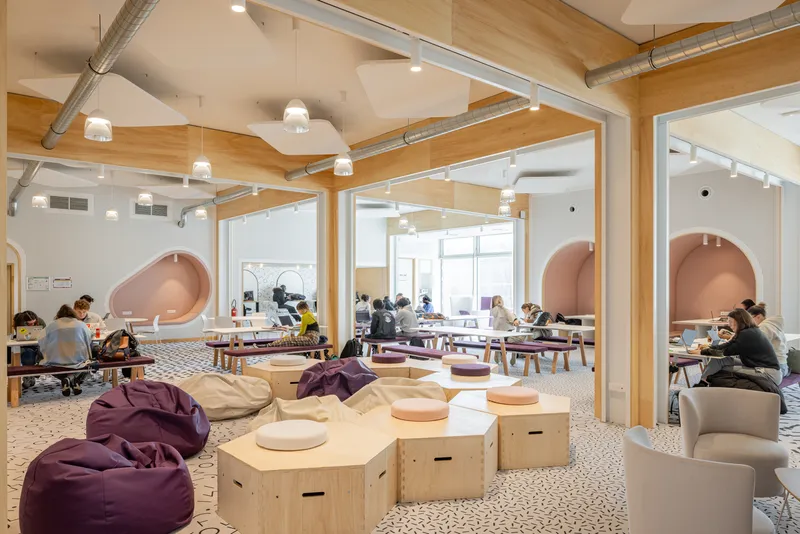
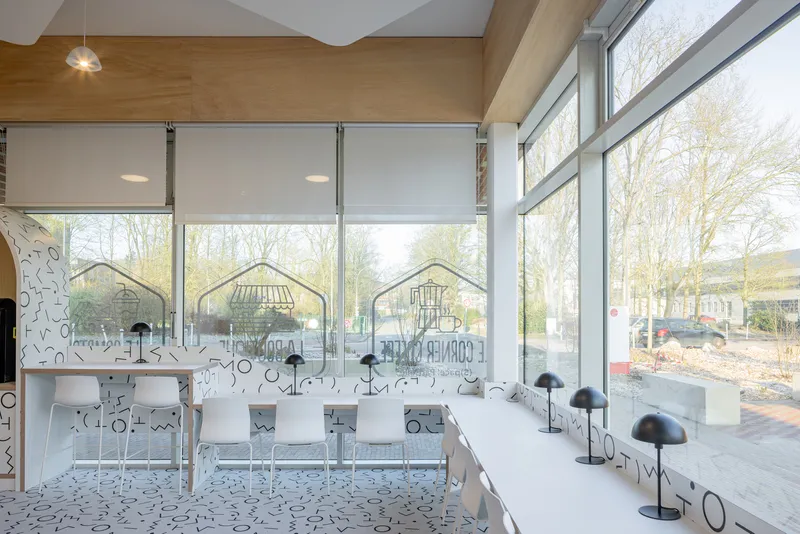
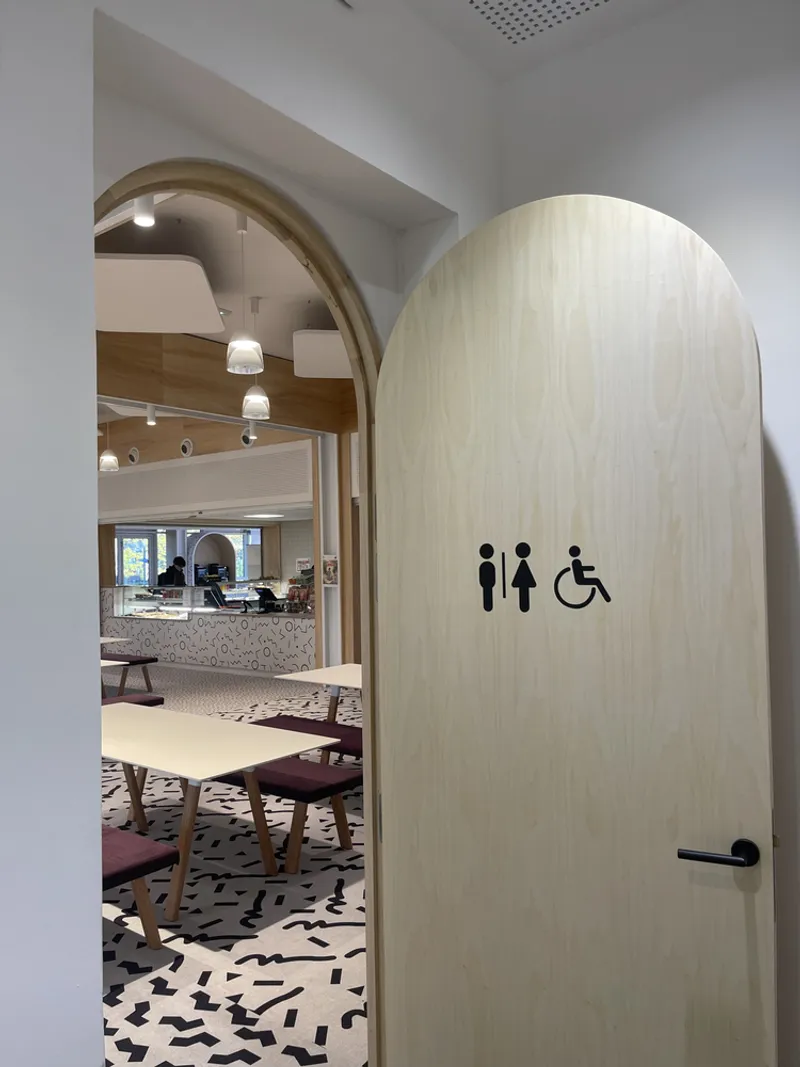
This project embraces the concept of the “third place”—a hybrid space between home and work or school, where creativity and social connection flourish. Here, students, faculty, and visitors don’t simply pass through; they inhabit a space that challenges perception and routine. The interiors echo the glitchy exterior language through playful geometry, layered textures, and vibrant finishes, fostering exploration and emotional engagement.

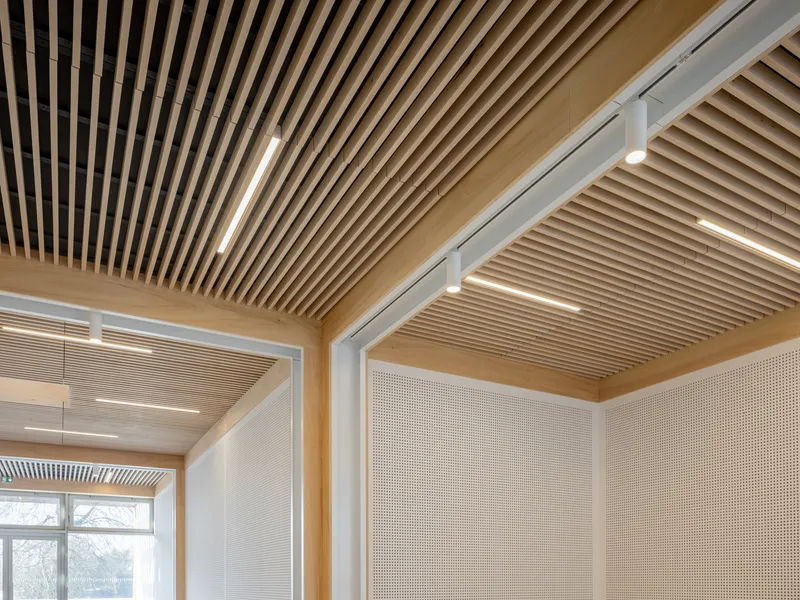
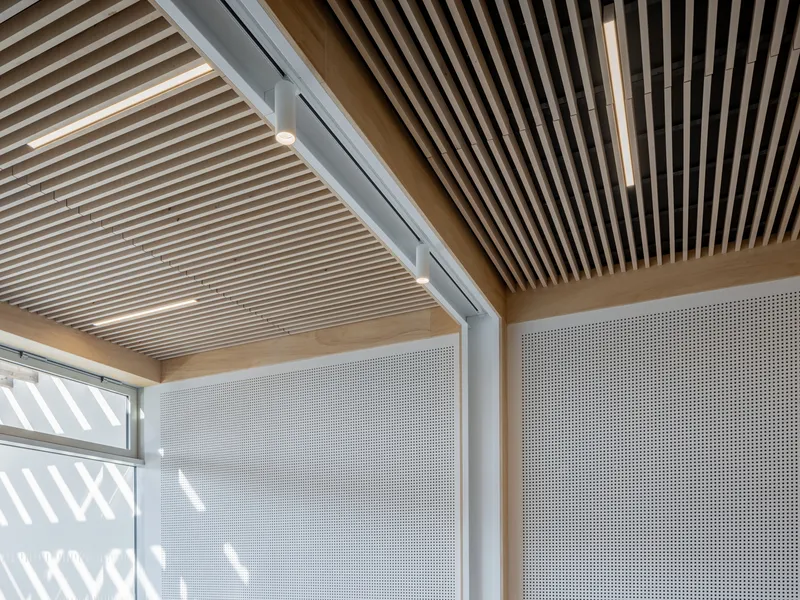
The result is a place that doesn’t dictate how it should be used, but rather invites interpretation, discovery, and spontaneous interaction. In a time when educational institutions increasingly seek to foster innovation and well-being, (S)pace Pariselle offers a compelling model.
Preserving Memory Through Reuse
Though highly futuristic in design, the building also nods to its past. It was constructed on the site of the former Henri Pariselle university residence. A large ceramic mural from the original structure has been preserved and relocated to the new restaurant space. This anachronistic gesture grounds the building in its local history, giving emotional weight to its otherwise forward-leaning expression.
By retaining elements of the site’s memory, the architects embed layers of narrative within the project. The name Pariselle, revived and transformed, becomes a symbol of continuity and reinvention—bridging the past, present, and future of the Cité Scientifique.
Architecture as Sensory Performance
(S)pace Pariselle demonstrates how architecture can operate beyond physical boundaries to become a form of sensory performance. Light, shadow, color, and form are orchestrated like a musical composition, with each element contributing to a spatial experience that is immersive and unpredictable. Educational architecture often falls into utilitarianism; here, the building refuses simplification, insisting instead on mystery, motion, and wonder.
It proposes that the design of schools and universities should not only support learning but inspire it—by immersing occupants in environments that stimulate curiosity, emotion, and joy.
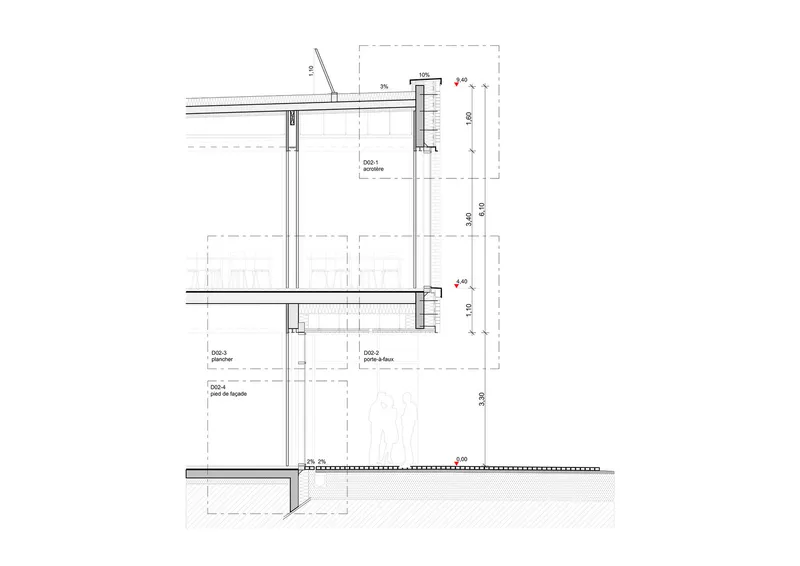
A Blueprint for the Future of Campus Design
As universities evolve to accommodate hybrid forms of learning, flexible schedules, and multidisciplinary activities, buildings like (S)pace Pariselle provide essential insight into the role of architecture in that transformation. This project suggests that the future of campus design lies in experimentation, hybridity, and the bold fusion of past and future.

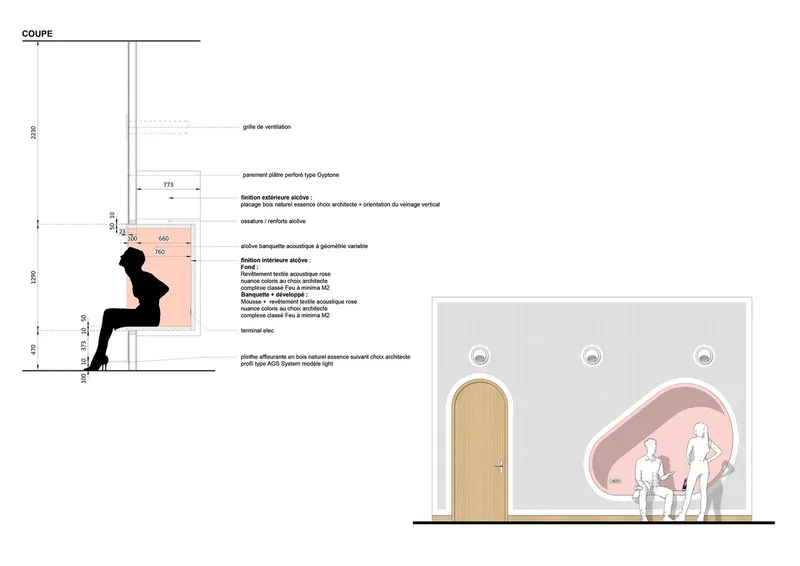
More than a facility, this is an idea made physical: educational architecture as cultural infrastructure, as a canvas for expression, and as an invitation to reimagine how knowledge is experienced.


All the photographs are works of Guillaume Guérin


Popular Articles
Popular articles from the community


Co-Life: Senior Housing Design That Reconnects Older Adults With the City
Co-Life reimagines senior housing design through healing gardens, shared streets, workshops, and a sustainable community across generations.

Little Red Riding Hood: Architectural Design as a Journey Through Fear, Light, and Storytelling
Little Red Riding Hood reimagines the fairy tale through architectural design shaped by fear, light, scale, memory, uncertainty, and choice.

Co-life: Sustainable Architecture for Age-Friendly Community Living
Co-life reimagines sustainable architecture for seniors through courtyards, rammed earth, shared gardens, and spaces designed for belonging.

Conexión: Biophilic Design Reimagines High-Rise Living in Hong Kong
Conexión reimagines high-rise living in Hong Kong through biophilic design, green facades, shared spaces, daylight, water and nature within.

Similar Reads
You might also enjoy these articles

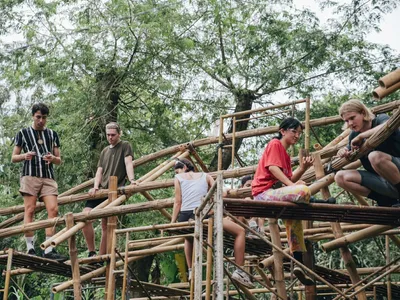
Bamboo Housing Challenge 2026: Design Affordable, Sustainable Homes Using Bamboo
An international design competition by Bamboo U and IBUKU inviting architects and designers to reimagine affordable housing using bamboo — with the winning design built full-scale in Bali.
Computational Design & Education: Beegraphy Design Awards Introduces 7th Category (Featuring Jiyun's Innovative Approach)
Dive into Beegraphy’s 7th Design Awards category, where computational design meets education to create immersive, interactive learning tools, inspired by Jiyun’s work.
From Parametric Lighting to Urban Furniture: Join the 2nd Workshop in Beegraphy’s Computational Design Series
Dive into Cutting-Edge Design Techniques and Practical Applications with Industry Experts

Last Call: Unleash Your Architectural Genius in SHAK's Kindergarten Design Competition
Urgent call for architects to join SHAK's kindergarten design competition before the looming deadline

Explore Pont-Aven School Competitions
Discover active competitions in this discipline

Challenge to reimagine the Iron Throne

Photograph architecture without architects

Illustrate the lost glory of Angkor Wat - Render Challenge

Design challenge to reuse E-waste
Comments (0)
Please login or sign up to add comments
No comments yet. Be the first to comment!