
Sustainable Architecture for Community Centers: The ECAM Youth Center by AgwA
Explore sustainable architecture in community centers through the ECAM Youth Center, showcasing energy efficiency, flexibility, and eco-friendly design.


Sustainable Architecture in Community Centers
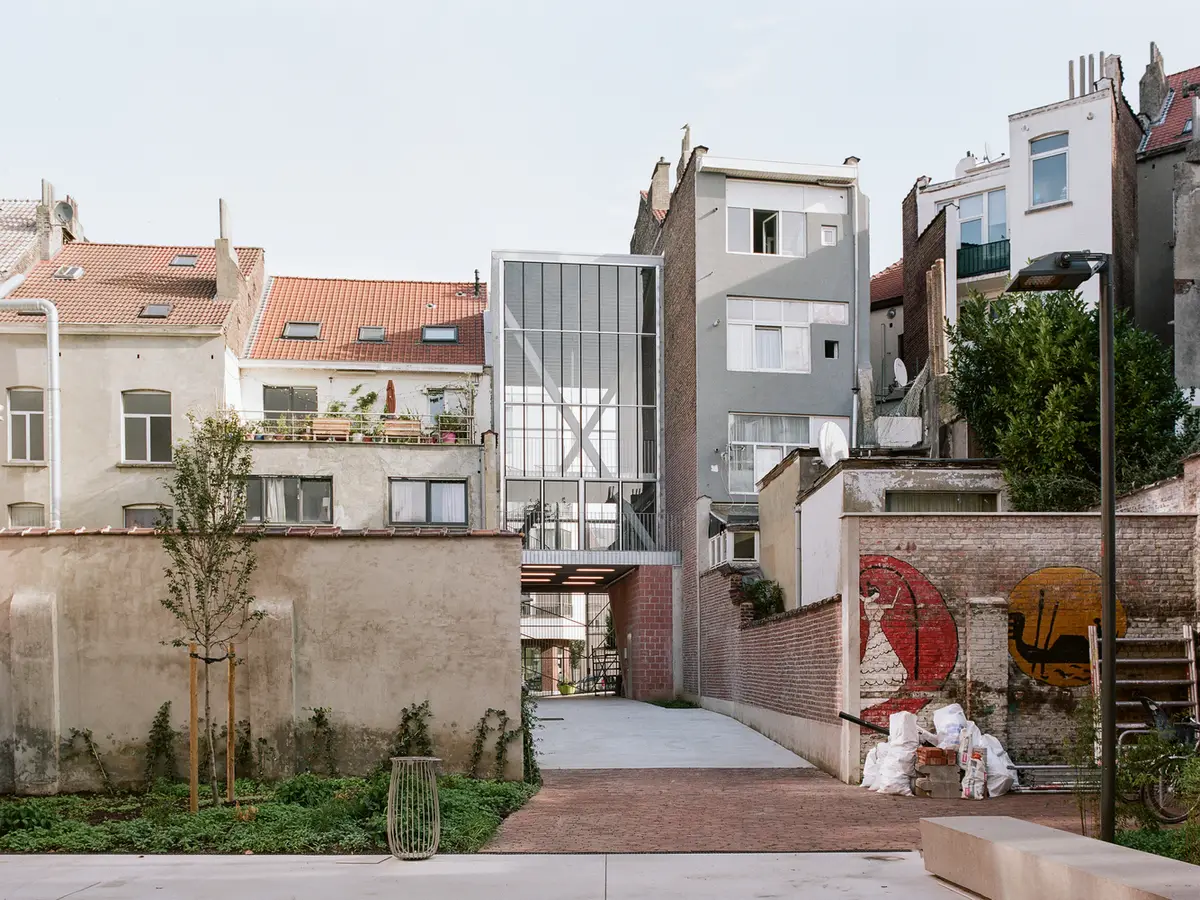
Sustainable architecture is an essential part of modern design, particularly in community-centered projects. These designs aim to reduce environmental impact, promote flexibility, and enhance the quality of life for users. The ECAM Youth Center in Saint-Gilles, Belgium, designed by the architecture firm AgwA, exemplifies the fusion of sustainability, innovation, and community-focused design.
This project provides a blueprint for sustainable architecture in community centers by incorporating energy-efficient systems, environmentally conscious materials, and adaptable spaces that serve various social and educational purposes. The ECAM Youth Center is not just a building; it is a living space where architecture meets the needs of the community, creating a positive impact on the local environment and residents.
The Importance of Sustainable Architecture in Community Centers
Community centers are integral to the social fabric of neighborhoods. They offer spaces for youth programs, educational activities, social events, and more. However, the design of these spaces is increasingly influenced by the need for sustainability. Sustainable architecture ensures that these spaces not only serve the community's needs today but also remain functional, resilient, and energy-efficient for future generations.
The ECAM Youth Center's commitment to sustainable design makes it a model for other community-centered projects. By focusing on eco-friendly features, such as passive building standards and maximizing outdoor space, AgwA has created a space that minimizes its environmental impact while enhancing the quality of life for its users.
Key Features of the ECAM Youth Center's Sustainable Design
1. Optimized Use of Existing Structures
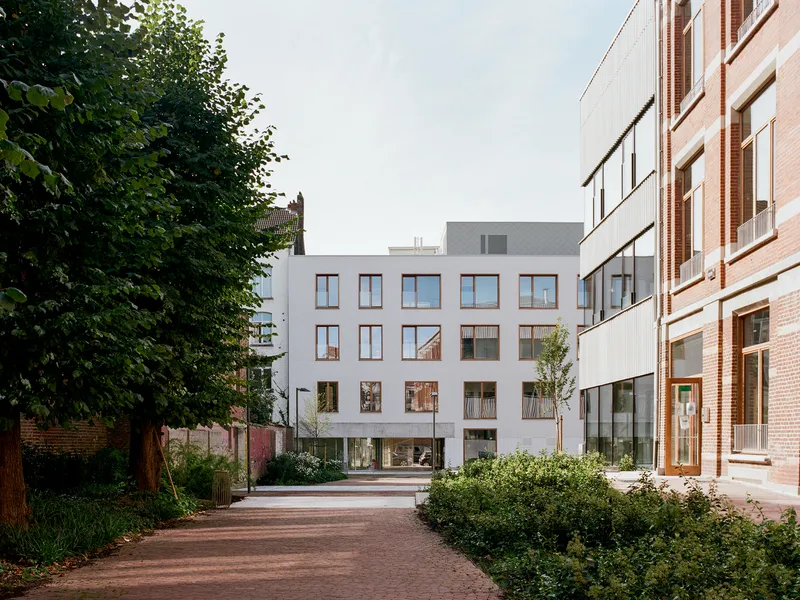
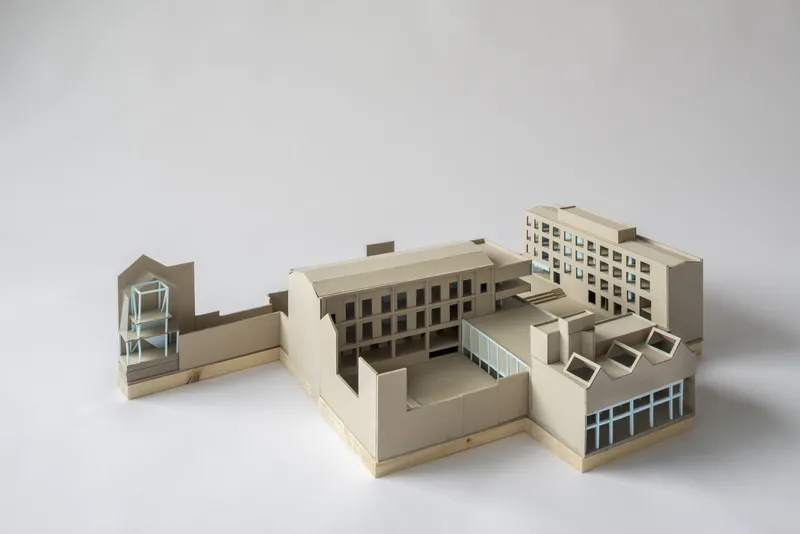
One of the cornerstones of the ECAM Youth Center is its approach to minimizing the need for new construction. With only 1362 m² of new buildings following passive standards, the project effectively optimizes the use of existing structures. This approach reduces construction waste, saves resources, and lowers the environmental footprint of the project.
2. Energy-Efficient Design and Passive Building Standards
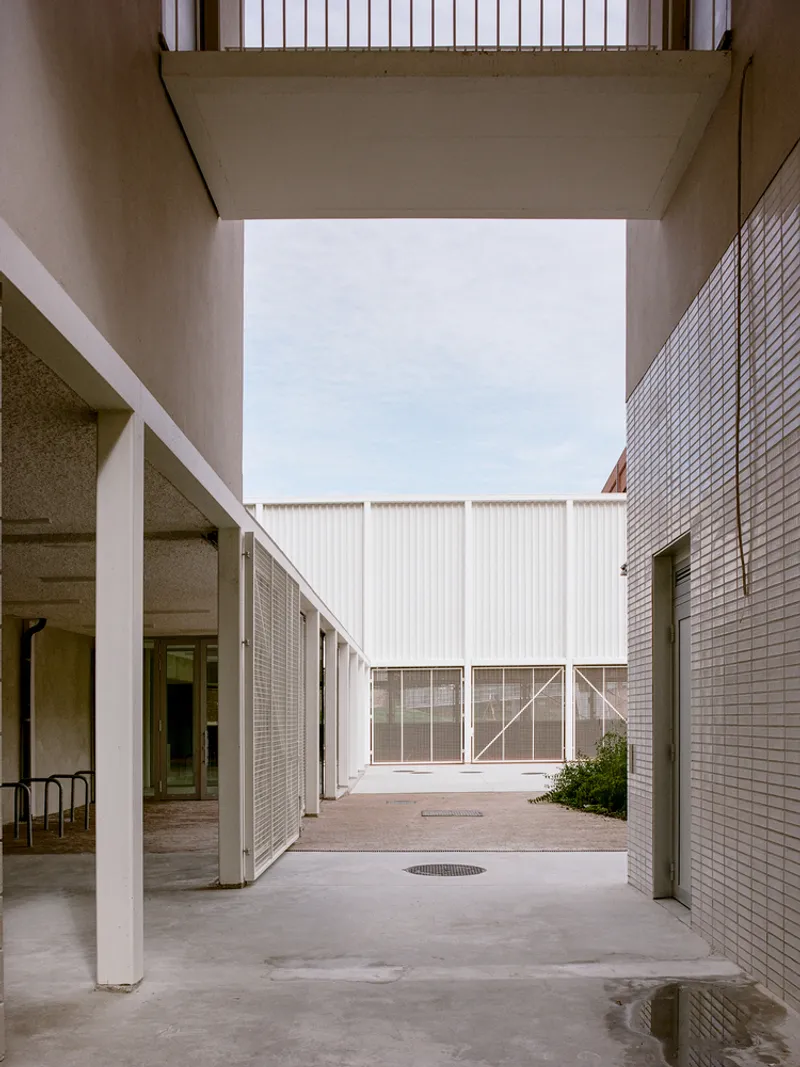
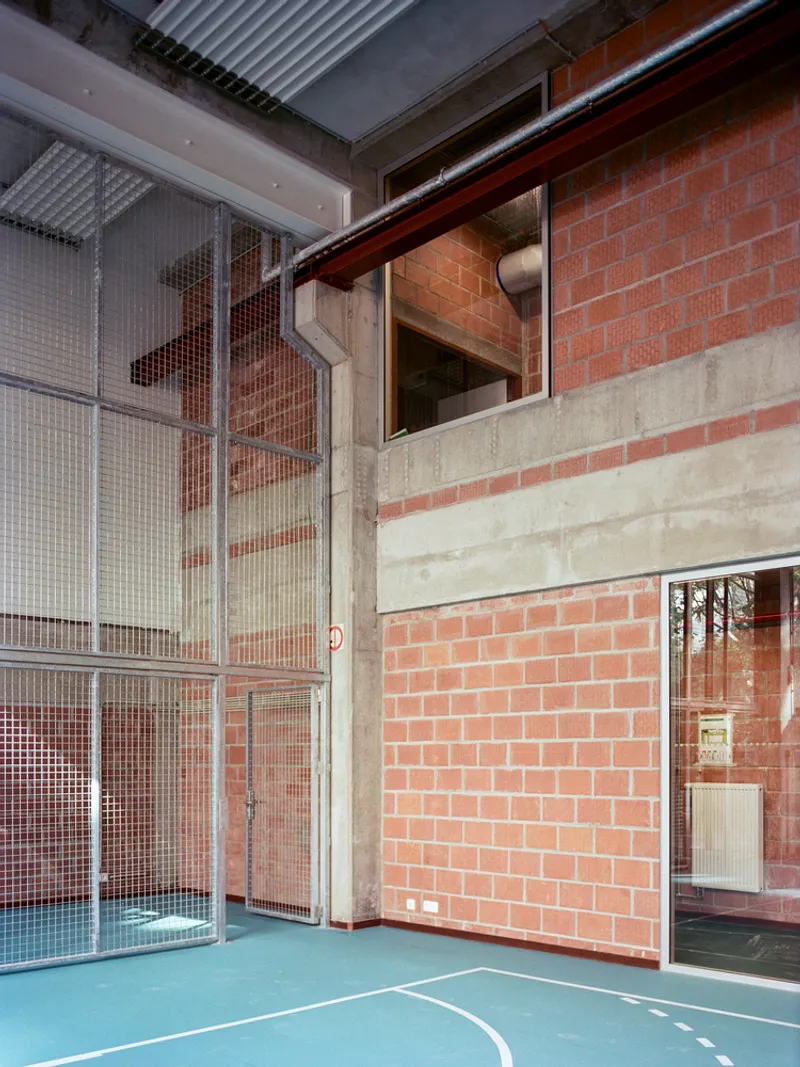
Sustainability is embedded into the very structure of the ECAM Youth Center. The new buildings follow passive building standards, ensuring that energy consumption is minimized. These buildings are designed to naturally regulate temperature, reducing the need for artificial heating and cooling systems.
3. Maximizing Outdoor and Green Spaces
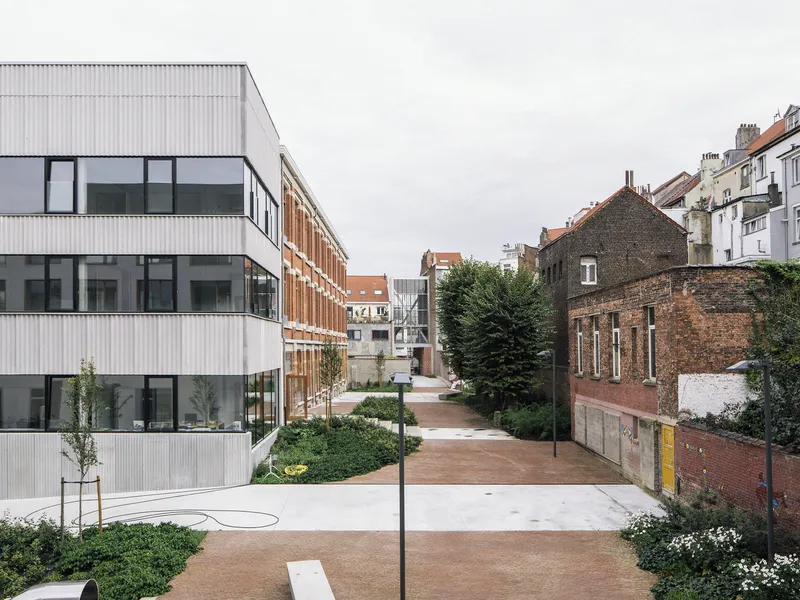
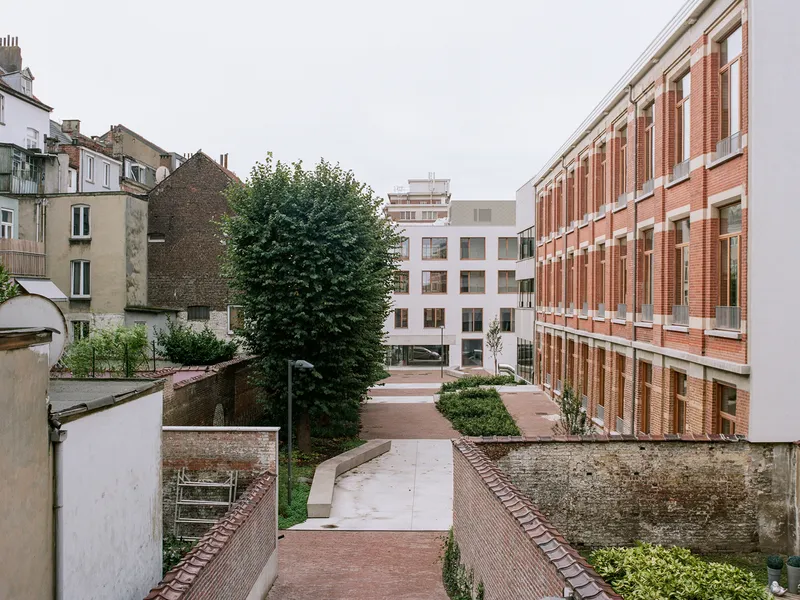
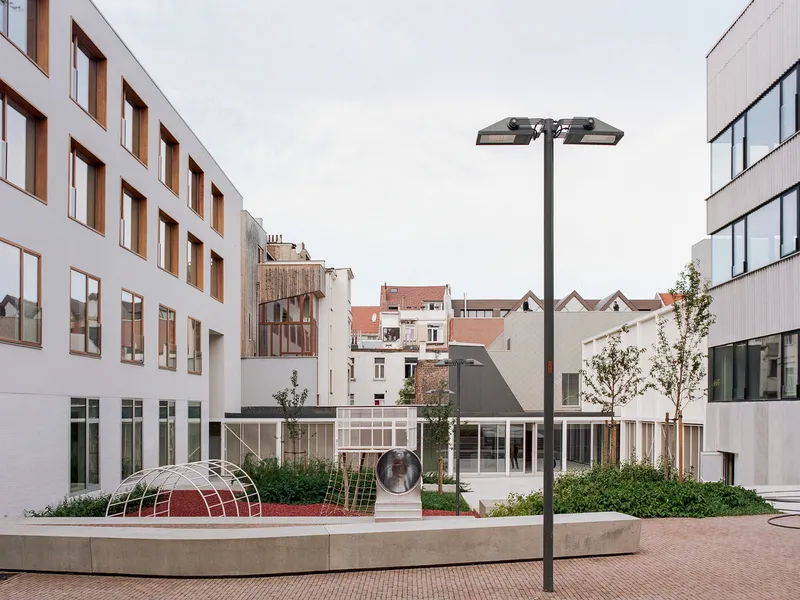
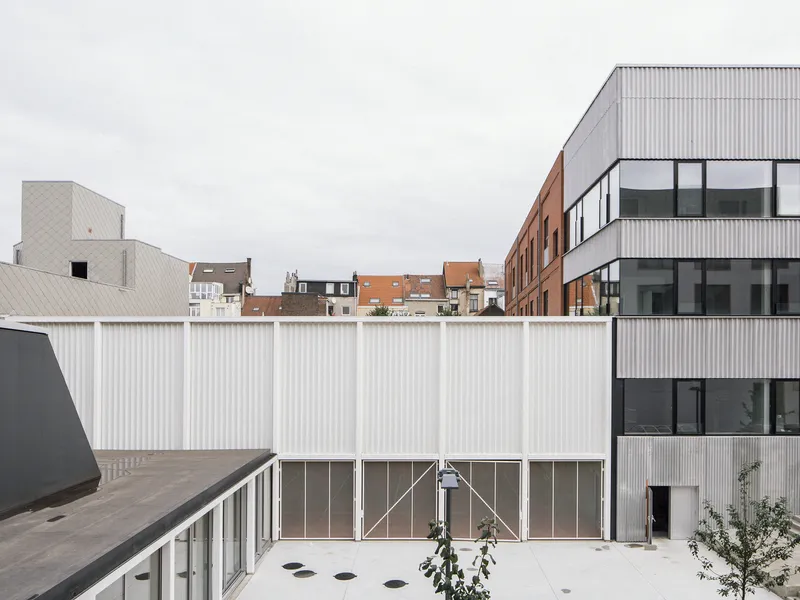
The ECAM Youth Center is situated in the heart of a residential block in Brussels, and one of its key features is the integration of green spaces. The project includes a landscaped walkway, a storm basin, and a diverse range of plant species that create a new biodiversity reserve within the urban environment. These outdoor spaces not only improve the aesthetics of the area but also enhance its environmental quality by reducing impermeable surfaces and improving air quality.
4. Sustainable Urban Connectivity
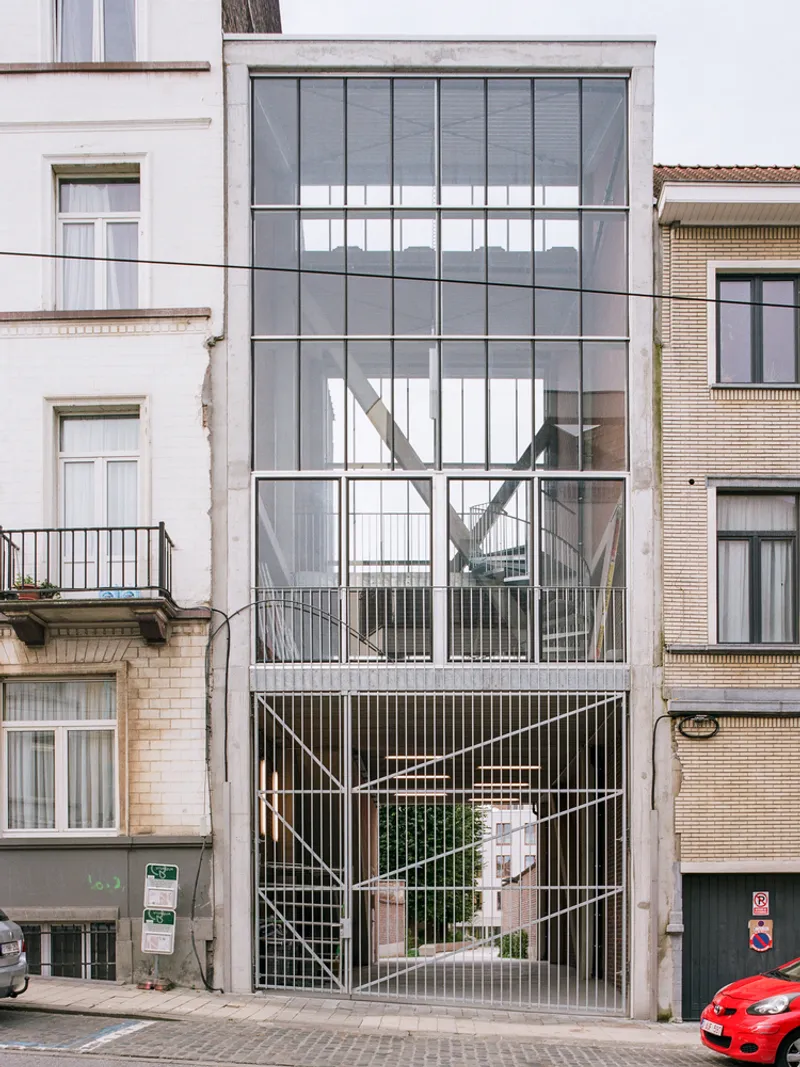
Another important aspect of the project is its ability to connect with the surrounding urban fabric. The center has entrances from three different streets, allowing it to blend seamlessly into the neighborhood. The careful planning of circulation pathways and the varied scale of the buildings help create a sense of urbanity where each element maintains its identity while contributing to the overall flow of the area.
5. Flexible Spaces for Multi-Use Functions
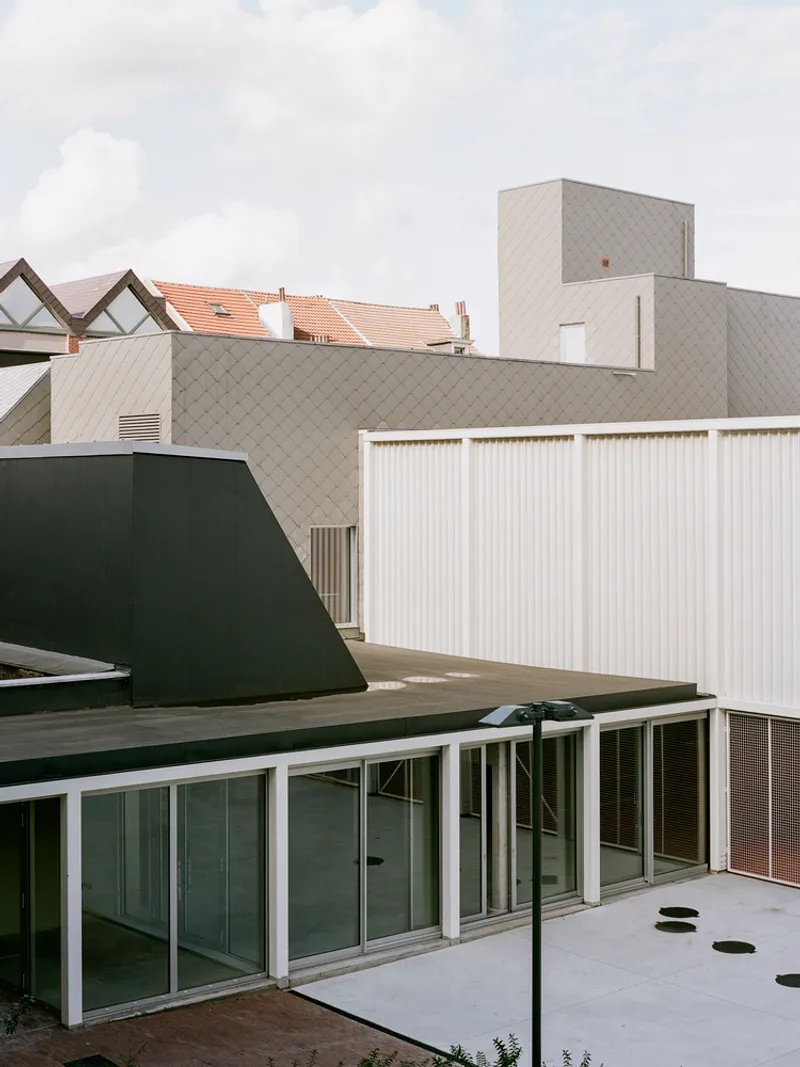
The ECAM Youth Center is designed to accommodate a variety of uses, including educational, cultural, and recreational activities. This flexibility is a key principle of sustainable architecture, as it ensures that the space can evolve with the community's changing needs. The building's open-plan design allows for easy reconfiguration of spaces, and its careful layout offers intimate areas for quiet reflection as well as larger spaces for group activities.
Benefits of Sustainable Architecture for Community Centers
1. Reduced Environmental Impact
The environmental benefits of sustainable architecture are numerous. By reducing energy consumption through passive building techniques and integrating green infrastructure, the ECAM Youth Center significantly lowers its carbon footprint. The inclusion of a storm basin and the focus on creating permeable surfaces helps manage rainwater runoff, contributing to better environmental resilience.
2. Cost-Effectiveness in the Long Term
While sustainable building practices can sometimes require a higher upfront investment, they ultimately save money by reducing operational costs over the long term. Energy-efficient systems, such as natural heating and cooling, lower utility bills. Additionally, by repurposing existing buildings, AgwA minimized the construction costs, ensuring that the project was both economically and environmentally viable.
3. Enhanced Community Engagement
Sustainable architecture fosters a deeper connection between people and their environment. The ECAM Youth Center's thoughtful design encourages community interaction by offering spaces that are easily accessible and conducive to socializing. By integrating the building into its surroundings and making outdoor spaces inviting, the project promotes a sense of belonging among residents.
4. Promotes Health and Well-Being
Sustainability also includes considerations for human health and well-being. The ECAM Youth Center's design prioritizes natural light, ventilation, and acoustic comfort, creating a pleasant and healthy environment for users. The abundance of green spaces and the proximity to nature also contribute to improved mental health and overall well-being.
The Future of Community-Centered Sustainable Architecture
The ECAM Youth Center is a shining example of how sustainable architecture can be seamlessly integrated into community centers. By prioritizing eco-friendly design, maximizing the use of existing buildings, and ensuring flexibility, this project demonstrates that it is possible to create spaces that are both sustainable and adaptable to the needs of diverse communities.
As cities continue to grow, the demand for sustainable, multifunctional spaces will only increase. Projects like the ECAM Youth Center offer a blueprint for future developments, showing that good architecture can foster stronger communities, promote sustainability, and create a positive impact on the environment.
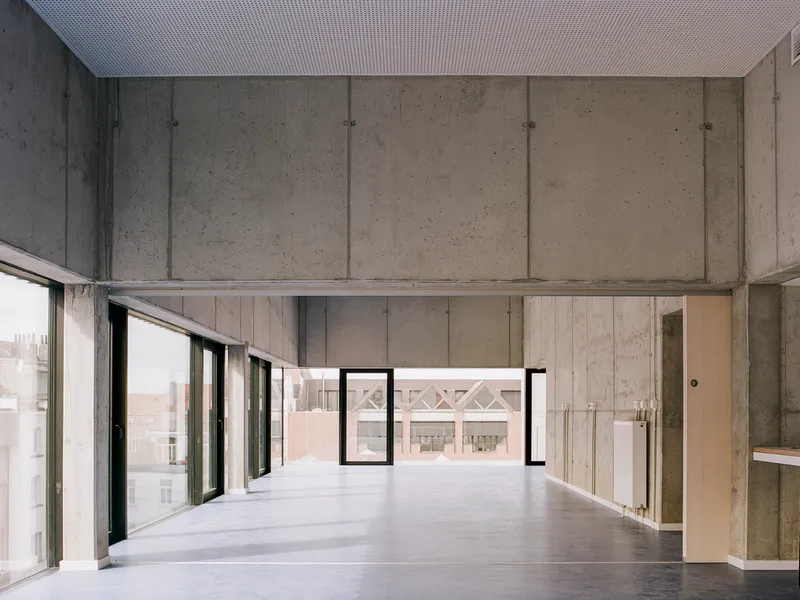
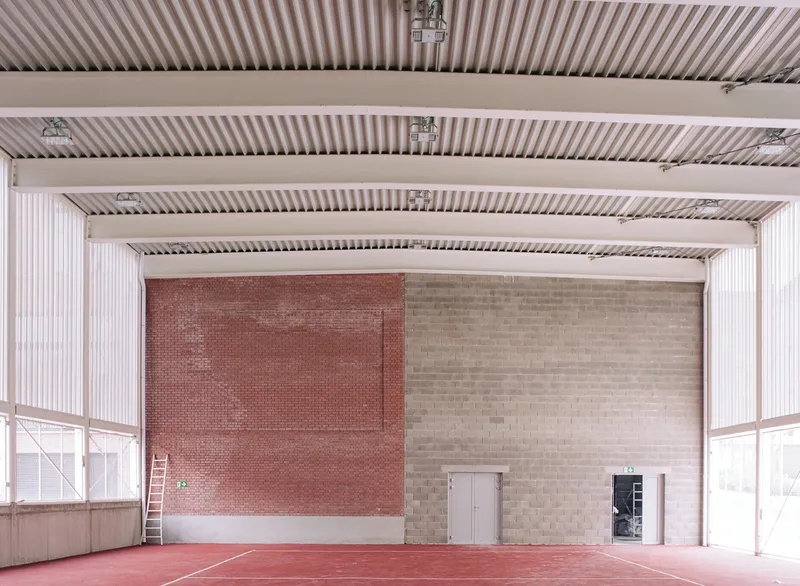
All Photographs are work of Séverin Malaud, Delphine Mathy


Popular Articles
Popular articles from the community


Singing Woman: An Opera House That Performs Before the Curtain Rises
Ovidiu Cristian Pavel's conceptual opera house translates Estonia's choral identity into a sculpted waterfront landmark facing the Baltic Sea.

Tsunami Convergenics: Turning Catastrophic Ocean Forces into Underwater Housing Infrastructure
A speculative underwater settlement off the coast of Onagawa, Japan, treats tsunamis and typhoons as energy sources rather than threats.
Opera by the Sea Estonia: Three Shells Dissolving Architecture into Tallinn's Coastline
A winning opera house proposal replaces monumental form with interconnected shells that blur the boundary between building, park and Baltic Sea.

Faces of the Soviet Avant-Garde: Turning Moscow's Street Names into an Open-Air Museum
A network of sculptural installations across a Moscow residential district transforms forgotten architect names into spatial encounters with cultural memor

Similar Reads
You might also enjoy these articles


Hodi-Mandai Geram
Project Function: Preservation and revitalization of the Intangible heritage and socio-spatial identity of the Hodi by Housing, Cultural Memory Center, Sacred Grove, landscape, local tourism economy


Olio Towers: A Mid-Rise for Performers That Fuses Housing, Rehearsal, and Stage
Located blocks from Houston's Theater District, this modular tower stacks living units around a central performance atrium.

Oasis: Modular Green Housing Carved into Dhaka's Urban Fabric
A shortlisted Plugin Housing entry reclaims unauthorized settlements in Dhaka with stepped concrete volumes, green roofs, and ventilation-driven design.

Black Hole: A Floating Megastructure for the Post-Physical Era
Emiliano Mazzarotto envisions a spherical, self-scaling arena where e-sports, digital hotels, and holographic stadiums replace traditional public space.

Explore Community Architecture Competitions
Discover active competitions in this discipline

Challenge to design public laboratory

Challenge to reimagine the Iron Throne

Photograph architecture without architects

Illustrate the lost glory of Angkor Wat - Render Challenge
Comments (0)
Please login or sign up to add comments
No comments yet. Be the first to comment!