
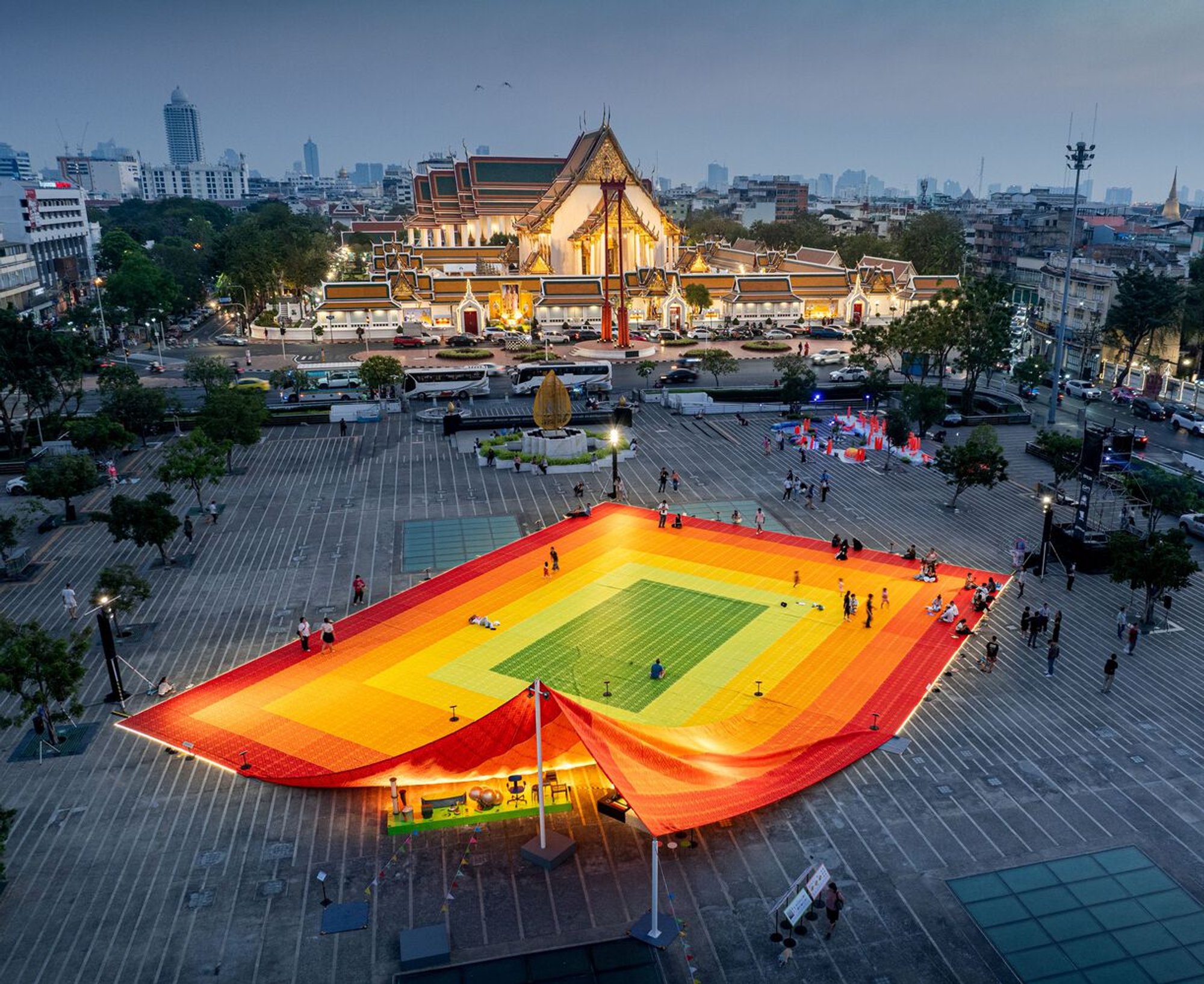
Sustainable Architecture Installations: MVRDV’s Mega Mat at Bangkok Design Week
This article explores how MVRDV’s Mega Mat installation at Bangkok Design Week redefines sustainable architecture through recycled materials and modular design.

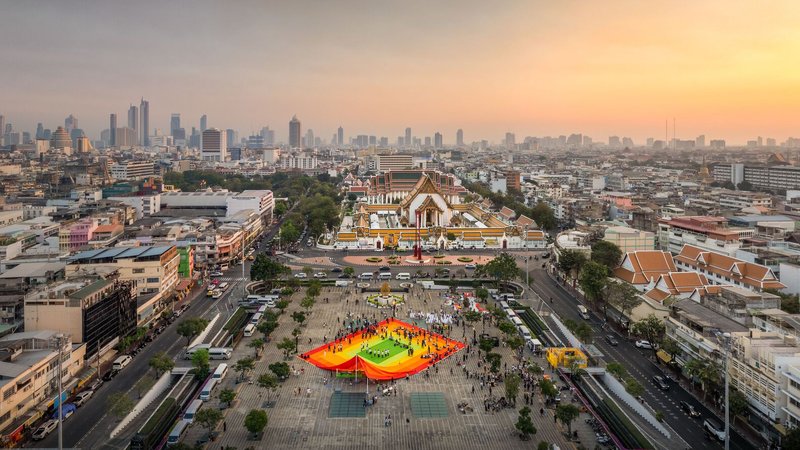
Sustainable architecture installations are redefining the way cities engage with public spaces, merging creativity with environmental awareness. MVRDV’s Mega Mat, a striking temporary installation at Bangkok Design Week 2025, exemplifies this movement by transforming recycled materials into an immersive public space. Located in Lan Khon Mueang Town Square, the installation raises awareness about plastic waste while fostering community interaction.
A Statement on Plastic Waste and Recycling
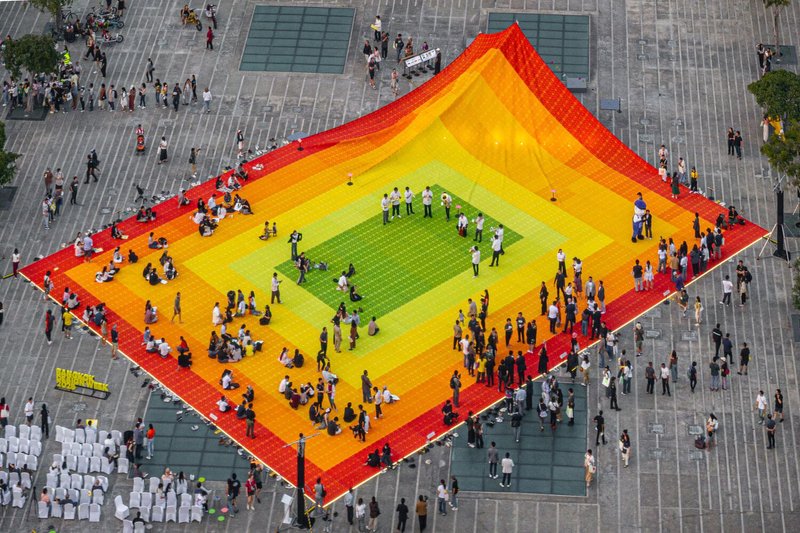
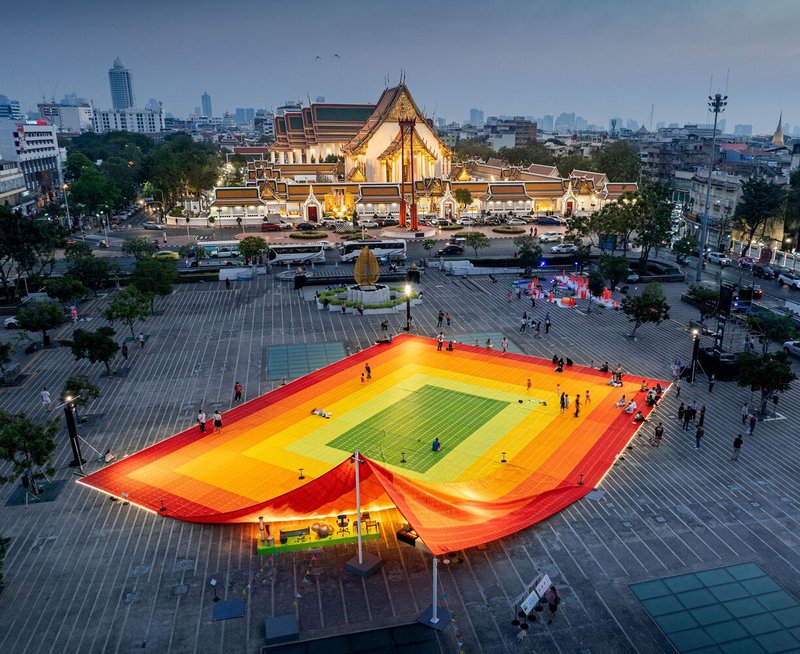
Thailand faces a significant challenge in managing plastic waste, with millions of tons generated each year. The Mega Mat installation addresses this issue by repurposing over 500 recycled plastic mats into a large-scale urban intervention. Spanning 875 square meters, the installation serves as both a vibrant gathering space and an interactive infographic, visually representing Thailand’s plastic waste processing system.
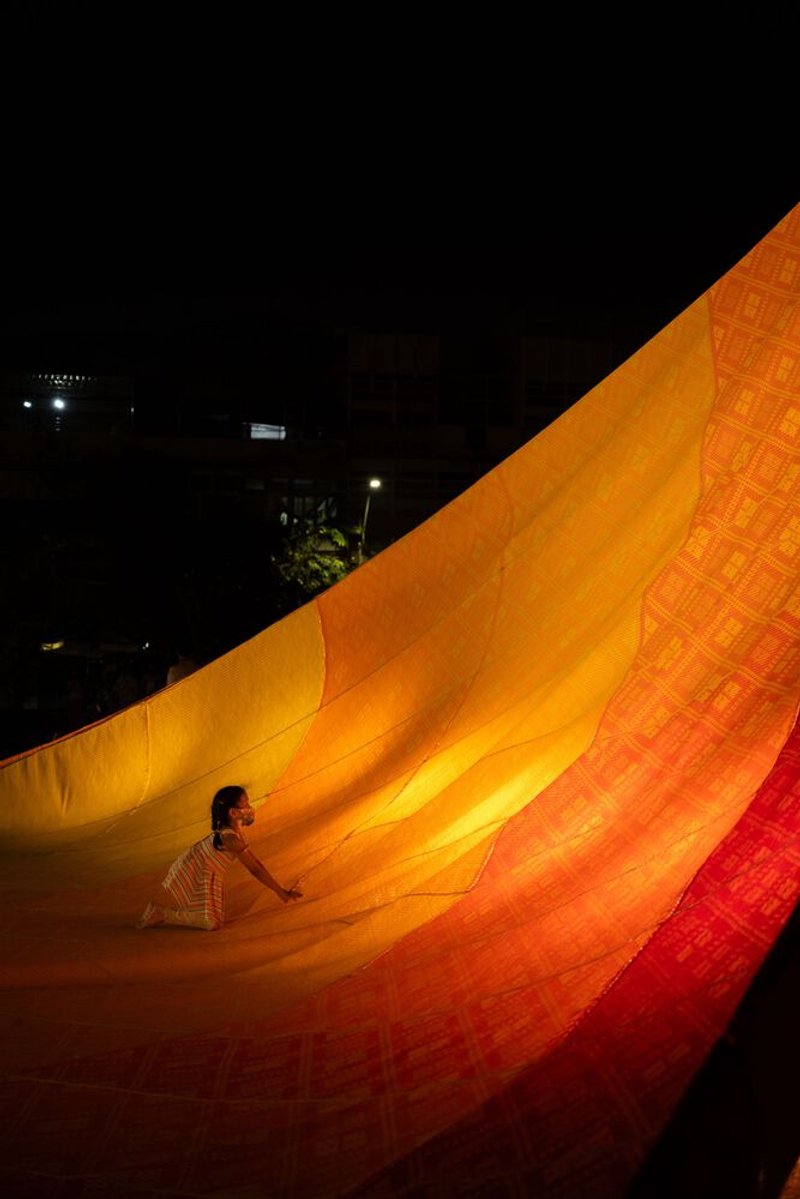
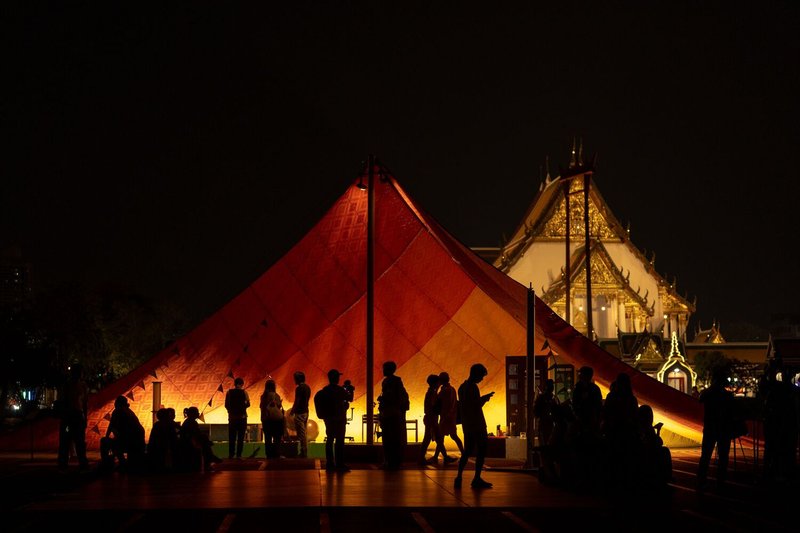
The bright colors of the Mega Mat infuse the town square with energy, creating a dynamic focal point that encourages visitors to engage with the materiality of the installation. The design is not merely aesthetic but serves as an educational tool, prompting discussions on sustainability and the potential of recycled materials in architecture.
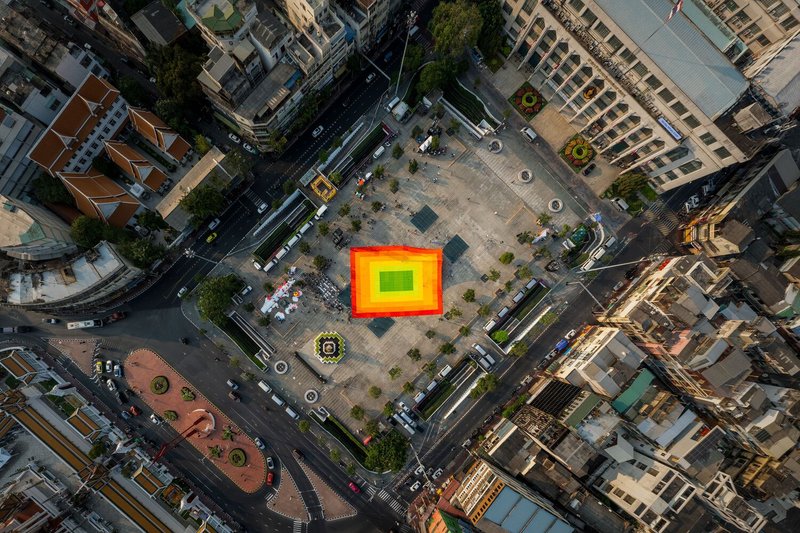
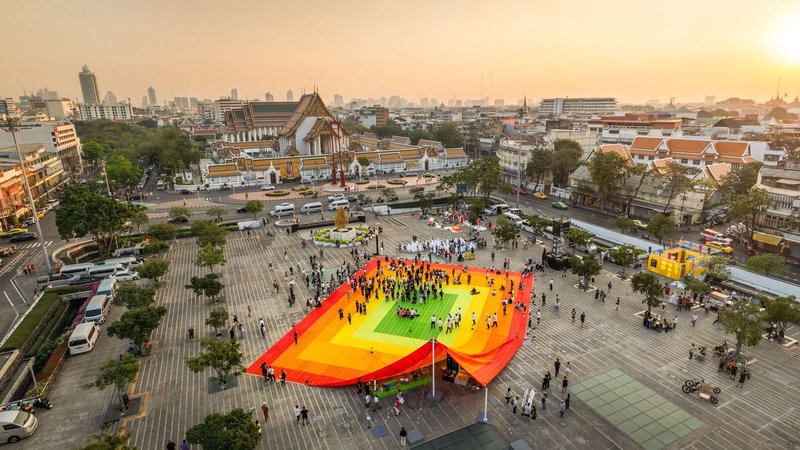
Modular Design and Adaptive Reuse
The Mega Mat is designed as a modular system, allowing for flexibility in configuration and future reuse. The mats, sourced from recycled plastic, showcase the possibilities of upcycled materials in large-scale urban interventions. By adopting a modular approach, MVRDV ensures that the installation can be dismantled and repurposed beyond the design festival, minimizing waste and extending its lifecycle.
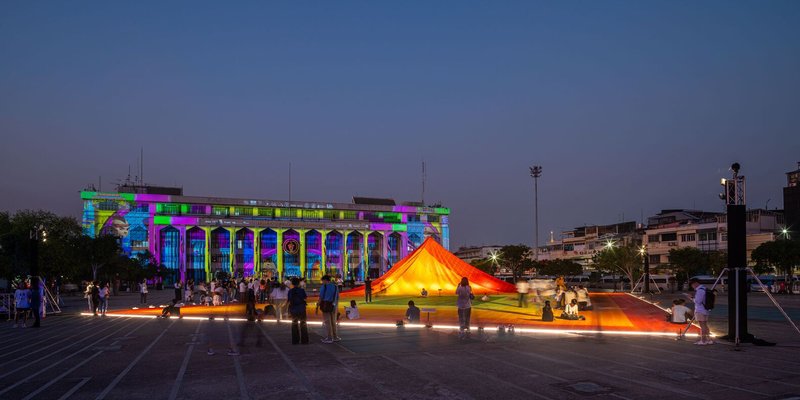
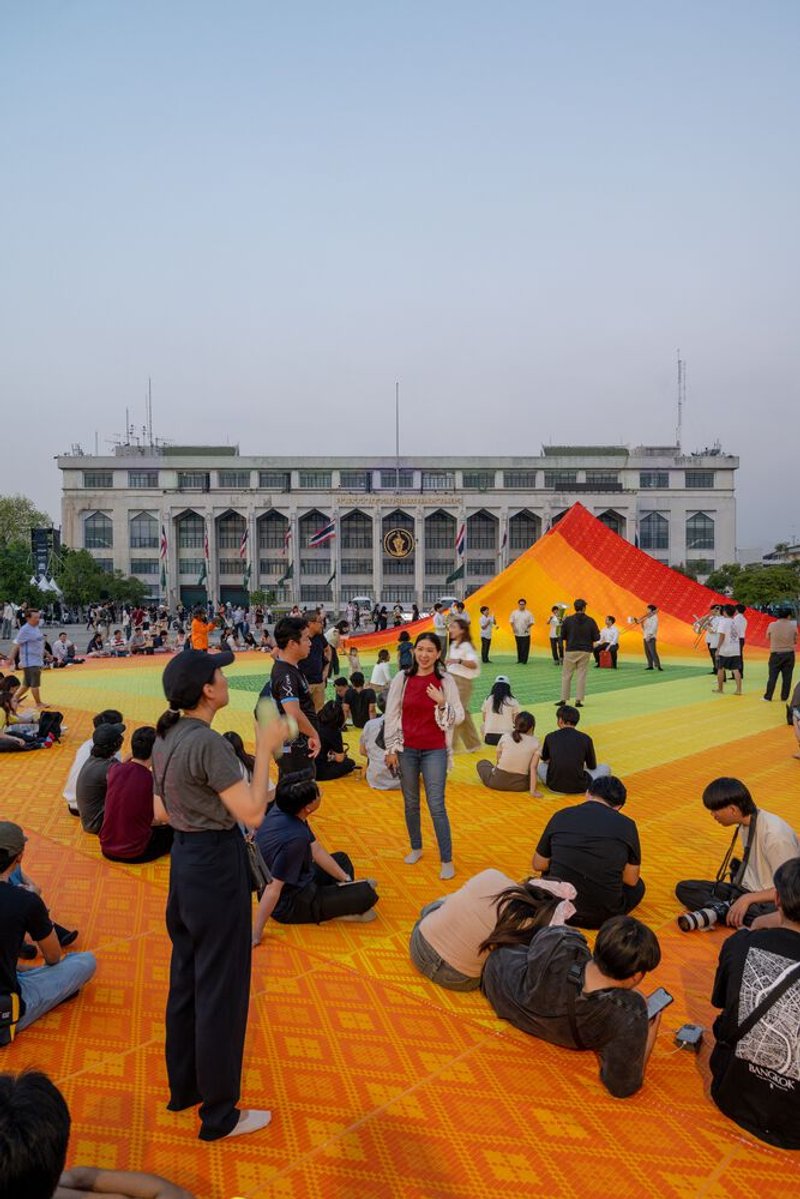
The adaptability of the installation reflects a broader shift in architecture towards circular construction methods. Rather than being a one-time event, the project demonstrates how temporary structures can contribute to long-term sustainable urban development.
Integration with the Urban Context
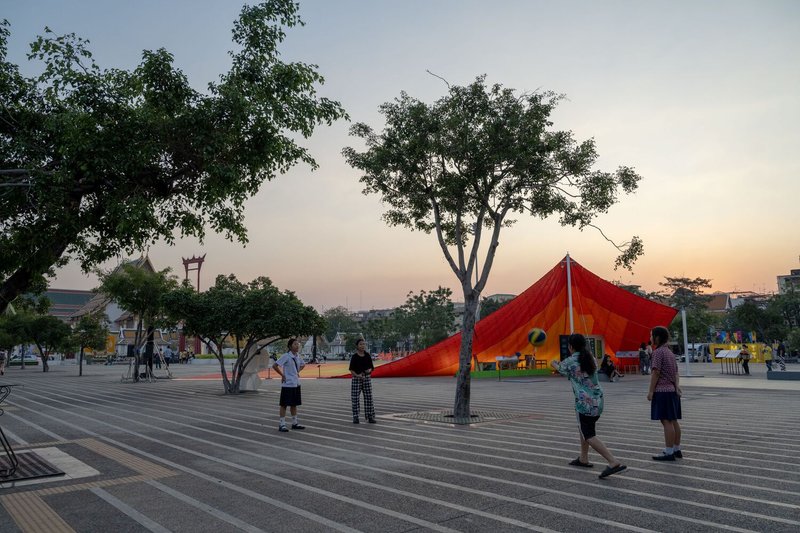
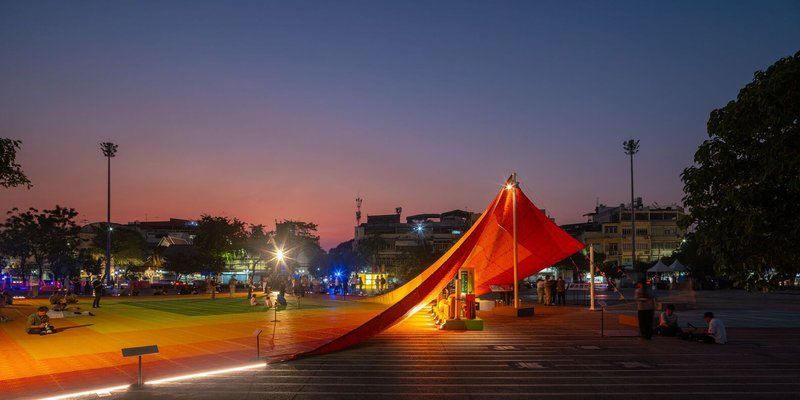
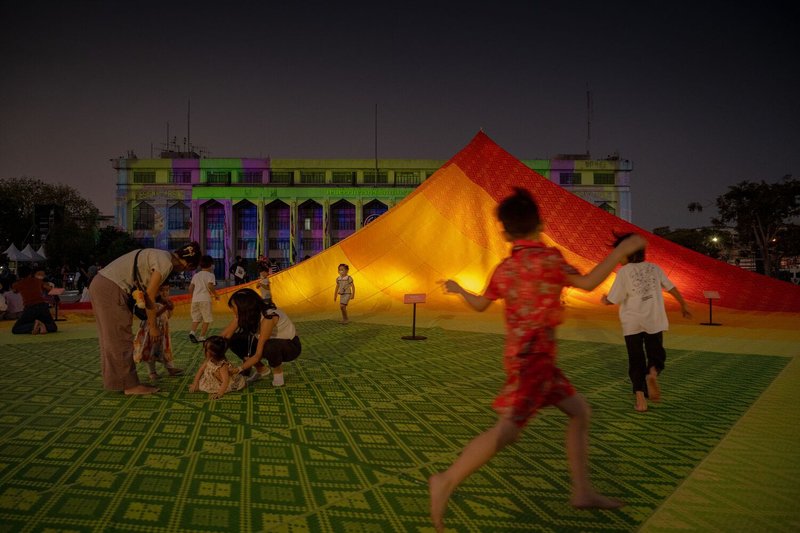
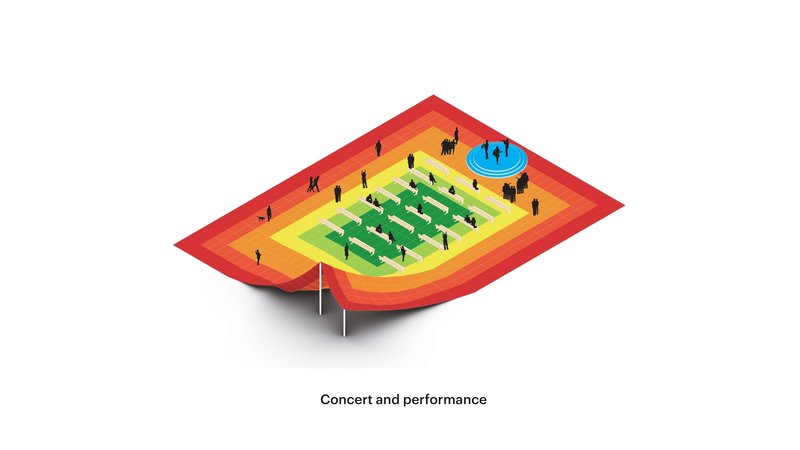
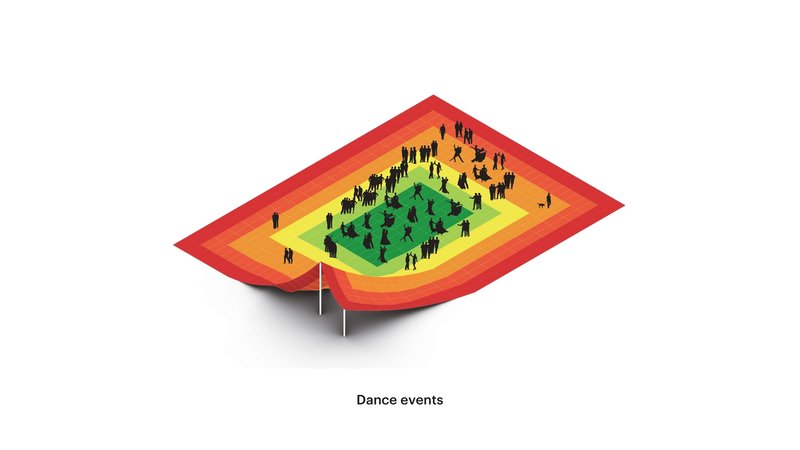
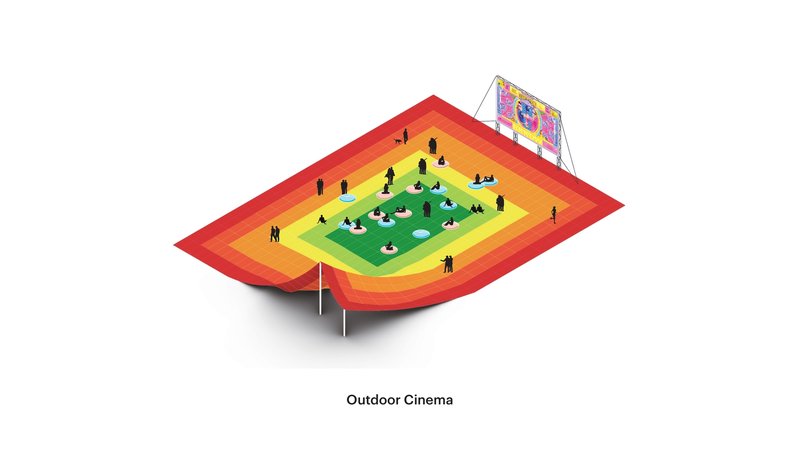
Situated outside Bangkok Metropolitan Authority City Hall, the Mega Mat installation responds to its urban surroundings by creating a temporary yet impactful public space. The design fosters social interaction, offering an inviting environment for performances, markets, and community gatherings.

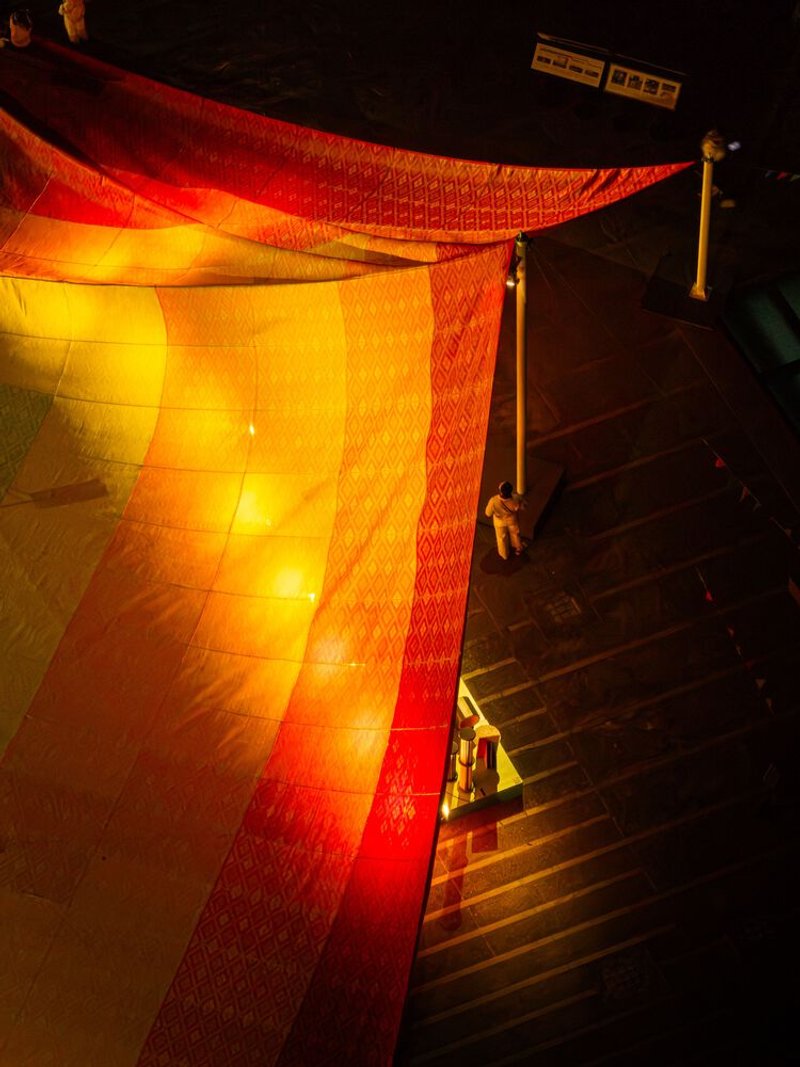
By integrating seamlessly into the urban fabric, the installation challenges conventional notions of public space, proving that sustainable design can be both functional and visually engaging. The Mega Mat is more than an artistic statement; it is an active participant in the city’s cultural and environmental discourse.
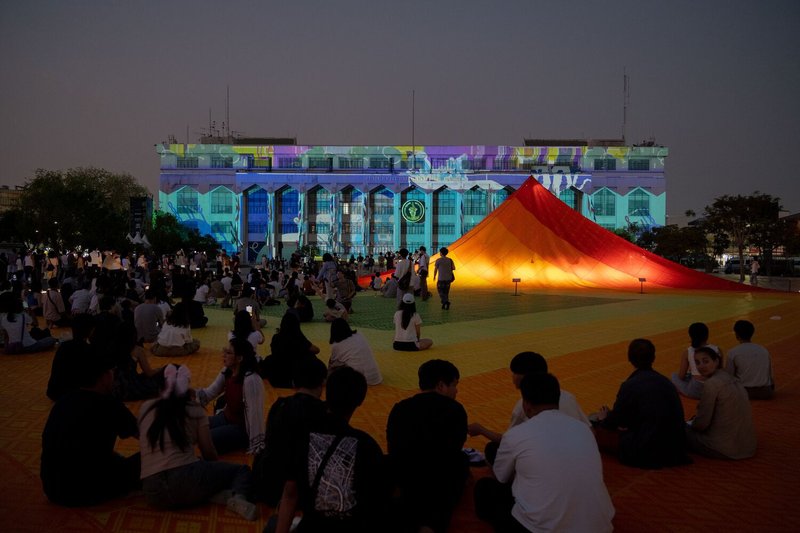
The Role of Sustainable Installations in Urban Design
Sustainable architecture installations like Mega Mat play a crucial role in transforming cities by promoting environmental responsibility and public engagement. These temporary interventions serve as experimental platforms for testing new materials and construction techniques that can inform permanent urban solutions.
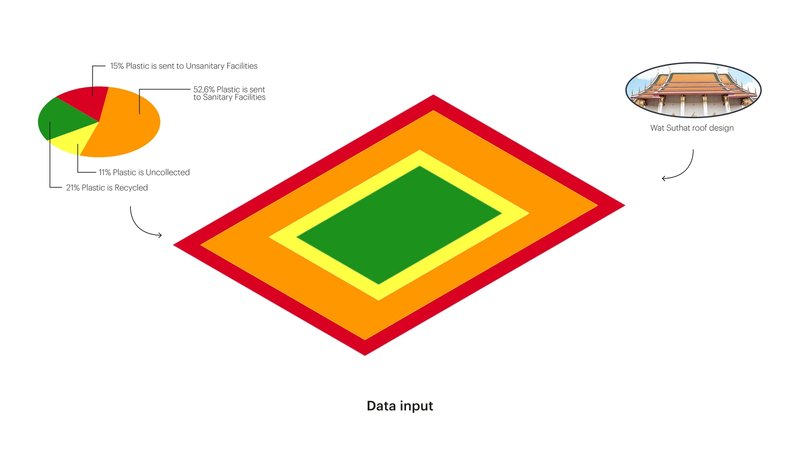
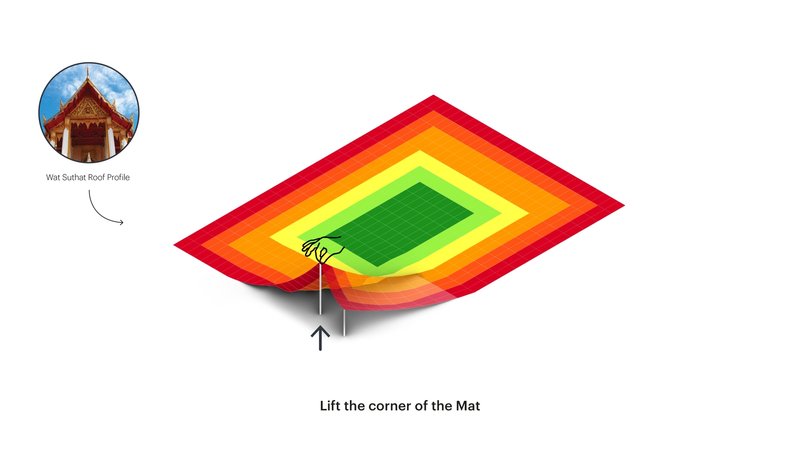
MVRDV’s approach highlights the importance of material innovation in contemporary architecture. By utilizing recycled plastic in an artistic and functional way, the installation challenges perceptions about waste and demonstrates how discarded materials can be reintegrated into urban environments.
A Vision for the Future
As cities worldwide seek sustainable solutions for public spaces, projects like Mega Mat offer a glimpse into the future of urban design. The installation exemplifies how architecture can be both environmentally conscious and socially engaging, paving the way for more sustainable and adaptable cityscapes.
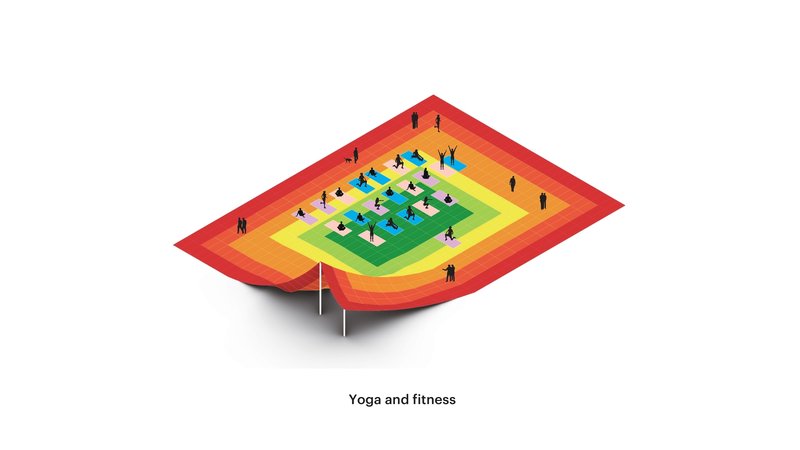
The success of the Mega Mat at Bangkok Design Week underscores the potential of sustainable architecture installations to inspire change. By merging creative expression with ecological responsibility, these interventions redefine how cities interact with their inhabitants and their environment.
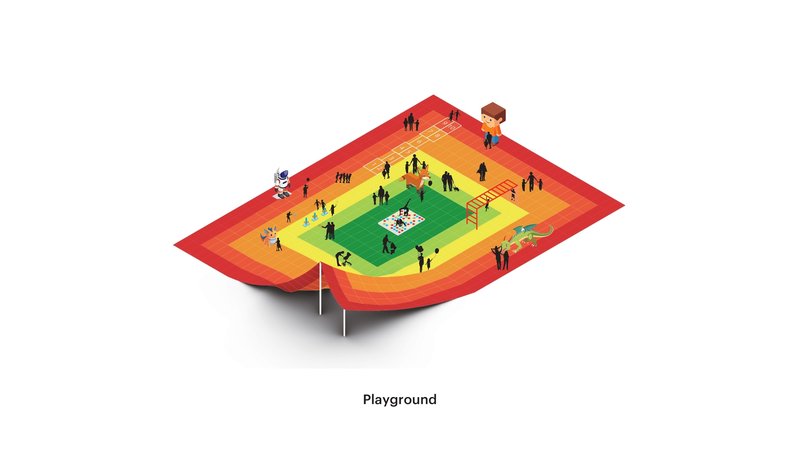
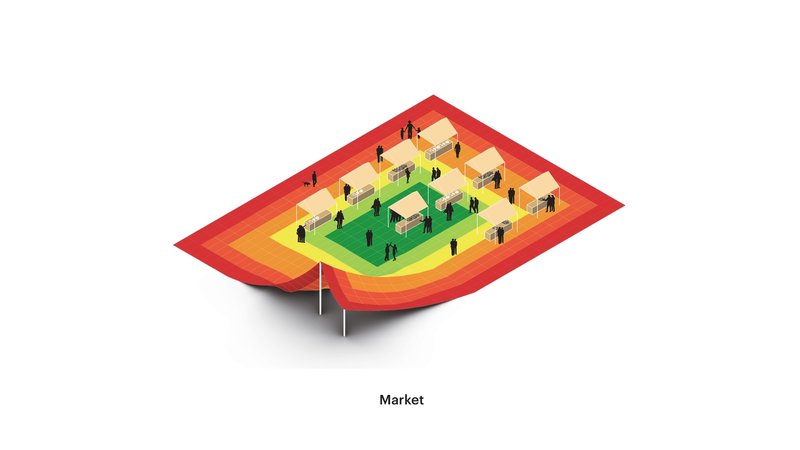
MVRDV’s Mega Mat at Bangkok Design Week stands as a powerful example of sustainable architecture installations, transforming recycled plastic into an innovative and interactive urban space. Through modular design, material reuse, and urban integration, the project showcases the potential of temporary structures to drive conversations about sustainability and public engagement. As cities continue to explore new ways to address environmental challenges, projects like this serve as blueprints for a future where architecture and sustainability go hand in hand.
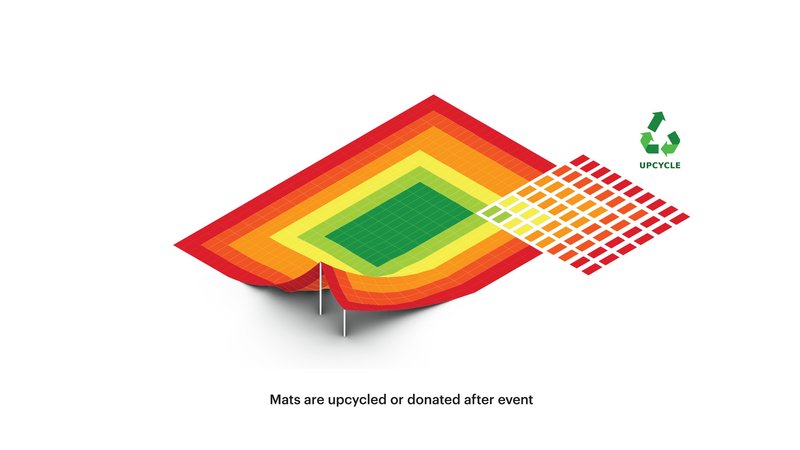
All photographs are works of Depth of Field




Popular Articles
Popular articles from the community

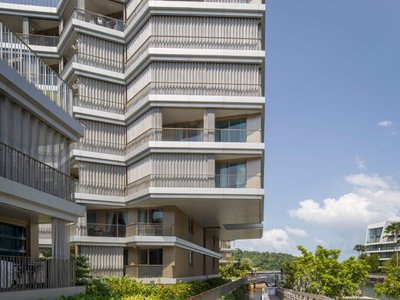
KCAP and DCA Architects Build a Stepped Urban Village on Singapore's King's Dock Waterfront
A 26,000 square meter residential development in Singapore trades tower isolation for terraced courtyards and a planted promenade along the harbor.

CTA | Creative Architects Designs Triangular Floating Shelters for Vietnam's Flood-Ravaged Communities
A timber-louvered triangular shelter rises on concrete pontoons to keep Vietnamese families safe and together when floodwaters come.

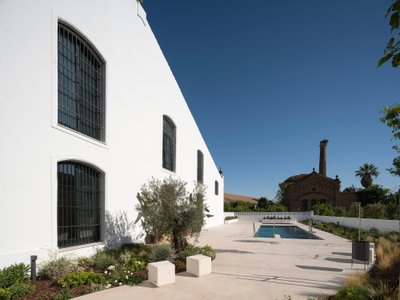
De la Riva Sherry Homes By Juan Vega Arquitectos
De la Riva Sherry Homes transform a historic winery into unique residences, blending industrial heritage, modern comfort, and community-focused courtyard living.
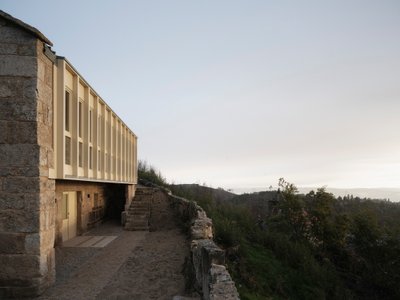
Three Architects Stitch a Social Center into a Crumbling Galician Hamlet
In Muimenta, Spain, timber and plywood volumes graft onto granite ruins to anchor a rural revitalization effort.

Similar Reads
You might also enjoy these articles



Bamboo Housing Challenge 2026: Design Affordable, Sustainable Homes Using Bamboo
An international design competition by Bamboo U and IBUKU inviting architects and designers to reimagine affordable housing using bamboo — with the winning design built full-scale in Bali.

Computational Design & Education: Beegraphy Design Awards Introduces 7th Category (Featuring Jiyun's Innovative Approach)
Dive into Beegraphy’s 7th Design Awards category, where computational design meets education to create immersive, interactive learning tools, inspired by Jiyun’s work.

From Parametric Lighting to Urban Furniture: Join the 2nd Workshop in Beegraphy’s Computational Design Series
Dive into Cutting-Edge Design Techniques and Practical Applications with Industry Experts


Explore Architecture Competitions
Discover active competitions in this discipline




The International Standard for Design Portfolios


The Global Benchmark for Architecture Dissertation Awards


The Global Benchmark for Graduation Excellence


Challenge to reimagine the Iron Throne
Comments (0)
Please login or sign up to add comments
No comments yet. Be the first to comment!