
Suzhou Museum of Contemporary Art by BIG – A Landmark Fusion of Architecture, Nature & Culture
“Modern concrete residence blending minimalist architecture with natural light, open spaces, and seamless indoor-outdoor living, designed for comfort, privacy, and elegance.”

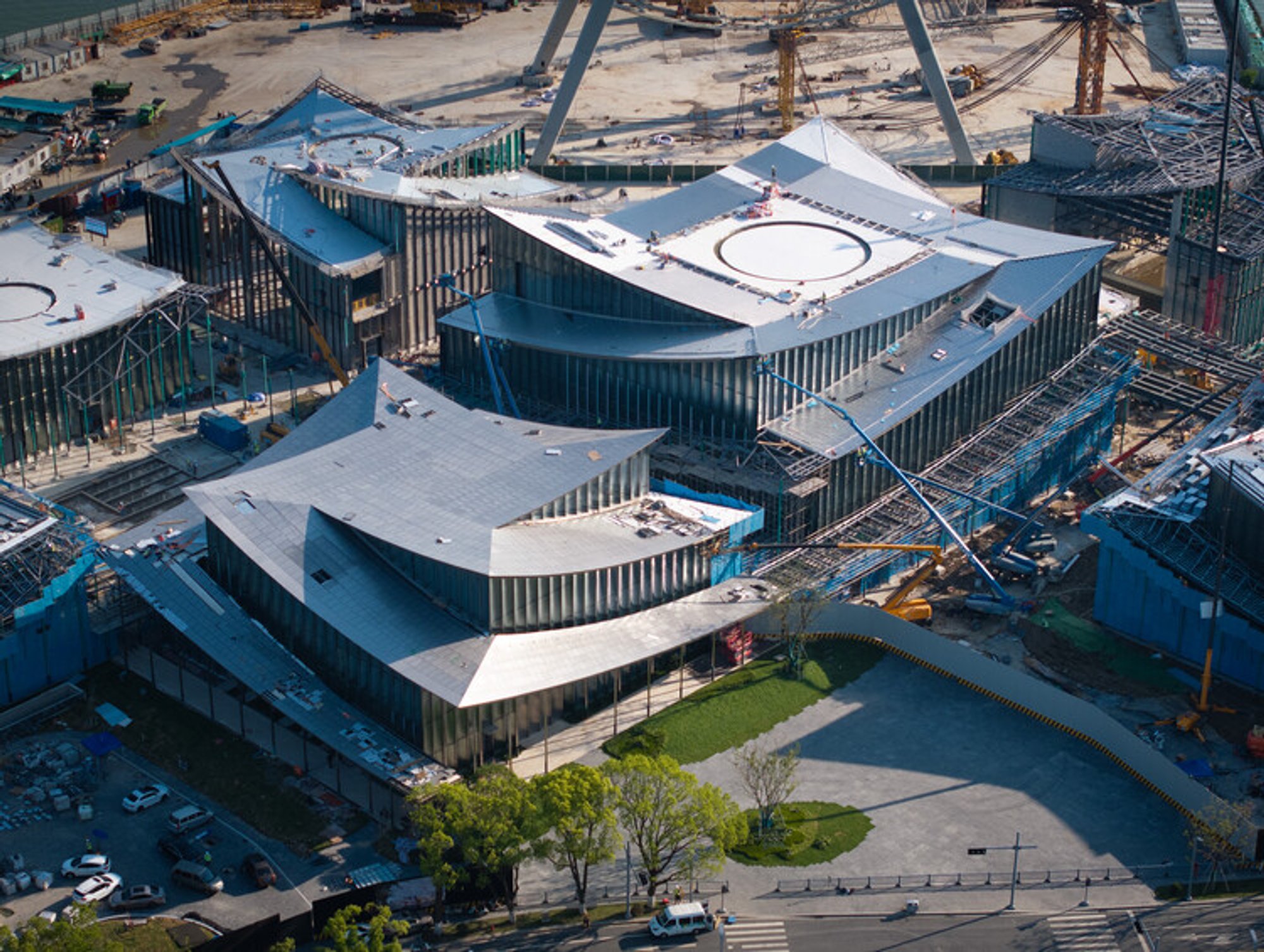
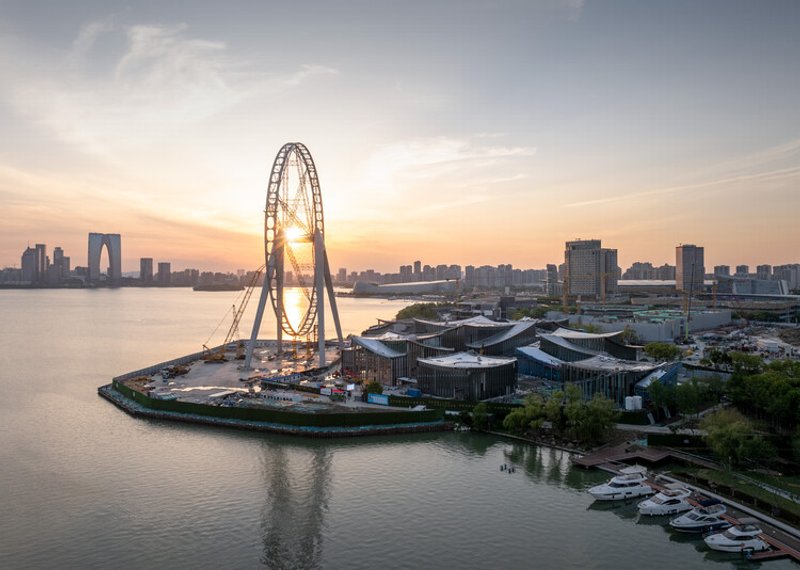
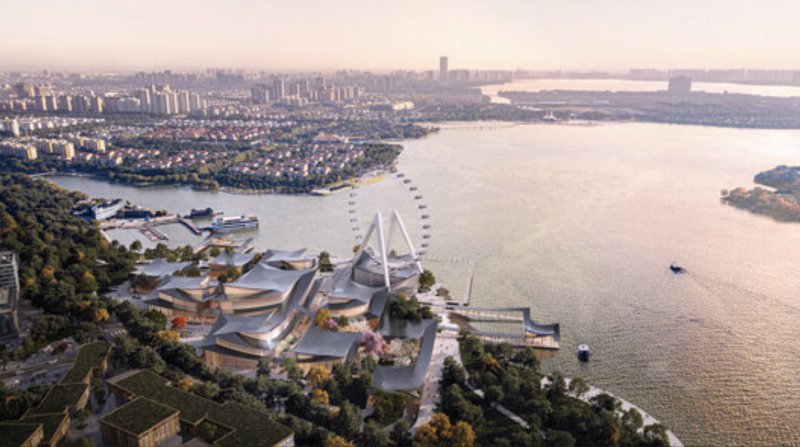
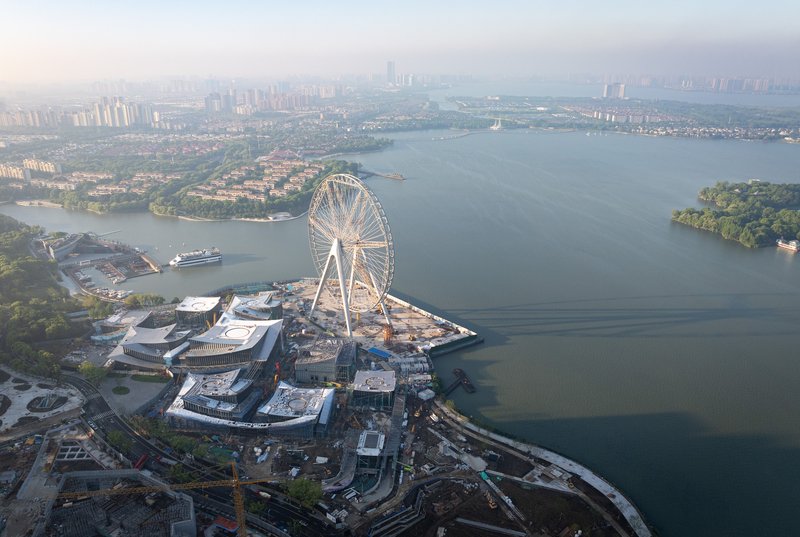
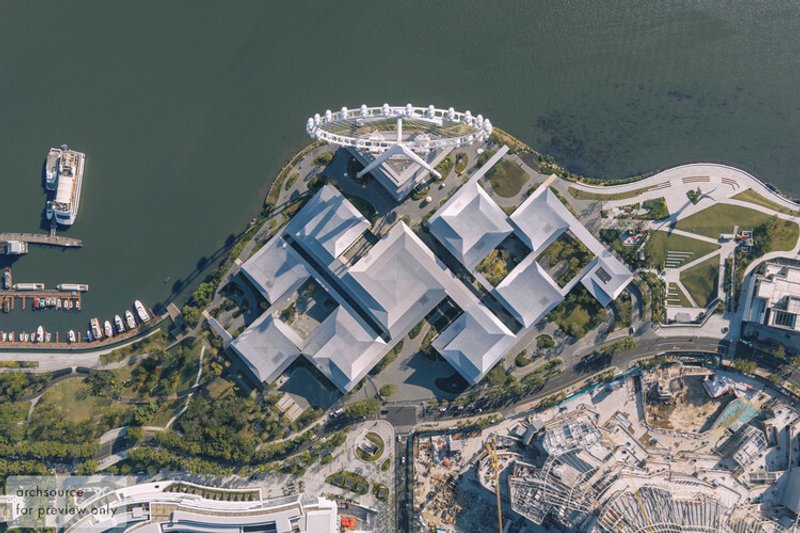
The Suzhou Museum of Contemporary Art (Suzhou MoCA), designed by the world-renowned Bjarke Ingels Group (BIG), is set to become one of China’s most iconic cultural destinations. Located along the scenic Jinji Lake waterfront in Suzhou, the 60,000 m² museum reinterprets the traditional Suzhou garden aesthetic through a modern architectural lens. Scheduled for its public opening in 2026, the museum debuts with the exhibition Materialism, curated by BIG, offering visitors a sensory journey through architectural materials from stone to recyclate.
A Modern Village of Pavilions Inspired by Suzhou’s Garden Heritage
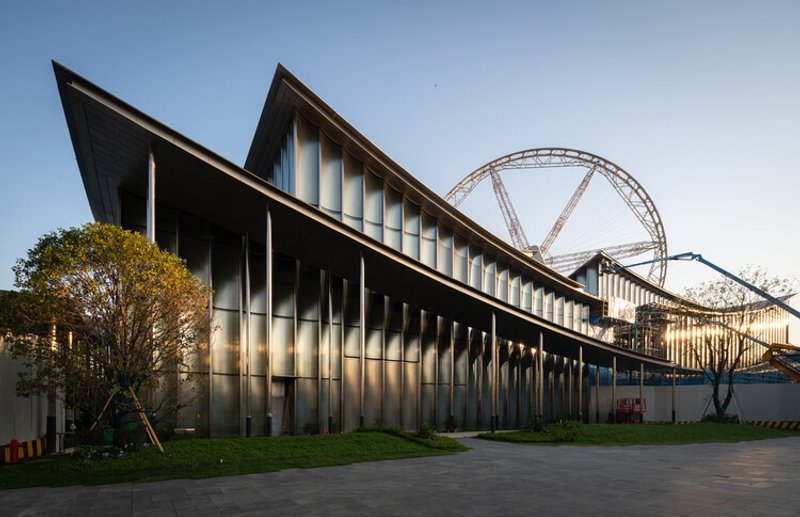
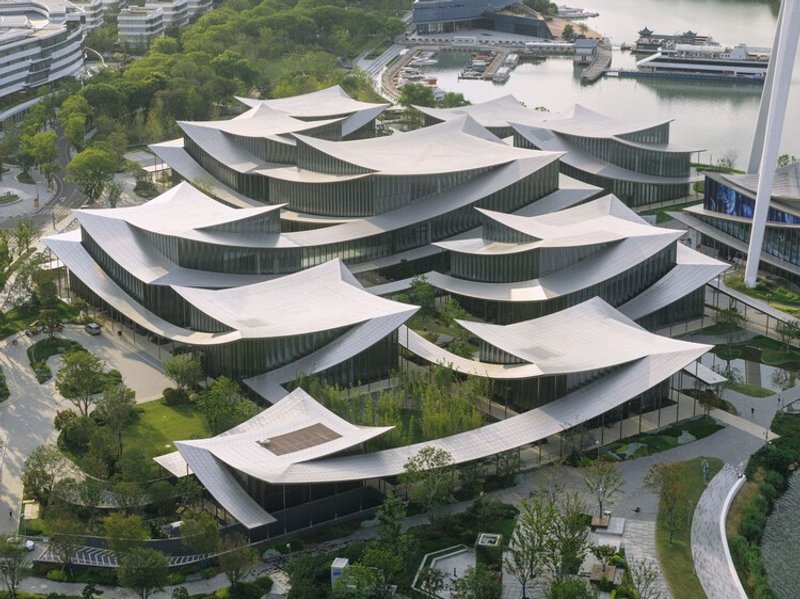
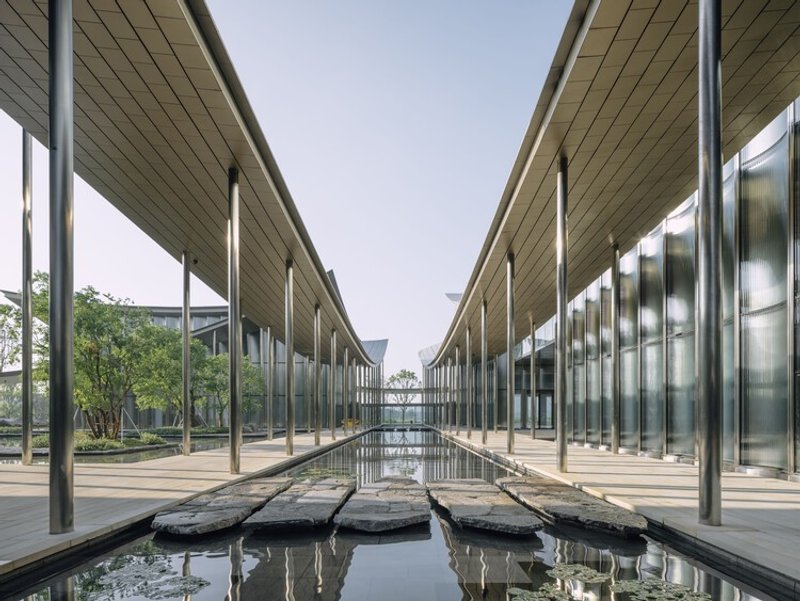
Suzhou, historically known as the “cradle of Chinese gardens,” inspires BIG’s design deeply. The museum is conceived as a village of 12 interconnected pavilions united by a sweeping, ribbon-like roof. The architectural concept reimagines the traditional 'lang' 廊, a covered walkway commonly found in Suzhou’s classical gardens.
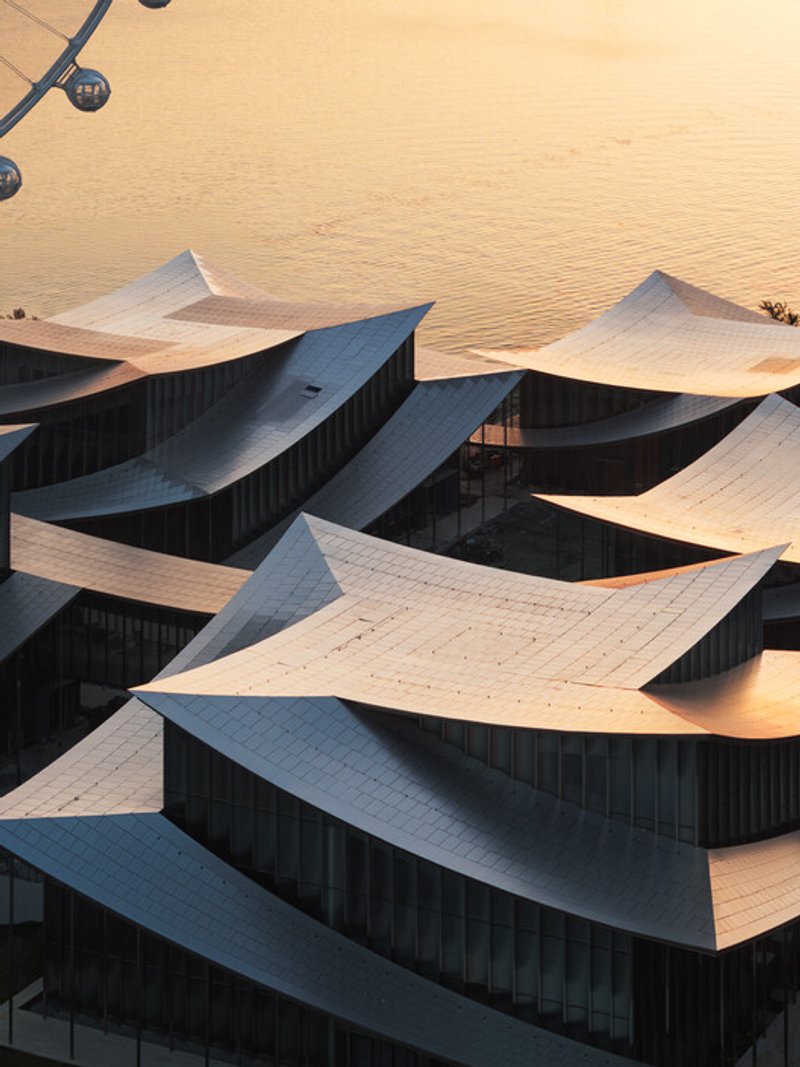
The roof’s soft, undulating form resembles traditional tiled eaves, creating a serene silhouette along the lake. Ten pavilions have already been completed, while two additional structures will extend over the lake, linked by glass-lined bridges and covered pathways.
Design Philosophy: A Garden of Courtyards, Art & Architecture
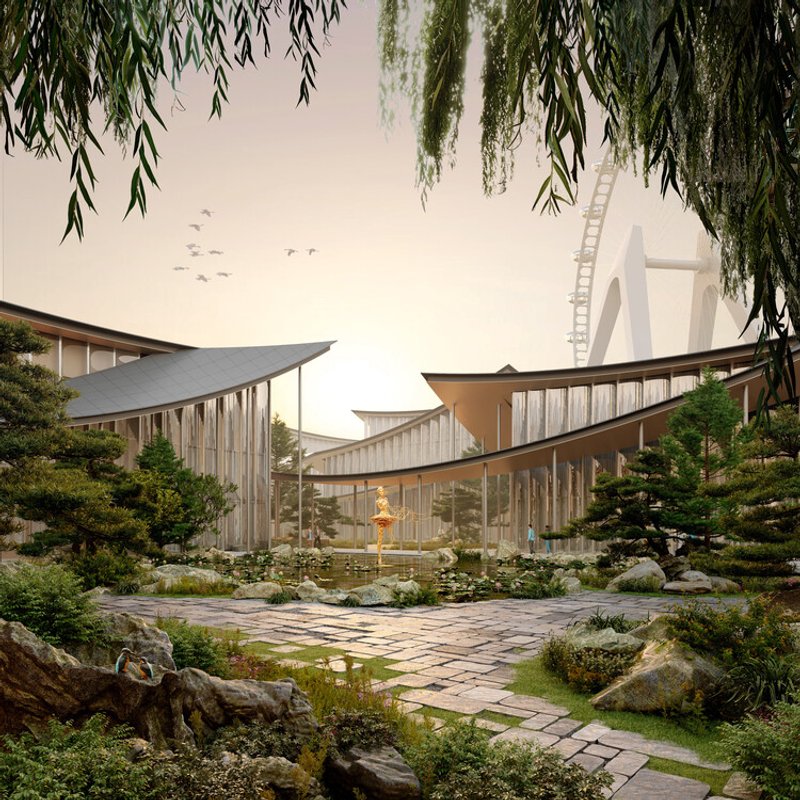
Bjarke Ingels describes the project as a “garden of pavilions and courtyards”—a seamless fusion of landscape and architecture. The museum’s morphology resembles a Chinese knot, allowing visitors to wander through sculpture courts, glazed corridors, and fluid exhibition spaces.
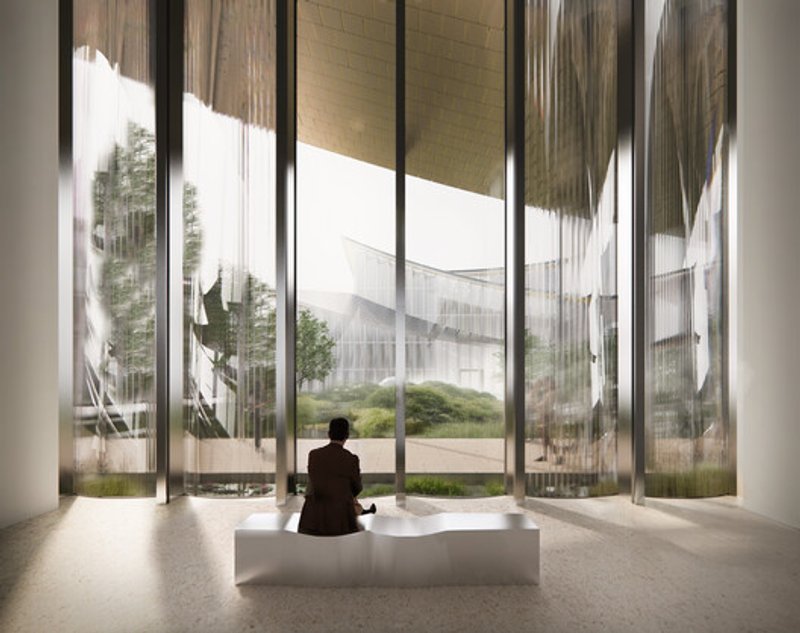
Inside, clerestories and skylights fill the galleries with natural light, creating a dynamic interplay of shadow, transparency, and reflection. The layout includes:
- Four large gallery pavilions
- A grand entrance hall
- A multi-functional event space
- A theater
- A lakeside restaurant
- Sculptural courtyards that blend art with nature
A continuous looping circulation path guides visitors, encouraging a contemplative journey through art, architecture, and the surrounding landscape.
A Reflective Architectural Expression
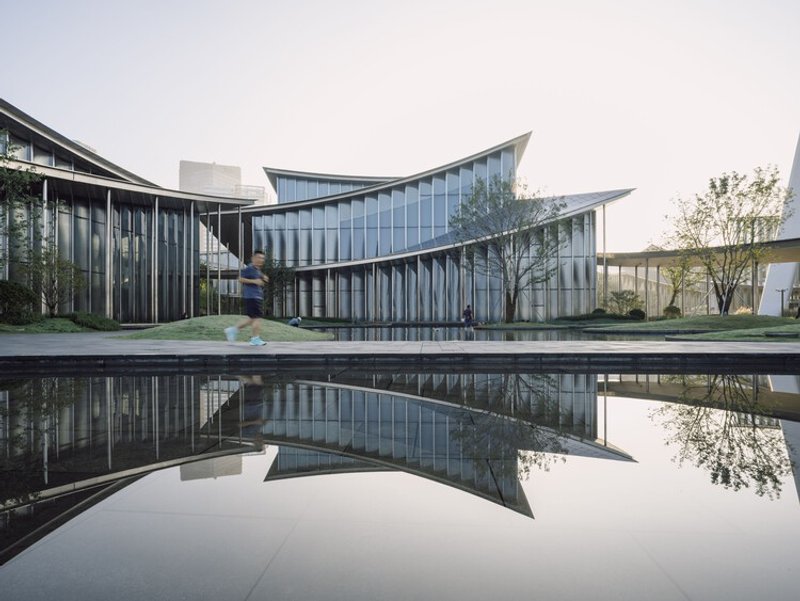
The museum’s exterior features curved glass façades and warm stainless-steel panels that mirror the shifting tones of sky, water, and garden vegetation—intentionally blurring boundaries between built form and nature.
Bridges, tunnels, and underground transitions allow flexible visitor flow, adaptable to changing exhibitions and seasonal climate.
Landscape Design Rooted in Sustainability
The landscape surrounding Suzhou MoCA transforms as visitors approach the lake:
- Urban hardscape near the entrance plaza
- Green courtyards as the path progresses
- Water-themed plantings leading to the Jinji Lake shoreline
The project is designed to meet China’s GBEL 2-Star Green Building Certification, implementing:
- Passive shading strategies
- Natural ventilation
- Locally sourced materials
- Energy-efficient design solutions
Materialism: BIG’s Signature Exhibition
Opening ahead of the museum’s full launch, Materialism is a groundbreaking exhibition exploring how materials shape architecture. Each gallery section showcases one of ten materials: stone, earth, concrete, metal, glass, wood, fabric, plastic, plants, and recyclate.
The exhibition includes:
- Large-scale mock-ups
- Material-based seating
- Models of 20 BIG projects, including Google Bay View and the Danish Maritime Museum
- Plaques crafted from the material each section highlights
The show builds on BIG’s influential exhibitions such as Yes Is More, Hot to Cold, and Formgiving.
A New Cultural Gateway for Suzhou
Suzhou MoCA is positioned to join BIG’s global portfolio of world-class cultural destinations, standing alongside The Twist (Norway), Audemars Piguet Museum (Switzerland), and the LEGO Museum (Denmark). The museum strengthens Suzhou’s identity as a center for art, innovation, and sustainable design.
With its sculptural architecture, immersive courtyards, and innovative galleries, the Suzhou Museum of Contemporary Art will redefine how visitors experience contemporary art within the context of nature, materiality, and urban culture.
All the photographs are works of Ye Jianyuan, StudioSZ Photo / Justin Szeremeta



Popular Articles
Popular articles from the community

Atelier Macri Concept Store Interior Design by CASE-REAL
Atelier Macri store features a "ko" counter, walnut wood details, cork displays, blending retail, gallery, and seamless customer experiences.
On the Brooks House by Monsoon Collective – A Contemporary Kerala Home Rooted in Tradition
Kerala home blending tradition and modernity with water-inspired design, brick architecture, courtyard planning, and sustainable rainwater harvesting strategies.
Flamboyant House by Juliana Camargo + Prumo Projetos
Modern Brazilian house integrating existing tree, pool, and volumes with glass, wood, and transitional spaces blending interior, exterior, and landscape seamlessly.
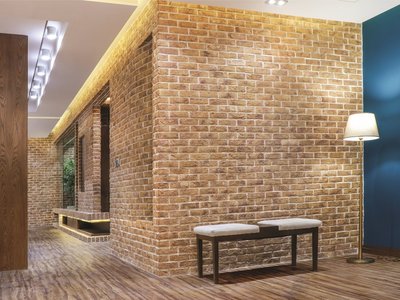
A Contemporary Take on Iranian Residential Architecture
A modern interior design in Mashhad that reinterprets brick, light, and spatial flow to create a warm, contemporary residential architecture.

Similar Reads
You might also enjoy these articles


The Ken Roberts Memorial Delineation Competition (Krob)
As the most senior architectural drawing competition currently in operation anywhere in the world, it draws hundreds of entries each year, awarding the very best submissions in a series of medium-based categories.


Waterfront Redevelopment and Urban Revitalization in Mumbai: Forging a New Dawn for Darukhana
A transformative waterfront redevelopment project reimagining Darukhana’s shipbreaking heritage into an inclusive urban future.

OUT-OF-MAP: A Call for Postcards on Feminist Narratives of Public Space
Rhizoma Design and Research Lab invites artists, designers, architects, researchers, and students to reflect on how feminist perspectives can reshape public space. Selected works will be exhibited in Barcelona, October 2026. Submissions open until 15 April 2026.


Documentation Work on Buddhist Wooden Temple
Architectural syncretism and cultural hybridity: A comparative study of the Buddhist temples in Chattogram Hill tracks

Explore Architecture Competitions
Discover active competitions in this discipline




The International Standard for Design Portfolios


The Global Benchmark for Architecture Dissertation Awards


The Global Benchmark for Graduation Excellence


Challenge to reimagine the Iron Throne
Comments (0)
Please login or sign up to add comments
No comments yet. Be the first to comment!