
TA Residence by Anastasia Arquitetos: A Contemporary Hillside House Integrated with Brazil’s Rugged Terrain
A contemporary hillside residence in Brazil, integrating stepped volumes, panoramic mountain views, passive shading, and refined materiality within rugged terrain.

A Hillside Residence Shaped by Topography in Nova Lima, Brazil
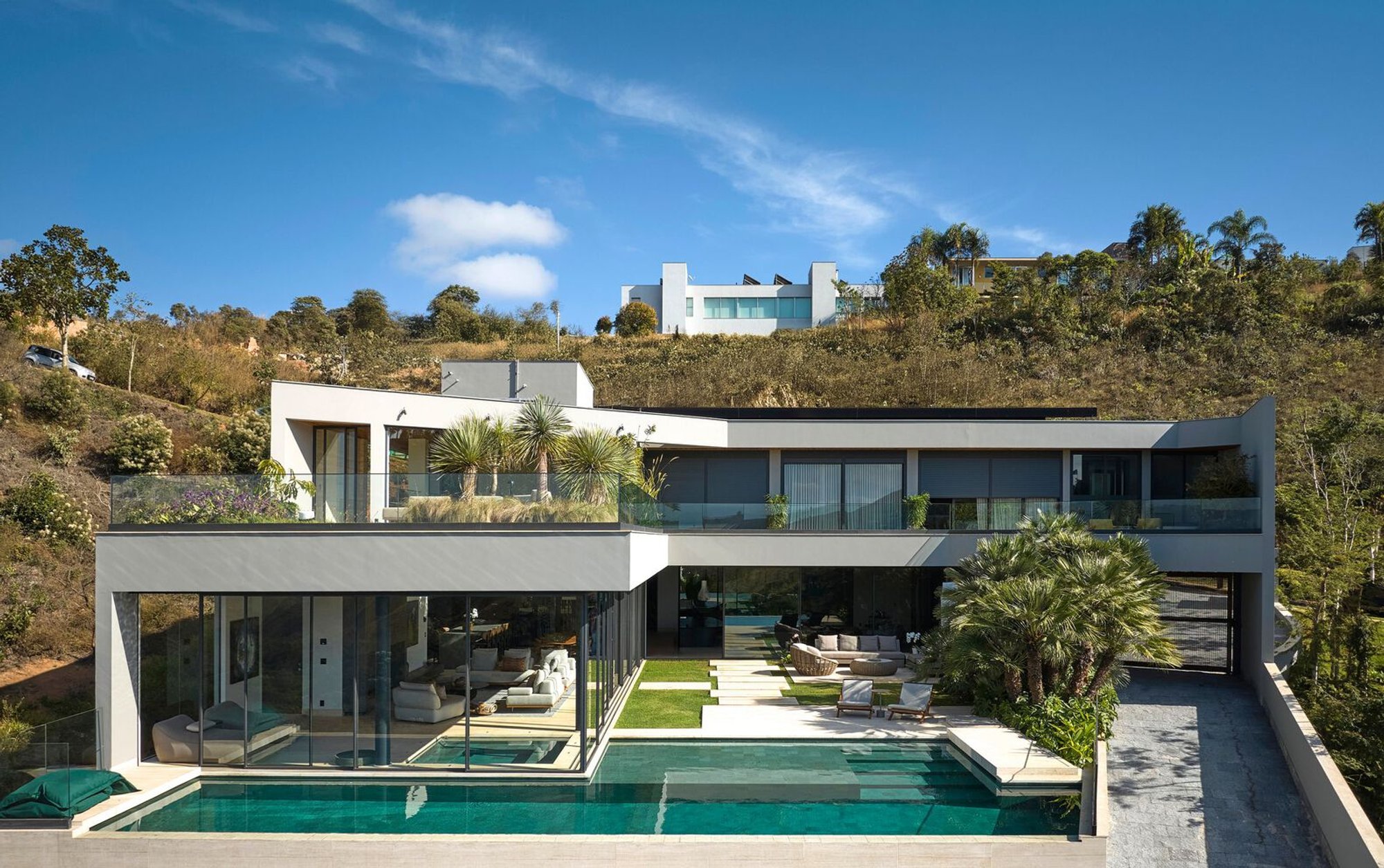
TA Residence is a contemporary private house designed by Anastasia Arquitetos in Nova Lima, Minas Gerais, Brazil, completed in 2023. Conceived as an architectural response to a challenging hillside site, the project demonstrates how careful volumetric control, sectional design, and environmental strategies can transform steep terrain into an asset rather than a limitation. Led by architect Tomás Anastasia, the residence occupies approximately 15,069 square feet, balancing spatial generosity with a discreet presence in the landscape.
Located on land with slopes of 30% longitudinally and 20% transversely, the project adopts a stepped configuration that follows the natural topography. Instead of leveling the site through extensive excavation, the house descends gradually along the slope, reducing earth movement, minimizing retaining structures, and preserving the natural character of the terrain. This strategy results in a low, horizontal volumetric composition that visually merges with its surroundings.
Discreet Horizontal Architecture and Landscape Integration
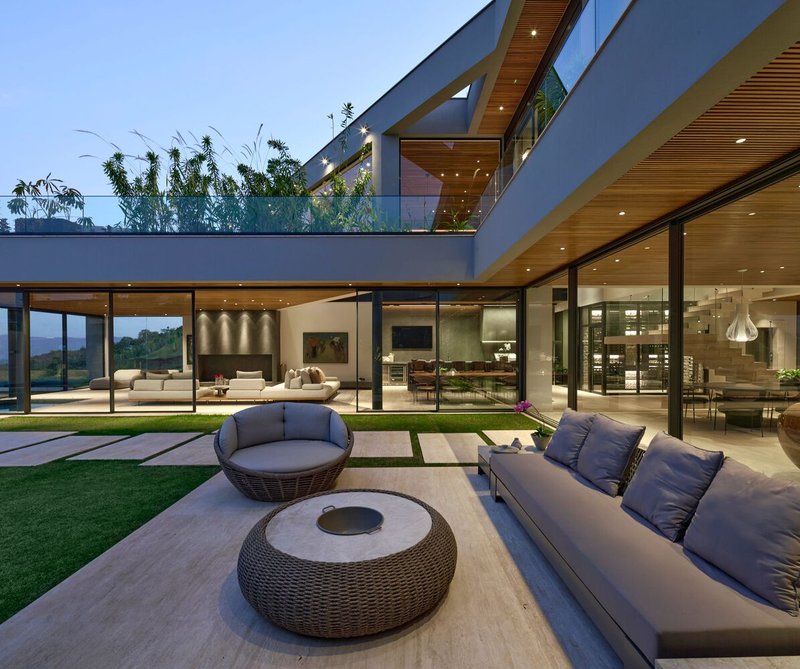
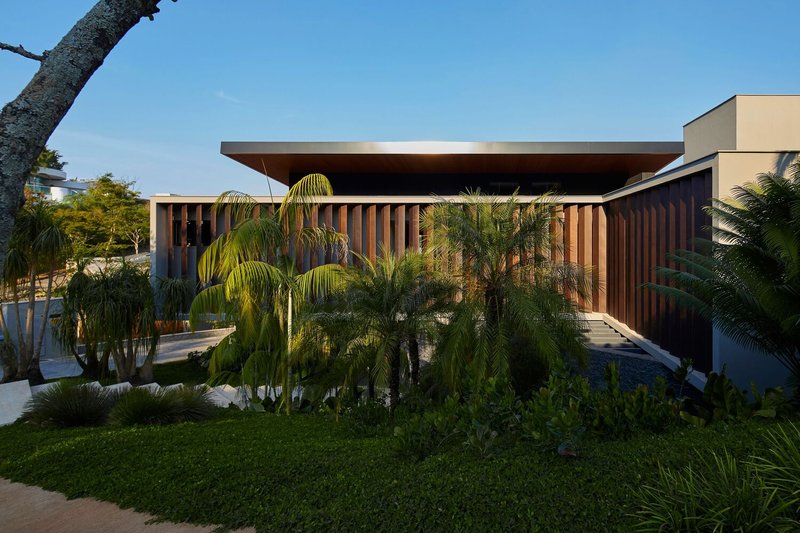
The architectural concept is defined by horizontal planes and layered volumes that echo the contours of the site. By embedding the structure into the hillside, TA Residence avoids imposing itself on the landscape, opting instead for an architecture that feels grounded and restrained. This approach enhances visual continuity between the built form and the natural environment, reinforcing a sense of permanence and calm.
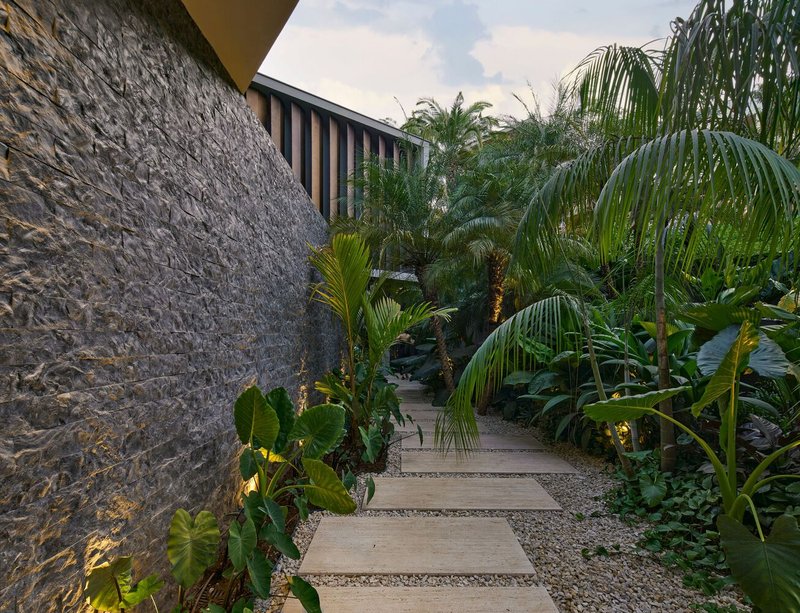
Landscaping plays a crucial role in mediating between architecture and site. Vegetation is used strategically to soften the built edges, contribute to microclimatic comfort, and ensure visual privacy from neighboring properties. The result is a house that feels both protected and open, simultaneously sheltered and expansive.
Orientation, Views, and Environmental Comfort
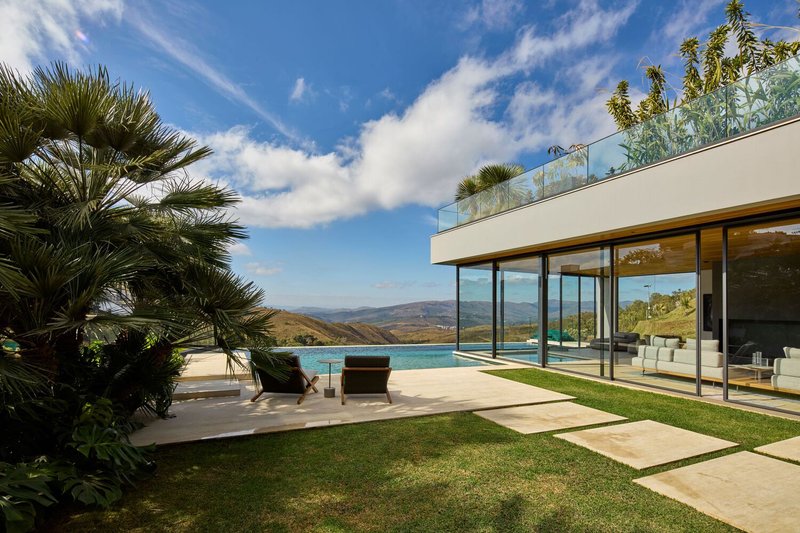
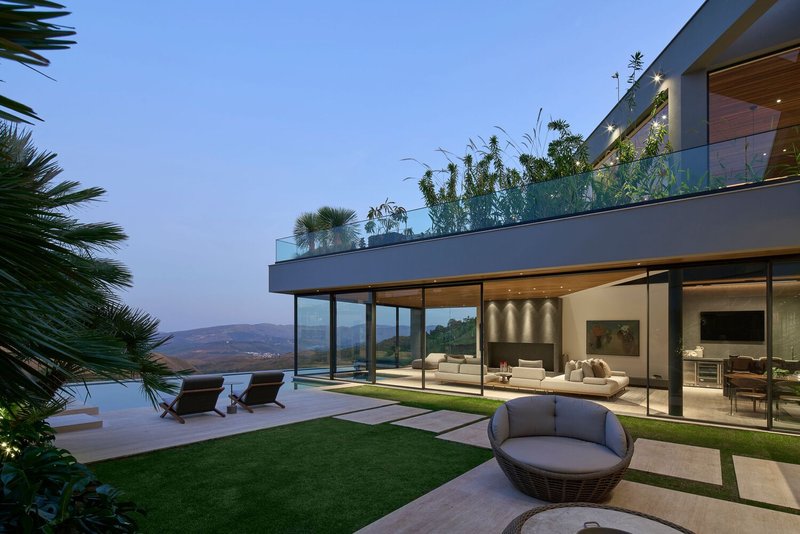
The orientation of TA Residence is carefully calibrated to maximize views while maintaining privacy. The primary openings are directed toward the southeastern mountain landscape, allowing interior spaces to engage directly with the surrounding natural scenery. Secondary openings face east toward lower neighboring buildings, ensuring unobstructed sightlines and controlled visual exposure.
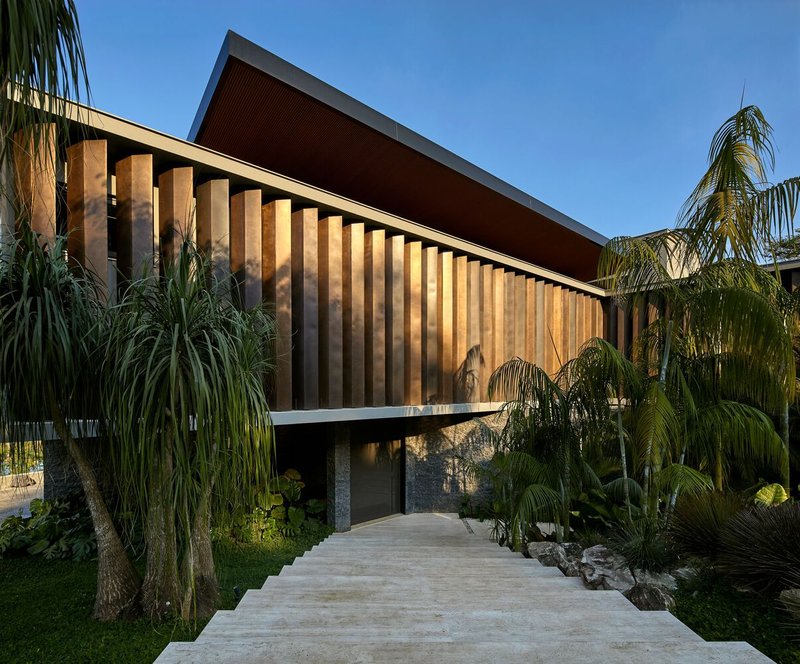
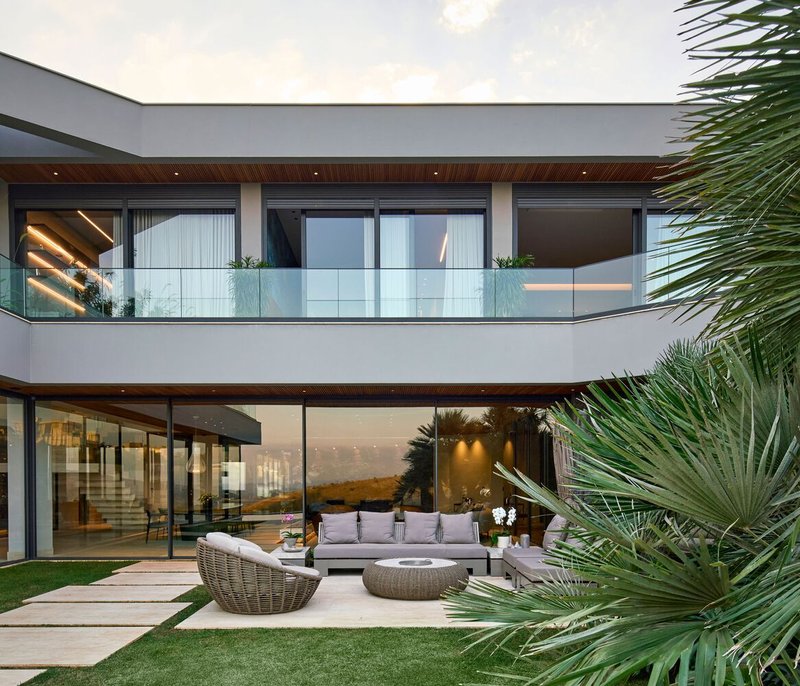
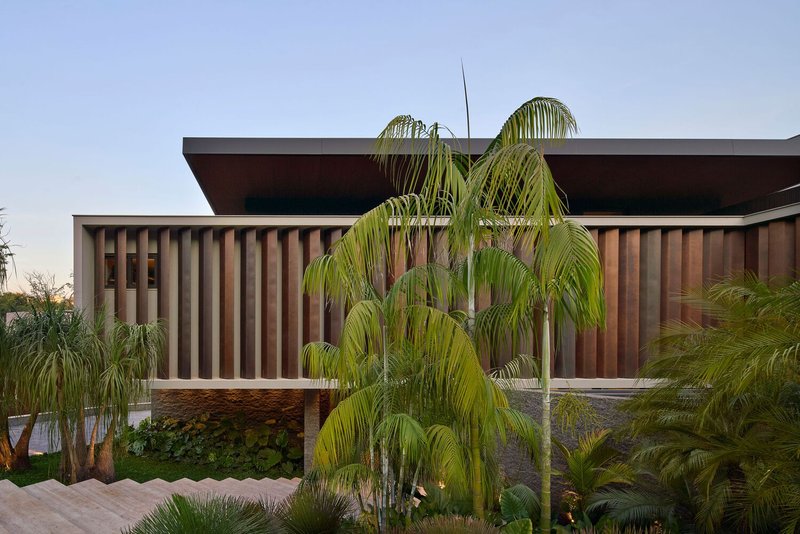
On the northwest-facing street façade, copper brise-soleil elements are integrated into the window frames. These shading devices reduce solar heat gain, improve thermal comfort, and add a refined material expression to the exterior. Combined with thoughtful landscaping, they filter light and views while contributing to the house’s climatic performance and visual identity.
Spatial Organization Across Three Levels
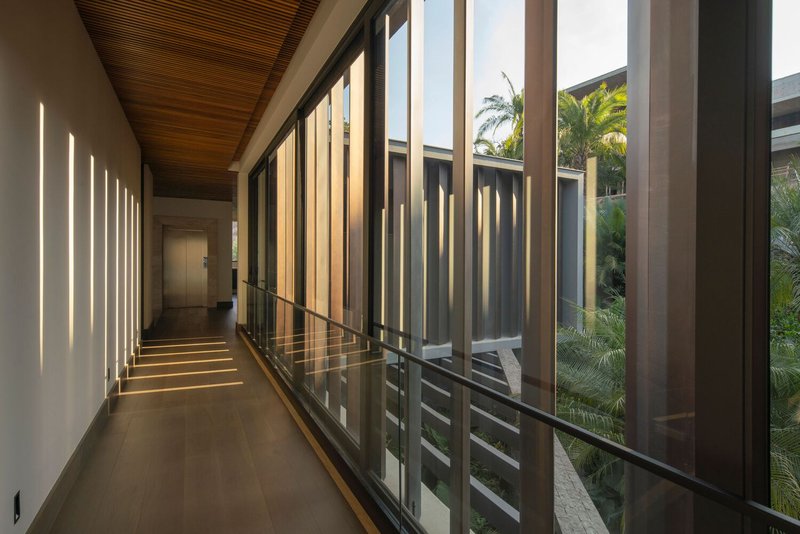
The residential program is distributed across three levels, connected by both a staircase and an elevator, ensuring accessibility and functional clarity. The basement level accommodates the garage and service areas, discreetly integrated into the slope. This allows the upper floors to remain visually light and focused on living spaces.
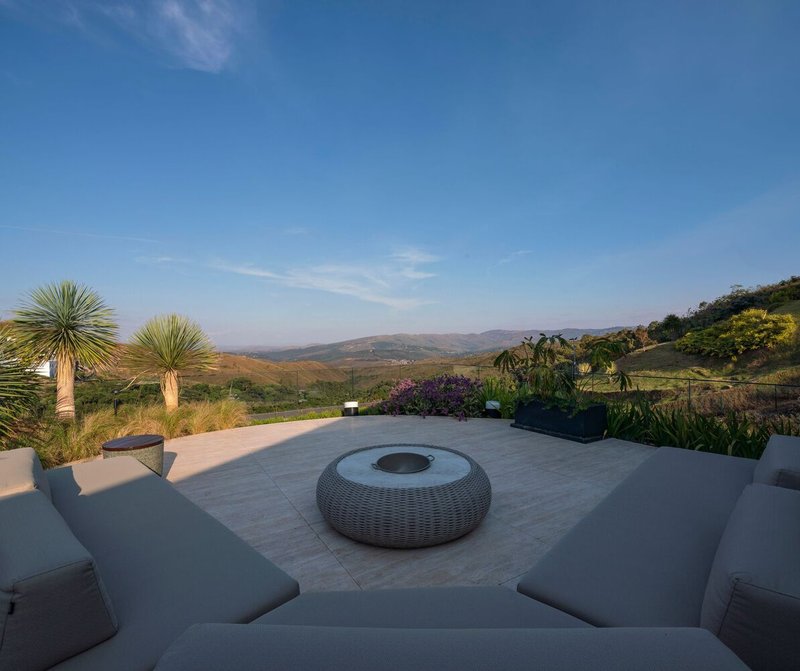
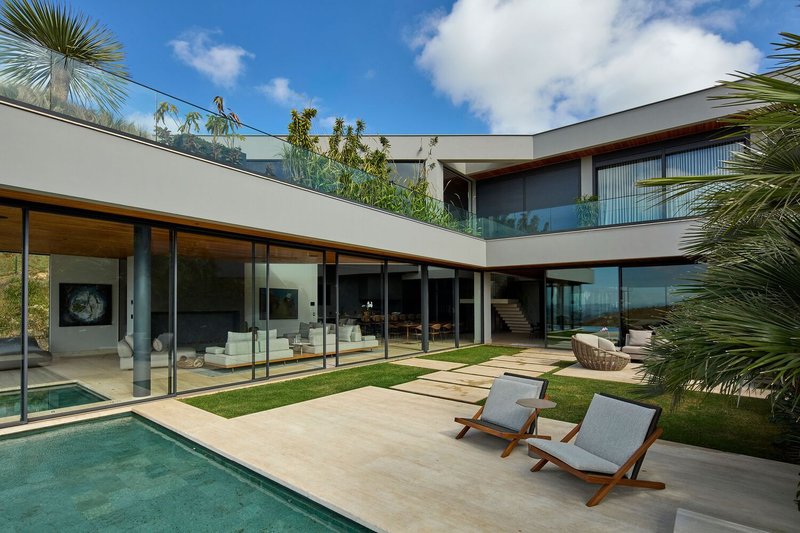
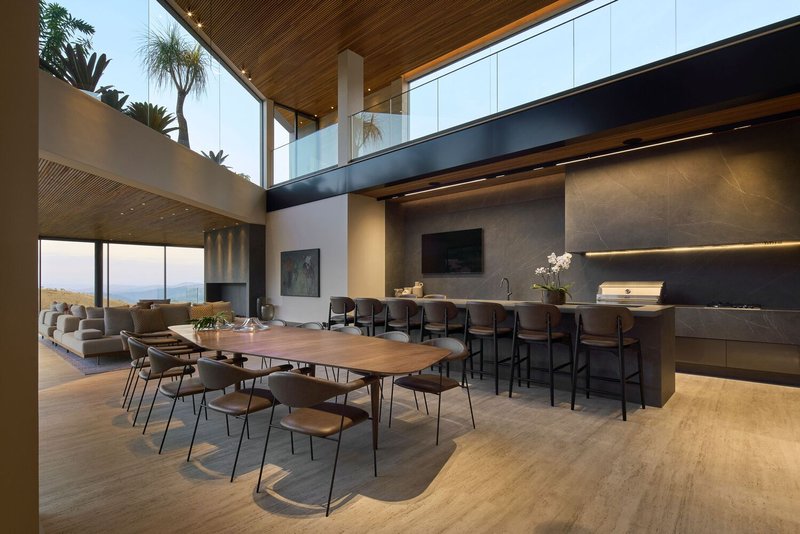
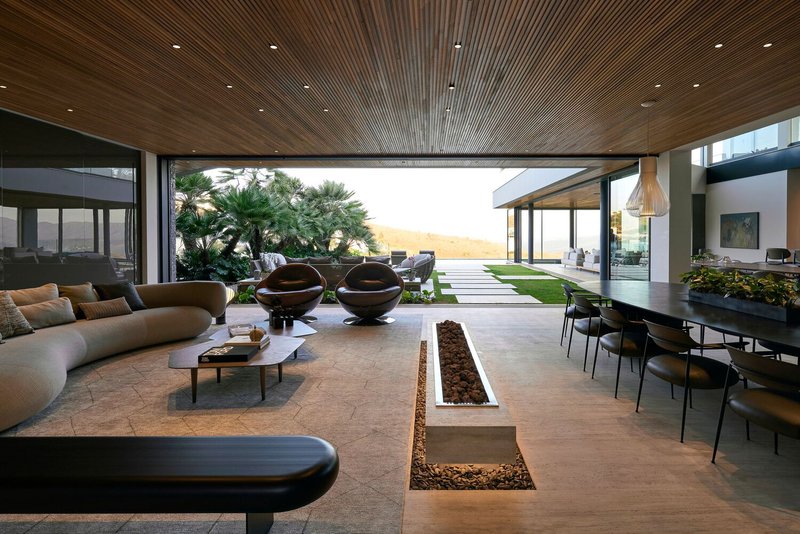
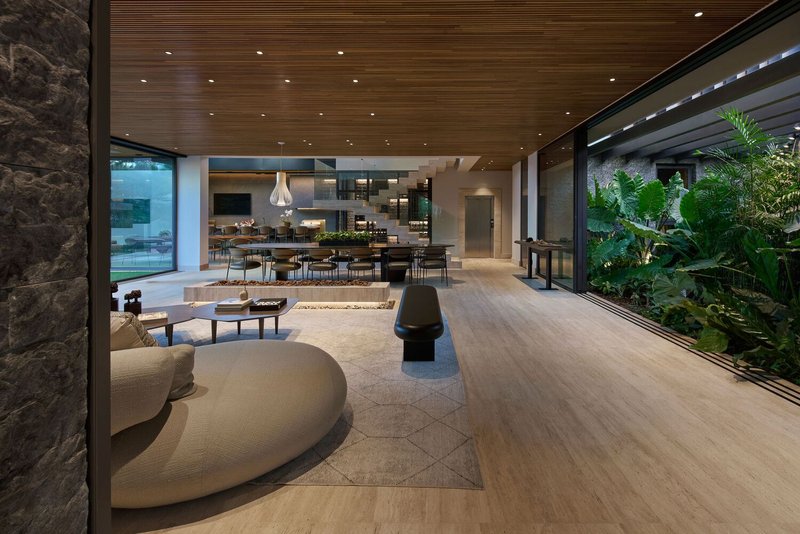
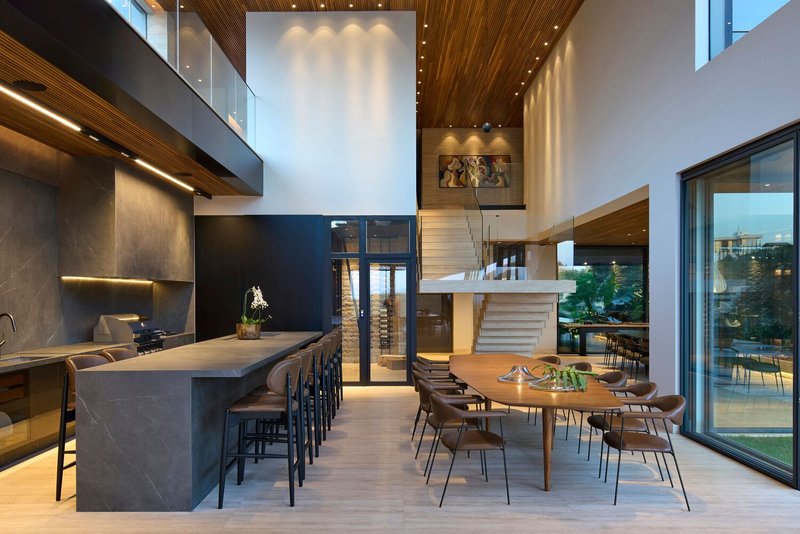
The ground floor is dedicated to the social areas of the house, where living, dining, and kitchen spaces are arranged to encourage fluid movement and visual continuity. Large openings connect the interior with outdoor terraces and distant views, reinforcing the relationship between domestic life and the landscape.
The upper floor contains the private bedrooms, offering a more introspective atmosphere. Elevated above the social spaces, these rooms benefit from enhanced privacy while maintaining visual connections to the surrounding hills.
Materiality and Interior Atmosphere
TA Residence employs a refined palette of materials that balances warmth, durability, and contemporary expression. Carefully selected finishes from manufacturers such as Indusparquet, Cinex, Infinito Vidros, Ornare, and Mharmaros contribute to a cohesive interior language. Natural textures and neutral tones dominate the spaces, allowing light, shadow, and landscape views to become the primary visual elements.
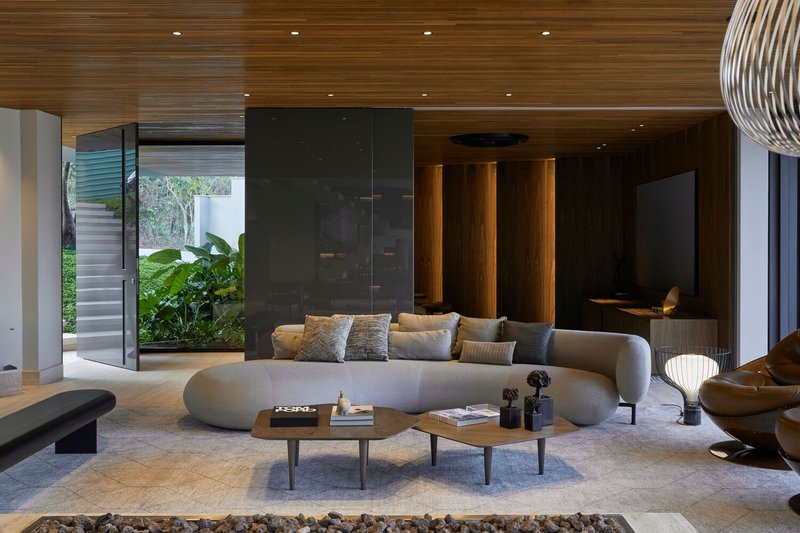
Large glazed openings frame the exterior scenery while ensuring ample daylight penetration. Interior spaces feel calm and restrained, defined by clean lines and subtle detailing that reinforce the project’s architectural clarity.
Architecture Rooted in Context and Climate
More than a formal exercise, TA Residence reflects a design philosophy rooted in contextual responsiveness. The project addresses climatic conditions, topographical constraints, and urban surroundings through passive design strategies, careful orientation, and landscape integration. By prioritizing environmental comfort and minimizing site intervention, the house establishes a sustainable relationship with its setting.
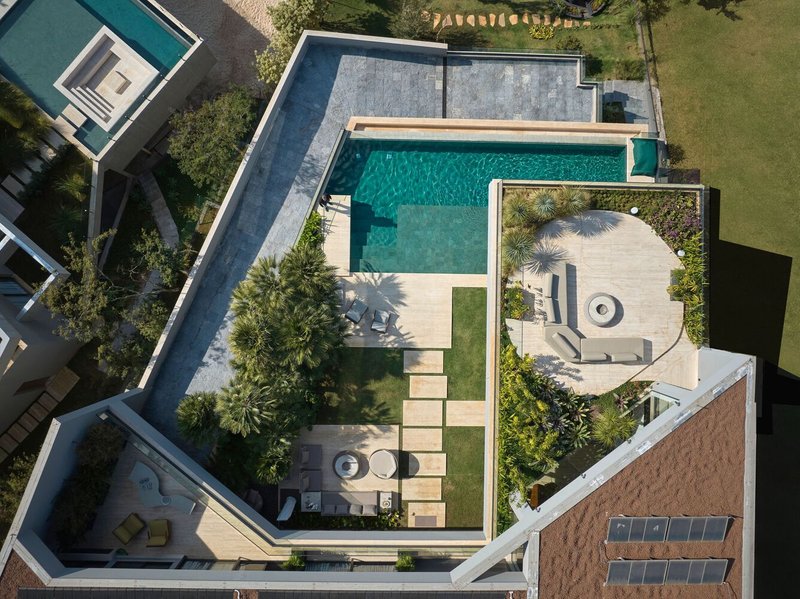
TA Residence stands as a compelling example of contemporary Brazilian residential architecture, where architectural restraint, environmental intelligence, and spatial generosity coexist in harmony with the land.
All photographs are works of
Jomar Bragança




Popular Articles
Popular articles from the community


Solar Steam: A Climate-Responsive Architecture That Redefines the Monument
A climate-responsive memorial architecture that transforms heat, decay, and time into a living system reflecting humanity’s ecological impact.
Gads Hill Early Learning Center by JGMA: Adaptive Reuse Shaping Community-Focused Educational Architecture
Adaptive reuse transforms fragmented structure into vibrant early learning center with playful façade, natural light, and community-focused sustainable design.
Atelier Macri Concept Store Interior Design by CASE-REAL
Atelier Macri store features a "ko" counter, walnut wood details, cork displays, blending retail, gallery, and seamless customer experiences.
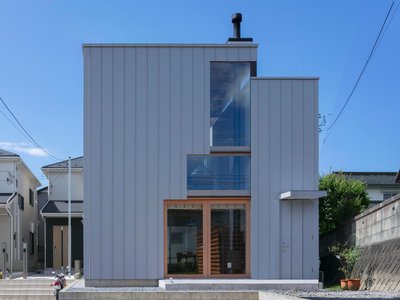
Split House: A Compact Urban Home Blending Privacy, Light, and Flexible Living in Japan
Compact Japanese home featuring DOMA space, flexible café potential, passive lighting, privacy zoning, and sustainable urban living design.


Similar Reads
You might also enjoy these articles


The Ken Roberts Memorial Delineation Competition (Krob)
As the most senior architectural drawing competition currently in operation anywhere in the world, it draws hundreds of entries each year, awarding the very best submissions in a series of medium-based categories.

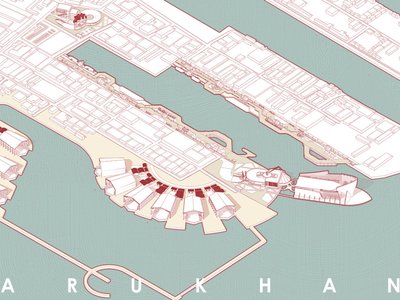
Waterfront Redevelopment and Urban Revitalization in Mumbai: Forging a New Dawn for Darukhana
A transformative waterfront redevelopment project reimagining Darukhana’s shipbreaking heritage into an inclusive urban future.

OUT-OF-MAP: A Call for Postcards on Feminist Narratives of Public Space
Rhizoma Design and Research Lab invites artists, designers, architects, researchers, and students to reflect on how feminist perspectives can reshape public space. Selected works will be exhibited in Barcelona, October 2026. Submissions open until 15 April 2026.


Documentation Work on Buddhist Wooden Temple
Architectural syncretism and cultural hybridity: A comparative study of the Buddhist temples in Chattogram Hill tracks


Explore Architecture Competitions
Discover active competitions in this discipline




The International Standard for Design Portfolios


The Global Benchmark for Architecture Dissertation Awards


The Global Benchmark for Graduation Excellence


Challenge to reimagine the Iron Throne
Comments (0)
Please login or sign up to add comments
No comments yet. Be the first to comment!