
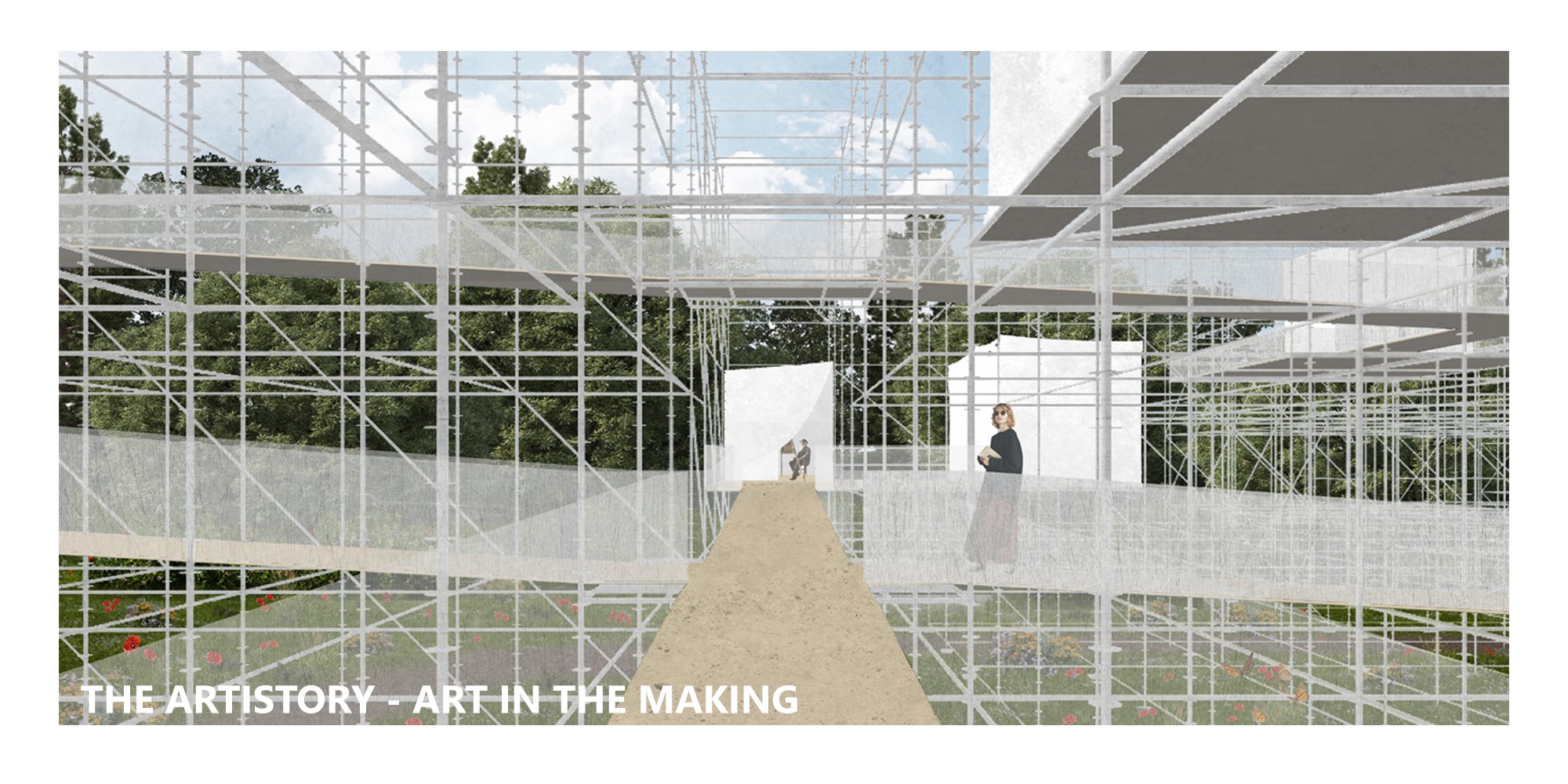
The Artistory
Temporary architecture inspired by Land Art and the artist's lifestyle as a refuge for creative minds.

First, to understand the local context, I did some research on the history of Vaujours. Information about wine traditions turned out to be crucial for the further design process. Then I wondered who the artist really is, what his day looks like, what happens when he falls into a creative frenzy. Archival photos helped me understand what artists need, they show great painters and sculptors in their studios. A short analysis led me to one conclusion: it does not have to be an atelier in the attic of an elegant Parisian tenement house for the artist to feel inspired to create art. I realized that it does not need much, a well-lit place and a piece of flooring are sometimes enough.
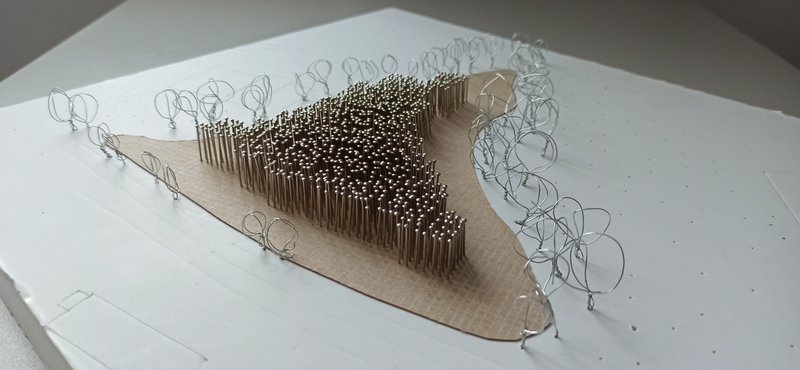
To create a structure from scaffolding, I needed to work on the model first - this is my favorite design method because simple operation, moving objects, or gluing them together can bring great ideas.
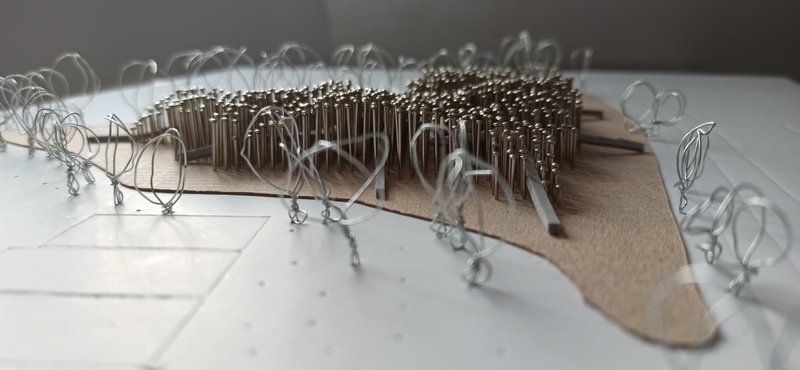
So I created a megastructure out of pins, which I modified by pressing pins into the cardboard. Then I thought about how to lead the footbridges to connect as many points as possible. Finally, I added clay balls that were supposed to resemble the target art studios.
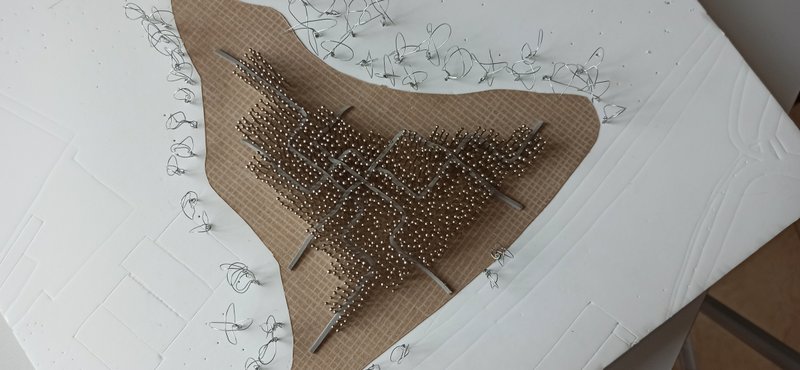
The project is more of temporary architecture, but I chose this form for a reason: we are not sure how many artists will appear in this facility, so the facility should be universal, providing the absolute minimum that is needed by the users. This is how the idea of an object was born that can be modified over time, add or subtract lumps, fill in whole or dismantle, leaving the skeleton itself, which may over time become overgrown with vines and turn into a vineyard. Artists can decide for themselves where they want to work, they can take the membrane with them and walk along the footbridge to the other end of the structure, where they will find a quiet place, perfect for work. My task was to capture a specific moment when the artists appeared in it, and together with the life, work, art, exhibitions. Everyone sees something different in this project: for me, it is a village floating above the ground, immersed in greenery, with the main square where all social life takes place. And when the time comes, everyone goes to their “home”, bigger or smaller, to concentrate on their work.
When choosing materials, I decided to take a different path: I wonder what building materials remind me of objects characteristic of artists: canvas, easel, support grids for spatial sculptures. The membranes seemed to be a perfect reference to the canvas, and the scaffolding resembled a stretcher. Chipboard footbridges are a reference to the days of my education at the drawing school before I started studying architecture. At that time, I was sitting in a chair, a board with a sheet of paper attached to it leaning against a steel trestle.
The simplicity of the functions results from the specificity of the temporary architecture: the facilities include the most important zones, such as toilets, a place to prepare a meal, places to work together, workshops that do not have a predefined function, can be adapted to your preferences.
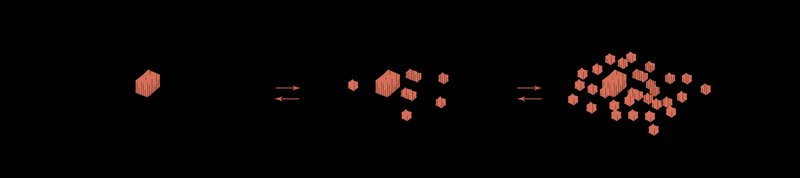
The whole structure rises and falls alternately like tree crowns. The very arrangement of the footbridges is meant to symbolize the artist’s thoughts, which are often confused and difficult for him to grasp. He is often forced to abandon the idea and return to the beginning of his search. The whole design assumption works in the same way: when he loses his strength or vigor, the artist can return to the beginning, which is the Artists Hub, where he can eat and discuss with other artists who may also have a creative block at the moment.


Popular Articles
Popular articles from the community

Atelier Macri Concept Store Interior Design by CASE-REAL
Atelier Macri store features a "ko" counter, walnut wood details, cork displays, blending retail, gallery, and seamless customer experiences.
Inverted Architecture Installation by Studio Link-Arc: Exploring the Intersection of Architecture and Living Organisms
Inverted Architecture Installation by Studio Link-Arc blends mycelium, sustainability, inverted design, ecological cycles, and urban adaptive architecture in Shenzhen.

Solar Steam: A Climate-Responsive Architecture That Redefines the Monument
A climate-responsive memorial architecture that transforms heat, decay, and time into a living system reflecting humanity’s ecological impact.
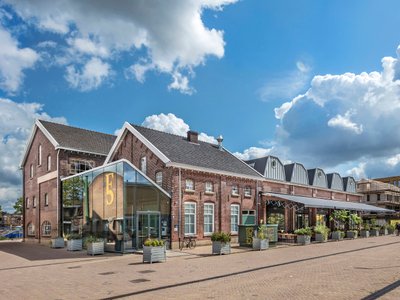
Fifth NRE Jazz Club – De Bever Architecten: Eindhoven’s Revitalized Cultural Hub
Historic gas factory transformed into Fifth NRE Jazz Club blending modern sustainability, jazz culture, dining, and heritage architecture seamlessly.


Similar Reads
You might also enjoy these articles


The Ken Roberts Memorial Delineation Competition (Krob)
As the most senior architectural drawing competition currently in operation anywhere in the world, it draws hundreds of entries each year, awarding the very best submissions in a series of medium-based categories.
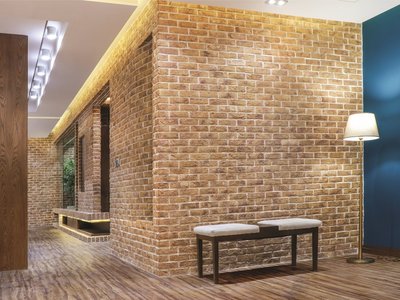
A Contemporary Take on Iranian Residential Architecture
A modern interior design in Mashhad that reinterprets brick, light, and spatial flow to create a warm, contemporary residential architecture.
Franche-Comté Advanced School of Engineering by Dominique Coulon & associés, Besançon
A flexible engineering school immersed in woodland, combining concrete minimalism, adaptable spaces, and natural light to support evolving educational environments.


Waterfront Redevelopment and Urban Revitalization in Mumbai: Forging a New Dawn for Darukhana
A transformative waterfront redevelopment project reimagining Darukhana’s shipbreaking heritage into an inclusive urban future.





Comments (0)
Please login or sign up to add comments
No comments yet. Be the first to comment!