

The Future of Architecture: Top Trends to Watch
From sustainability to digital innovation, here are some key trends to watch in the future of architecture.

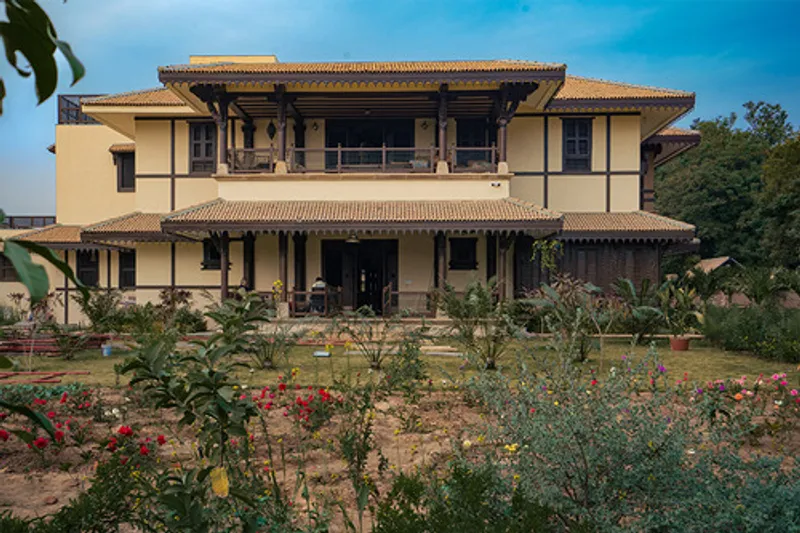
Architecture is a field constantly evolving, influenced by technological advancements, environmental concerns, socio-economic shifts, and cultural changes. As we move forward into the future, several trends are emerging that are shaping the way buildings are designed, constructed, and experienced. From sustainability to digital innovation, here are some key trends to watch in the future of architecture.
Sustainable Design
With growing concerns about climate change and resource depletion, sustainable design has become a top priority in architecture. The future of architecture will see an increased emphasis on eco-friendly materials, energy-efficient systems, and passive design strategies. Buildings will be designed to minimize their environmental footprint, utilizing renewable energy sources, green roofs, rainwater harvesting systems, and smart building technologies to achieve carbon neutrality and enhance overall sustainability.
Adaptive Reuse
As urbanization continues to accelerate, the adaptive reuse of existing buildings will become more prevalent in the future of architecture. Rather than demolishing old structures, architects will repurpose and transform them into new, functional spaces. Adaptive reuse not only preserves historical and cultural heritage but also reduces waste and revitalizes urban neighborhoods. From old warehouses turned into loft apartments to abandoned factories repurposed as creative hubs, adaptive reuse offers endless possibilities for innovative design.
Digital Fabrication
Advancements in digital fabrication technologies such as 3D printing, robotic construction, and computer-aided design (CAD) are revolutionizing the way buildings are designed and constructed. In the future, architects will harness these technologies to create complex geometries, intricate facades, and customized building components with unprecedented precision and efficiency. Digital fabrication allows for greater design flexibility, material optimization, and cost-effectiveness, leading to more sustainable and innovative architecture.
Biophilic Design
In an increasingly urbanized world, biophilic design seeks to reconnect people with nature by integrating natural elements and patterns into the built environment. The future of architecture will embrace biophilic principles, incorporating features such as green walls, indoor gardens, natural lighting, and organic materials to create healthier, more harmonious spaces. Biophilic design has been shown to improve productivity, creativity, and overall well-being, making it a key trend to watch in the future of architecture.
Smart Cities
As cities become more interconnected and technologically advanced, the concept of smart cities is gaining traction in the future of architecture. Smart buildings equipped with sensors, automation systems, and data analytics will optimize energy usage, enhance security, and improve the quality of life for inhabitants. From intelligent infrastructure to responsive urban planning, smart cities will leverage technology to create more sustainable, efficient, and resilient urban environments.
Modular Construction
Modular construction, or prefabrication, involves assembling building components off-site in a factory-controlled environment before transporting them to the construction site for final assembly. This method offers numerous advantages, including shorter construction timelines, reduced material waste, and cost savings. In the future, modular construction will become increasingly popular as architects and developers seek faster, more efficient ways to build high-quality structures.
Cultural Diversity and Inclusivity
In an increasingly globalized world, architecture will reflect the diverse cultural identities and experiences of communities around the globe. The future of architecture will prioritize inclusivity, accessibility, and cultural sensitivity, ensuring that buildings and spaces are designed to accommodate people of all backgrounds, abilities, and needs. Architects will collaborate with local communities and stakeholders to create architecture that celebrates diversity, fosters social cohesion, and promotes equity and inclusion.
In conclusion, the future of architecture is bright and full of exciting possibilities. From sustainable design to digital innovation, adaptive reuse to biophilic principles, smart cities to modular construction, the architecture of tomorrow will be driven by a commitment to creativity, sustainability, and inclusivity. By embracing these trends and harnessing the power of technology, architects will continue to shape the built environment in ways that enhance the quality of life for generations to come. Top architects in Ahmedabad will play a crucial role in translating these trends into reality, contributing their expertise and vision to create innovative and impactful architectural solutions for the city and beyond.


Popular Articles
Popular articles from the community

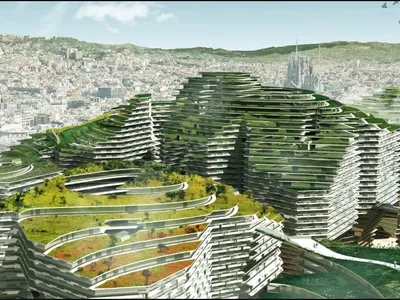
Manzana Morphosis: Stretching Barcelona's Grid into a Living Landscape for 2050
A radical reworking of the Eixample manzana turns density into a tool for generous public space, vertical ecology, and environmental performance.

Tsunami Convergenics: Turning Catastrophic Ocean Forces into Underwater Housing Infrastructure
A speculative underwater settlement off the coast of Onagawa, Japan, treats tsunamis and typhoons as energy sources rather than threats.

Opera on the Sea: Driftwood Logic Shapes a Timber Opera House on Estonia's Coast
Trevor Orgill's opera house translates the entangled drift of floating timber into a civic building where wood, water, and music converge.

The Amber Palace Opera: A Geological Fiction Surfaces on Tallinn's Baltic Waterfront
Pierre Brillard reimagines a Baltic legend as a public landscape, opera house, and waterfront promenade rooted in Tallinn's coastal identity.

Similar Reads
You might also enjoy these articles

Pixel Gardens: One Repeated Module Stacked Into a Terraced Social Housing Tower for Famagusta
Salem Bader's shortlisted housing tower builds a vertical neighbourhood from one repeated module, offsetting units to carve terraces, light and air.

Bao Huynh Watercolor Atelier: A Serene Art Retreat in Hội An
Bao Huynh Watercolor Atelier in Hội An blends multifunctional art spaces, sustainable design, local materials, and family-friendly living in a serene environment.

Atelier Macri Concept Store Interior Design by CASE-REAL
Atelier Macri store features a "ko" counter, walnut wood details, cork displays, blending retail, gallery, and seamless customer experiences.

Manuel Vargas Izquierdo Stadium and High-Performance Sports Center: Architectural Excellence in Jalpa de Méndez
The Manuel Vargas Izquierdo Stadium blends sustainable design, inclusive sports facilities, and cultural-inspired architecture, revitalizing Jalpa de Méndez’s public spaces.

Explore Architecture of Tomorrow Competitions
Discover active competitions in this discipline


Challenge to reimagine the Iron Throne

Photograph architecture without architects

Illustrate the lost glory of Angkor Wat - Render Challenge

Design challenge to reuse E-waste
Comments (0)
Please login or sign up to add comments
No comments yet. Be the first to comment!