
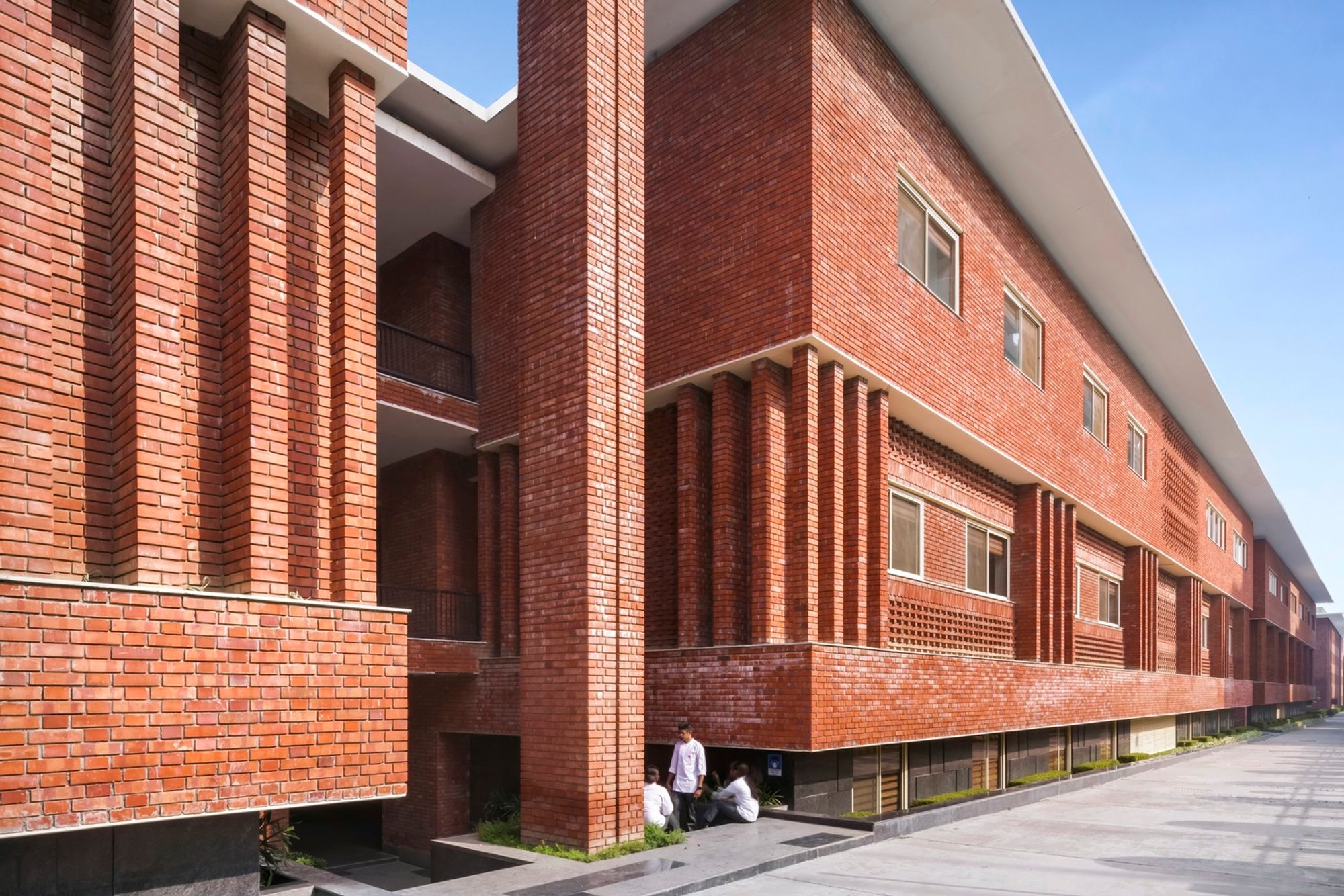
The Lalit Suri Hospitality Institute by Morphogenesis
A sustainable hospitality institute blending passive design, brick architecture, and dual-purpose spaces for immersive luxury service education in India.

A Net-Zero Educational Campus Redefining Hospitality Learning in India
Located in Faridabad on the outskirts of New Delhi, The Lalit Suri Hospitality Institute, designed by renowned Indian architecture firm Morphogenesis, is a benchmark in sustainable educational architecture. Spanning 250,000 square feet, the project reflects a forward-thinking vision for luxury hospitality education in India—one that integrates environmental responsibility, operational training, and architectural innovation within a cohesive, low-impact campus design.
A Contextual and Sustainable Design Approach
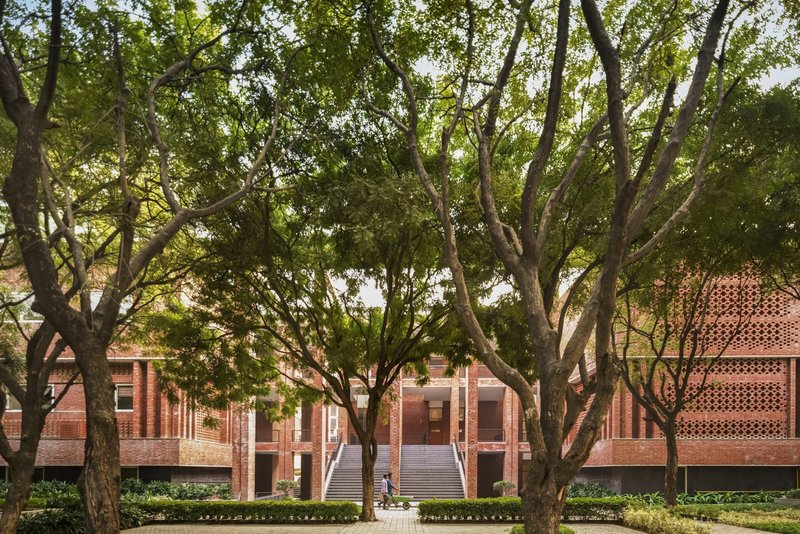
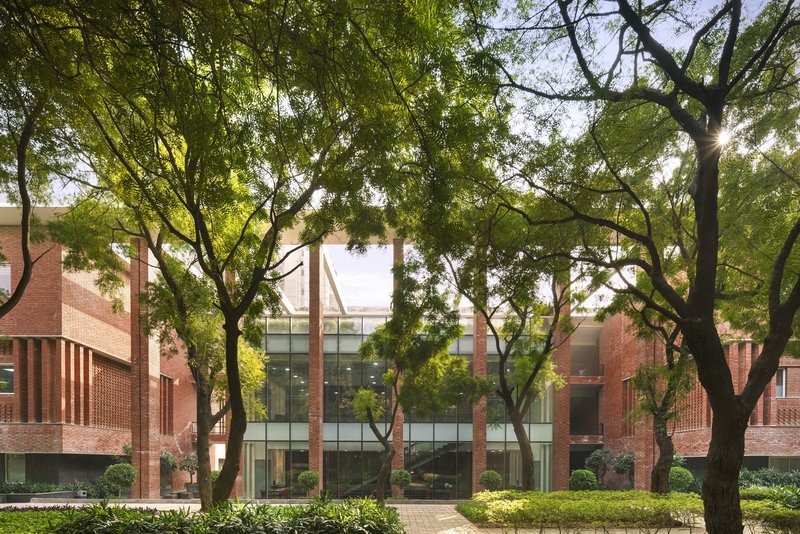
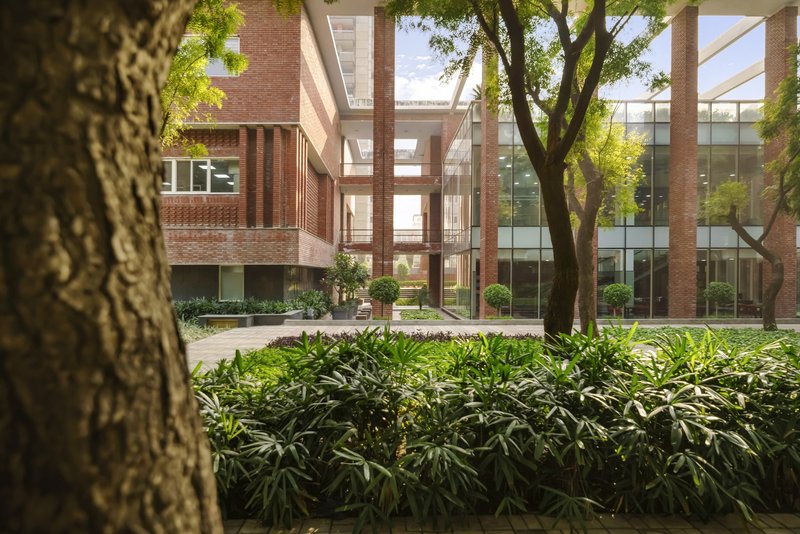
Responding to the client’s brief for a green, future-ready campus, Morphogenesis developed a design that is deeply rooted in its site and ecological context. Rather than clearing the land, the architects worked around an existing grove of mature neem trees, weaving the campus plan to integrate natural elements into the everyday experience of the students. This resulted in a building form that steps in and out, generating a series of shaded courtyards, passive cooling zones, and intimate gathering spaces.
Keeping the building height intentionally low, the design fosters a human-scale environment that encourages walkability, cross-ventilation, and visual connection to the landscape. The project's north-south orientation and naturally ventilated spine further enhance thermal performance and daylighting.
Architecture That Teaches Hospitality
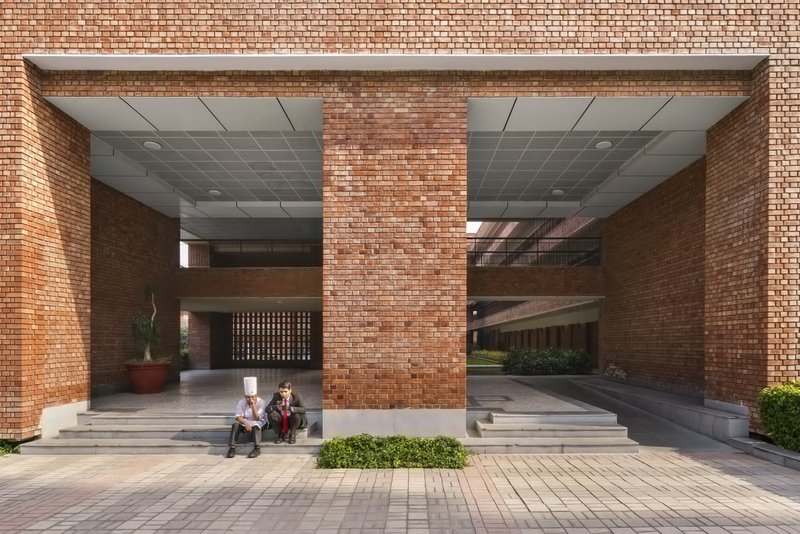
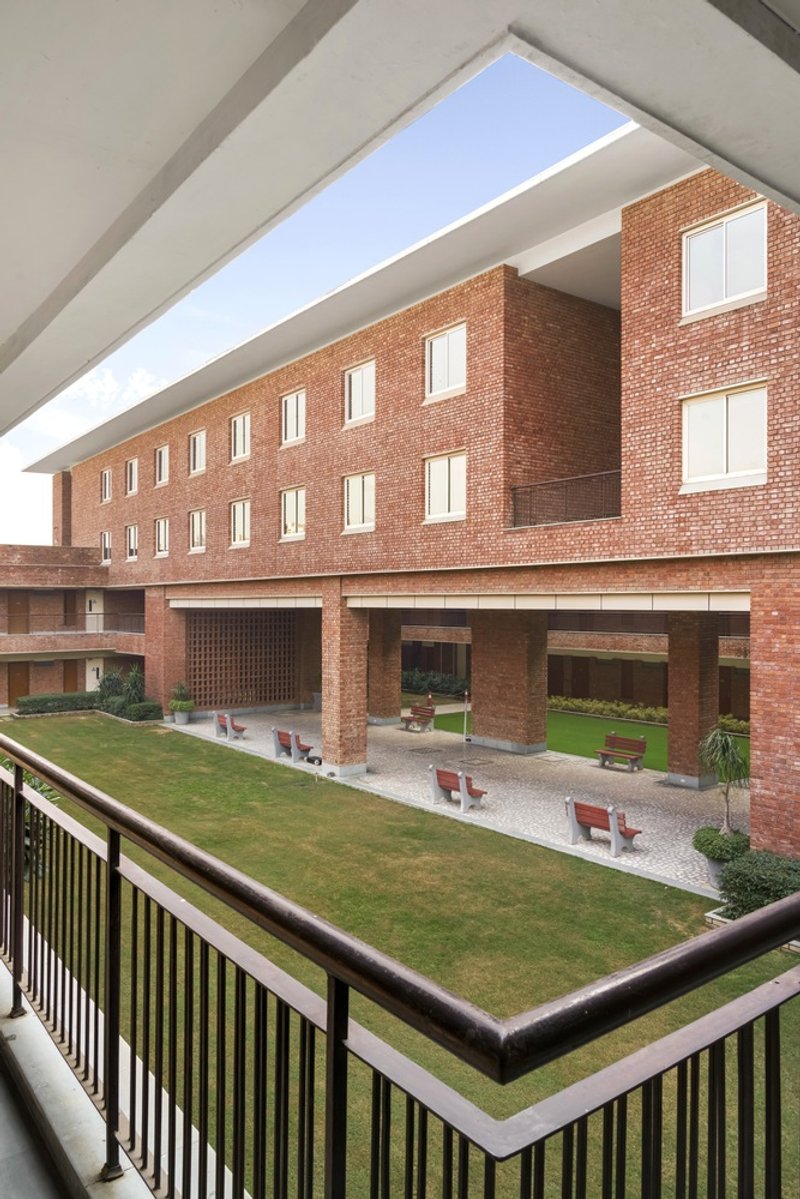
In alignment with the school's mission to offer practical, immersive training in luxury hospitality operations, the spatial program is dual-purpose by design. Every space serves both an academic and a hospitality function. Cafeterias function as live F&B training outlets, stepwells double as amphitheaters, and dormitories replicate hotel-room typologies, offering students a lived experience of hospitality operations. Kitchens, service areas, and public gathering zones are crafted to mirror real-world hotel environments, allowing seamless transitions between learning and application.
The modular planning approach extends this adaptability, using optimized bay modules to create flexible residential blocks and public areas. Open spill-out spaces encourage interaction, community, and informal learning—key aspects of hospitality culture.
Brick as Material, Climate Tool, and Cultural Reference
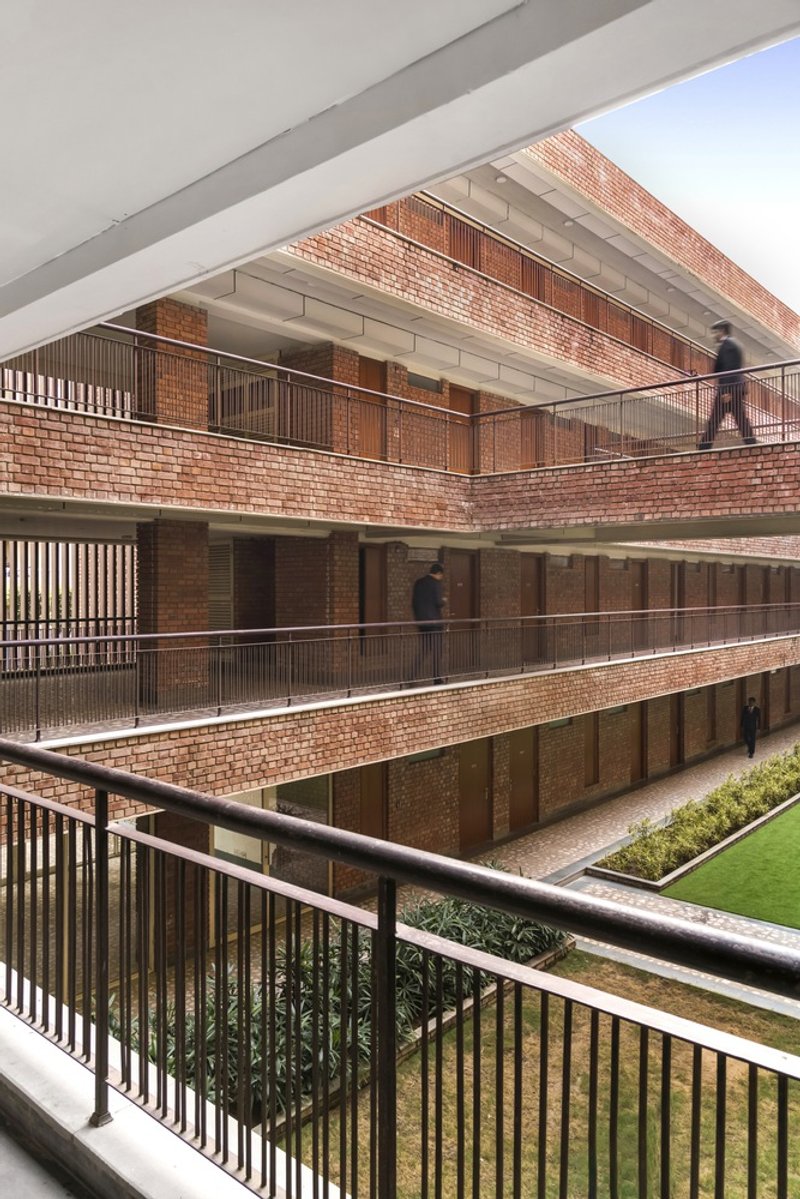
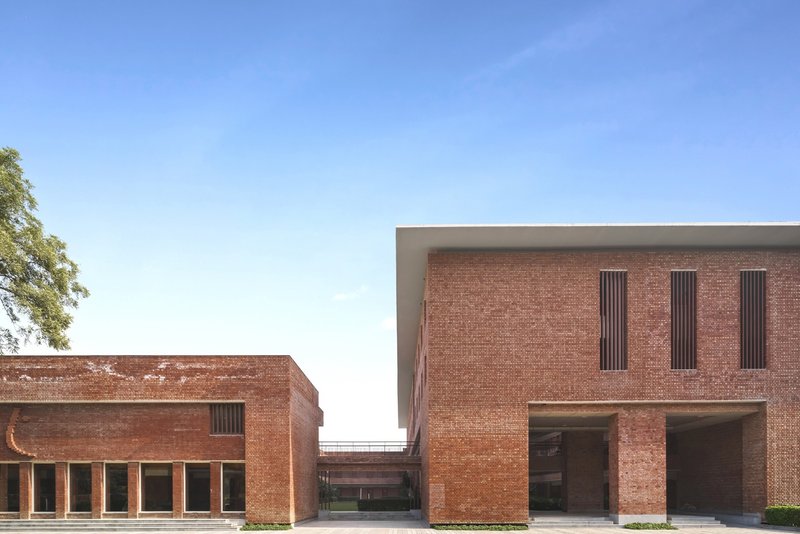
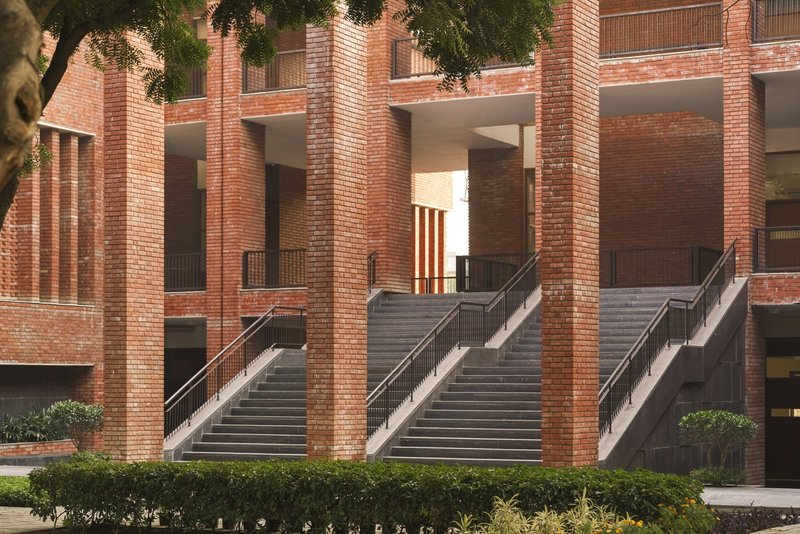
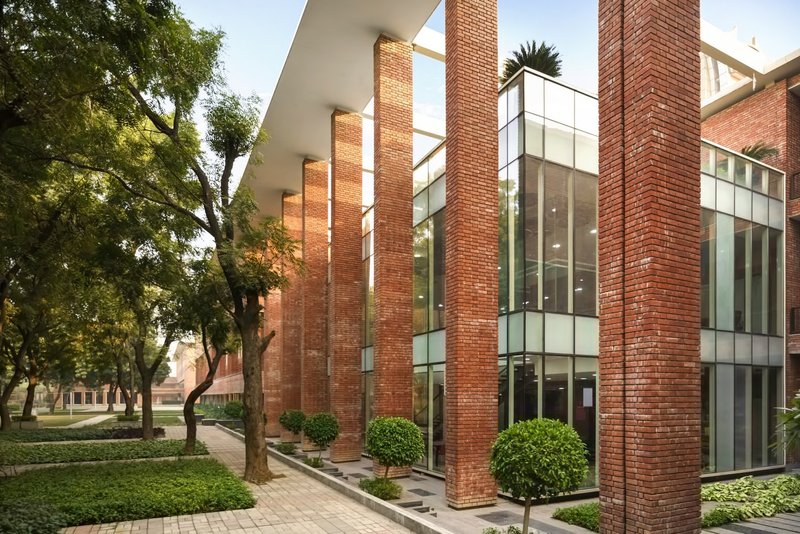
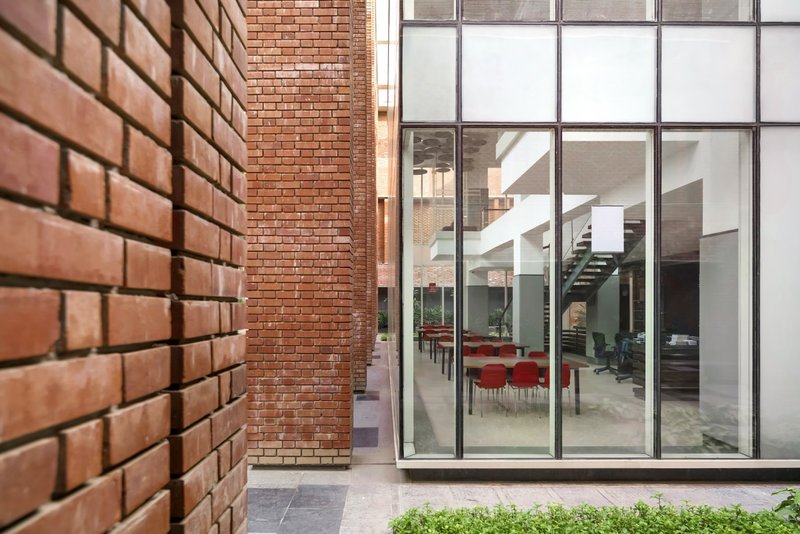
Locally produced brick is the defining element of the architectural language. Employed as a climatic filter and cultural signifier, the brick facade features undulations, perforations, and overhangs that promote natural ventilation while shading internal spaces from the harsh sun. The reinterpretation of traditional Indian architectural elements such as jaalis and jharokhas gives the building a timeless identity and symbolic relevance.
The material palette is intentionally restrained—brick serves structural, aesthetic, and thermal roles while minimizing maintenance and enhancing user comfort. Low wall-window ratios, brick cavity walls, and strategic shading devices work together to cut down on heat gain and improve internal comfort without heavy reliance on mechanical systems.
Net-Zero Energy and Water Systems
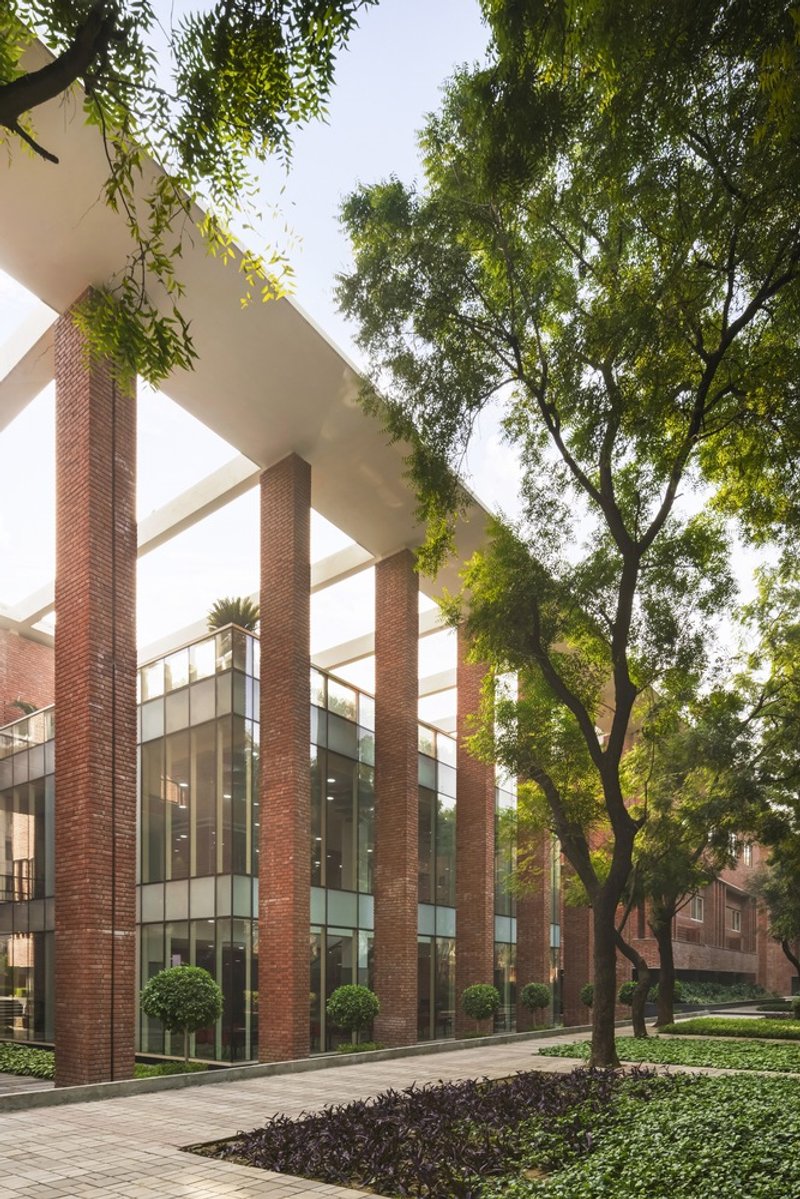
One of the institute’s most defining features is its net-zero energy performance across all academic spaces. Passive design strategies such as terrace gardens, cantilevered projections, sunken courtyards, and thermal banking reduce energy demand. A solar-ready roof spans 5,750 square meters, generating enough energy to meet institutional needs with an impressive Energy Performance Index (EPI) of ≤58 kWh/m²/year—well below India’s ECBC benchmark of 90 kWh/m²/year.
Water sustainability is equally embedded. The project is Net Zero on water during monsoons, harvesting up to 4,900 cubic meters of rainwater through bioswales and recharge wells—more than the annual requirement of 3,500 cubic meters. Bioswales and landscape grading follow the site’s natural contours, promoting groundwater recharge while enriching the visual and ecological quality of the campus.
Landscape Integration and Learning Environment
The landscape strategy blurs the boundaries between built and natural, using greenery as an organizing principle across courtyards, circulation spines, and informal learning zones. The inclusion of lightwells, shaded pathways, and stepwells not only encourages natural airflow and light penetration but also enables unique spatial experiences. These spaces cultivate a sense of calm, collaboration, and reflection—hallmarks of both quality education and hospitality service.
By combining passive and active climate strategies, flexible planning, and contextual aesthetics, Morphogenesis delivers a liveable, high-performance educational campus that aligns with the institute's mission of preparing students for a dynamic, sustainability-oriented hospitality industry.
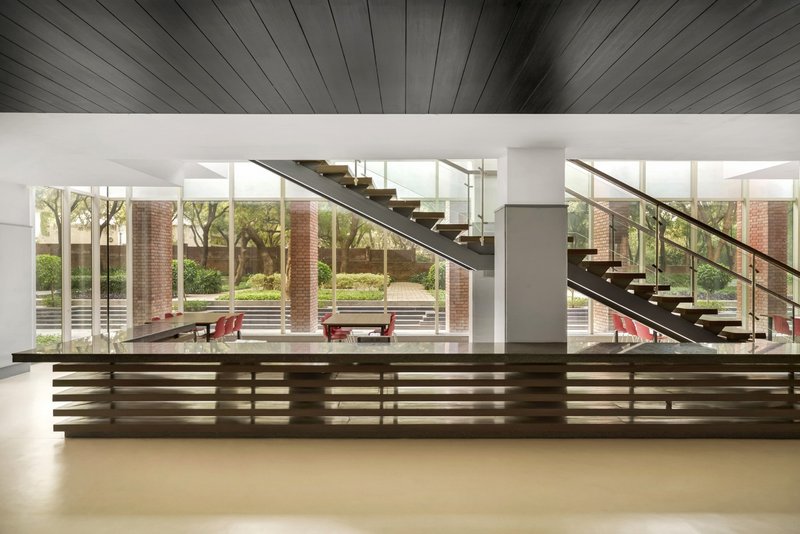
All Photographs are works of Avesh Gaur



Popular Articles
Popular articles from the community

20 Most Popular Commercial Architecture Projects of 2025
From sustainable market concepts to heritage factories, the commercial buildings and proposals that drew the most attention on uni.xyz this year.

TGK Nirasaki Plant: A Smart Factory Blending Technology, Landscape, and Wellness
Smart factory in Japan blending IoT manufacturing, scenic trail design, natural ventilation, and landscape integration to enhance user experience and sustainability.
Free Architecture Competitions You Can Enter Right Now
No entry fees, real prizes. Here are the best free architecture competitions open for submissions in 2026.
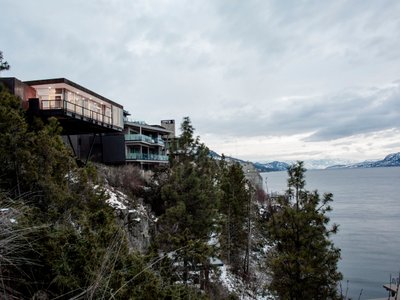
Alton Cliff House: A Harmonious Retreat by f2a Architecture in Lake Country, Canada
Alton Cliff House blends corten steel, prefabrication, and sustainable design, creating a luxurious, energy-efficient retreat perched on Canadian cliffs.


Similar Reads
You might also enjoy these articles

Filtering Space: A Gradual Spatial Experience
From urban intensity to spatial calm.


The Ken Roberts Memorial Delineation Competition (Krob)
As the most senior architectural drawing competition currently in operation anywhere in the world, it draws hundreds of entries each year, awarding the very best submissions in a series of medium-based categories.

Waterfront Redevelopment and Urban Revitalization in Mumbai: Forging a New Dawn for Darukhana
A transformative waterfront redevelopment project reimagining Darukhana’s shipbreaking heritage into an inclusive urban future.

OUT-OF-MAP: A Call for Postcards on Feminist Narratives of Public Space
Rhizoma Design and Research Lab invites artists, designers, architects, researchers, and students to reflect on how feminist perspectives can reshape public space. Selected works will be exhibited in Barcelona, October 2026. Submissions open until 15 April 2026.

Explore Architecture Competitions
Discover active competitions in this discipline




The International Standard for Design Portfolios


The Global Benchmark for Architecture Dissertation Awards


The Global Benchmark for Graduation Excellence


Challenge to reimagine the Iron Throne
Comments (0)
Please login or sign up to add comments
No comments yet. Be the first to comment!