
The Transformation of Old Rectory Farm: A Study in Adaptive Reuse and Accessibility
Exploring the transformation of Old Rectory Farm into an accessible home through adaptive reuse architecture.

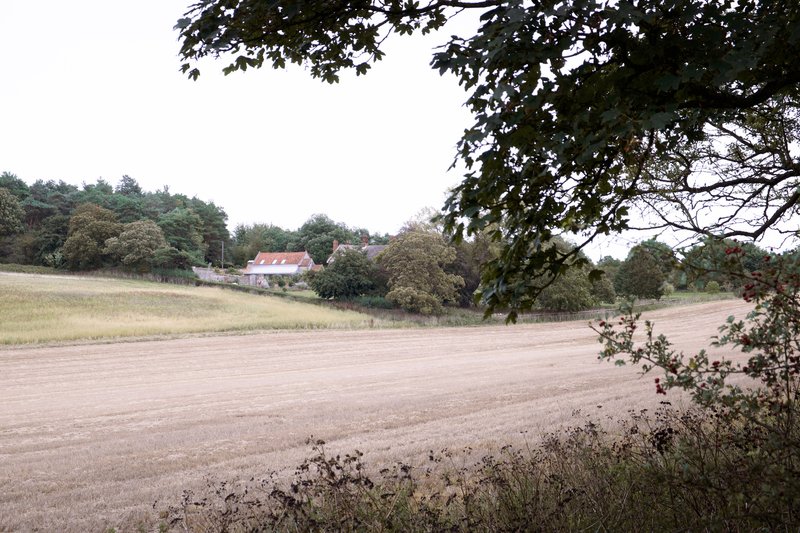
In the heart of North Norfolk District, United Kingdom, Old Rectory Farm stands as a testament to the innovative approach of Alexander Hills Architects in the field of adaptive reuse architecture. Initially tasked with converting stables into accessible accommodation, the project evolved into a comprehensive reimagining of the farmhouse, merging historical charm with modern accessibility.
The Challenge of Accessibility and Integration
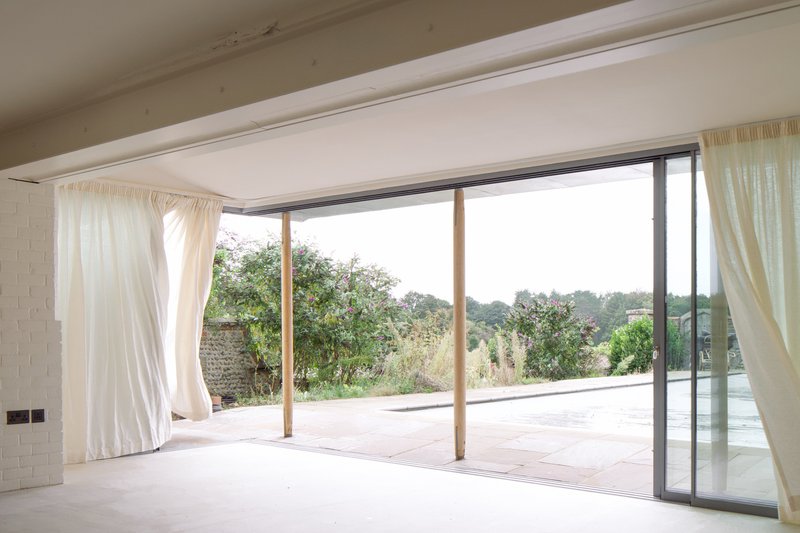
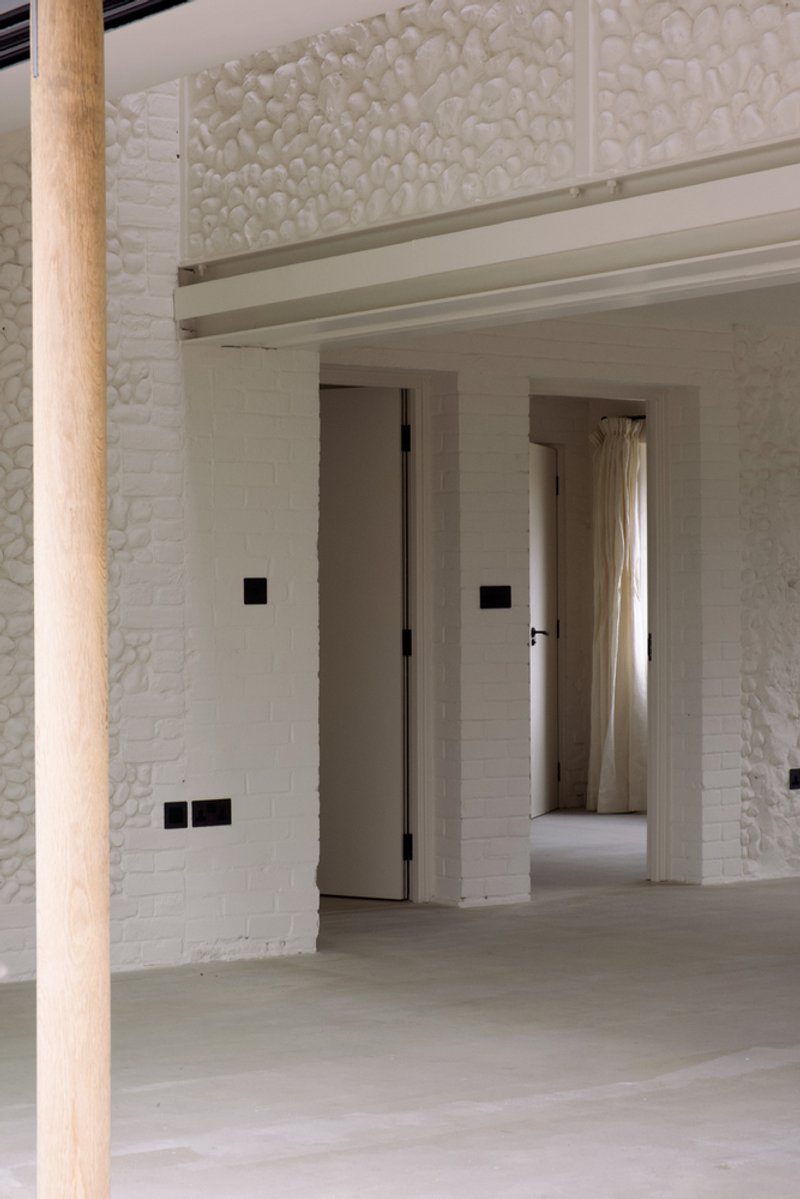
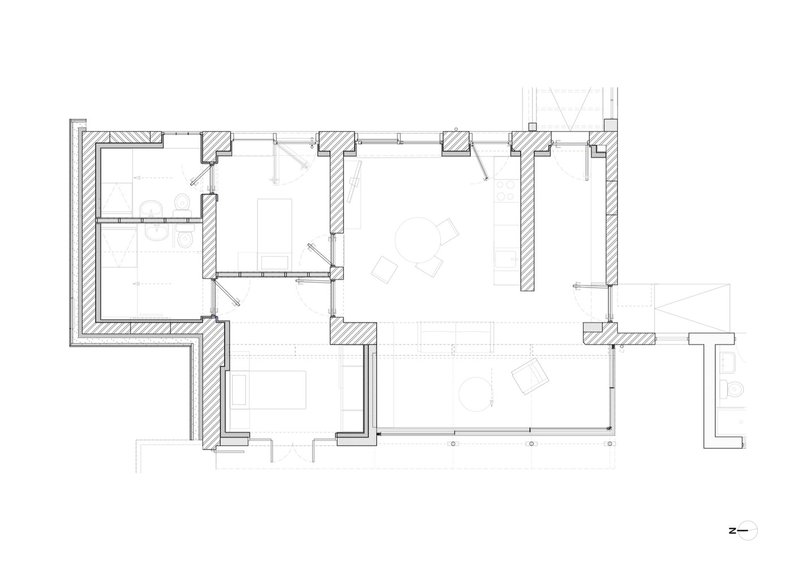
The architects were confronted with the challenge of not only providing accessible living spaces for a wheelchair-bound individual but also ensuring these spaces were integrated seamlessly with the farm's existing structures. The solution was a new access 'backbone', optimizing movement through the property and enhancing the connection between interior spaces and the surrounding landscape.
A Harmonious Blend of Old and New
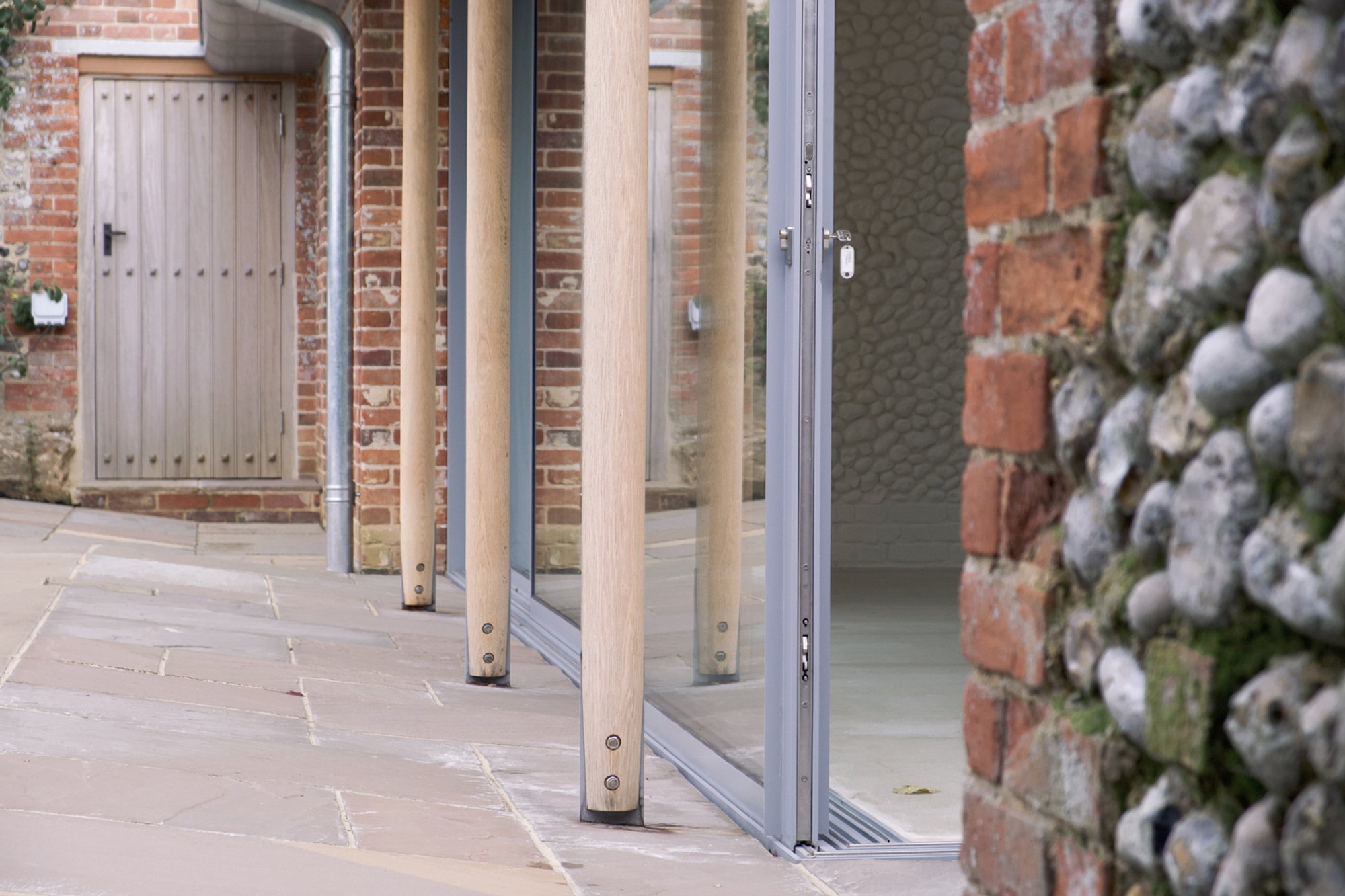
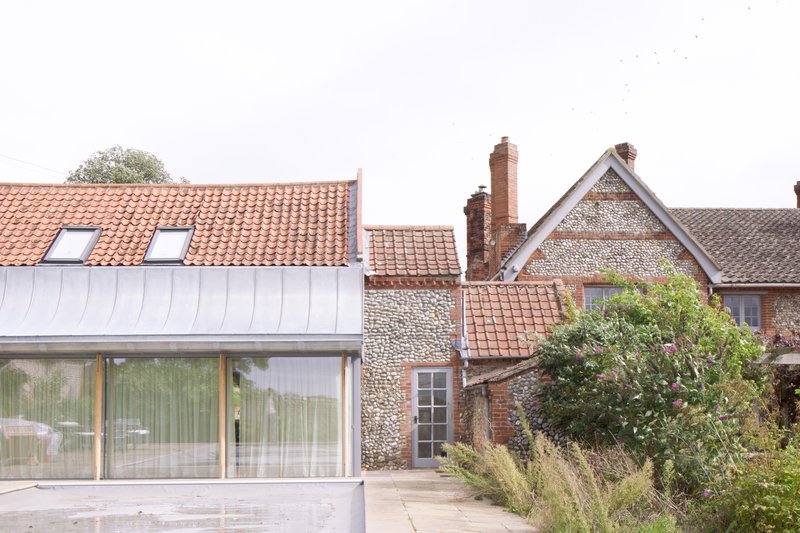
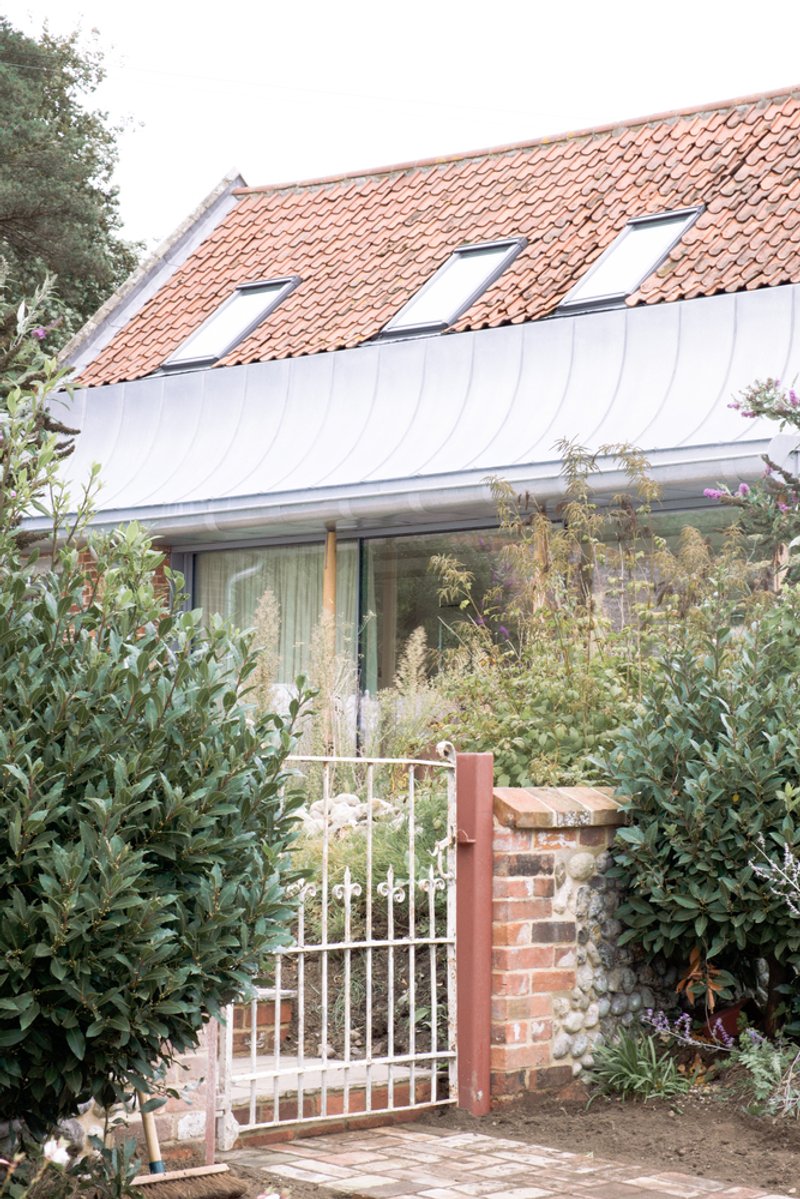
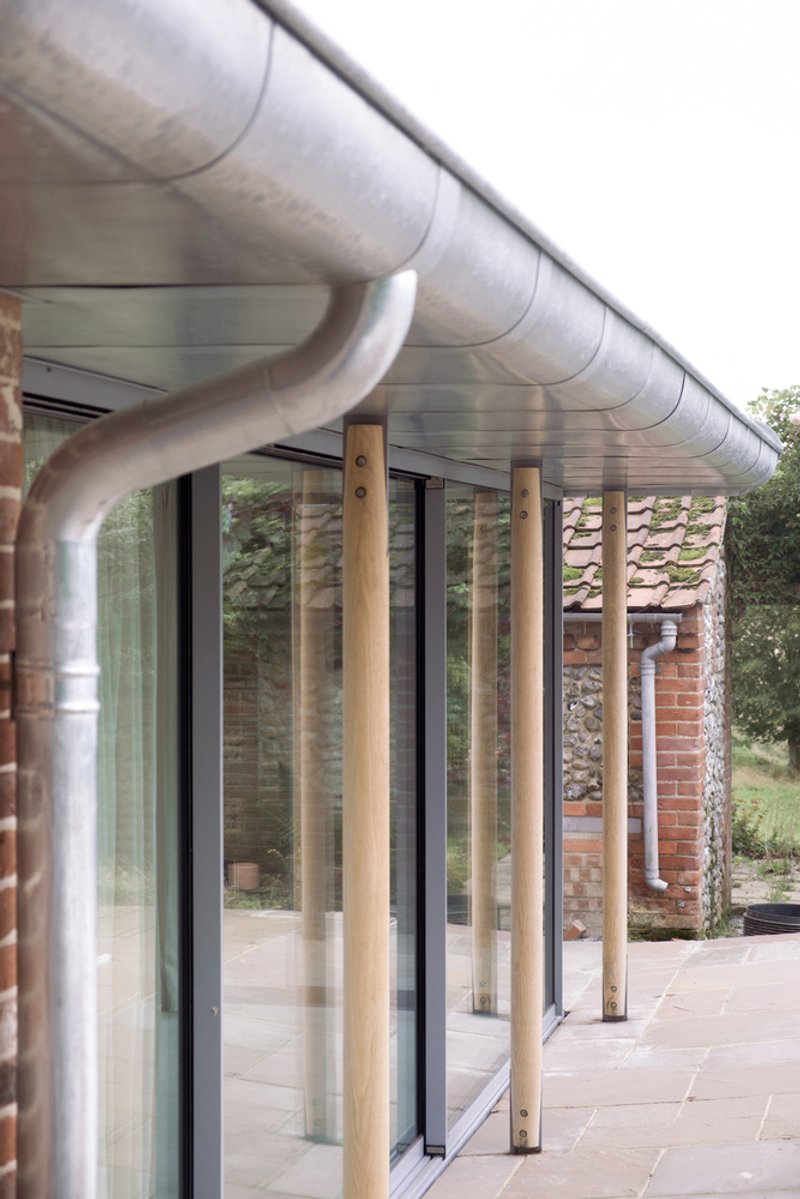
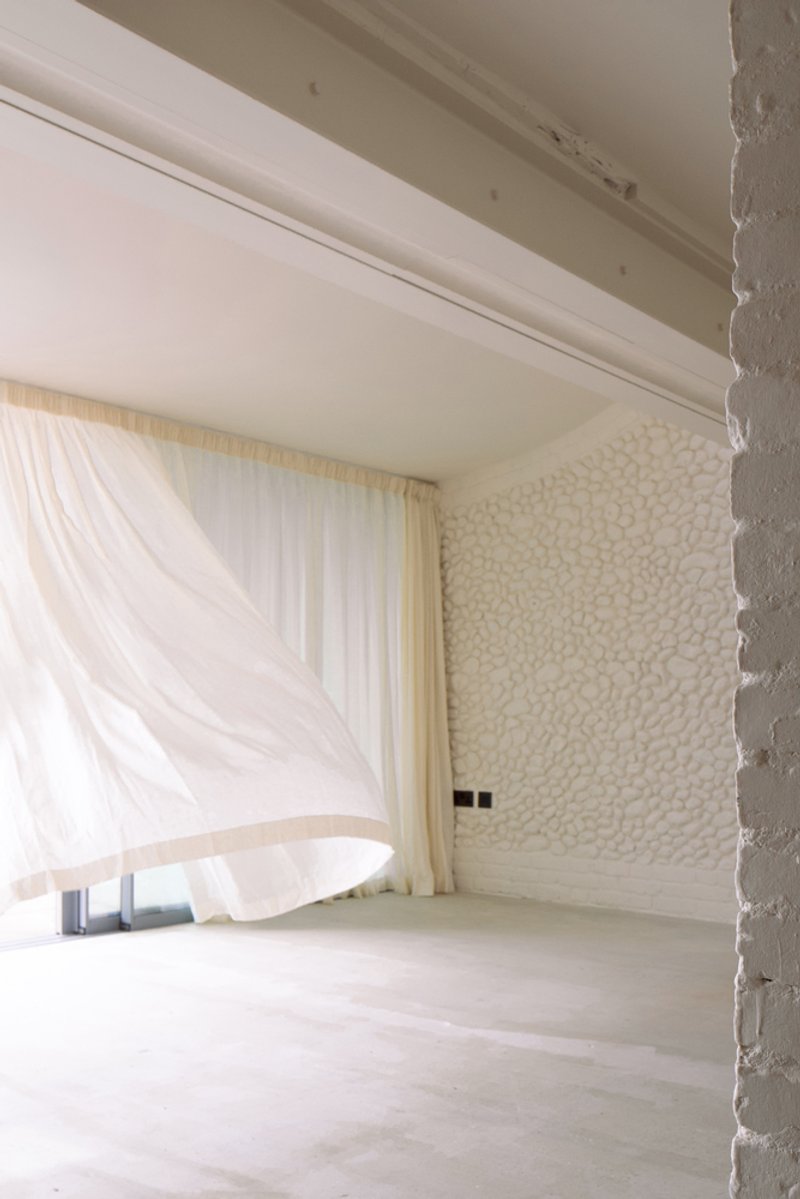
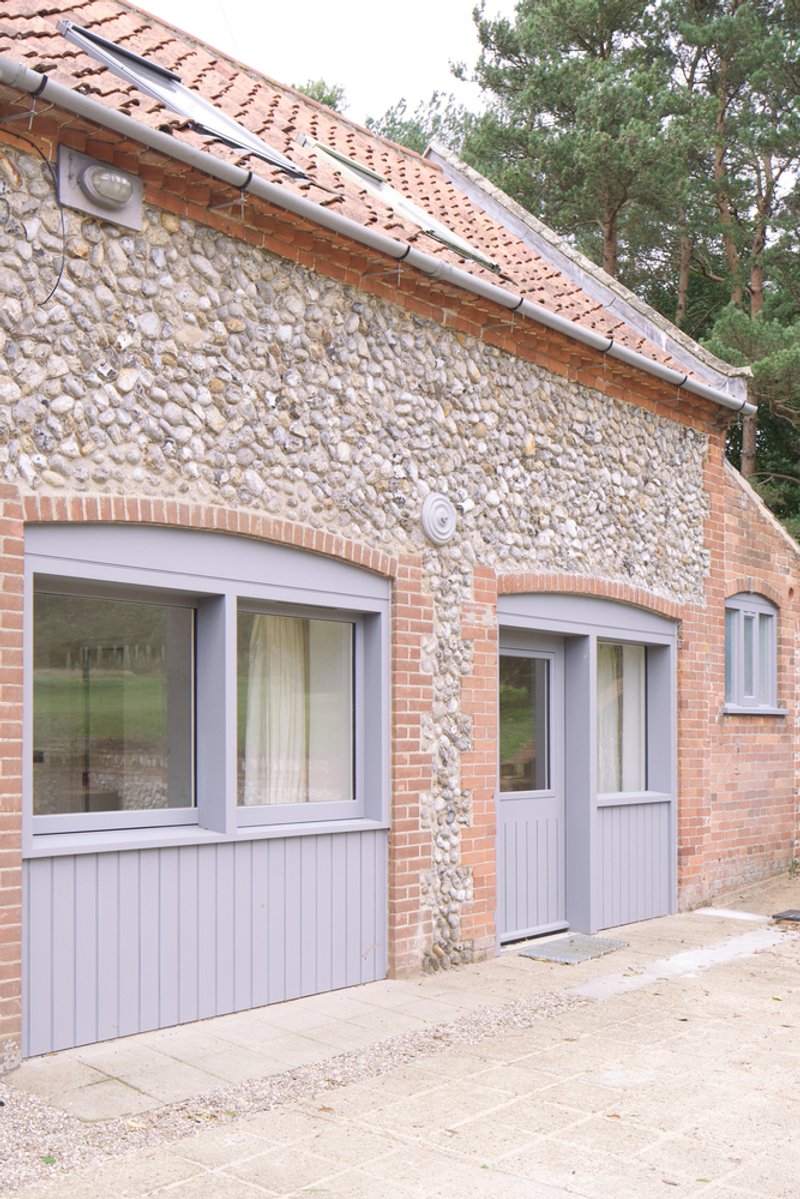
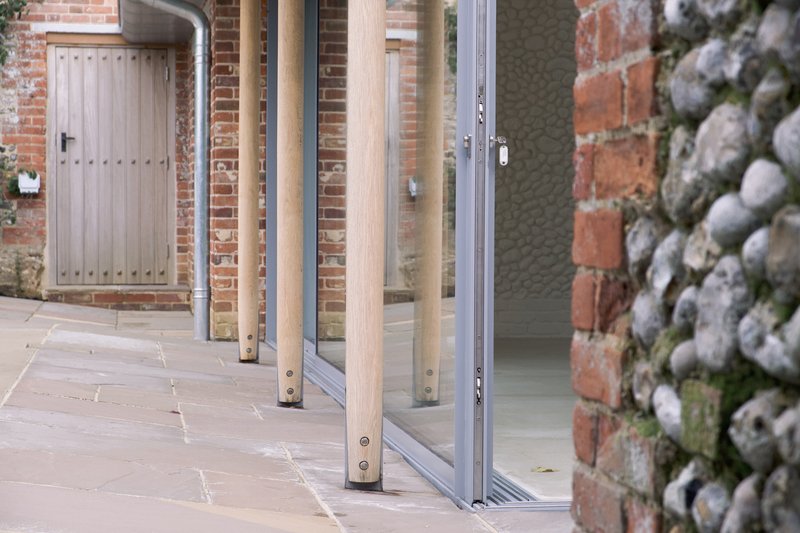
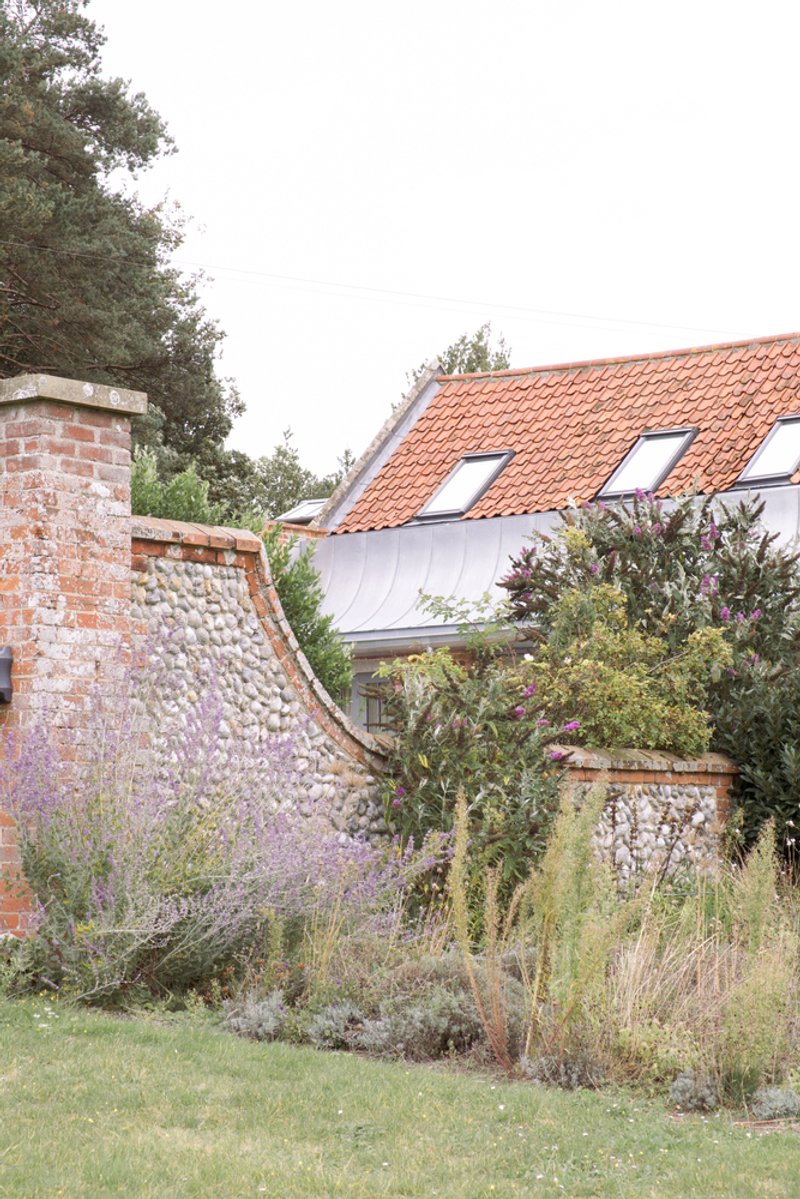
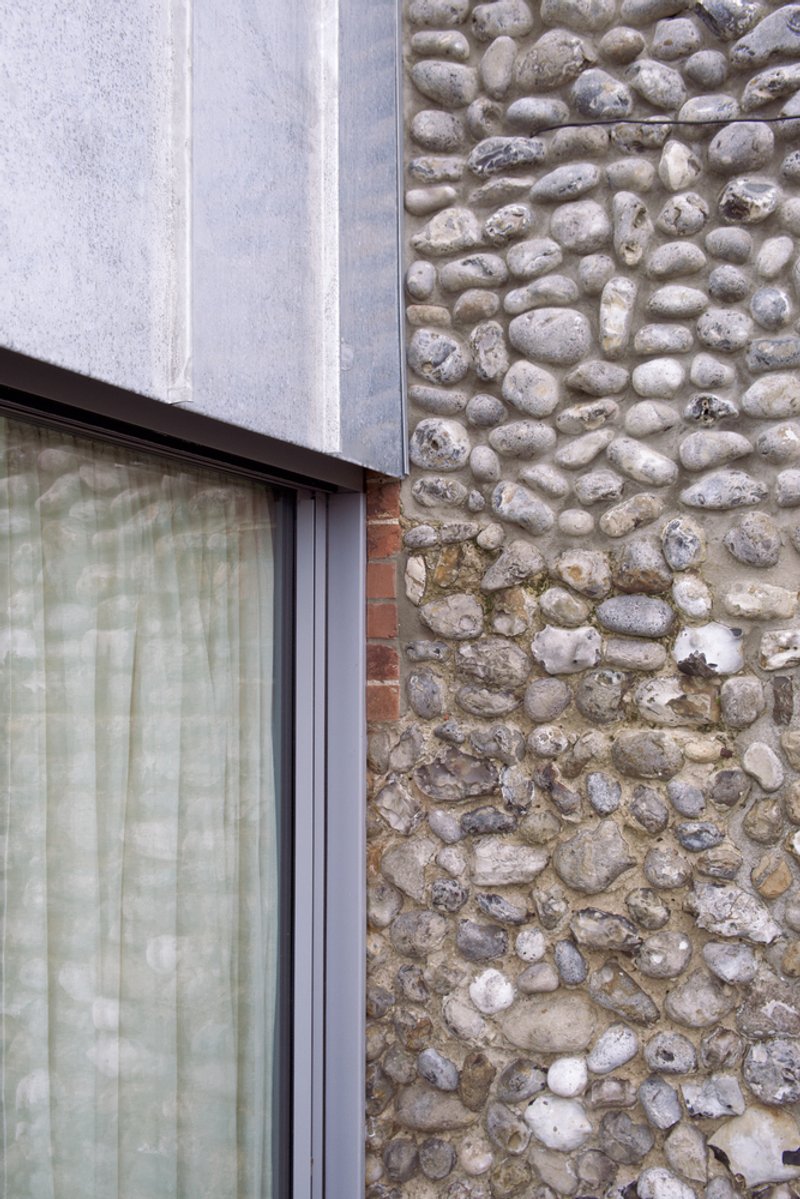
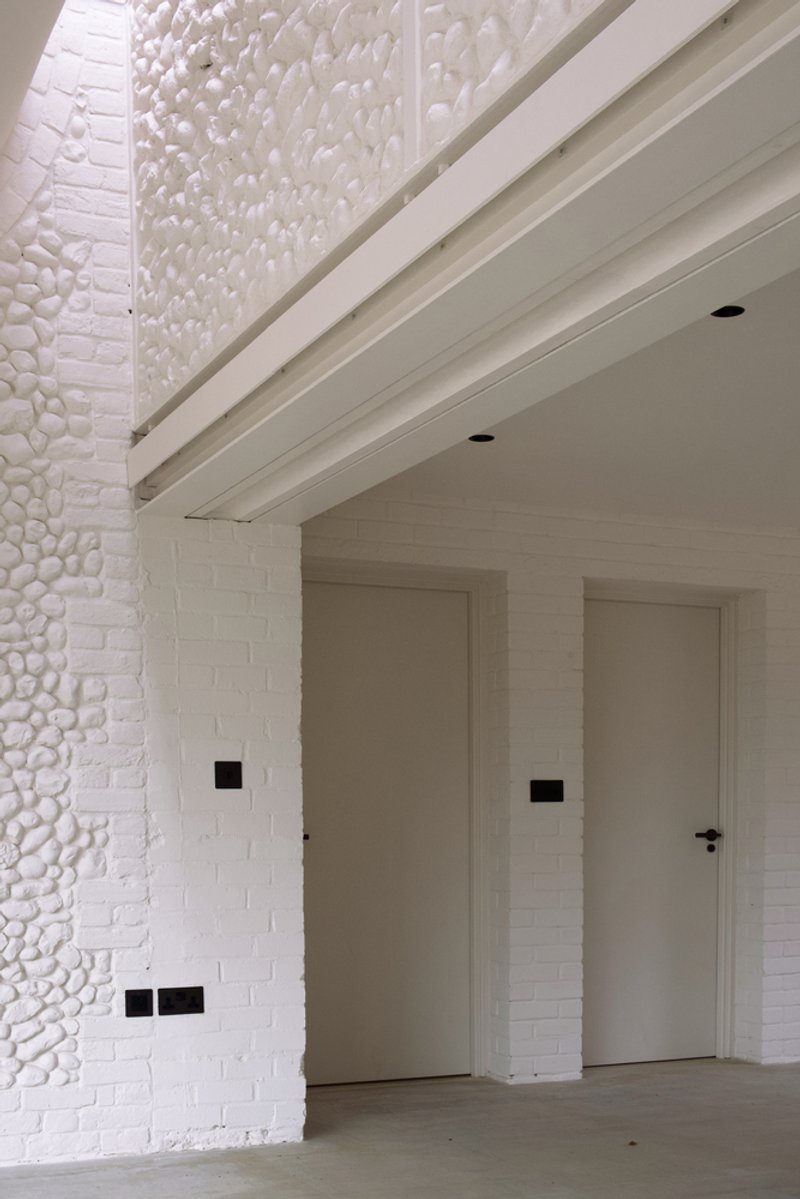
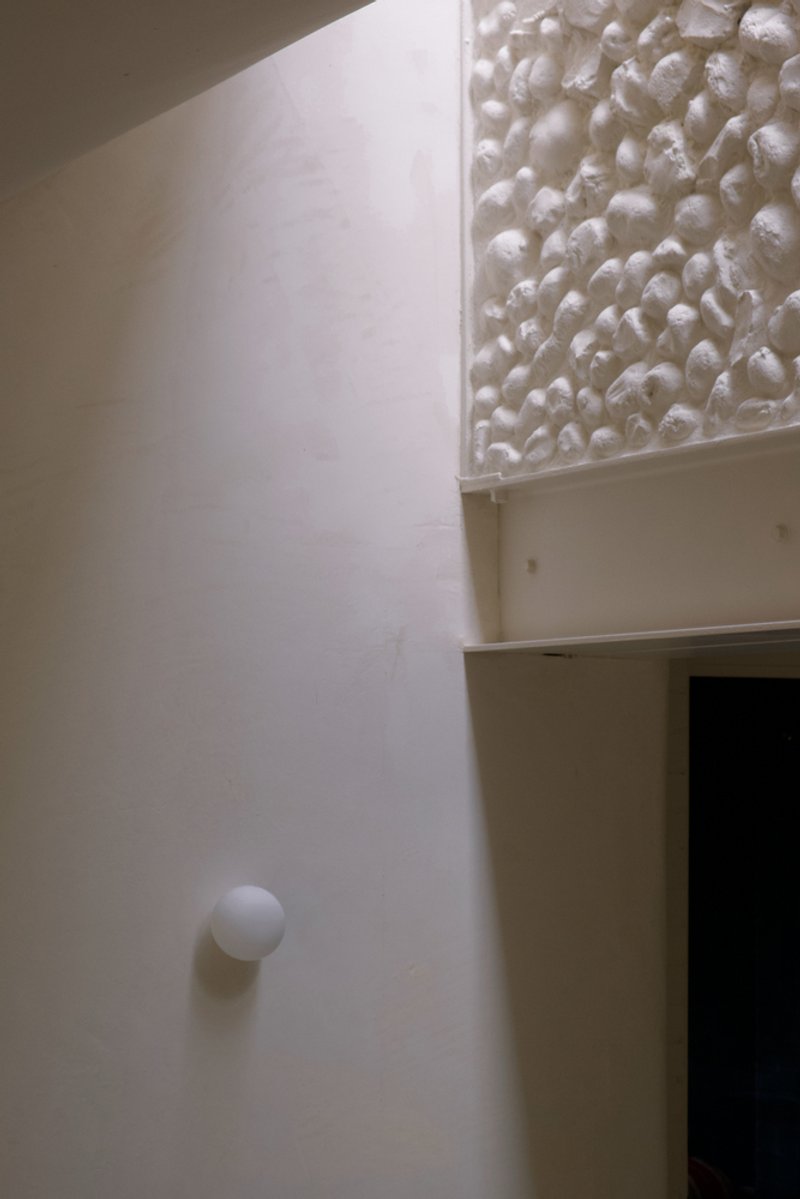
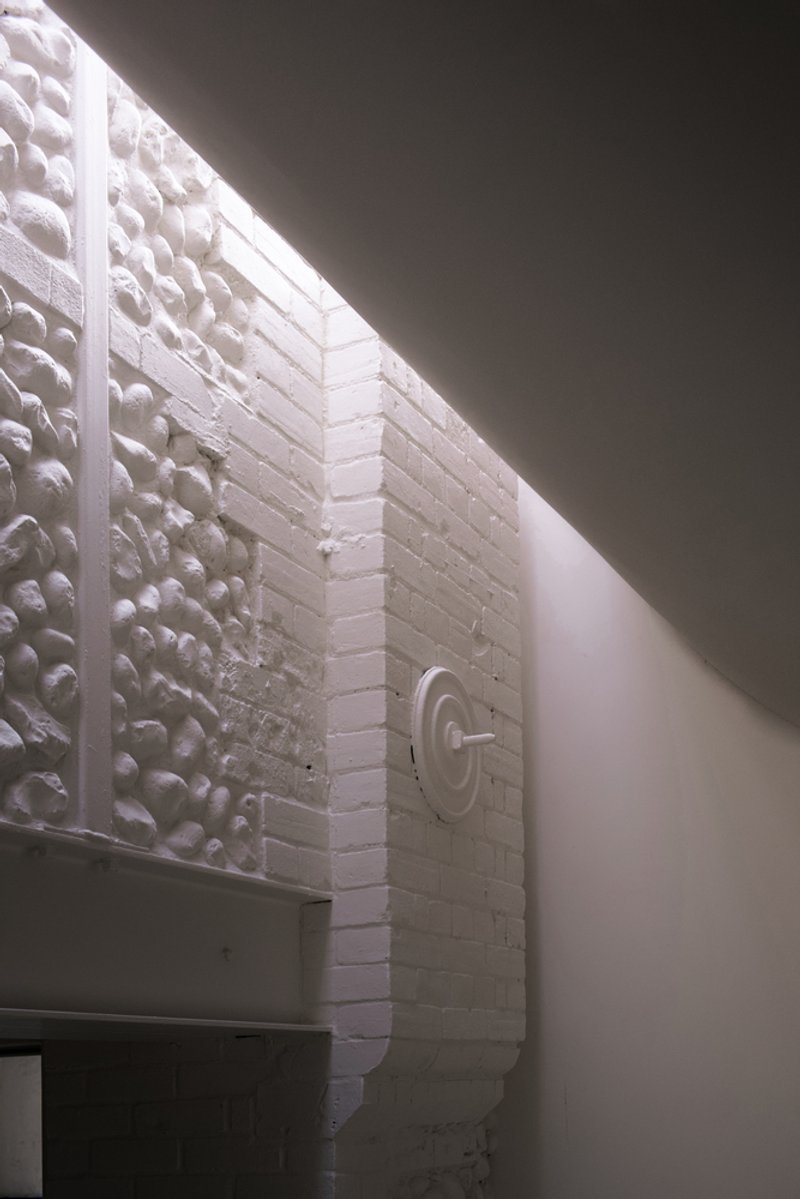
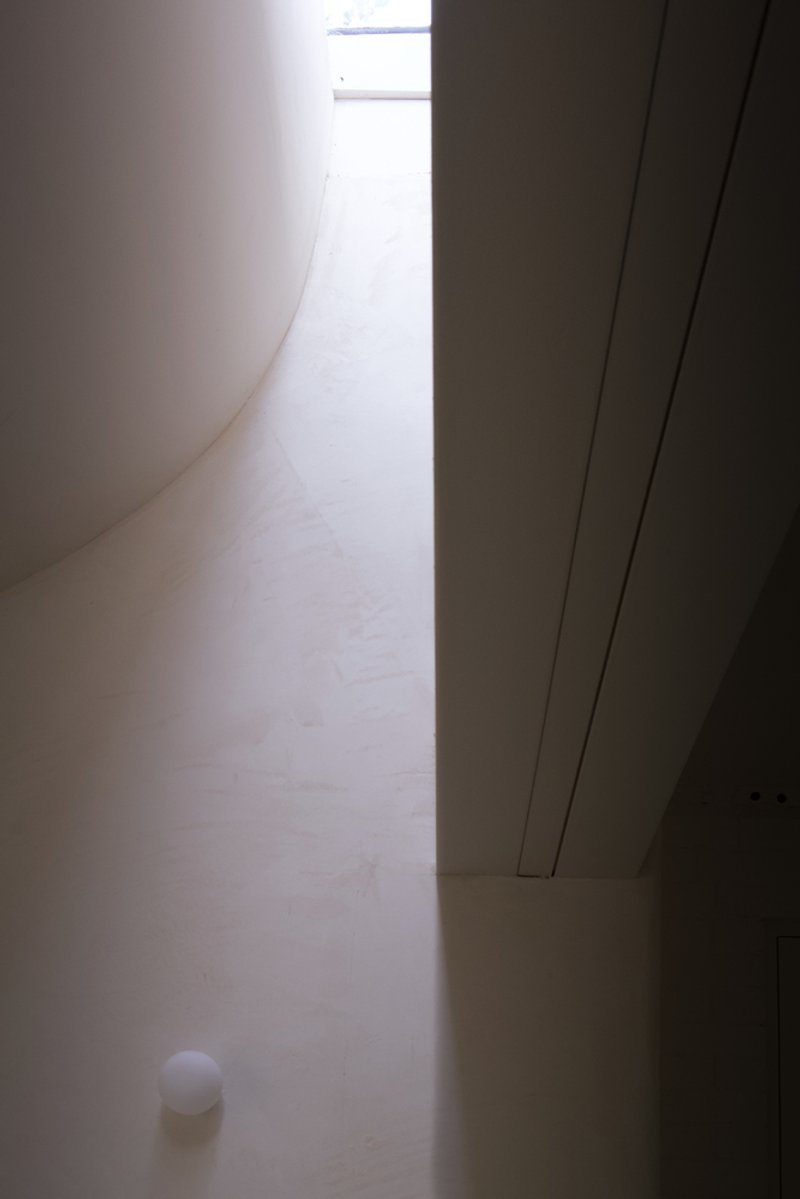
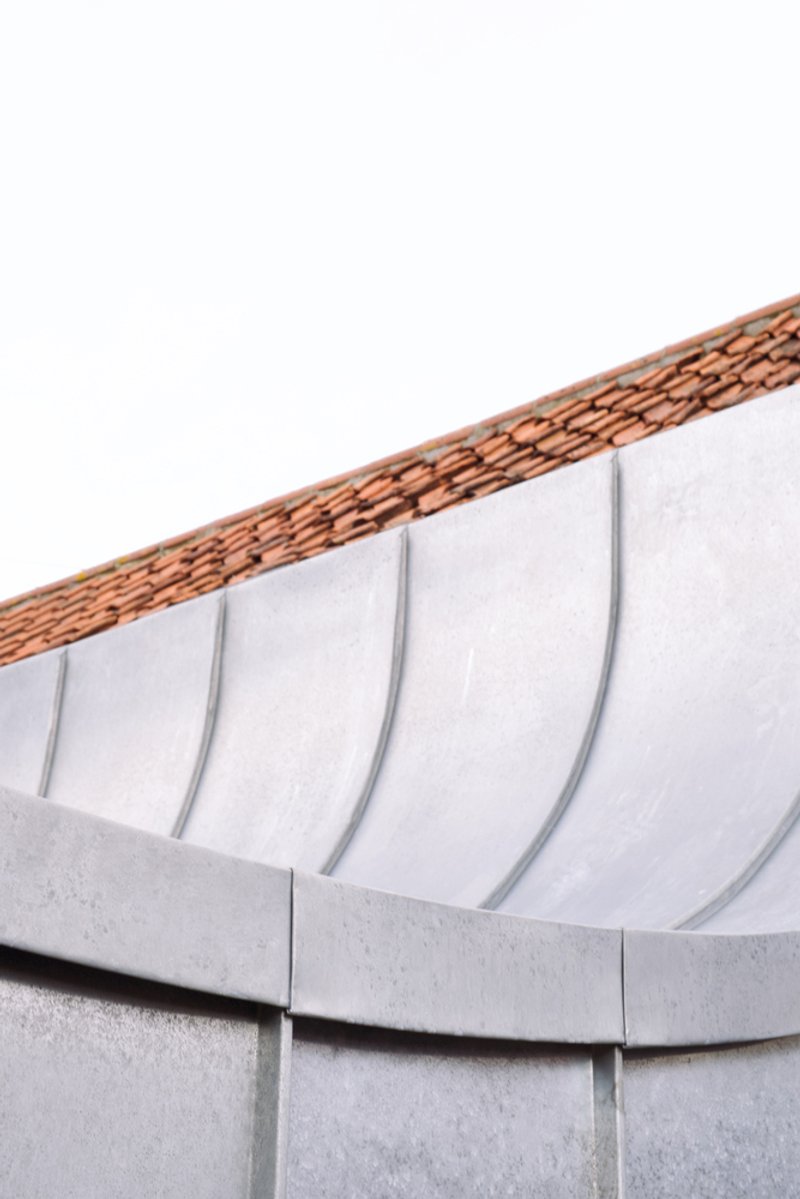
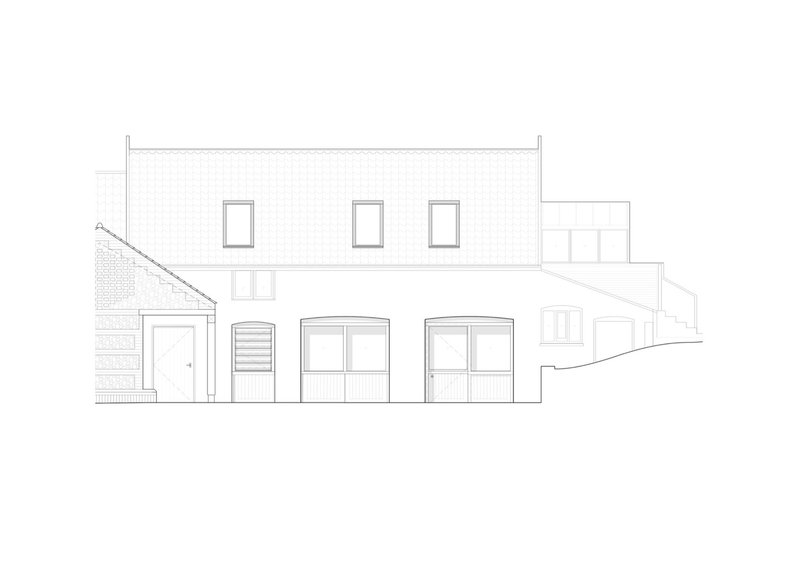
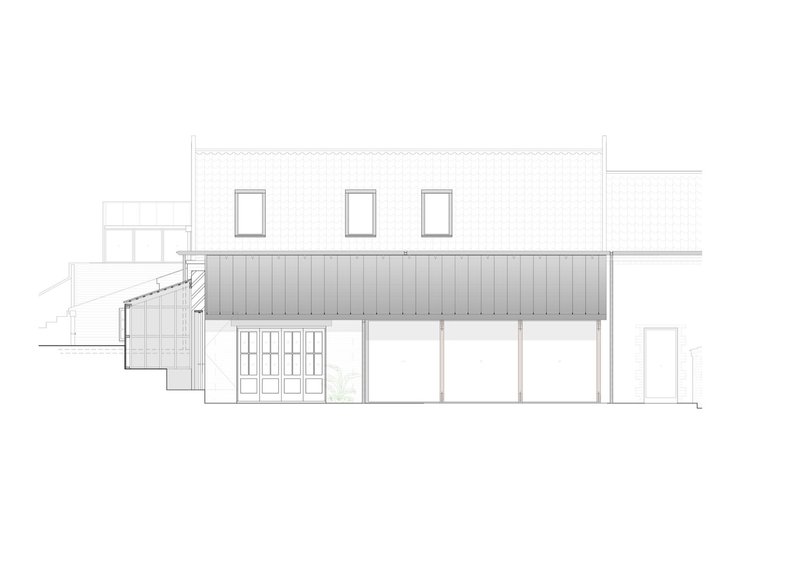
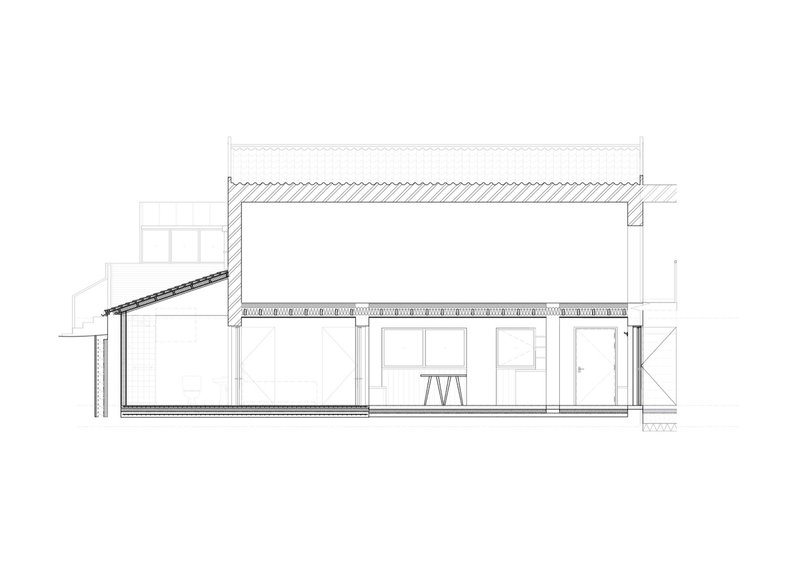
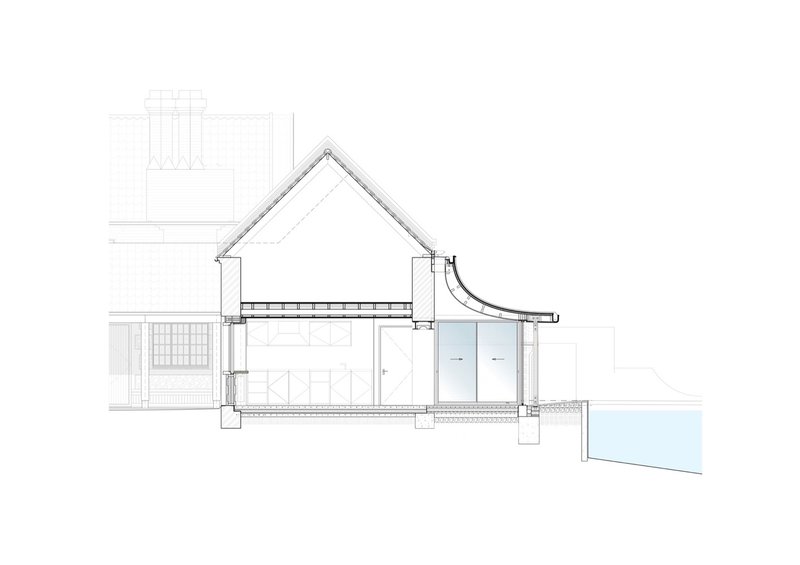
The architectural interventions included demolitions, extensions, and a reorganization of the ground plan, all aimed at improving spatial arrangement and accessibility. Two distinct extensions were added: one in line with the farm's 19th-century vernacular, utilizing timber, brick, and flint, and another featuring a contemporary zinc-clad roof, designed to be both functional and aesthetically pleasing.
Enhancing Family Life Through Design
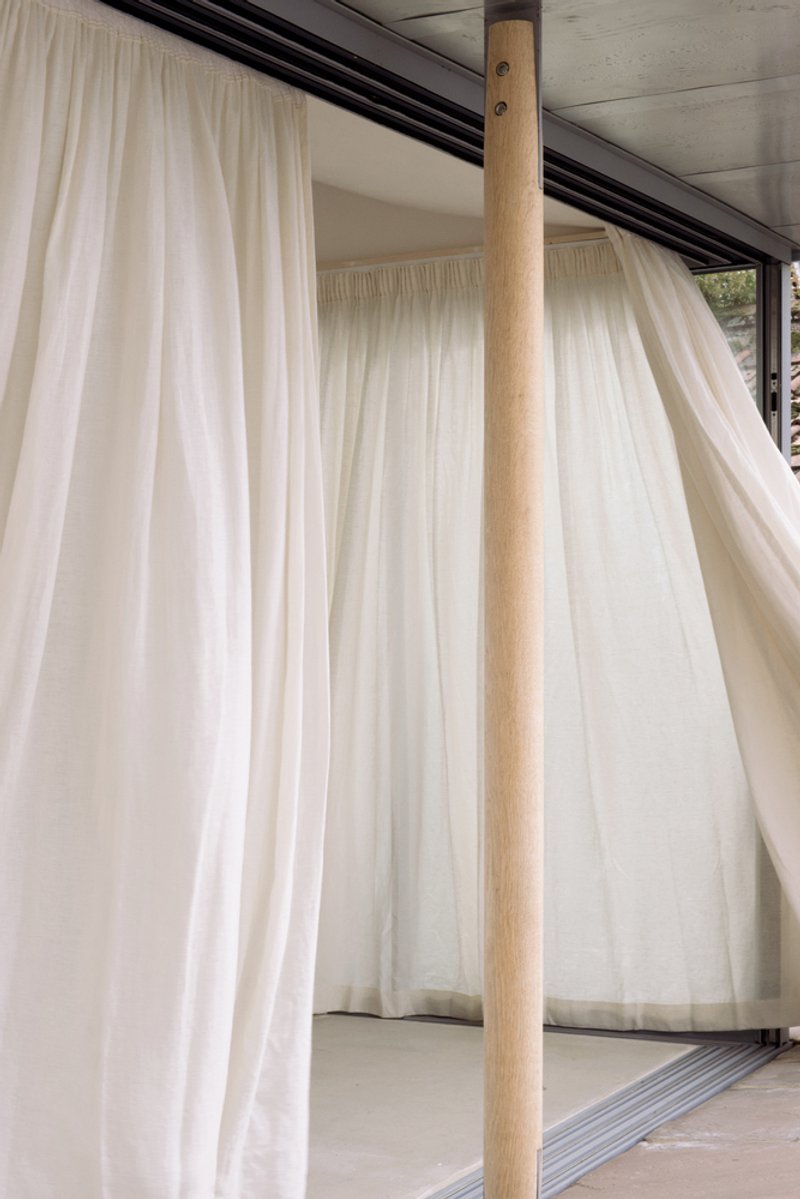
Central to the project's success was the emphasis on creating spaces that enable the wheelchair user to participate fully in family life. By reconfiguring the layout and introducing accessible pathways, the architects ensured that every member of the family could enjoy the home and its surroundings to the fullest.

Architectural Innovation Meets Practicality
Old Rectory Farm's transformation is a prime example of how adaptive reuse architecture can address modern needs while respecting historical contexts. Alexander Hills Architects' approach demonstrates a thoughtful balance between innovation and practicality, ultimately enhancing the quality of life for its inhabitants.
The Old Rectory Farm project by Alexander Hills Architects exemplifies the potential of adaptive reuse architecture to create spaces that are both beautiful and functional. Through careful planning and design, the team has ensured that this historic property will continue to be a cherished family home for years to come, setting a benchmark for similar projects worldwide.




Popular Articles
Popular articles from the community

An Miên Lumière Cafe by xưởng xép, Ho Chi Minh City, Vietnam
An industrial-inspired café where layered steel and warm light create a dynamic, immersive environment shaped by reflection, depth, and perception.
On the Brooks House by Monsoon Collective – A Contemporary Kerala Home Rooted in Tradition
Kerala home blending tradition and modernity with water-inspired design, brick architecture, courtyard planning, and sustainable rainwater harvesting strategies.
A Contemporary Take on Iranian Residential Architecture
A modern interior design in Mashhad that reinterprets brick, light, and spatial flow to create a warm, contemporary residential architecture.
Louis Malle Cinema: A Limestone Cultural Landmark Revitalizing Community Life in Prayssac
Limestone cinema extension with public forecourt, blending heritage and modern design to create flexible cultural spaces and strengthen community interaction.
Similar Reads
You might also enjoy these articles


The Ken Roberts Memorial Delineation Competition (Krob)
As the most senior architectural drawing competition currently in operation anywhere in the world, it draws hundreds of entries each year, awarding the very best submissions in a series of medium-based categories.


Waterfront Redevelopment and Urban Revitalization in Mumbai: Forging a New Dawn for Darukhana
A transformative waterfront redevelopment project reimagining Darukhana’s shipbreaking heritage into an inclusive urban future.

OUT-OF-MAP: A Call for Postcards on Feminist Narratives of Public Space
Rhizoma Design and Research Lab invites artists, designers, architects, researchers, and students to reflect on how feminist perspectives can reshape public space. Selected works will be exhibited in Barcelona, October 2026. Submissions open until 15 April 2026.


Documentation Work on Buddhist Wooden Temple
Architectural syncretism and cultural hybridity: A comparative study of the Buddhist temples in Chattogram Hill tracks


Explore Architecture Competitions
Discover active competitions in this discipline




The International Standard for Design Portfolios


The Global Benchmark for Architecture Dissertation Awards


The Global Benchmark for Graduation Excellence


Challenge to design luxury tourism on rails
Comments (0)
Please login or sign up to add comments
No comments yet. Be the first to comment!