
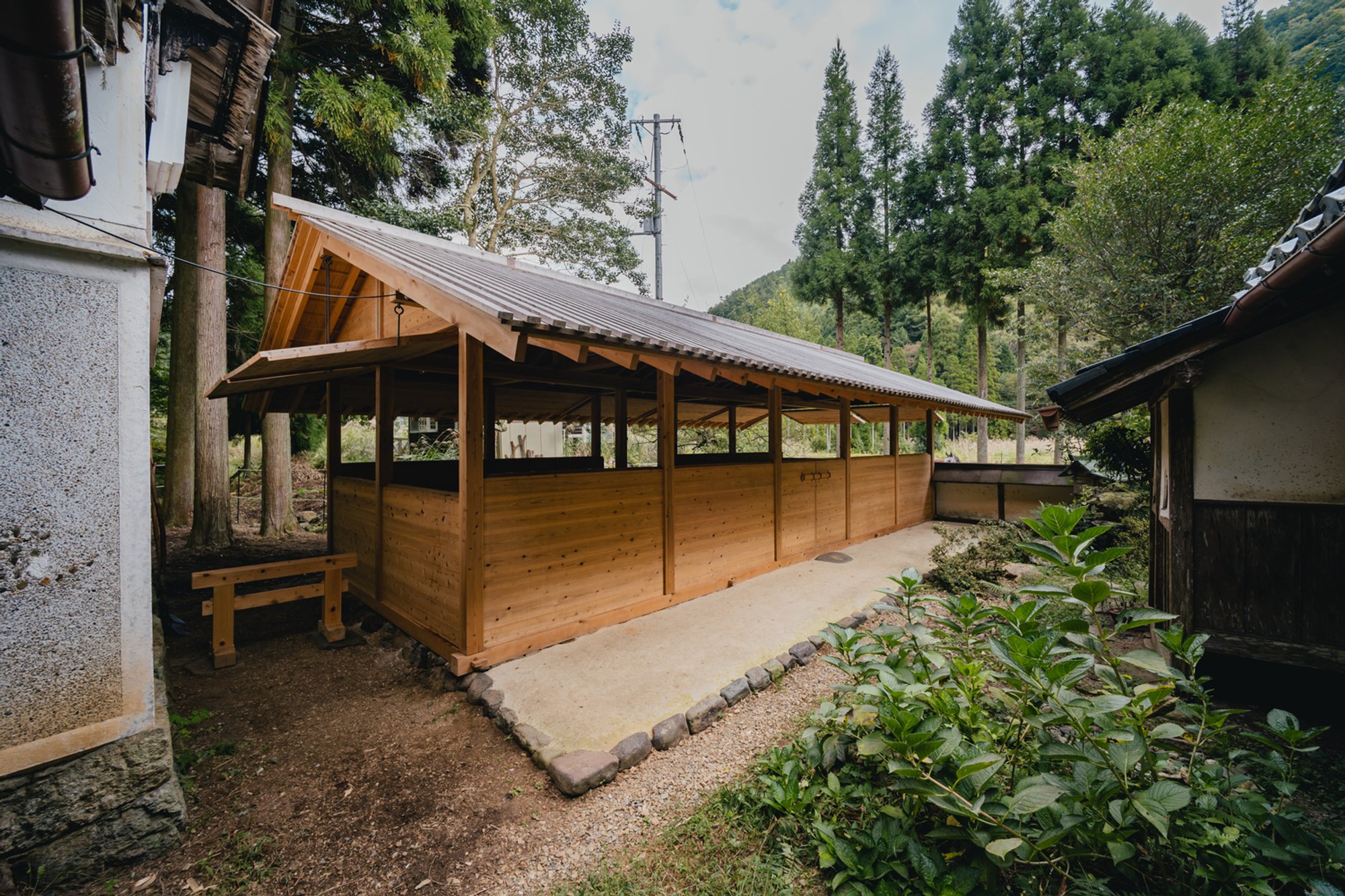
The Umagoya Stable: A Modern Homage to Japanese Traditional Architecture
Exploring the Umagoya Stable, where modern design meets Japanese traditional architecture in harmony with nature.

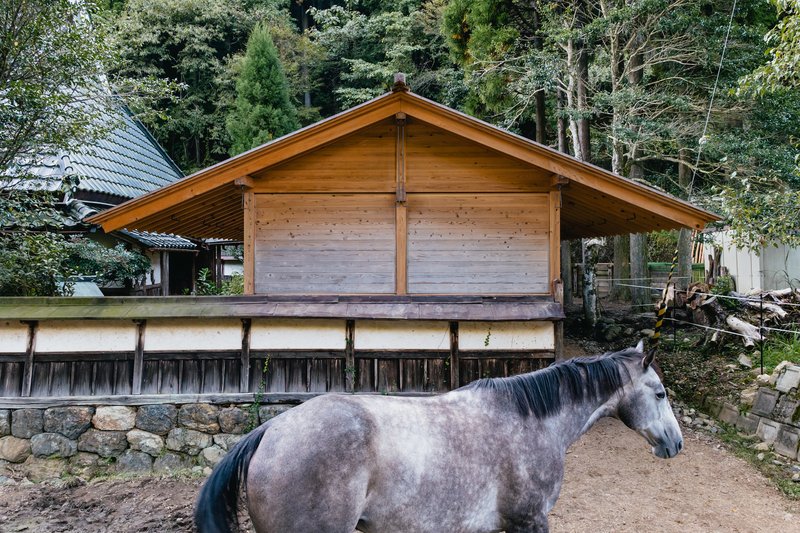
In the serene outskirts of Kyoto, Japan, lies a structure that seamlessly blends modern design principles with the timeless elegance of Japanese traditional architecture. The Umagoya Stable, designed and constructed by the Kyoto-based architecture studio 2M26 in 2022, stands as a testament to the enduring appeal of this architectural style. This project, highlighted through the lens of photographer Yuki Okada, not only serves as an animal shelter but also as a symbol of architectural harmony with nature.
Embracing Tradition in Contemporary Design
The Essence of Japanese Craftsmanship
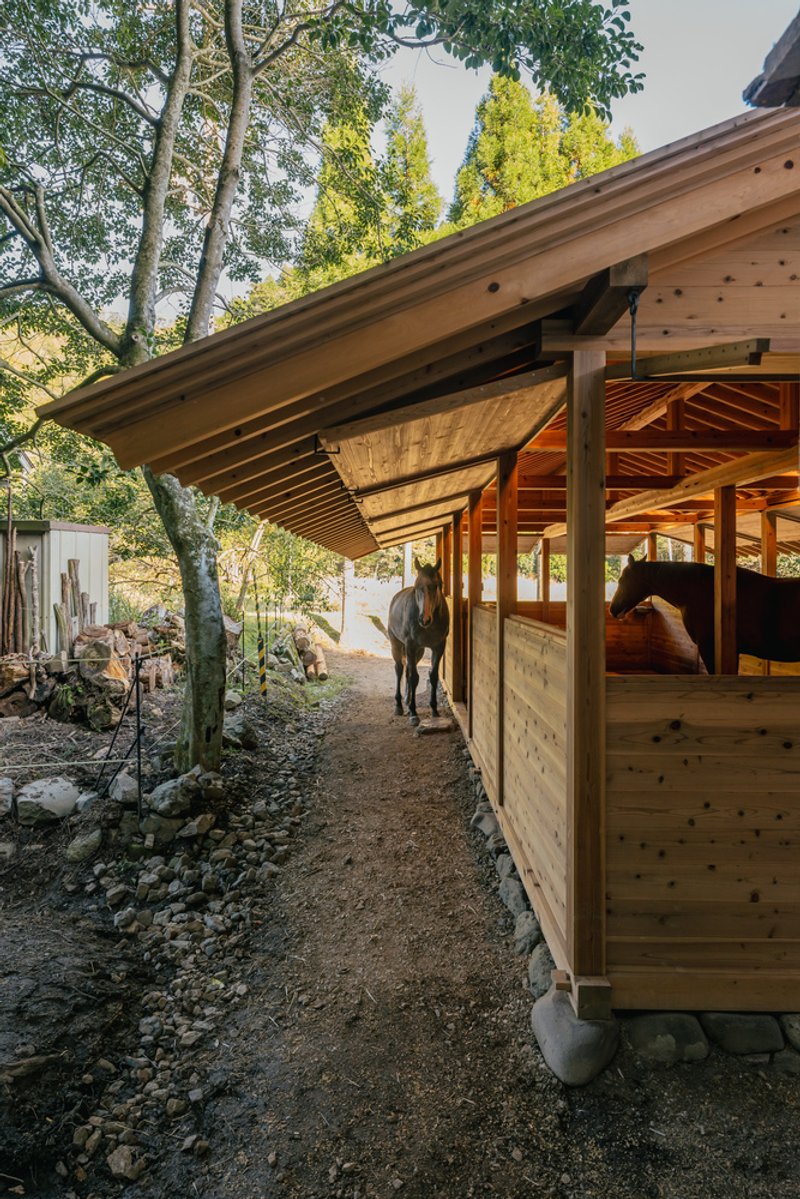
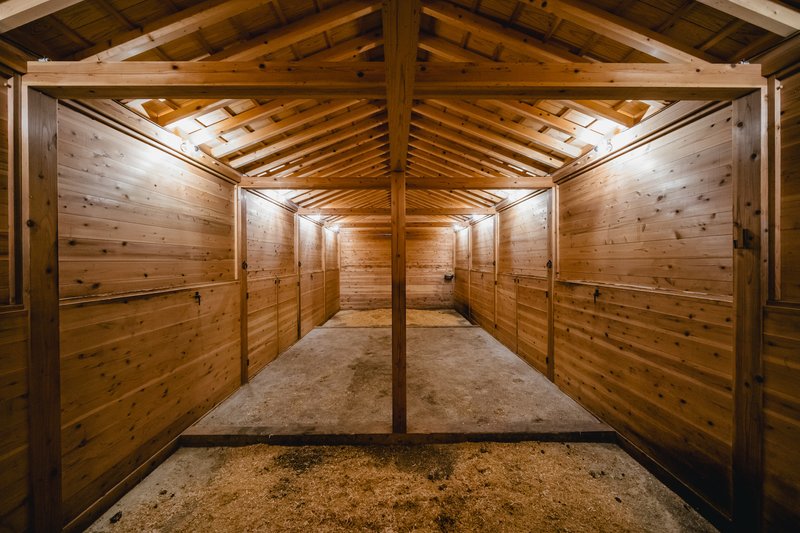
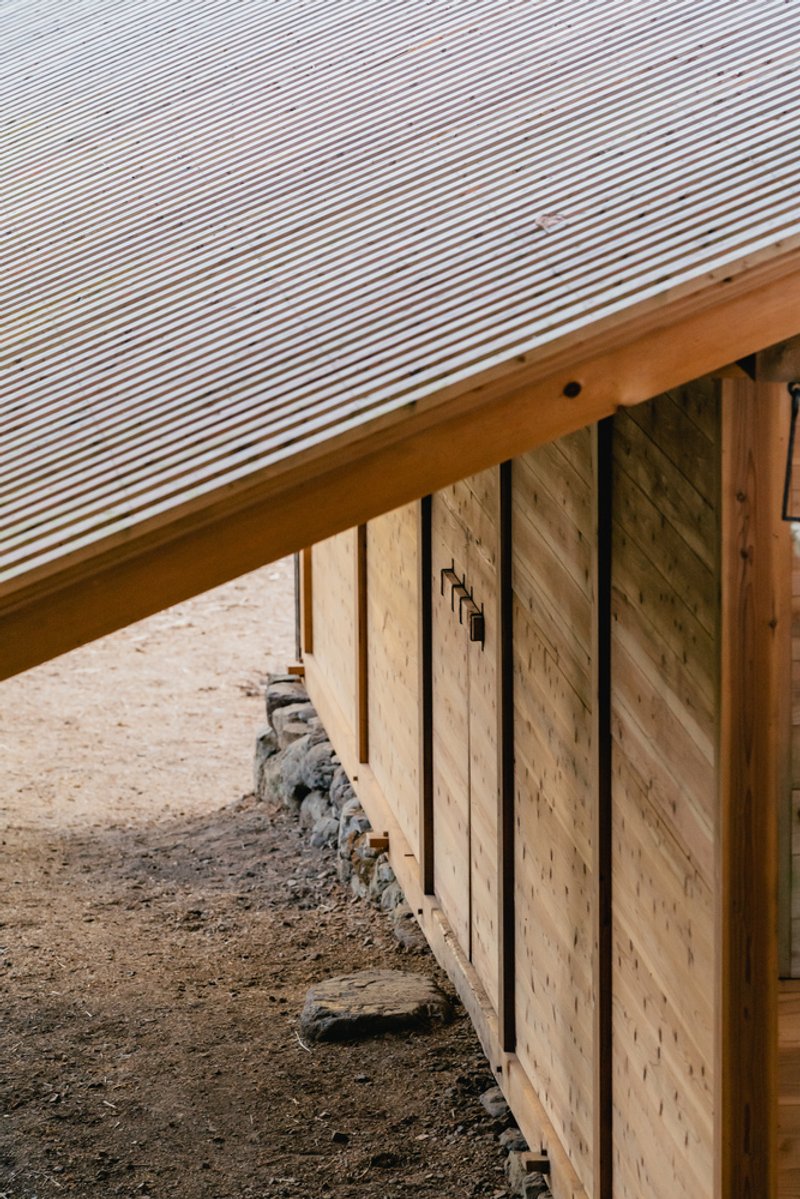
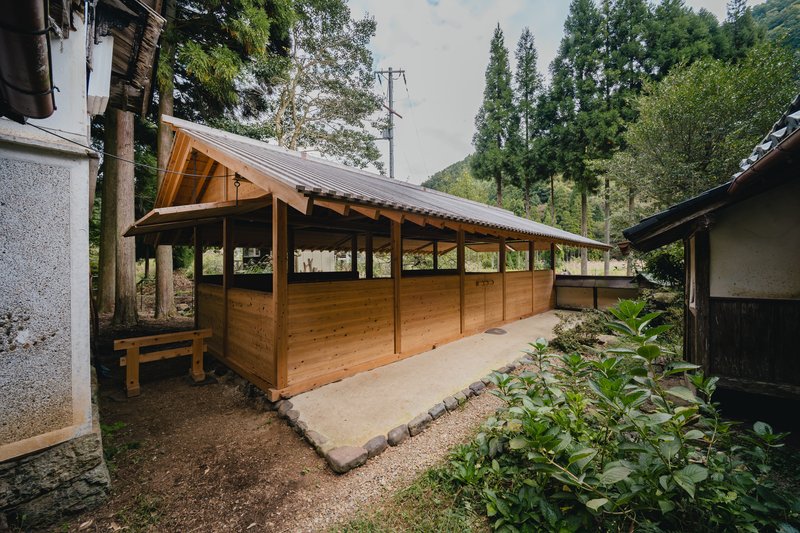
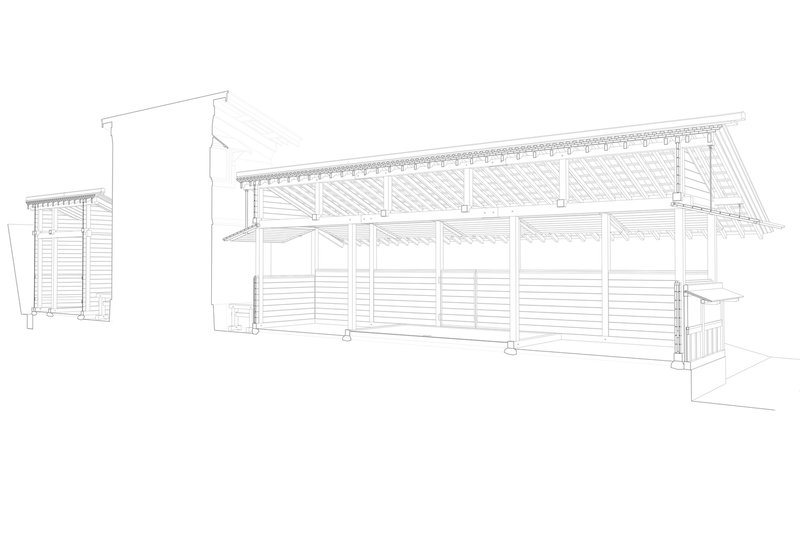
At the heart of the Umagoya Stable's design is its commitment to Japanese traditional joinery. Utilizing cypress and cedar, materials revered in Japanese construction for their durability and aesthetic appeal, the stable echoes the soul of its surroundings. This choice of materials and techniques is a nod to a time when architecture was not just about creating spaces but also about respecting the materials and the environment.
A Structure in Harmony with Nature
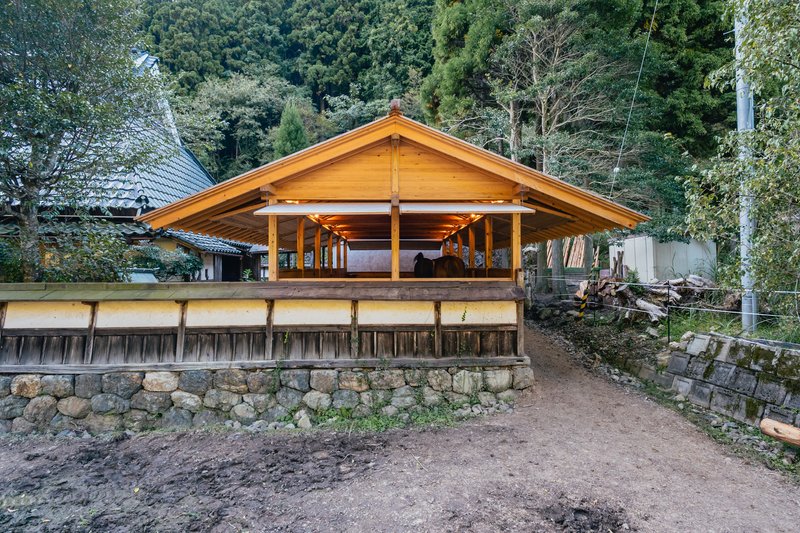
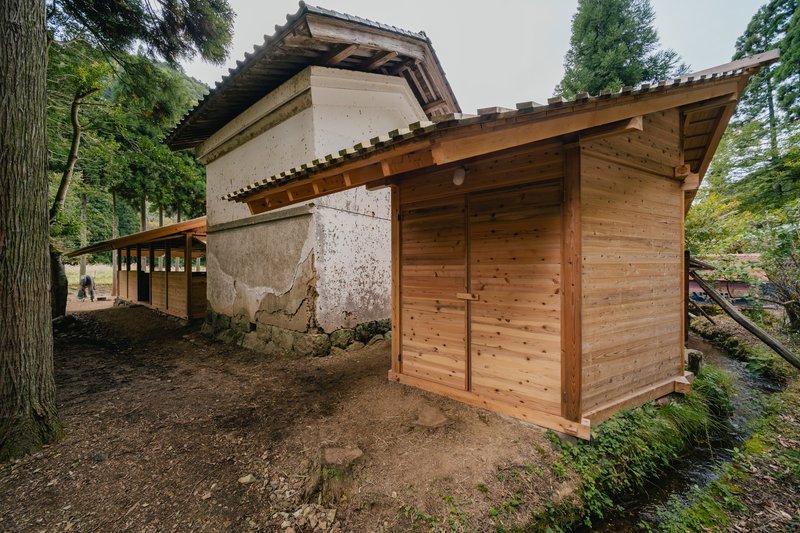
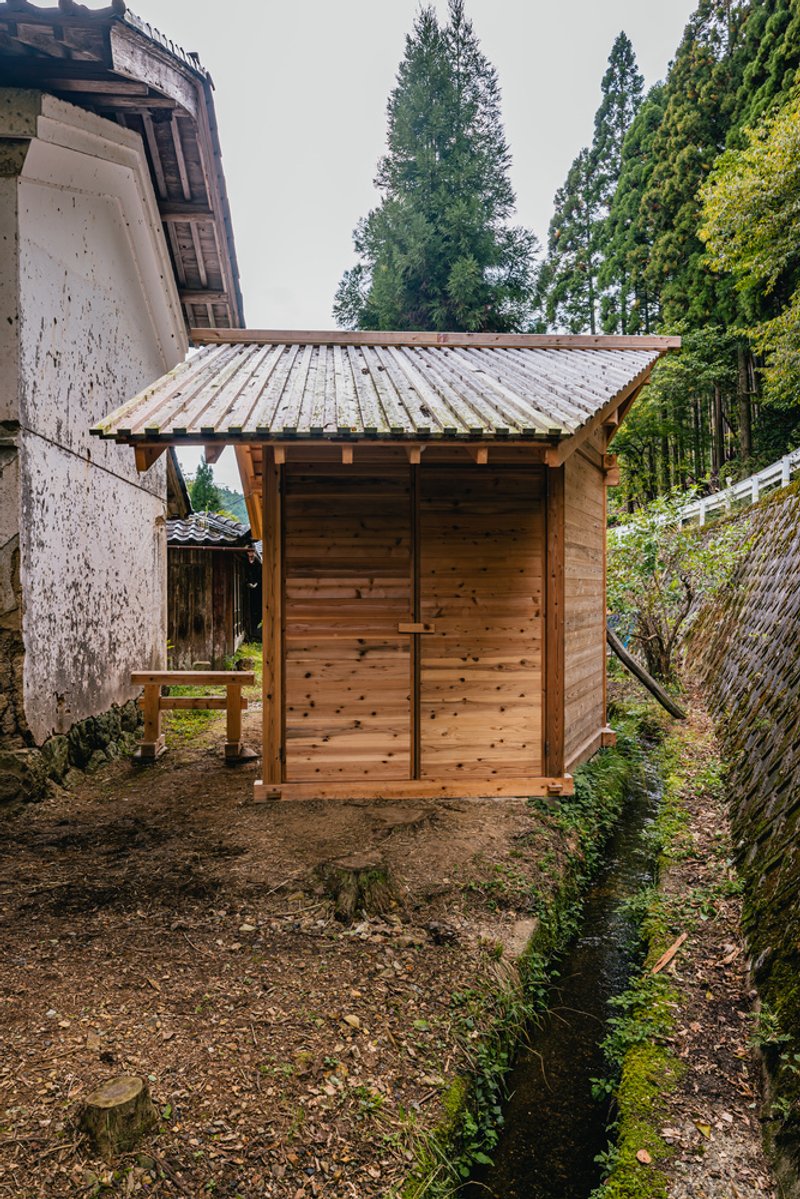
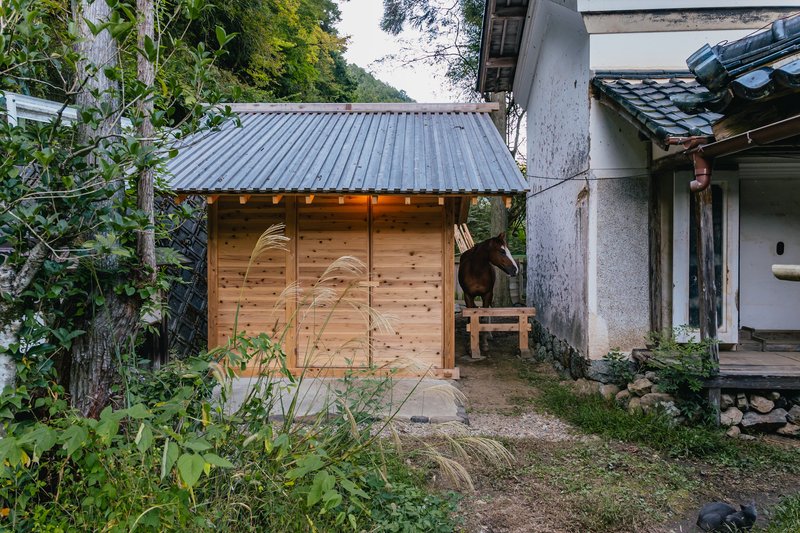
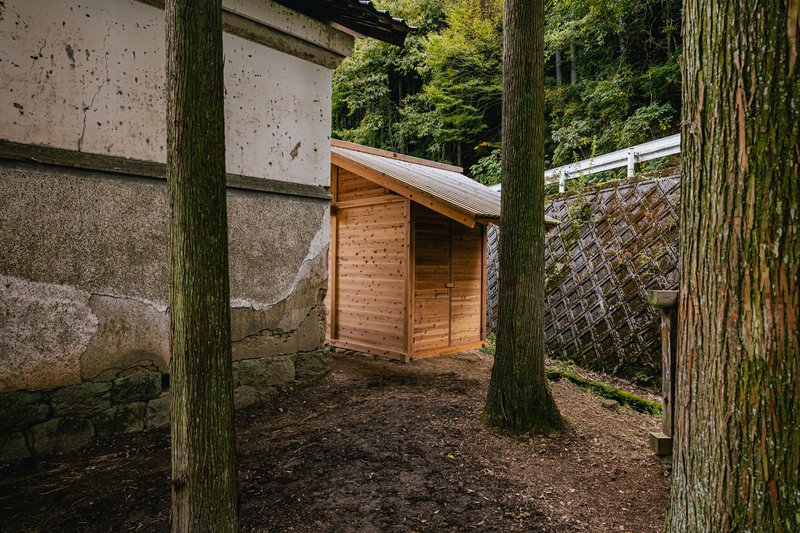
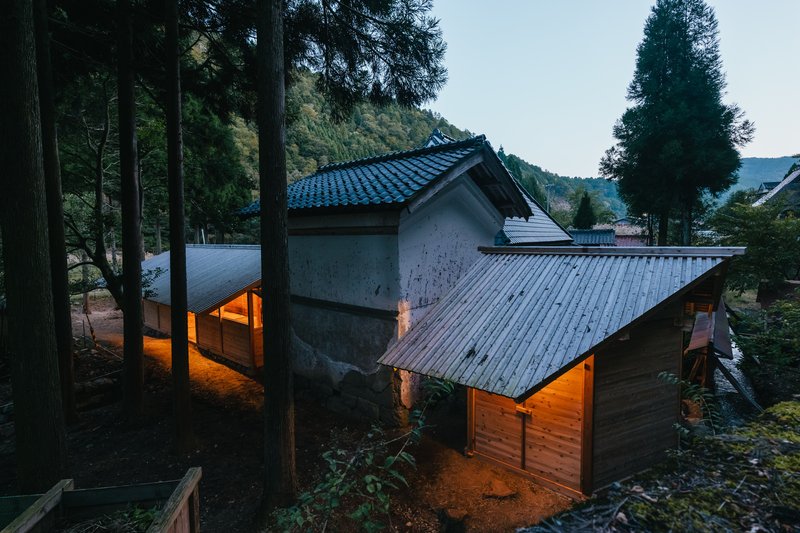
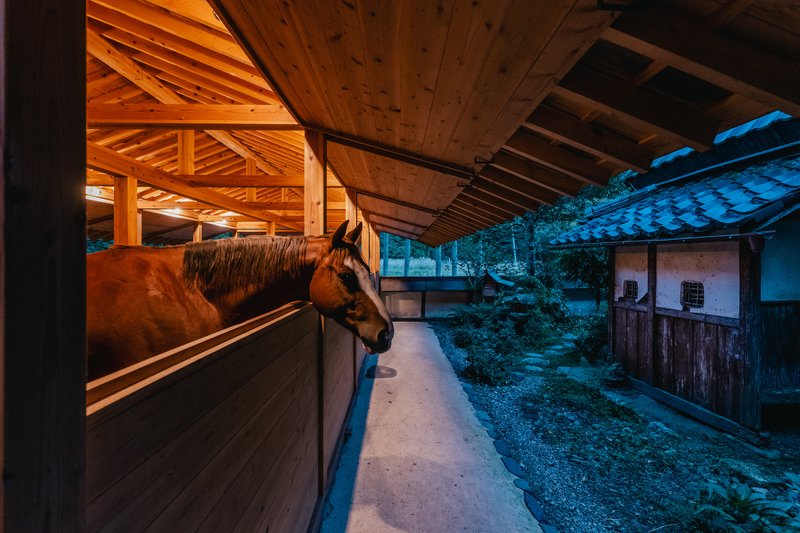
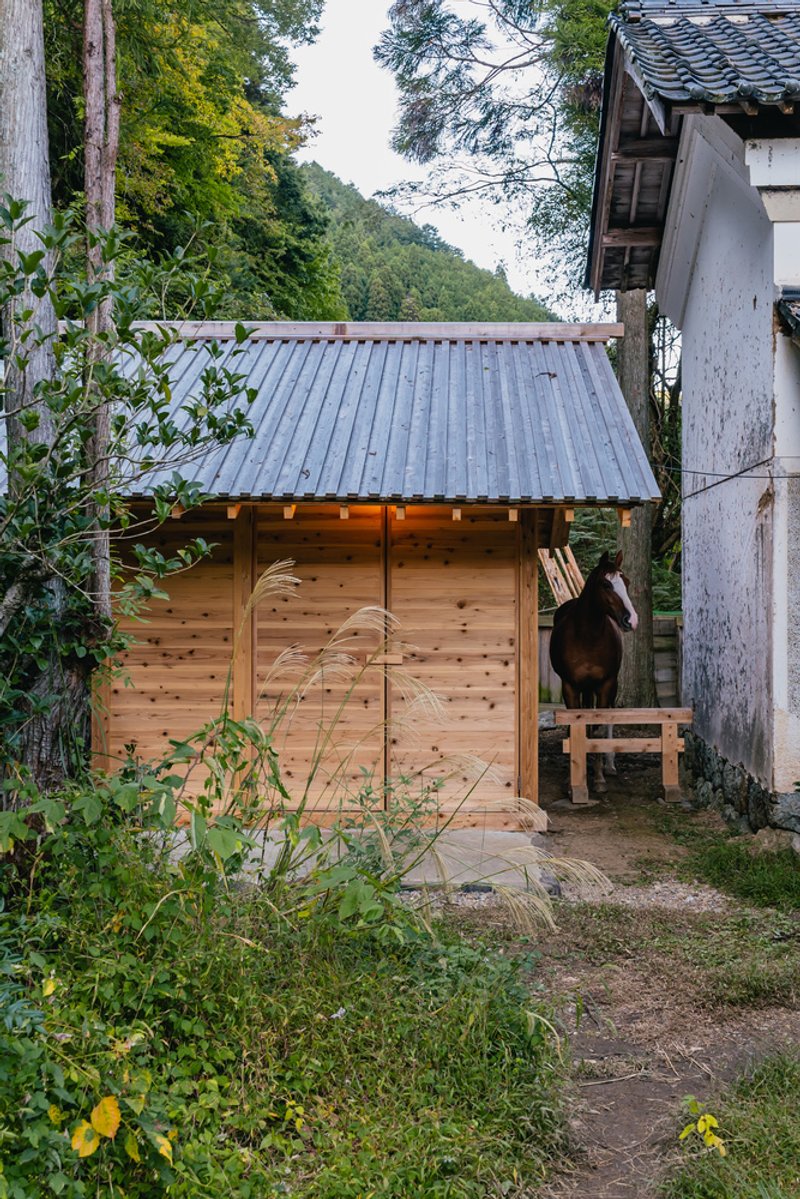
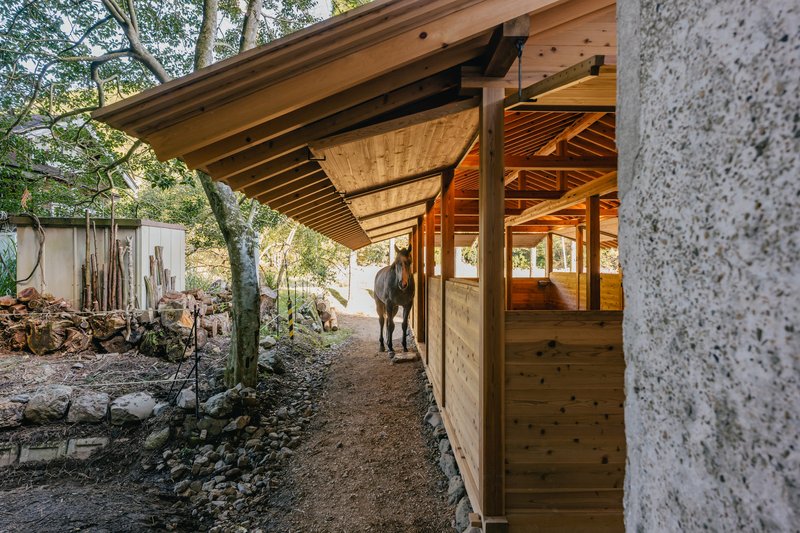
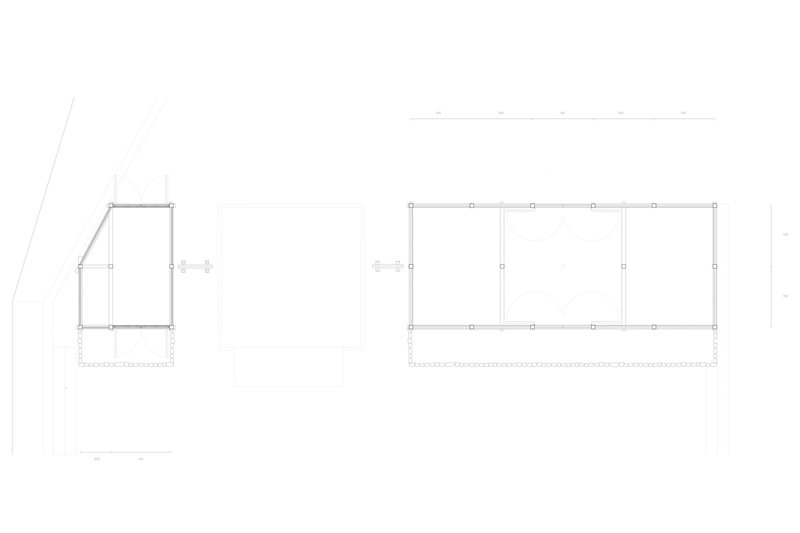
The stable's integration into its natural surroundings is deliberate, reflecting the Japanese architectural principle of blending the built environment with the natural landscape. The site, located in Keihoku, north of Kyoto, is surrounded by a lush forest, garden, and soil walls, creating a serene backdrop that complements the traditional aesthetic of the stable. The design cleverly situates the stable alongside a "KURA," a traditional storage space, thus maintaining a visual and functional connection to the historical context of the site.
Innovations in Design and Sustainability
Sustainable Materials and Techniques
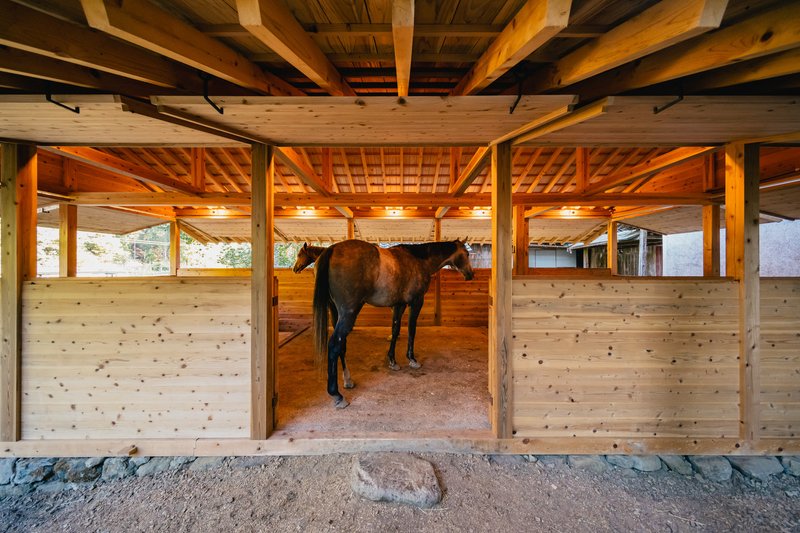
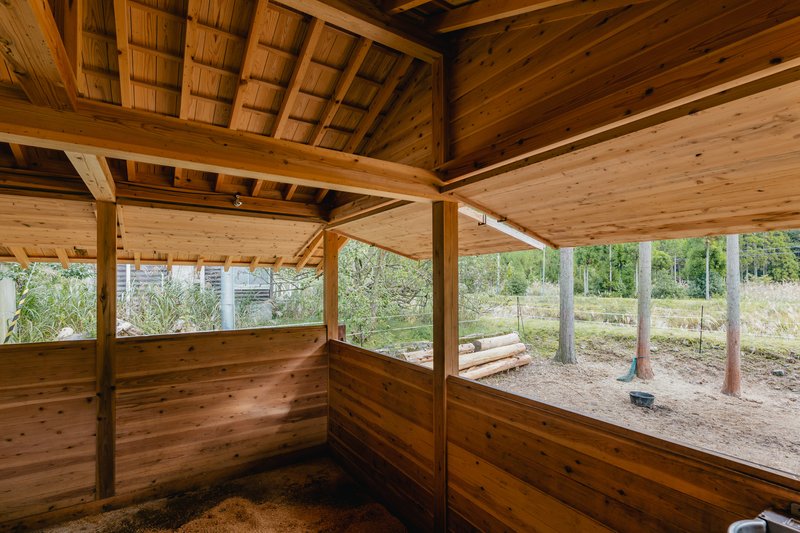
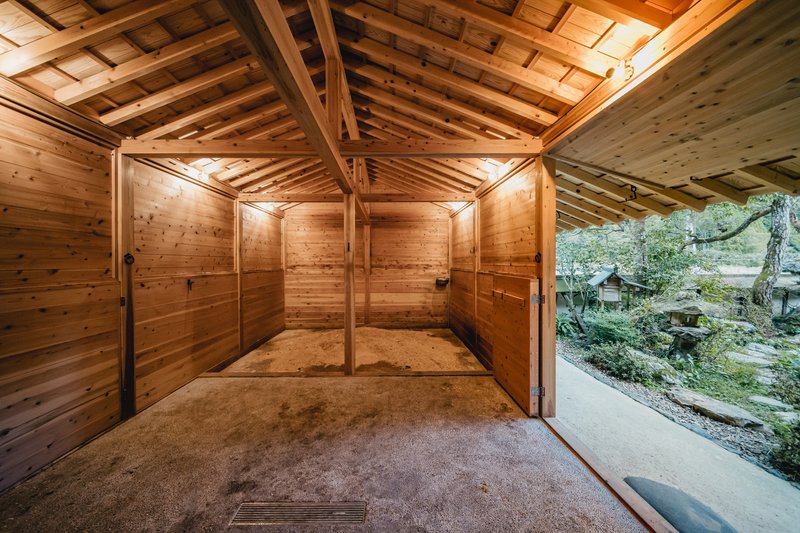
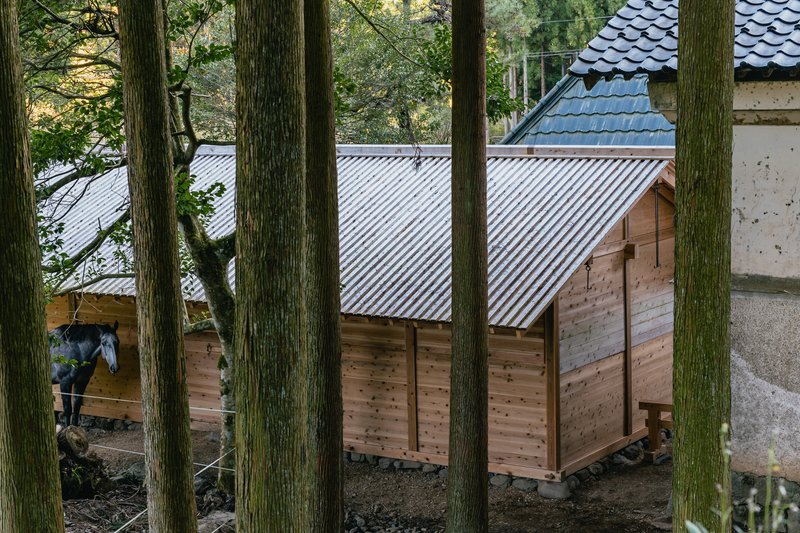
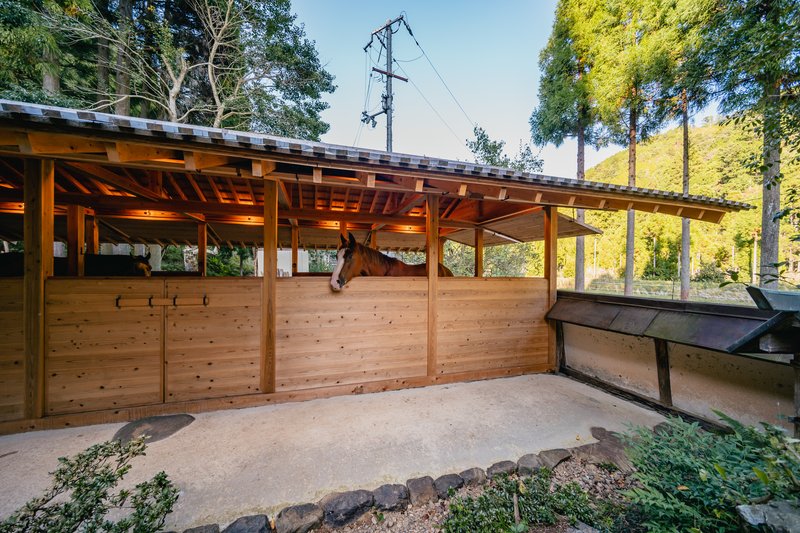
In keeping with the theme of sustainability, the entire structure and roofing are made from locally sourced timber, assembled using techniques that minimize waste and maximize longevity. The foundation rests on stone basements, while the floors are crafted from a mixture of compressed soil and lime, allowing the ground to breathe and providing a durable surface for the horses.
Adaptive Features for Climate Resilience
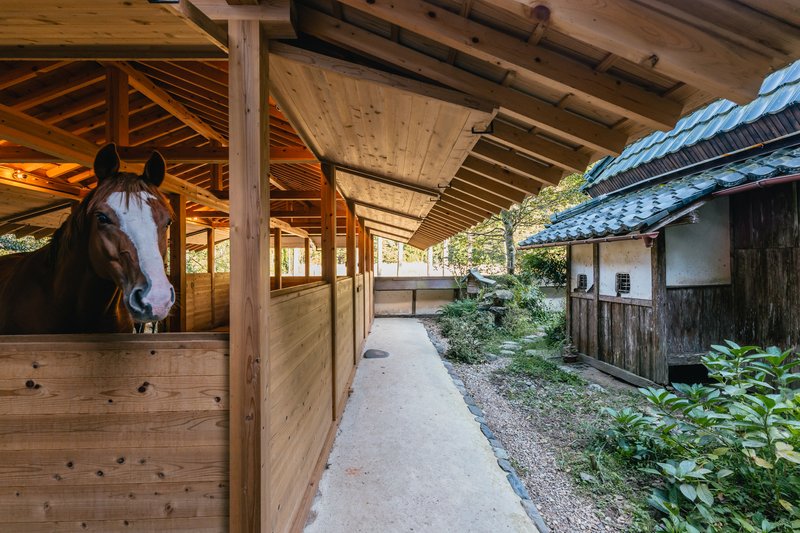
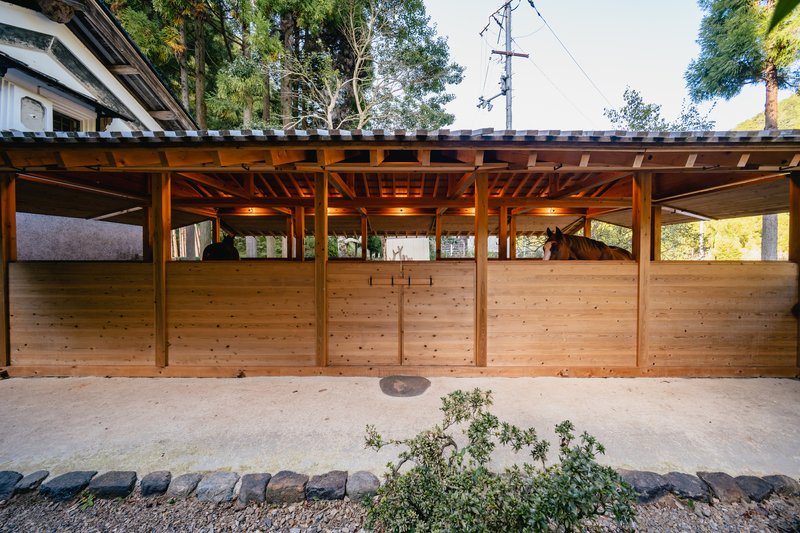
The stable incorporates innovative design features to ensure resilience against the harsh climatic conditions of the region. Horizontal wooden shutters, inspired by temple architecture, can be adjusted to protect against typhoons and heavy snowfall. These shutters, along with custom ironwork crafted by Japanese blacksmiths, highlight the fusion of traditional aesthetics with modern functionality.
A Living Space for Humans, Horses, and Nature
The Umagoya Stable is more than just a shelter for horses; it is a space where humans, animals, and nature coexist in harmony. The open design allows for ample natural light and air circulation, creating a healthy environment for the horses and a serene retreat for their caretakers. This project exemplifies how modern architecture can draw from traditional principles to create spaces that are both functional and spiritually fulfilling.
In conclusion, the Umagoya Stable by 2M26 is a poignant reminder of the relevance of Japanese traditional architecture in contemporary design. It stands as a bridge between the past and the present, showcasing how the principles of harmony, respect for materials, and integration with nature can inform modern architectural practices. This project not only enriches our understanding of architectural history but also points the way toward sustainable and thoughtful design in the future.
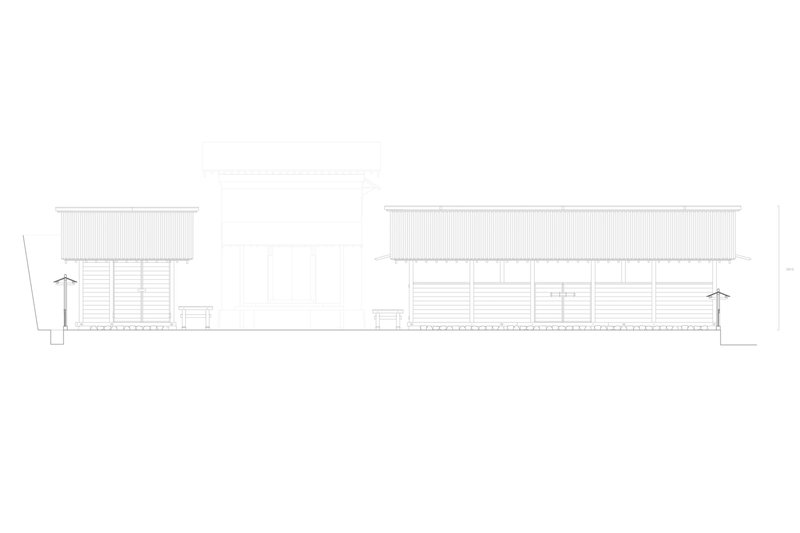
All photographs are work of Yuki Okada




Popular Articles
Popular articles from the community

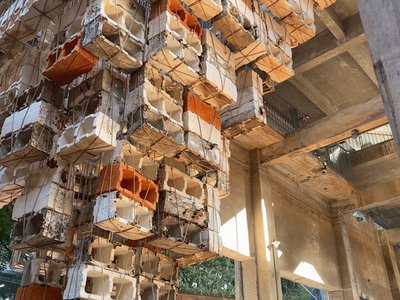
Inverted Architecture Installation by Studio Link-Arc: Exploring the Intersection of Architecture and Living Organisms
Inverted Architecture Installation by Studio Link-Arc blends mycelium, sustainability, inverted design, ecological cycles, and urban adaptive architecture in Shenzhen.


The Ken Roberts Memorial Delineation Competition (Krob)
As the most senior architectural drawing competition currently in operation anywhere in the world, it draws hundreds of entries each year, awarding the very best submissions in a series of medium-based categories.
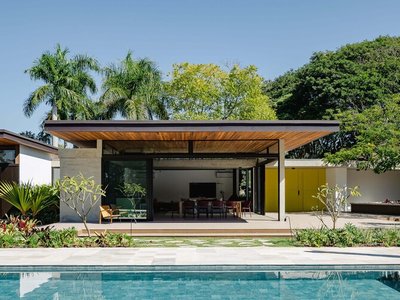
Flamboyant House by Juliana Camargo + Prumo Projetos
Modern Brazilian house integrating existing tree, pool, and volumes with glass, wood, and transitional spaces blending interior, exterior, and landscape seamlessly.
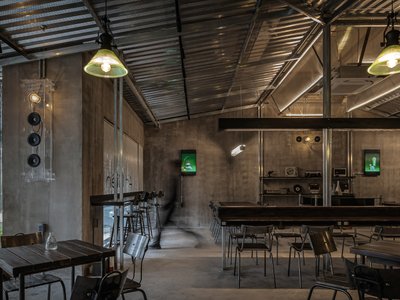
An Miên Lumière Cafe by xưởng xép, Ho Chi Minh City, Vietnam
An industrial-inspired café where layered steel and warm light create a dynamic, immersive environment shaped by reflection, depth, and perception.

Similar Reads
You might also enjoy these articles

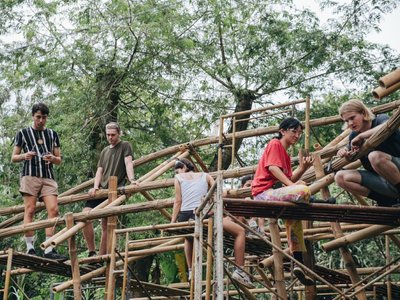
Bamboo Housing Challenge 2026: Design Affordable, Sustainable Homes Using Bamboo
An international design competition by Bamboo U and IBUKU inviting architects and designers to reimagine affordable housing using bamboo — with the winning design built full-scale in Bali.

Computational Design & Education: Beegraphy Design Awards Introduces 7th Category (Featuring Jiyun's Innovative Approach)
Dive into Beegraphy’s 7th Design Awards category, where computational design meets education to create immersive, interactive learning tools, inspired by Jiyun’s work.

From Parametric Lighting to Urban Furniture: Join the 2nd Workshop in Beegraphy’s Computational Design Series
Dive into Cutting-Edge Design Techniques and Practical Applications with Industry Experts

Introducing Sphere by UNI: Pioneering a New Era in AEC Industry
Unlocking Global Potential with BIM and Agile Management


Explore Architecture Competitions
Discover active competitions in this discipline




The International Standard for Design Portfolios


The Global Benchmark for Architecture Dissertation Awards


The Global Benchmark for Graduation Excellence


Challenge to reimagine the Iron Throne
Comments (0)
Please login or sign up to add comments
No comments yet. Be the first to comment!