

The Wind H Art Center by Jin Qiuye Studio: Rethinking Courtyard Architecture in Contemporary Art Spaces
An adaptive courtyard-centered expansion of a Beijing art center, merging architecture, landscape, and culture by Jin Qiuye Studio.


Reinventing the Urban Courtyard in Beijing
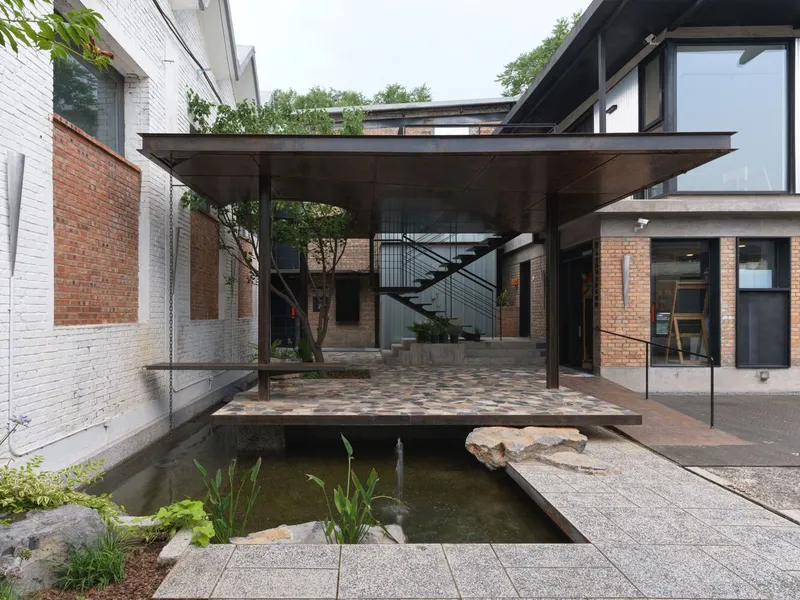
Located in the cultural fabric of Beijing, the Wind H Art Center (Phase II & III) by Jin Qiuye Studio is a refined example of courtyard architecture in contemporary art spaces. This 739-square-meter expansion brings new life to the existing center by transforming a tight site into a layered spatial experience. At the core of this project lies the “Stone Screen Courtyard,” a multifunctional landscape that connects architectural volumes through intentional materiality, spatial flow, and sensory design.

Stone Screen Courtyard: A Spatial and Cultural Core
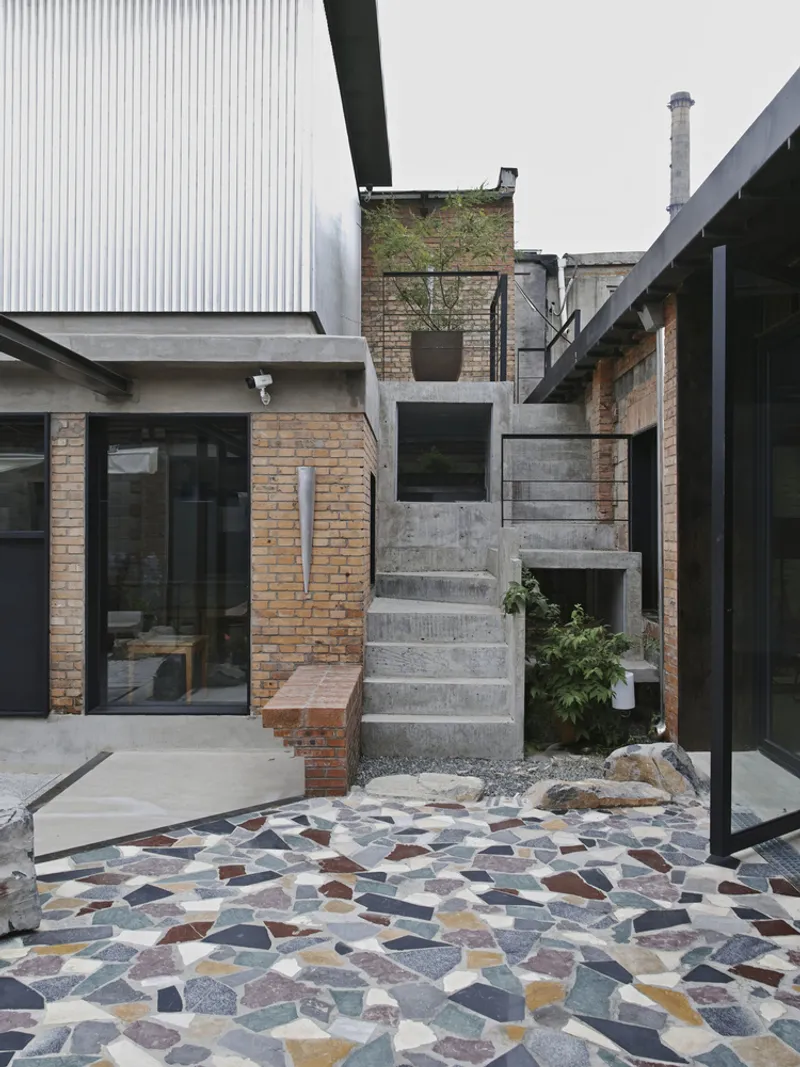
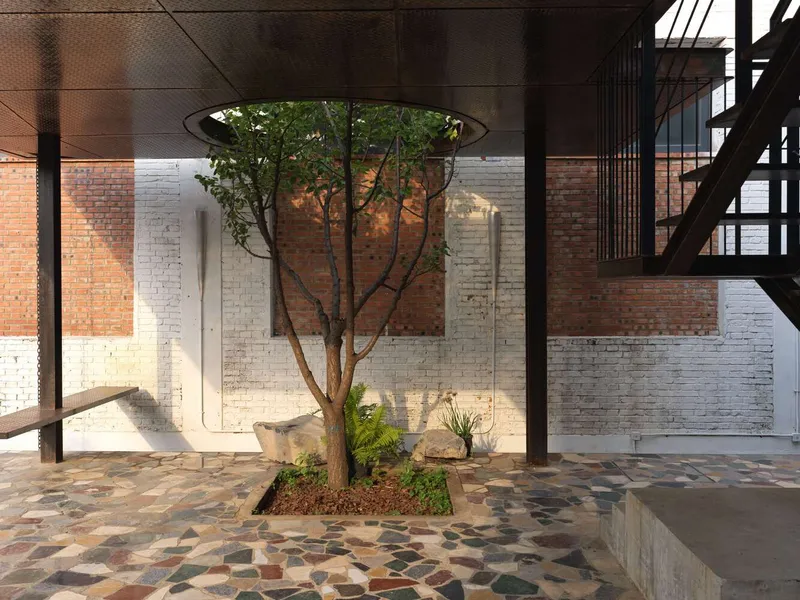
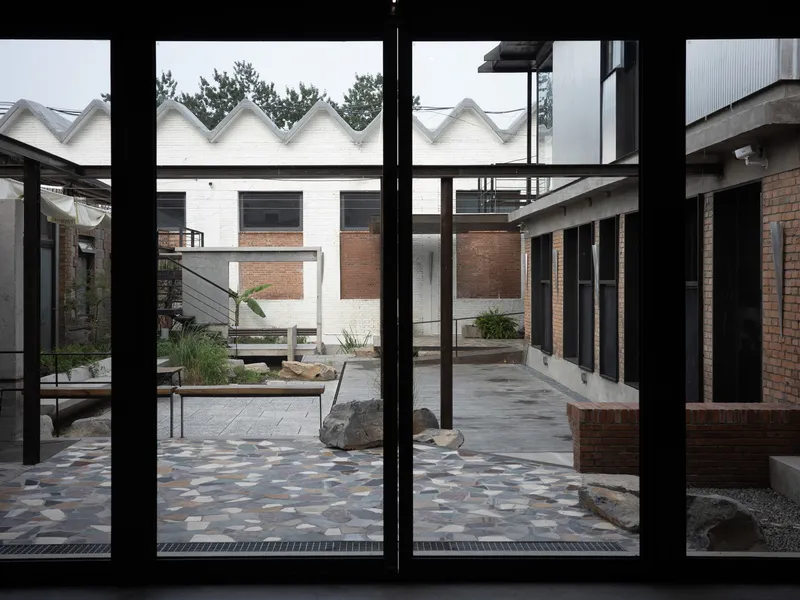
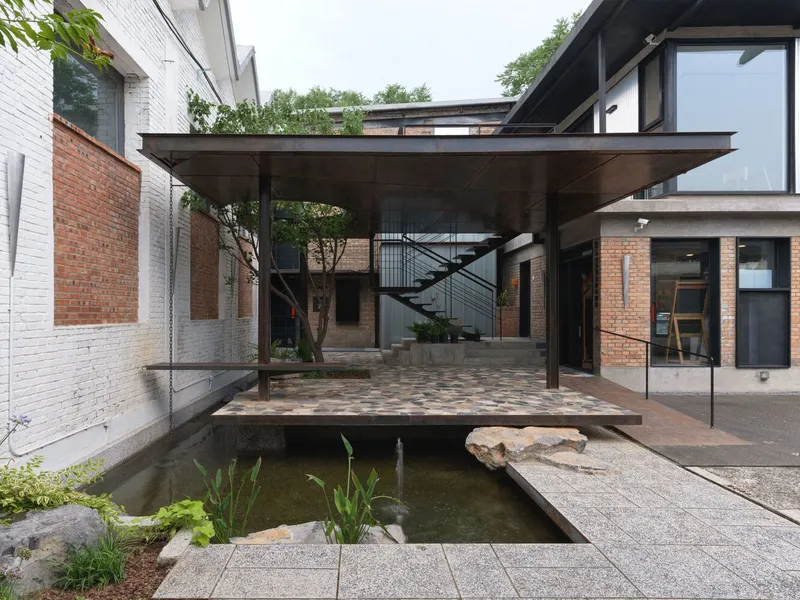
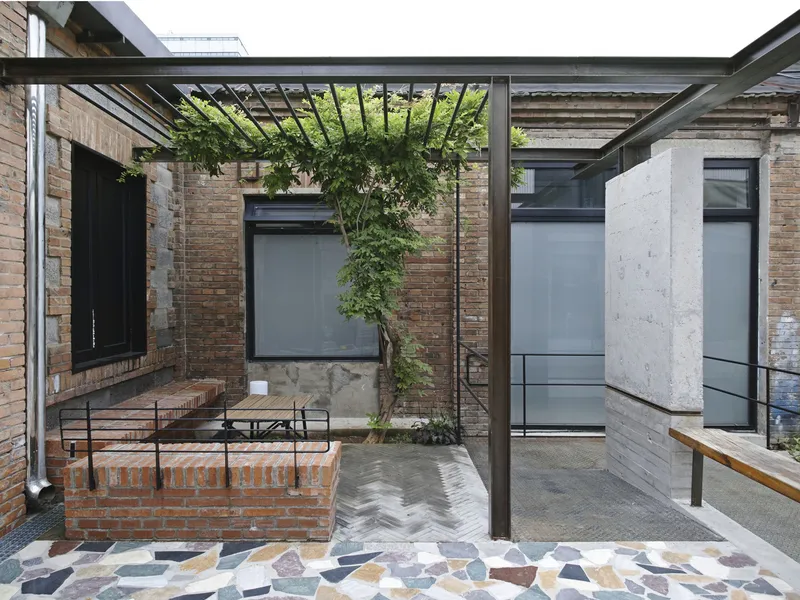
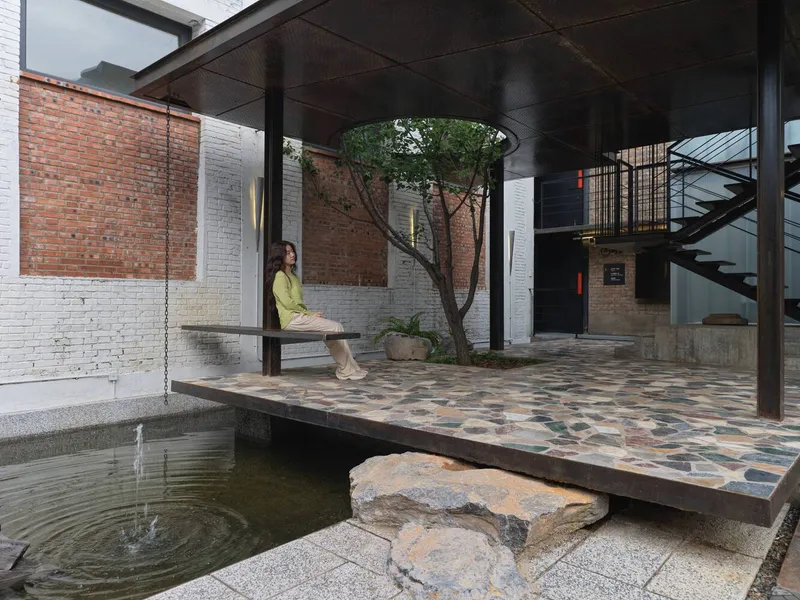
Rather than a passive in-between zone, the courtyard becomes the cultural nucleus of the Wind H Art Center. With just 235 square meters, this outdoor space is densely packed with meaning and use. Framed by a café and a music gallery on one side and flanked by an art lab and offices on the other, the courtyard hosts exhibitions, performances, public gatherings, and community activities. It serves not only as a circulation node but also as a living canvas for interaction, learning, and artistic expression.


Material Strategy and Environmental Response
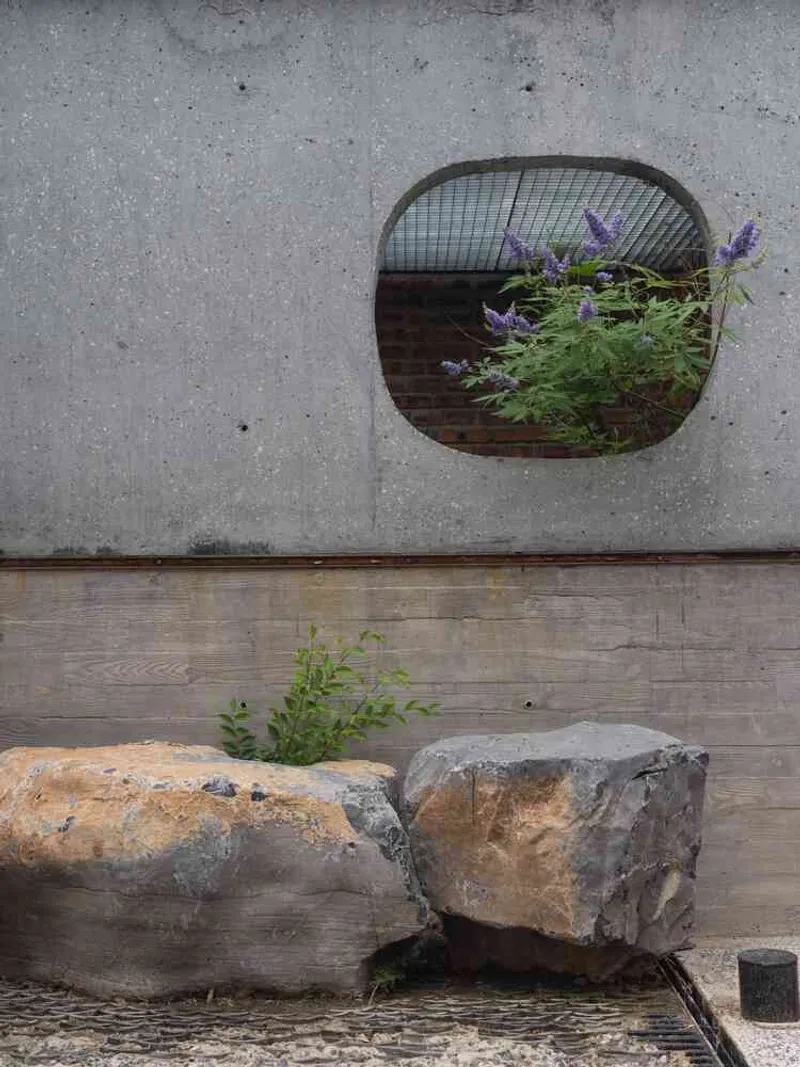
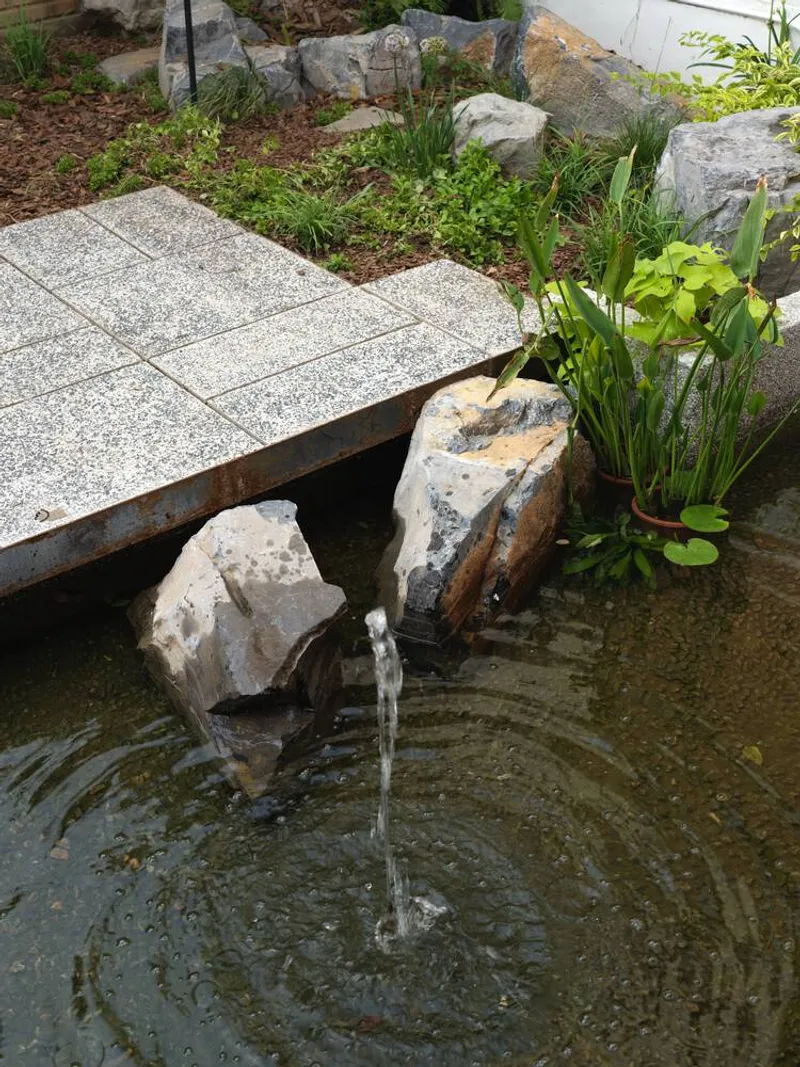
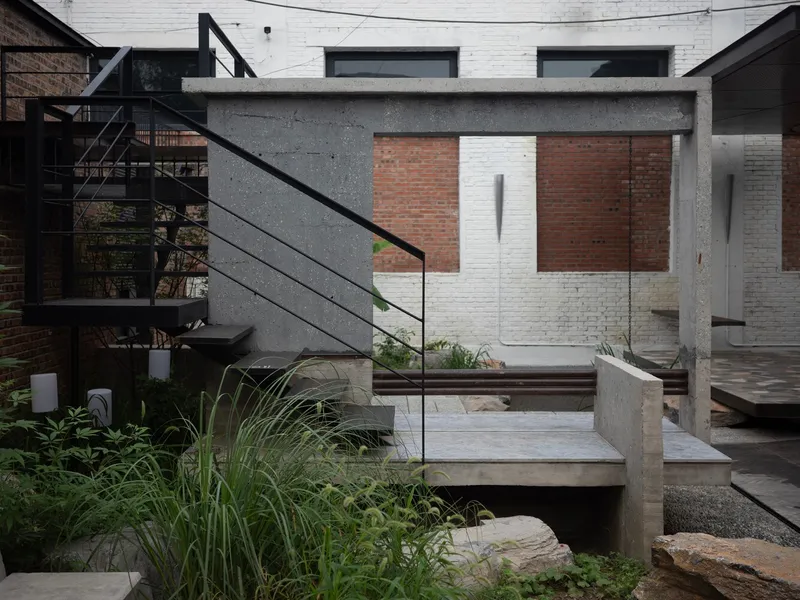
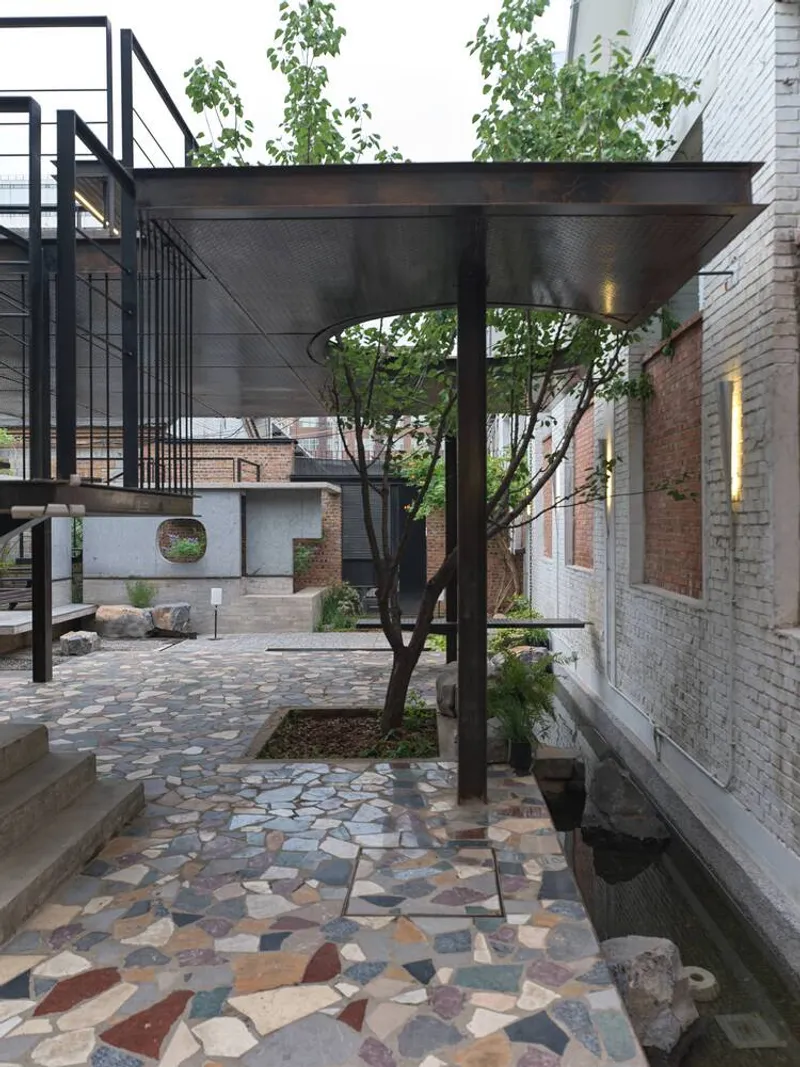
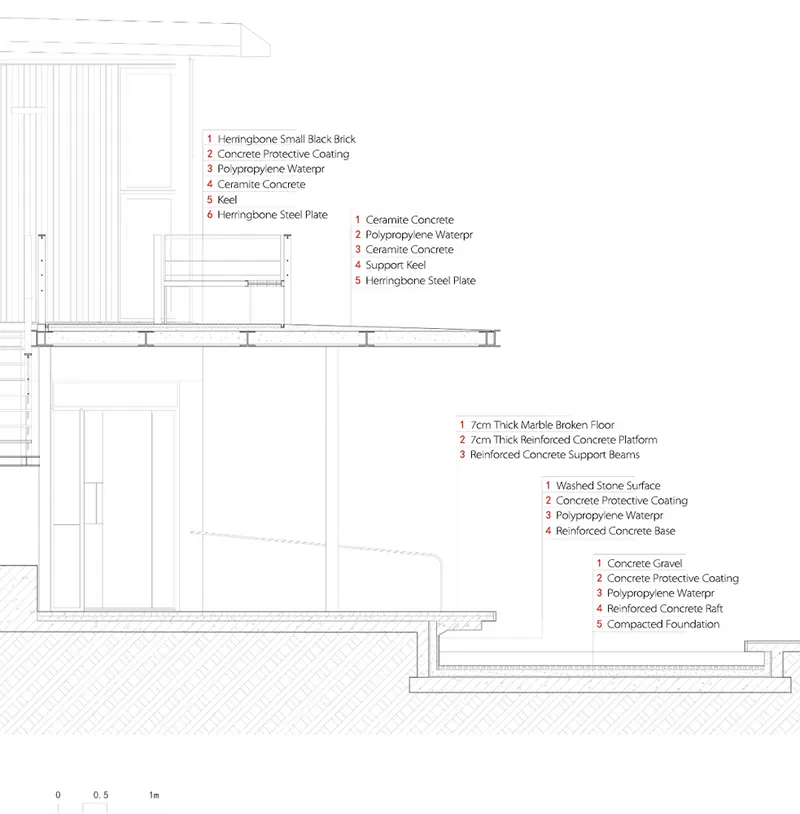
Jin Qiuye Studio’s design is deeply rooted in material honesty and environmental sensitivity. The "Stone Screen" — an L-shaped concrete wall — becomes both the visual anchor and a spatial divider. Its tactile, raw surface offers a deliberate contrast to the lush landscape elements. A restrained material palette of cast concrete, exposed steel, and brick, combined with crushed gravel and native plants, fosters a sensorial environment grounded in natural textures. Water features introduce auditory richness, amplifying the spatial ambiance with subtle sounds of flowing movement.


Architecture as Connective Tissue
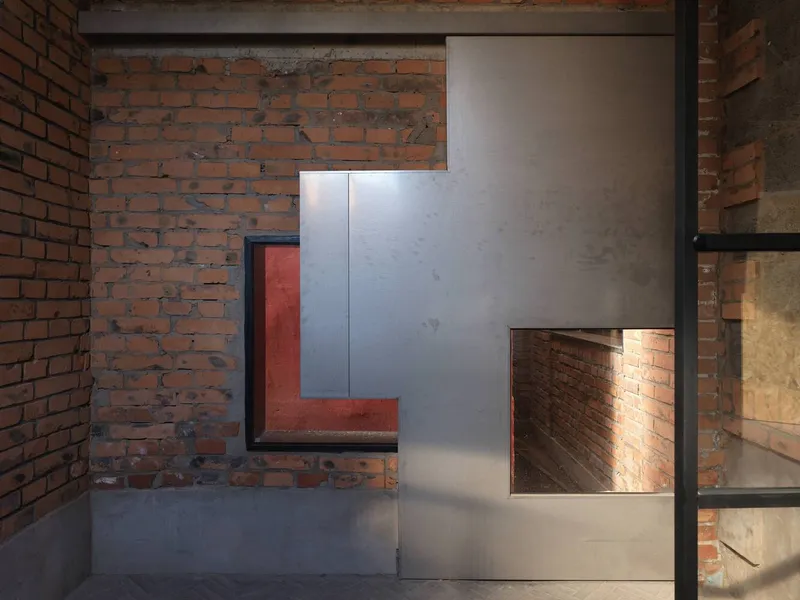
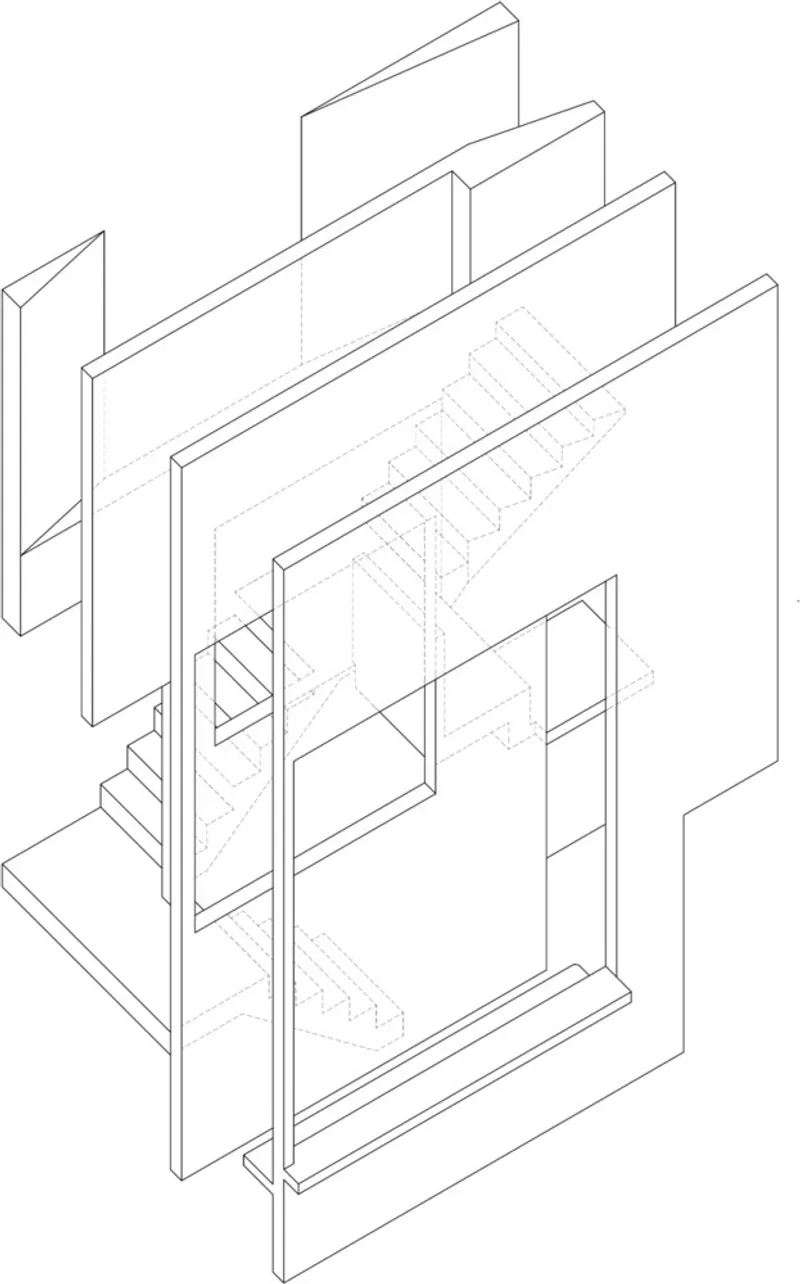
Navigating the limitations of the site, the studio strategically integrates built interventions to connect disparate elements of the center. A blackened steel pavilion at the southeast corner seamlessly links the gallery, café, and courtyard, housing functional components like vertical circulation and restrooms. Semi-circular aluminum façades and lightweight architectural insertions blur the lines between interior and exterior, redefining thresholds with softness rather than rigidity. The double-layered aluminum walkway elegantly transitions between phases, offering users a rhythmic sequence of spatial experiences.

Merging Past and Present through Adaptive Design
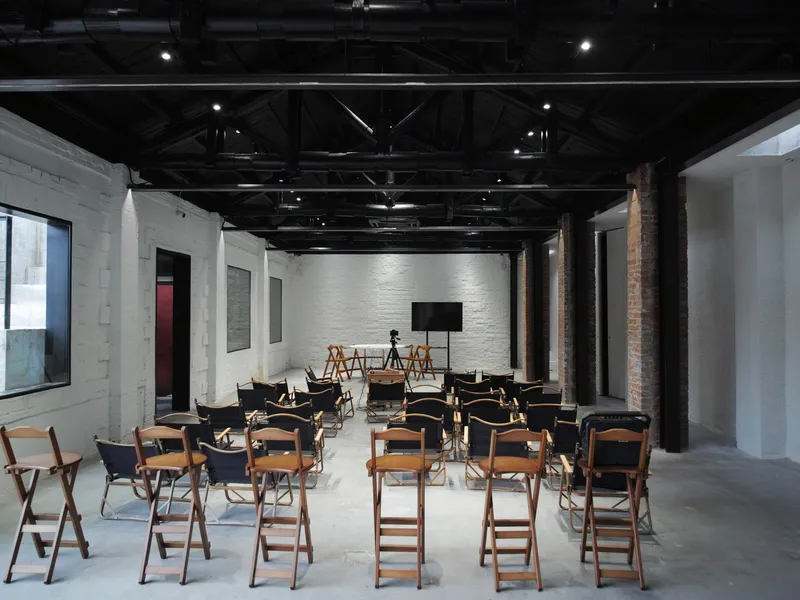
In embracing the inherited urban and architectural character of the site, Jin Qiuye Studio chooses not to overwrite but to reframe. Raw, unpolished materials preserve a sense of industrial history, while the pavilion’s matte surfaces reflect light in unpredictable ways, crafting a dialogue between permanence and ephemerality. The design does not idealize symmetry or formality—instead, it prioritizes openness, movement, and adaptability. The spatial edge of the paving is left zigzagged and undefined, allowing for organic overgrowth and informal use.

From Fragmentation to Integration: An Urban Design Statement
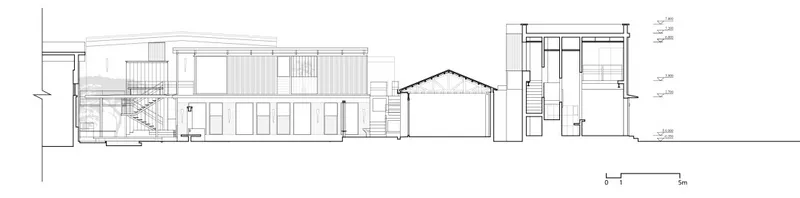
The Wind H Art Center addresses the complexities of Beijing’s dense urban context not by simplifying them but by harnessing their energy. Through layered spatial strategies, transitional zones, and porous boundaries, the project creates an ecosystem of art, life, and landscape. The courtyard becomes a transformative void — a vessel for memory, gathering, and continuous reinterpretation. This is not just a renovation but an architectural strategy that asserts the power of courtyard architecture in shaping contemporary art spaces.



A Model for Future Cultural Architecture
Through an interplay of material authenticity, programmatic diversity, and sensitive integration, the Wind H Art Center exemplifies how architectural design can elevate underutilized urban gaps into centers of cultural intensity. Jin Qiuye Studio redefines the courtyard not merely as a design feature but as a vital mechanism for community, creativity, and urban regeneration.
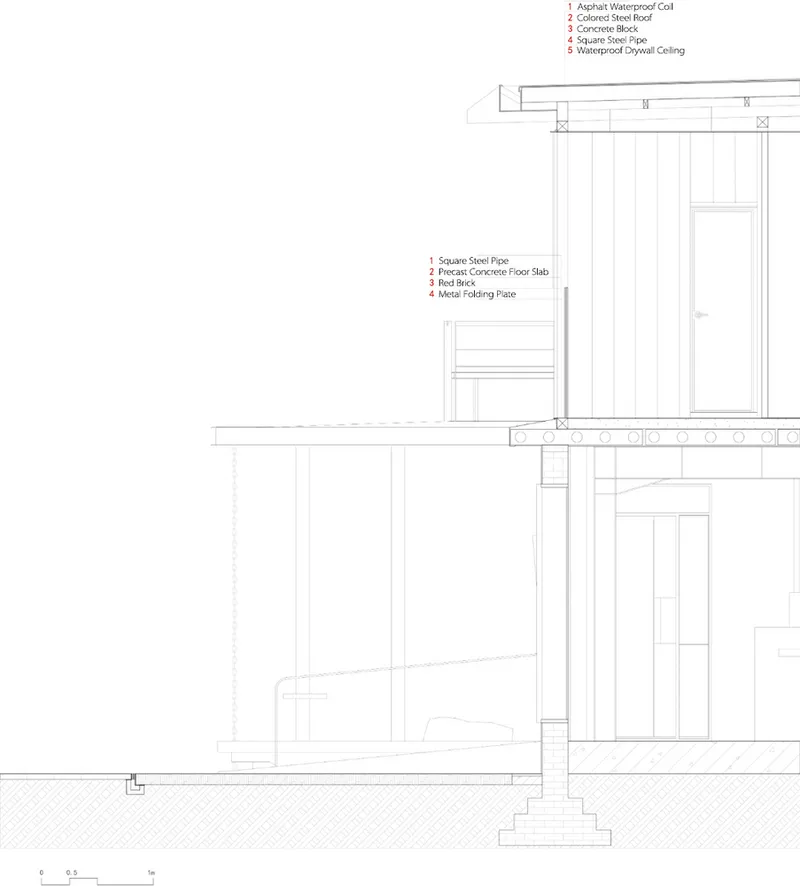
All Photographs are works of Qiuye Jin


Popular Articles
Popular articles from the community


Cloaked Colonization: A Mobile Underwater Habitat That Moves Like a Fish
Micah Abaya's shortlisted EHC Pacific entry reimagines ocean settlement as a dispersed network of self-sustaining architectural organisms.

Opera by the Sea Estonia: Three Shells Dissolving Architecture into Tallinn's Coastline
A winning opera house proposal replaces monumental form with interconnected shells that blur the boundary between building, park and Baltic Sea.

Opera on the Sea: Driftwood Logic Shapes a Timber Opera House on Estonia's Coast
Trevor Orgill's opera house translates the entangled drift of floating timber into a civic building where wood, water, and music converge.
Faces of the Soviet Avant-Garde: Turning Moscow's Street Names into an Open-Air Museum
A network of sculptural installations across a Moscow residential district transforms forgotten architect names into spatial encounters with cultural memor

Similar Reads
You might also enjoy these articles

Bamboo Housing Challenge 2026: Design Affordable, Sustainable Homes Using Bamboo
An international design competition by Bamboo U and IBUKU inviting architects and designers to reimagine affordable housing using bamboo — with the winning design built full-scale in Bali.

Computational Design & Education: Beegraphy Design Awards Introduces 7th Category (Featuring Jiyun's Innovative Approach)
Dive into Beegraphy’s 7th Design Awards category, where computational design meets education to create immersive, interactive learning tools, inspired by Jiyun’s work.

From Parametric Lighting to Urban Furniture: Join the 2nd Workshop in Beegraphy’s Computational Design Series
Dive into Cutting-Edge Design Techniques and Practical Applications with Industry Experts

Last Call: Unleash Your Architectural Genius in SHAK's Kindergarten Design Competition
Urgent call for architects to join SHAK's kindergarten design competition before the looming deadline

Explore Courtyard Competitions
Discover active competitions in this discipline

Challenge to reimagine the Iron Throne

Photograph architecture without architects

Illustrate the lost glory of Angkor Wat - Render Challenge

Design challenge to reuse E-waste
Comments (0)
Please login or sign up to add comments
No comments yet. Be the first to comment!