
The Wind H Art Center (Phase I) by Jin Qiuye Studio – Adaptive Reuse in Beijing’s 751 District
The Wind H Art Center transforms a 1980s factory into a contemporary art space, blending concrete, light, nature, and adaptive reuse.

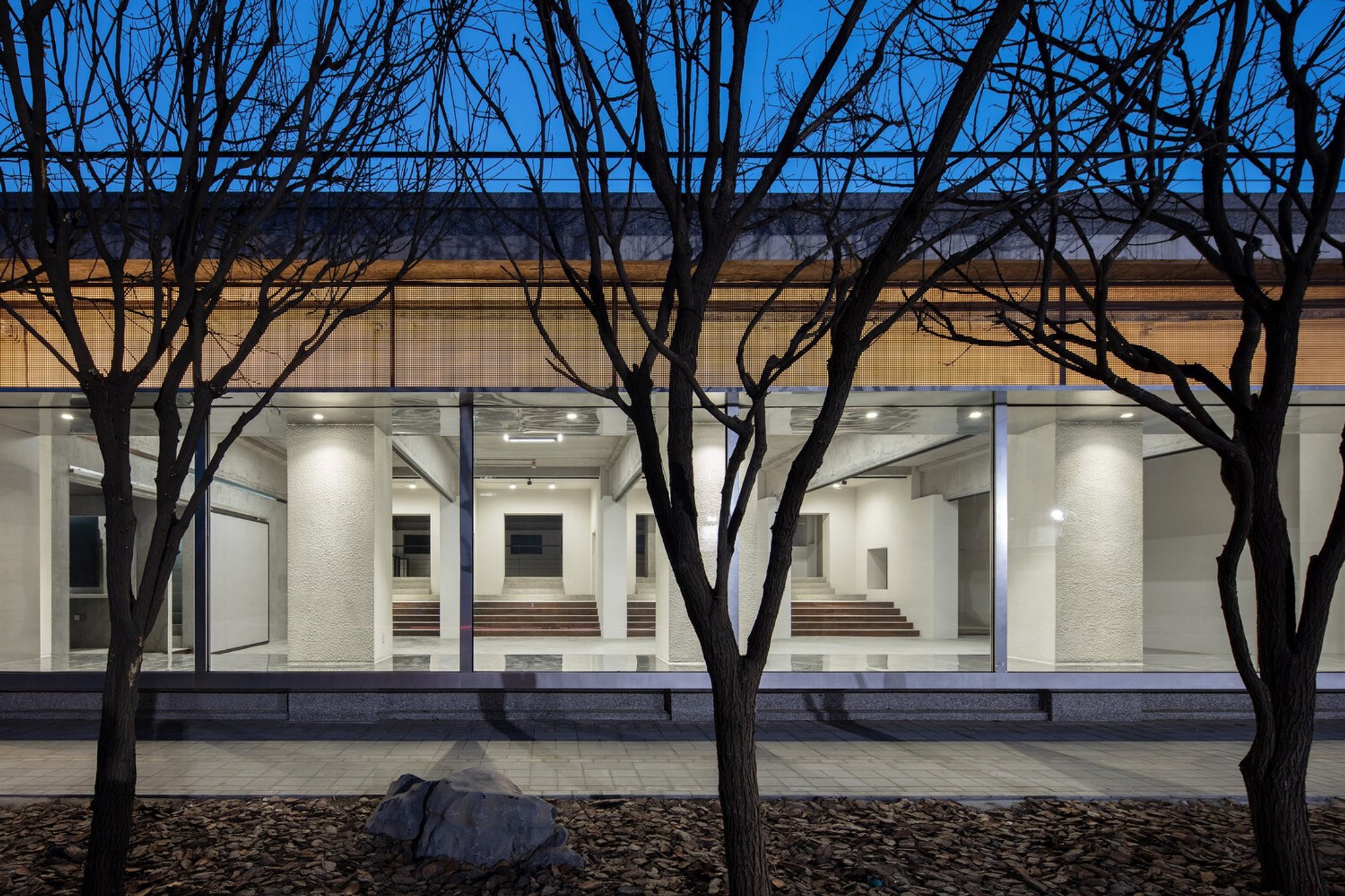
The Wind H Art Center (Phase I), located in Beijing’s vibrant 751 Art District, represents a masterful transformation of a former industrial factory and its office extension into a contemporary art hub. Undertaken by Jin Qiuye Studio, this renovation project redefines adaptive reuse, marrying industrial authenticity with contemporary gallery design. The project unfolds in three phases, with Phase I establishing the main exhibition hall and art shop.
The Wind H Art Center (Phase I), located in Beijing’s iconic 751 District, represents a masterful example of adaptive reuse architecture, transforming a former 1980s industrial factory and 1990s office extension into a contemporary art center. Developed in three renovation phases, Phase I focuses on the main exhibition hall and an art shop, creating a unique cultural hub that merges history, modern design, and functional flexibility.
Preserving Industrial Authenticity
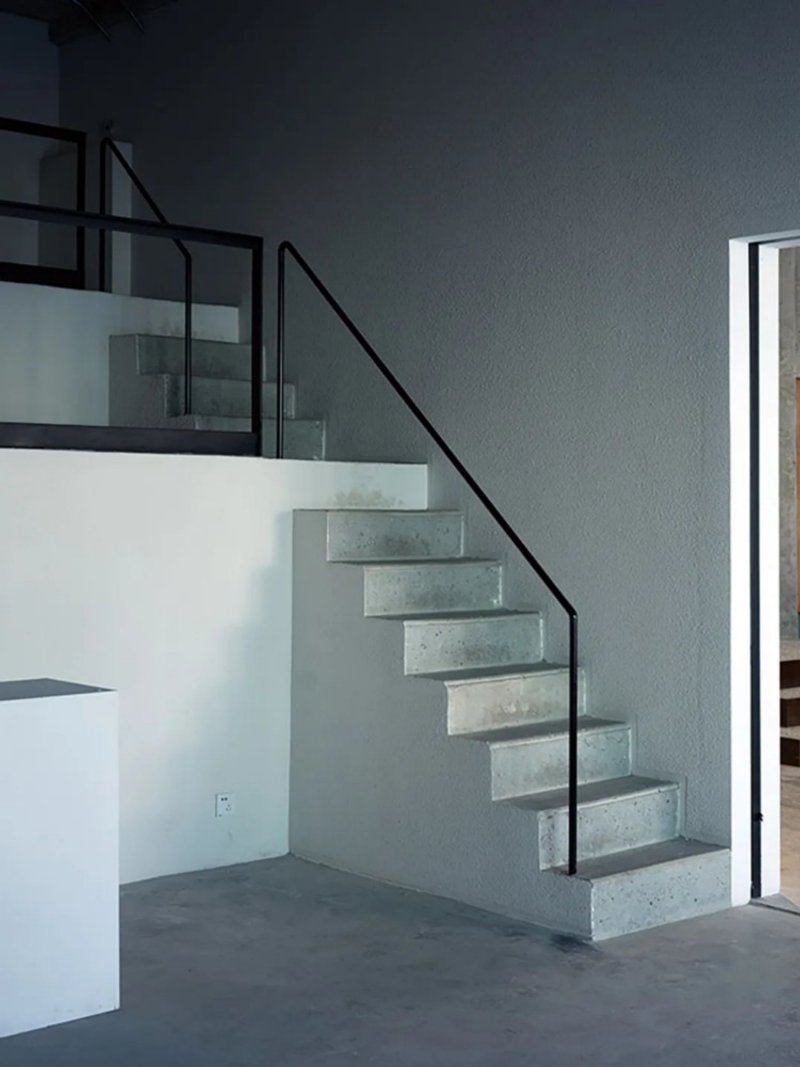
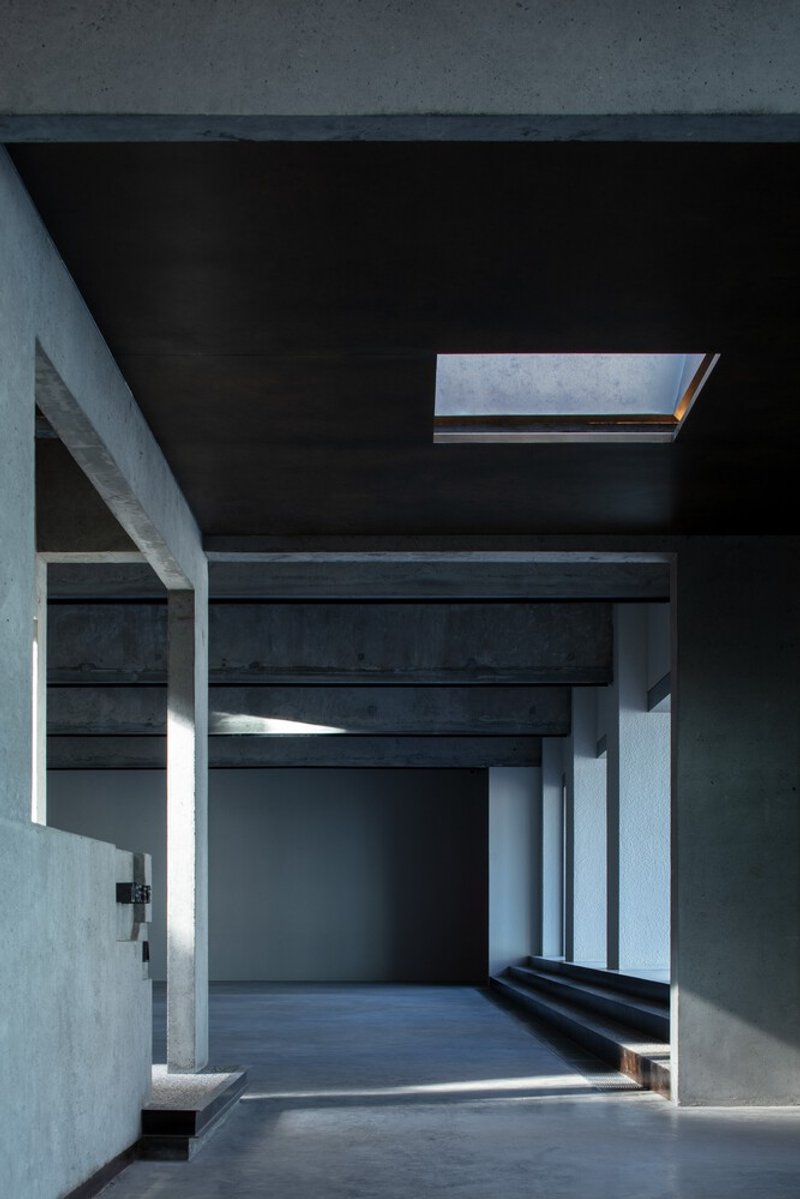
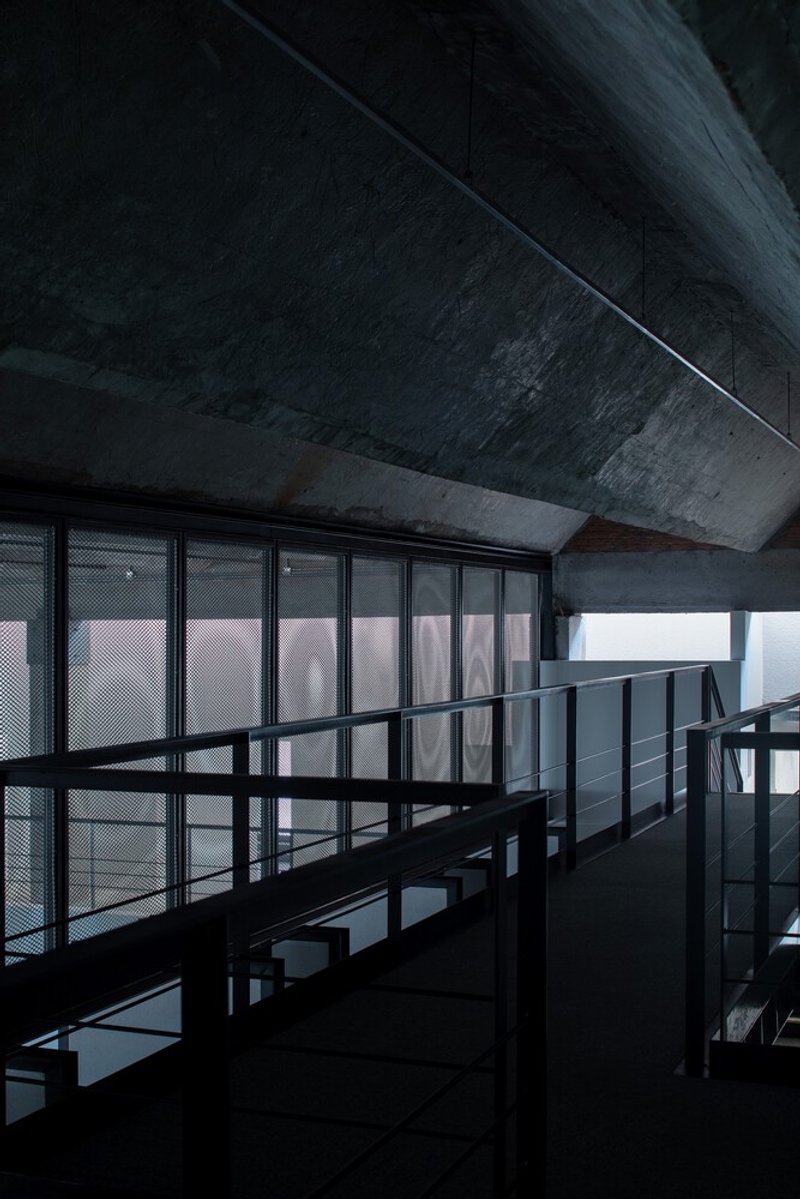
The original structure featured concrete columns on the east and west, supporting a folded concrete roof that allowed a column-free interior space. Before renovation, the building combined a mezzanine on the southern side with open-plan office areas. Jin Qiuye Studio approached the renovation with the philosophy of “Neither New nor Old,” preserving authentic surfaces where possible while enhancing the building’s spatial and material beauty. Different treatment methods were applied to each section, allowing materials to age naturally and harmoniously.
Innovative Spatial Design
A key highlight of Phase I is the introduction of a central concrete “Giant Stone” installation, which serves as both a functional and sculptural element. Hollow and porous, the structure guides circulation, creates ascending pathways, and incorporates subtle architectural gestures—like steeper stairs, narrow openings, and a higher countertop—that emphasize its fractured, tactile nature. Two openings puncture the load-bearing walls, allowing natural and artificial light to filter through, complemented by the permanent light fixture called the “Pouch.”
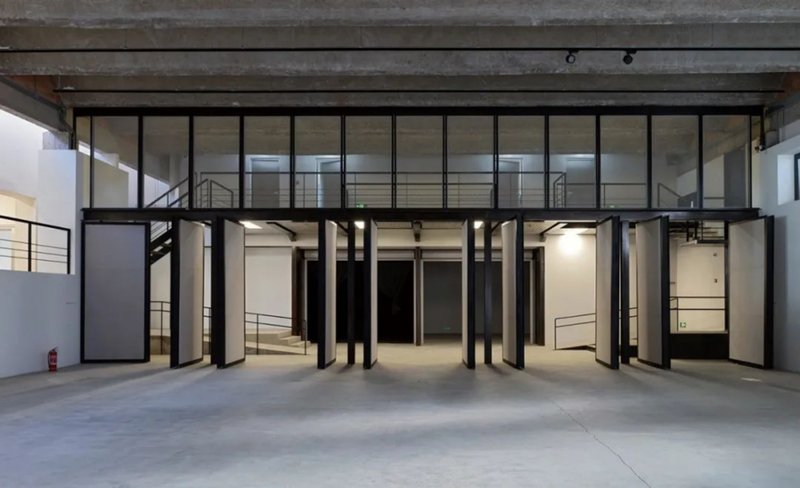
The project also features:
- Corridor Gallery: Formed between parallel load-bearing walls for intimate exhibition spaces.
- Crevice Gallery: Created by enlarging windows into doorways and puncturing larger openings for visual depth.
- Gallery Corridor: Accessible through the Giant Stone, with steel railings replacing conventional exhibition walls.
The architect’s personal residence is strategically located in the southeast corner, connected to the mezzanine via a steel staircase that integrates seamlessly into the gallery flow.
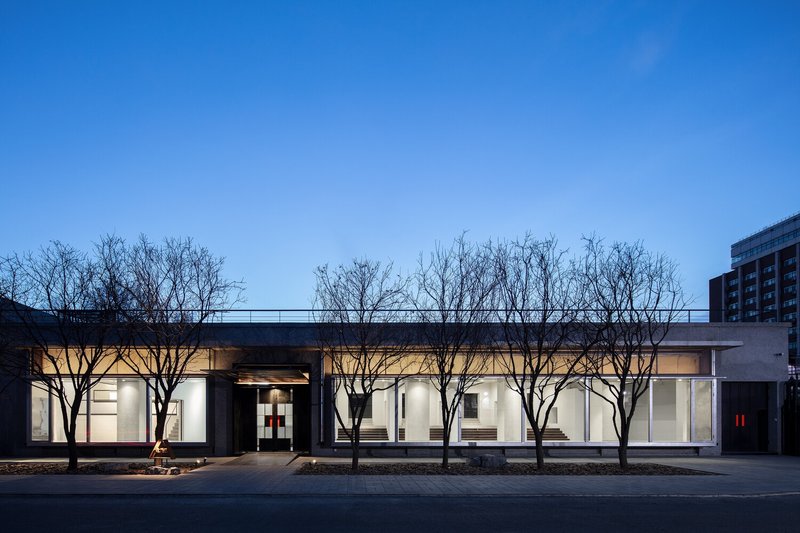
Material Strategy & Sustainable Detailing
The renovation emphasizes material authenticity and sustainable reuse. Steel beams and columns from the original structure were retained, circular ceiling panel openings were added for natural light, and leftover materials were collected for future use. A small staircase enclosure utilizes a framework of H-beams, square steel, and polycarbonate panels, exemplifying the project’s attention to detail and resource efficiency.
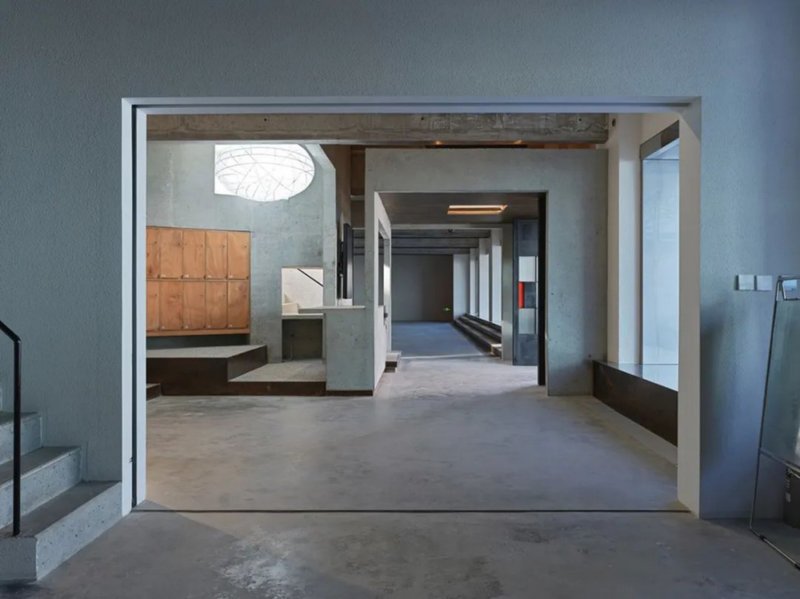
Landscape Integration
The center’s entrance features a Chinese pistache tree, creating a visual and sensory dialogue between nature and the warm, industrial interior. The mezzanine steel extension is deliberately detached, preserving the building’s historical logic while enabling functional adaptation.
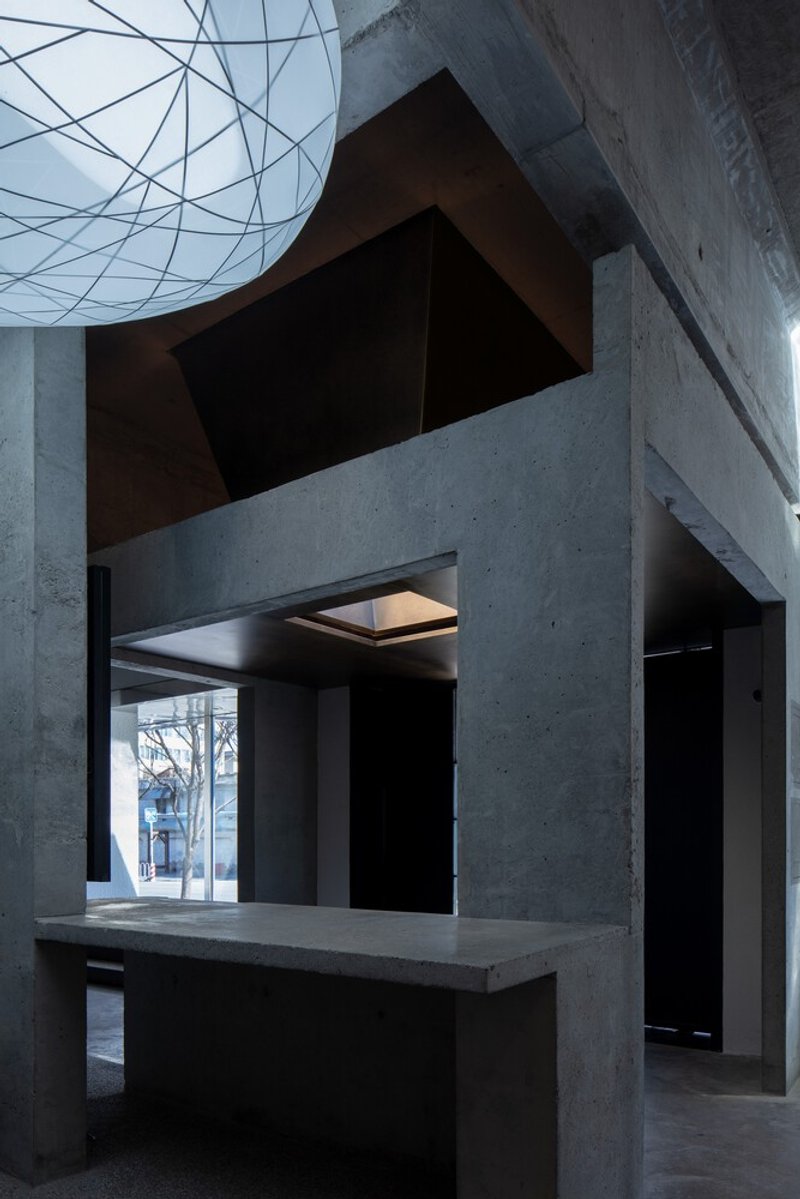
Architectural Vision
The essence of Phase I lies in revitalizing residual spaces and embedding architectural functions within concrete installations to create layered, immersive experiences. The project embodies the idea of “building a garden within a house,” transforming an industrial relic into a vibrant cultural landmark that celebrates both history and contemporary creativity.
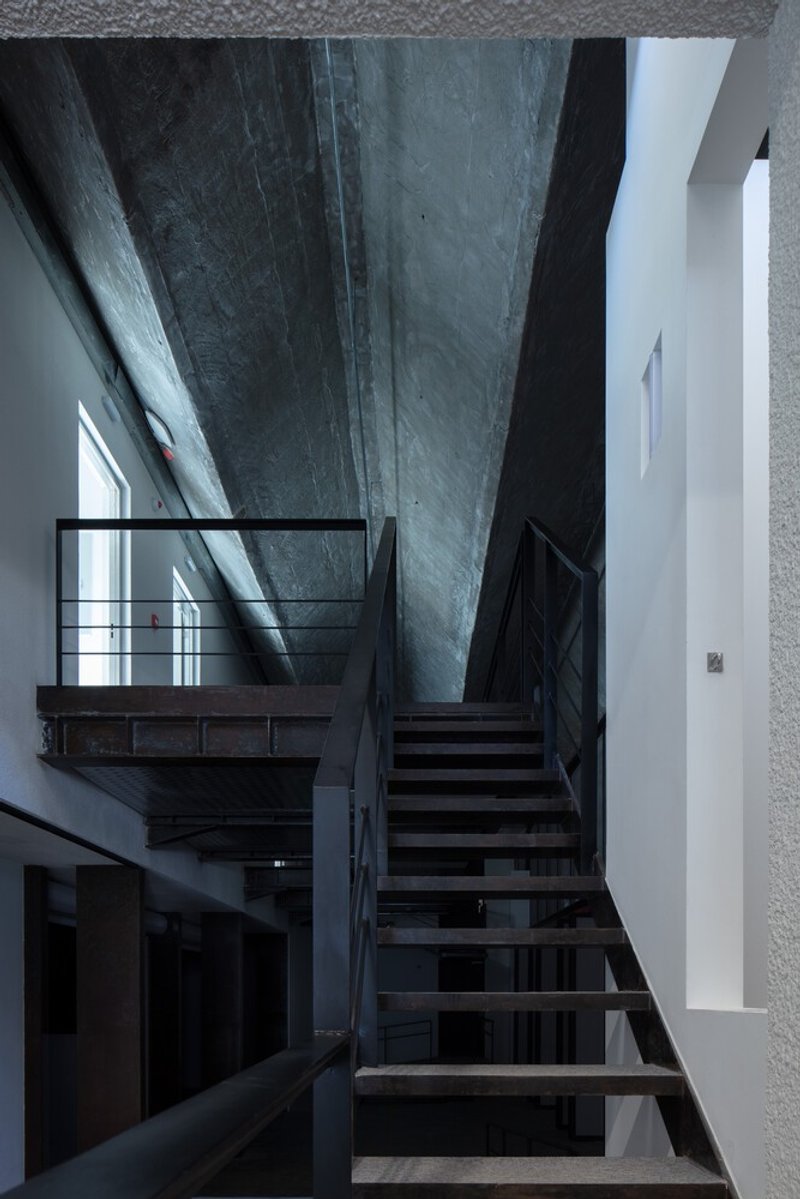
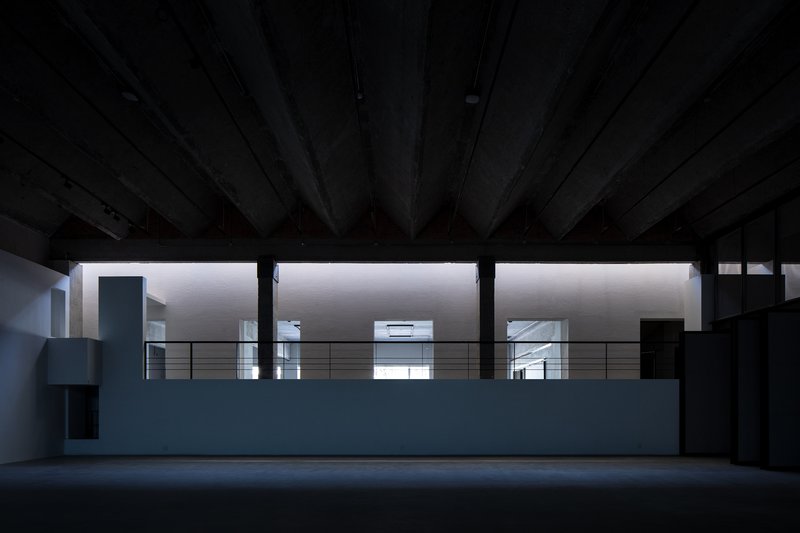
All photographs are works of Qiuye Jin




Popular Articles
Popular articles from the community

Gads Hill Early Learning Center by JGMA: Adaptive Reuse Shaping Community-Focused Educational Architecture
Adaptive reuse transforms fragmented structure into vibrant early learning center with playful façade, natural light, and community-focused sustainable design.
Inverted Architecture Installation by Studio Link-Arc: Exploring the Intersection of Architecture and Living Organisms
Inverted Architecture Installation by Studio Link-Arc blends mycelium, sustainability, inverted design, ecological cycles, and urban adaptive architecture in Shenzhen.
Atelier Macri Concept Store Interior Design by CASE-REAL
Atelier Macri store features a "ko" counter, walnut wood details, cork displays, blending retail, gallery, and seamless customer experiences.
Split House: A Compact Urban Home Blending Privacy, Light, and Flexible Living in Japan
Compact Japanese home featuring DOMA space, flexible café potential, passive lighting, privacy zoning, and sustainable urban living design.


Similar Reads
You might also enjoy these articles


The Ken Roberts Memorial Delineation Competition (Krob)
As the most senior architectural drawing competition currently in operation anywhere in the world, it draws hundreds of entries each year, awarding the very best submissions in a series of medium-based categories.

Waterfront Redevelopment and Urban Revitalization in Mumbai: Forging a New Dawn for Darukhana
A transformative waterfront redevelopment project reimagining Darukhana’s shipbreaking heritage into an inclusive urban future.

OUT-OF-MAP: A Call for Postcards on Feminist Narratives of Public Space
Rhizoma Design and Research Lab invites artists, designers, architects, researchers, and students to reflect on how feminist perspectives can reshape public space. Selected works will be exhibited in Barcelona, October 2026. Submissions open until 15 April 2026.


Documentation Work on Buddhist Wooden Temple
Architectural syncretism and cultural hybridity: A comparative study of the Buddhist temples in Chattogram Hill tracks


Explore Architecture Competitions
Discover active competitions in this discipline




The International Standard for Design Portfolios


The Global Benchmark for Architecture Dissertation Awards


The Global Benchmark for Graduation Excellence


Challenge to reimagine the Iron Throne
Comments (0)
Please login or sign up to add comments
No comments yet. Be the first to comment!