
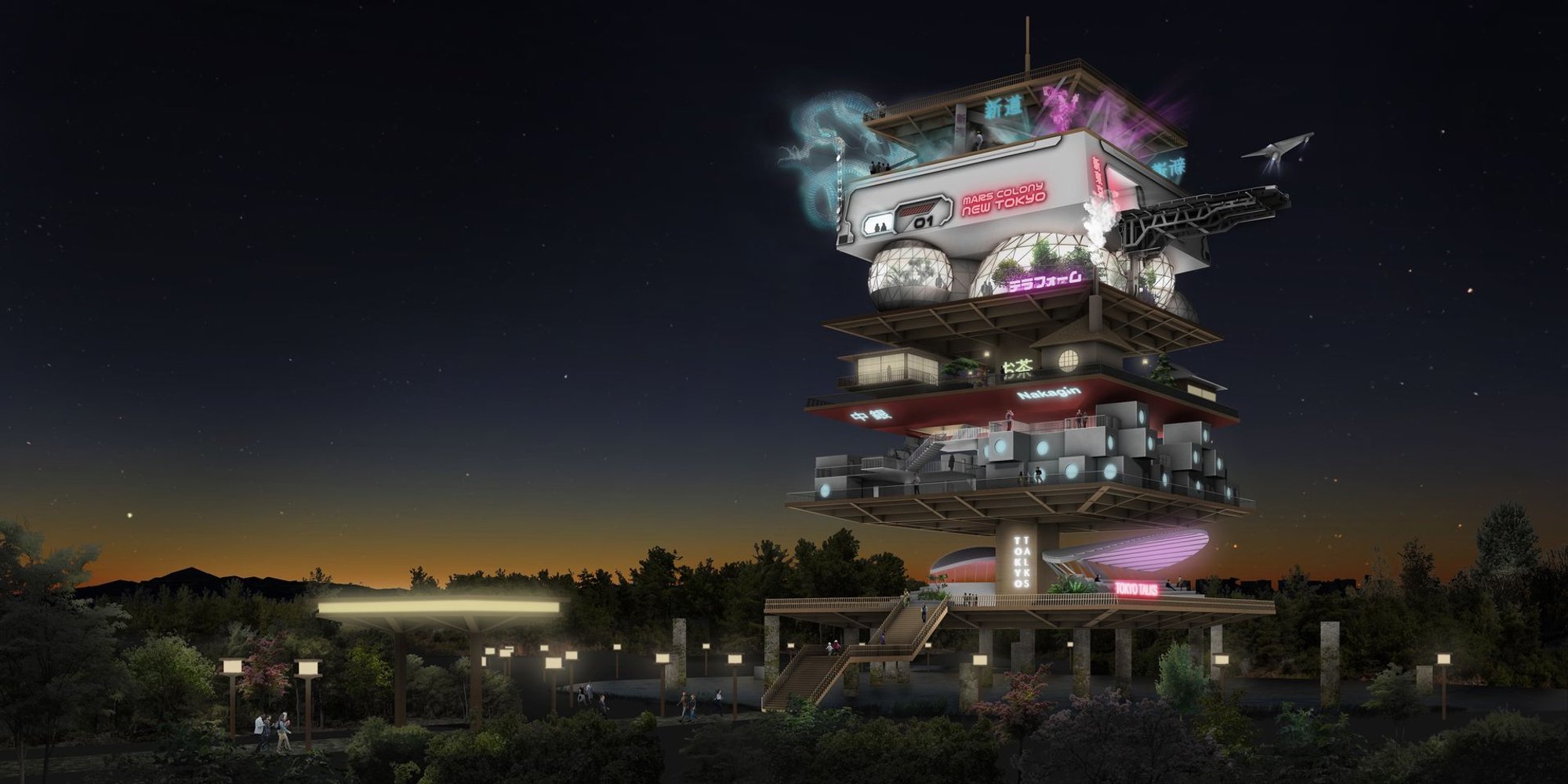
Tokyo Meta Tower: A Vision of Metabolic Architecture
Innovating Sustainable and Adaptive Architecture for a Future-Ready Tokyo.

Hyper-dense, always moving, always changing—it is impossible to grasp Tokyo in its entirety. This project seeks to investigate the very nature of Tokyo, to understand its evolution and untangle its urban fabric. By embracing the principles of sustainable and metabolic architecture, the Tokyo Meta Tower redefines urban living, blending innovation with cultural heritage.

The Future of Sustainable and Metabolic Architecture
Sustainable architecture is revolutionizing the way we design and construct buildings, blending innovation with environmental consciousness. As the world faces pressing climate challenges, architects are embracing eco-friendly materials, energy-efficient designs, and smart technology to create structures that minimize environmental impact. The Tokyo Meta Tower embodies these principles while addressing the city's need for adaptability and continuous transformation.

The Rise of Green Building and Void Metabolism
Green building design has become a cornerstone of modern architecture. Utilizing renewable materials such as bamboo, reclaimed wood, and recycled metals reduces waste and conserves natural resources. Additionally, energy-efficient insulation and solar panel integration have become standard practices, ensuring that buildings generate minimal carbon footprints.
In Tokyo, the concept of Void Metabolism, pioneered by architects such as Kisho Kurokawa, has inspired modern interpretations like the Meta Tower. This approach emphasizes adaptable structures, where modular components can be reconfigured or replaced to accommodate evolving urban needs.


Smart Architecture and Sustainable Living
The fusion of technology and sustainability has given rise to smart architecture. Automated energy systems, intelligent lighting, and water-efficient plumbing contribute to energy conservation. With advancements in AI, buildings can adapt to occupants' needs, optimizing resource usage while enhancing comfort.
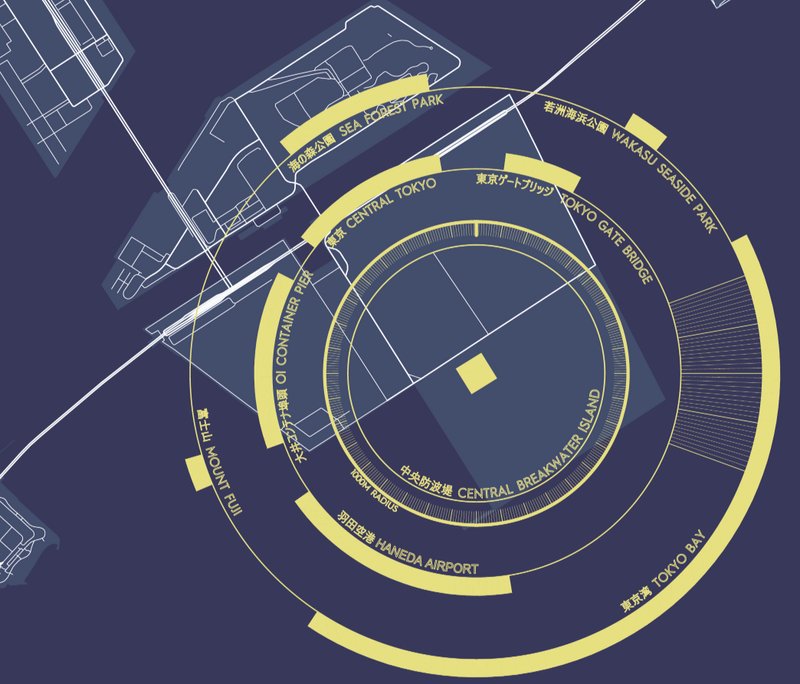
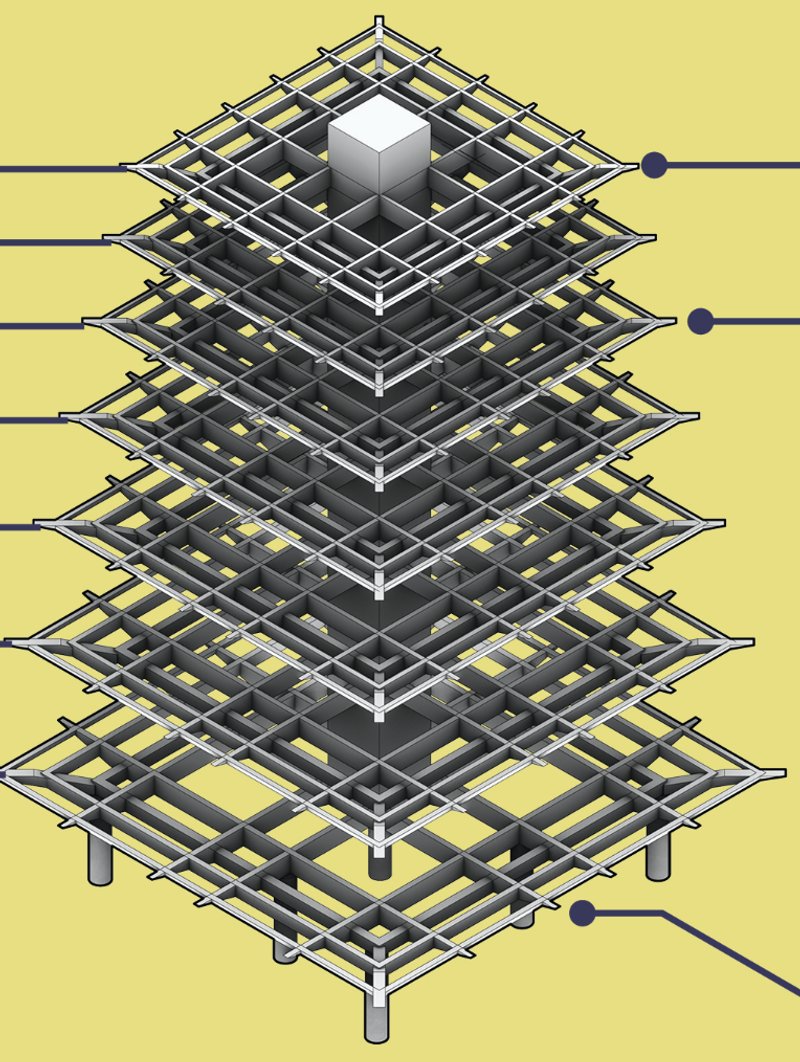
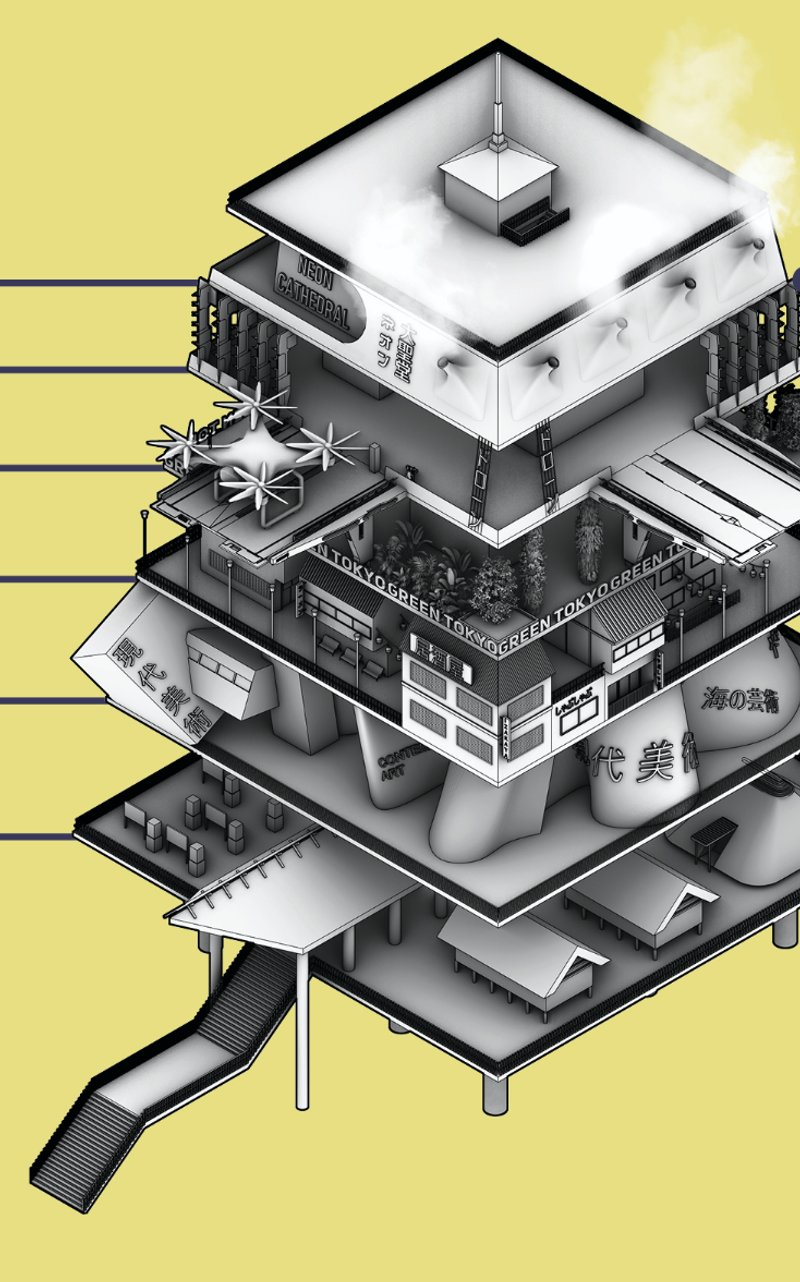
The Tokyo Meta Tower Project by Simeon Chua
The Tokyo Meta Tower, a shortlisted entry of Di - Generic Cities: Tokyo, was conceptualized by Simeon Chua. The project envisions a multi-layered, ever-evolving architectural structure that functions as an incubator of ideas, where the past, present, and future aspects of Tokyo can connect and interact. It merges tradition with futuristic adaptability, creating a space that evolves alongside the city's dynamic urban landscape.

The Benefits of Sustainable Metabolic Architecture
- Environmental Conservation: Reduced energy consumption and waste contribute to a healthier planet.
- Cost Efficiency: Lower utility bills and maintenance costs make green buildings financially viable.
- Enhanced Well-being: Improved air quality and natural lighting promote better health and productivity.
- Urban Adaptability: Modular and reconfigurable designs enable buildings to evolve with the city’s needs.




Popular Articles
Popular articles from the community

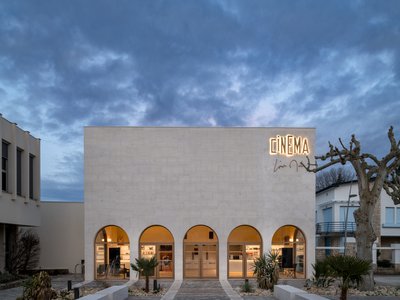
Louis Malle Cinema: A Limestone Cultural Landmark Revitalizing Community Life in Prayssac
Limestone cinema extension with public forecourt, blending heritage and modern design to create flexible cultural spaces and strengthen community interaction.

Solar Steam: A Climate-Responsive Architecture That Redefines the Monument
A climate-responsive memorial architecture that transforms heat, decay, and time into a living system reflecting humanity’s ecological impact.
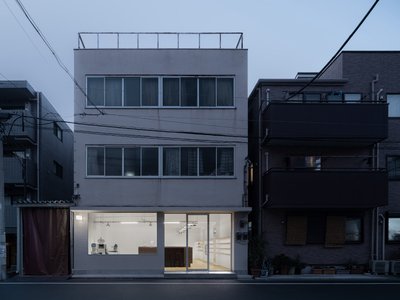
Atelier Macri Concept Store Interior Design by CASE-REAL
Atelier Macri store features a "ko" counter, walnut wood details, cork displays, blending retail, gallery, and seamless customer experiences.
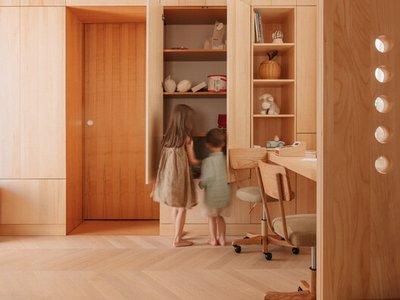
Treehouse Apartment: A Warm Timber Interior Blending Craft, Play, and Contemporary Living
Warm timber apartment with integrated treehouse, combining natural materials, craftsmanship, and playful design to create a flexible, family-oriented living environment.

Similar Reads
You might also enjoy these articles


The Ken Roberts Memorial Delineation Competition (Krob)
As the most senior architectural drawing competition currently in operation anywhere in the world, it draws hundreds of entries each year, awarding the very best submissions in a series of medium-based categories.


Waterfront Redevelopment and Urban Revitalization in Mumbai: Forging a New Dawn for Darukhana
A transformative waterfront redevelopment project reimagining Darukhana’s shipbreaking heritage into an inclusive urban future.

OUT-OF-MAP: A Call for Postcards on Feminist Narratives of Public Space
Rhizoma Design and Research Lab invites artists, designers, architects, researchers, and students to reflect on how feminist perspectives can reshape public space. Selected works will be exhibited in Barcelona, October 2026. Submissions open until 15 April 2026.


Documentation Work on Buddhist Wooden Temple
Architectural syncretism and cultural hybridity: A comparative study of the Buddhist temples in Chattogram Hill tracks


Explore Religious Building Competitions
Discover active competitions in this discipline




The Global Benchmark for Architecture Dissertation Awards


Challenge to design a portable theatre


Design Challenge - Contemporary interpretation of a religious complex


Challenge to design a portable music platform
Comments (0)
Please login or sign up to add comments
No comments yet. Be the first to comment!