
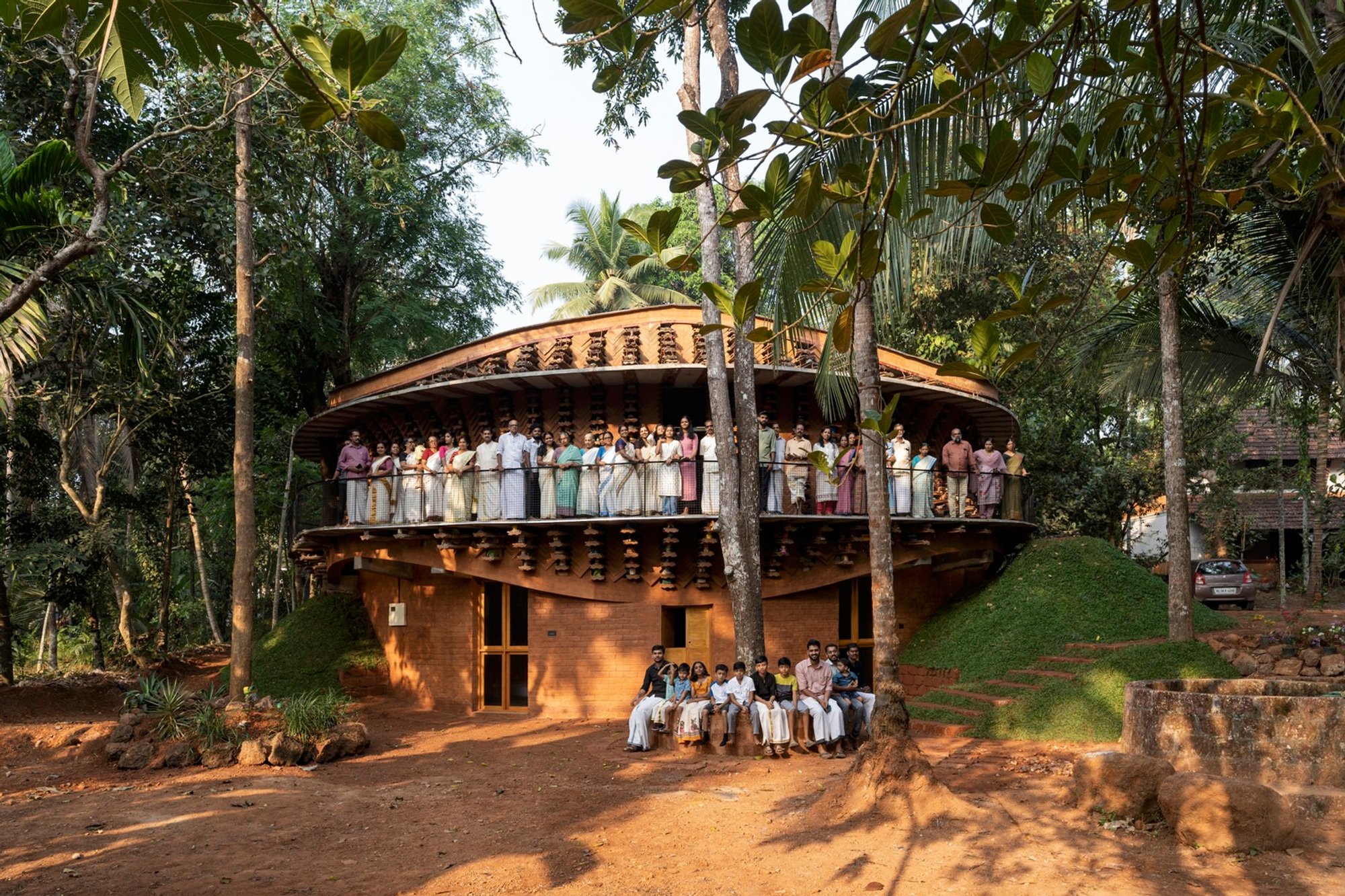
Toy Storey Residence: A Testament to Sustainable Home Design
The article discusses Toy Storey Residence by Wallmakers, an innovative, sustainable home built using discarded toys in Vadakara, India.

The Toy Storey Residence, conceptualized by the innovative firm Wallmakers in Vadakara, India, is not just a home but a bold statement in sustainable architecture and design. In an era where plastic pollution and environmental degradation are rampant, this residence stands as a beacon of hope and innovation.
The Inspiration Behind Toy Storey Residence
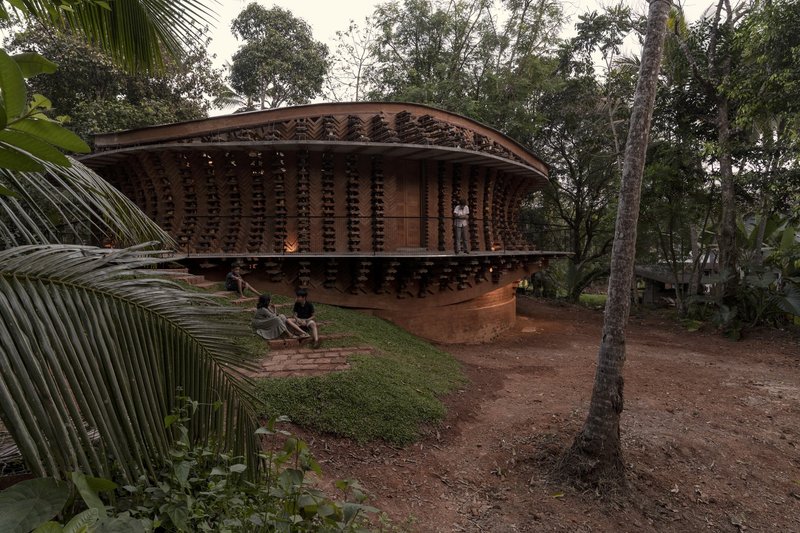
The genesis of Toy Storey Residence is as unique as its construction. The architects were inspired by the ubiquity and durability of discarded toys, particularly plastic ones, which are a staple in modern childhood but often end up contributing significantly to environmental waste. This realization sparked the innovative idea of using these discarded items as a construction material, turning a problem into a solution.
Sustainable Features of Toy Storey Residence
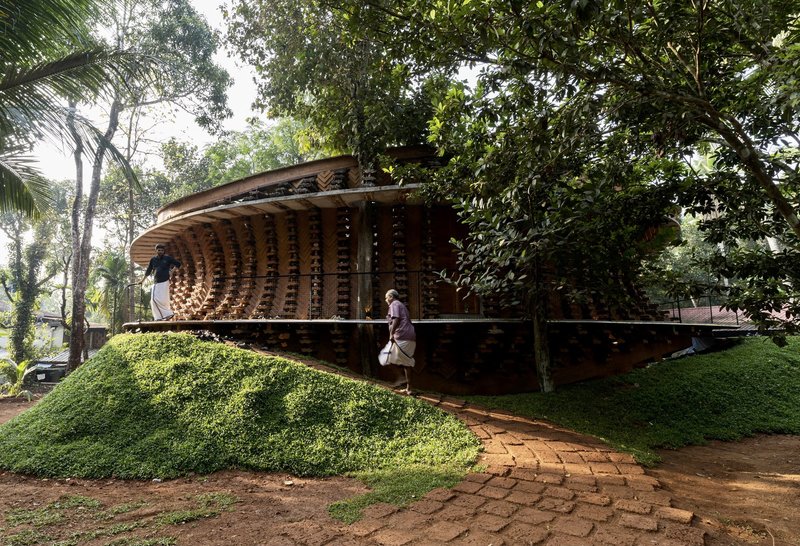
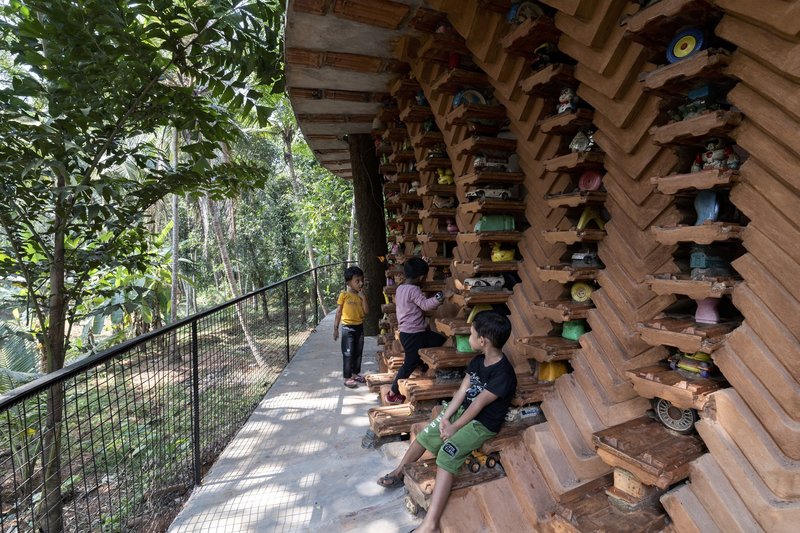
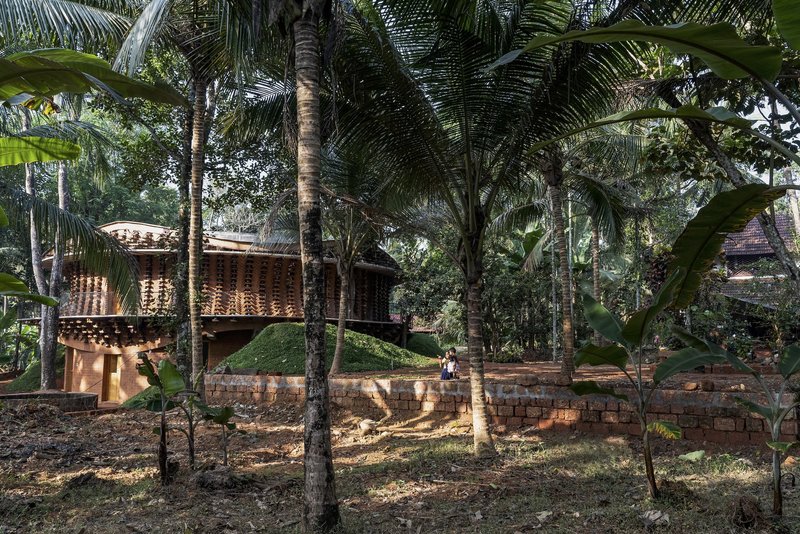
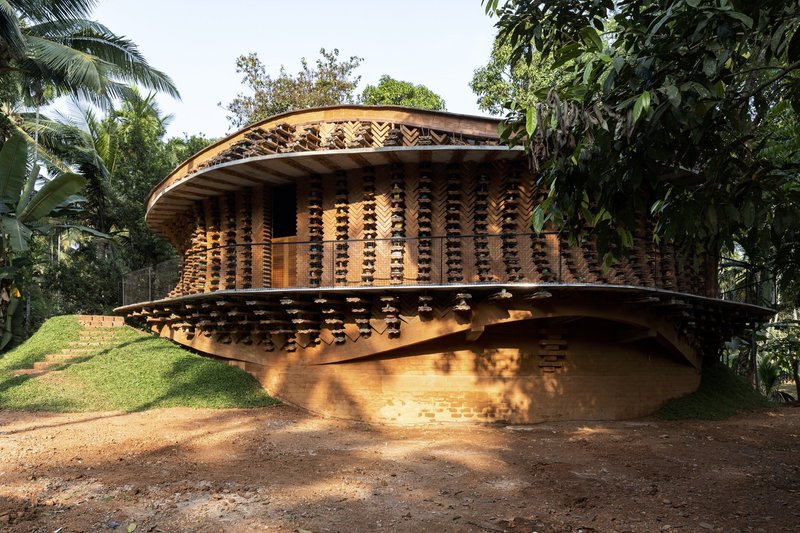
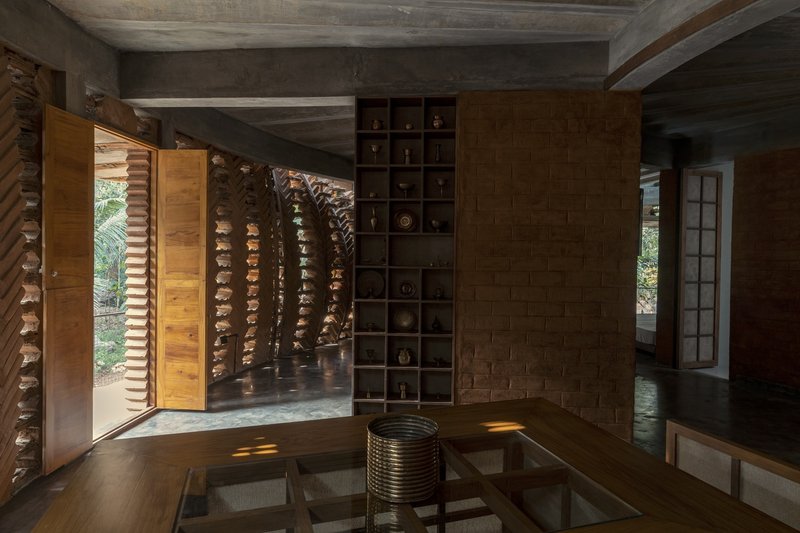
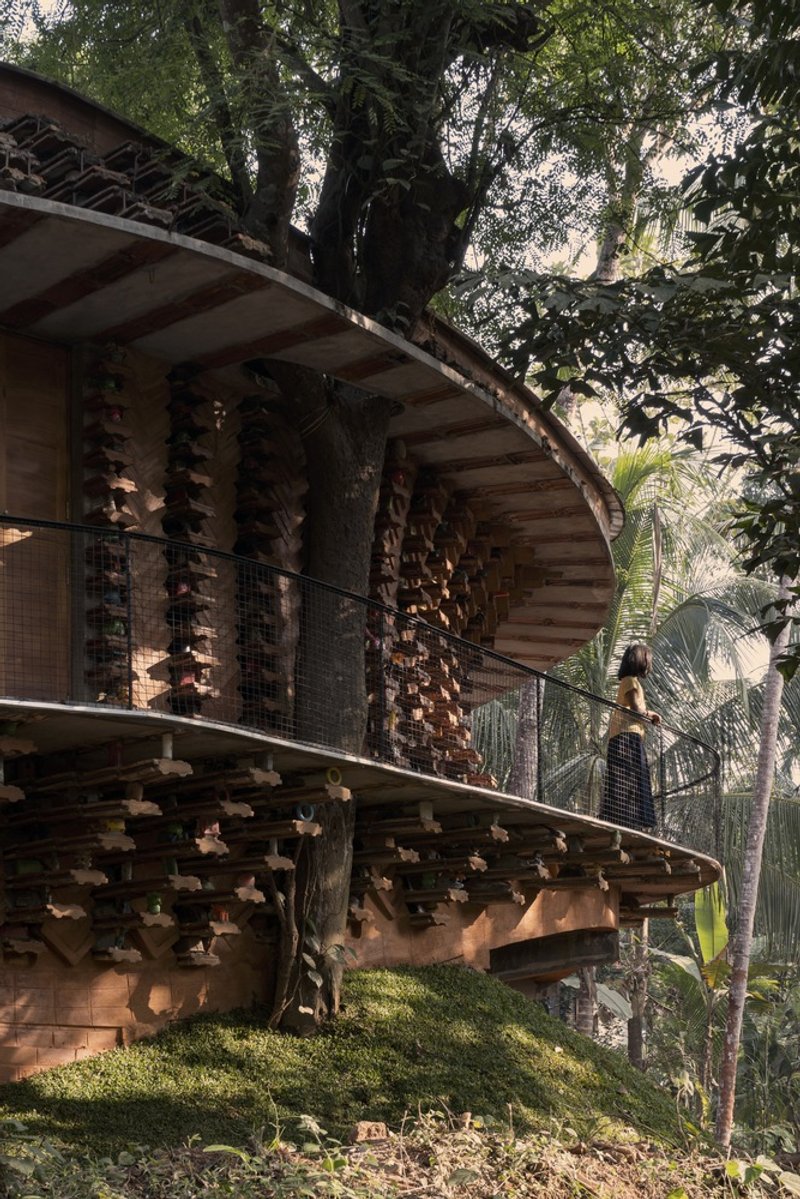
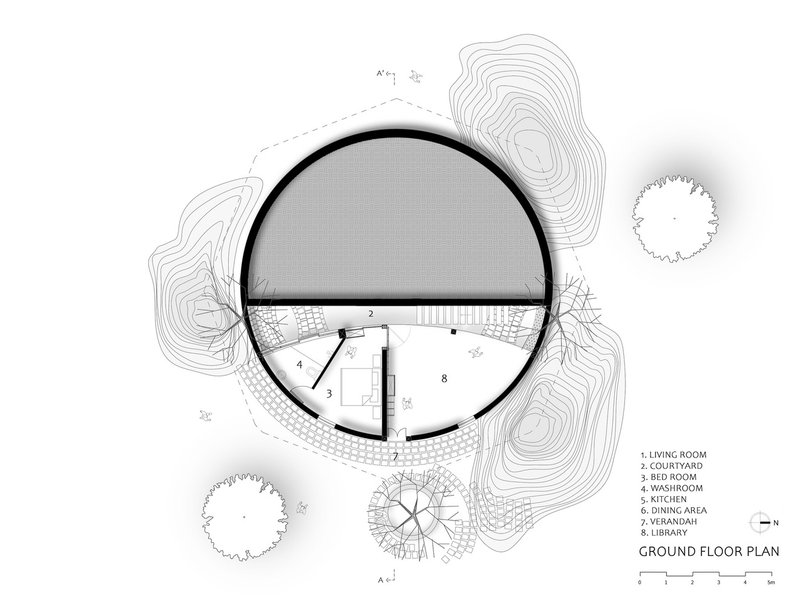
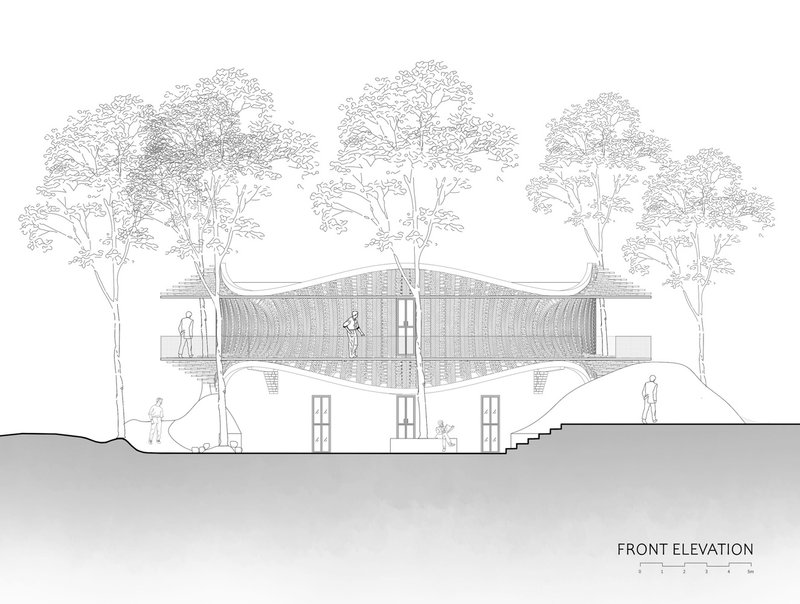
Located in the high-toy-consumption area of Vadakara, the Toy Storey Residence is a marvel of circular design, allowing access from all sides and eliminating the conventional distinction between the front and back elevations. Its standout feature is the cantilevered verandah supported by corbelled arrangements of old toys and Mangalore tiles, which not only recycles waste but also creates a unique and playful aesthetic.
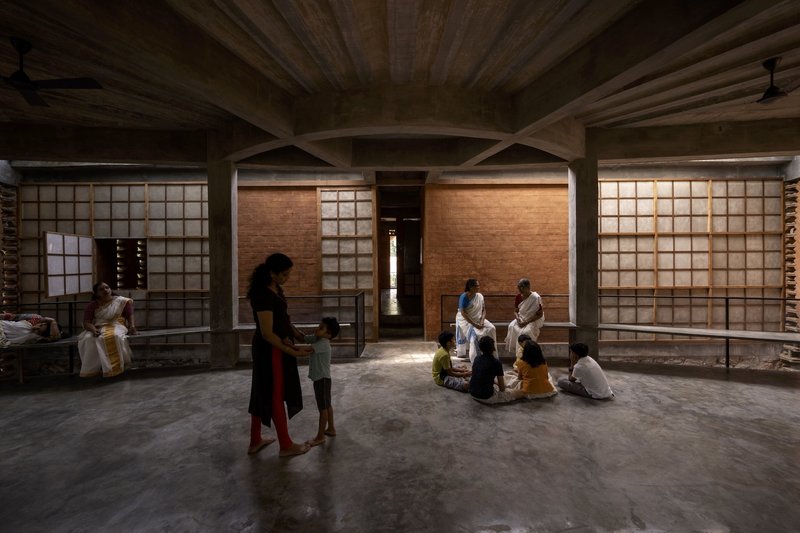
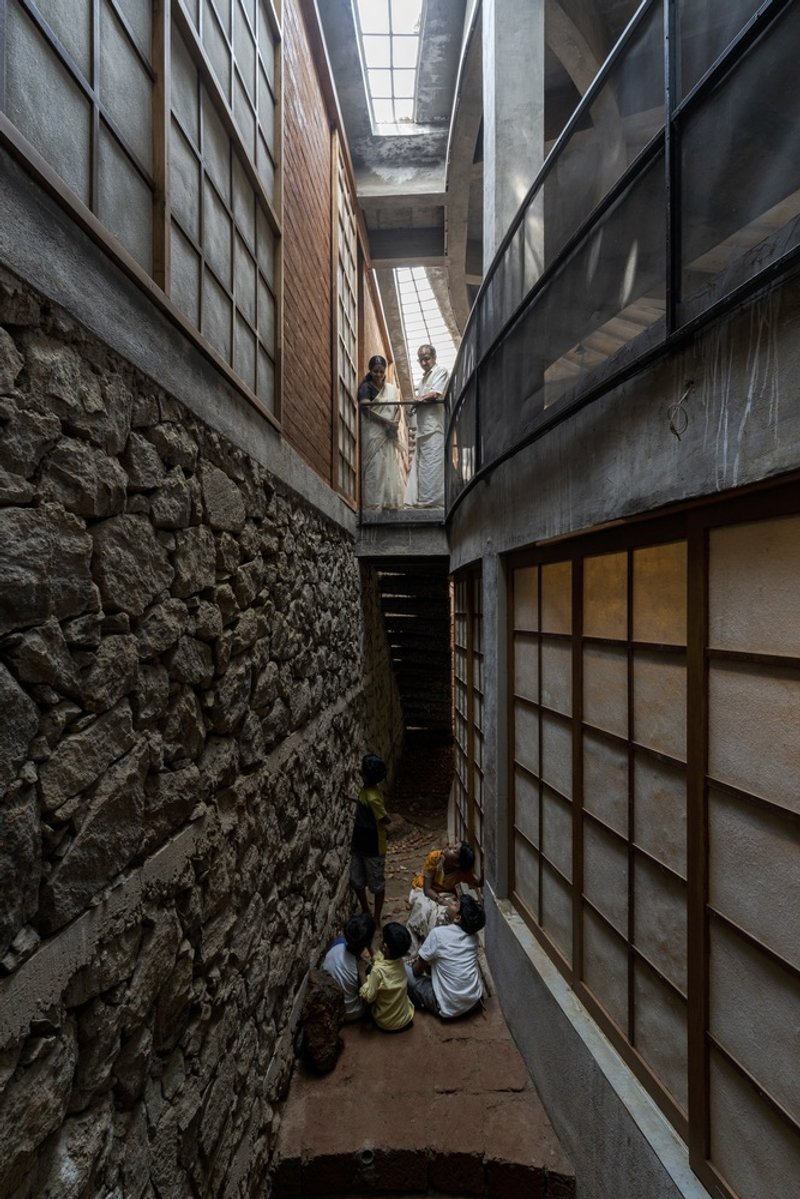
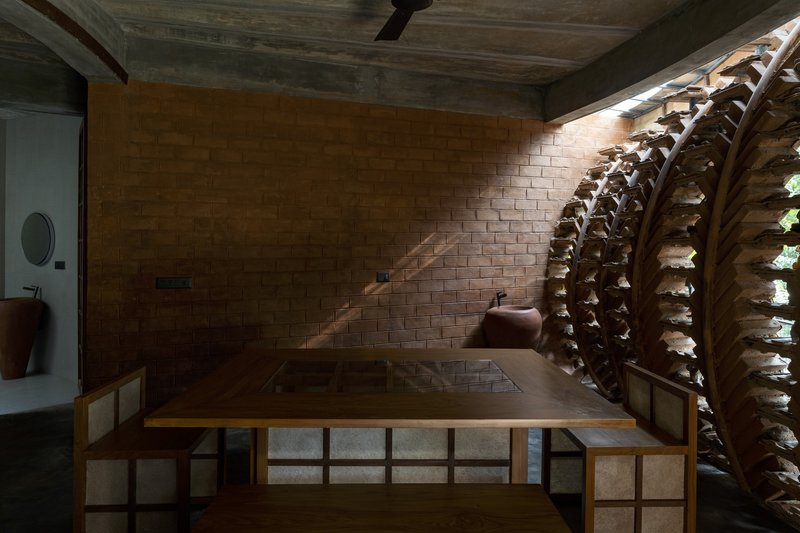
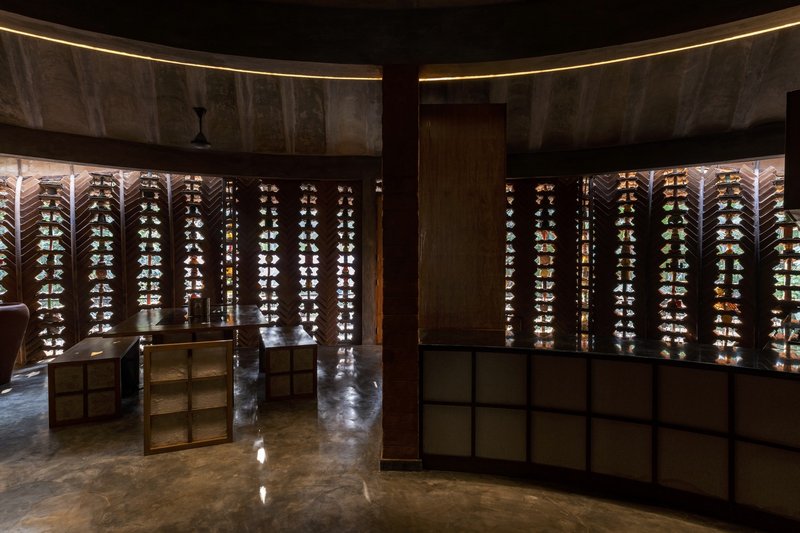
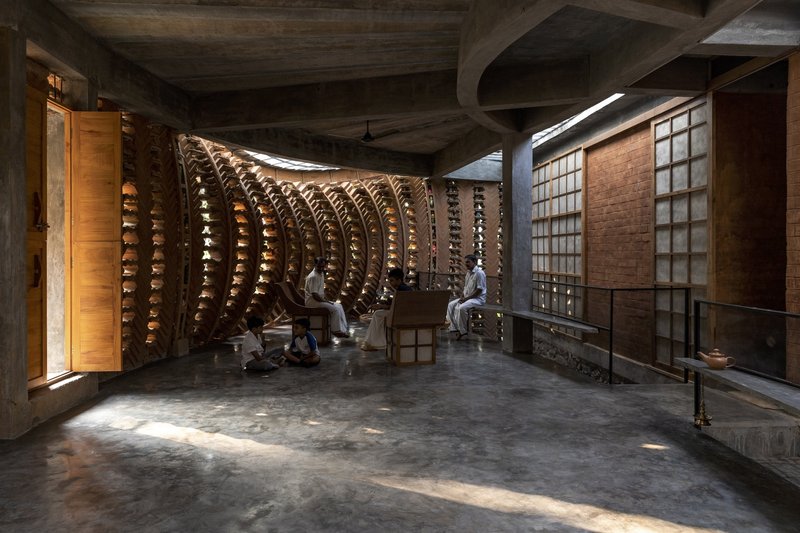
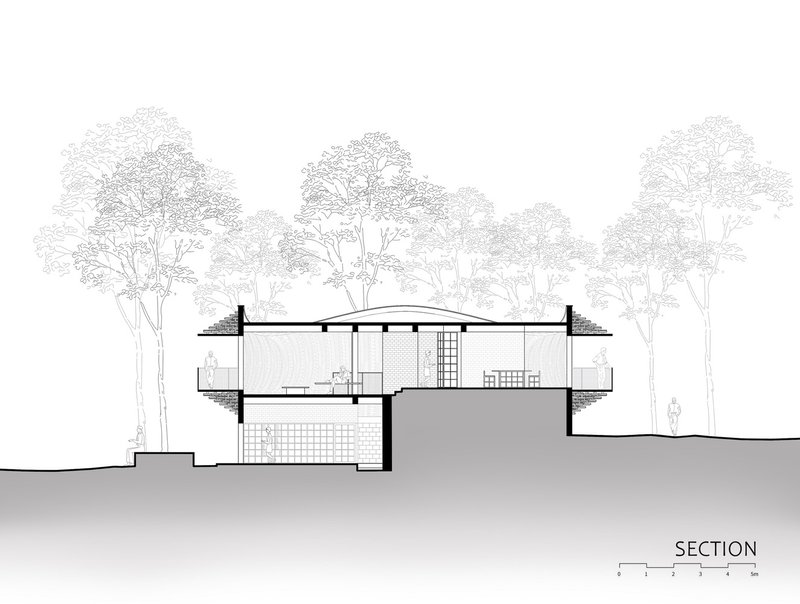
The residence employs sustainable building techniques such as Compressed Stabilised Earth Block (CSEB) walls and a radial ferrocement shell roof, which reduces reinforcement needs by 33%. The design incorporates traditional oxide flooring and features a central courtyard and a composite CSEB-Toy Jaali wall, ensuring constant cross ventilation and better insulation. These features together significantly reduce the building's carbon footprint.
Living Space: A Community Hub
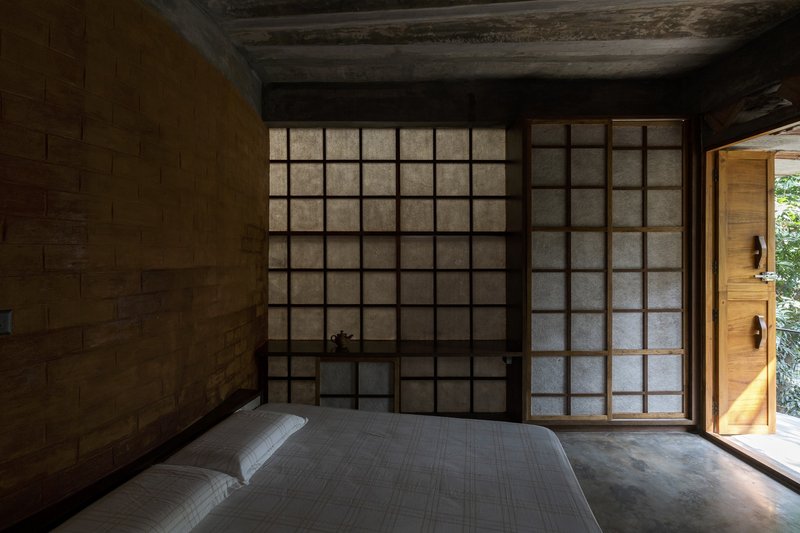
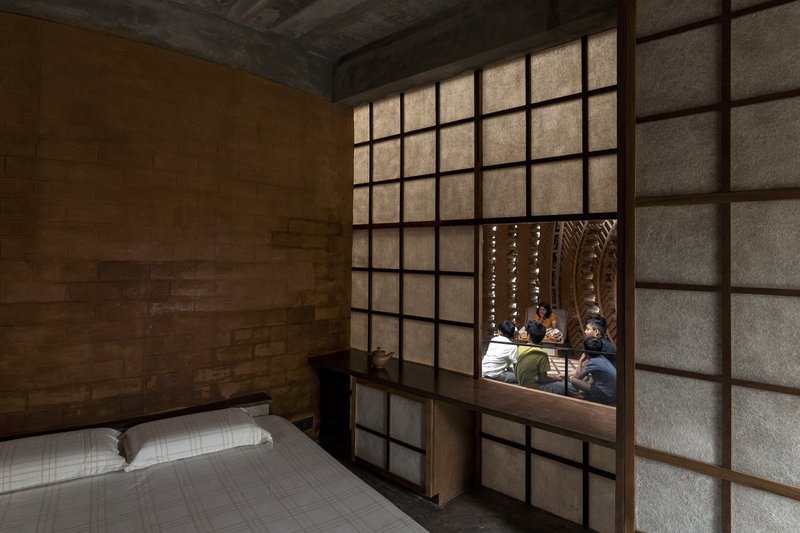
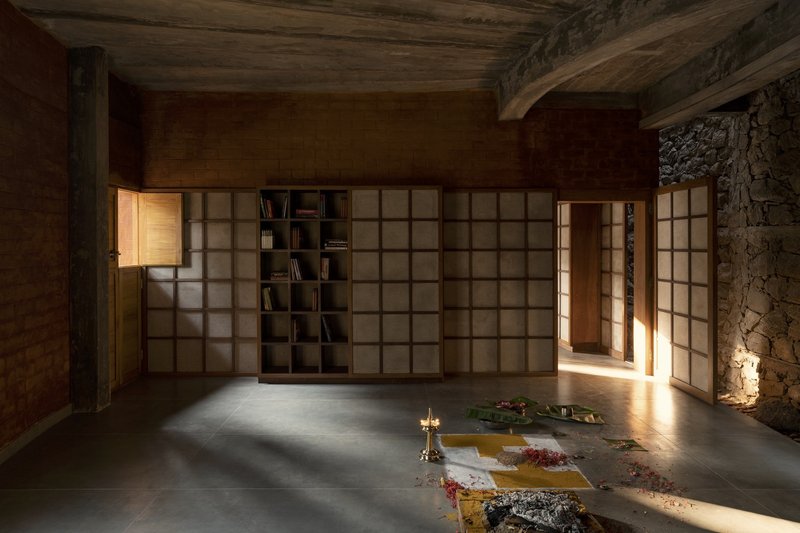
The Toy Storey Residence is designed as a "house within a house", where the extensive living area serves as a community hub, frequented by neighbors and community members. Japanese-style shoji screens provide privacy while allowing light and visual connectivity. The residence thus becomes a communal space, fostering interactions and strengthening community bonds.
Preserving Childhood Memories
Perhaps the most touching aspect of the Toy Storey Residence is how it preserves the childhood of the community. By incorporating approximately 6,200 discarded toys into its walls, the house serves as a living museum, a reminder of past innocence and joy, making it a place of nostalgia and wonder for the local children.
A Model for the Future
The Toy Storey Residence by Wallmakers is more than a home; it's a manifesto for sustainable home design, showing how innovative thinking can turn environmental challenges into opportunities. It serves as an inspiring model for architects and builders worldwide, proving that with creativity and commitment, we can build a more sustainable and inclusive world.
All photographs are work of Syam Sreesylam




Popular Articles
Popular articles from the community

OMCM arquitectos Builds a Summer House in Paraguay from Quarry Waste Blocks and Three Sacred Trees
In the young hillside neighborhood of Altos, a 696-square-meter concrete volume hovers on six pillars around three preserved native Yvyraju trees.
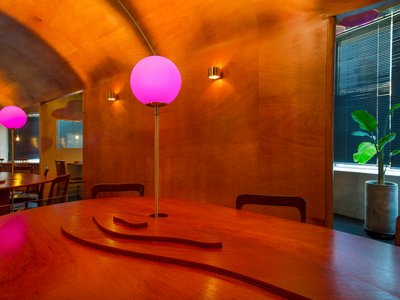
Indiesalon Carves a Plywood Cave into a Seoul Bistro's Second Floor
Munhwa Bistro's second Seongsu branch wraps diners in a laminated timber vault laced with colored light and mirror illusions.

gru.a Builds a 70 m² Timber Shelter That Opens Like a Farm Door in Brazil's Valley of the Vines
In the mountainous region near Rio de Janeiro, a compact retreat uses plywood panels and deep eaves to blur the line between inside and out.
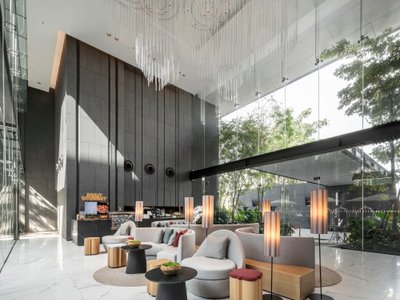
IDIN Architects Wraps a Hua Hin Hotel Around a Private Courtyard to Escape the City
Dusit D2 Hua Hin turns an urban infill site in Thailand's family vacation heartland into a self-contained resort through courtyard planning.


Similar Reads
You might also enjoy these articles


Maya Harvest: A Cacao Resort Village Rooted in Mayan Tradition and Local Craft
Situated within a Tabasco cacao plantation, this shortlisted resort proposal merges vernacular materials with hands-on cultural immersion.

Harmonia: A River-Shaped Community That Grows Over Decades in Boa Vista
Curved pathways and modular grid structures along the Branco River create a phased settlement designed to evolve from 2030 to 2050.

The Architecture of Bathing: A Mughal Hammam Reimagined Across the Yamuna
Charlotte May's honorable mention entry for The Black Taj reinterprets Agra's bathing rituals through red sandstone, water, and framed views of the Taj Mah
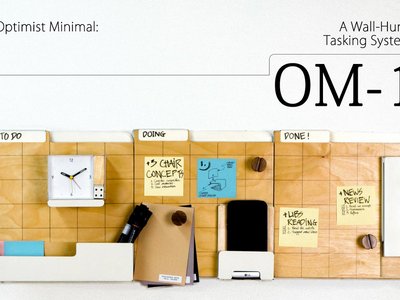
Om-1: A Wall-Hung System That Moves Your Workspace Off the Desk
Modular plywood boards, magnetic pegs, and utility elements migrate clutter from the horizontal surface to the vertical plane.

Explore Housing Competitions
Discover active competitions in this discipline




The International Standard for Design Portfolios


The Global Benchmark for Architecture Dissertation Awards


The Global Benchmark for Graduation Excellence


Challenge to reimagine the Iron Throne
Comments (0)
Please login or sign up to add comments
No comments yet. Be the first to comment!