
Transforming Educational Environments: Flexible School Architecture at Brühl Solothurn School Complex
Discover the Brühl Solothurn School Complex by Kollektiv Marudo, a paradigm of flexible school architecture that enhances modern education in Switzerland.

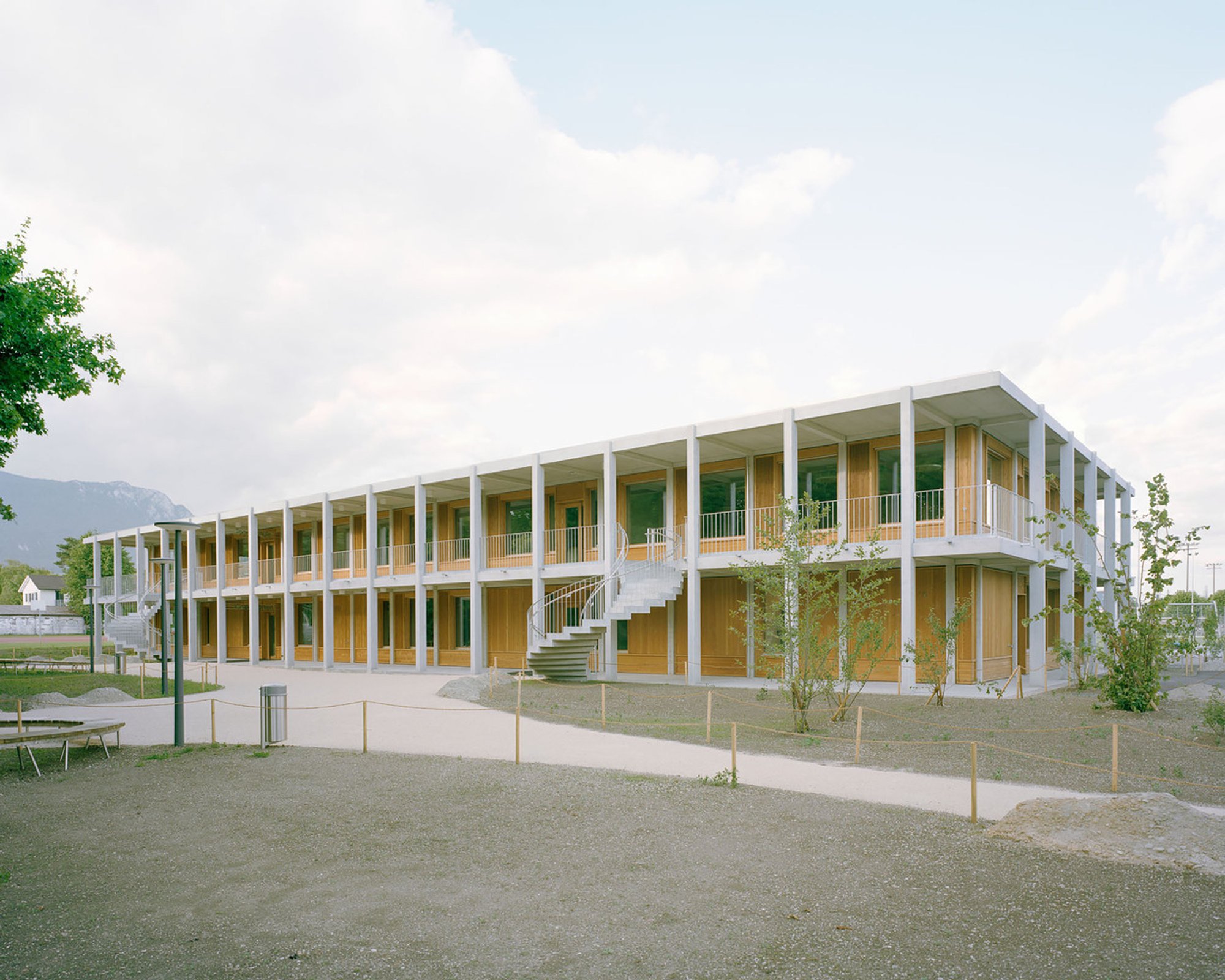
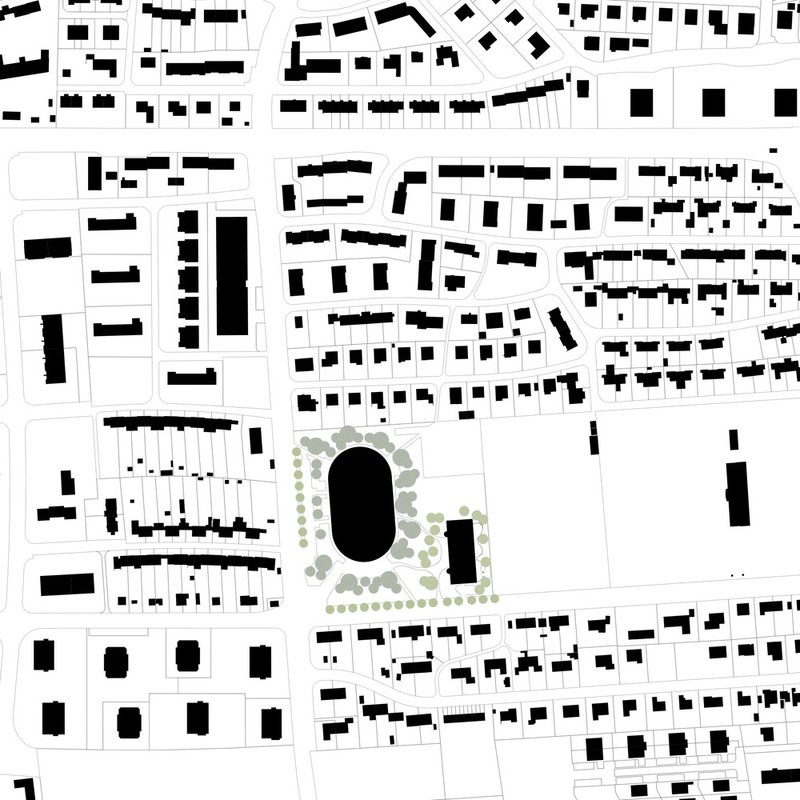
The Brühl Solothurn School Complex, designed by Kollektiv Marudo, stands as a stellar example of flexible school architecture in Solothurn, Switzerland. Completed in 2022, this extension to an existing school complex showcases how architectural innovation can facilitate dynamic educational environments.
Architectural Concept and Design Strategy
Integration of Interior and Exterior Spaces
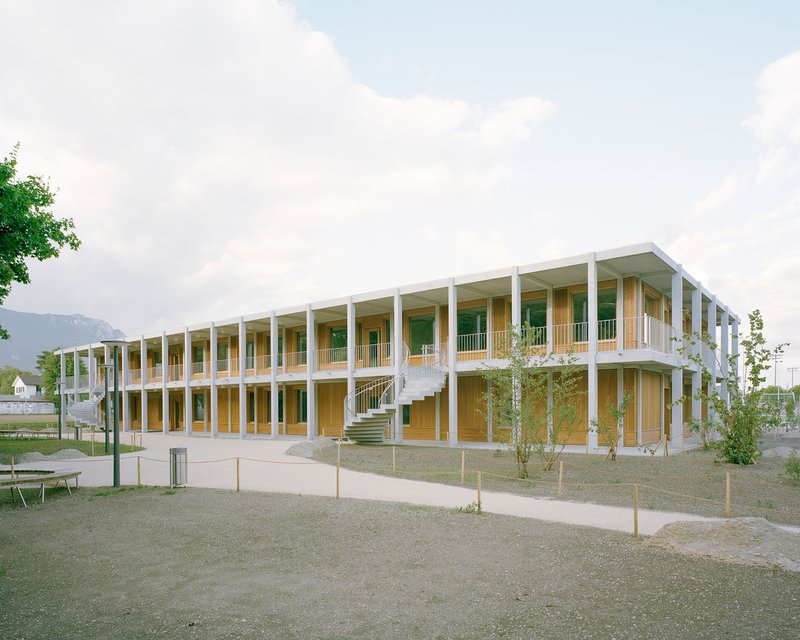
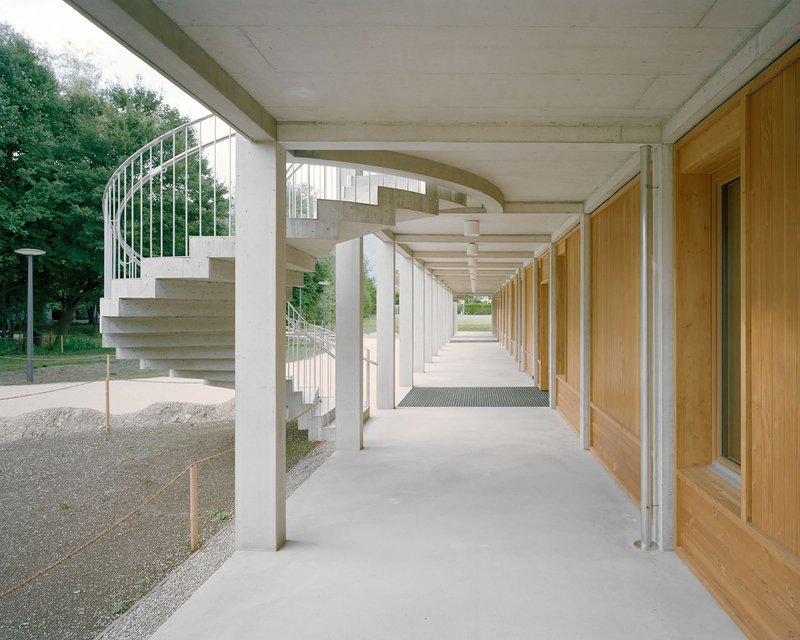
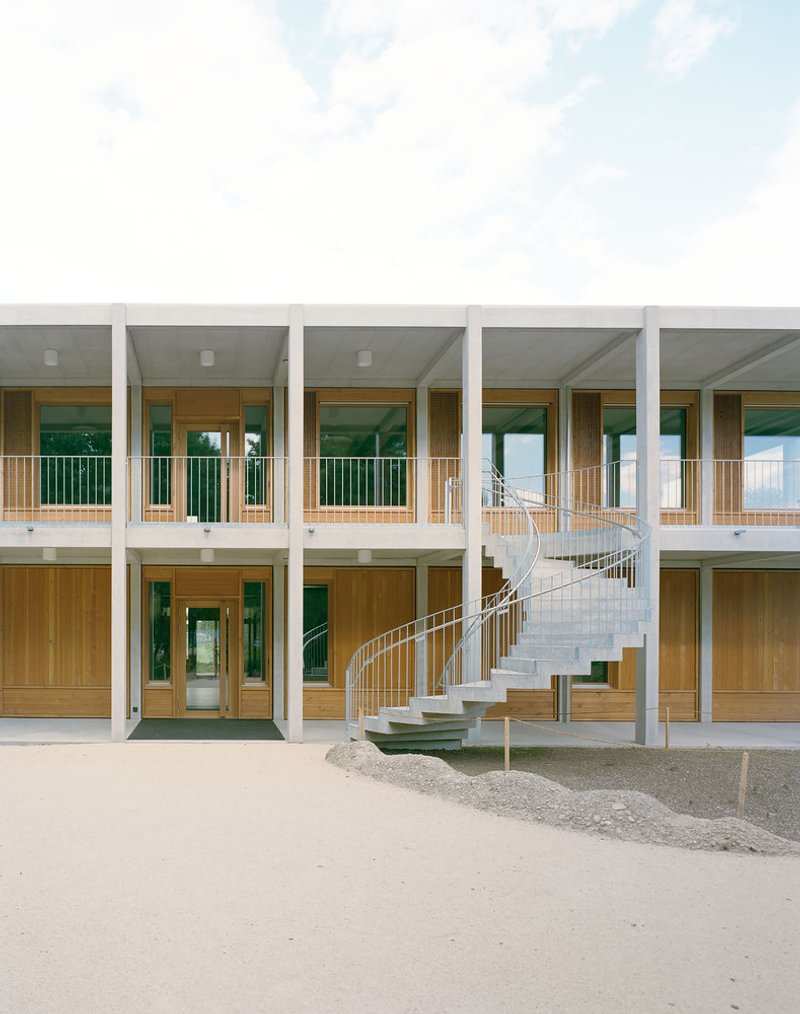
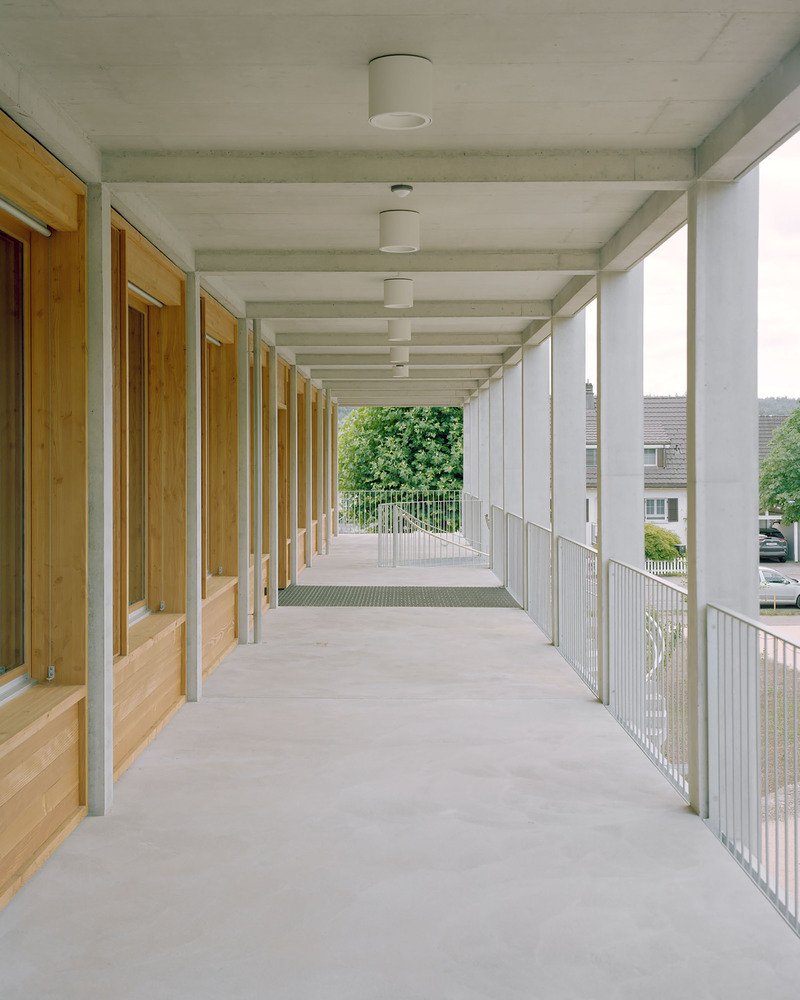
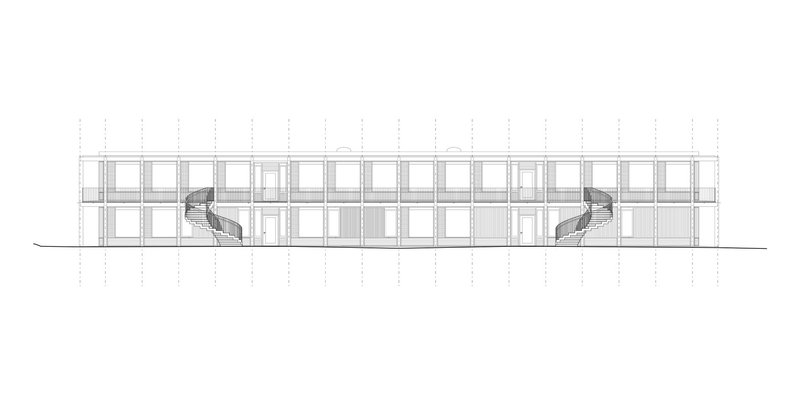
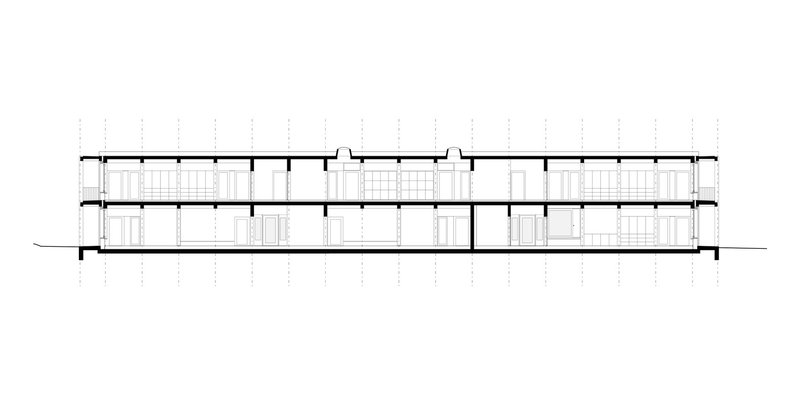
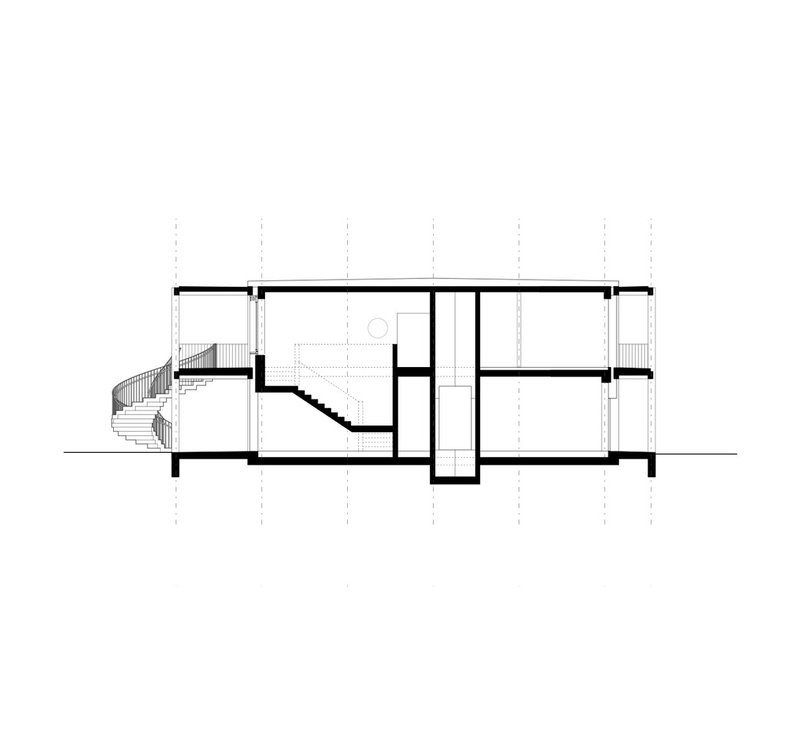
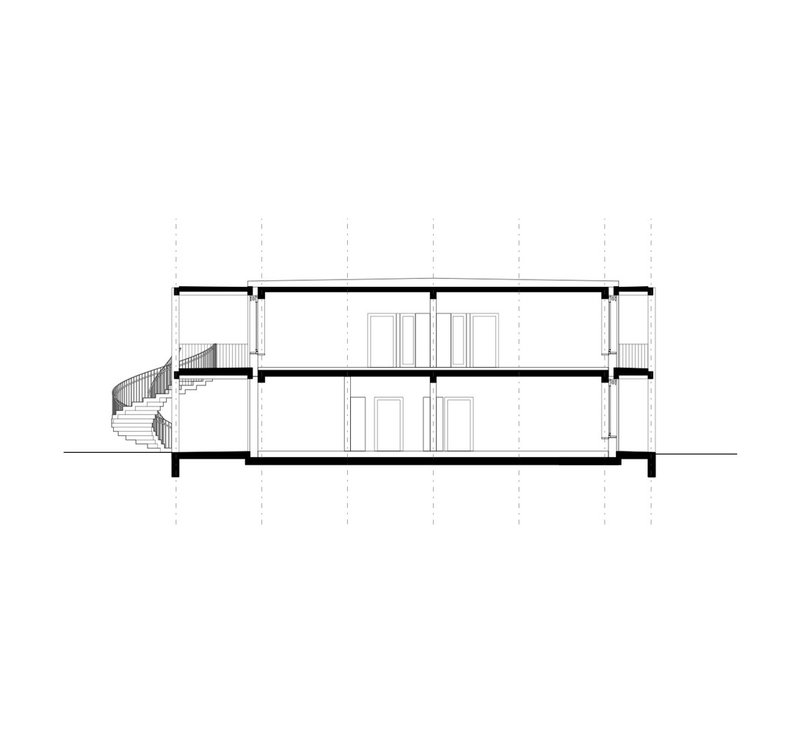
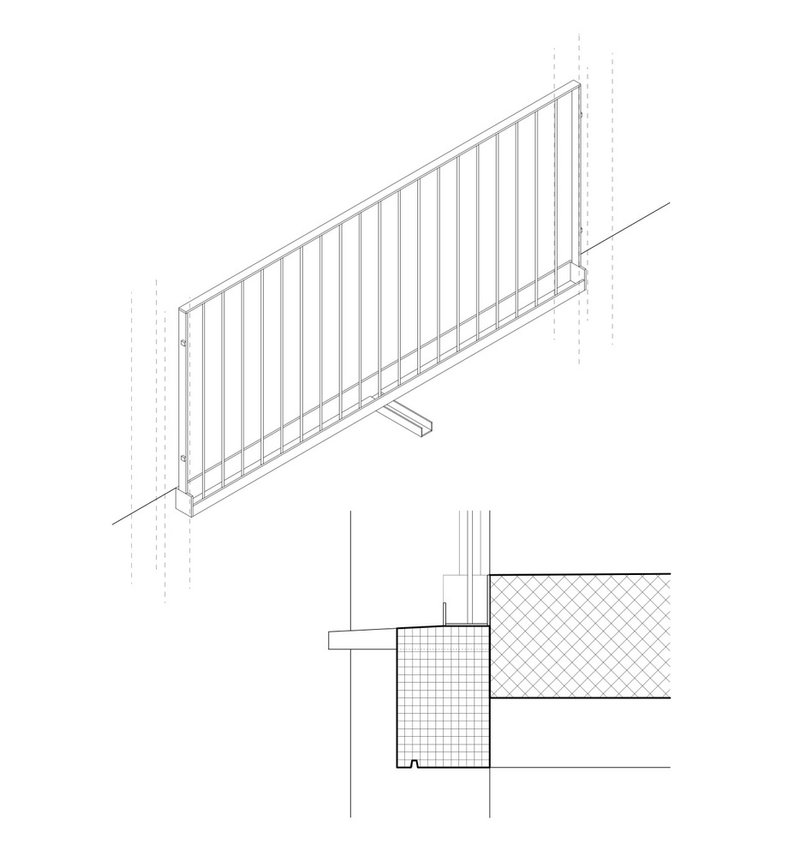
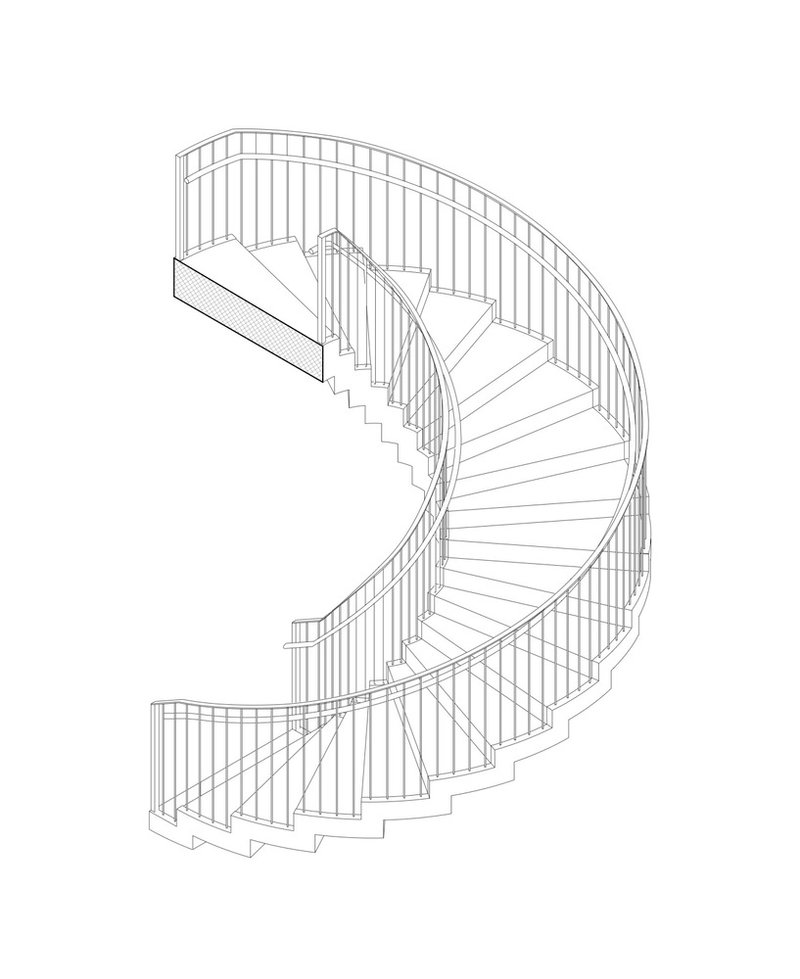
One of the key features of the Brühl Solothurn School Complex is its seamless integration of interior and exterior spaces. The design incorporates exterior staircases and an encompassing arcade that not only connects various parts of the school but also serves as a multifunctional space for access, meeting, and recreation. This thoughtful integration highlights the complex’s openness and accessibility, essential traits of modern educational architecture.
Structural and Architectural Flexibility
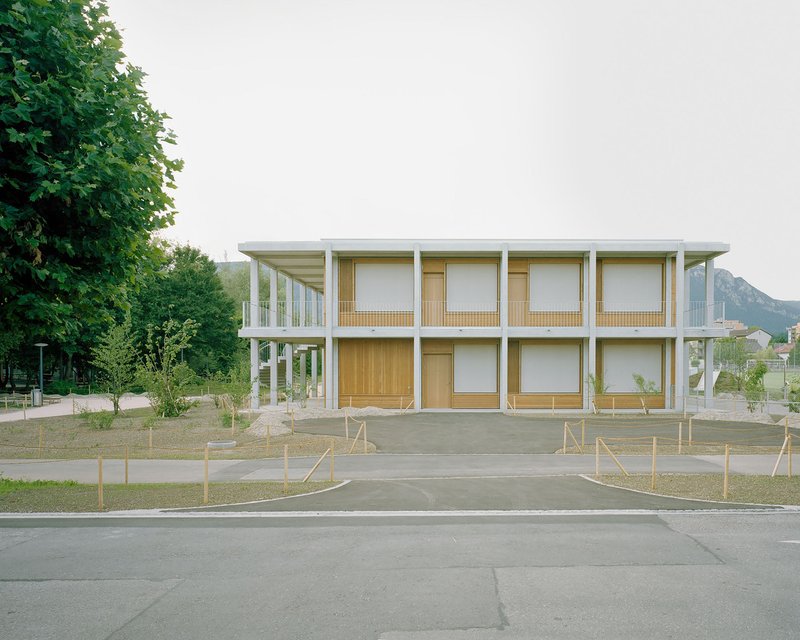
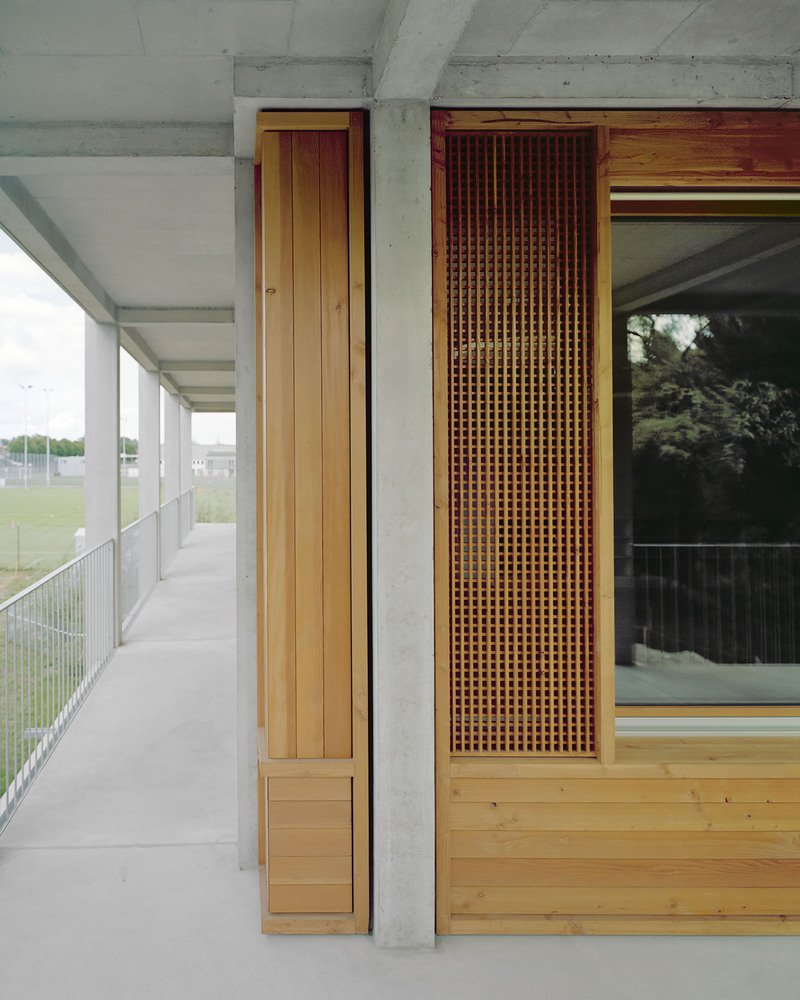
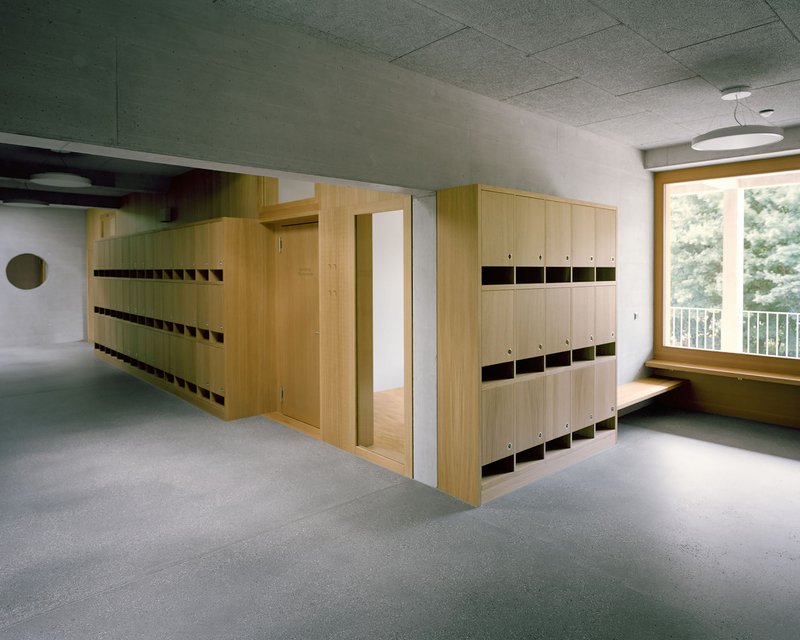
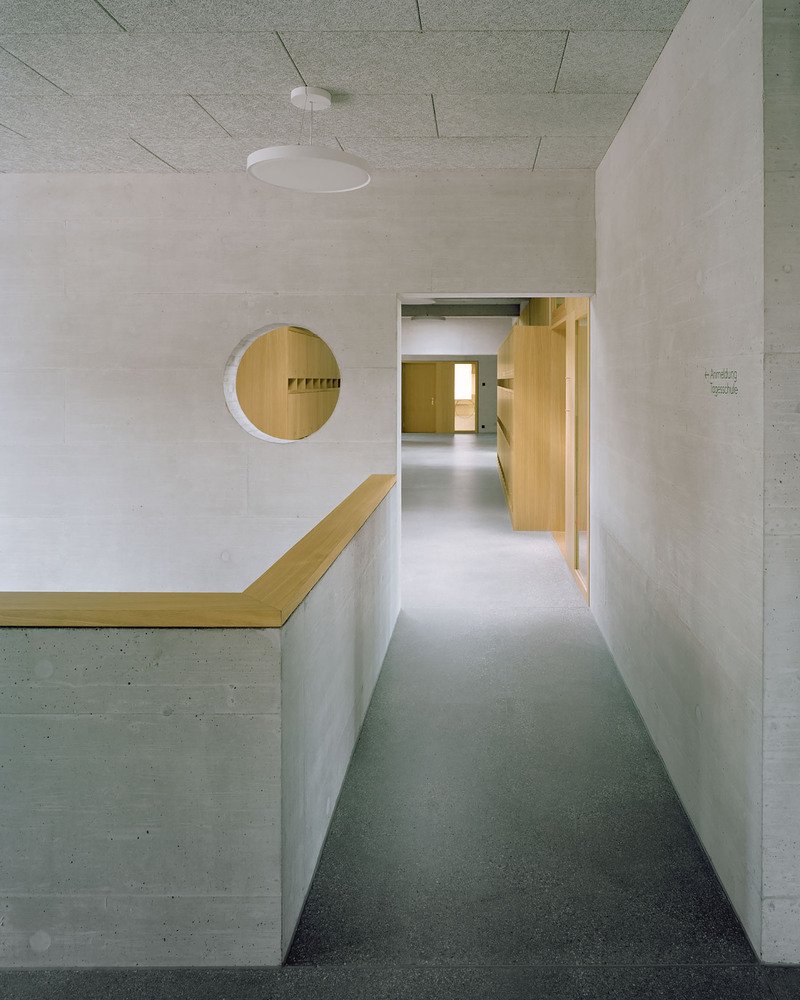
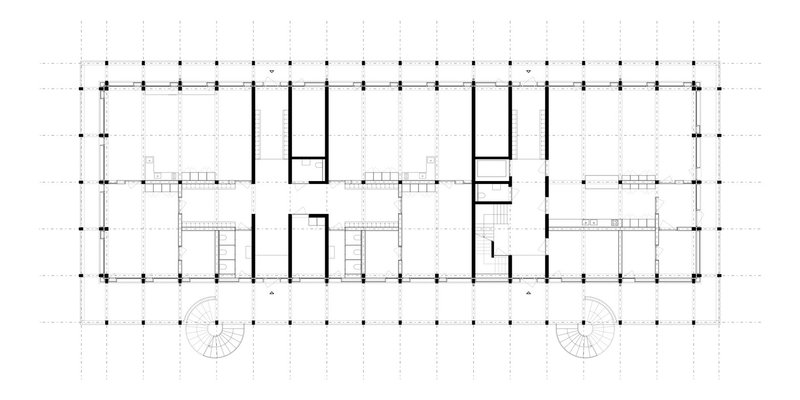
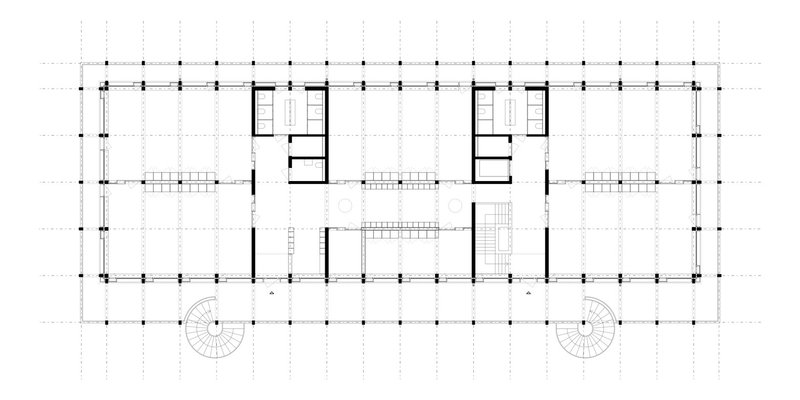
The school's architecture is built on a modular principle, using a concrete static framework that supports spatial flexibility. This modular approach is vital for adapting to various educational activities and future needs. The structure is designed to allow easy reconfiguration of learning spaces, supporting a progressive educational model where environments are tailored to enhance student interaction and learning.
Sustainable Features and Material Use
Eco-Friendly Construction
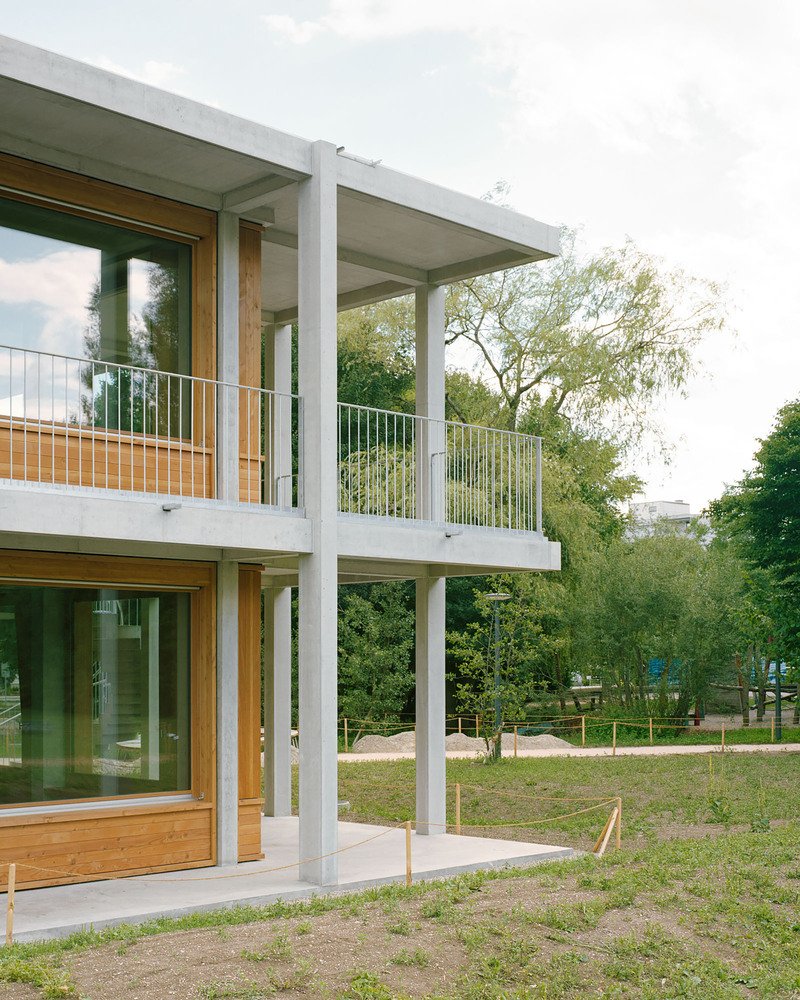
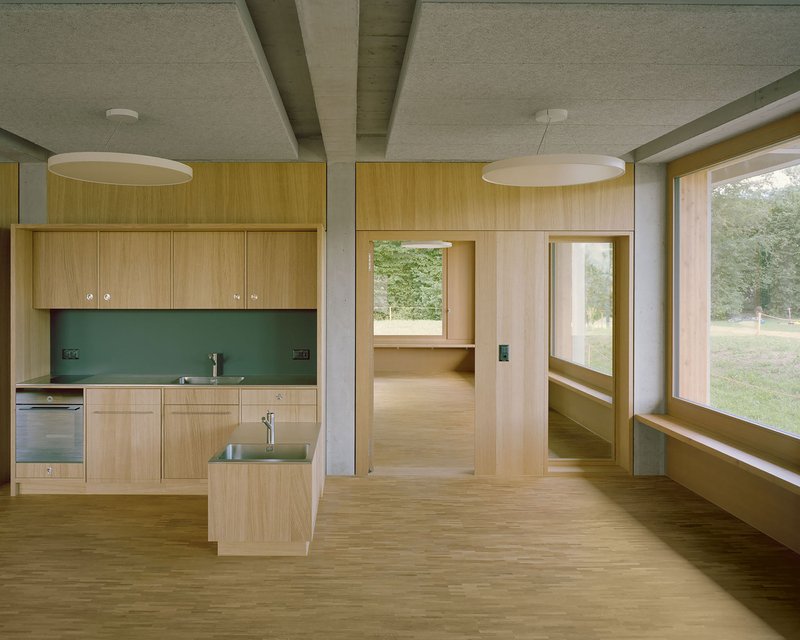
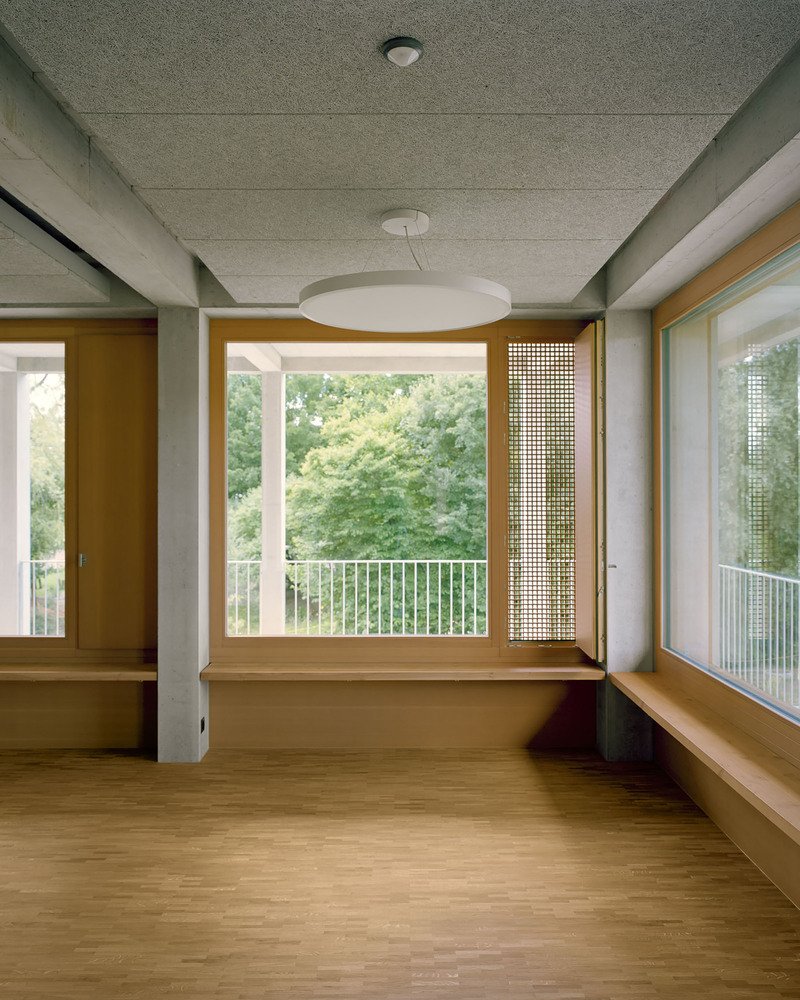
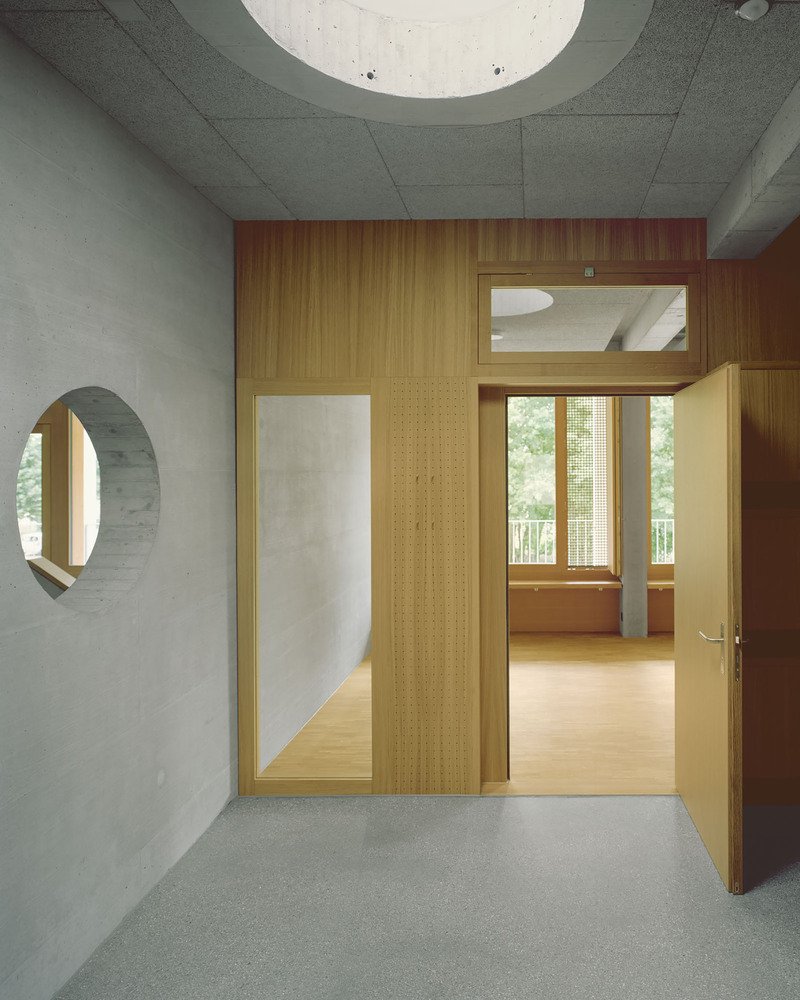
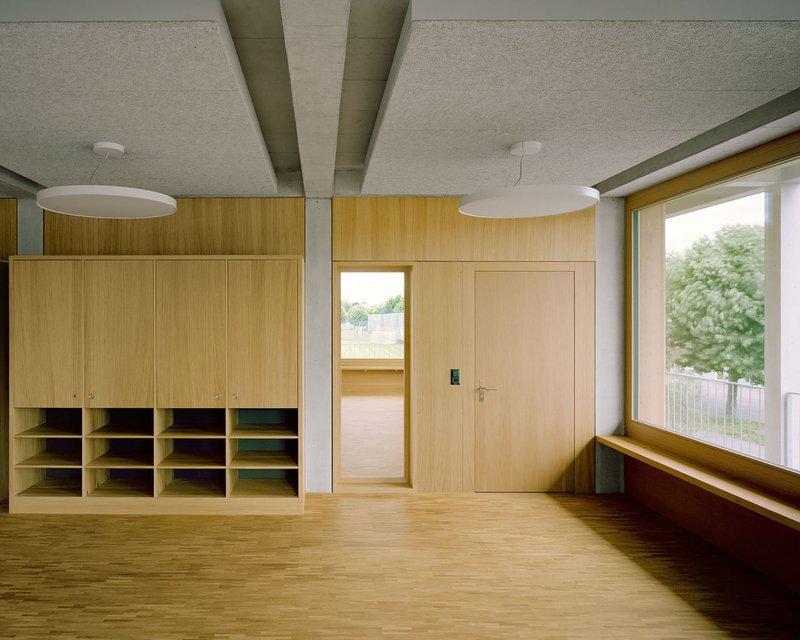
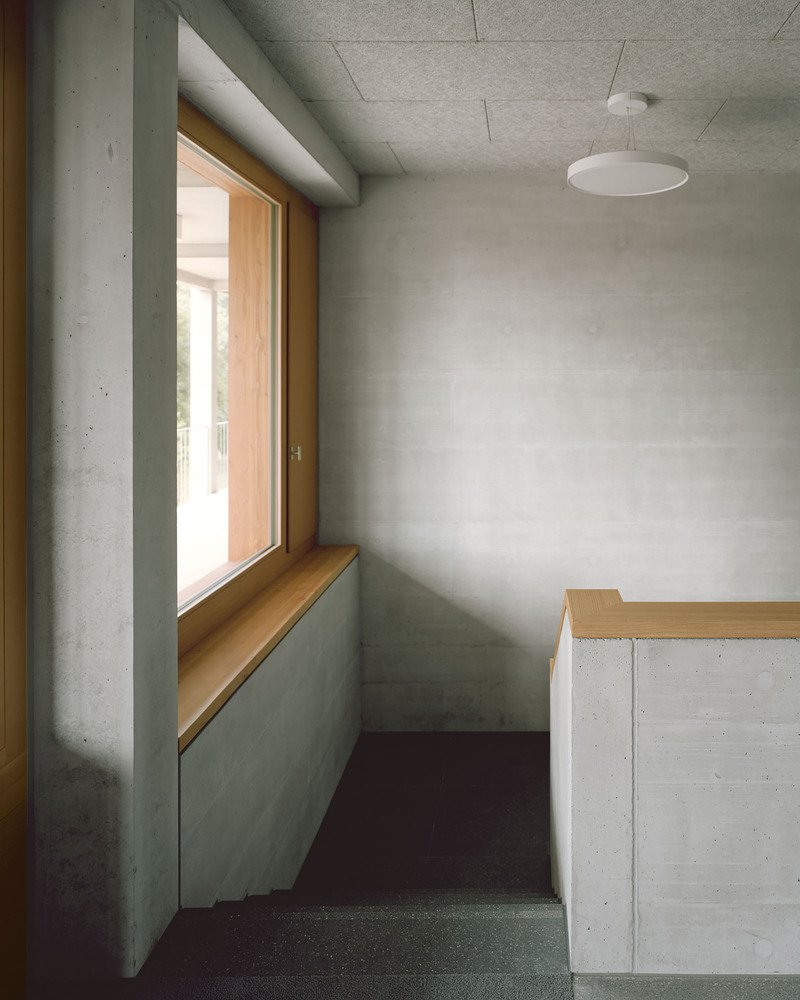
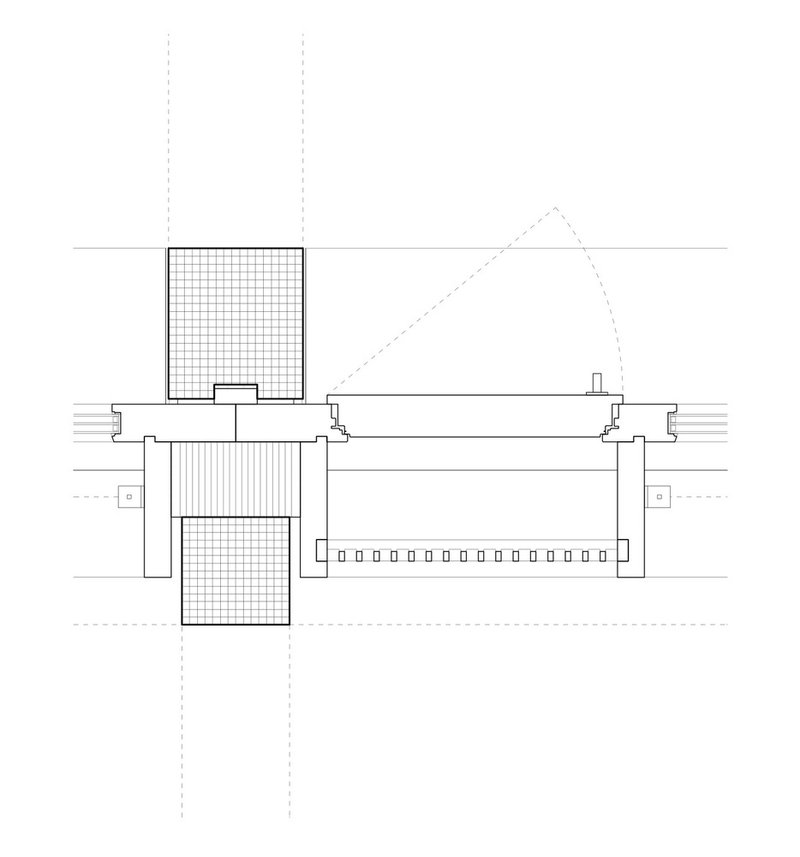
Sustainability is a core element of the Brühl Solothurn School Complex. The building employs a lightweight wooden construction for its façade elements, space-creating cabinets, and interior doors, which not only provides aesthetic warmth but also ensures environmental sustainability. The visible concrete skeleton combined with wood elements exemplifies a commitment to eco-friendly building practices.
Enhancing Natural Light and Ventilation
The design maximizes the use of natural light and encourages ventilation, reducing the need for artificial lighting and air conditioning. This not only creates a healthier learning environment but also reduces the building's energy consumption.
Impact on Educational Experience
Creating a Conducive Learning Environment
The flexible design of the Brühl Solothurn School Complex directly impacts the educational experience by providing versatile learning spaces that can be adapted as educational practices evolve. The open and fluid layout encourages a more collaborative and interactive form of education, moving away from traditional rigid classroom settings.
Community Interaction and Engagement
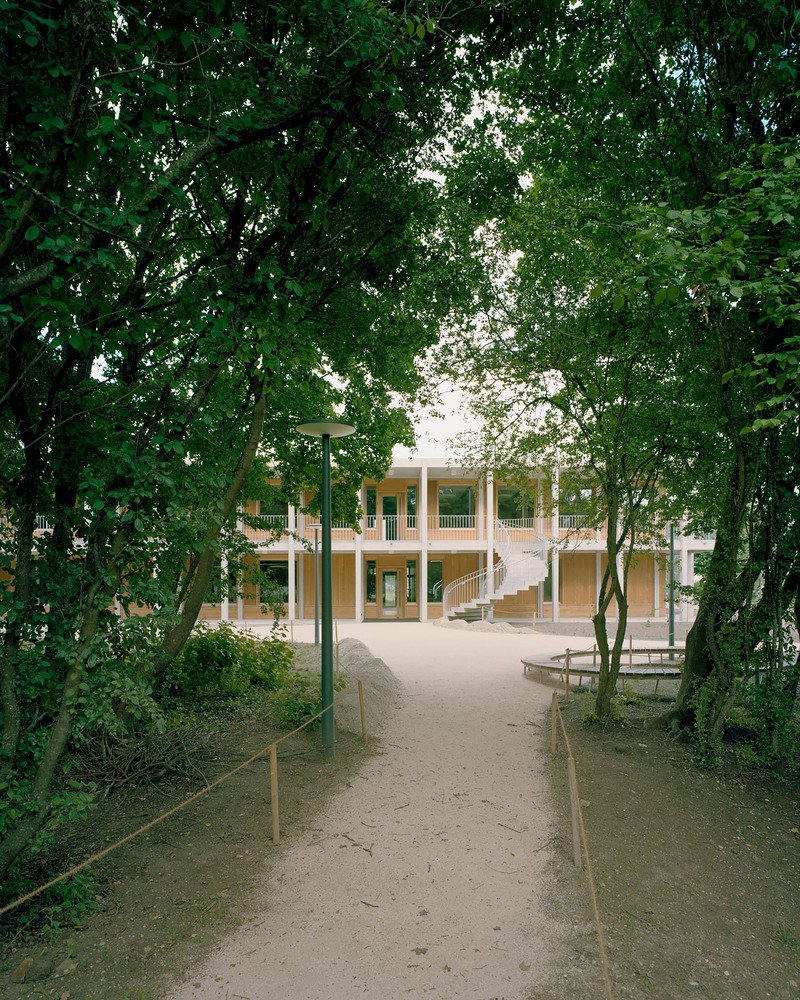
The school’s design fosters a strong sense of community by integrating shared spaces that encourage interaction among students, teachers, and visitors. The covered outdoor areas and interconnected spaces promote informal learning and social interaction, crucial for building social skills and community engagement among students.
A Model for Future School Designs
The Brühl Solothurn School Complex by Kollektiv Marudo is a benchmark in flexible school architecture. It not only addresses current educational needs but is also designed to adapt to future changes. This project illustrates the potential of architectural innovation to create dynamic, sustainable, and engaging educational environments. As schools continue to evolve, the principles demonstrated in the Brühl Solothurn School Complex will likely inspire future designs that prioritize flexibility, sustainability, and community engagement.
All photographs are work of Rasmus Norlander


Popular Articles
Popular articles from the community

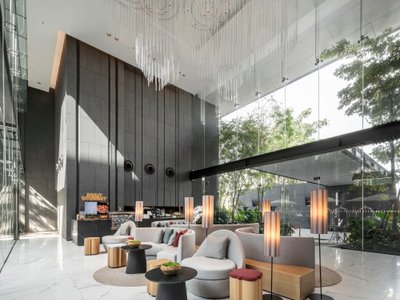
IDIN Architects Wraps a Hua Hin Hotel Around a Private Courtyard to Escape the City
Dusit D2 Hua Hin turns an urban infill site in Thailand's family vacation heartland into a self-contained resort through courtyard planning.
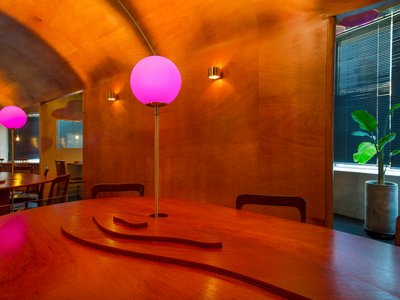
Indiesalon Carves a Plywood Cave into a Seoul Bistro's Second Floor
Munhwa Bistro's second Seongsu branch wraps diners in a laminated timber vault laced with colored light and mirror illusions.
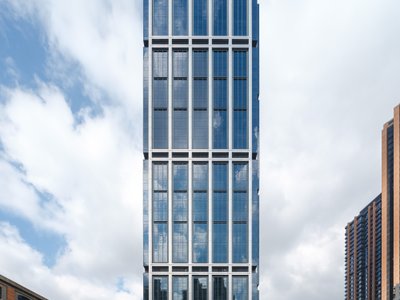
Foster + Partners Wraps a 200-Meter Shanghai Tower in Stainless Steel and Industrial Memory
The Suhe Centre Office Tower anchors a regenerated waterfront district in Shanghai with an all-steel structure that nods to local warehouse heritage.
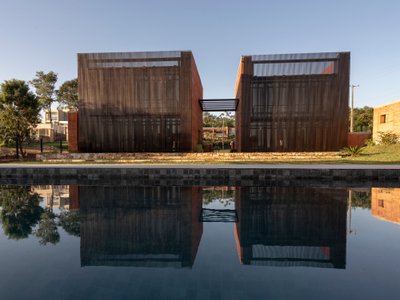
BAUEN Builds Two Rammed Earth Volumes in Paraguay Inspired by the Ovenbird's Nest
In San Bernardino, a house of compacted earth channels the instinct of a constructive bird to shelter life from the Paraguayan summer.

Similar Reads
You might also enjoy these articles

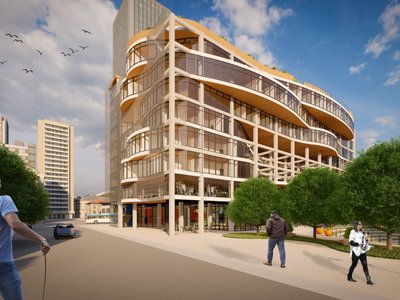
Olio Towers: A Mid-Rise for Performers That Fuses Housing, Rehearsal, and Stage
Located blocks from Houston's Theater District, this modular tower stacks living units around a central performance atrium.
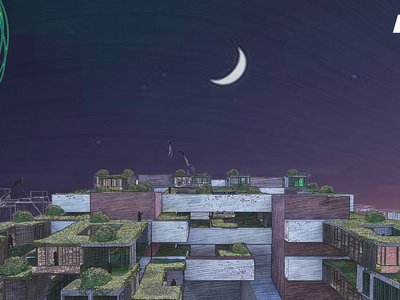
Oasis: Modular Green Housing Carved into Dhaka's Urban Fabric
A shortlisted Plugin Housing entry reclaims unauthorized settlements in Dhaka with stepped concrete volumes, green roofs, and ventilation-driven design.

Black Hole: A Floating Megastructure for the Post-Physical Era
Emiliano Mazzarotto envisions a spherical, self-scaling arena where e-sports, digital hotels, and holographic stadiums replace traditional public space.
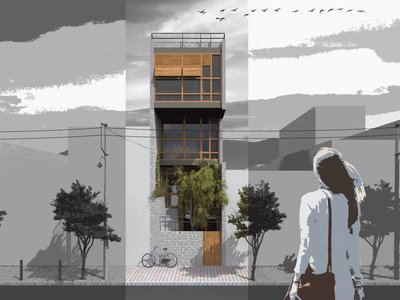
Compact & Sustainable Living in Piraeus: A Four-Level Family Home Built Around Light and Air
A narrow townhouse in one of Greece's densest port cities uses a central atrium and passive strategies to house three generations under one roof.
Explore Architecture Competitions
Discover active competitions in this discipline




The International Standard for Design Portfolios


The Global Benchmark for Architecture Dissertation Awards


The Global Benchmark for Graduation Excellence


Challenge to design public laboratory
Comments (0)
Please login or sign up to add comments
No comments yet. Be the first to comment!