
Transportation Hub Architecture: Arninge Station by Ahlqvist & Almqvist Arkitekter
Arninge Station is a state-of-the-art transportation hub that combines modern architecture with cultural heritage and sustainable design.

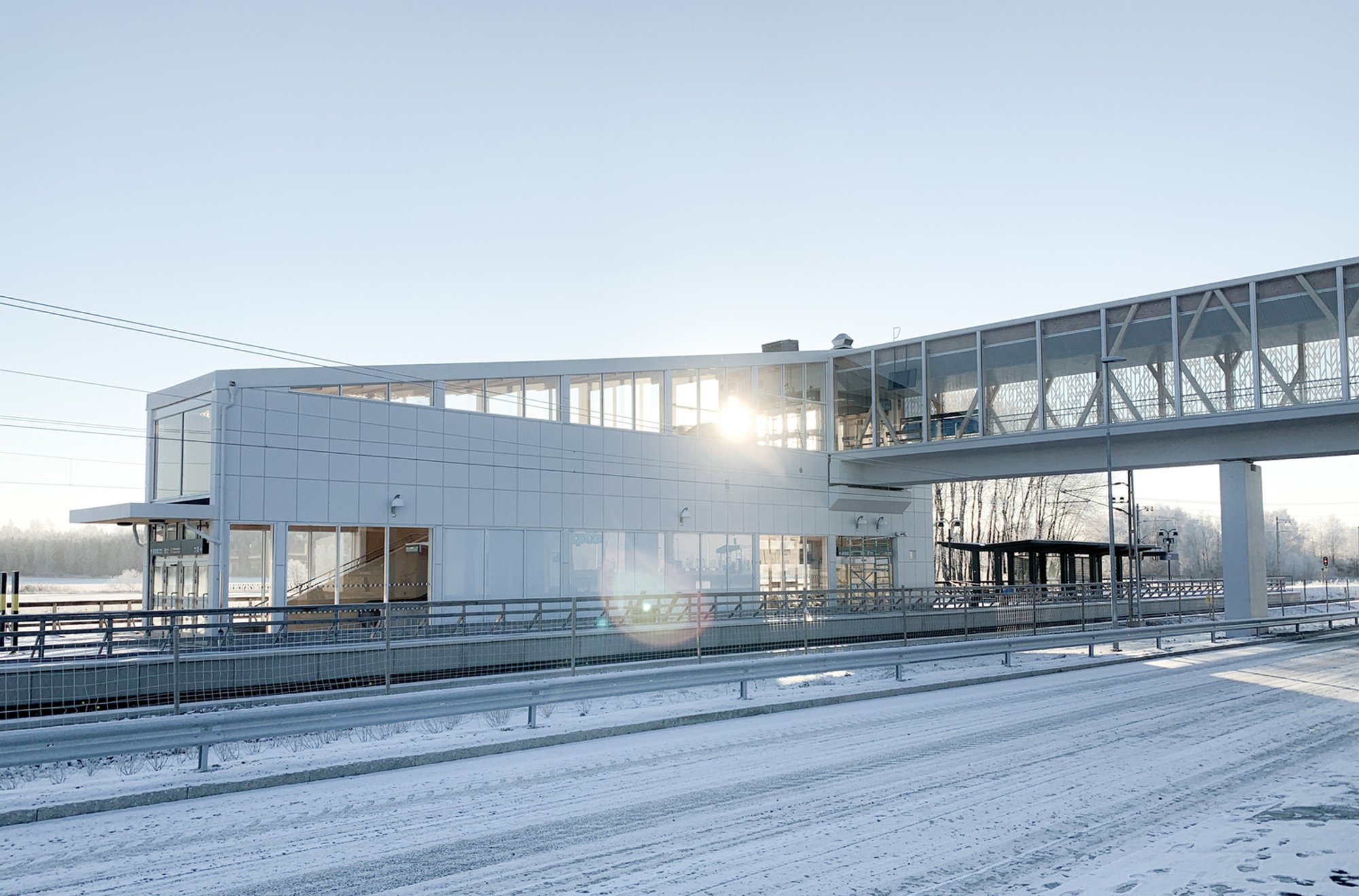
Arninge Station, designed by Ahlqvist & Almqvist Arkitekter, is a cutting-edge transportation hub located in Täby Municipality, just north of Stockholm. Completed in 2021, the station serves as a pivotal point for commuters, connecting multiple modes of transportation, including the Roslagsbanan railway, buses on the E18 highway, and local bus services. Commissioned by the Swedish Transport Administration (Trafikverket), this project integrates sustainable design principles with a deep respect for the area's cultural and historical significance.


Architecture of Arninge Station: A Seamless Transport Experience
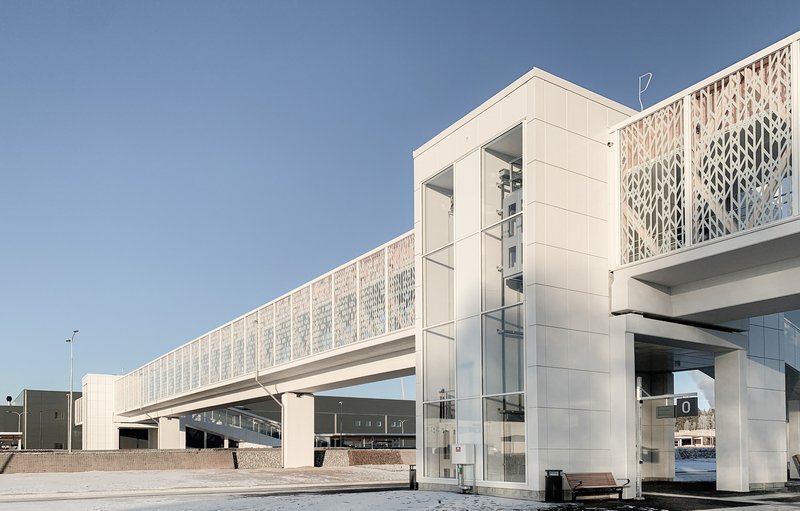
The architectural design of Arninge Station aims to create a functional, yet culturally resonant space for travelers. The center of the station features a striking 144-meter-long glass-covered walkway, which connects the various transport services. This walkway includes three stairwells offering easy access to bus platforms serving both directions on the E18, a new Roslagsbanan station, and a direct link to the nearby Arninge shopping area. The design ensures that commuters can effortlessly transition between different transport modes, reducing travel times and improving overall transit efficiency.


A key design feature is the transparent walkway, which allows for natural light to flood the interior, creating a bright and airy atmosphere. The design also incorporates green roofs and sustainable building practices, supporting biodiversity and stormwater management, while enhancing the station's aesthetic value. This balance between modern functionality and sustainable architecture makes Arninge Station a state-of-the-art hub that serves both practical and environmental goals.


Cultural and Historical References in the Design
One of the most unique aspects of Arninge Station's design is the incorporation of cultural and historical references. The pattern etched onto the glass walls of the walkway is inspired by ancient runic inscriptions found on graves and monuments in the Arninge area. These inscriptions highlight the region’s significance during the Late Iron Age and suggest that Arninge may have been an important transportation hub even in ancient times.

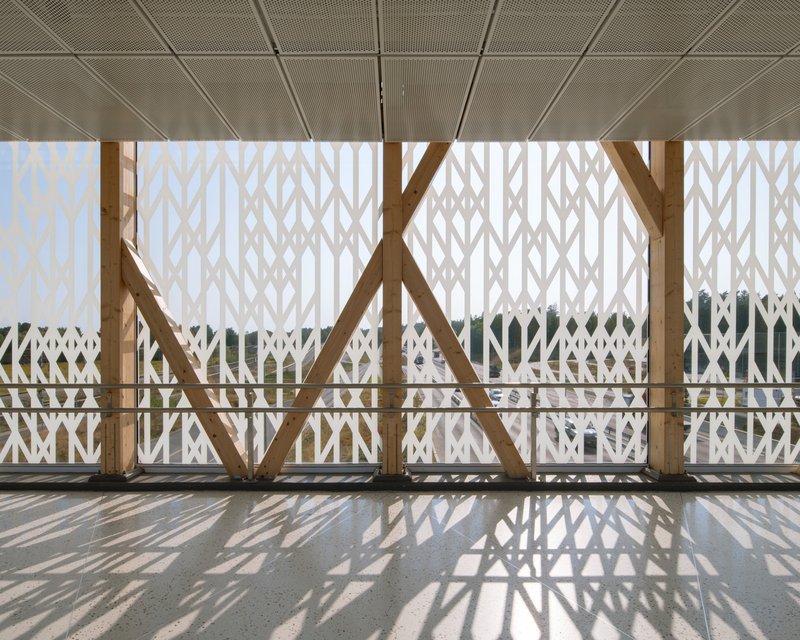
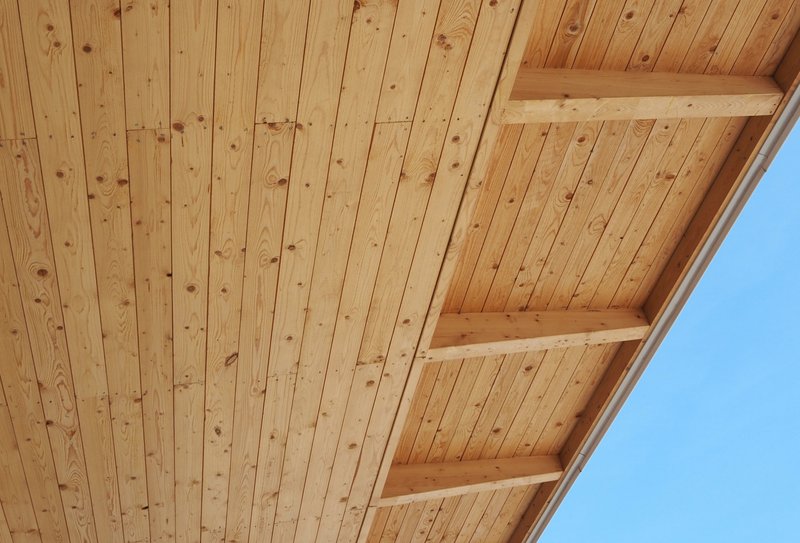
This historical reference is not only an aesthetic choice but also a narrative thread that connects the present with the past. The design integrates these elements into the structure, offering a deeper cultural experience for those who use the station. In addition to the aesthetic features, the interior of the station emphasizes sustainability. Wood, a renewable material, is used extensively throughout the building, creating a warm and inviting atmosphere while also supporting the station’s eco-friendly design philosophy.

Sustainable Design Features
Sustainability plays a central role in Arninge Station's architectural design. The roof of the station is covered with sedum, a resilient green roofing material that contributes to biodiversity, improves insulation, and aids in stormwater management. These sustainable elements not only reduce the station's environmental impact but also enhance its natural beauty, contributing to the region's overall green infrastructure.

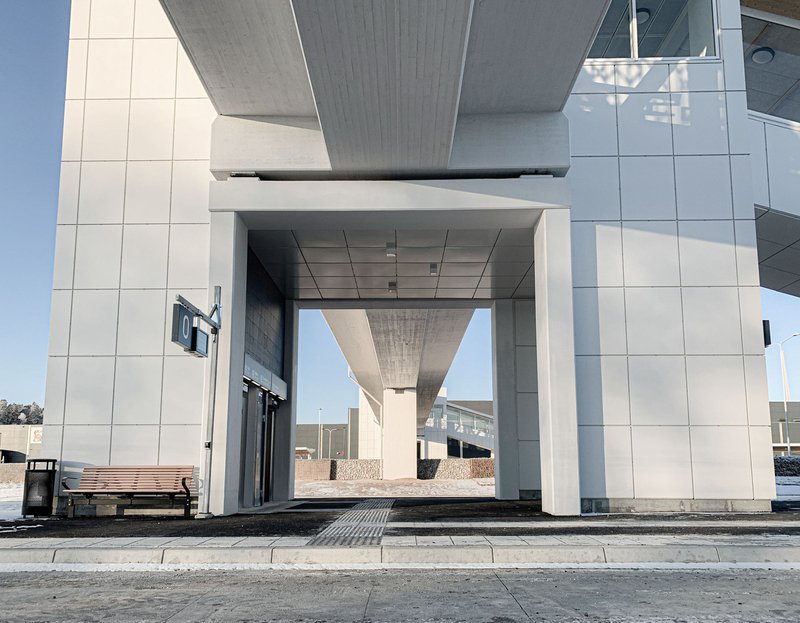
Ample parking is provided for both bicycles and cars, accommodating the diverse needs of travelers. The sheltered platforms offer protection from the elements, ensuring that passengers are comfortable no matter the weather conditions. By incorporating these sustainable features, Arninge Station not only serves as a transit hub but also as an example of how architecture can harmonize with nature and community needs.
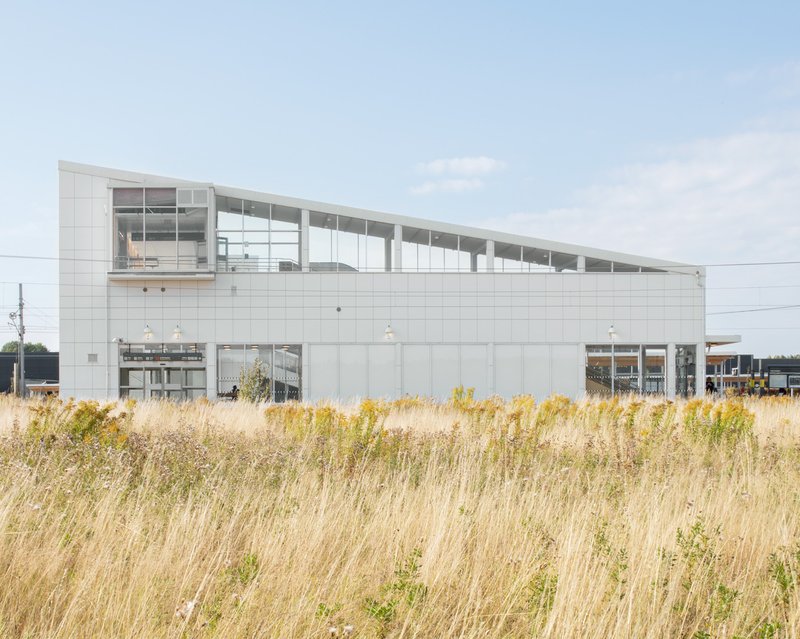

Arninge Station as a Model of Modern Transportation Architecture
Arninge Station, inaugurated in December 2021, is a modern marvel in transportation hub architecture. It successfully integrates functional transit space with sustainable design and cultural significance. By reflecting the area's rich history while providing state-of-the-art facilities for today’s commuters, the station embodies the perfect balance between past and future. Arninge Station is more than just a transit point—it’s a testament to how architecture can enhance the user experience, promote sustainability, and honor cultural heritage.
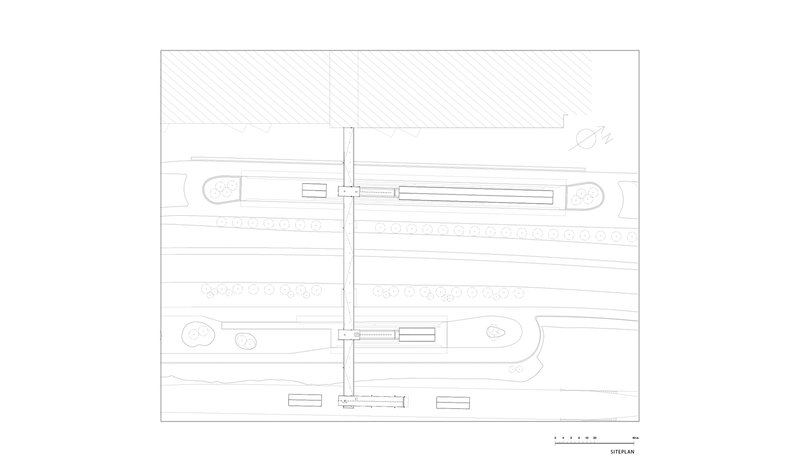

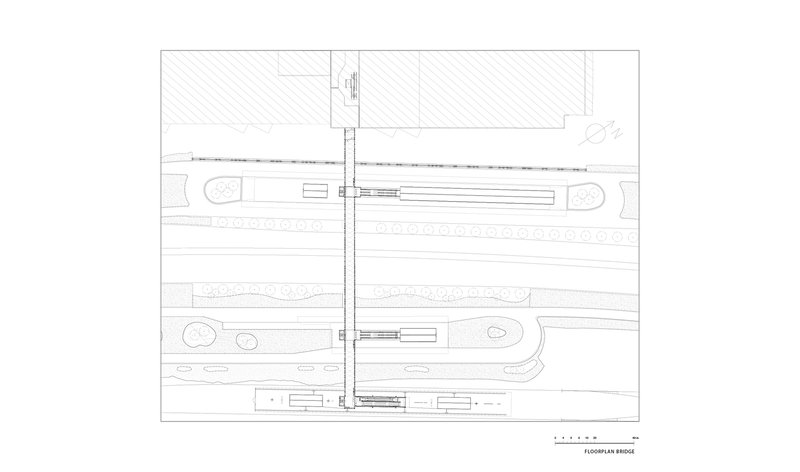


All Photographs are work of Mikael Olsson, André Prusic




Popular Articles
Popular articles from the community

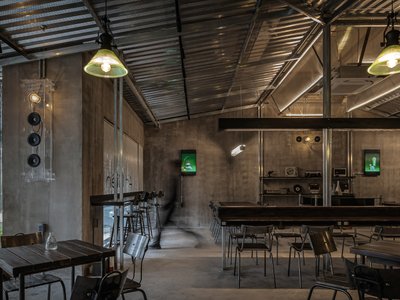
An Miên Lumière Cafe by xưởng xép, Ho Chi Minh City, Vietnam
An industrial-inspired café where layered steel and warm light create a dynamic, immersive environment shaped by reflection, depth, and perception.
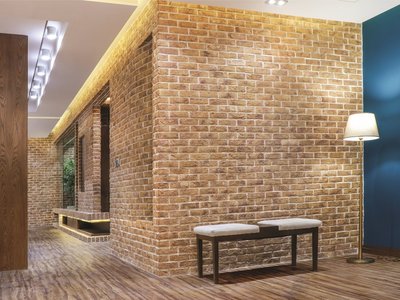
A Contemporary Take on Iranian Residential Architecture
A modern interior design in Mashhad that reinterprets brick, light, and spatial flow to create a warm, contemporary residential architecture.

Solar Steam: A Climate-Responsive Architecture That Redefines the Monument
A climate-responsive memorial architecture that transforms heat, decay, and time into a living system reflecting humanity’s ecological impact.
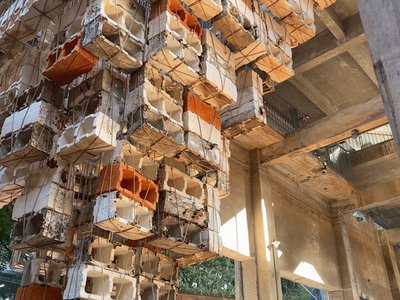
Inverted Architecture Installation by Studio Link-Arc: Exploring the Intersection of Architecture and Living Organisms
Inverted Architecture Installation by Studio Link-Arc blends mycelium, sustainability, inverted design, ecological cycles, and urban adaptive architecture in Shenzhen.

Similar Reads
You might also enjoy these articles


The Ken Roberts Memorial Delineation Competition (Krob)
As the most senior architectural drawing competition currently in operation anywhere in the world, it draws hundreds of entries each year, awarding the very best submissions in a series of medium-based categories.

Waterfront Redevelopment and Urban Revitalization in Mumbai: Forging a New Dawn for Darukhana
A transformative waterfront redevelopment project reimagining Darukhana’s shipbreaking heritage into an inclusive urban future.
OUT-OF-MAP: A Call for Postcards on Feminist Narratives of Public Space
Rhizoma Design and Research Lab invites artists, designers, architects, researchers, and students to reflect on how feminist perspectives can reshape public space. Selected works will be exhibited in Barcelona, October 2026. Submissions open until 15 April 2026.

Documentation Work on Buddhist Wooden Temple
Architectural syncretism and cultural hybridity: A comparative study of the Buddhist temples in Chattogram Hill tracks

Explore Architecture Competitions
Discover active competitions in this discipline




The International Standard for Design Portfolios


The Global Benchmark for Architecture Dissertation Awards


The Global Benchmark for Graduation Excellence


Challenge to reimagine the Iron Throne
Comments (0)
Please login or sign up to add comments
No comments yet. Be the first to comment!