
Trekantblokka by Mad Arkitekter: A Blend of History and Modernization
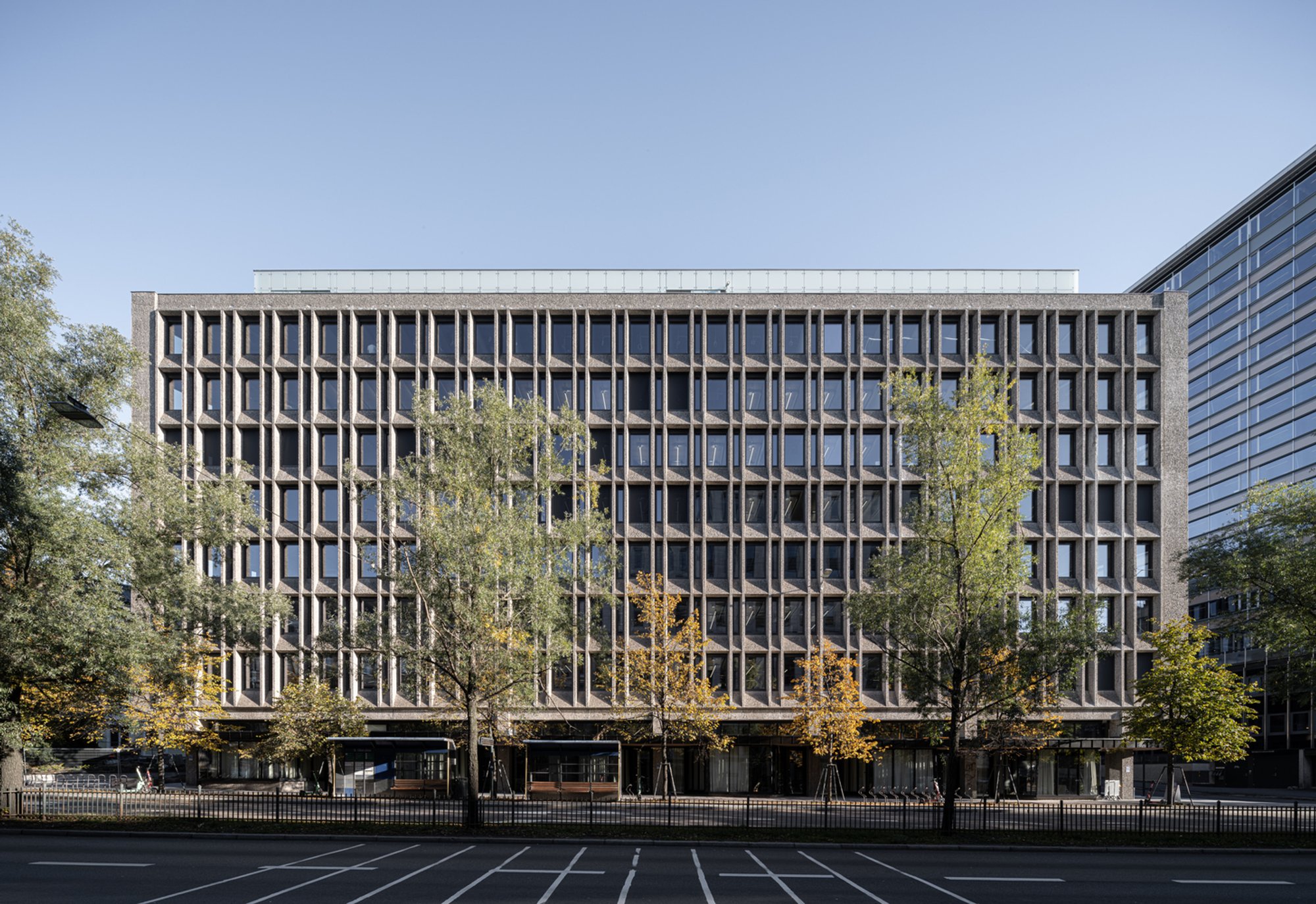
Trekantblokka by Mad Arkitekter transforms a historic Oslo landmark into a modern, sustainable office space, blending heritage and innovation.

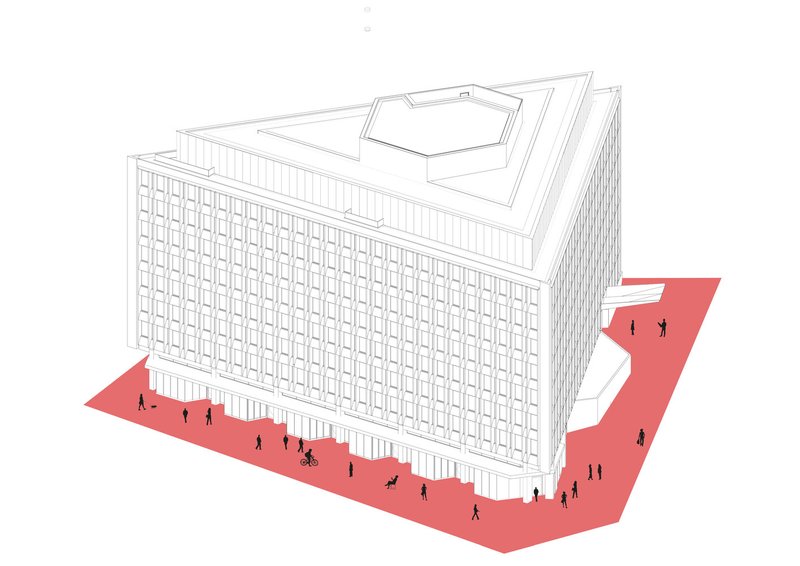
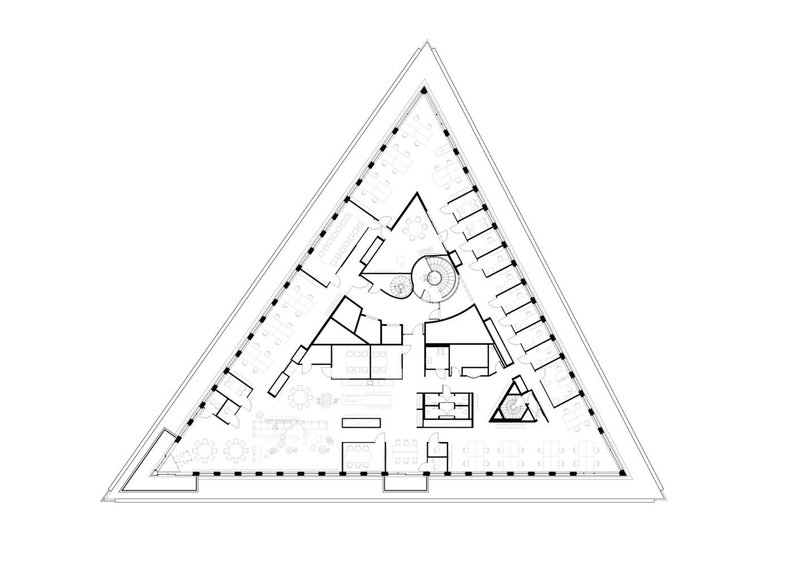
The Trekantblokka, located at St. Olavs Plass 5 in Oslo, Norway, is a standout architectural project by Mad Arkitekter. Originally designed by Erling Viksjø in 1968-1969, this historic building has been revitalized to meet modern needs while preserving its unique architectural heritage. With a triangular footprint and iconic concrete façade, the building now serves as a vibrant office space with extroverted street-level functions, blending history with innovation.
The Historical Significance of Trekantblokka
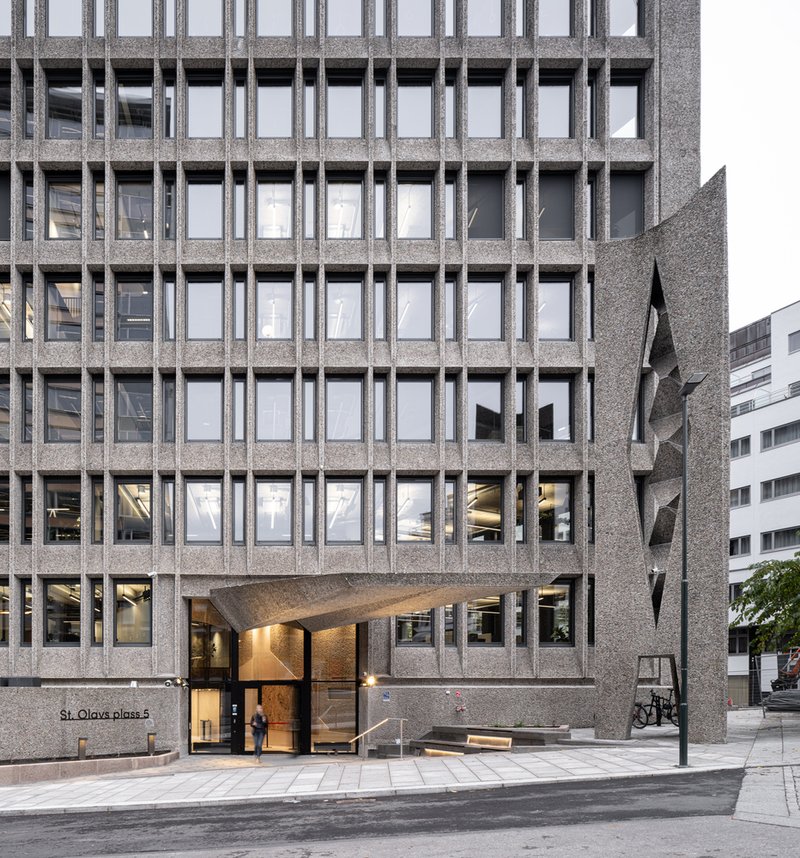
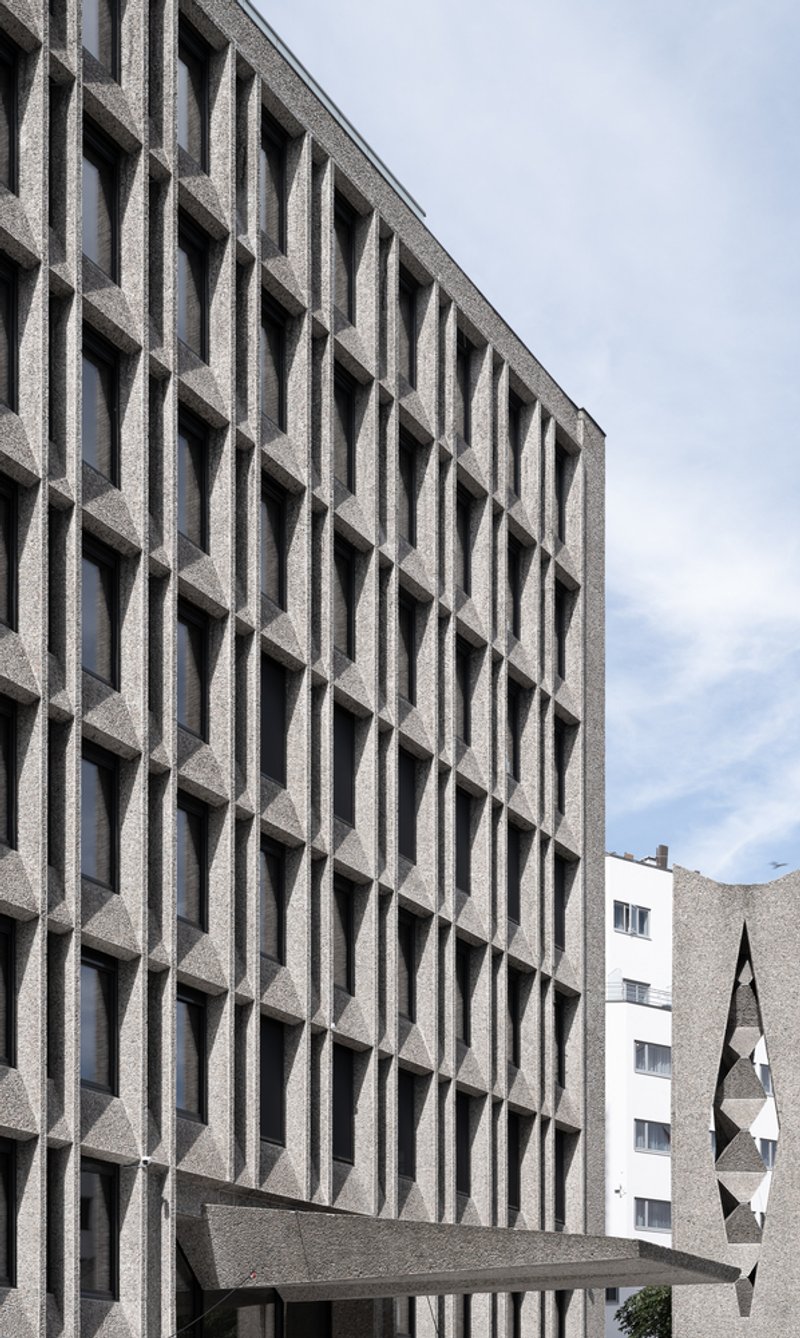
Built for Oslo Helseråd, the original structure was a hallmark of Erling Viksjø’s architectural vision. Known for its ‘natural concrete’ façade, Viksjø’s patented sandblasted technique created a distinctive texture and robustness that defined mid-20th-century modernism.
This building’s triangular shape and grid-structured façade remain iconic, making it a listed property on Oslo’s Landmark Preservation Committee’s Yellow List. The listing recognizes its historical and architectural value, ensuring that its transformation adheres to preservation standards.
Modernization: From Heritage to Contemporary Functionality
Adaptive Reuse and Sustainable Updates
The modernization of Trekantblokka focused on creating a harmonious blend of heritage preservation and contemporary functionality:
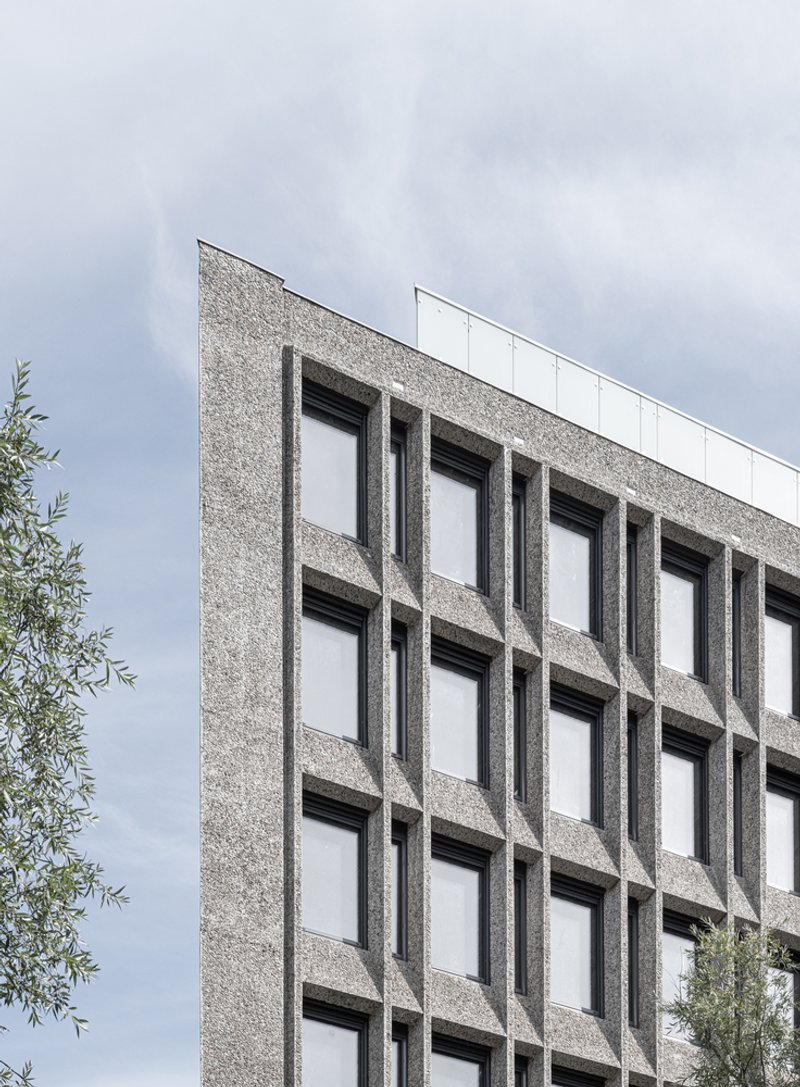
- Preservation of Façade:The building’s load-bearing natural concrete façade has been restored and preserved to maintain its historical essence.Street-level openings were introduced carefully, in consultation with Oslo Landmark Preservation Committee, to allow for modern functionality while respecting the building’s original design.
- The building’s load-bearing natural concrete façade has been restored and preserved to maintain its historical essence.
- Street-level openings were introduced carefully, in consultation with Oslo Landmark Preservation Committee, to allow for modern functionality while respecting the building’s original design.
- Green and Vibrant Public Spaces:Outdoor areas were rejuvenated with greenery, making the surrounding urban space more inviting.The inclusion of business and catering spaces at street level adds vitality to the area, attracting public engagement.
- Outdoor areas were rejuvenated with greenery, making the surrounding urban space more inviting.
- The inclusion of business and catering spaces at street level adds vitality to the area, attracting public engagement.
Use of Materials
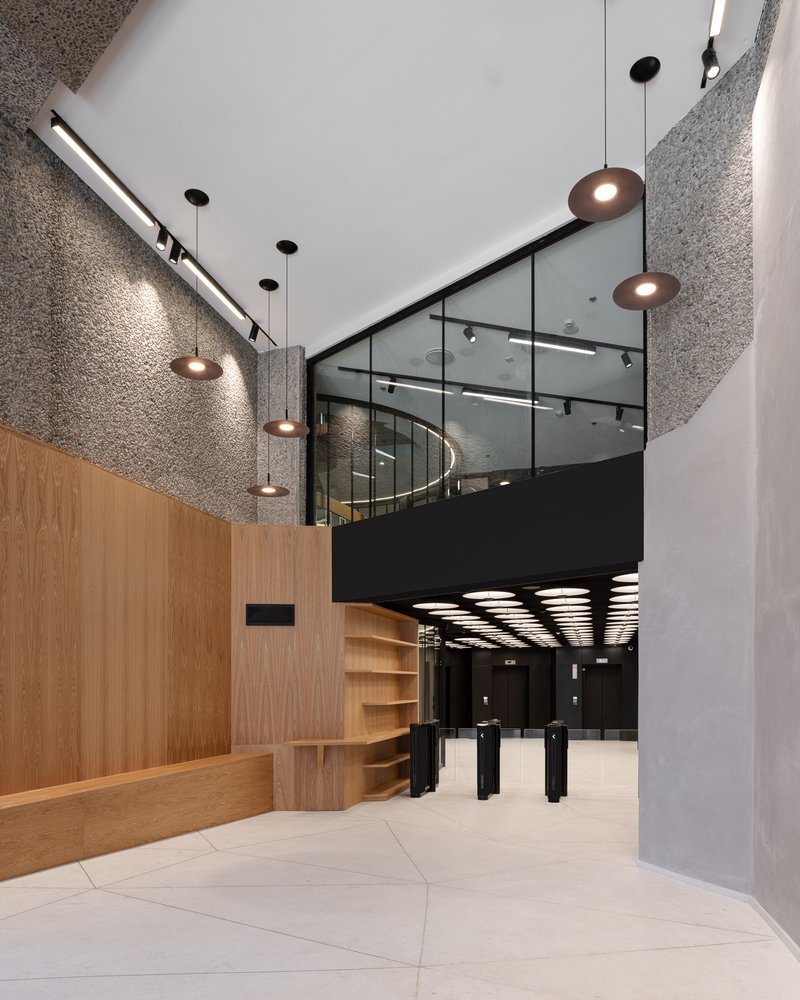
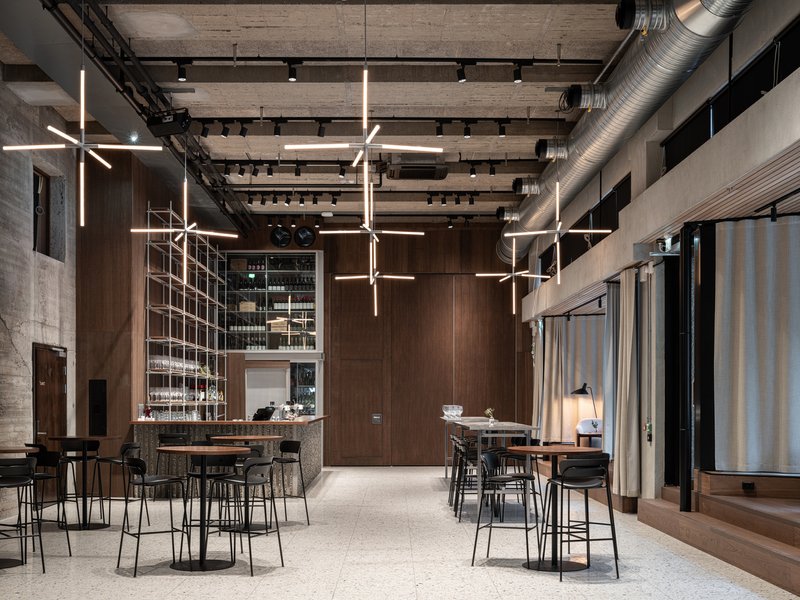
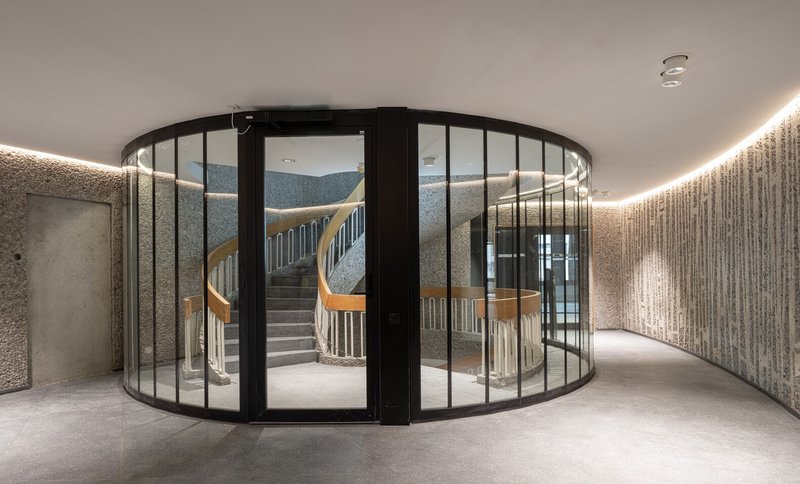
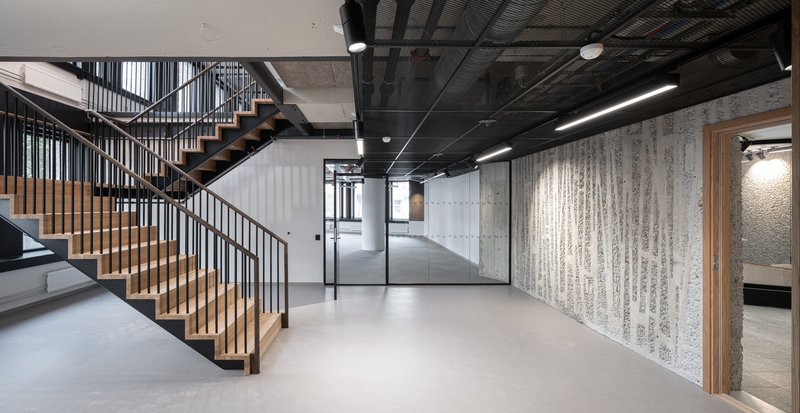
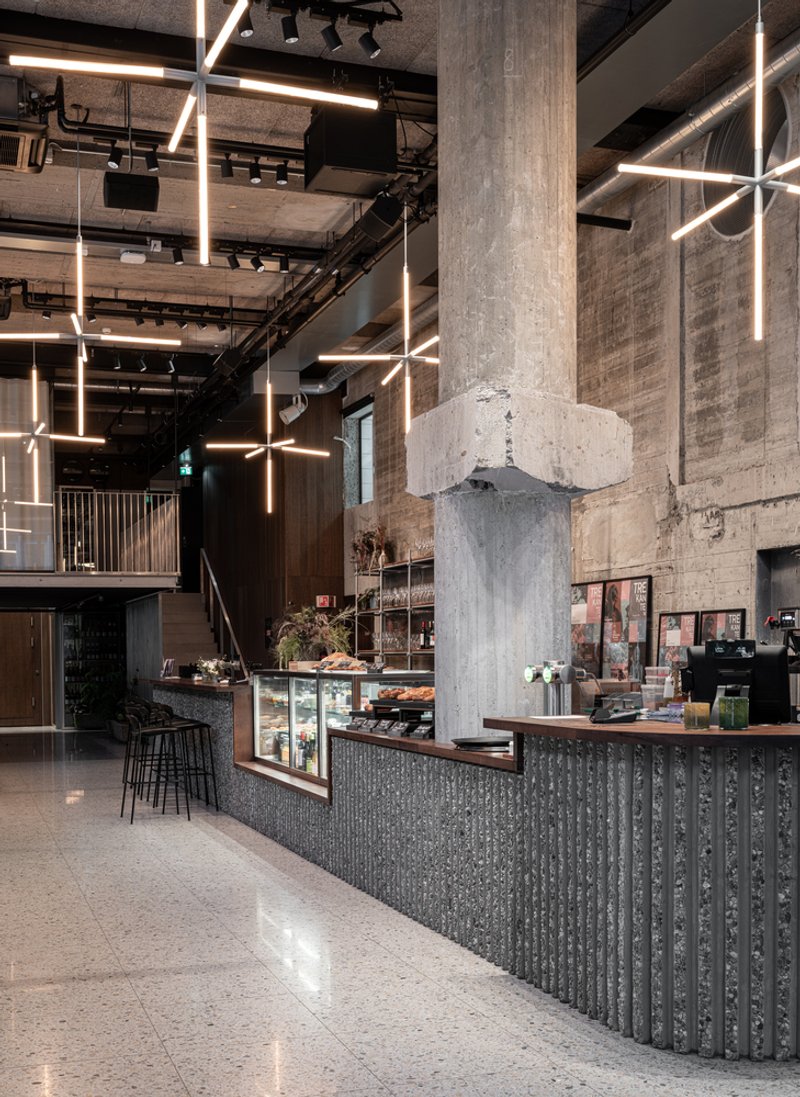
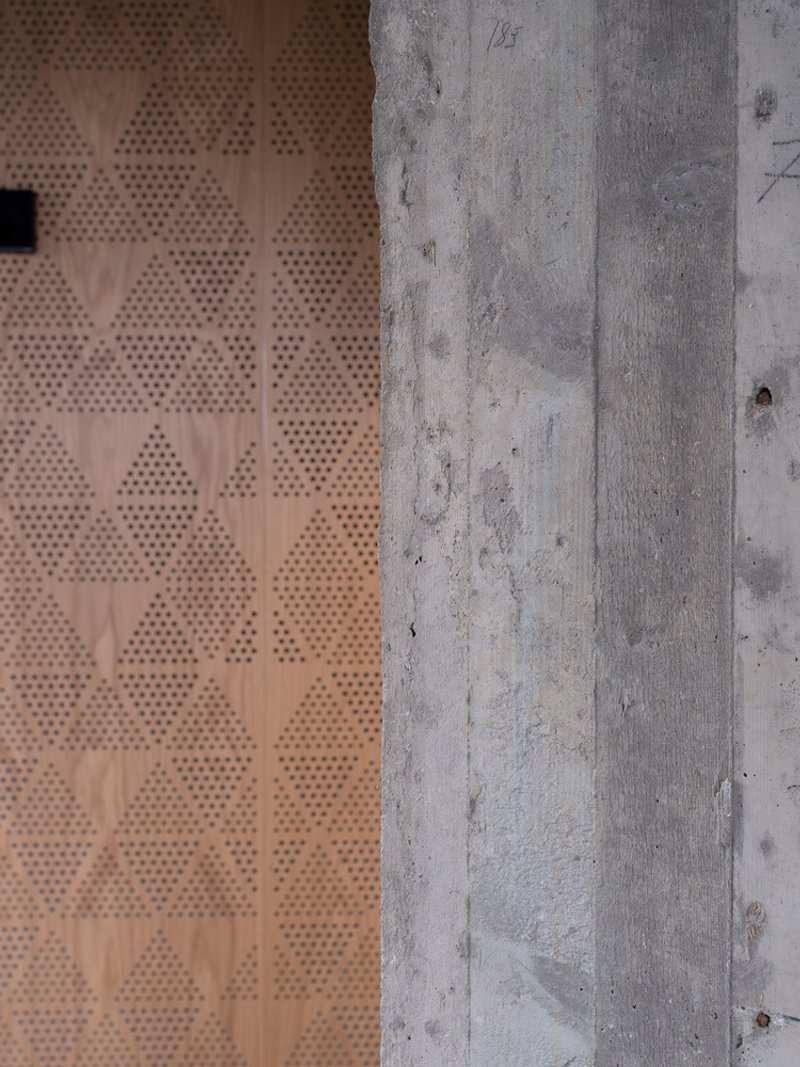
A minimalist material palette of concrete, oak, and black detailing defines the renovation. The materials were chosen to complement the original structure while aligning with modern design principles. Key features include:
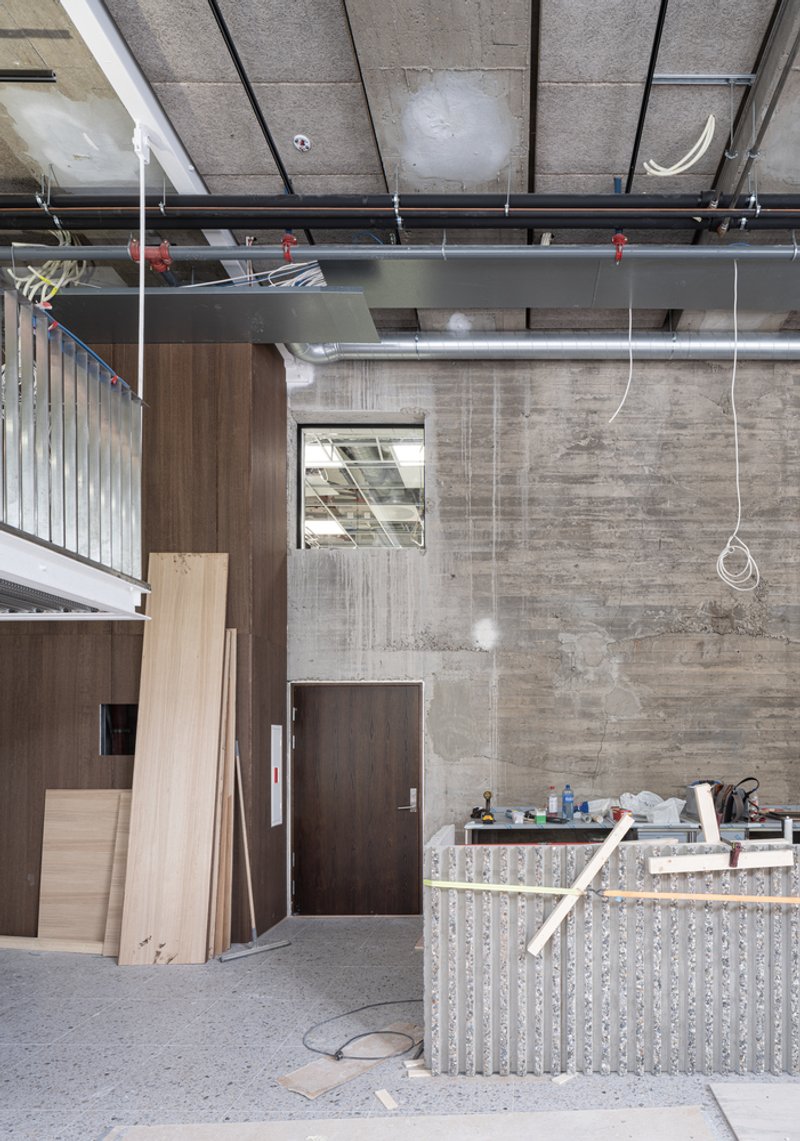
- Reuse of Original Elements: Oak doors from the original construction were refurbished and reintegrated, highlighting sustainability.
- Interior Cohesion: A consistent flow of materials and colors ensures a seamless transition between interior and exterior spaces.
Window and Color Design
The upper-floor windows were preserved in their original color palette, while ground-floor windows and fittings were given a slightly darker tone. This subtle difference accentuates the street-level design and creates a contemporary contrast.
Structural Enhancements for Modern Use
Ninth Floor Addition
A new, offset ninth floor was introduced to accommodate additional office spaces. Designed in the original hexagonal style, this addition blends harmoniously with the existing structure.
Technical Floor Integration
A smaller, offset technical floor was added above the ninth floor to house updated systems. Key features include:
- Perforated Aluminum Cladding: This design conceals air vents and cooling equipment, ensuring a clean, cohesive appearance.
- Minimal Visual Impact: The technical floor is barely visible from ground level, blending seamlessly with the reflective double-glass façade of the ninth floor.
Interior Design: Modern Minimalism Meets Historical Charm
The interiors of Trekantblokka emphasize functionality, durability, and aesthetic coherence:
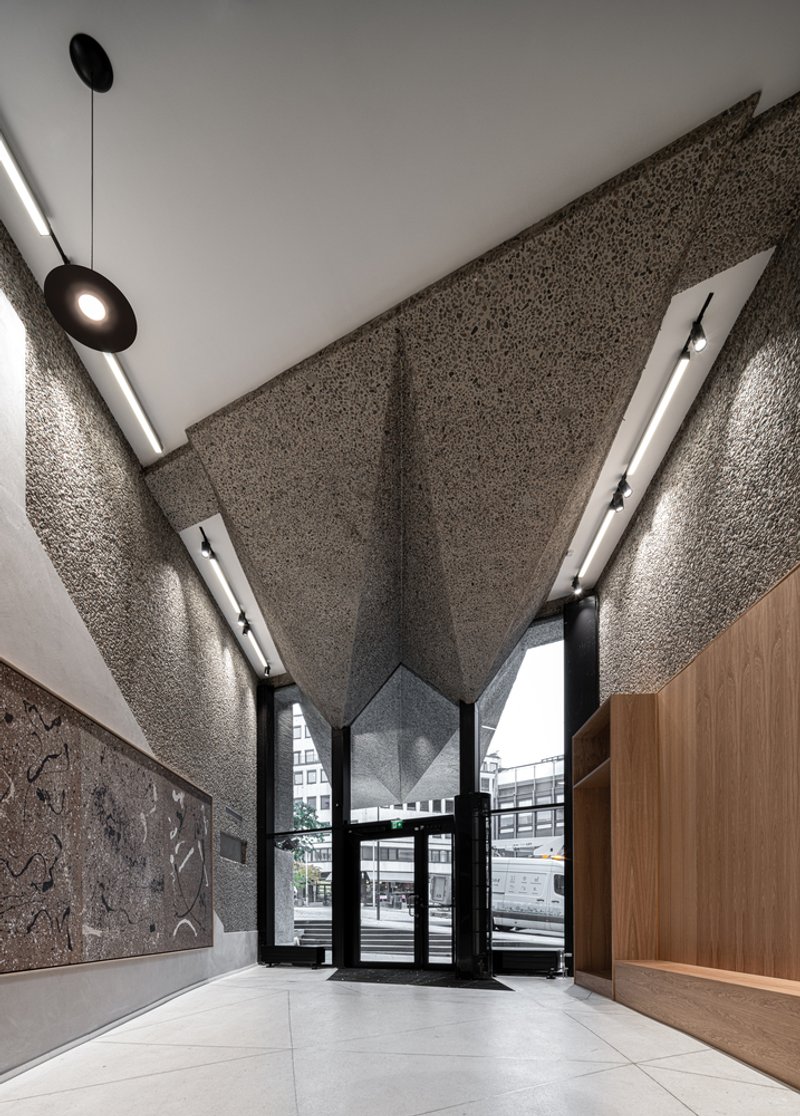
- Rational Materials: Solid and environmentally friendly materials were selected to enhance the building’s structural integrity and interior climate.
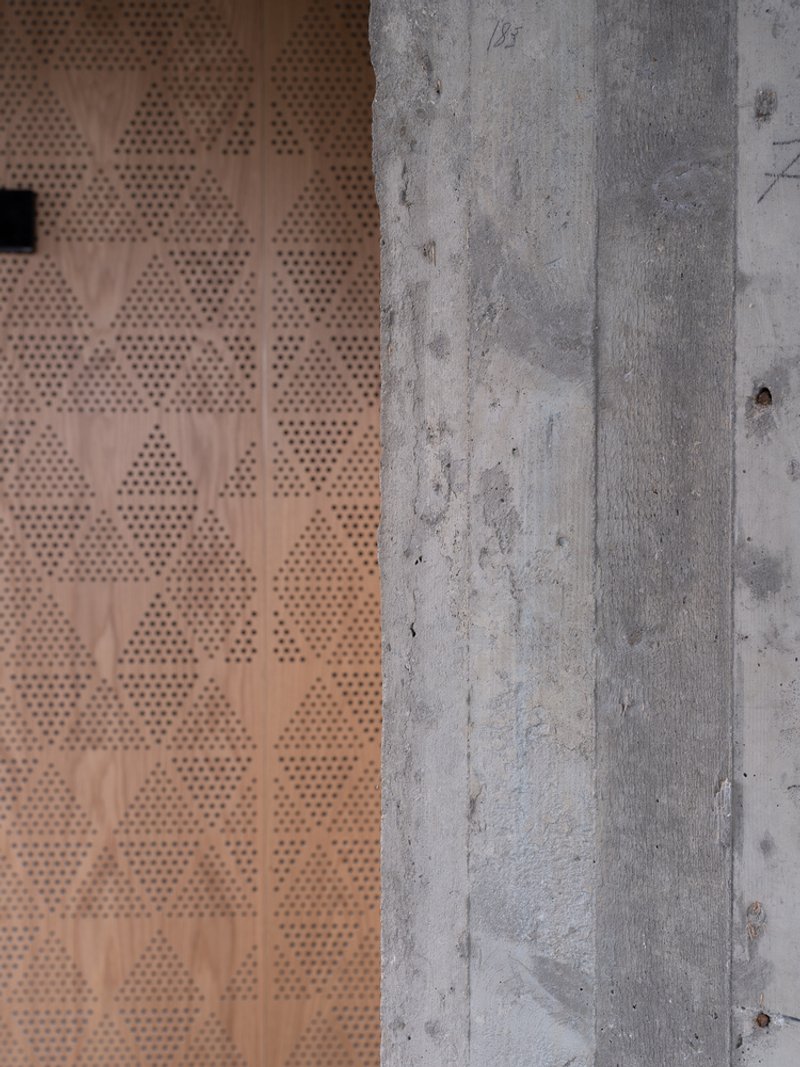
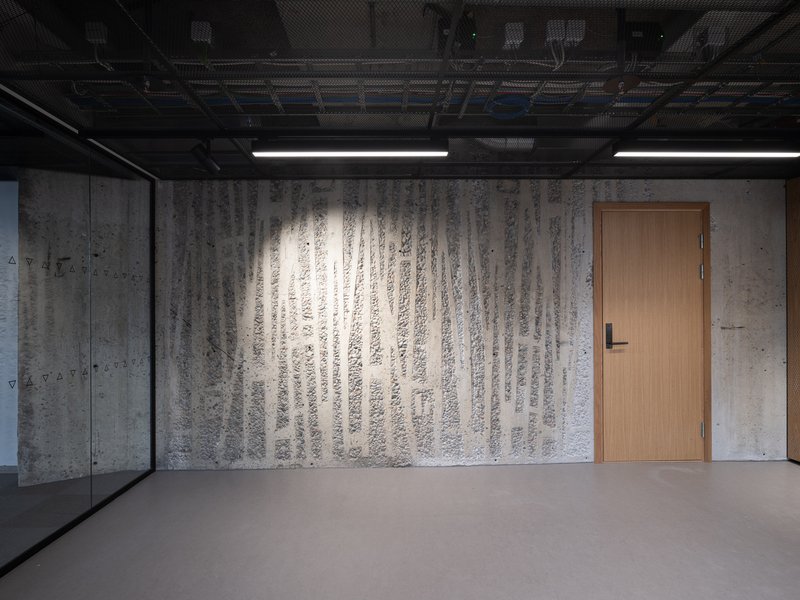
- Natural Concrete Integration: The iconic concrete of the original structure is complemented by modern materials like oak and metal.
- Focus on Simplicity: By reducing material and color variations, the design creates a calm and cohesive atmosphere throughout the building.
Sustainability and Environmental Considerations
The renovation prioritized environmental responsibility through:
- Reuse of Original Materials: Minimizing waste and preserving historical elements.
- Energy Efficiency: Incorporating updated technical installations for improved performance.
- Greener Urban Spaces: Enhancing outdoor areas with plants and sustainable landscaping.
A Perfect Balance of Heritage and Modernity
The revitalization of Trekantblokka is a testament to the potential of adaptive reuse in architecture. Mad Arkitekter has masterfully transformed a historic landmark into a modern office space, creating a design that is both functional and respectful of its heritage.
By preserving the building’s iconic natural concrete façade and integrating sustainable practices, the project ensures that Trekantblokka remains a vibrant part of Oslo’s architectural landscape for decades to come.
All Photographs are work of Kyrre Sundal



Popular Articles
Popular articles from the community

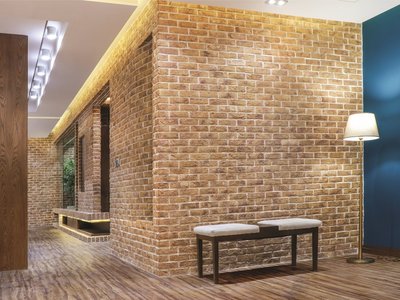
A Contemporary Take on Iranian Residential Architecture
A modern interior design in Mashhad that reinterprets brick, light, and spatial flow to create a warm, contemporary residential architecture.
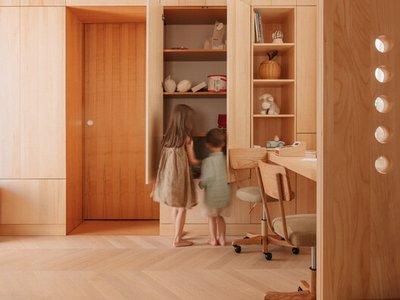
Treehouse Apartment: A Warm Timber Interior Blending Craft, Play, and Contemporary Living
Warm timber apartment with integrated treehouse, combining natural materials, craftsmanship, and playful design to create a flexible, family-oriented living environment.
On the Brooks House by Monsoon Collective – A Contemporary Kerala Home Rooted in Tradition
Kerala home blending tradition and modernity with water-inspired design, brick architecture, courtyard planning, and sustainable rainwater harvesting strategies.
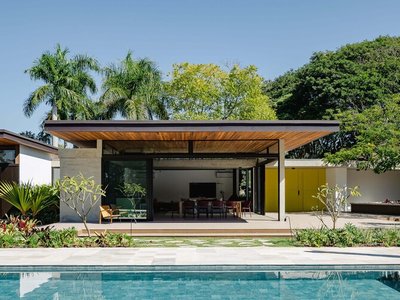
Flamboyant House by Juliana Camargo + Prumo Projetos
Modern Brazilian house integrating existing tree, pool, and volumes with glass, wood, and transitional spaces blending interior, exterior, and landscape seamlessly.

Similar Reads
You might also enjoy these articles


The Ken Roberts Memorial Delineation Competition (Krob)
As the most senior architectural drawing competition currently in operation anywhere in the world, it draws hundreds of entries each year, awarding the very best submissions in a series of medium-based categories.


Waterfront Redevelopment and Urban Revitalization in Mumbai: Forging a New Dawn for Darukhana
A transformative waterfront redevelopment project reimagining Darukhana’s shipbreaking heritage into an inclusive urban future.

OUT-OF-MAP: A Call for Postcards on Feminist Narratives of Public Space
Rhizoma Design and Research Lab invites artists, designers, architects, researchers, and students to reflect on how feminist perspectives can reshape public space. Selected works will be exhibited in Barcelona, October 2026. Submissions open until 15 April 2026.


Documentation Work on Buddhist Wooden Temple
Architectural syncretism and cultural hybridity: A comparative study of the Buddhist temples in Chattogram Hill tracks

Explore Office Building Competitions
Discover active competitions in this discipline




The International Standard for Design Portfolios


The Global Benchmark for Architecture Dissertation Awards


The Global Benchmark for Graduation Excellence


Challenge to reimagine the Iron Throne
Comments (0)
Please login or sign up to add comments
No comments yet. Be the first to comment!