
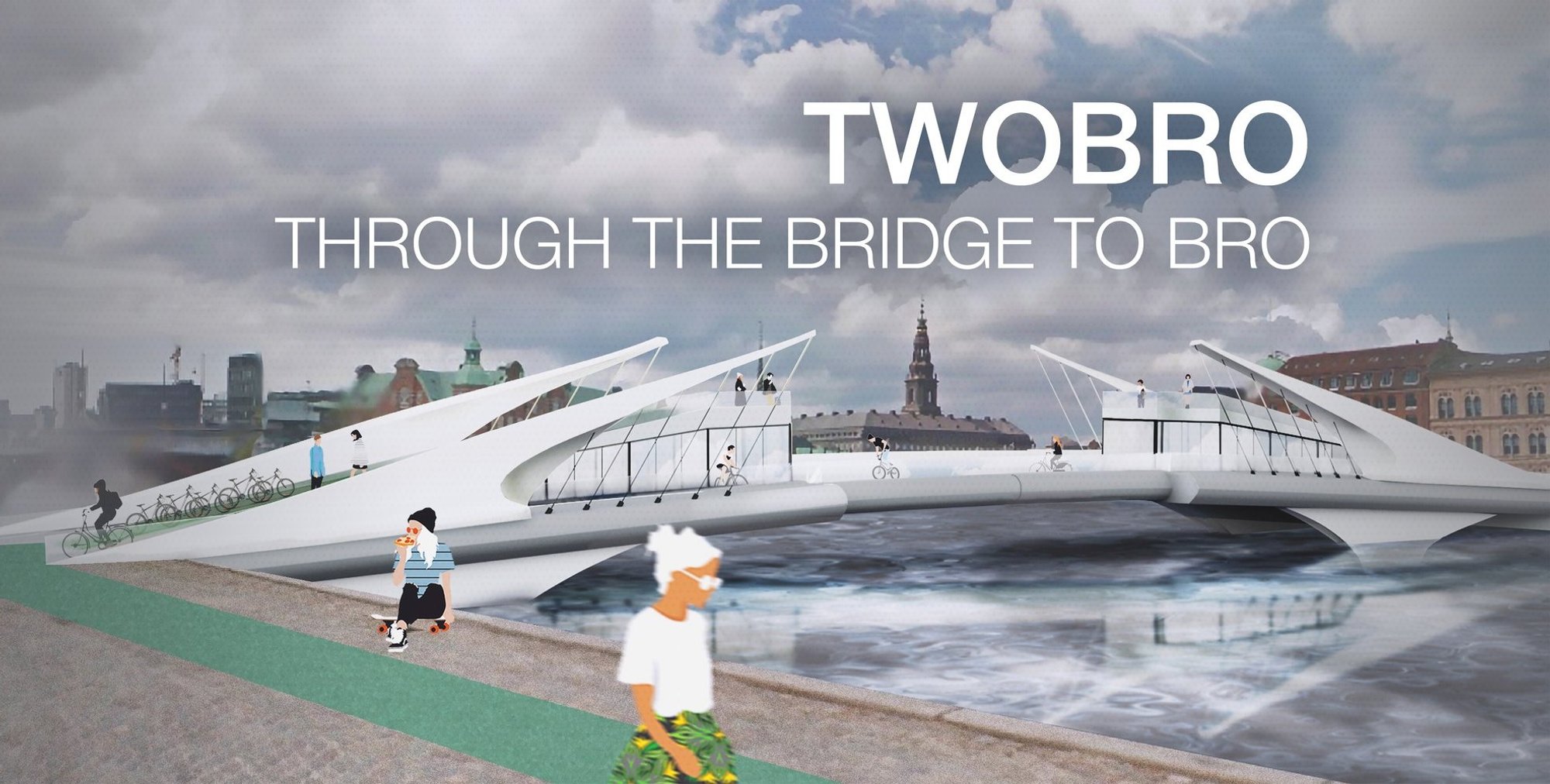
Twobro Sustainable Urban Bridge Architecture
A sustainable urban bridge uniting Indre By and Christianshavn through cycling, culture, and community-driven public space design.

In the evolving narrative of contemporary architecture, bridges are no longer just infrastructure. They are civic catalysts, cultural connectors, and public spaces that redefine urban relationships. TWOBRO is a visionary example of sustainable urban bridge architecture: a project that transforms a crossing into a place of encounter, identity, and shared experience.
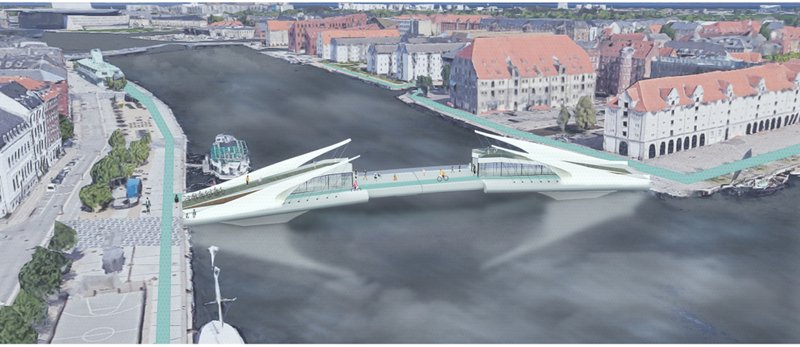
Designed by Ltd PGS Proekt and Andrey Shirokiy, the TWOBRO bridge proposes a powerful connection between two historically and socially distinct districts of Copenhagen: Indre By and Christianshavn. Rather than simply linking two shores, the project reimagines the bridge as a living, breathing public realm that fosters unity between pedestrians, cyclists, residents, and visitors.
Concept: Through the Bridge to Bro
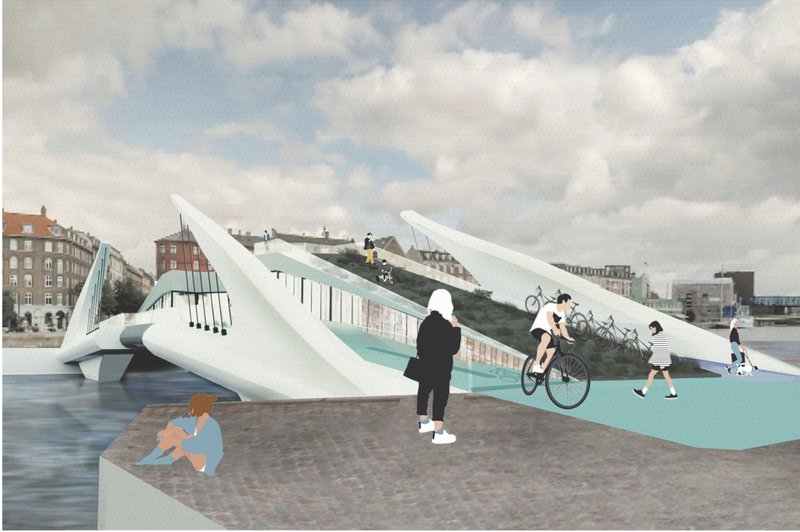
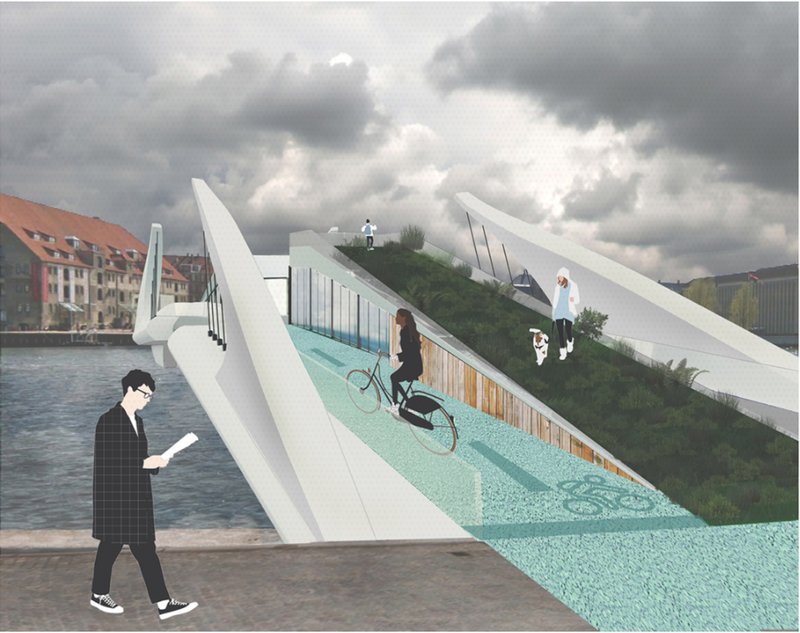
The name “TWOBRO” reflects the central metaphor of the project, two brothers, or two friends, coming closer together. Architecturally, this idea is embodied in the bridge’s sculptural form and its twin pavilion structures positioned at the center.
The bridge does not merely connect land; it connects people. Moving across TWOBRO becomes a symbolic and physical act of crossing boundaries: social, cultural, and spatial. The design encourages users to slow down, interact, and experience the city differently.
The form itself expresses motion and embrace. Two rising structural elements frame the central green promenade, suggesting openness and dialogue. The bridge becomes not just a route, but a journey.
Urban Context: Uniting Indre By and Christianshavn
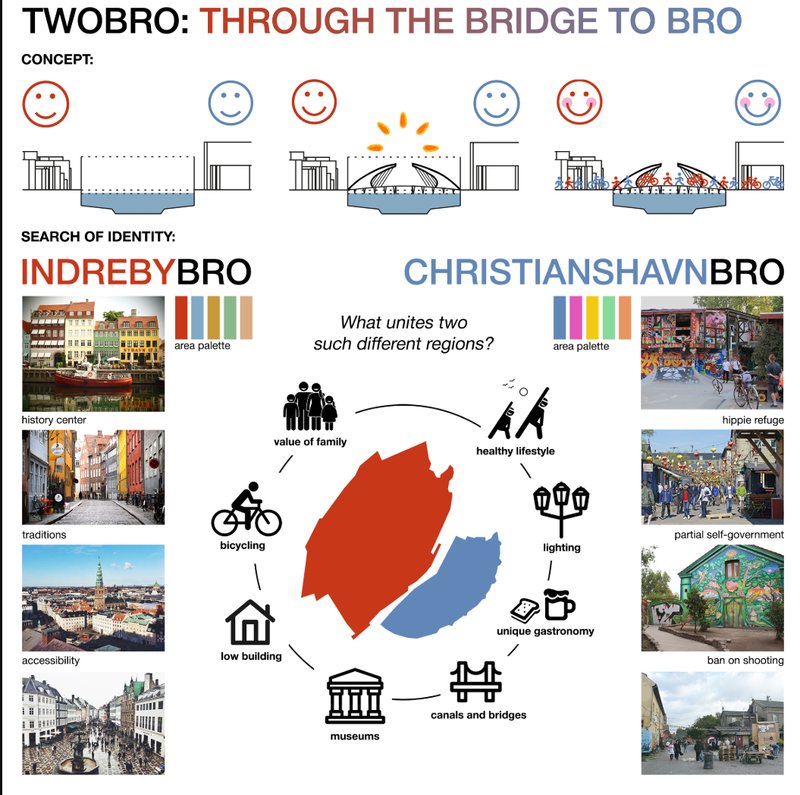
Indre By represents Copenhagen’s historical center: characterized by tradition, accessibility, museums, and cultural heritage. Christianshavn, on the other hand, is known for its creative spirit, alternative culture, and dynamic public life.
TWOBRO acts as a mediator between these identities.
Through detailed urban research, the project maps pedestrian flows, bicycle infrastructure, HoReCa locations, water traffic, and tourism patterns. Copenhagen’s strong cycling culture, with more than half of city traffic consisting of bicycles, becomes a foundational driver of the design.
This sustainable urban bridge architecture strengthens:
- Bicycle mobility networks
- Pedestrian permeability
- Waterfront activation
- Cultural exchange
- Social cohesion
The bridge sits strategically within a 500-meter radius of major cultural institutions, galleries, embassies, restaurants, and cycling routes, making it a key urban hinge.
Program: A Bridge as Public Space
Unlike conventional infrastructure, TWOBRO integrates multifunctional public programs within its structure.
At the heart of the bridge are two pavilion volumes, symbolic “embassies” of each district. These include:
- Information centers
- Exhibition and museum spaces
- Workshops
- Café and gallery areas
- Bicycle rental and service stations
- Gift shops and cultural displays
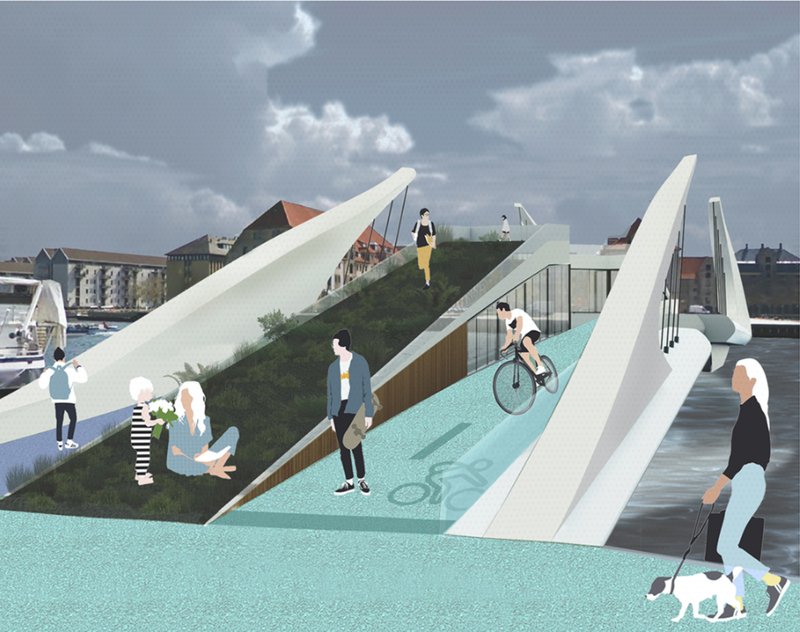
By separating pedestrian and bicycle flows, the design ensures safety while maintaining visual and social interaction. The green central roofscape functions as both circulation and recreation space, allowing visitors to pause, sit, observe, and engage.
This layered spatial strategy transforms the bridge into a micro-urban ecosystem, an elevated public square above water.
Sustainable Design and Ecological Integration
As a contemporary example of sustainable urban bridge architecture, TWOBRO incorporates environmental responsibility into its form and materiality.
Key sustainable strategies include:
- Green accessible roof for insulation and biodiversity
- Solar panels integrated along the structure
- Durable, weather-resistant walkway materials
- Wood and glass pavilion facades
- Public charging stations for devices
The emphasis on cycling over cars significantly reduces environmental impact. By encouraging non-motorized mobility, the bridge supports Copenhagen’s commitment to sustainable urban development.
The bridge is not only infrastructure, it is climate-conscious architecture.
Social Impact: Designing for Connection
TWOBRO addresses a subtle but important urban issue: social disunity between districts.
By creating an inviting public environment at the midpoint of the crossing, the bridge increases interaction between locals and tourists, families and cyclists, residents of different economic backgrounds.
The interpenetration of HoReCa activities, hotels in Indre By and restaurants and galleries in Christianshavn, generates shared flows. Historically separate areas begin to overlap socially.
In this way, the bridge becomes:
- A meeting place
- A cultural mediator
- A tourism generator
- A prototype for inclusive urban infrastructure
The project suggests that architecture can actively shape relationships, not just spaces.
Landmark Potential: A New Icon for Copenhagen
Beyond its functional and social role, TWOBRO possesses strong landmark qualities. Its sculptural white structural elements and elevated green pathway create a distinctive silhouette along the Copenhagen waterfront.
The bridge is conceived as:
- A starting point for cycling routes
- A viewpoint destination
- A cultural attraction
- A contemporary symbol of unity
Memorable in form yet human in scale, TWOBRO has the potential to redefine how bridges contribute to urban identity.
The Future of Urban Bridge Architecture
TWOBRO demonstrates how bridge design can move beyond engineering necessity into the realm of social architecture.
It embodies:
- Sustainable mobility
- Mixed-use infrastructure
- Ecological integration
- Cultural storytelling
- Community-driven public space
Through thoughtful urban research and architectural clarity, Ltd PGS Proekt and Andrey Shirokiy propose a bridge that is not just crossed, it is experienced.
TWOBRO is about walking through the bridge to bro.
It is about connection.
It is about bringing the city closer together.



Popular Articles
Popular articles from the community

Free Architecture Competitions You Can Enter Right Now
No entry fees, real prizes. Here are the best free architecture competitions open for submissions in 2026.

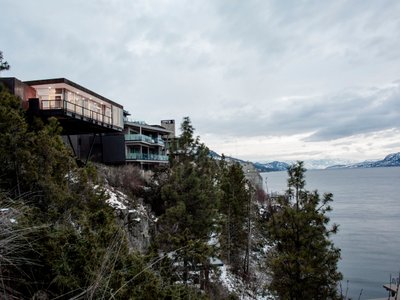
Alton Cliff House: A Harmonious Retreat by f2a Architecture in Lake Country, Canada
Alton Cliff House blends corten steel, prefabrication, and sustainable design, creating a luxurious, energy-efficient retreat perched on Canadian cliffs.


The Ken Roberts Memorial Delineation Competition (Krob)
As the most senior architectural drawing competition currently in operation anywhere in the world, it draws hundreds of entries each year, awarding the very best submissions in a series of medium-based categories.
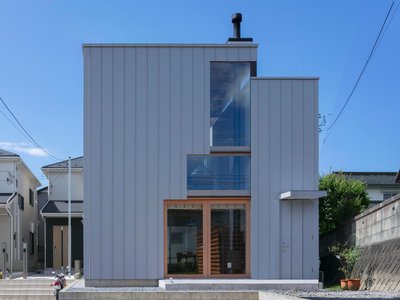
Split House: A Compact Urban Home Blending Privacy, Light, and Flexible Living in Japan
Compact Japanese home featuring DOMA space, flexible café potential, passive lighting, privacy zoning, and sustainable urban living design.

Similar Reads
You might also enjoy these articles
Digital Façade Design for our cities’ urban fronts
Prima Facie - Result Story
Protecting avian biodiversity: Bird observatories to help spread awareness & save rare bird species.
Results for ‘Fly’ - Landscape design competition out now
Connecting with nature: Forest interpretation center in Australia's Wollemi National Park
‘Asatti’ - Landscape design competition - Result story





Comments (0)
Please login or sign up to add comments
No comments yet. Be the first to comment!