

Vietnamese Religious Architecture Design: A Fusion of Tradition and Nature
An exploration of Vietnamese religious architecture through the Martyr Shrine, blending tradition, symbolism, and nature for a spiritual experience.


Vietnamese religious architecture has long embodied a harmonious blend of spirituality, tradition, and environmental consciousness. Among the stunning examples of this design philosophy is the Martyr Shrine by Lestudioarchitects. Situated in Vietnam, this project masterfully combines sacred elements with the surrounding natural landscape, creating a unique experience for visitors.
In this article, we explore the design philosophy, symbolism, and planning behind the Martyr Shrine to showcase how Vietnamese religious architecture achieves a profound connection between the spiritual and the natural world.


The Site and Masterplan
The Martyr Shrine is strategically located along a "pilgrimage path," connecting three pivotal structures: the cathedral, the shrine, and a natural water body. These elements form a "sacred axis," emphasizing the spiritual journey of visitors. This axis extends along the north-south direction, guiding pilgrims toward the shrine, which serves as the final destination.


Architecture and Spatial Dynamics
The shrine presents a stark contrast between its exterior and interior. From the outside, the building exudes solidity and enclosure, with a design that compresses the visual field, lowering the roof height for an intimate atmosphere. However, upon entering, visitors are greeted with a vast, open space. Large windows frame the northern landscape, where natural greenery and water features become integral to the shrine’s ambiance.
This interplay of "closed" and "open" spaces creates a dynamic journey, highlighting moments of spiritual contemplation and connection with nature. The progression from enclosed to open spaces reflects the continuity of the sacred axis, extending into the surrounding environment.


Symbolism in Vietnamese Religious Architecture
Symbolism plays a central role in the design of the Martyr Shrine. Drawing inspiration from local traditions, the architects incorporated features reminiscent of communal village temples. The large tile roof and modest building scale evoke a sense of harmony with the rural countryside, connecting the shrine to the cultural roots of the community.


Vertical and Horizontal Symbolism
The architecture expresses the relationship between "heaven, earth, and humanity" through its spatial and structural composition:
- Base (Earth): The foundation includes decorative terrain elements and stones retained from the old church, symbolizing the martyrs who laid the foundation for the Vietnamese Catholic Church.
- Body (Human): The central space is designed for visitors, representing the human connection to the divine.
- Roof (Heaven): The roof’s intricate wooden structure reflects the spiritual aspiration of reaching upward, a hallmark of traditional Vietnamese architecture.


Integration of Nature and Architecture
The Martyr Shrine seamlessly blends into its natural surroundings. The water feature encircling the harem acts as an organic extension of the building, enhancing its modest scale and reinforcing the spiritual connection to nature. This design element also pays homage to early spiritual beliefs, when humanity perceived nature as a sacred entity.
The architects further integrated the shrine with existing structures, ensuring proportionality in height and volume to maintain visual harmony. This thoughtful planning creates a "green canvas," where the shrine becomes a part of the larger natural and architectural ecosystem.


Materials and Craftsmanship
The shrine employs traditional materials like brick and wood, treated to exude a rustic charm that reflects local life. Inside, stone from the old church foundation is repurposed as the pedestal for the Saint statue, symbolizing reverence for the past.
The design incorporates Christian symbols, such as the Cross and the statue of Jesus, within a layout inspired by Western scholastic temple plans. This blend of local and global influences underscores the polysemy of religious architecture in Vietnam.


The Role of Symbolism in Religious Architecture
In Vietnamese religious architecture, symbolism transcends functionality and structuralism. The Martyr Shrine exemplifies this philosophy through its carefully curated symbolic system, which resonates with the spiritual consciousness of the Vietnamese people.
As noted by cultural scholar Professor Tran Quoc Vuong, this approach reflects the inherent ambiguity in Vietnam’s religious traditions, where spirituality and nature are deeply intertwined.
The Martyr Shrine by Lestudioarchitects is a testament to the enduring legacy of Vietnamese religious architecture. Through its thoughtful design, symbolism, and integration with nature, the shrine offers a profound spiritual experience that bridges tradition and modernity.
This project exemplifies how architecture can honor cultural heritage while fostering a deep connection to the natural world. For those seeking inspiration in religious design, the Martyr Shrine serves as a remarkable example of the fusion of spirituality, tradition, and environmental harmony.


All photographs are work of Hoang Le


Popular Articles
Popular articles from the community


The Amber Palace Opera: A Geological Fiction Surfaces on Tallinn's Baltic Waterfront
Pierre Brillard reimagines a Baltic legend as a public landscape, opera house, and waterfront promenade rooted in Tallinn's coastal identity.


Cube Design Draws an Ecological Corridor Between Two Shenzhen Hills with the Nankai Building
Beside Shenzhen's container docks, the Nankai Building pairs stacked balconies with a climbing green screen to connect two hillsides across its height.

LT2A and OPEN Architectes Thread a Brick and Glass High School Through a Wooded Belgian Campus
In Braine-l'Alleud, a 3,000 m² wing for Collège Cardinal Mercier pairs pale brick with a glazed colonnade, deferring to a small chapel and a dense wood.

Juan García Correa, John González and Claudia Rueda Sink a Circular Amphitheater into a Manizales Engineering Building
On the La Nubia campus in Manizales, Colombia, the S1 Building folds labs and offices into a hillside of ramped lawns that double as a campus route.

Similar Reads
You might also enjoy these articles

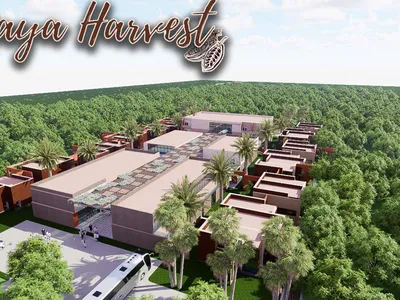
Maya Harvest: A Cacao Resort Village Rooted in Mayan Tradition and Local Craft
Situated within a Tabasco cacao plantation, this shortlisted resort proposal merges vernacular materials with hands-on cultural immersion.
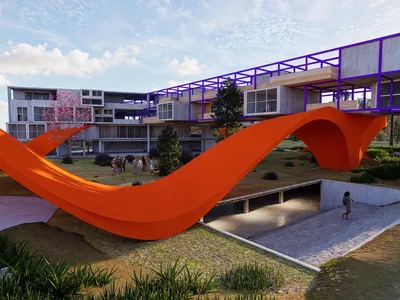
Harmonia: A River-Shaped Community That Grows Over Decades in Boa Vista
Curved pathways and modular grid structures along the Branco River create a phased settlement designed to evolve from 2030 to 2050.
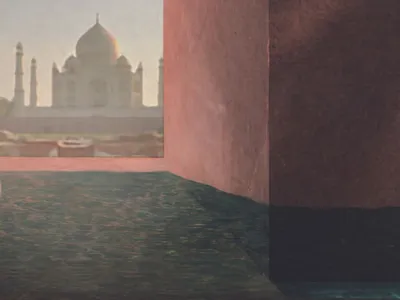
The Architecture of Bathing: A Mughal Hammam Reimagined Across the Yamuna
Charlotte May's honorable mention entry for The Black Taj reinterprets Agra's bathing rituals through red sandstone, water, and framed views of the Taj Mah
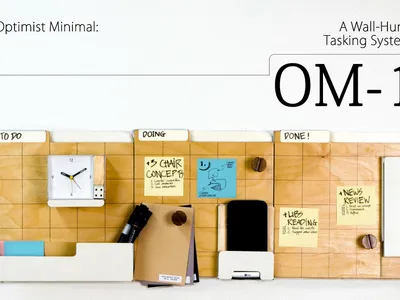
Om-1: A Wall-Hung System That Moves Your Workspace Off the Desk
Modular plywood boards, magnetic pegs, and utility elements migrate clutter from the horizontal surface to the vertical plane.

Explore Religious Building Competitions
Discover active competitions in this discipline

Design Challenge - Contemporary interpretation of a religious complex

Challenge to reimagine the Iron Throne

Photograph architecture without architects

Illustrate the lost glory of Angkor Wat - Render Challenge
Comments (0)
Please login or sign up to add comments
No comments yet. Be the first to comment!