

Way of Bond: A Biophilic Cafe Concept Inspired by Brazil's Natural Beauty
A challenge to discover a "new perspective" of the coffee house interior


The Way of Bond project, a shortlisted entry in the Brewed competition by Daye Kim, ONYU HWANG, BOSEONG PARK, 은영 장, presents a captivating vision for a biophilic cafe that celebrates the diverse natural landscapes of Brazil. This innovative concept transcends the traditional coffee house experience, fostering human connection and social interaction within an immersive environment that evokes the beauty of the Amazon rainforest, the Atlantic Ocean, and the country's unique desert regions.

A Jungle of Encounters
Inspired by the unpredictable nature of life's journey, the Way of Bond cafe embraces the metaphor of a jungle, a place where unexpected encounters and new experiences await. Just as one navigates the twists and turns of a jungle path, visitors to the cafe will embark on a journey of discovery, encountering diverse individuals and perspectives along the way. The design fosters a sense of exploration and serendipity, encouraging interactions and creating opportunities for meaningful connections.

Space Concept: Embracing Brazil's Natural Heritage
The cafe's design philosophy is deeply rooted in biophilia, incorporating elements of nature to enhance the well-being of its visitors. Drawing inspiration from Brazil's rich biodiversity, the space integrates the essence of three distinct ecosystems:
Rainforest: Acknowledging Brazil's stewardship of the Amazon rainforest, the design incorporates lush greenery, natural materials, and cascading water features to evoke the vibrant atmosphere of the rainforest.
Atlantic Ocean: The vastness and tranquility of the Atlantic Ocean are represented through expansive views, cool blue tones, and aquatic-themed design elements, creating a sense of calm and serenity.
Desert: The unique beauty of Brazil's desert landscapes is captured through the use of warm earth tones, textured surfaces, and cacti-inspired decor, providing a contrasting yet harmonious element.
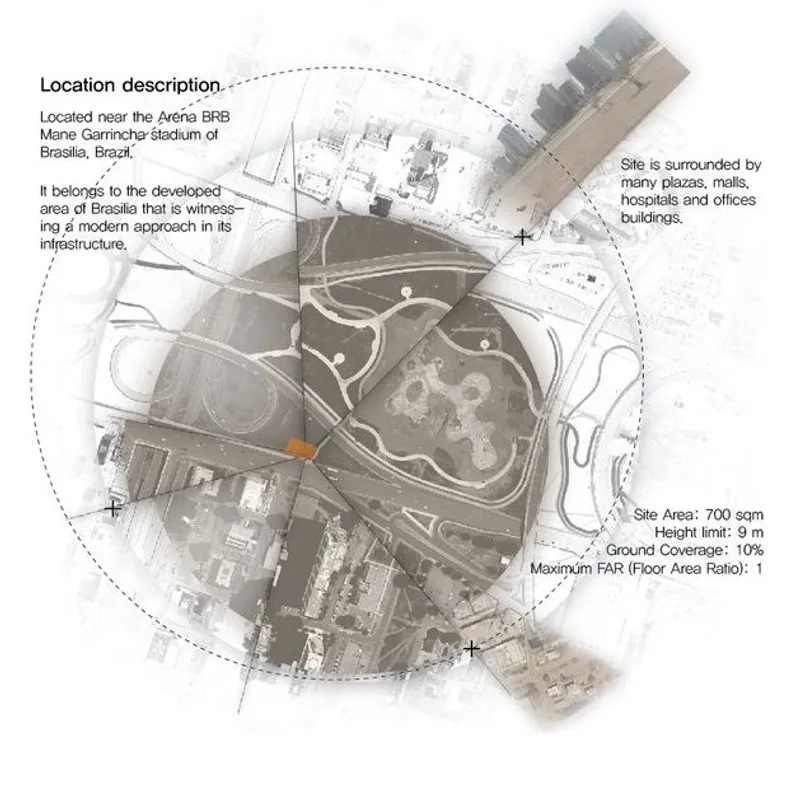
Architectural Design: A Journey Through Ecosystems
The cafe's architectural design is a marvel of creativity and functionality. The multi-level structure features a circular layout, reminiscent of a spiral staircase ascending through the different ecosystems. Each level is dedicated to a specific biome, offering a unique sensory experience:
First Floor: Welcomes visitors with a reception area, waiting space, meeting room, and a central plant room, establishing a connection with nature from the moment they enter.
Second Floor: Features dedicated spaces inspired by the forest, desert, and sea, providing a variety of environments for relaxation and interaction.
Third Floor: Continues the thematic journey with distinct areas representing the desert, sea, and forest, offering panoramic views and immersive experiences.

Modular Design & Media Facades
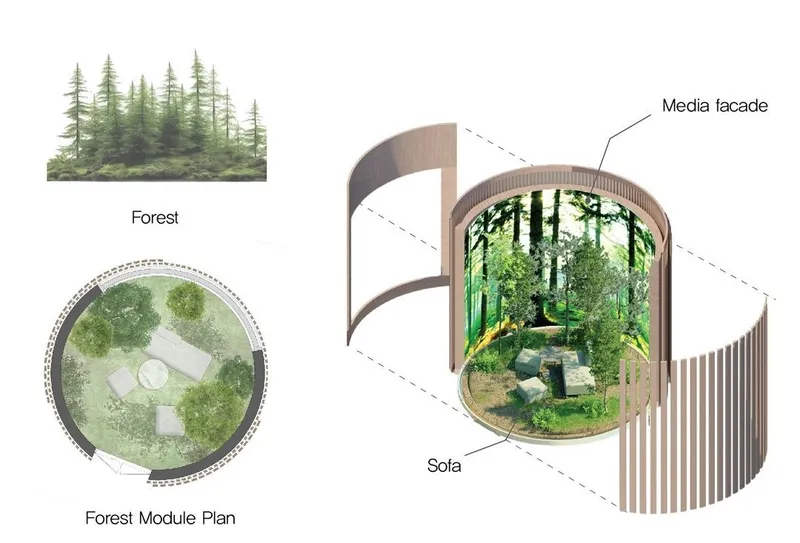
The cafe's modular design allows for flexibility and adaptability. Forest, ocean, and desert modules are strategically placed throughout the space, each featuring a media facade that enhances the immersive experience. These facades display captivating visuals and soundscapes that transport visitors to the heart of each ecosystem, creating a truly multi-sensory experience.

Social Hub & Community Catalyst
Beyond its function as a cafe, the Way of Bond aims to be a social hub and a catalyst for community development. The space is designed to promote social interaction, fostering a sense of belonging and encouraging the exchange of ideas. It envisions hosting cultural events, workshops, and creative activities, providing a platform for individuals from diverse backgrounds to connect and collaborate.

Sustainability & Social Responsibility
The Way of Bond concept embraces sustainability and social responsibility. The use of natural materials, energy-efficient design, and the promotion of local products reflect a commitment to environmental consciousness. The cafe's social mission extends beyond its physical space, aiming to support local communities and contribute to the preservation of Brazil's natural heritage.
The Way of Bond cafe is a testament to the power of biophilic design and its ability to enhance human well-being and foster social connections. By seamlessly integrating elements of Brazil's diverse ecosystems, the cafe offers a unique and immersive experience that transcends the traditional coffee house setting. It is a space that celebrates nature, encourages human connection, and inspires a deeper appreciation for the beauty and fragility of our planet.


Popular Articles
Popular articles from the community

Manzana Morphosis: Stretching Barcelona's Grid into a Living Landscape for 2050
A radical reworking of the Eixample manzana turns density into a tool for generous public space, vertical ecology, and environmental performance.
Temporary Home for Dogs: A Reversed Zoo Rethinks Animal Shelter Architecture
In Bucharest, a sinuous corridor and freed landscape flip the logic of containment, designing a shelter that works to make itself unnecessary.
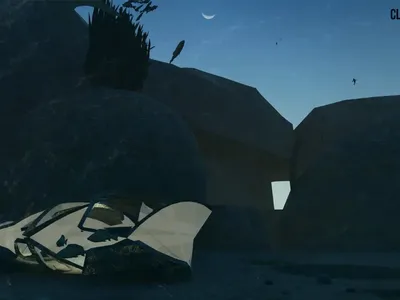
Cloaked Colonization: A Mobile Underwater Habitat That Moves Like a Fish
Micah Abaya's shortlisted EHC Pacific entry reimagines ocean settlement as a dispersed network of self-sustaining architectural organisms.
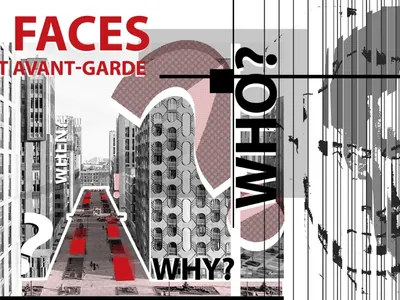
Faces of the Soviet Avant-Garde: Turning Moscow's Street Names into an Open-Air Museum
A network of sculptural installations across a Moscow residential district transforms forgotten architect names into spatial encounters with cultural memor

Similar Reads
You might also enjoy these articles

Shakur's House: Exposed Brick as an Interior Organiser in a 168 m² Mashhad Residence
Brick moves indoors in this Mashhad residence, where masonry walls, glass partitions and teal planes sequence a compact home without closing it off.
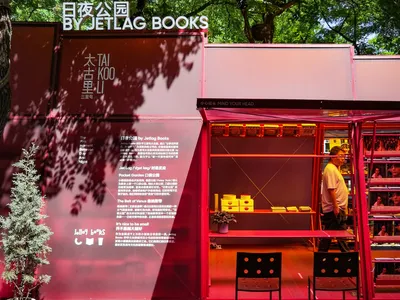
Day and Night Park: A Time-Based Urban Newsstand in Beijing
A temporary urban newsstand in Beijing blending travel, light, and reading through poetic colors, compact form, and community-focused design.

Modernist Patio Renovation in El Masnou, Barcelona by Oliver Segura Arquitectura + Cebrià Arquitectura
Modernist patio renovation blending tradition and innovation with a movable pool, leveled floors, and Catalan materials in El Masnou.
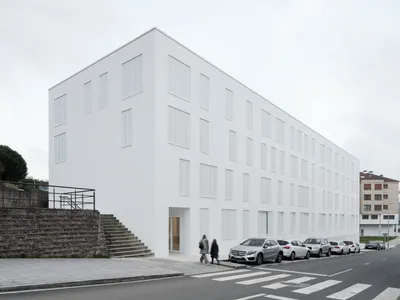
Alto Residencial Coop: Cooperative Housing Development in Santiago de Compostela by Carbajo Barrios Arquitectos
A linear cooperative housing complex blending white volumes and perforated metal façades, enhancing community living, natural light, privacy, and urban integration.

Comments (0)
Please login or sign up to add comments
No comments yet. Be the first to comment!