

YP Auditorium by CAA.Studio: A Contemporary Interpretation of Brutalist Heritage in METU Campus
YP Auditorium blends brutalist heritage with modern design, featuring cantilevered amphitheaters, exposed concrete, and vibrant communal gallery spaces.


Architects: CAA.Studio
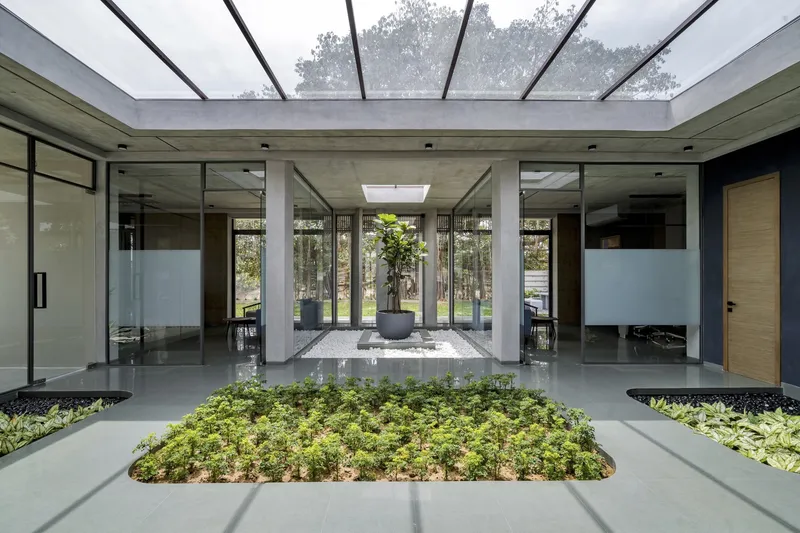
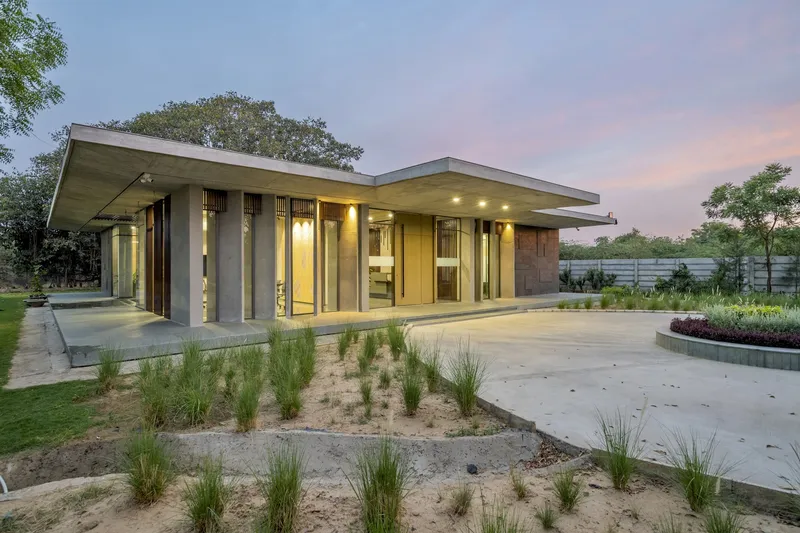
A New Cultural Landmark Rooted in Context
The YP Auditorium, designed by CAA.Studio, is a striking architectural addition to the Middle East Technical University (METU) campus in Ankara. Renowned for its cohesive brutalist architecture, the METU campus was originally planned and built in the 1980s by Altuğ and Behruz Çinici following a 1961 architectural competition. The legacy of this modernist urban vision, with its honest material palette and pedestrian-focused master plan, deeply influenced the conception of the YP Auditorium.
In designing this 4,500-square-meter education and cultural facility, CAA.Studio sought to honor the architectural DNA of METU while introducing a bold contemporary presence. The result is a space that both respects and reinvents the context — a landmark auditorium that bridges the past and present.
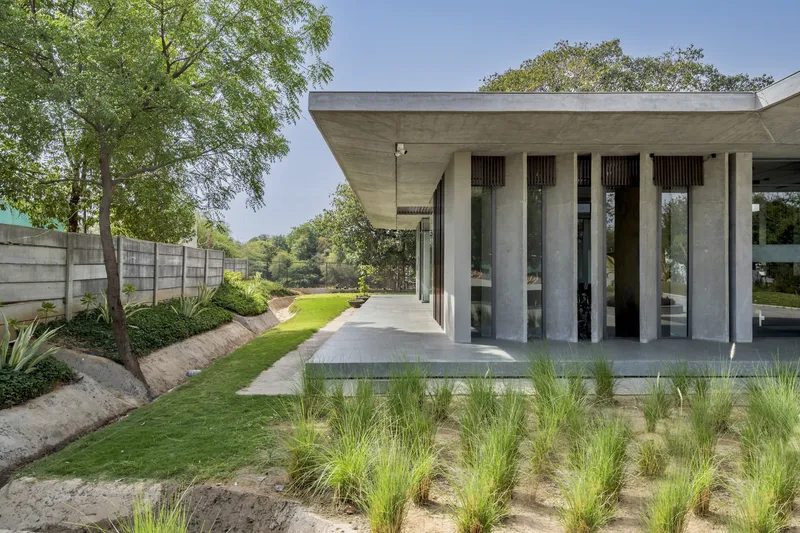
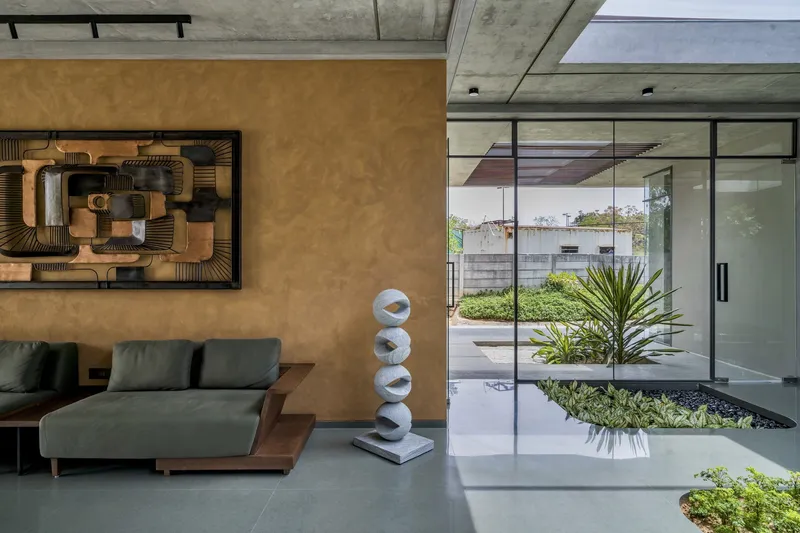
Architectural Approach: Brutalism Reimagined
At its core, the design philosophy of the YP Auditorium draws from the raw materiality and spatial honesty of brutalist architecture. The use of exposed concrete and brick in their unembellished forms continues the campus tradition, while also foregrounding the structure’s inherent tectonic strength.
The auditorium’s four massive amphitheaters are key sculptural elements. Projecting outward from the main volume, these monolithic forms create dynamic cantilevers that gesture toward the surrounding landscape, embodying a bold structural clarity. Their angular massing contributes to a sculpture-like silhouette, rendering the building an unmistakable figure within the campus skyline.
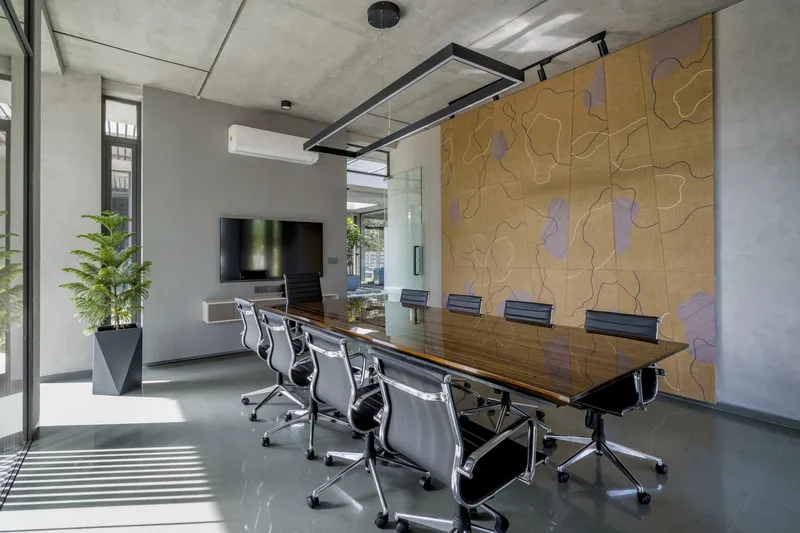
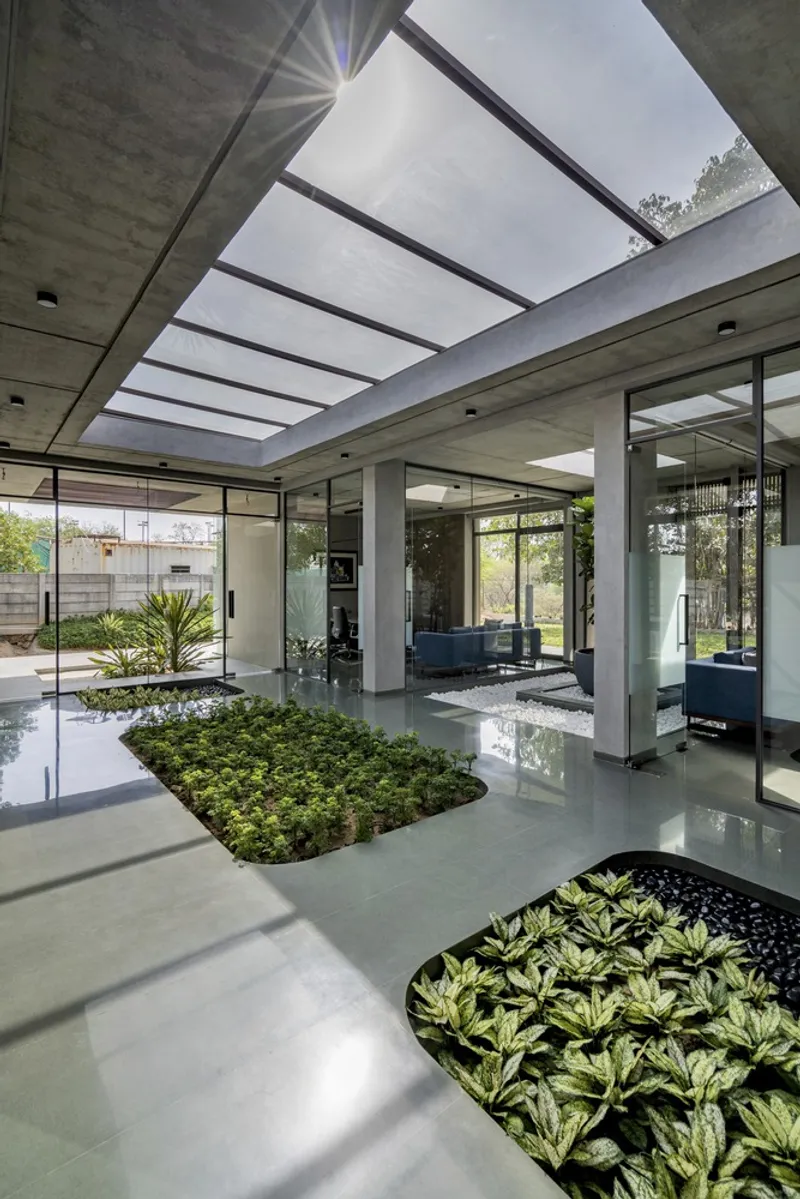
Spatial Fluidity and Social Integration
Internally, the program comprises four amphitheaters and seventeen classrooms, all of which are organized around a central gallery. This gallery acts as a connective public spine that links all educational spaces while also facilitating spontaneous interactions. The architects ensured that this common gallery was visually and physically connected to the outdoors, encouraging a fluid transition between interior and exterior spaces.
A key design element is the use of vivid red prismatic inserts that punctuate the gallery. These elements bring a contemporary energy into the concrete-heavy interiors, providing both wayfinding clarity and visual contrast. This play of color and form invigorates the user experience and breaks the austerity often associated with brutalist interiors.
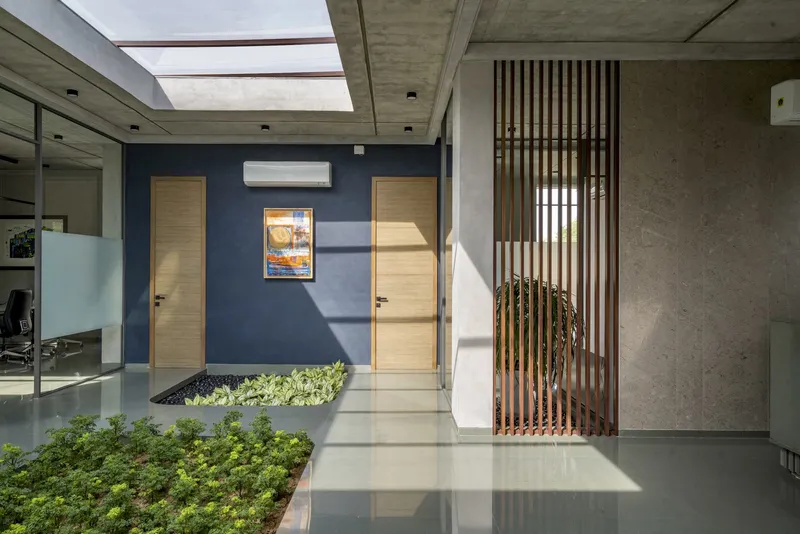
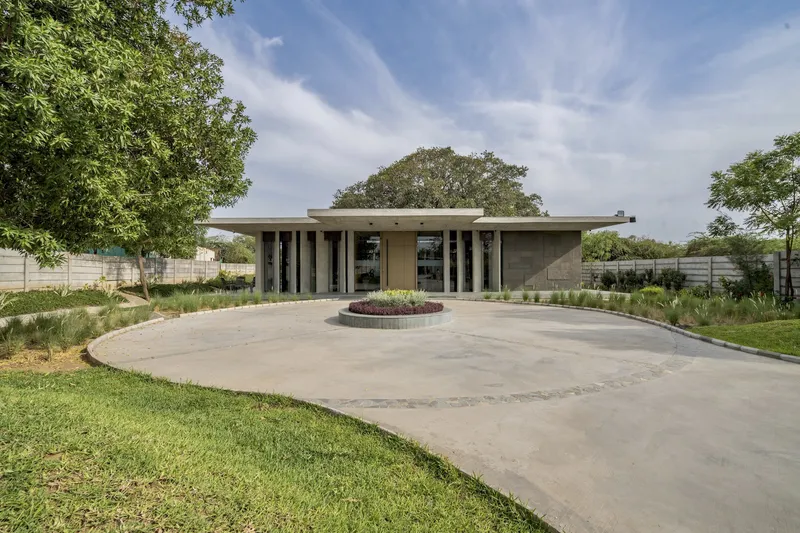
Dialogue Between Past and Present
One of the most compelling aspects of the YP Auditorium is how it engages in a conversation with its architectural predecessors. Rather than mimic, the design echoes the spirit of the 1960s modernist intent by prioritizing spatial quality, openness, and human scale. The building doesn’t merely replicate METU’s established architectural language—it evolves it.


Popular Articles
Popular articles from the community

Opera by the Sea Estonia: Three Shells Dissolving Architecture into Tallinn's Coastline
A winning opera house proposal replaces monumental form with interconnected shells that blur the boundary between building, park and Baltic Sea.

Manzana Morphosis: Stretching Barcelona's Grid into a Living Landscape for 2050
A radical reworking of the Eixample manzana turns density into a tool for generous public space, vertical ecology, and environmental performance.

Singing Woman: Contemporary Architecture Inspired by Estonia’s Voice and the Sea
Singing Woman turns Estonia’s song culture into flowing opera house architecture, blending public life, landscape, sea, and national memory.

Opera on the Sea: Driftwood Logic Shapes a Timber Opera House on Estonia's Coast
Trevor Orgill's opera house translates the entangled drift of floating timber into a civic building where wood, water, and music converge.

Similar Reads
You might also enjoy these articles


Hodi-Mandai Geram
Project Function: Preservation and revitalization of the Intangible heritage and socio-spatial identity of the Hodi by Housing, Cultural Memory Center, Sacred Grove, landscape, local tourism economy


Olio Towers: A Mid-Rise for Performers That Fuses Housing, Rehearsal, and Stage
Located blocks from Houston's Theater District, this modular tower stacks living units around a central performance atrium.

Oasis: Modular Green Housing Carved into Dhaka's Urban Fabric
A shortlisted Plugin Housing entry reclaims unauthorized settlements in Dhaka with stepped concrete volumes, green roofs, and ventilation-driven design.

Black Hole: A Floating Megastructure for the Post-Physical Era
Emiliano Mazzarotto envisions a spherical, self-scaling arena where e-sports, digital hotels, and holographic stadiums replace traditional public space.

Explore Auditorium Competitions
Discover active competitions in this discipline

Challenge to reimagine the Iron Throne

Photograph architecture without architects

Illustrate the lost glory of Angkor Wat - Render Challenge

Design challenge to reuse E-waste
Comments (0)
Please login or sign up to add comments
No comments yet. Be the first to comment!