

Green Cities
Urban design and architecture that integrates vegetation, agriculture, and ecological systems into city environments.
Green cities represent a shift in urban planning where designers embed natural systems into the built environment. This approach addresses environmental challenges while improving quality of life through accessible green space, food production, and pollution mitigation.
The community explores living facades and green shells, working greenhouses integrated into institutional buildings, community gardens as architectural interventions, and pollution-filtering membranes that protect urban residents while creating functional landscapes.


Popular projects
View all 58 projects


Latest journals
View all 52 journals
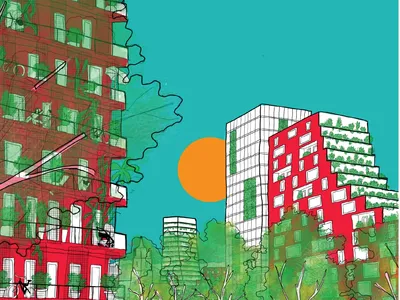
GREEN GRID: Reconnecting Barcelona's Blocks Through a Continuous Public Landscape
A nine-block urban strategy that opens, terraces, and links Cerdà's courtyards into a climate-responsive green network across the city.


Loizou Architects and Associates Replace the Facade with a Living Green Shell in Limassol
A 360-square-meter mixed-use building in a dense Cypriot neighborhood trades its outer wall for a vertical garden of climbing vines and local plants.
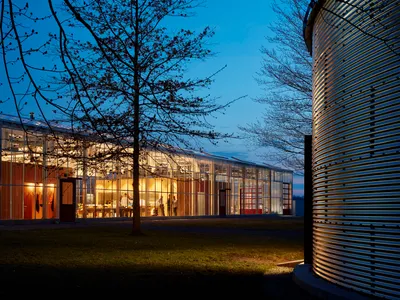
Wheeler Kearns Architects Grows a Working Greenhouse That Doubles as a Dining Hall on a Michigan Farm
A prefabricated Dutch Venlo greenhouse hosts seedling production, farm-to-table dinners, and community life in Three Oaks, Michigan.


Climate Membrane: Timber Ribs and Circular Geometry Shield Children from Urban Pollution
A shortlisted Form Follows Climate entry proposes a wood-framed community dome that filters air, buffers seasons, and centers child safety.


