


Green Infrastructure
Design work that uses vegetation, water, and soil systems as urban infrastructure, from stormwater and parks to reclaimed land and civic open space.
Green infrastructure refers to networks of vegetated and natural systems that manage water, cool cities, support biodiversity, and provide public space. Designers working in this area treat plants, soil, and water as functional elements alongside roads, buildings, and utilities.
Projects in this topic range from rethinking urban grids as ecosystems and transforming landfills into landforms to revitalizing civic squares and integrating landscape with buildings. Member work also considers how green systems can serve housing, community, and economic life.


Popular projects
View all 98 projects


Latest journals
View all 42 journals
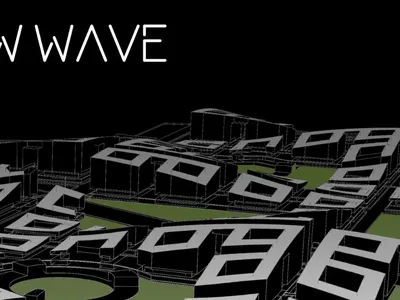
New Wave: Rethinking Barcelona's Eixample Grid as a Living Urban Ecosystem
A layered hyperblock proposal separates pedestrians from vehicles and threads continuous green infrastructure through Cerdà's iconic grid.

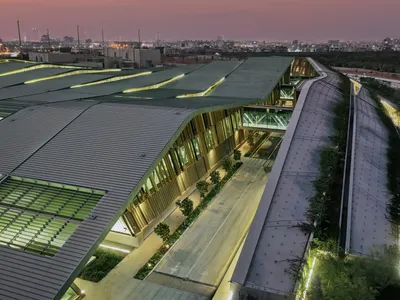
A Park Building That Wants to Be a Landscape
Omrania's Operations & Maintenance Building at King Salman Park dissolves industrial program into Riyadh's largest green infrastructure.

Mashiach Now Square: Revitalizing Urban Ground into a Green Civic Landscape
Urban square transformed into green infrastructure with paths, native planting, and community spaces, enhancing ecology, mobility, and social interaction.

Villa Qabalah: Sustainable Luxury and Community-Centered Design in Phuket
Villa Qabalah in Phuket blends sustainable luxury, rooftop greenery, mixed-use spaces, and community engagement, redefining urban living with eco-conscious design.


