
Villa Qabalah: Sustainable Luxury and Community-Centered Design in Phuket
Villa Qabalah in Phuket blends sustainable luxury, rooftop greenery, mixed-use spaces, and community engagement, redefining urban living with eco-conscious design.


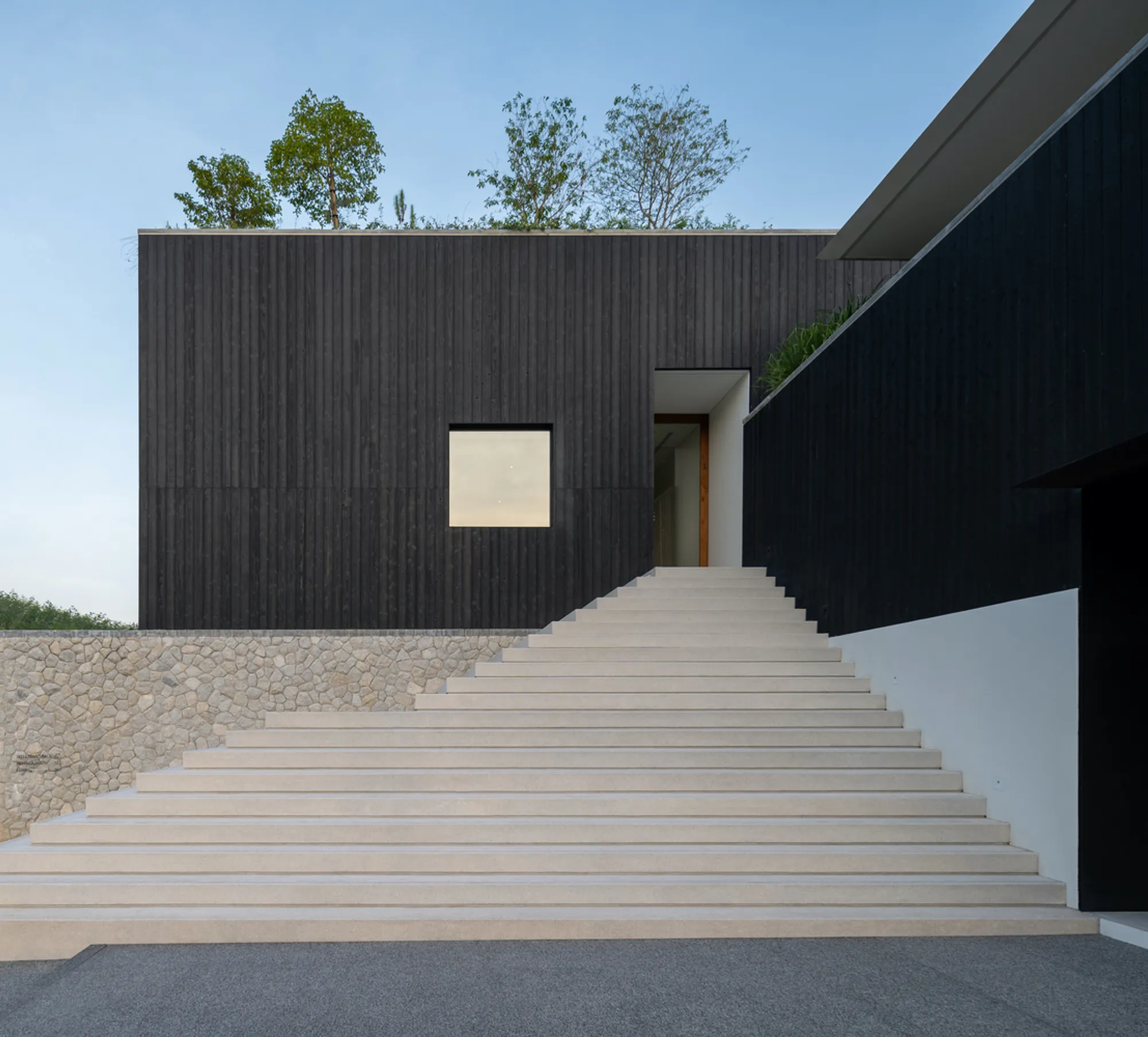
Located in the vibrant Tambon Choeng Thale of Phuket, Thailand, Villa Qabalah by Studio Locomotive is a pioneering example of sustainable residential architecture that merges luxury living with environmental stewardship and community engagement. Completed in 2023, this 1,380 m² villa redefines urban adaptation by integrating green infrastructure, mixed-use spaces, and a participatory design approach that supports both residents and the local community.
Context: Addressing Phuket’s Rapid Urban Transformation
Phuket, Thailand’s second-smallest province, has undergone a dramatic transformation over the past few decades. Tourism-driven growth, free-market development policies, and long-term residency opportunities have shifted former agricultural landscapes into urbanized zones. With building regulations allowing structures under 12 meters, this rapid development has led to the loss of native trees, fragmented communities, and non-local ownership, creating an urgent need for thoughtful, sustainable urban planning.
Villa Qabalah responds to this challenge by combining residential design with public-facing amenities, ensuring that both environmental and social considerations are central to the project.
Placemaking Through Tree O'clock: A Micro Mixed-Use Hub
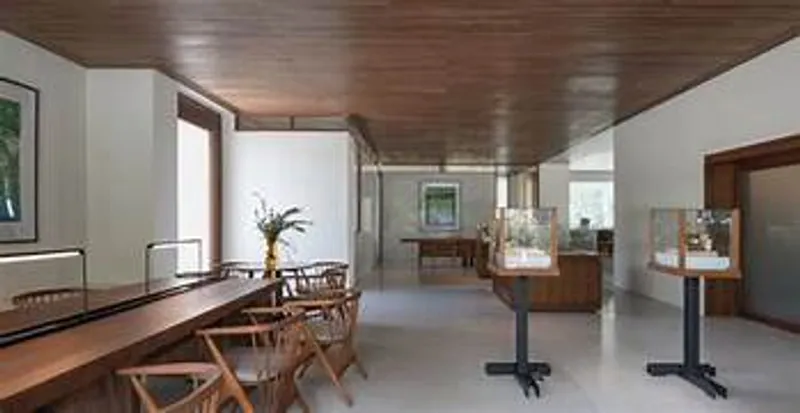
A key feature of the Villa Qabalah complex is Tree O'clock, a micro mixed-use space that integrates a restaurant, bar, gallery, workshop, health studio, and legal office. Designed in collaboration with future residents and the developer, Tree O'clock exemplifies Studio Locomotive’s commitment to community-driven placemaking. The hub promotes vegetative restoration, space-sharing economics, and collective engagement, turning urban sprawl into an ecosystem of connection and sustainability.
Sustainable Design Strategies
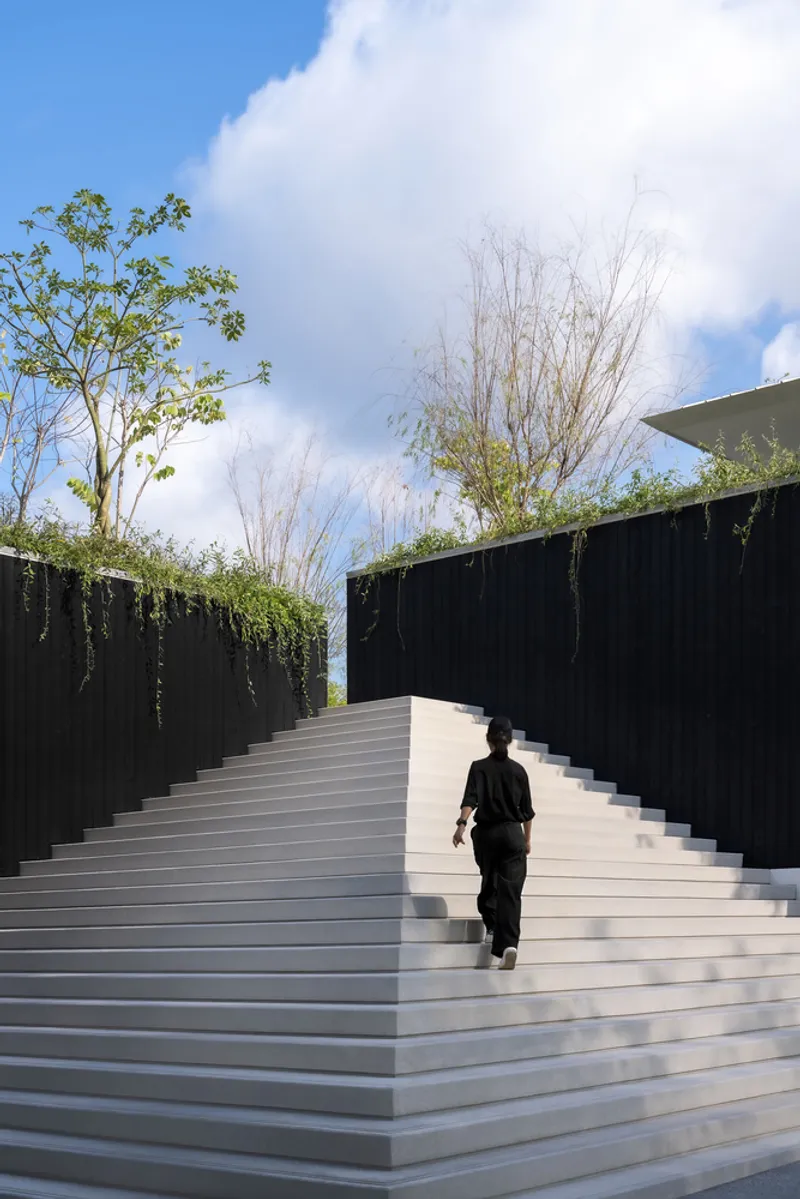
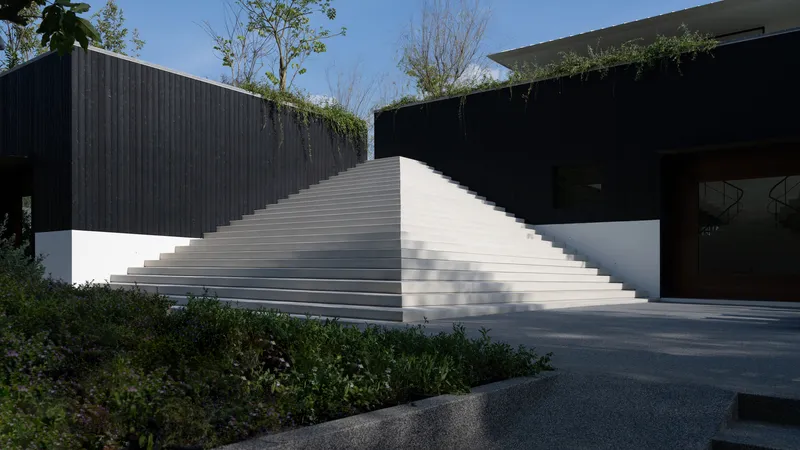
1. Reconfiguring Green Areas: Villa Qabalah maximizes the use of green space within regulatory height restrictions by elevating plantable areas to rooftops, creating vertical gardens that restore local treescape while optimizing land use. Rooftop greenery provides natural shading, moisture storage, and evapotranspiration cooling, enhancing building efficiency and reducing reliance on active energy systems. Tree O'clock alone restores 40% of the site's plantable area, combining tropical landscaping with functional urban design.
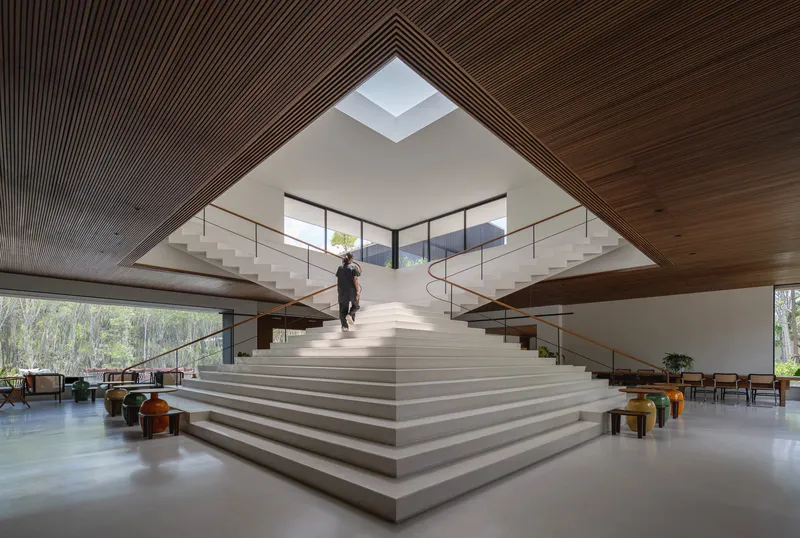
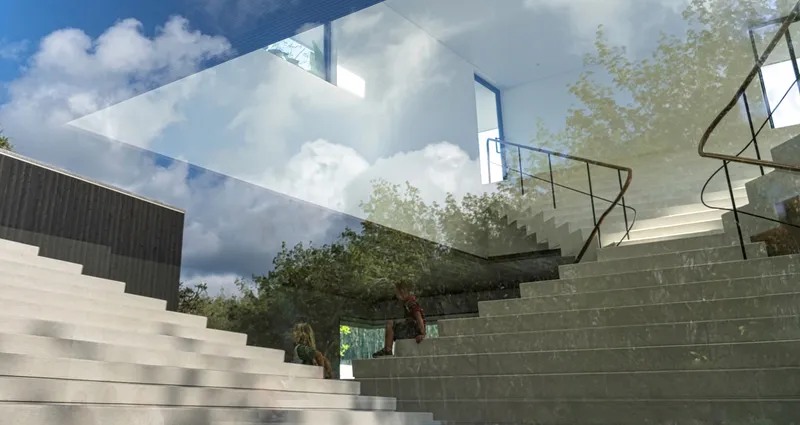
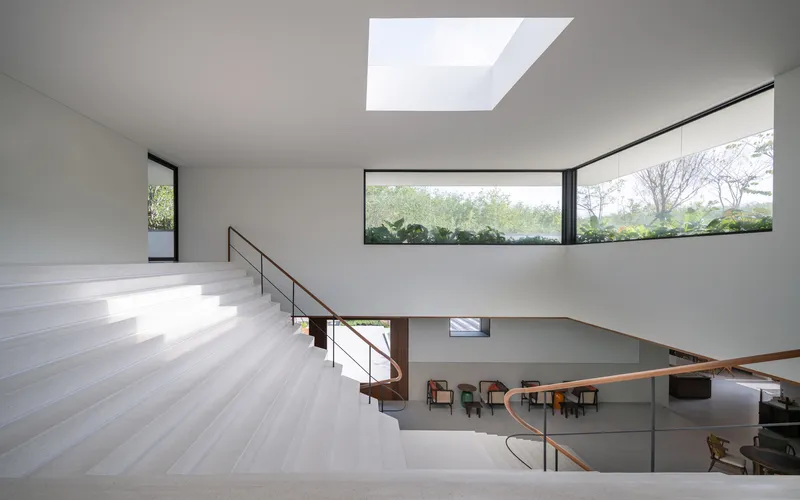
2. Adaptive Mixed-Use Programming: Tree O'clock’s architecture prioritizes flexibility and multifunctionality. Features such as amphitheater-style terrazzo and sandwash staircases, adaptable floor transitions, and versatile furniture arrangements support diverse uses, from leisure and wellness to art exhibitions and culinary events. This adaptive reuse strategy ensures the space remains relevant and productive for both residents and visitors, fostering a self-sustaining, participatory environment.
3. Fostering Community Through Non-Exclusivity: Unlike typical gated residences in Phuket, Tree O'clock embraces open access and shared experiences. Public accessibility encourages social cohesion, strengthens community ties, and promotes neighborhood safety. Generous openings blend indoor and outdoor spaces, connecting residents with the local ecosystem, seasonal variations, and public life, enhancing both belonging and urban placemaking. Peripheral areas, often reserved for private expansion, are dedicated to landscape restoration, reinforcing ecological and aesthetic benefits.
Impact: Redefining Urban Living in Phuket
Villa Qabalah and Tree O'clock collectively exemplify a holistic approach to sustainable luxury living. By integrating environmental restoration, multifunctional design, and public engagement, Studio Locomotive has created a model for future urban residential projects in Phuket. The project not only restores natural landscapes but also nurtures a dynamic social ecosystem, demonstrating how architecture can reconcile tourism-driven growth with sustainable community development.




Popular Articles
Popular articles from the community


The Ocean Hive: Sustainable Architecture for a Self-Sufficient Civilization at Sea
The Ocean Hive imagines sustainable architecture at sea, where modular habitats, algae, wave power and ocean waste sustain a growing colony.

Conexión: Biophilic Design Reimagines High-Rise Living in Hong Kong
Conexión reimagines high-rise living in Hong Kong through biophilic design, green facades, shared spaces, daylight, water and nature within.

Co-life: Sustainable Architecture for Age-Friendly Community Living
Co-life reimagines sustainable architecture for seniors through courtyards, rammed earth, shared gardens, and spaces designed for belonging.

Hill & Cross Opera: Sculptural Opera House Architecture Shaped by Tallinn’s Landscape and Identity
Hill & Cross Opera reimagines opera house architecture in Tallinn through its sculptural hill, civic plaza, glass wave and a luminous cross.


Similar Reads
You might also enjoy these articles

FAMM Arquitectura Organizes Ten Villas Around Courtyards and Jungle in Nosara, Costa Rica
El Molino pairs two elongated volumes with deep overhangs and timber louvers to build a compact coastal community five minutes from the beach.
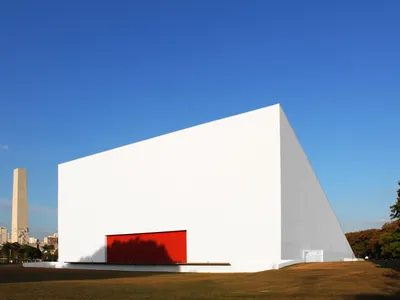
Oscar Niemeyer's Ibirapuera Park Pavilions Define São Paulo's Cultural Identity in Concrete and Curve
A constellation of modernist volumes set within São Paulo's most important urban park, conceived for the city's 400th anniversary in 1954.
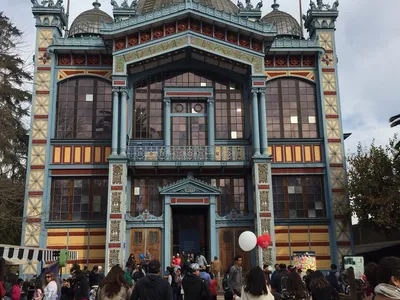
How Henri Picq's 1889 Paris Pavilion Traveled 11,000 Kilometers to Become Santiago's Artequín Museum
A prefabricated iron and glass pavilion built for the Paris Universal Exposition found a second life as a children's art museum in Chile.
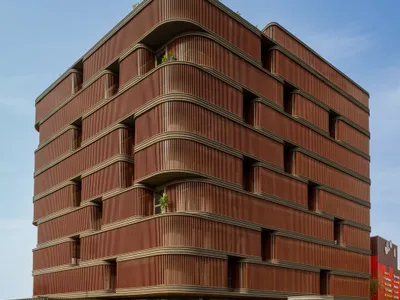
Sanjay Puri Architects Wraps a Jaipur Office Tower in Capsule-Shaped Green Buffers
A nine-level climate-responsive workplace near Jaipur Airport uses stacked planter terraces and aluminium screens to fight 40°C heat.


Explore Housing Competitions
Discover active competitions in this discipline



Challenge to reimagine the Iron Throne


Photograph architecture without architects


Illustrate the lost glory of Angkor Wat - Render Challenge


Design challenge to reuse E-waste
Comments (0)
Please login or sign up to add comments
No comments yet. Be the first to comment!