

Mashiach Now Square: Revitalizing Urban Ground into a Green Civic Landscape
Urban square transformed into green infrastructure with paths, native planting, and community spaces, enhancing ecology, mobility, and social interaction.


Located in the northern zone of São Paulo, Mashiach Now Square by Natureza Urbana is a transformative urban intervention that reclaims a neglected public space and redefines it as a vibrant, ecological, and socially active landscape. Once characterized by underuse, poor lighting, and dominance of vehicular infrastructure, the site has been reimagined as a key piece of green urban infrastructure that reconnects people, environment, and movement within the city.
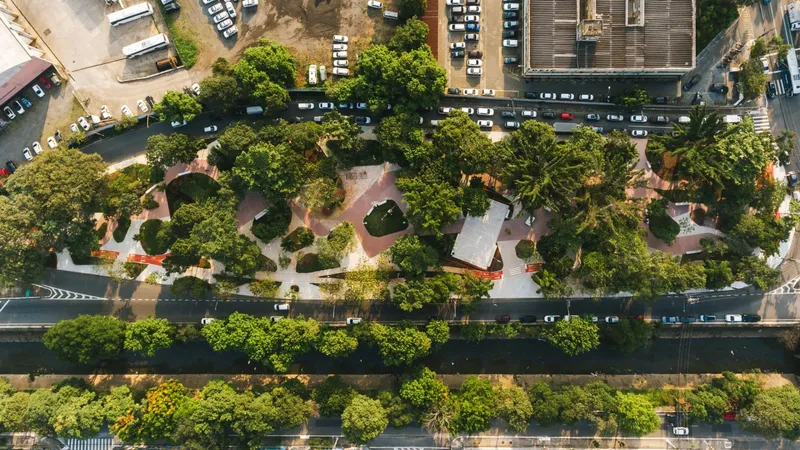
Positioned between major roads and along a critical pedestrian route leading to the Portuguesa, Tietê metro station, the square occupies a strategic yet previously overlooked location. Historically disconnected and fragmented, the site suffered from a lack of identity and accessibility. The revitalization project addresses these challenges by restoring human scale and reestablishing the square as a welcoming and functional public realm.


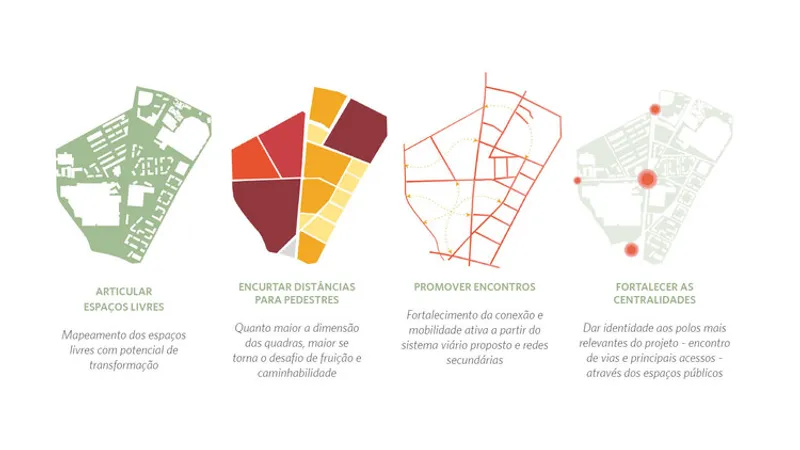
The design is guided by a layered conceptual framework consisting of four key strategies: Living Landscape, Network of Elements, Activation of Free Spaces, and Intention. These layers inform both the physical transformation of the square and its integration into the broader urban fabric. At its core, the project seeks to merge environmental recovery with social activation, creating a space that is both ecologically responsive and socially inclusive.
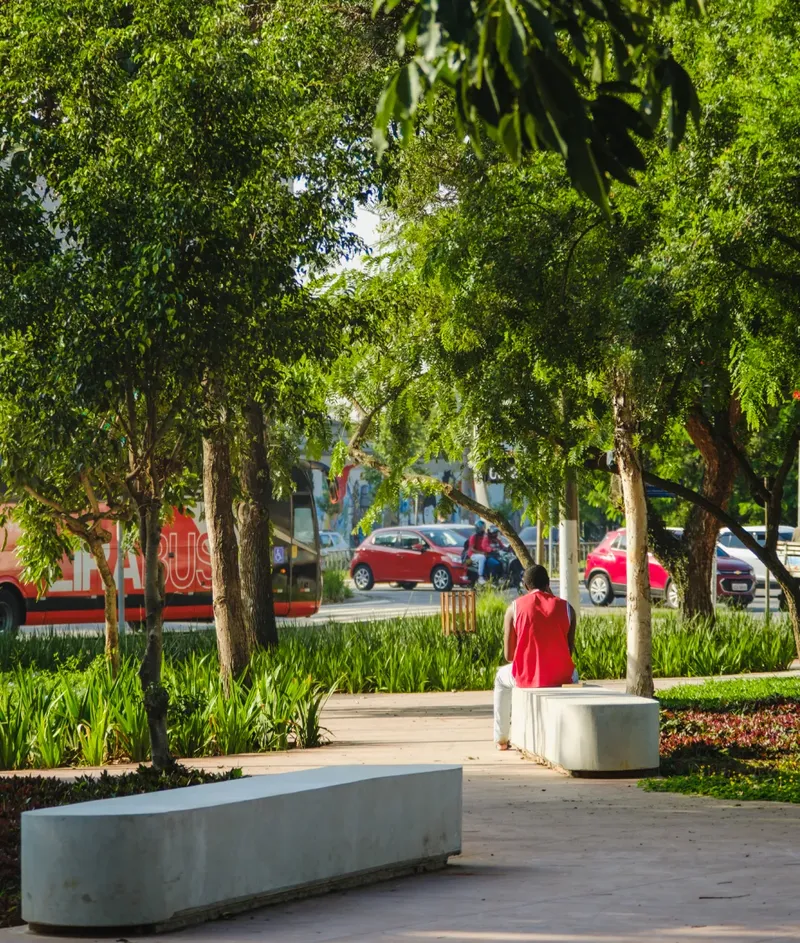
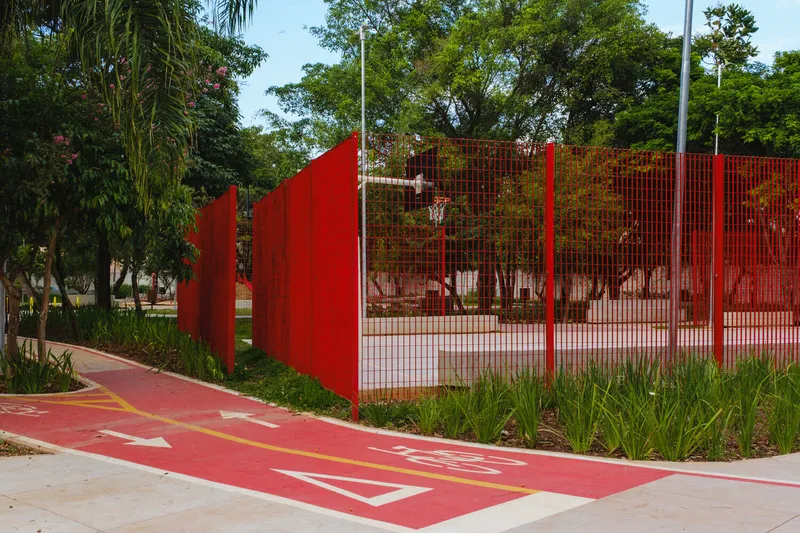
A defining feature of the intervention is its emphasis on landscape as infrastructure. Inspired by the historical watercourses of the region and its proximity to the Tietê River, the design introduces winding pathways and planted areas that mimic natural flows. These elements not only organize movement but also improve microclimate, enhance biodiversity, and support urban drainage. The use of native Atlantic Forest vegetation reinforces ecological resilience, while newly planted trees and ground cover contribute to the regeneration of local ecosystems.


Pedestrian experience is central to the project. Wide sidewalks, permeable pathways, and clearly defined circulation routes prioritize movement on foot, encouraging people to inhabit and traverse the space comfortably. A bike lane cuts through the square, linking it to the city’s broader cycling network and promoting active mobility. This integration of different modes of movement transforms the square into a connective urban node rather than a static destination.
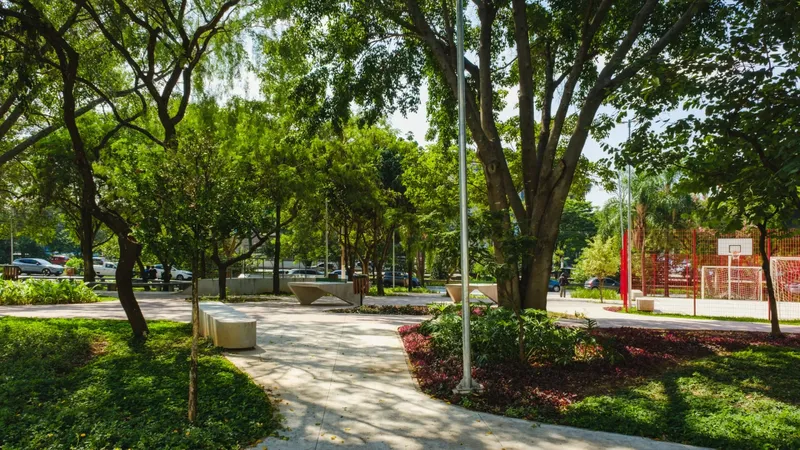
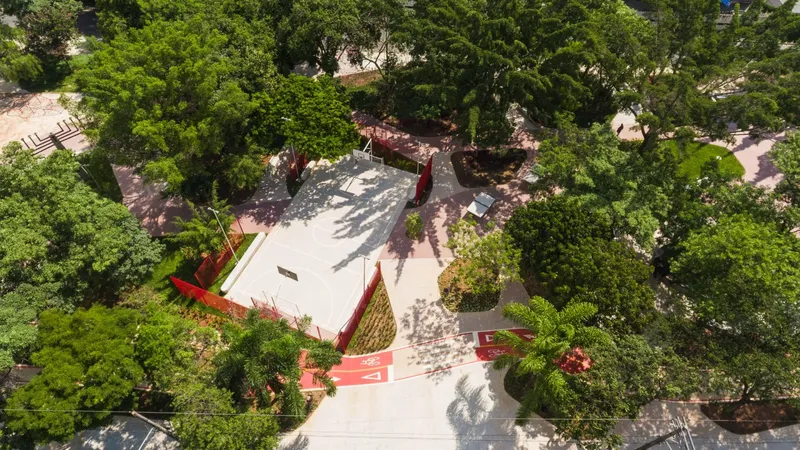
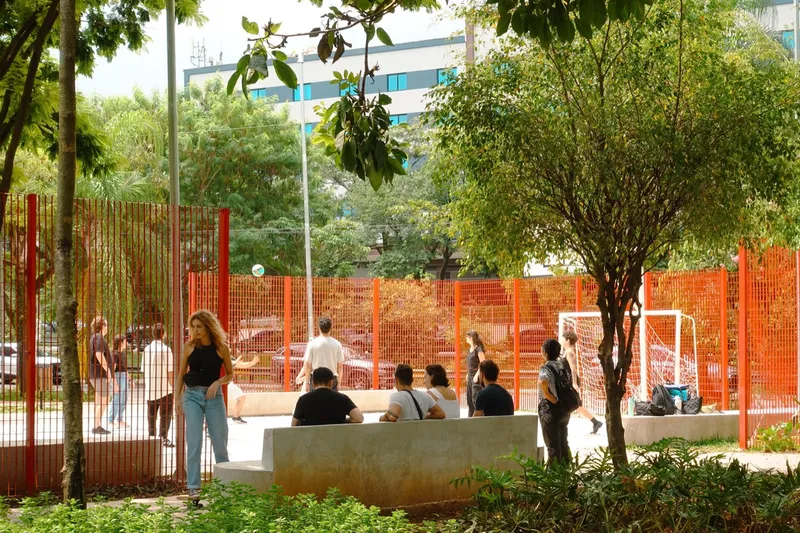
The design of urban furniture further enhances the usability and identity of the space. Curved benches, tables, bleachers, and resting areas are crafted from locally molded concrete, following the organic geometry of the landscape. Variations in pavement color subtly guide movement and define zones for gathering, leisure, and circulation, creating a cohesive yet dynamic spatial experience.
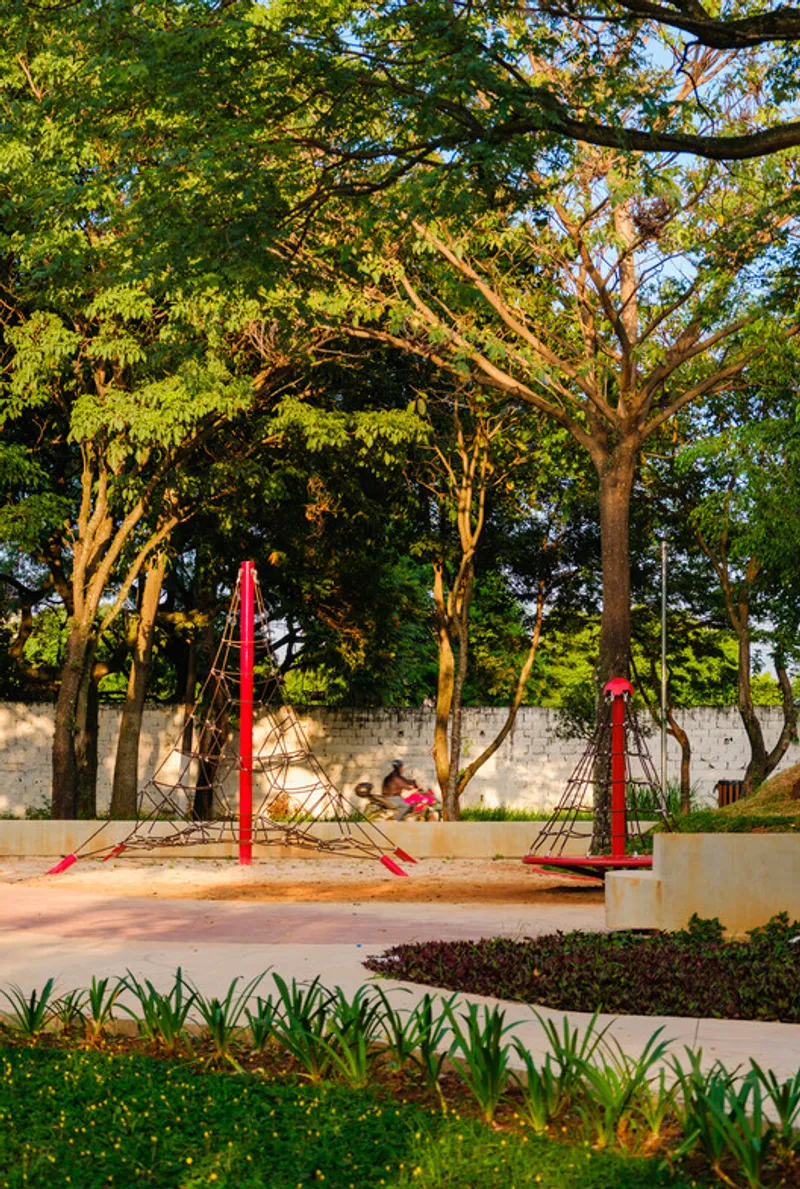

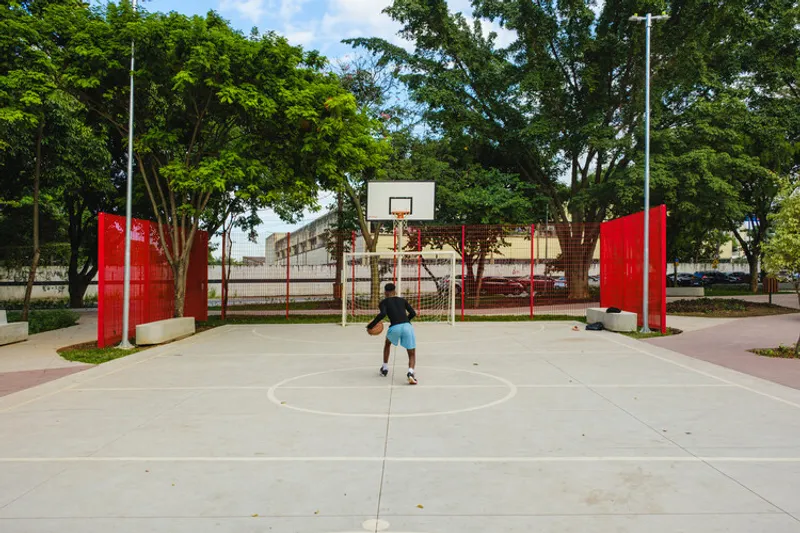
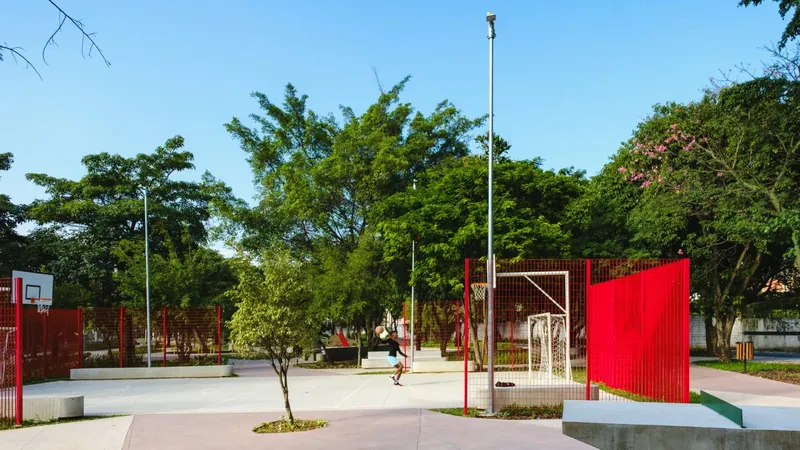
Social activation is achieved through a diverse program of activities shaped by community input. Through a process of active engagement with local residents and institutions, the project incorporates facilities that cater to a wide range of users. These include a mini sports court, skate park, playground, outdoor gym equipment, and dedicated areas for both youth and elderly users. This inclusive approach ensures that the square remains active throughout the day, fostering a sense of ownership and belonging among the community.
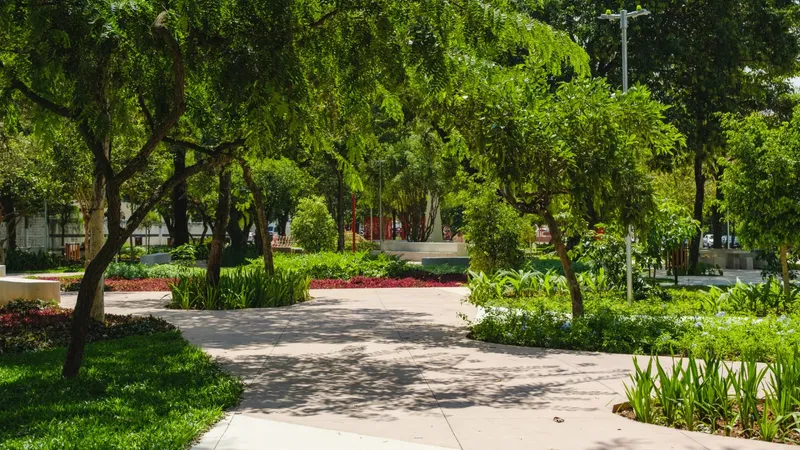
The preservation and enhancement of existing vegetation are central to the project’s ecological strategy. All mature trees on the site have been retained, complemented by the planting of 78 new native trees. This expanded green canopy not only improves environmental performance but also creates shaded, comfortable spaces for users. The square thus functions as an urban cooling zone, mitigating heat and contributing to the overall resilience of the area.
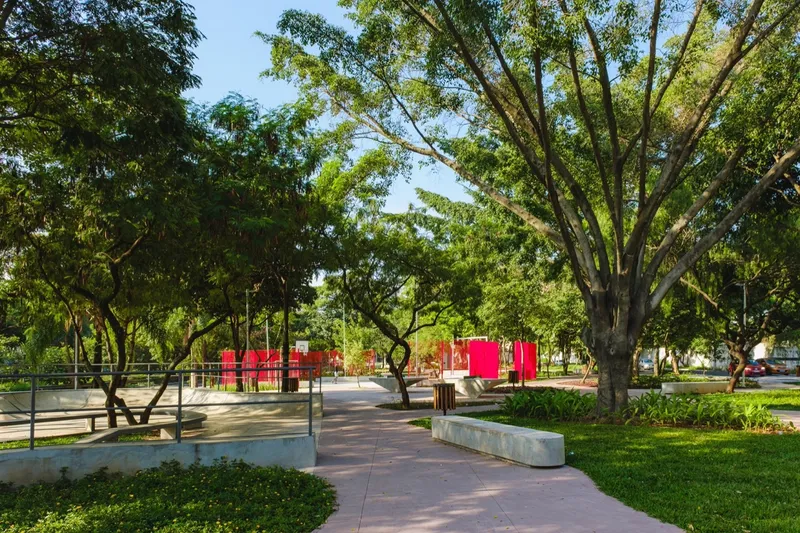

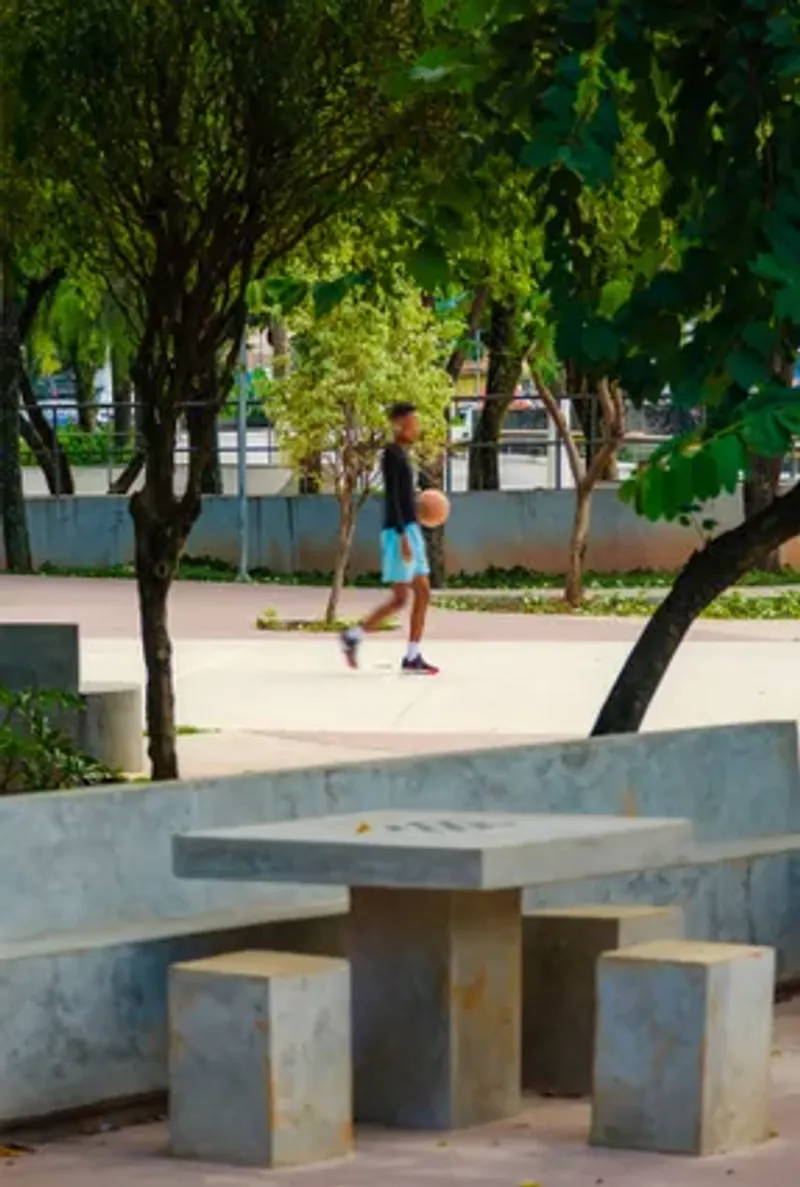
Completed in 2025, Mashiach Now Square represents a shift in how urban spaces can be designed and experienced. It moves beyond traditional notions of public squares as static plazas, instead offering a living, adaptive environment that responds to both ecological and social needs.
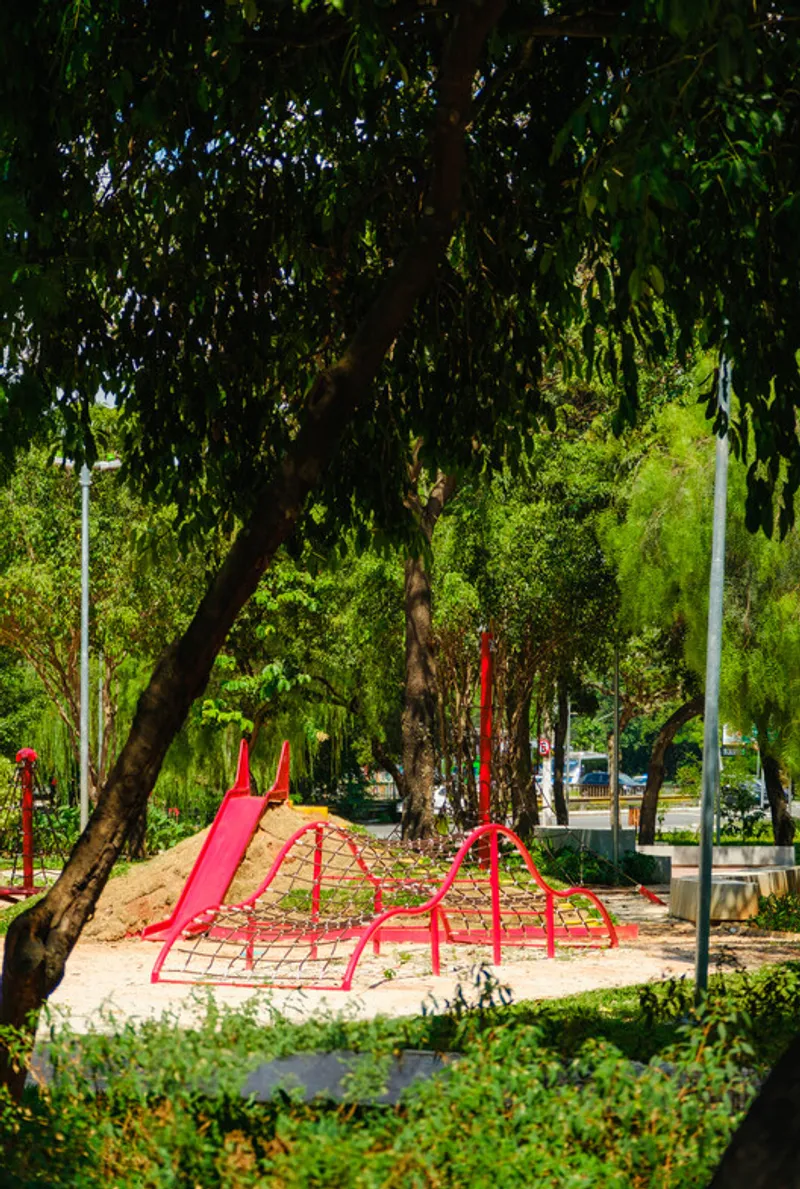

Ultimately, the project demonstrates how thoughtful design can transform overlooked urban fragments into meaningful places of connection. By integrating landscape, mobility, and community engagement, Mashiach Now Square becomes more than a revitalized space, it becomes a catalyst for urban regeneration and a model for sustainable public infrastructure.
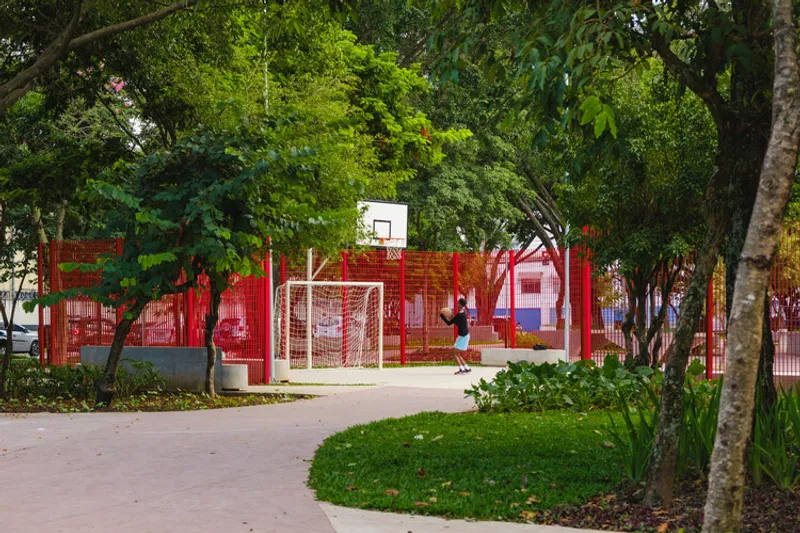


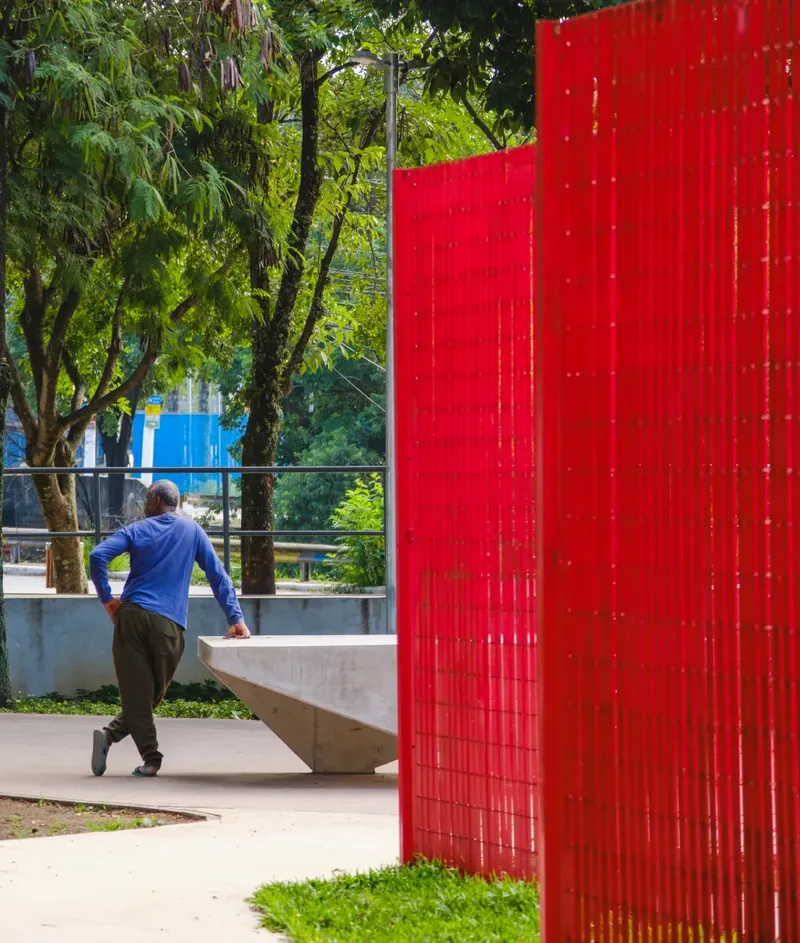
All the Photographs are works of Victor Lucena, Rafaella Volpe


Popular Articles
Popular articles from the community


David Ortega Stacks a Two-Story Mexico City Penthouse Around a Steel Stair and a Pergola-Shaded Roof Terrace
In Colonia Roma, a 300 m² penthouse uses oak joinery, a planted steel stair and a slatted roof pergola to make a new-build apartment feel like a house.

Manzana Morphosis: Stretching Barcelona's Grid into a Living Landscape for 2050
A radical reworking of the Eixample manzana turns density into a tool for generous public space, vertical ecology, and environmental performance.

ETEH Reworks the Shared Spaces of São Domingos School in Brazil Around Timber, Color and Hanging Plants
At São Domingos School in Brazil, 436 m² of hall, refectory and library are recast with timber joinery, a yellow and blue code and trailing greenery.

Aquadapt: An Underwater Habitat That Rewrites Its Rooms by the Hour
Curved modules ring the seabed while one shell shifts from breakfast room to cinema, farm and football pitch as residents' needs change.

Similar Reads
You might also enjoy these articles

Cube Design Draws an Ecological Corridor Between Two Shenzhen Hills with the Nankai Building
Beside Shenzhen's container docks, the Nankai Building pairs stacked balconies with a climbing green screen to connect two hillsides across its height.

Praksis A and Studio Sted Bend a Red Timber Cabin Across the Granite of Norway's Southern Coast
On the southern Norwegian coast, a 105 m² cabin follows the rock on slender posts, pairing red cladding outside with pine, brick and plywood within.
David Ortega Stacks a Two-Story Mexico City Penthouse Around a Steel Stair and a Pergola-Shaded Roof Terrace
In Colonia Roma, a 300 m² penthouse uses oak joinery, a planted steel stair and a slatted roof pergola to make a new-build apartment feel like a house.

PARALELA and LB2 Thread a Public Walkway Through the Base of a Las Condes Residential Tower
In Las Condes, Santiago, the Hamlet Building gives its fenceless ground floor to a 70-metre wooded passage linking two streets and the metro.

Explore Architecture Competitions
Discover active competitions in this discipline

Challenge to reimagine the Iron Throne

Photograph architecture without architects

Illustrate the lost glory of Angkor Wat - Render Challenge

Design challenge to reuse E-waste
Comments (0)
Please login or sign up to add comments
No comments yet. Be the first to comment!