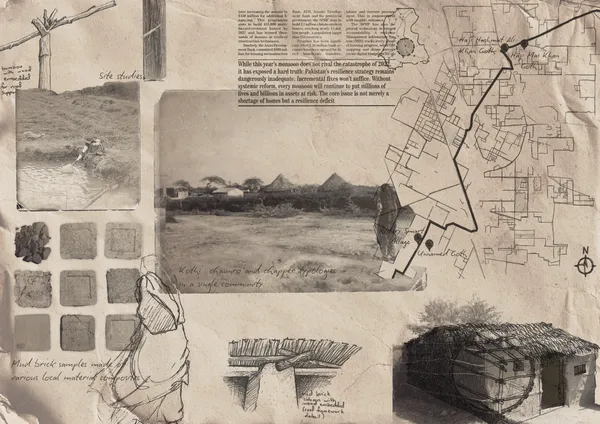
21Mud, Memory and the Man-made: Preserving Sindh's Vernacular Through Neo-Vernacular TechnologiesRooted in the landscapes of Sindh, this project reimagines vernacular architecture as a living infrastructure. Through field research, material experimentation, and modular design, it develops a climate-responsive housing system that strengthens resilience while preserving the knowledge embedded within traditional building practices.
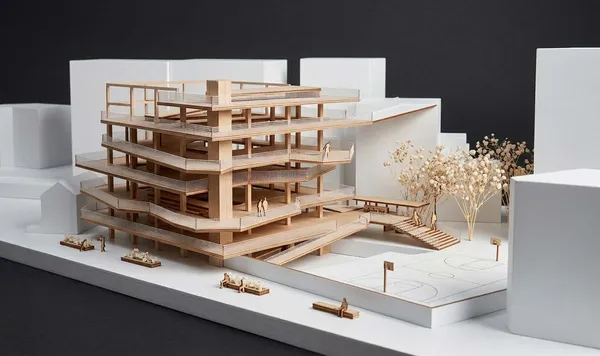
5Community Beyond Ground: A Vertical NeighborhoodThe project reimagines an unfinished six-story concrete structure in Kharadar, Karachi, as a vertical neighborhood that restores social life in a dense urban setting. A continuous ramp links shared spaces for learning, play, prayer, and gathering, transforming an isolated building into a sustainable, adaptable hub that strengthens community and belon
2Udhayam - A brownfield development initiative, Case of BrahmapuramUdhayam explores the metamorphosis of a brownfield site into a research-oriented and publicly accessible hub. Research institute evolving development strategies for post-industrial landscapes including restoration zones supporting biodiversity is the program. Beginning with a critical study of post-landfill sites, ecological mapping informed site structuring
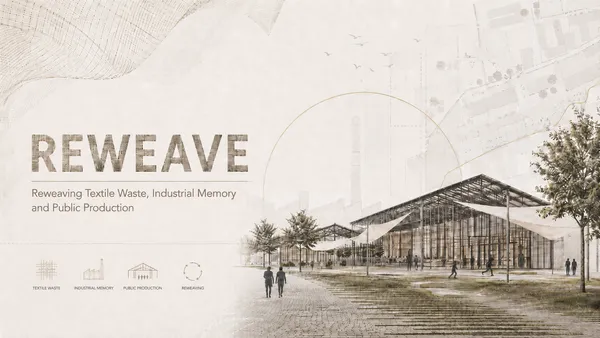
58HANDLOOM ECOSYSTEM HUB FOR INNOVATION, TRAINING, & MARKET ACCESS, JAMALPURThe proposed project in Jamalpur is envisioned as an integrated platform that revitalizes Bangladesh's handloom sector through education, innovation, collaboration, and direct market access. The project aims to preserve the nation's handloom heritage, strengthen economic opportunities, and establish a sustainable ecosystem that promotes Bangladeshi handlooms
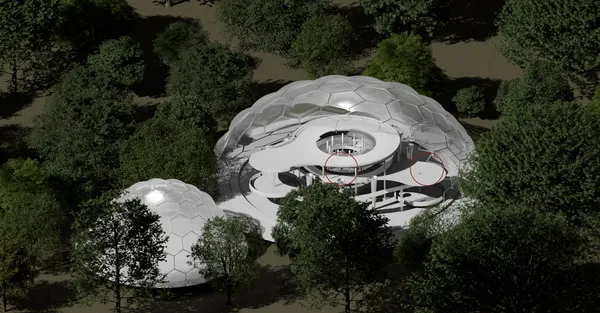
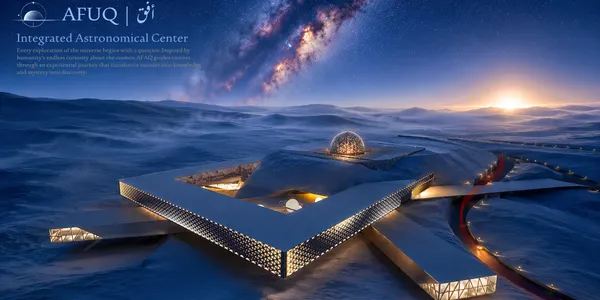
3AFUQ|Integrated Astronomical CenterMore than a research center, AFUQ is an architectural journey from curiosity to discovery. Integrating science, education, culture, and immersive experiences, the project transforms humanity's fascination with the universe into a sequence of interconnected spaces that inspire exploration, learning, and innovation.
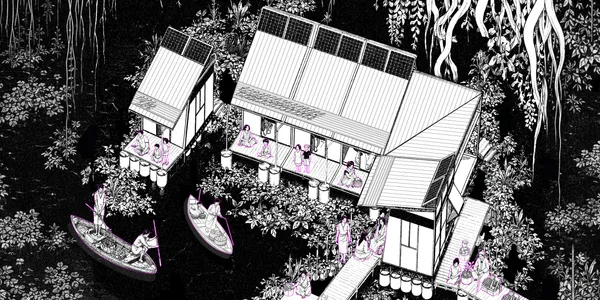
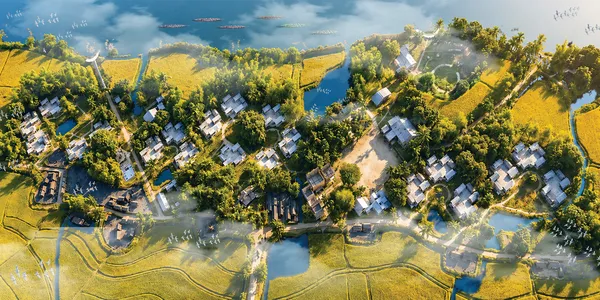
8Grounded in Water: A Living Framework in Wetland Landscapes / Design Thesis on Adaptive Wetland LivingThis project proposes an adaptive settlement framework for the floating phumshang communities of Loktak Lake, the largest freshwater lake in Northeast India and home to the world's only naturally occurring phumdi ecosystem. By integrating homes, public infrastructure, and livelihoods, the design fosters resilience, ecological stewardship, and Identity
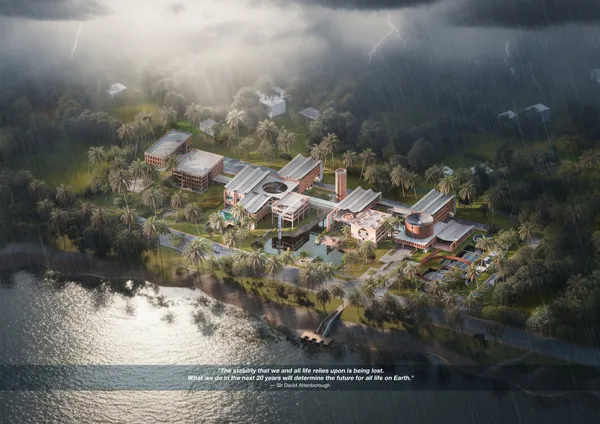
27Crisis to Conservation: A Water Research & Awareness Centre for Sustainable Water Management in BangladeshHow can a water-rich nation face thirst? This project transforms architecture into a living interface between people, water, and ecology. Integrating research, education, and visible water infrastructure, it turns hidden hydrological processes into immersive spatial experiences that cultivate awareness, resilience, and sustainable futures.
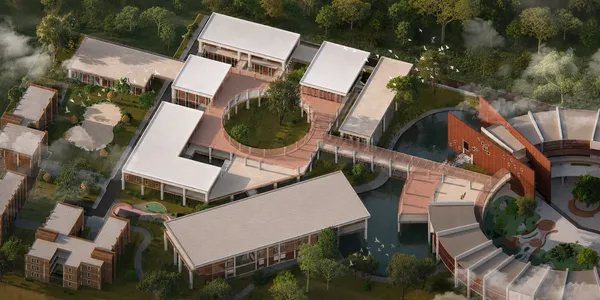
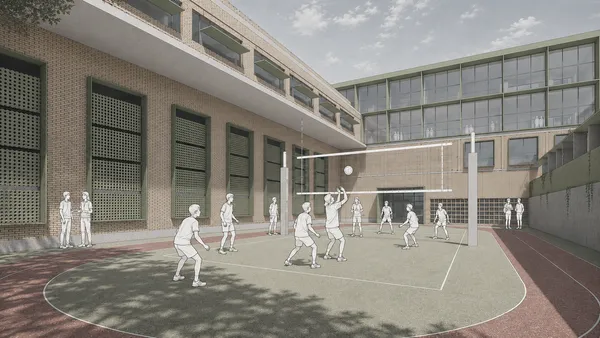
1Learning Through Light: Optimizing Daylight Performance Through Window DesignLearning Through Light investigates how window design influences daylight quality and visual comfort in classrooms. Through parametric simulations, the research identifies optimized window typologies and translates the findings into the design of a climate-responsive secondary school in Tehran.
16Hodi-Mandai Geram: A Culturally Sensitive Village for a Disappearing Ethnic GroupWhat if architecture reveals itself as the only vessel of memory and culture for a disappearing community? By combining Neuroscientific, Anthropological, Economic, and Psychological themes along with Participatory Community Design and Adaptive Architecture, the thesis imagines built environments that evolve with the Hodis' cultural essence.( B.Arch Thesis)
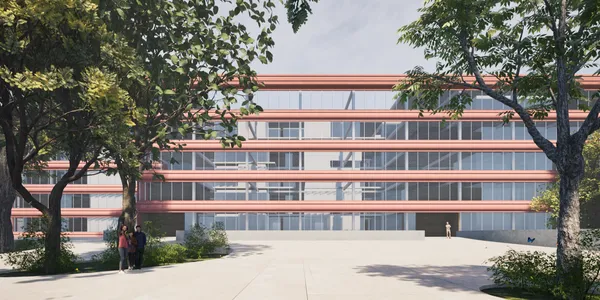
2Typological Re-generation of Terzo PalazzoThis project reimagines the 1973 Terzo Palazzo by Franco Albini, Franca Helg and Antonio Piva — a key building within ENI’s company town of San Donato Milanese — as a living organism capable of adapting to contemporary forms of dwelling.
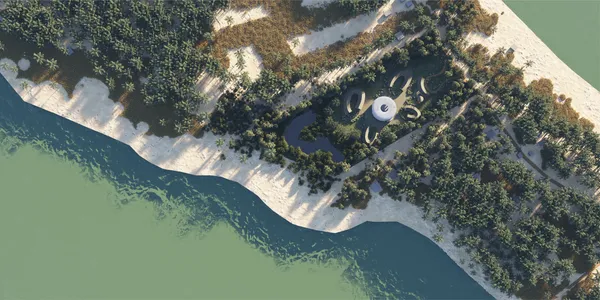
56Reef Rejuvenation: A Coral Research Facility for Saint Martin's IslandReef Rejuvenation transforms architecture into ecological infrastructure for Saint Martin's Island, Bangladesh. The project proposes a low-impact, climate-adaptive coral research facility where restoration, research, education, and community coexist. Elevated modular forms respond to fragile coastal ecology while strengthening long-term reef resilience.