



Science of Architecture
FLDExploring the intersection of scientific principles, systems thinking, and architectural design practice.
Science of Architecture examines how architects apply scientific methods, biological systems, and material research to inform design decisions. This includes studying morphogenesis, material properties, temporal dynamics, and sustainability principles as foundational to architectural thinking.
The community investigates adaptive systems that respond to environmental change, material recycling and assembly logic, interdisciplinary knowledge frameworks for sustainable practice, and how architectural spaces can evolve over time to serve shifting human and ecological needs.


Popular projects
View all 77 projects





Latest journals
View all 75 journals
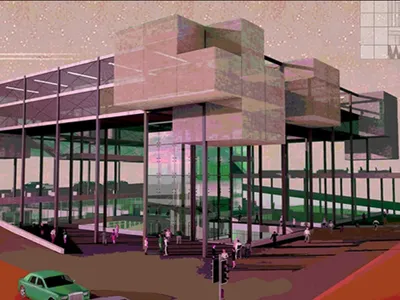
Architecture Of Time: A Steel Frame Built to Outlast the Programmes It Was Designed to Hold
An open steel frame carries plug-in concrete volumes, letting a building of workshops and markets absorb technologies that do not yet exist.

TIME FRAME: A Steel Grid Framework That Lets a Learning Landscape Absorb Decades of Change
Shelter below and gathering above: this Architecture of Time 2020 winner treats time as a material and the grid frame as an armature for future use.


Assembling the Ruin: Toward a Recyclable Architecture
Thoughts and methodologies

The Power Shift: A Knowledge Hub That Distributes Power Through Shared Space
Jai Karthick's knowledge-sharing hub pairs a glazed globe with a west-facing solar block, turning labs, forums and lawns into a civic exchange.


