
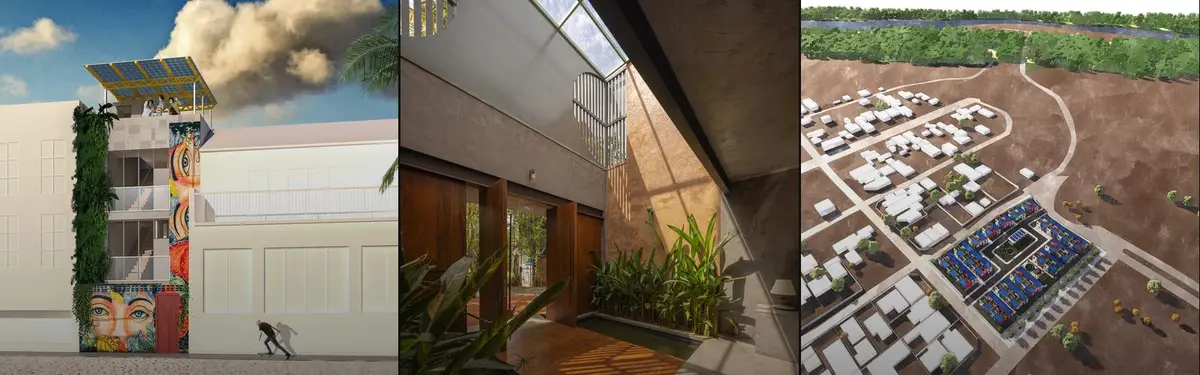


Self-Sustainable
Design and architecture projects that minimize external resource dependence through self-sufficient systems and regenerative approaches.
Self-sustainable design addresses how buildings and communities can operate with reduced reliance on external utilities and resources. Projects in this area explore closed-loop systems, renewable energy integration, and material strategies that work with local conditions rather than against them.
The community examines diverse approaches including desert habitats built from local stone, compact homes powered by solar technology, timber construction without adhesives, and integrated live-work spaces that optimize land use. These projects demonstrate sustainability through material innovation, geometric efficiency, and symbiotic relationships between human habitation and natural systems.


Popular projects
View all 10 projects


Latest journals
View all 7 journals
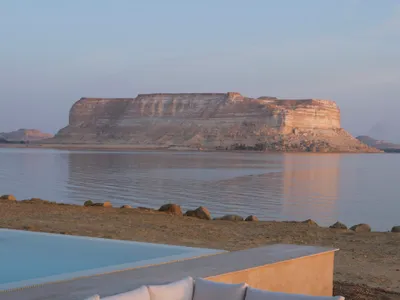
Kareem and Ehab Aldomiaty Build a Self-Sufficient Desert House from Siwa's Own Stone and Earth
A 650-square-meter dwelling in Egypt's Siwa Oasis uses karshif construction and passive cooling to live off the grid in an ancient landscape.
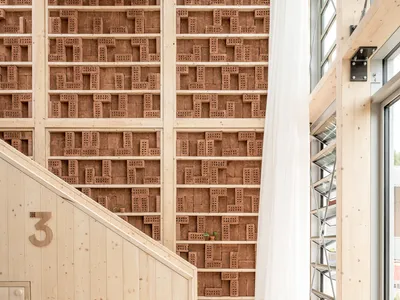
Team MIMO Builds a Glue-Free Timber Housing Prototype for the Solar Decathlon in Wuppertal
A compact two-storey research building made of solid wood modules tests how minimal material impact can yield maximum communal output.
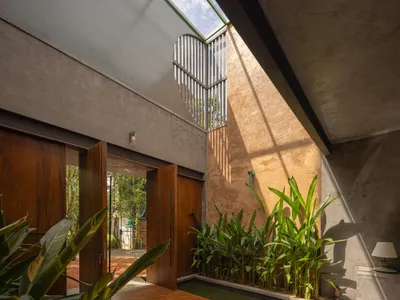
Damith S Munasinghe Folds Studio and Home into a Single 2400-Square-Foot Continuum in Sri Lanka
On a compact site in rapidly urbanizing Malabe, courtyards, portals, and planted rooftops blur the line between dwelling and design practice.

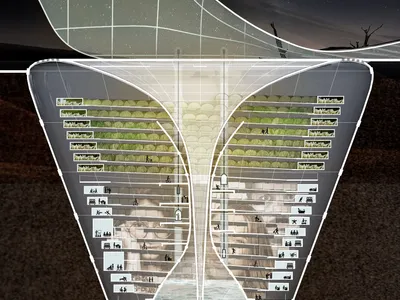
Cycle: A Klein Bottle Geometry Turned Into a Self-Sustaining Desert Habitat
Subterranean living units inspired by topological geometry create closed-loop water, thermal, and social systems for extreme desert settlement.


