
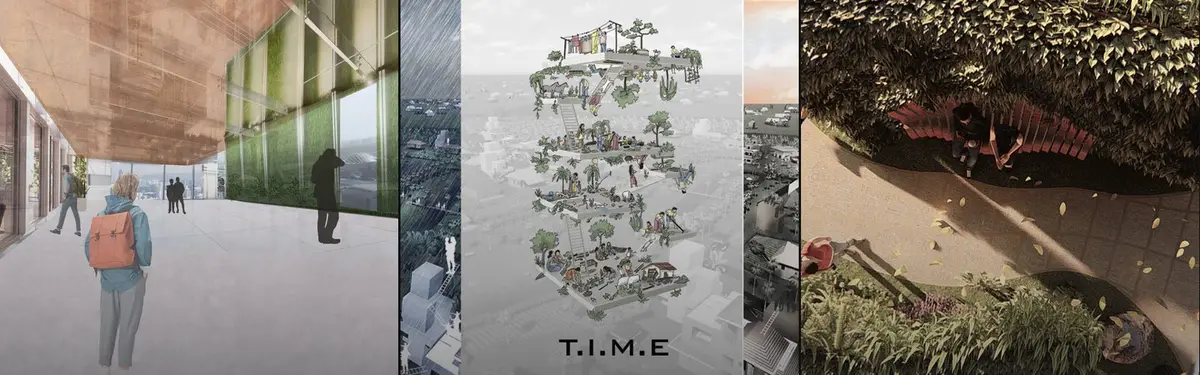


Urban Ecosystem
Design approaches that integrate natural systems, food production, and community spaces into urban environments.
Urban ecosystems explore how cities can incorporate ecological thinking into their infrastructure and architecture. This includes strategies for food systems, green infrastructure, energy efficiency, and creating resilient spaces that balance human activity with natural processes.
The community examines projects that repurpose industrial sites with living systems, transform vacant urban spaces into community hubs, integrate agriculture into city centers, and blur boundaries between built structures and natural landscapes through timber construction and forest integration.


Popular projects
View all 47 projects


Latest journals
View all 47 journals

Loizou Architects and Associates Replace the Facade with a Living Green Shell in Limassol
A 360-square-meter mixed-use building in a dense Cypriot neighborhood trades its outer wall for a vertical garden of climbing vines and local plants.
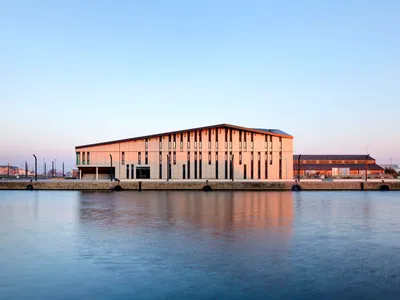
Snøhetta and Santer Vanhoof Plant an Energy-Positive Timber Landmark on Dunkirk's Industrial Waterfront
Ecosystème D turns a former port site in northern France into a bioclimatic hub for energy transition, producing more power than it consumes.
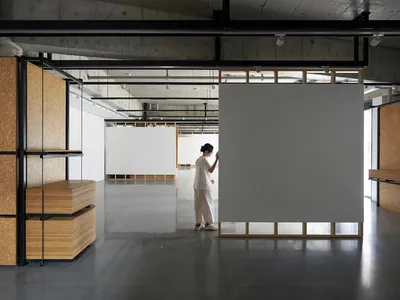
MINOR lab Stitches Three Leftover Spaces into a Community Art Ecosystem in Langfang
A café, gallery, and artist studio carved from residential surplus in a Hebei housing development prove small-scale renewal works.
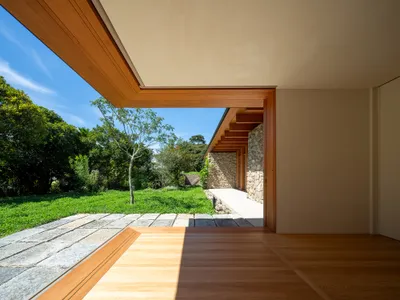
Teitakusubako and Yusuke Igarashi Architects Dissolve a House into the Forest Edge in Zushi
A 215 m² residence on a generous Tokyo-suburban plot uses stone, timber, and fragmented volumes to blur the line between dwelling and woodland.


