
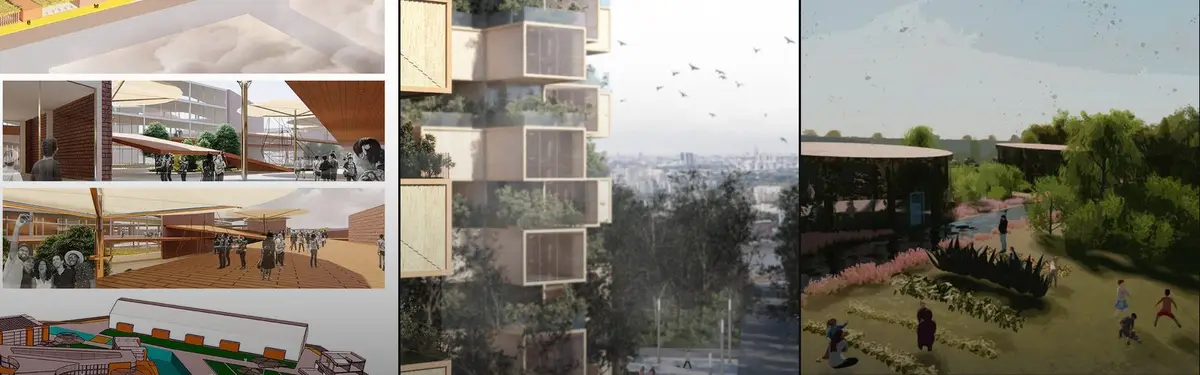


Urban Environment
Design and architecture projects addressing cities, sustainability, and the relationship between built environments and nature.


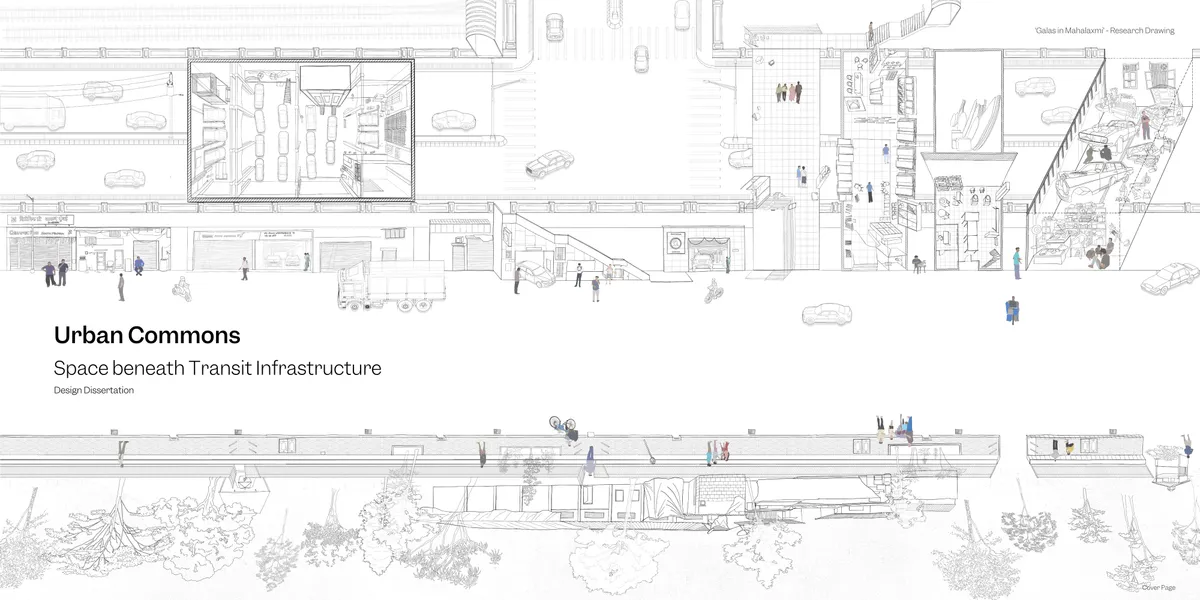

Urban Continuum:An alternative learning ecosystem
Education has increasingly become detached from the lived realities of the city. Urban Continuum proposes an alternative model in which learning is embedded within the rhythms of everyday urban life. Instead of concentrating education inside institutional boundaries, the project distributes learning across existing neighbourhood spaces, creating an interconn
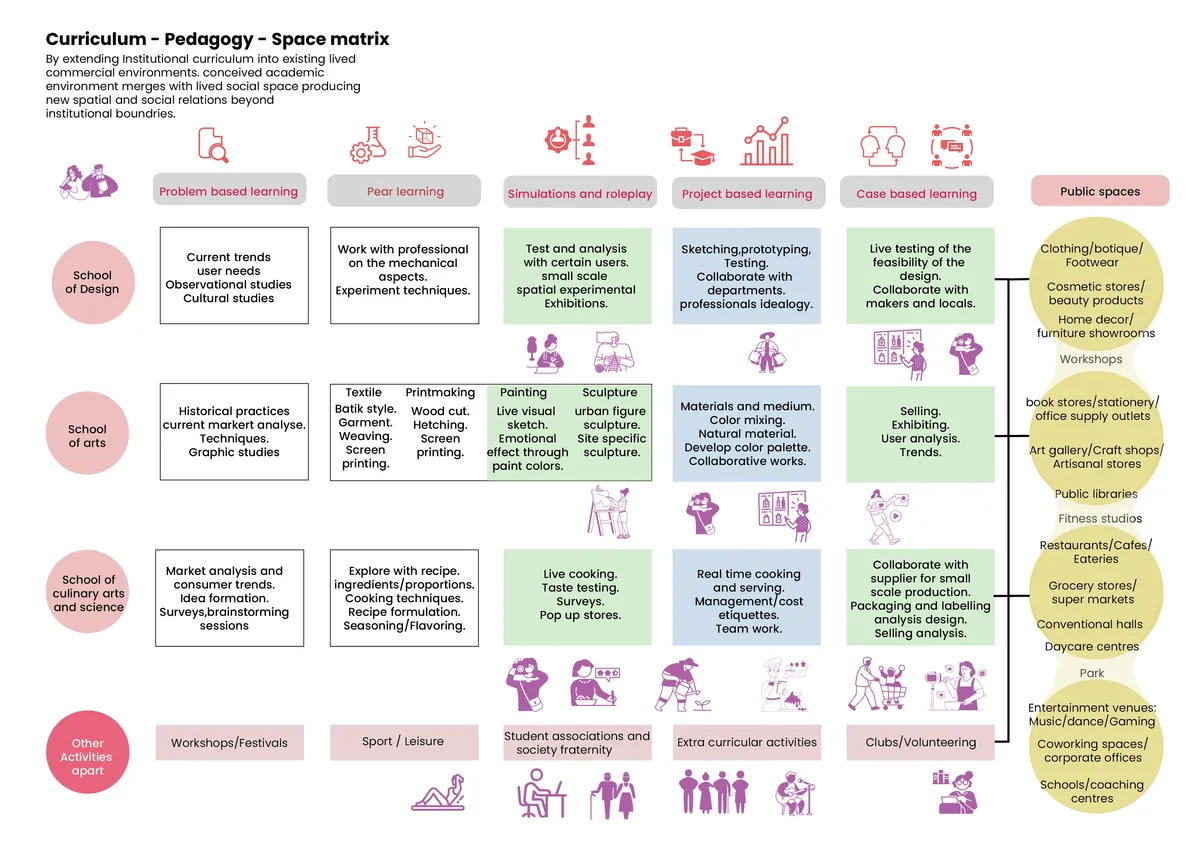

A thoughtful and original approach that expands learning into everyday urban life. Further exploring how this model can operate across different public spaces could strengthen its potential and impact.
Thank you so much for the thoughtful feedback. The project grew from questioning the mono-functional nature of urban spaces and eventually led me to explore learning as something that could connect people, genetations and everyday civic life beyond the conventional campus. Your suggestion to test this model across different public spaces is something i'd really like to explore further, particularly how different urban contexts could create different opportunities for learning and collective information.

Thresholds of Publicness: Rethinking Interstitial Spaces in Mumbai
Thresholds steps, plinths, verandahs are where public and private quietly meet. This research studies these in-between spaces as the living social fabric of Indian cities. As boundaries harden and land gets privatized, these porous edges are disappearing, taking everyday connection with them. Through observation and mapping, the study reads thresholds not as leftover space, but as sites of pause, exchange, and belonging. It argues that even a step or a strip of shade can hold a city together


😍

The in depth study of urban spaces and delicateness towards public is very promising and very nice.

Future Energy Metropolis in Hamburg, Germany
In this project scenario a part of the former harbor of Hamburg will be redeveloped into a sustainable city district
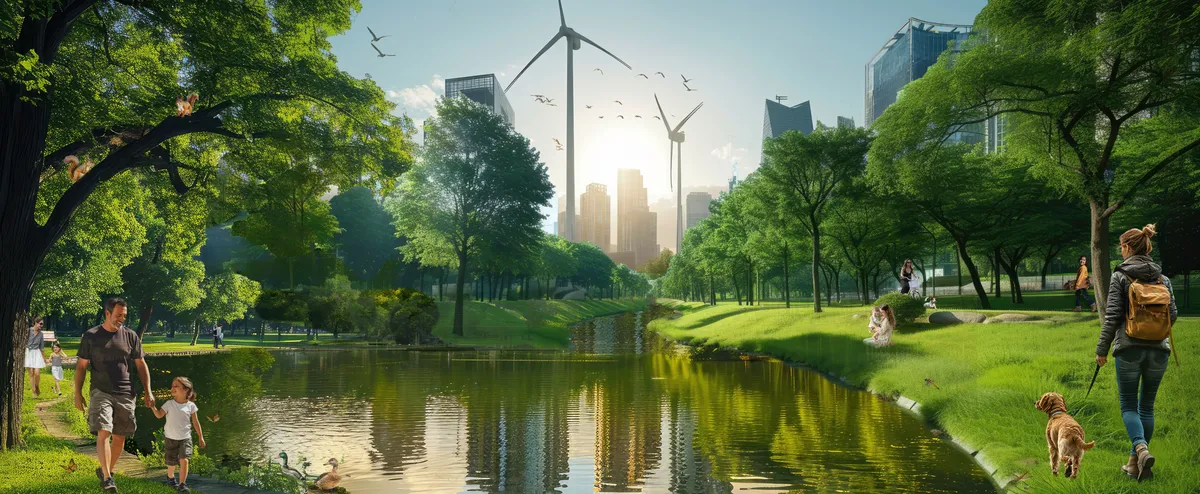


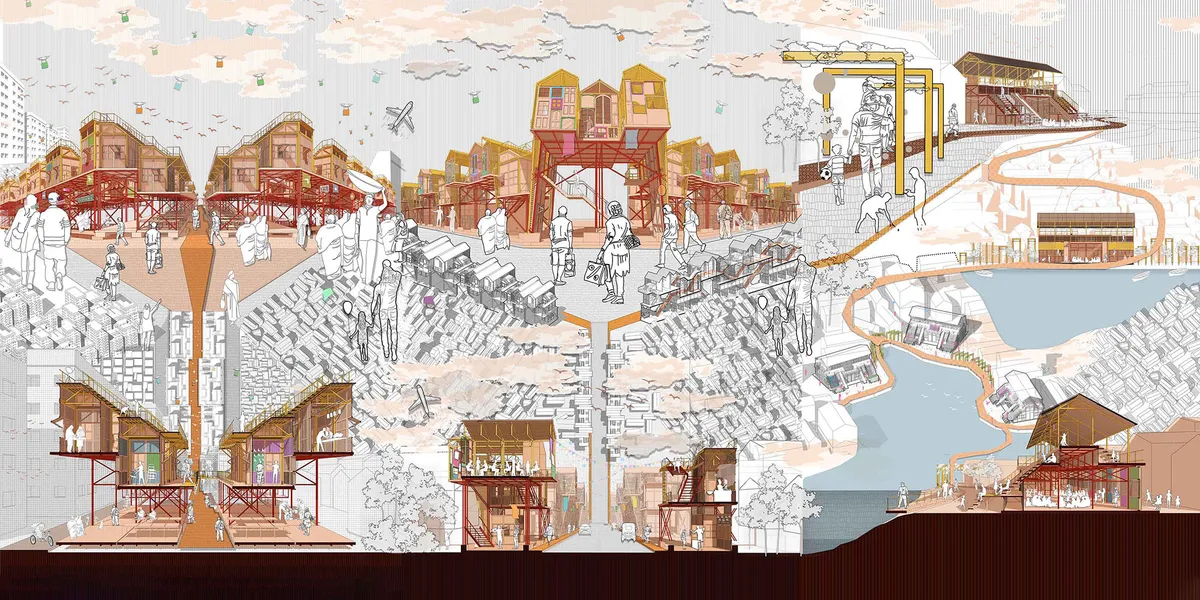

Productive Organism : Sustainable Living Habitat in Urban Peripheries
The aim of the thesis is the restructuring and upgradation of housing and landscape (ecology & built environments) in the urban peripheries to integrate sustainable systems. It explores a form of sustainable urbanism, to create an ecosystem of living conditions and natural systems and developing a form of sustainable living habitat which is more contextual.
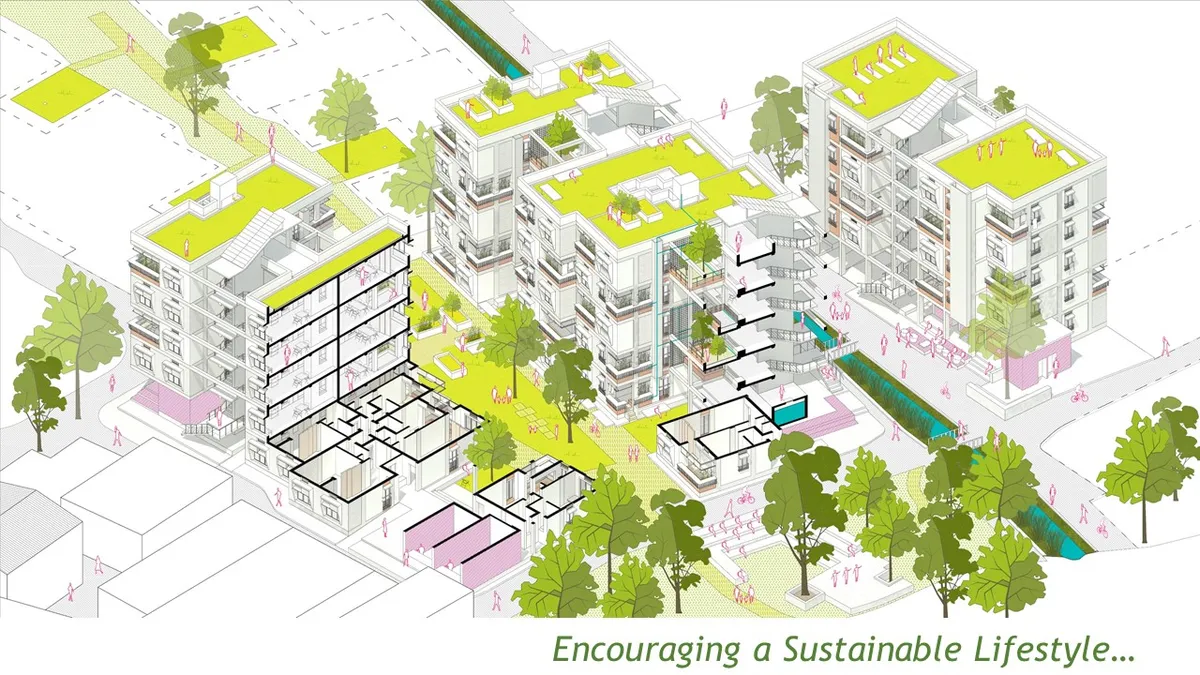

Optimizing Transitional Spaces
This study examines how transitional spaces in Bur Dubai’s Meena Bazaar drive urban vibrancy and social dynamics. Using mental mapping, behavioral tracking, and mass void analysis, the research evaluates how spatial organization and thermal comfort impact usability in dense environments. It demonstrates that optimizing accessibility and climate comfort transforms these overlooked connectors from mere pathways into vital cultural hubs.



Loizou Architects and Associates Replace the Facade with a Living Green Shell in Limassol
A 360-square-meter mixed-use building in a dense Cypriot neighborhood trades its outer wall for a vertical garden of climbing vines and local plants.


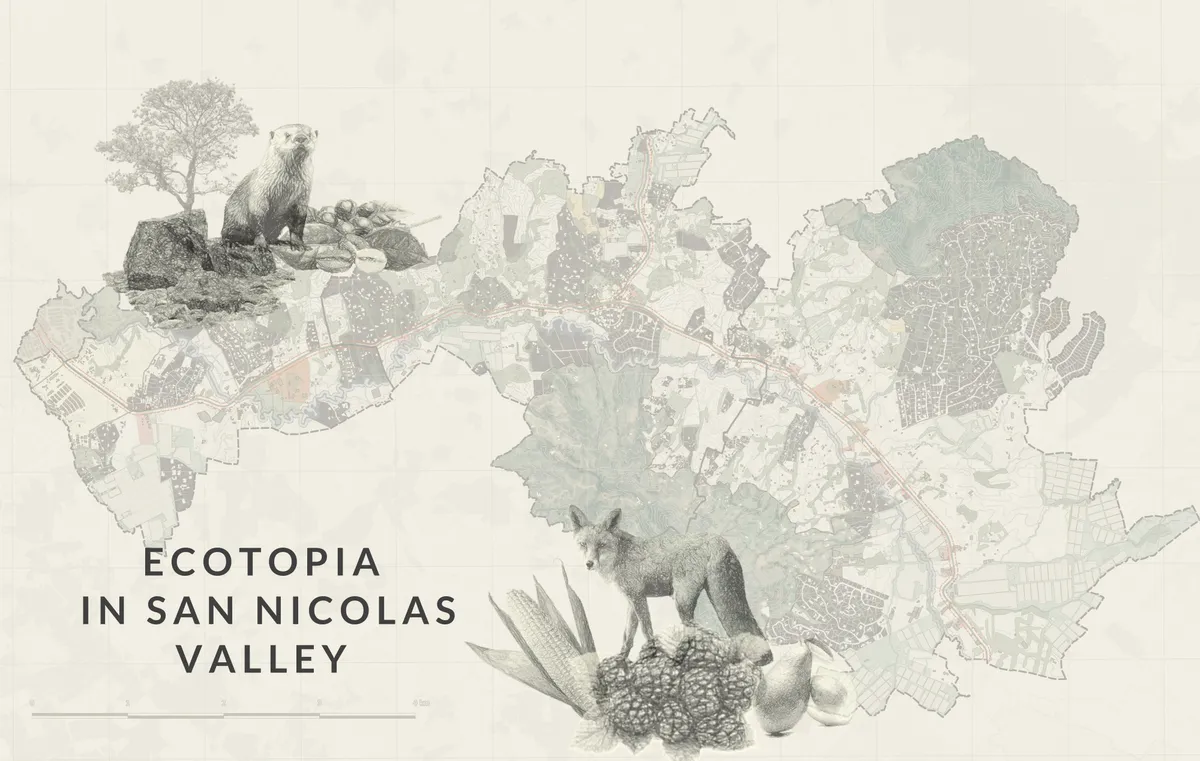
Ecotopia in San Nicolas Valley
The San Nicolás Valley in eastern Antioquia, Colombia, faces ecological degradation. This project integrates elevated housing, silos, and vertical farming to restore harmony between urban growth and nature, fostering regenerative development.


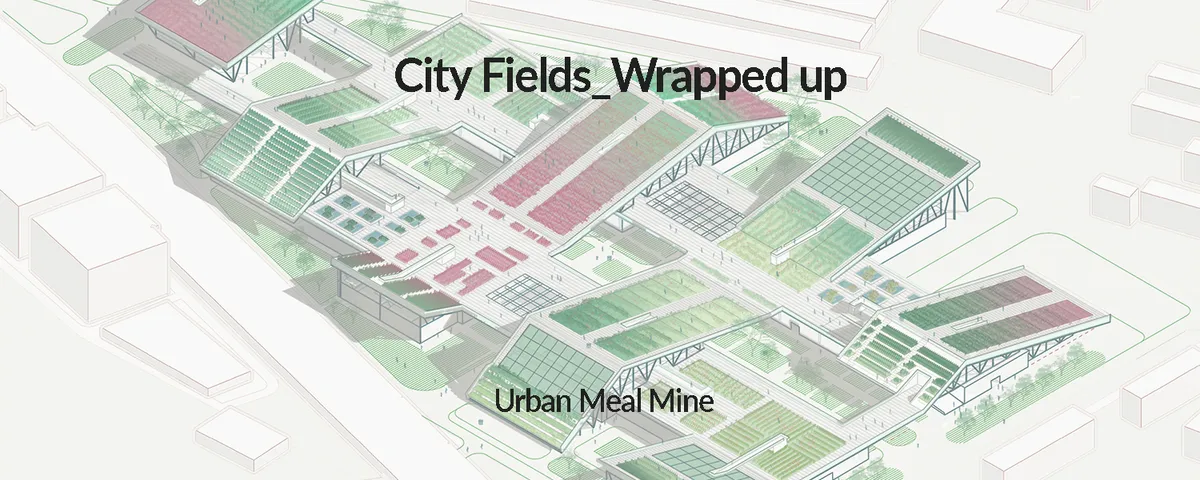
City Fields_Wrapped Up
General idea is based on immersion of the landscape principles into an urban context. This act would create new links in both morphological and functional way, becoming an attractive and productive sustainable ecosystem at the same time, combining fields, workshops, hubs public space and markets into one.

URBAN MEAL MINE
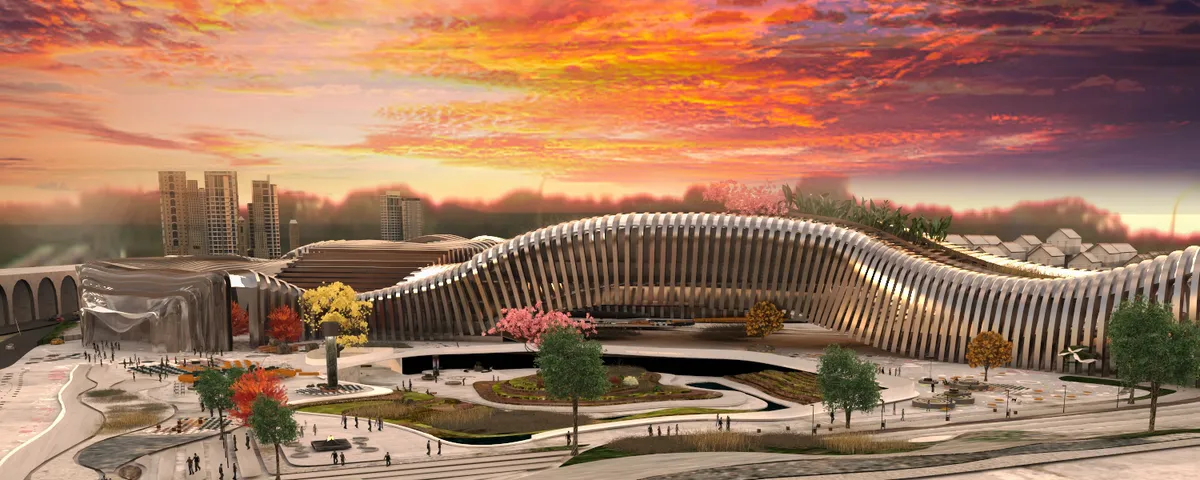
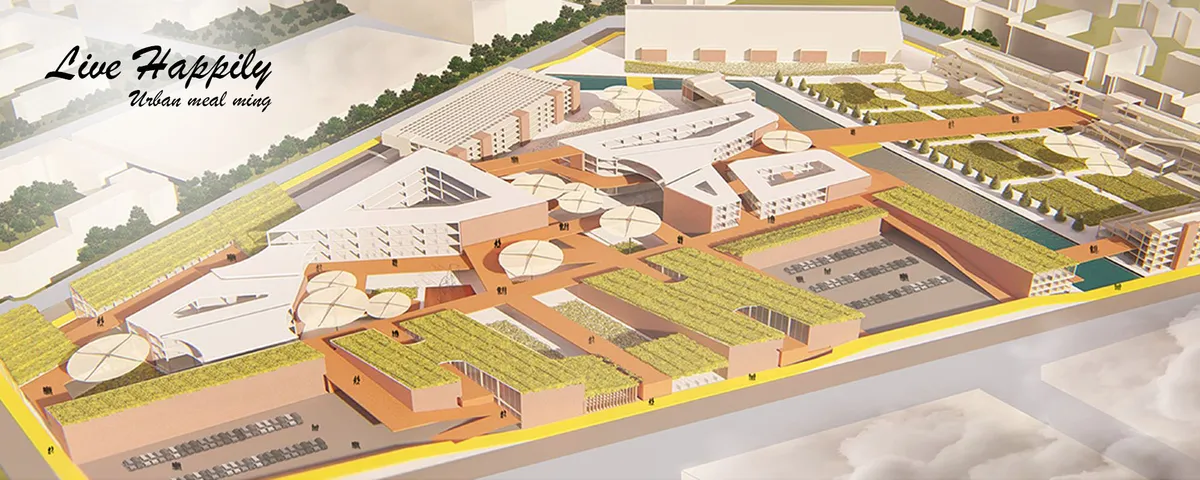
The building is designed in the form of a continuous connected space that mimics the shape of the Thomas Railway that starts with the informative creative space that sensitizes people about the different parts of the building and whether they should go to the food sector, the market sector or the commercial sector. The informative creative space provides ed

Project name : Live Happily
How design the pathway that helping to burn calories, walking as a workout, walking can also help burn fat as well and also use circulation to get people to use and in our work for a longer time. Using different paths, including climbing and walking down the ramp to avoid or walk over, and the roofs of connected buildings can also be used by users.
Teitakusubako and Yusuke Igarashi Architects Dissolve a House into the Forest Edge in Zushi
A 215 m² residence on a generous Tokyo-suburban plot uses stone, timber, and fragmented volumes to blur the line between dwelling and woodland.

An urban social network
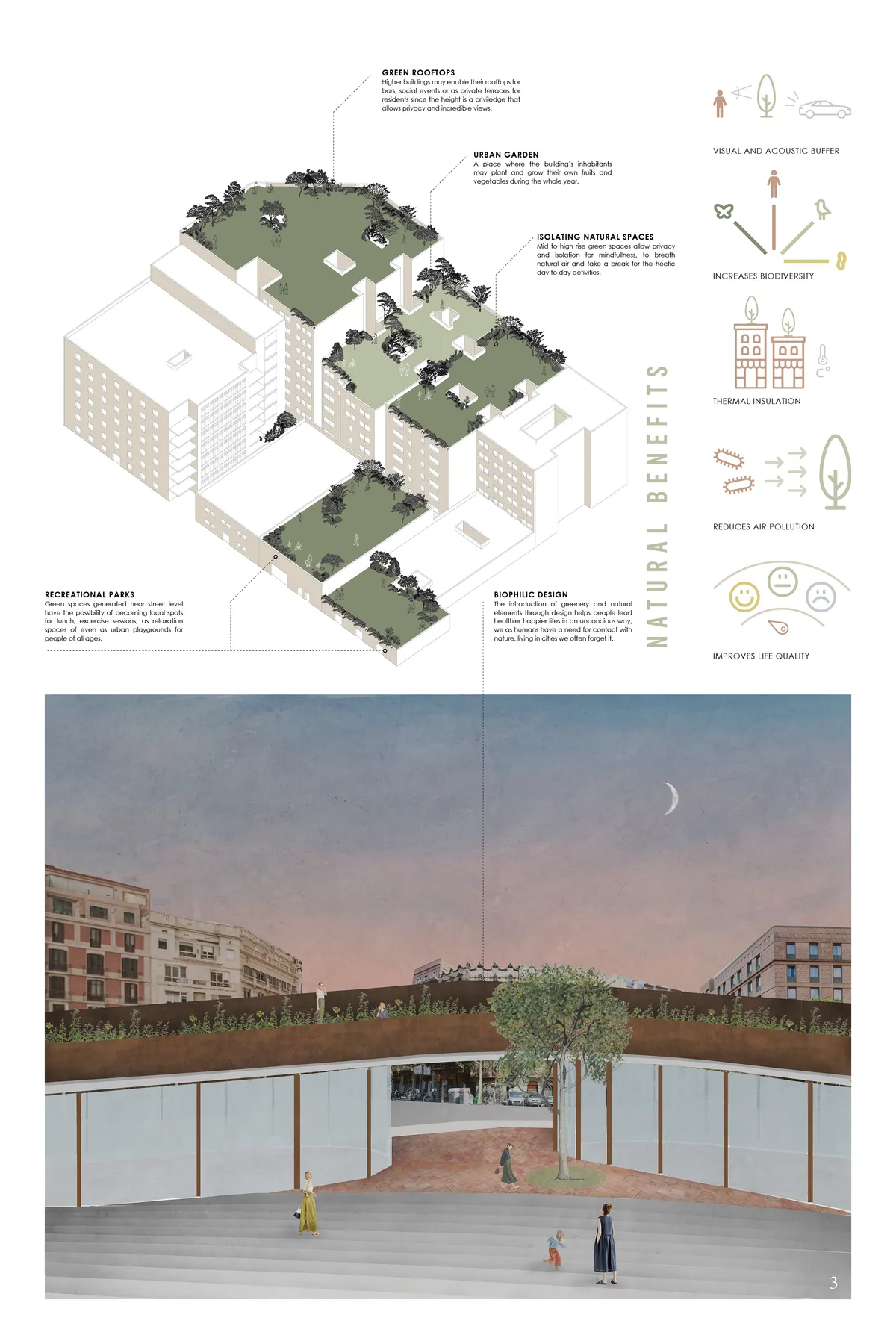
Our proposal implies a way to design the city thinking of all population segments, from little kids that start to discover their neighborhood to senior citizens that hardly go out anymore because their needs have changed. We designed a m

An urban social
Our proposal implies a way to design the city thinking of all population segments, from little kids that start to discover their neighborhood to senior citizens that hardly go out anymore because their needs have changed. We designed a main collective adaptable space for different programs accompanied by a series of niche public spaces within housing blocks.

Respectul proposal. Missing a more radical and visionary approach. I wonder if I may have understood the project better with more drawings and pictures.

The idea of increasing occupant connectivity to the natural environment, thanks to a system of interconnected people or things, is the cue. Exchange information, contacts, and experience for healthy purposes needs a dynamic structure. If we think this way, from scratch, we will learn that architecture is related to innovation and sustainability. The transformation of the historical city in the last century as a leisure space has to be replaced in the contemporary cities as a productive and connective cultural and natural space. The cities need to be thought as a dynamic structure where time is the matter to design new intelligent realities.


Urban Oasis
The contradiction between the encroachment of urbanization and the increasing tension of agricultural land has also become the most prominent problem in the current stage of rapid urban development. We need "urban agricultural landscape system", as a unique continuous "patch" type of urban green ecosystem-the "urban oasis".
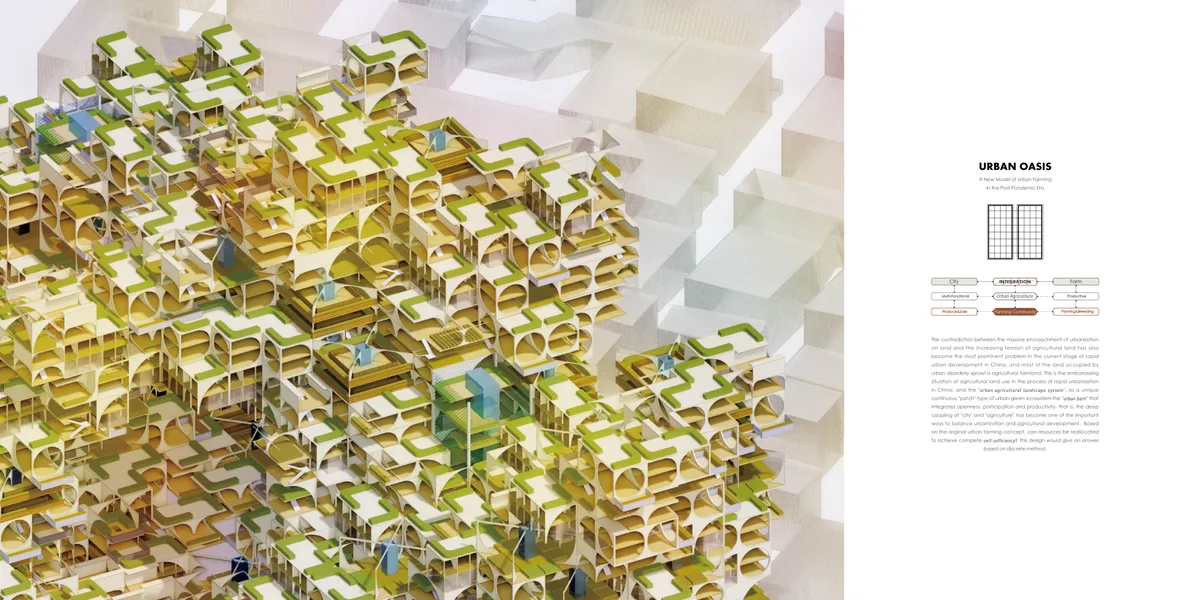

This is a visionary project with stunning visuals and extensive design. However, the overall presentation of the board is a little miscellaneous with complex graphics but simple information.

Urban Wilderness
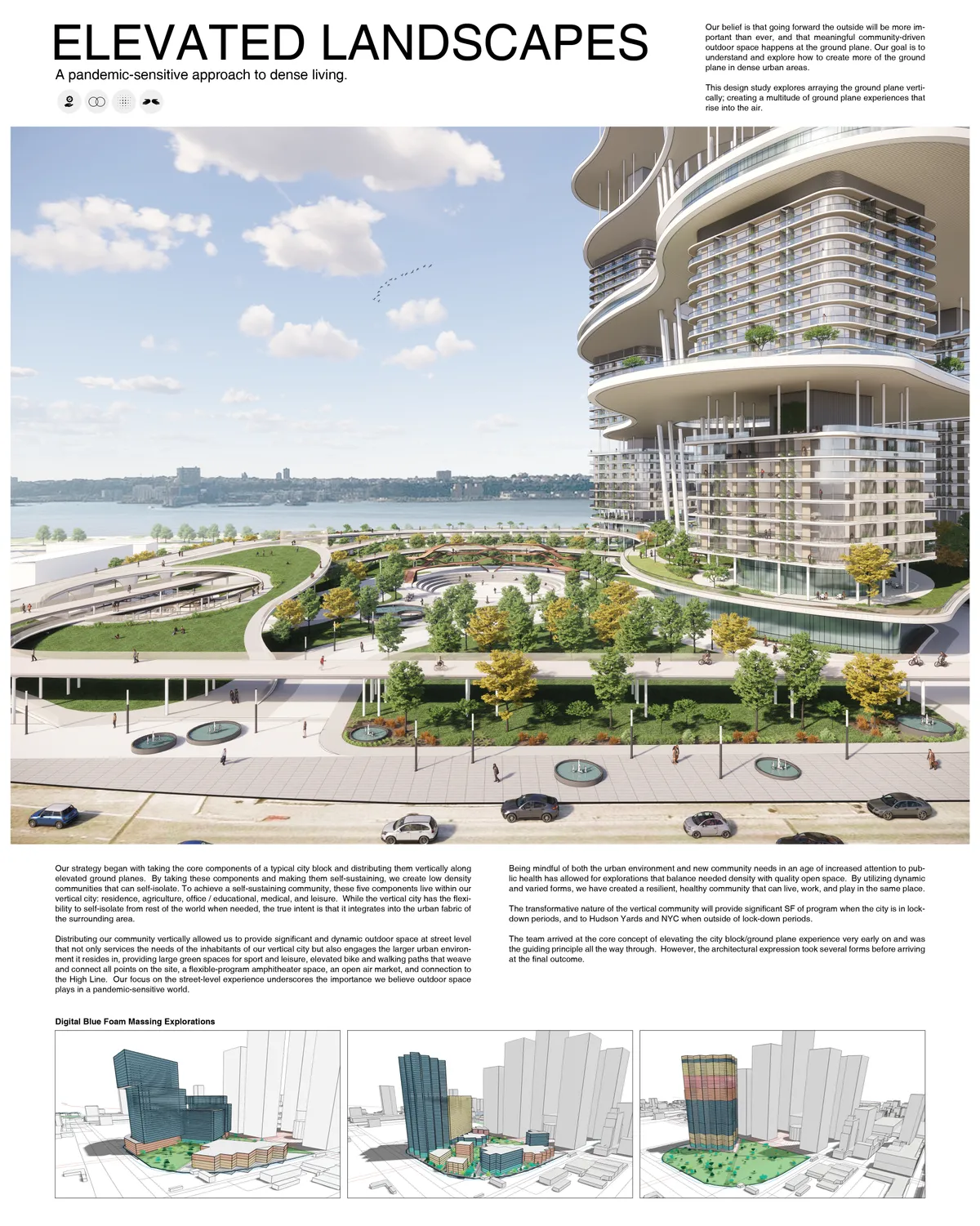
Our team reinvented the modern neighborhood serving the lifestyles of today while addressing the issue of the pandemic. We decided to study the past in order to intuitively inform future design decisions. We began with an analysis of New York City as well as our chosen site of Hudson Yards.
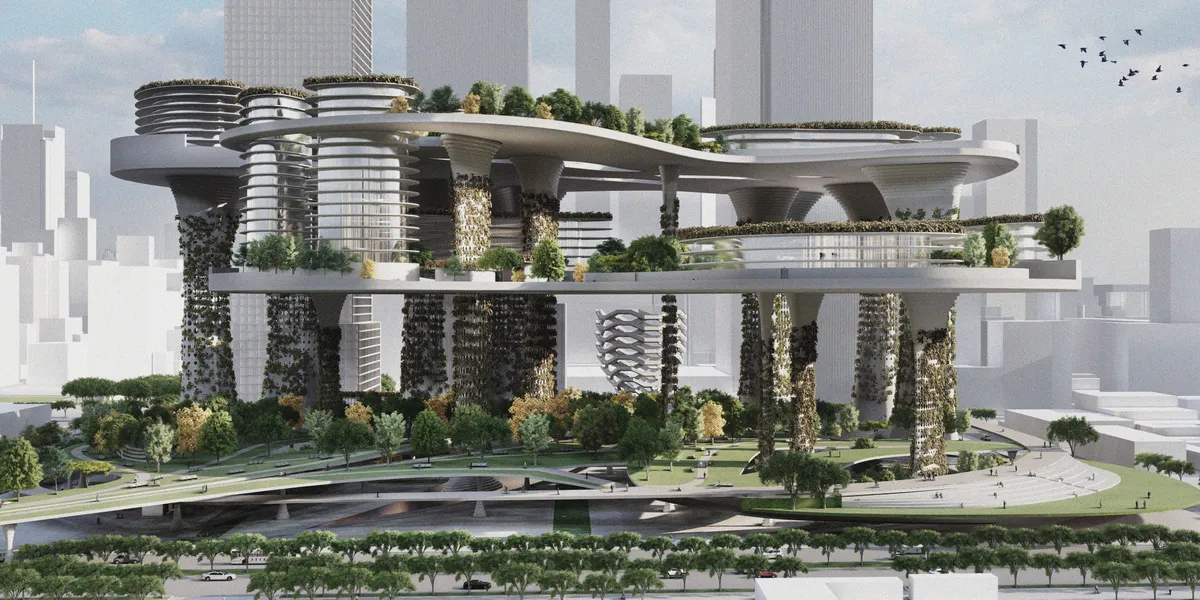

Every city could swap some of its concrete jungle for some natural wilderness. Hope to see these ideas in future projects!

Deniz özdemir

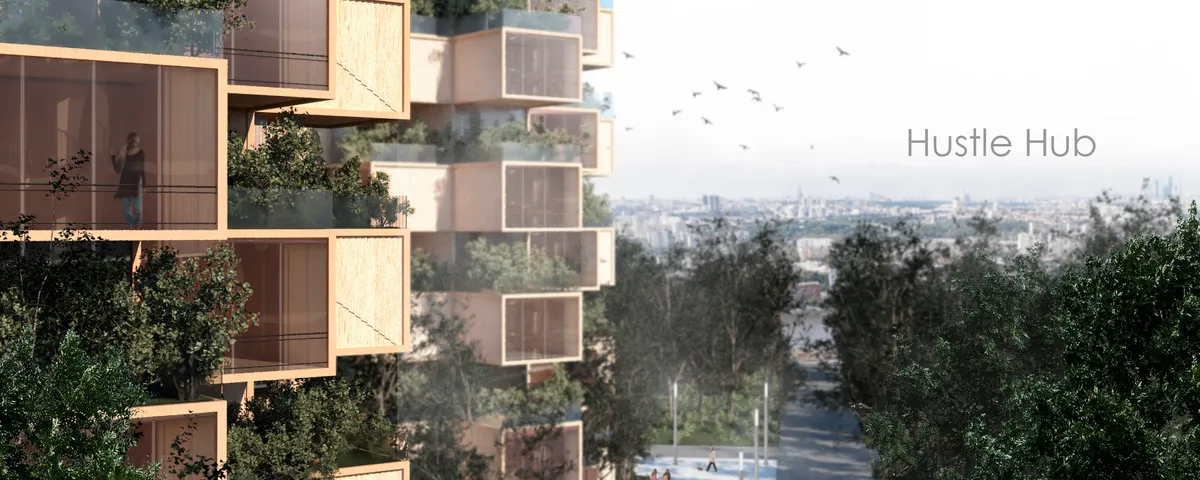
Hustle Hub - Cooperative Emerging Communities
The gregarious nature of the human being is the principal resource, is always easier to achieve the goals as a group, rather than an individual. The proposal's premise is that sharing spaces is an outstanding opportunity for the emergence of undetermined social dynamics that could foster the achievement of hustling youth's goals.


It seems this competition will set the ground on fire.