
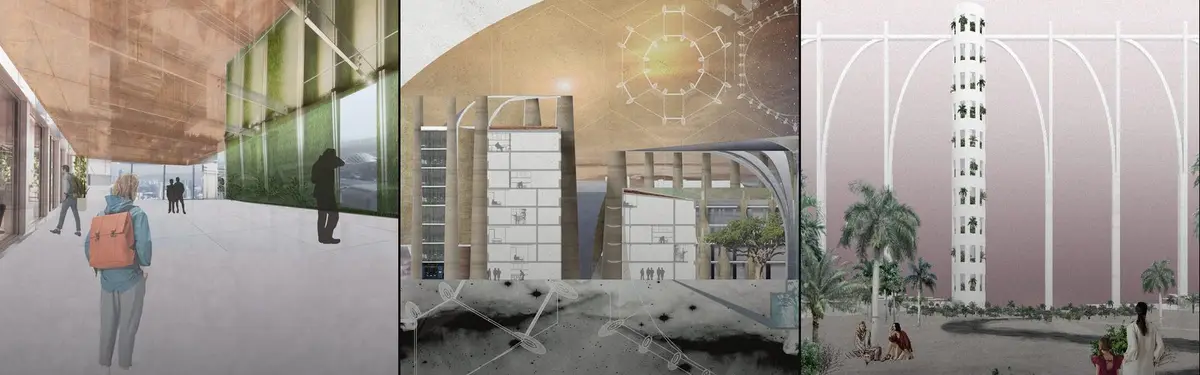


Urban Heat Island
Design strategies that address elevated urban temperatures through architecture and urban planning interventions.
Urban heat island effect occurs when cities experience significantly higher temperatures than surrounding rural areas due to reduced vegetation, increased hard surfaces, and concentrated human activity. Designers and architects address this challenge through material choices, vegetation integration, and spatial planning that improve thermal performance and livability in dense environments.
The community explores cooling strategies including green facades and living surfaces, courtyard designs that create microclimates, material selection for thermal regulation, and integration of natural elements into urban and residential projects across varied climates and contexts.





Popular projects
View all 5 projects





Latest journals
View all 6 journals

Ushijima Architects Floats a Charred Cedar House Above a Former Lakebed in Japan
Near Lake Biwa, a stilted residence channels the memory of floods and reeds into a house that hovers like an anchored boat.

Common Practice and Studio AAAN Carve a Hidden Courtyard World into Amsterdam's Narrowest Plot
Sixty-four mid-rent apartments on Oostenburgereiland turn a sliver beside a parking garage into a layered urban interior.
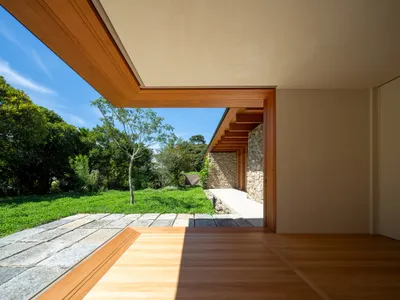
Teitakusubako and Yusuke Igarashi Architects Dissolve a House into the Forest Edge in Zushi
A 215 m² residence on a generous Tokyo-suburban plot uses stone, timber, and fragmented volumes to blur the line between dwelling and woodland.

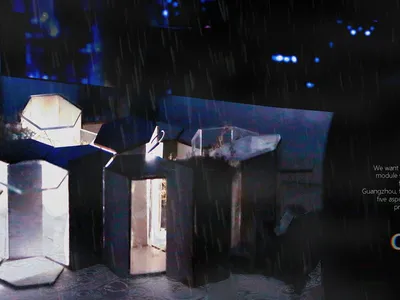
Comfort Hub: Hexagonal Modules That Breathe Life into Guangzhou's Humid Urban Villages
A climate-responsive modular system uses humid air recycling and honeycomb geometry to transform neglected alleys into social micro-hubs.


