
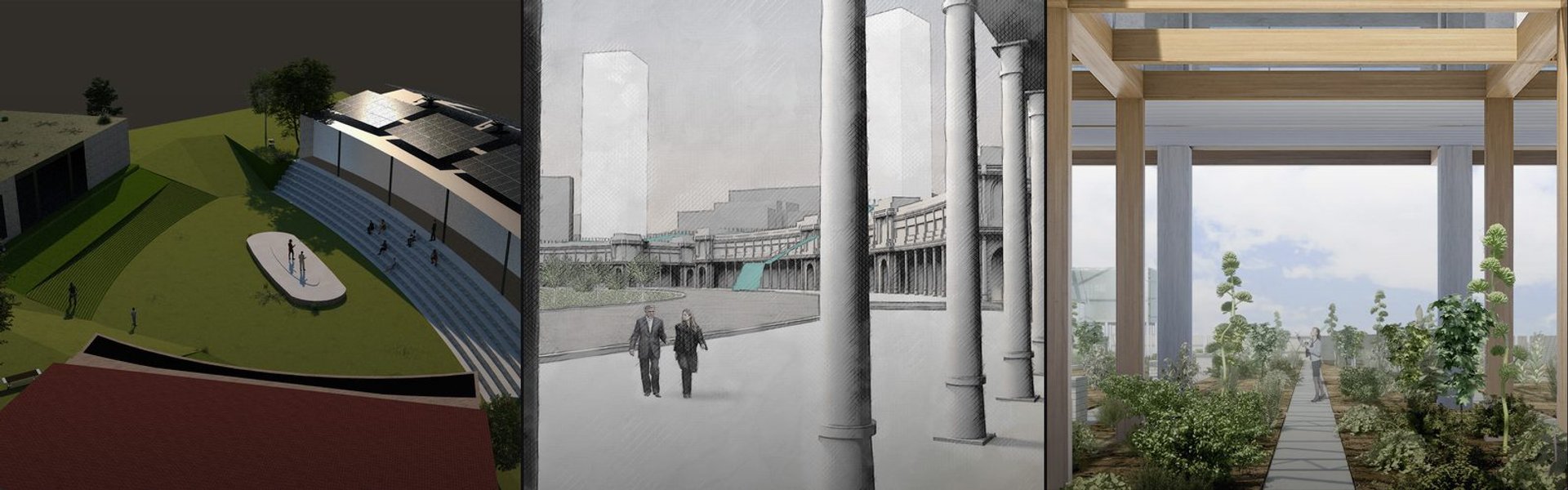

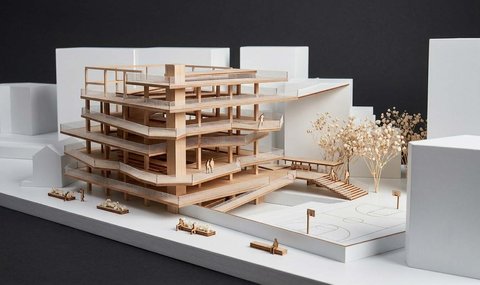
Urban Renewal
Projects that revitalize urban spaces through architectural intervention, adaptive reuse, and community-centered design.

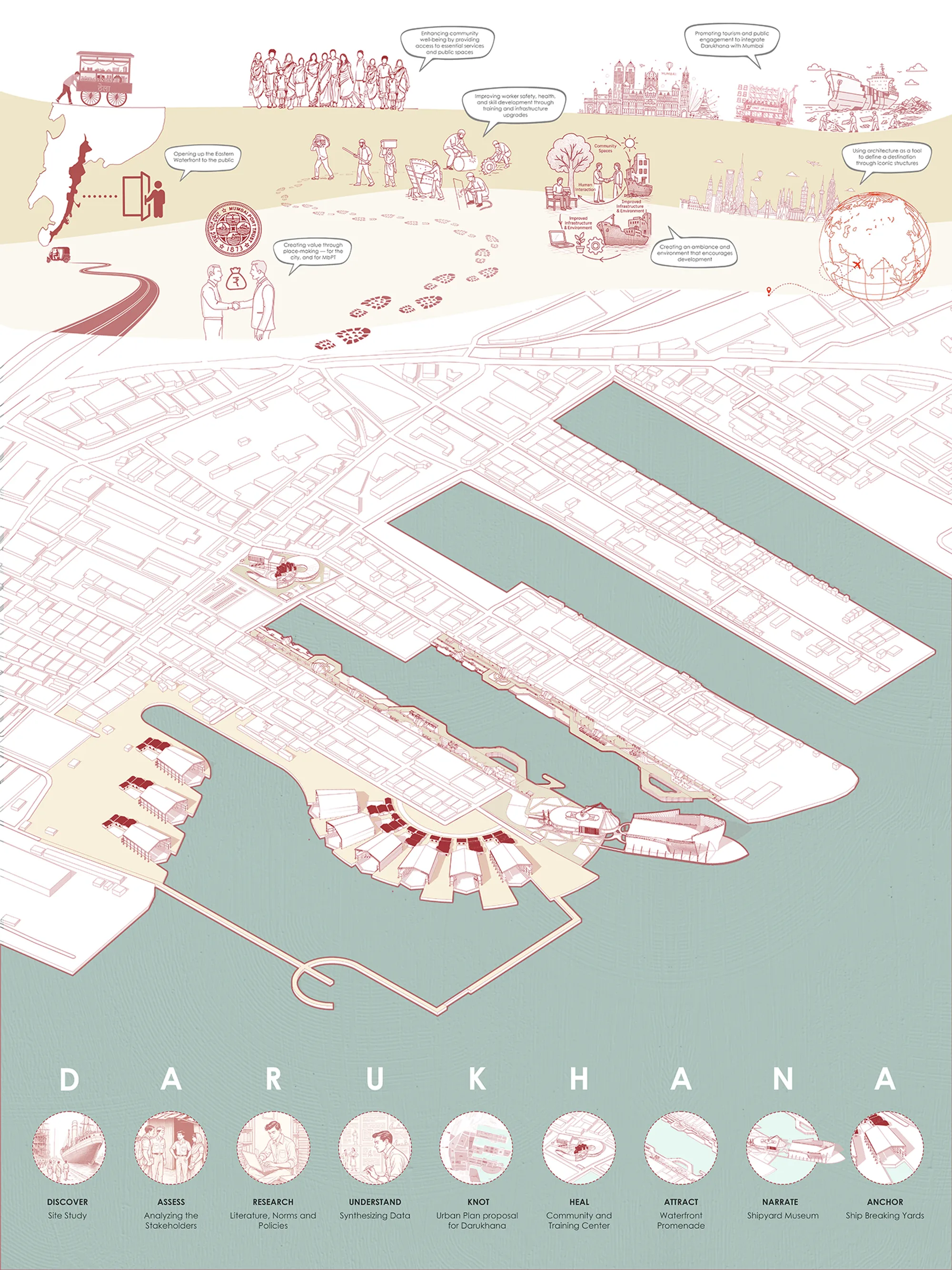
Forging a New Dawn - Revitalization of Darukhana
This thesis explores reviving Mumbai’s Darukhana shipbreaking community through integrated development. By assessing the industry’s environmental, economic, and social impacts, including worker safety and pollution, the research proposes targeted urban interventions. These feature upgraded facilities, community hubs, skill-building platforms, and versatile public spaces. The goal is to improve living conditions, foster safe employment, and balance industrial progress with societal well-being.


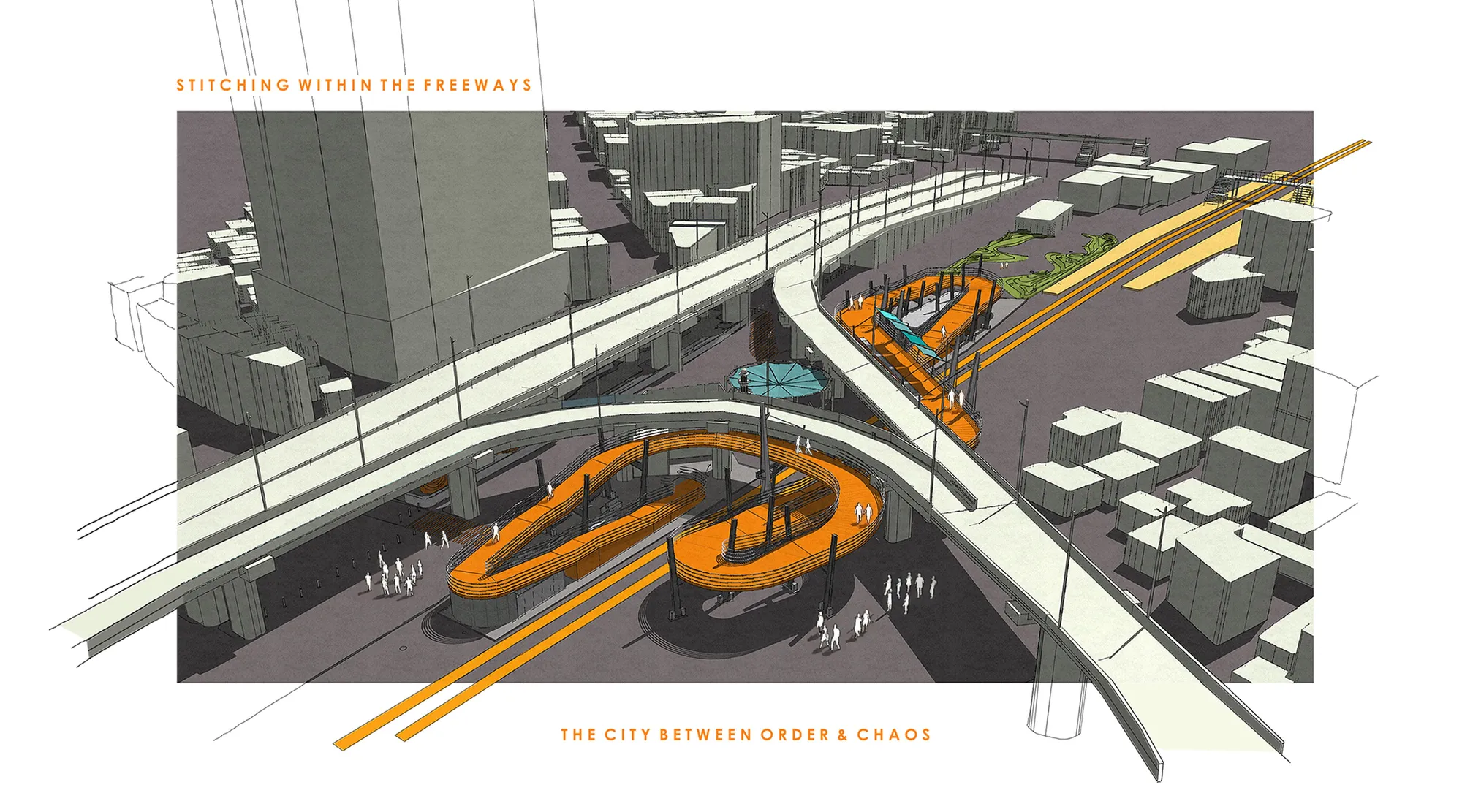
"Transition In Need, Reconnecting Fragmented Urban Ecology", Domino Effect & Urban Rhythms
Abstract:

Rethinking Urban Slums
This project proposes a new vision for addressing Iraq’s informal housing crisis through a realistic, human-centered approach. Rather than demolition and displacement, it promotes incremental, in-place interventions that empower residents, address social and economic challenges, and create a sustainable model for inclusive urban development.
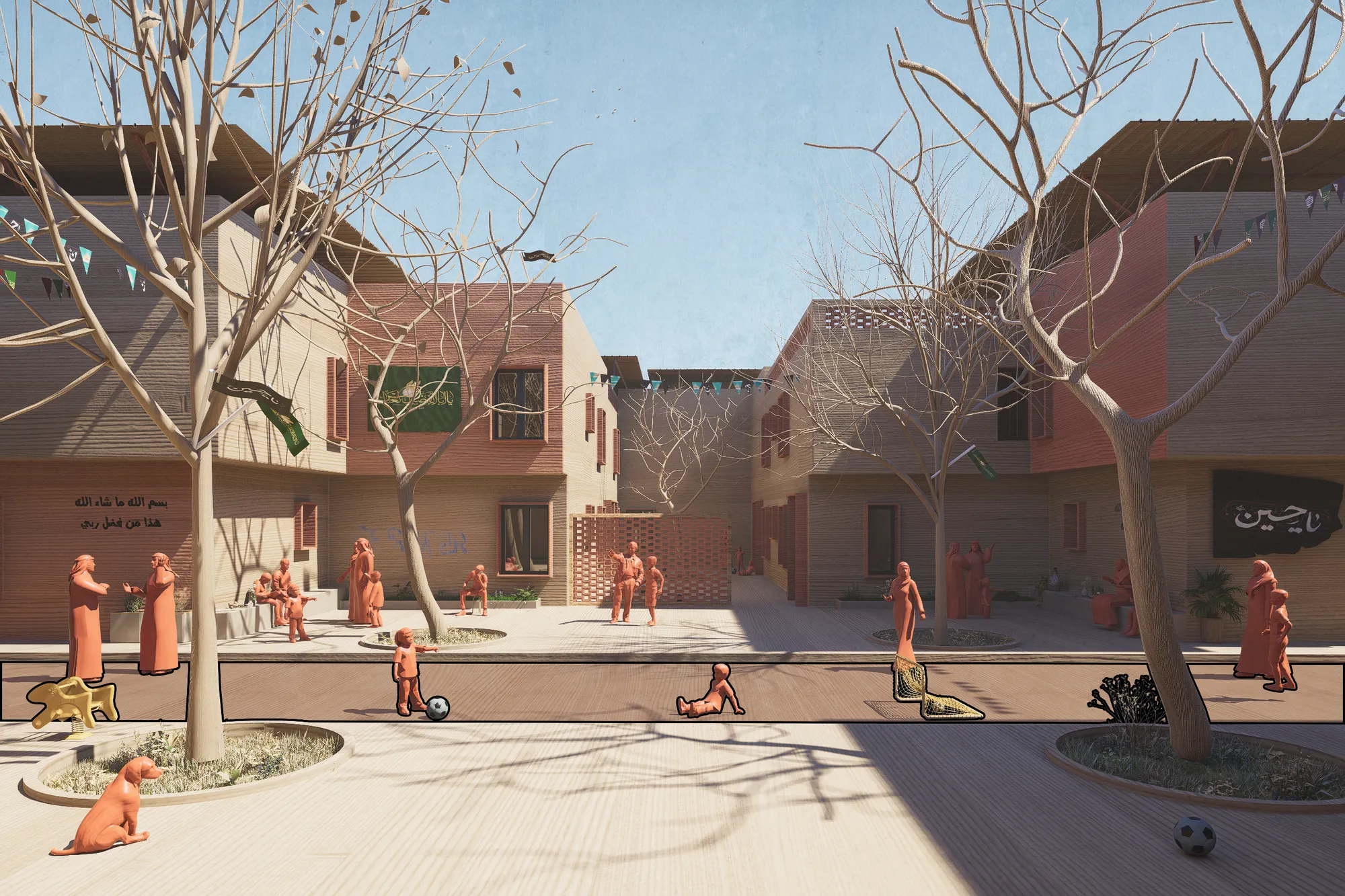

A strong and socially relevant thesis with a clear human-centered position. Further development of implementation strategies could make this thoughtful urban approach even more impactful.

Well done! Keep up the excellent work!

Reclaiming Forgotten Urban Edges: An Experimental Approach
This project reimagines fragmented urban edges as connected public space. Developed through experimental research at Kelham Island and applied to Manchester’s Northern Quarter, it proposes a transferable toolkit of interventions to activate inactive urban fragments into continuous inhabitable environments.
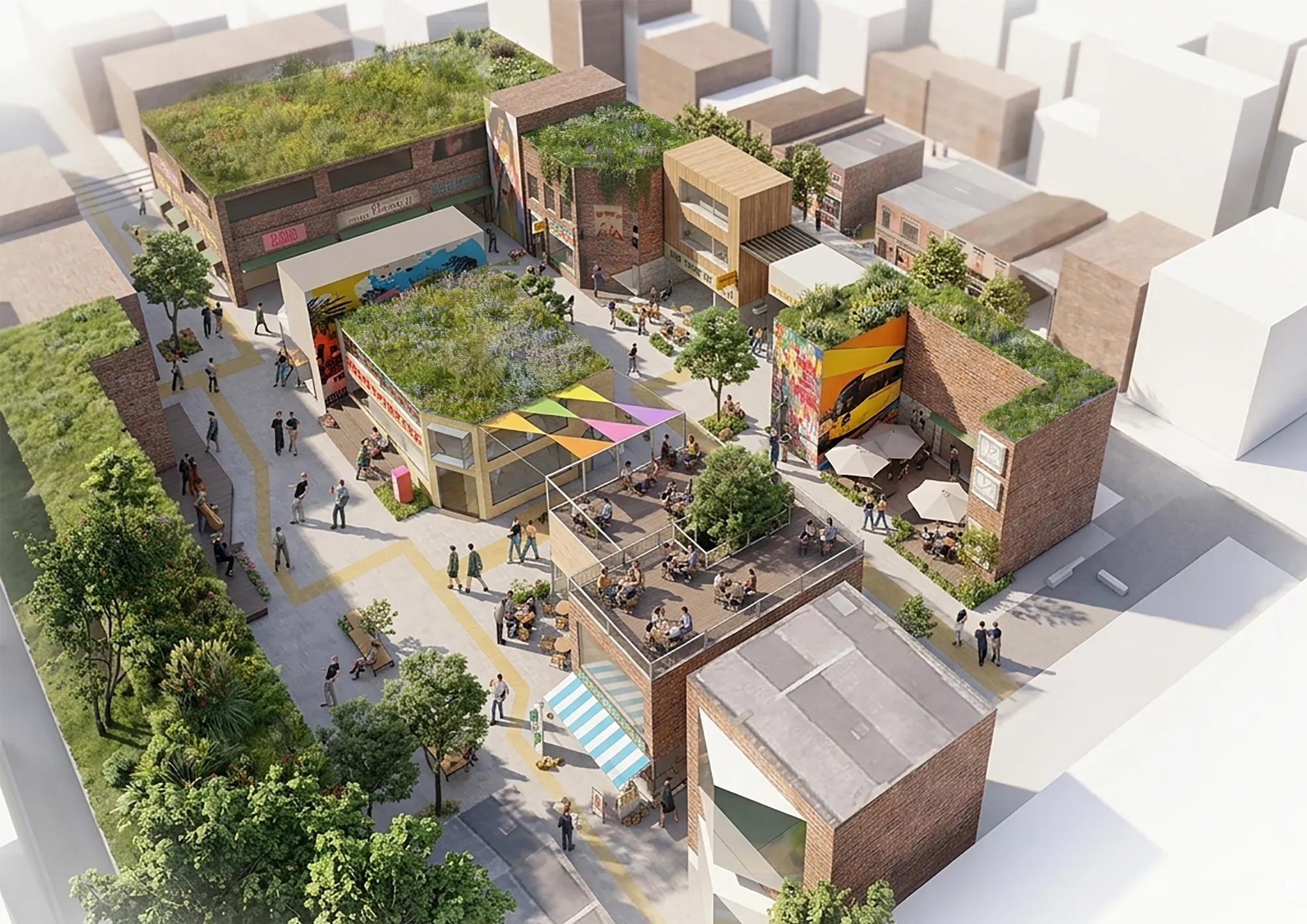
This is a strong and well-structured research-driven proposal that thoughtfully reframes neglected urban edges as active social infrastructure. The connection between site analysis, physical experimentation, the spatial toolkit, and its translation from a microsite to an urban-scale application is particularly convincing. The project demonstrates a clear critical position and a good balance between social, spatial, and temporal considerations. Further empirical evidence of the long-term impact of the proposed interventions would strengthen an already compelling proposition. Overall, a thoughtful, relevant, and professionally presented project.
The project addresses a common daily problem encountered in many cities, proposing an effective and well-conceived solution. The project concept is clearly articulated and successfully translated into the drawings and models. Overall, the work demonstrates a high level of clarity, creativity and professionalism in both its academic content and presentation. At the end, I would like to thank you for your hard work and best of luck with your upcoming projects.
Dear Professor Faragallah, thank you very much for your inspiring feedback and recognition. Creating better habitations and active spaces for people within cities is a topic I am deeply passionate about. It was the central focus throughout my master's research and represents a vital future trend. Your recognition of the clarity and professionalism of my project has given me confidence as I continue exploring urban regeneration directions. I truly appreciate your kind encouragement and warm wishes!

Community Beyond Ground: A Vertical Neighborhood
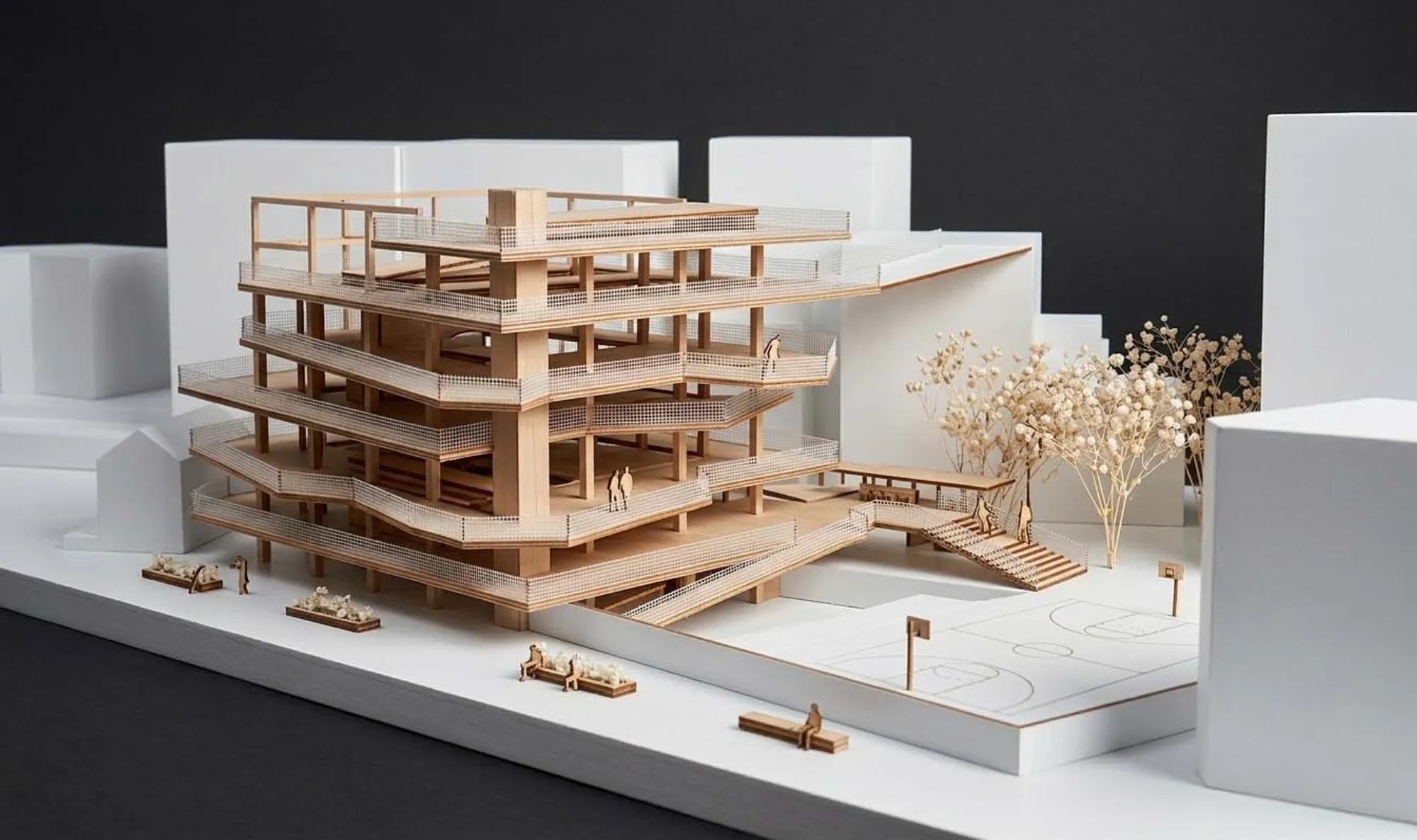
The project reimagines an unfinished six-story concrete structure in Kharadar, Karachi, as a vertical neighborhood that restores social life in a dense urban setting. A continuous ramp links shared spaces for learning, play, prayer, and gathering, transforming an isolated building into a sustainable, adaptable hub that strengthens community and belonging






METROPOLITAN SHELTER
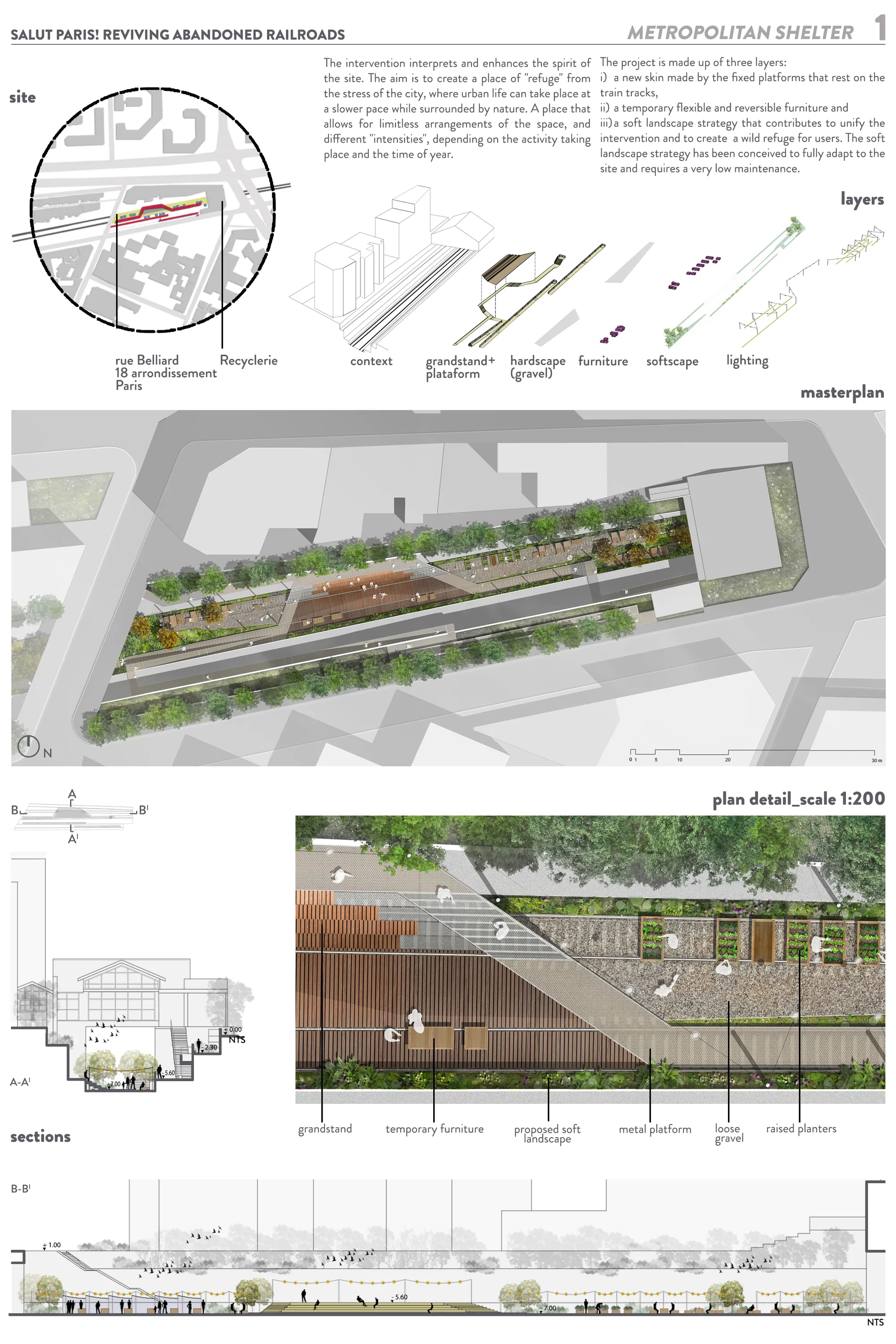

We value the study of the conection with the city and the different levels of the void in wich we are working.

A very sensitive solution that keeps the site universally accessible.




Bend It
The more dense our urban environments become, the more valuable open and natural settings become. This struck me first when reviewing how the adjacent community has appropriated the abandoned train route to commune with nature and neighbors in ways that are informal, organic, creative, and productive.
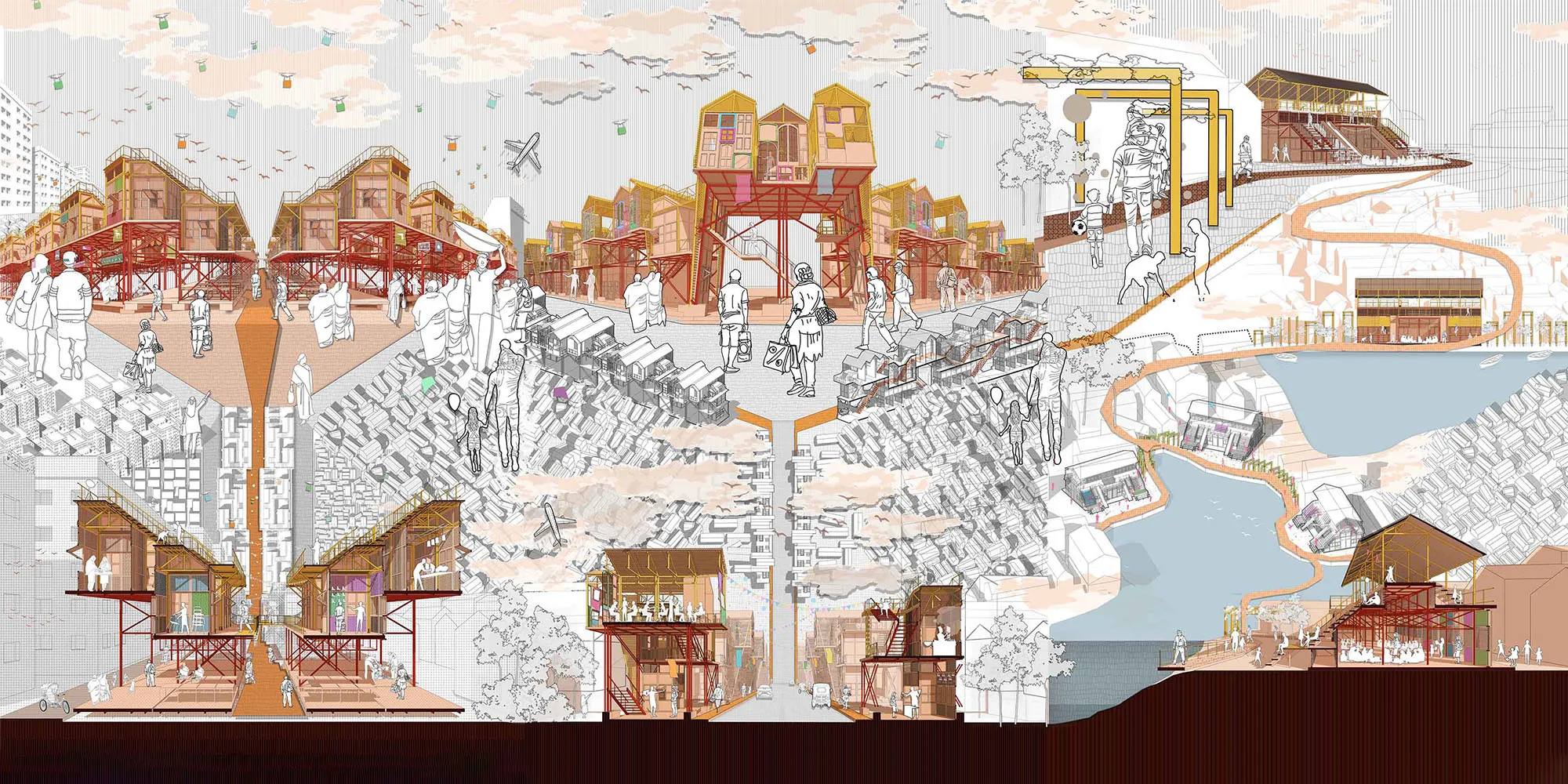
We value very positvly the awareness of valuing the access to the space, something that we consider very importan in this project.
Overall an excellent response to the brief - very sophisticated yet humble.
Love the concept , love his originality and use of space . Good luck




Re-connecting Salford
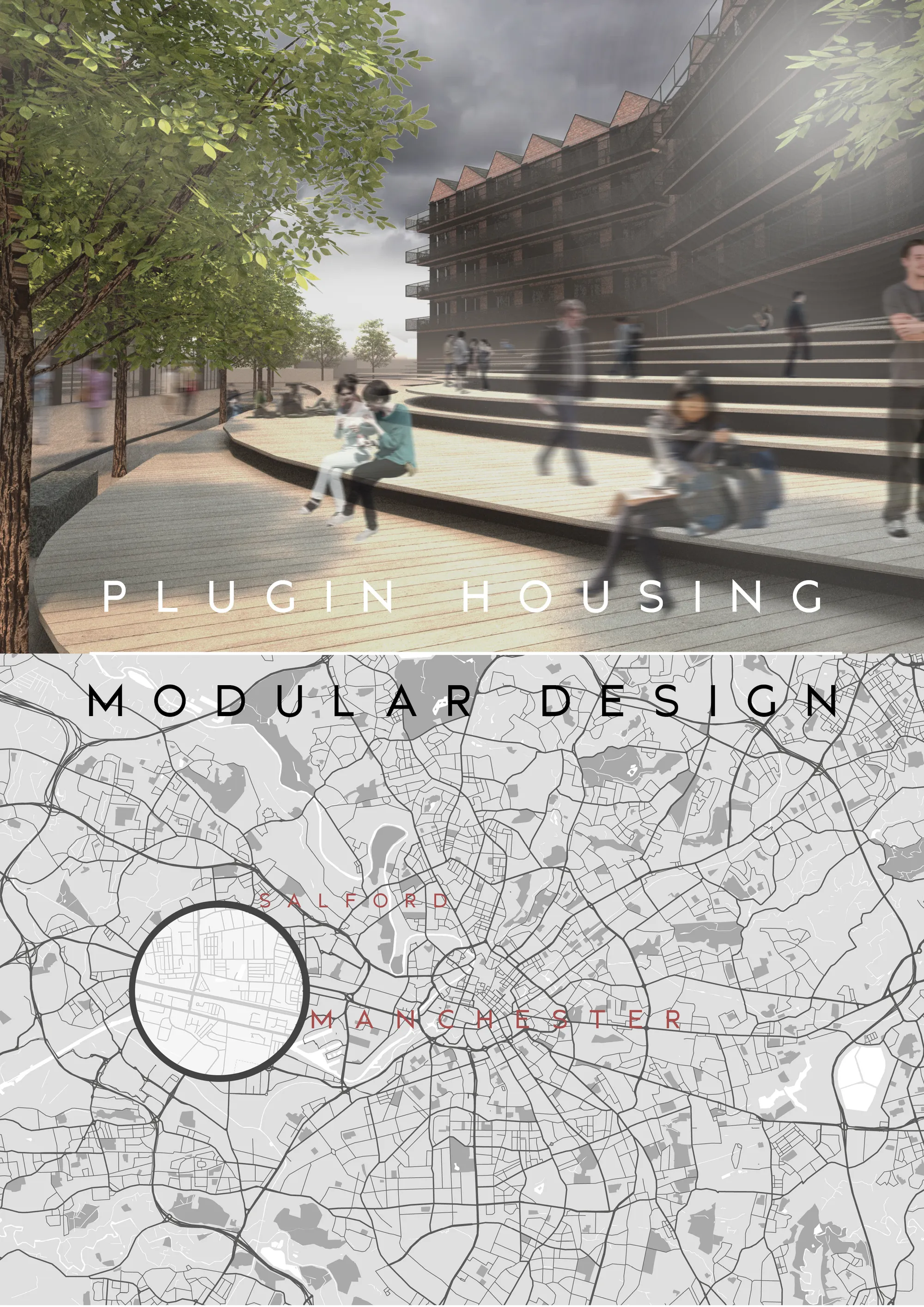
The driving aim of this project is to bring communities back together. This area of Salford, once a vibrant, thriving community, now seems to be suffering due to the alienation of its citizens. My proposal attempts to become the centre of the community by using striking architecture and amenities that bring residents closer.

URBAN RENEWAL OF TERRY BAZAR AREA, CHITTAGONG
This urban renewal proposal transforms Chittagong’s historic Terry Bazar into a resilient commercial hub by introducing functional zoning, flexible retail modules, and dedicated logistics zones. The design also features a pedestrian trail along a restored Chaktai canal branch, preserving heritage while enhancing efficiency.


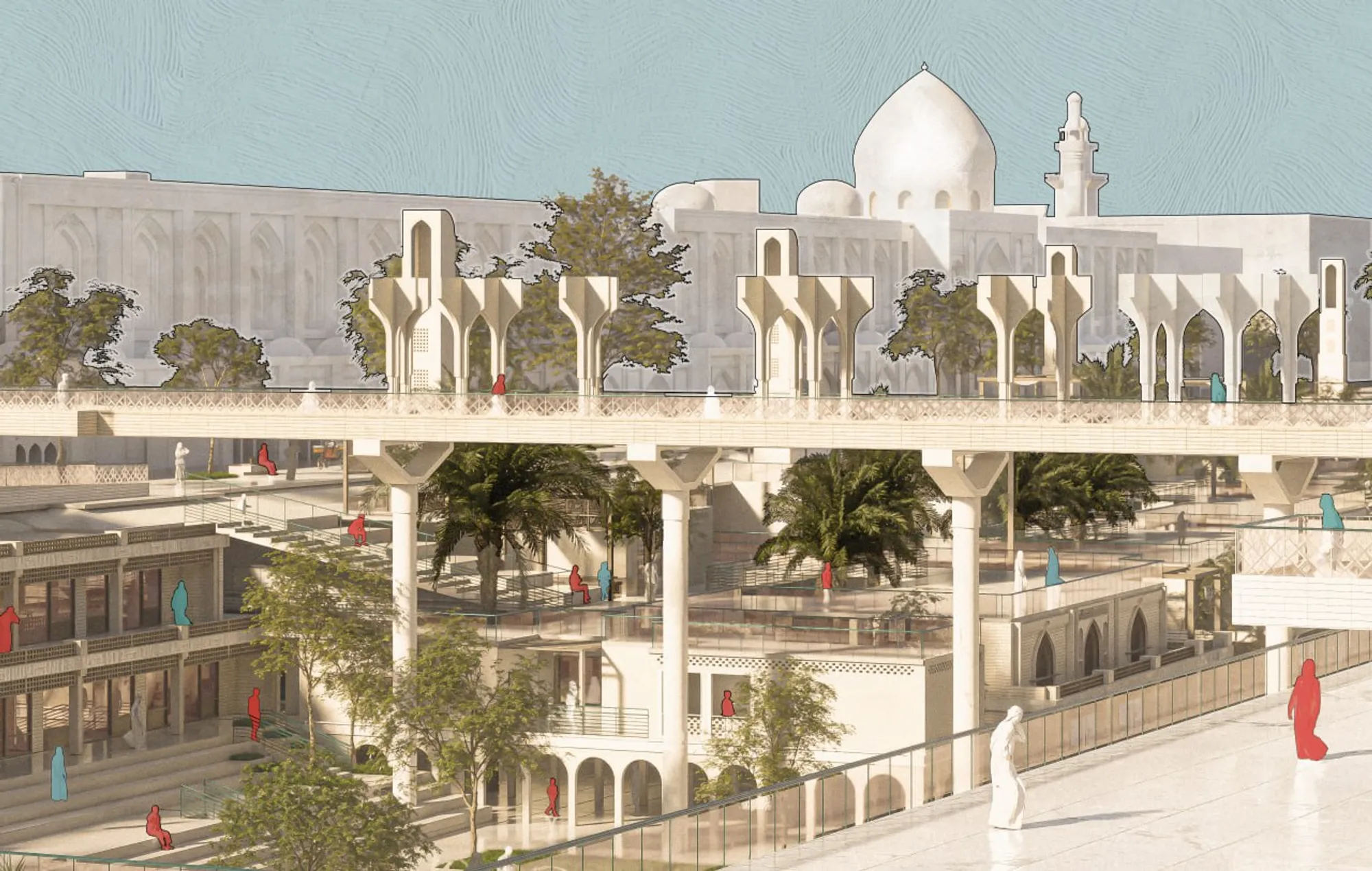
Underground of the holy city
Expansion itself is not the issue, but strategies that have turned large parts of the old city into underutilized courtyards. This project proposes alternative expansion approaches that reactivate neglected spaces and compensate for the loss of Suq al-Huwish and other demolished areas, aiming to restore balance between the shrine and the historic city while preserving its cultural identity and collective memory.


Implementing Traditional methodologies in incremental housing model
This dissertation explores the integration of traditional architectural methodologies into incremental housing models, aiming to create contextual and adaptable living environments. The research investigates how vernacular principles, construction techniques, and spatial practices can inform contemporary housing approaches while allowing residents to gradually evolve and personalize their homes.


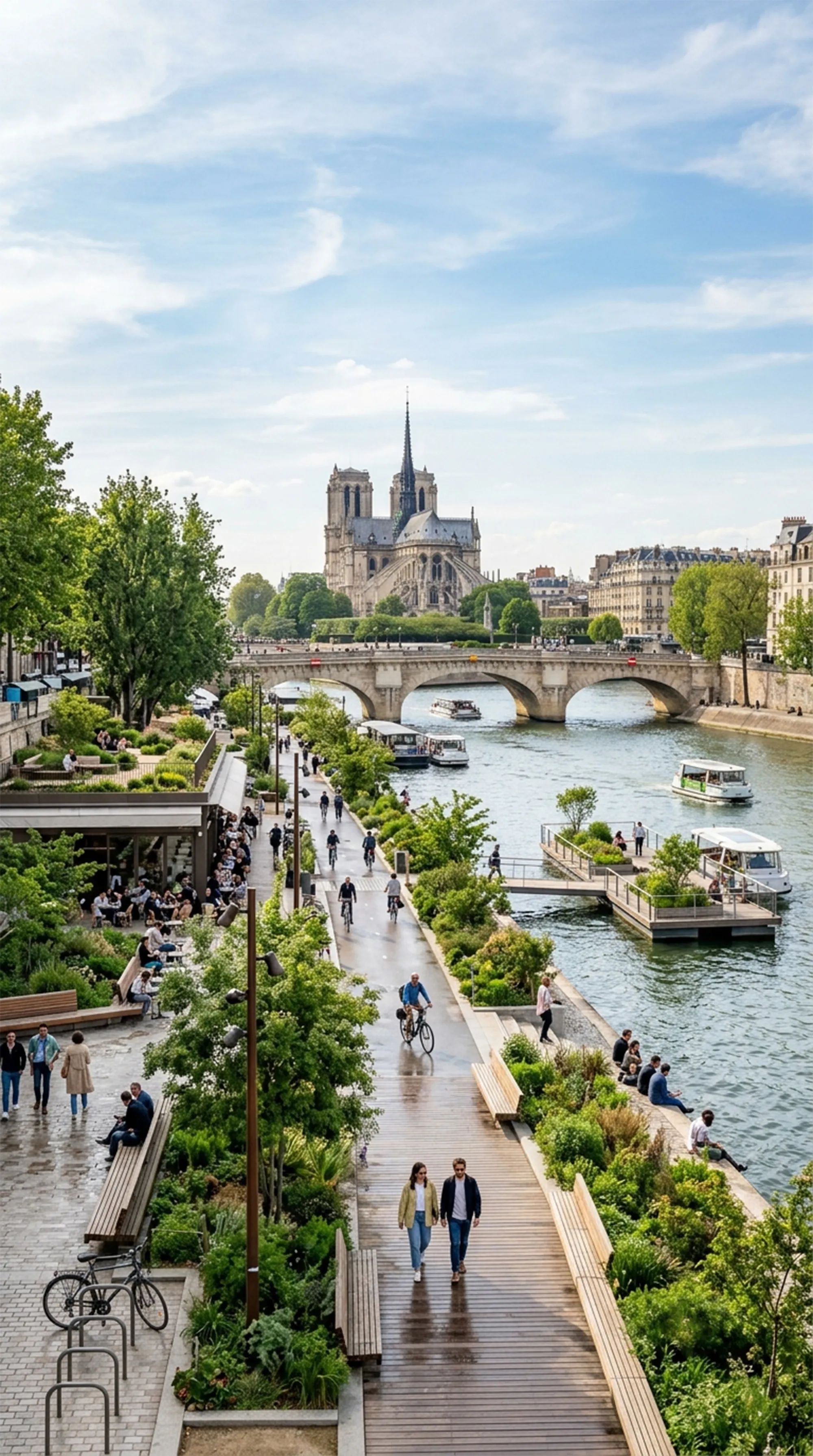
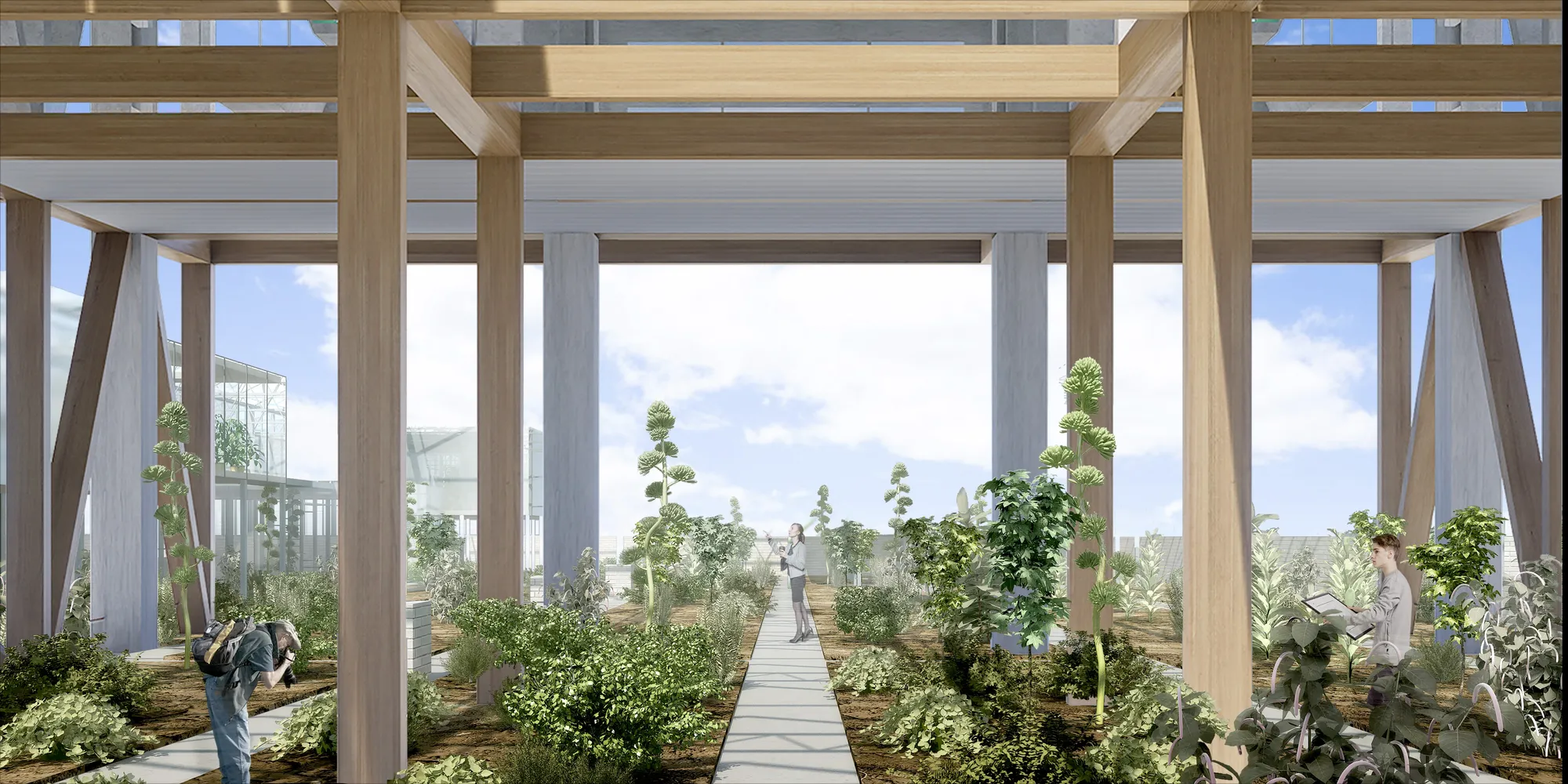
The end of expansionary urban planning
The article shows that the future of urban planning lies in transforming existing spaces rather than expanding cities, in order to address ecological, economic, and territorial challenges.





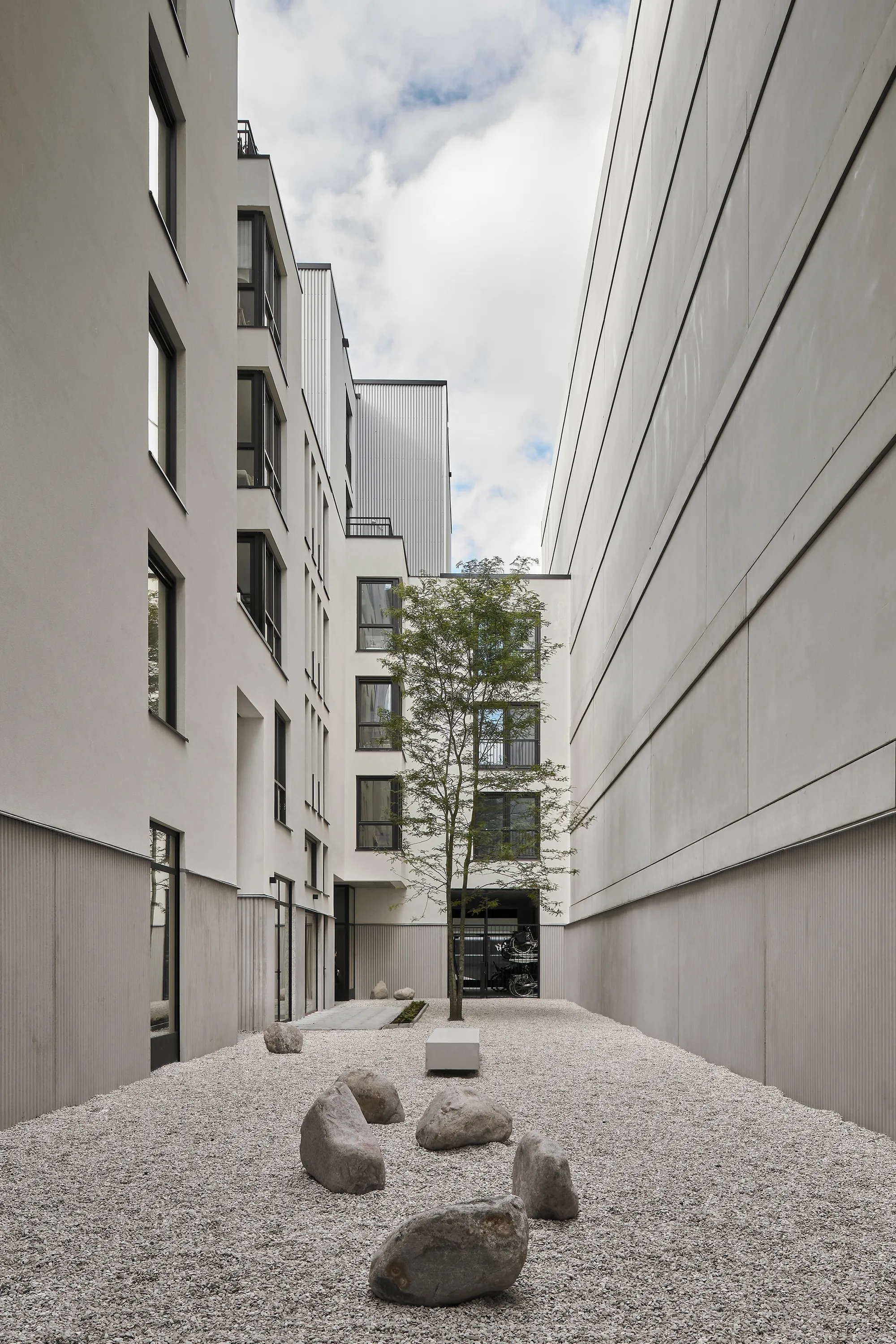
Common Practice and Studio AAAN Carve a Hidden Courtyard World into Amsterdam's Narrowest Plot
Sixty-four mid-rent apartments on Oostenburgereiland turn a sliver beside a parking garage into a layered urban interior.


An urban social network
Our proposal implies a way to design the city thinking of all population segments, from little kids that start to discover their neighborhood to senior citizens that hardly go out anymore because their needs have changed. We designed a m
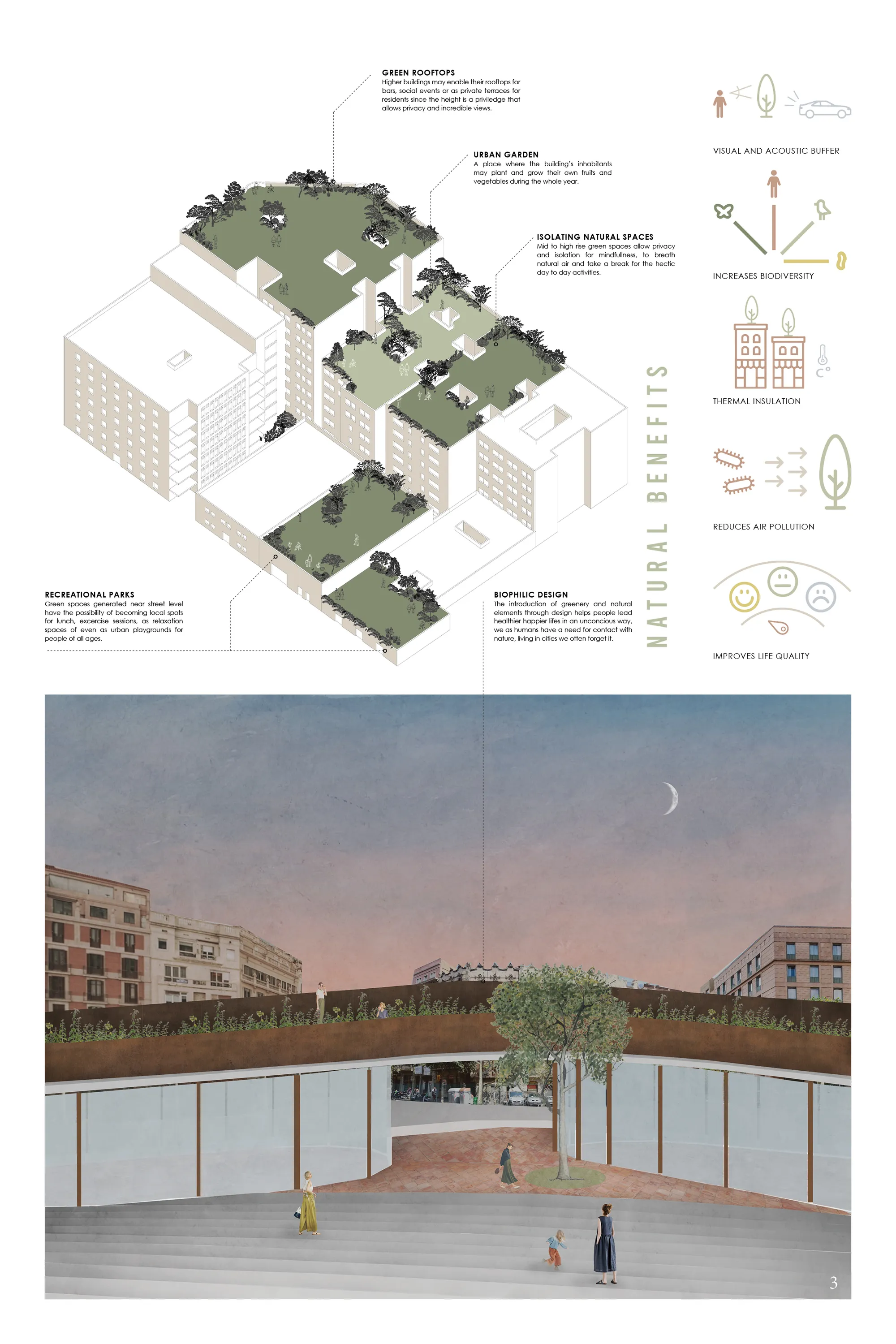
An urban social
Our proposal implies a way to design the city thinking of all population segments, from little kids that start to discover their neighborhood to senior citizens that hardly go out anymore because their needs have changed. We designed a main collective adaptable space for different programs accompanied by a series of niche public spaces within housing blocks.


Respectul proposal. Missing a more radical and visionary approach. I wonder if I may have understood the project better with more drawings and pictures.

The idea of increasing occupant connectivity to the natural environment, thanks to a system of interconnected people or things, is the cue. Exchange information, contacts, and experience for healthy purposes needs a dynamic structure. If we think this way, from scratch, we will learn that architecture is related to innovation and sustainability. The transformation of the historical city in the last century as a leisure space has to be replaced in the contemporary cities as a productive and connective cultural and natural space. The cities need to be thought as a dynamic structure where time is the matter to design new intelligent realities.
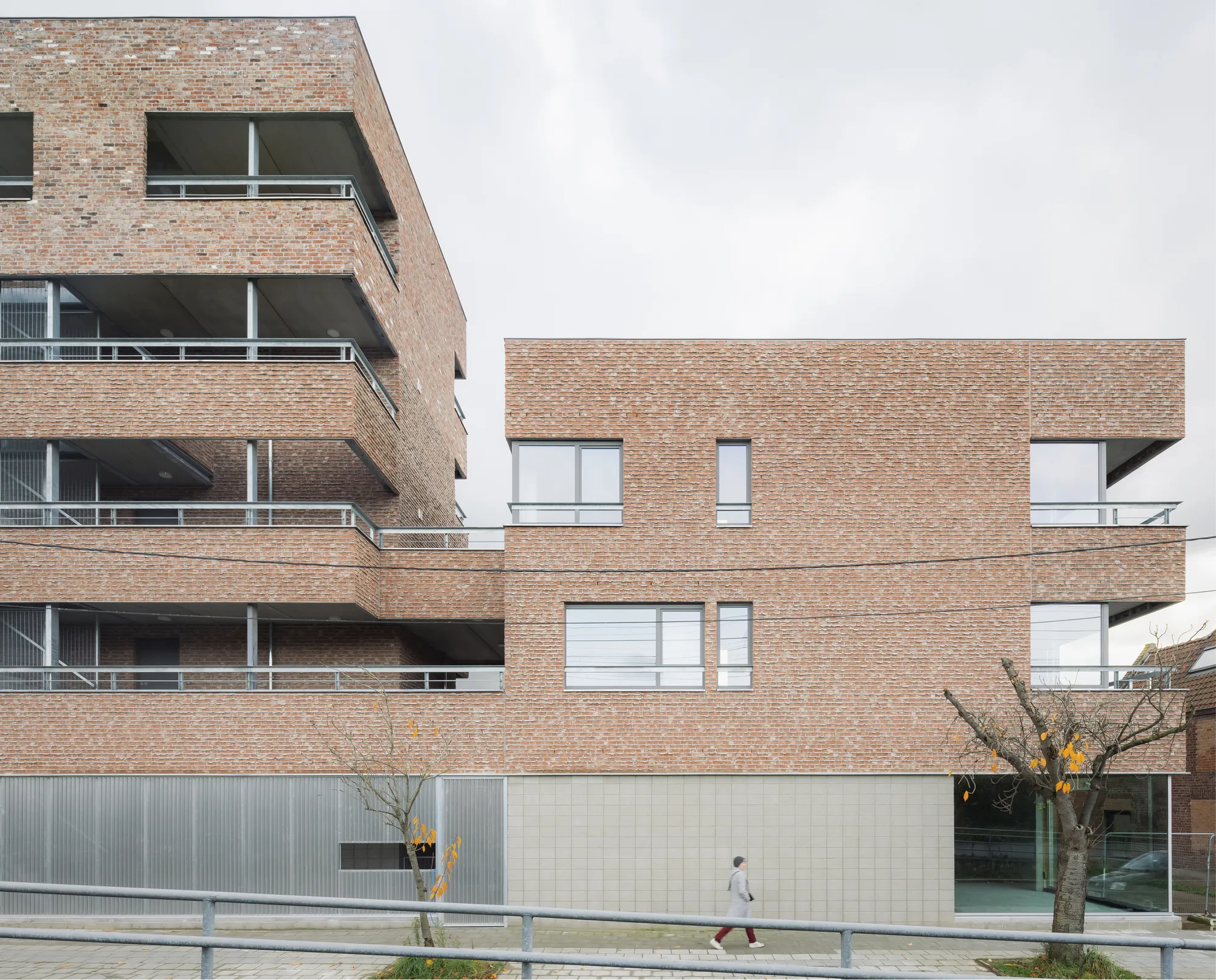
MAKER Architecten Weaves Social Housing into Kortrijk's Dense Urban Fabric with Brick and Restraint
A social housing infill in Kortrijk, Belgium, negotiates between existing rooftops, rail corridors, and neighborhood memory with quiet force.



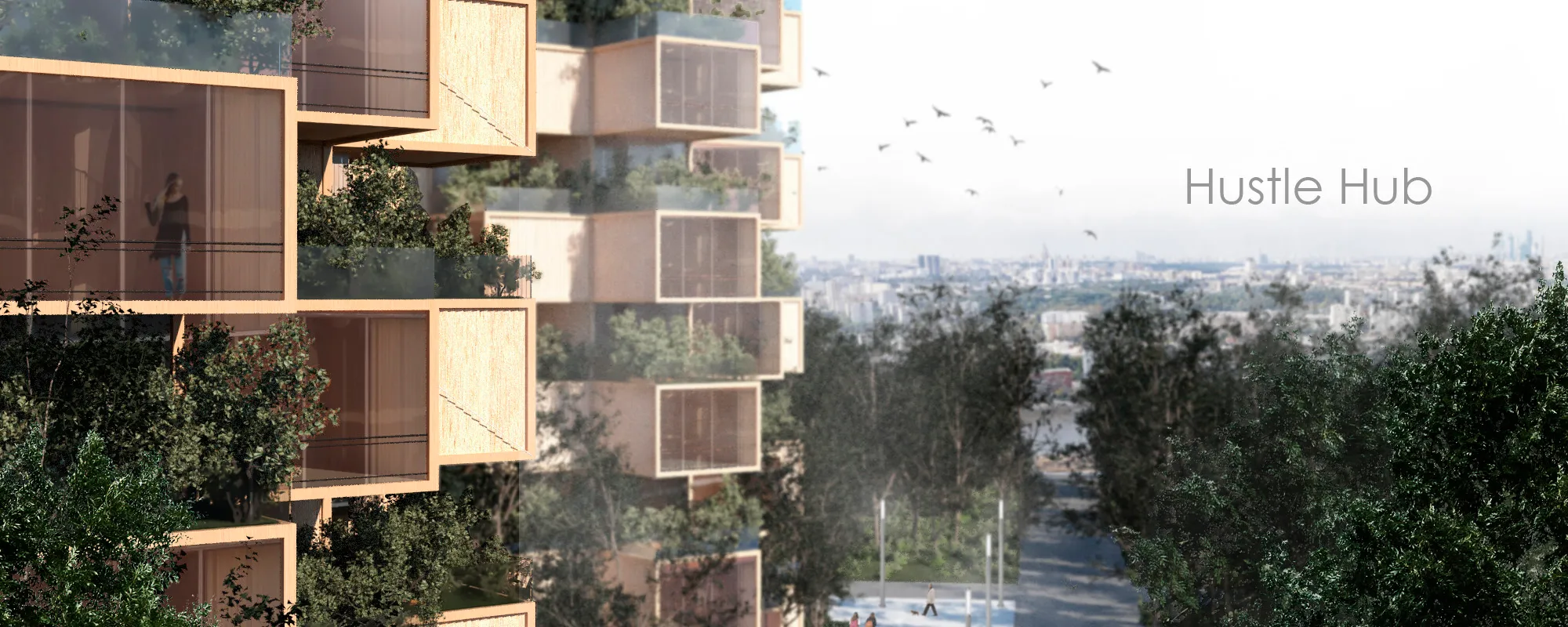
Hustle Hub - Cooperative Emerging Communities
The gregarious nature of the human being is the principal resource, is always easier to achieve the goals as a group, rather than an individual. The proposal's premise is that sharing spaces is an outstanding opportunity for the emergence of undetermined social dynamics that could foster the achievement of hustling youth's goals.


A thoughtful and socially engaged urban thesis that recognizes informal activity as an asset rather than a problem. Further architectural and implementation development could make the connective strategy even more powerful.
Thanks alot sir, glad you noticed and yes I agree that further tweakings can strengthen the connective path.
Amazing 👏
GREAT WORK 👍