
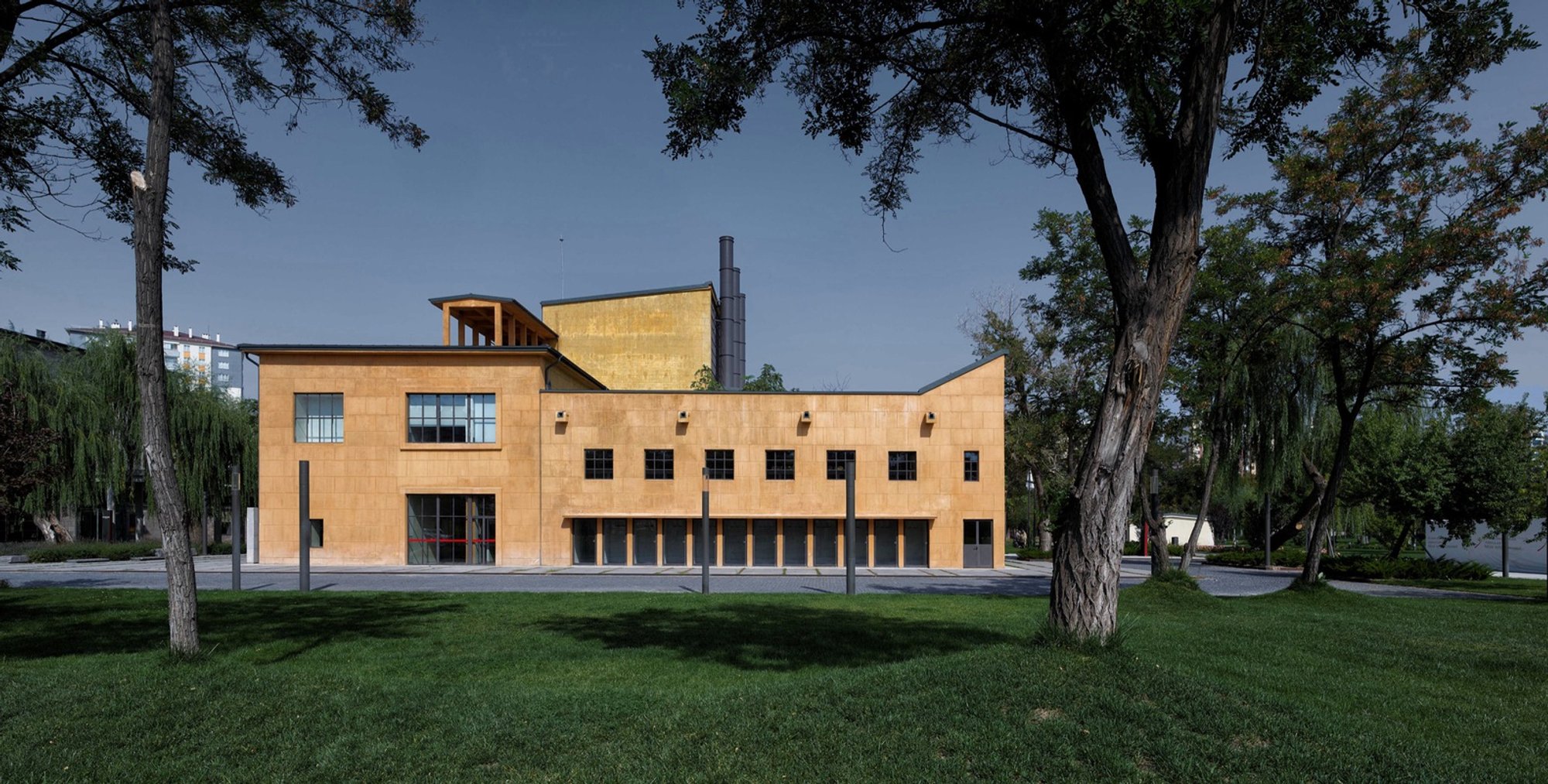
Abdullah Gül Presidential Museum and Library: A Masterful Blend of Heritage and Modernity by EAA – Emre Arolat Architecture
A stunning adaptive reuse project transforming an industrial site into a modern museum and library, blending heritage with contemporary design.

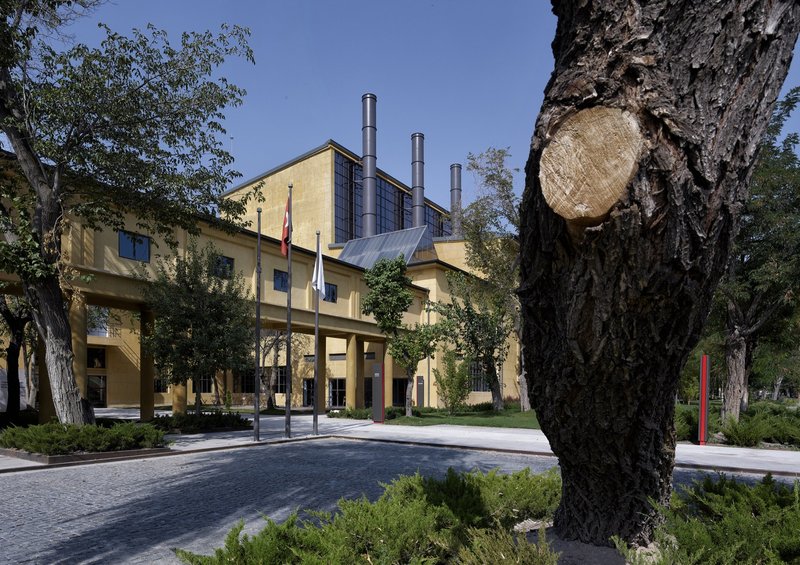
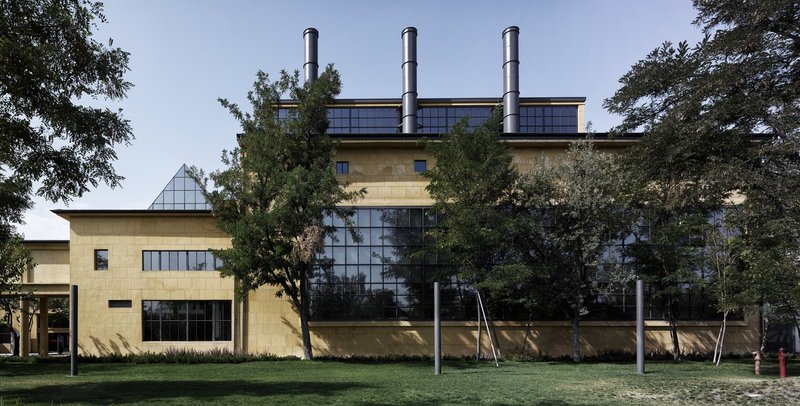
Once a powerhouse of Turkey’s early industrialization, the Sümerbank Textile Factory in Kayseri has been transformed into a vibrant cultural landmark—the Abdullah Gül Presidential Museum and Library. Designed by the award-winning studio EAA – Emre Arolat Architecture, this renovation exemplifies adaptive reuse at its finest, breathing new life into Turkey's modernist heritage.
From Industrial Hub to Cultural Icon
Originally constructed between 1933 and 1935 by Russian architect Ivan Nikolaev, the Sümerbank Factory was a cornerstone of the young Turkish Republic’s industrial ambitions. Its buildings are textbook examples of Russian Constructivist architecture, symbolizing a pivotal era of modernization.
After decades of operation, the factory closed in 1999. It wasn’t until 2012 that the site began its transformation, when the newly founded Abdullah Gül University (AGU) claimed the historic complex as its main campus. That same year, President Abdullah Gül commissioned Emre Arolat to develop a comprehensive master plan for the adaptive reuse of the entire complex.
A Thoughtful Restoration
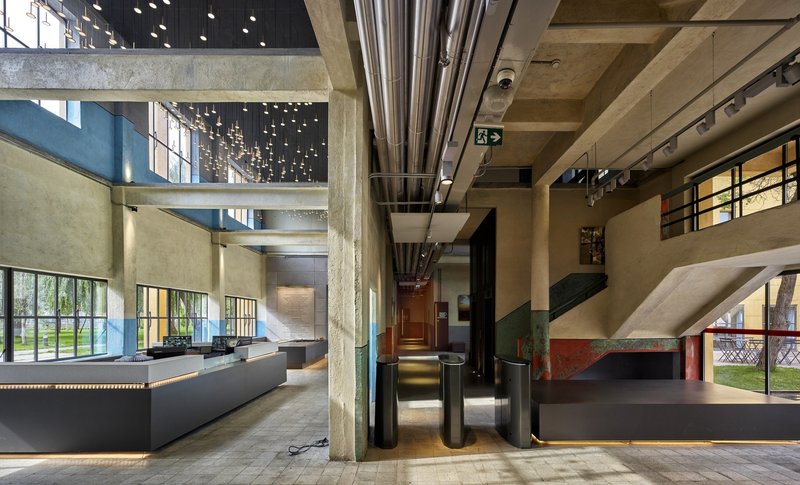
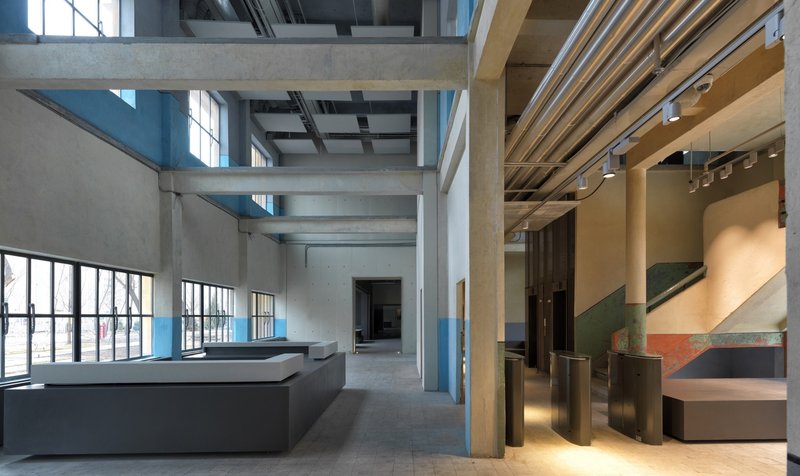
Two of the campus buildings—the Power Station and the Steam Plant—were selected in 2013 for conversion into the museum and library. Despite years of neglect, these structures retained much of their architectural soul, with generous spatial volumes and traces of original materials. Emre Arolat’s design philosophy centered around conserving the authentic character of the site while carefully integrating new elements.
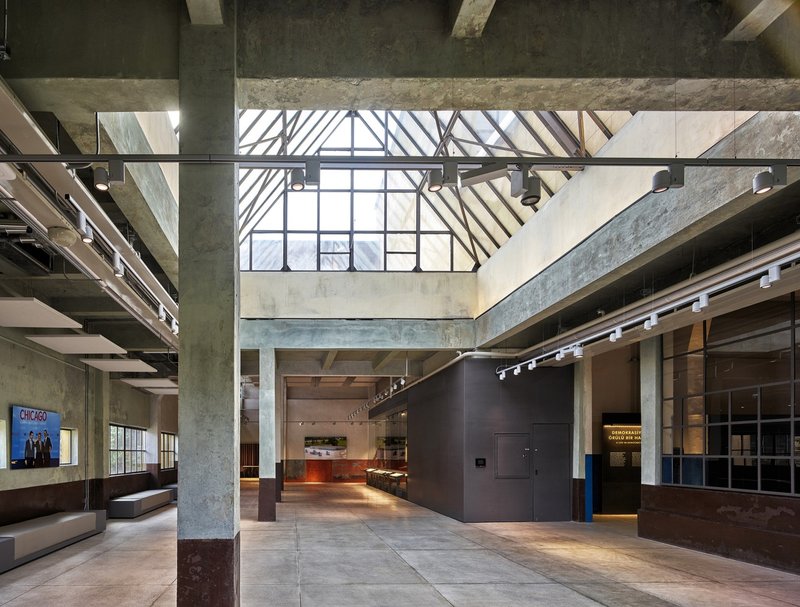
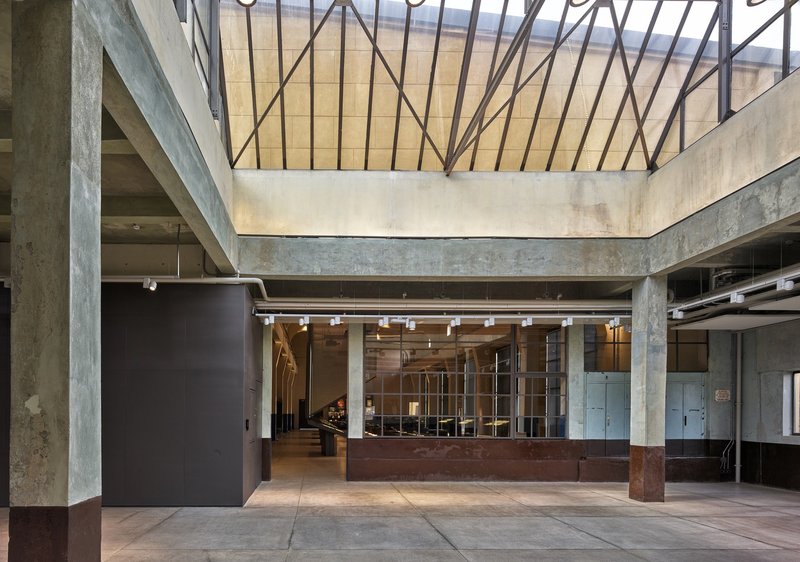
Rather than create a stark contrast between old and new, the architectural intervention sought a harmonious blend. The original features—beams, ash pits, concrete silos—were not hidden but highlighted, offering visitors an immersive experience into the building’s history. The preservation of these industrial remnants became a core part of the exhibition design.
Interior Reimagining: Where History Meets Innovation
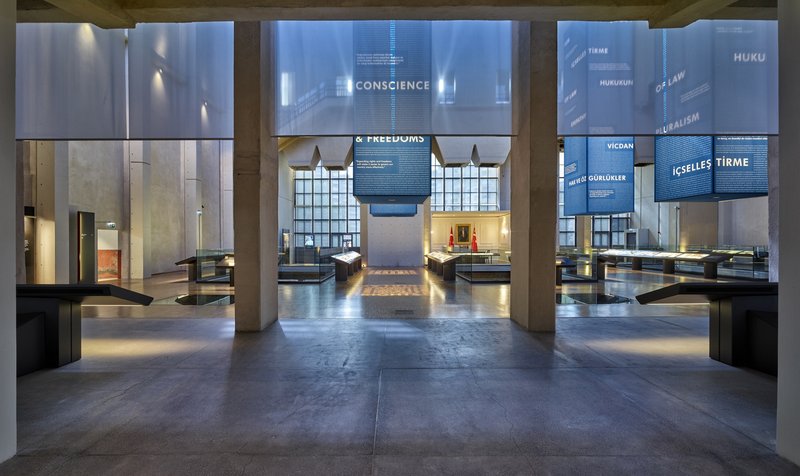
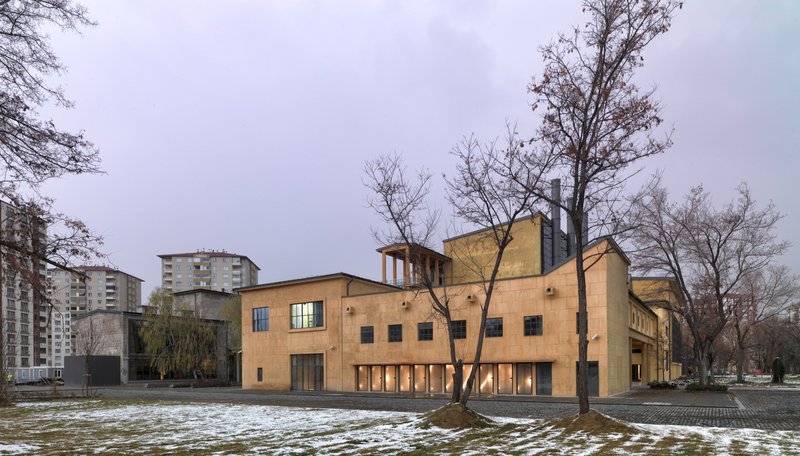
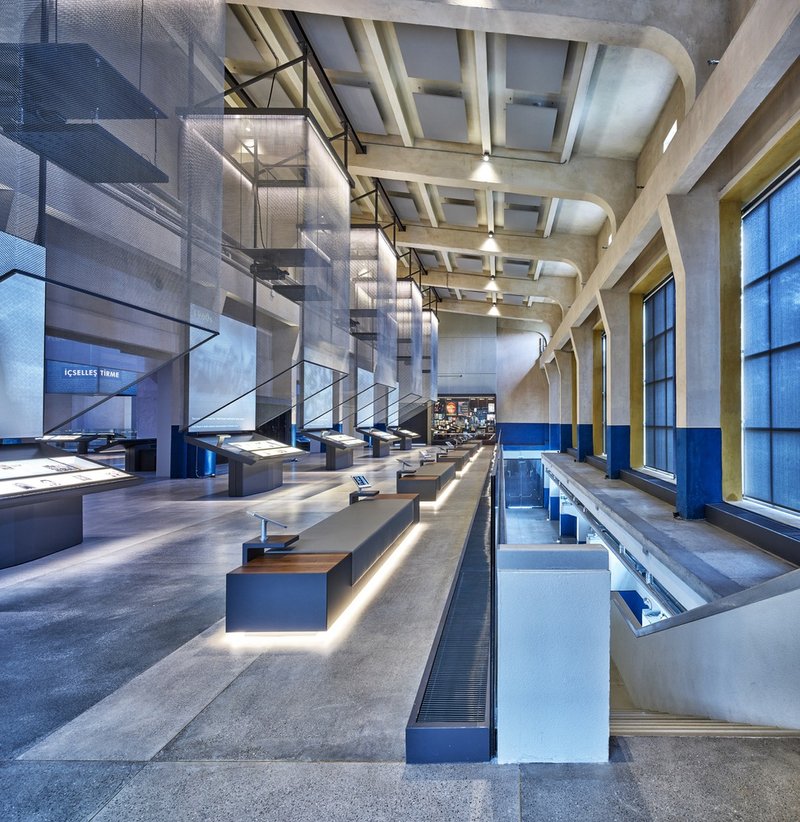
The Power Plant was reconfigured to function as a museum, featuring carefully curated exhibition paths that respect the building’s industrial scale, natural lighting, and material textures. The original ash pits, discovered beneath layers of cladding, were revealed and incorporated as dramatic historical features.
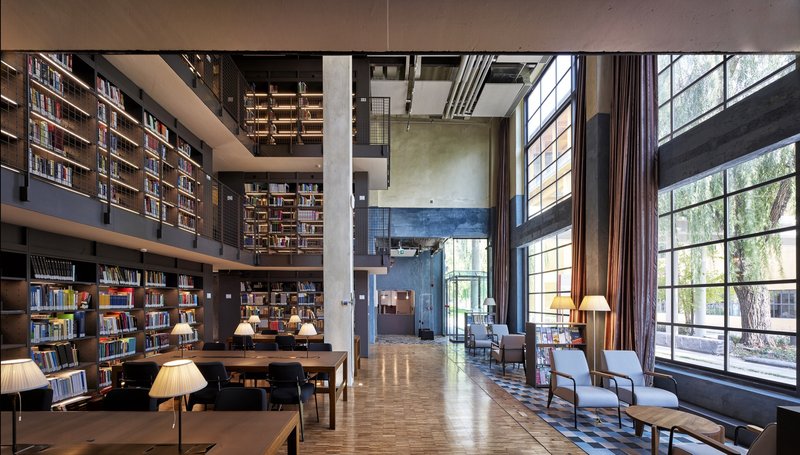
In the Steam Plant, the transformation was more ambitious. A bold three-story bookshelf structure now anchors the central hall, creating a striking visual narrative while maximizing storage and functionality. The remaining concrete silo bases were preserved and transformed into cozy reading nooks, embracing the building’s history in a relaxed and engaging environment.
A Cultural Beacon in the Urban Fabric
More than just a renovation, the Abdullah Gül Presidential Museum and Library is a cultural regeneration project. The exhibition design draws on Turkish cultural values and traditions, creating a narrative that is both national and deeply personal. Through thematic spaces and a respectful design language, the museum offers a reflective journey through modern Turkish identity, framed by the architectural past.
Completed in 2016, this project is now a global benchmark for sustainable restoration and adaptive reuse. It stands as a testament to how architecture can both honor the past and serve the future—a true urban center for learning, reflection, and cultural exchange.
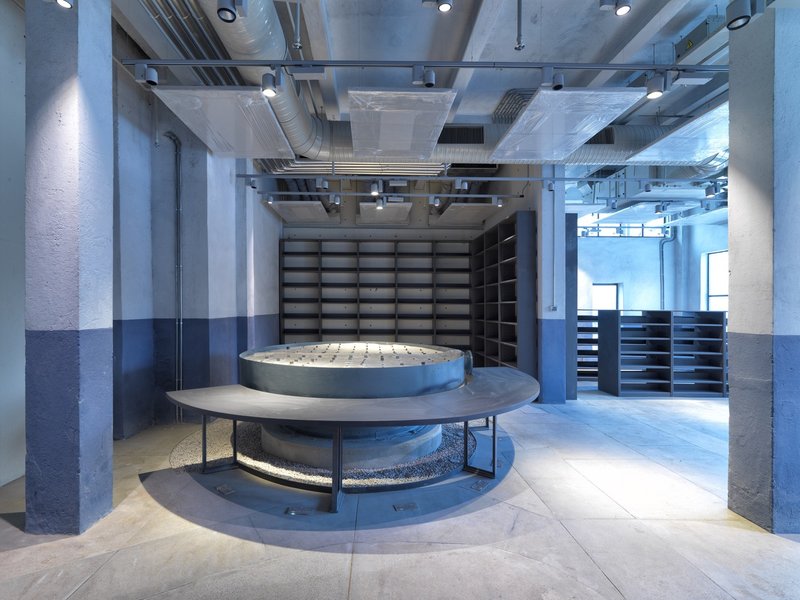
All the photographs are works of Cemal Emden




Popular Articles
Popular articles from the community

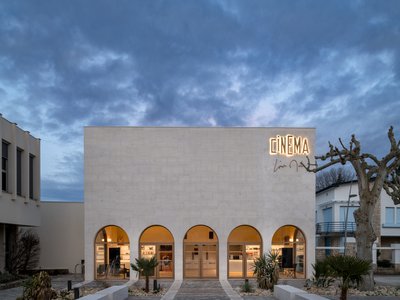
Louis Malle Cinema: A Limestone Cultural Landmark Revitalizing Community Life in Prayssac
Limestone cinema extension with public forecourt, blending heritage and modern design to create flexible cultural spaces and strengthen community interaction.
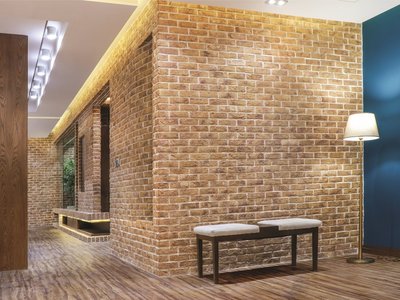
A Contemporary Take on Iranian Residential Architecture
A modern interior design in Mashhad that reinterprets brick, light, and spatial flow to create a warm, contemporary residential architecture.
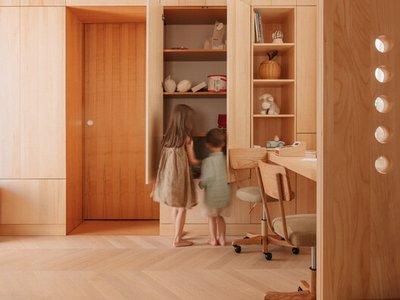
Treehouse Apartment: A Warm Timber Interior Blending Craft, Play, and Contemporary Living
Warm timber apartment with integrated treehouse, combining natural materials, craftsmanship, and playful design to create a flexible, family-oriented living environment.
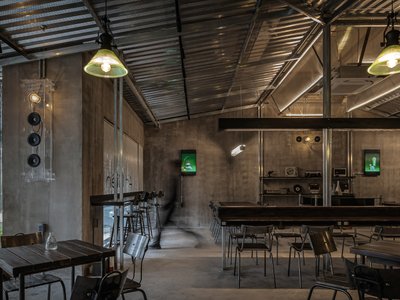
An Miên Lumière Cafe by xưởng xép, Ho Chi Minh City, Vietnam
An industrial-inspired café where layered steel and warm light create a dynamic, immersive environment shaped by reflection, depth, and perception.
Similar Reads
You might also enjoy these articles


The Ken Roberts Memorial Delineation Competition (Krob)
As the most senior architectural drawing competition currently in operation anywhere in the world, it draws hundreds of entries each year, awarding the very best submissions in a series of medium-based categories.


Waterfront Redevelopment and Urban Revitalization in Mumbai: Forging a New Dawn for Darukhana
A transformative waterfront redevelopment project reimagining Darukhana’s shipbreaking heritage into an inclusive urban future.

OUT-OF-MAP: A Call for Postcards on Feminist Narratives of Public Space
Rhizoma Design and Research Lab invites artists, designers, architects, researchers, and students to reflect on how feminist perspectives can reshape public space. Selected works will be exhibited in Barcelona, October 2026. Submissions open until 15 April 2026.


Documentation Work on Buddhist Wooden Temple
Architectural syncretism and cultural hybridity: A comparative study of the Buddhist temples in Chattogram Hill tracks

Explore Architecture Competitions
Discover active competitions in this discipline




The International Standard for Design Portfolios


The Global Benchmark for Architecture Dissertation Awards


The Global Benchmark for Graduation Excellence

Challenge to design public laboratory
Comments (0)
Please login or sign up to add comments
No comments yet. Be the first to comment!