
Ahmedabad University Centre by Stephane Paumier Architects: A Vibrant Hub for Learning, Culture, and Sustainability
Dynamic university hub blending learning, culture, and sustainability with food street, performance spaces, rooftop sports, and LEED Platinum certification.

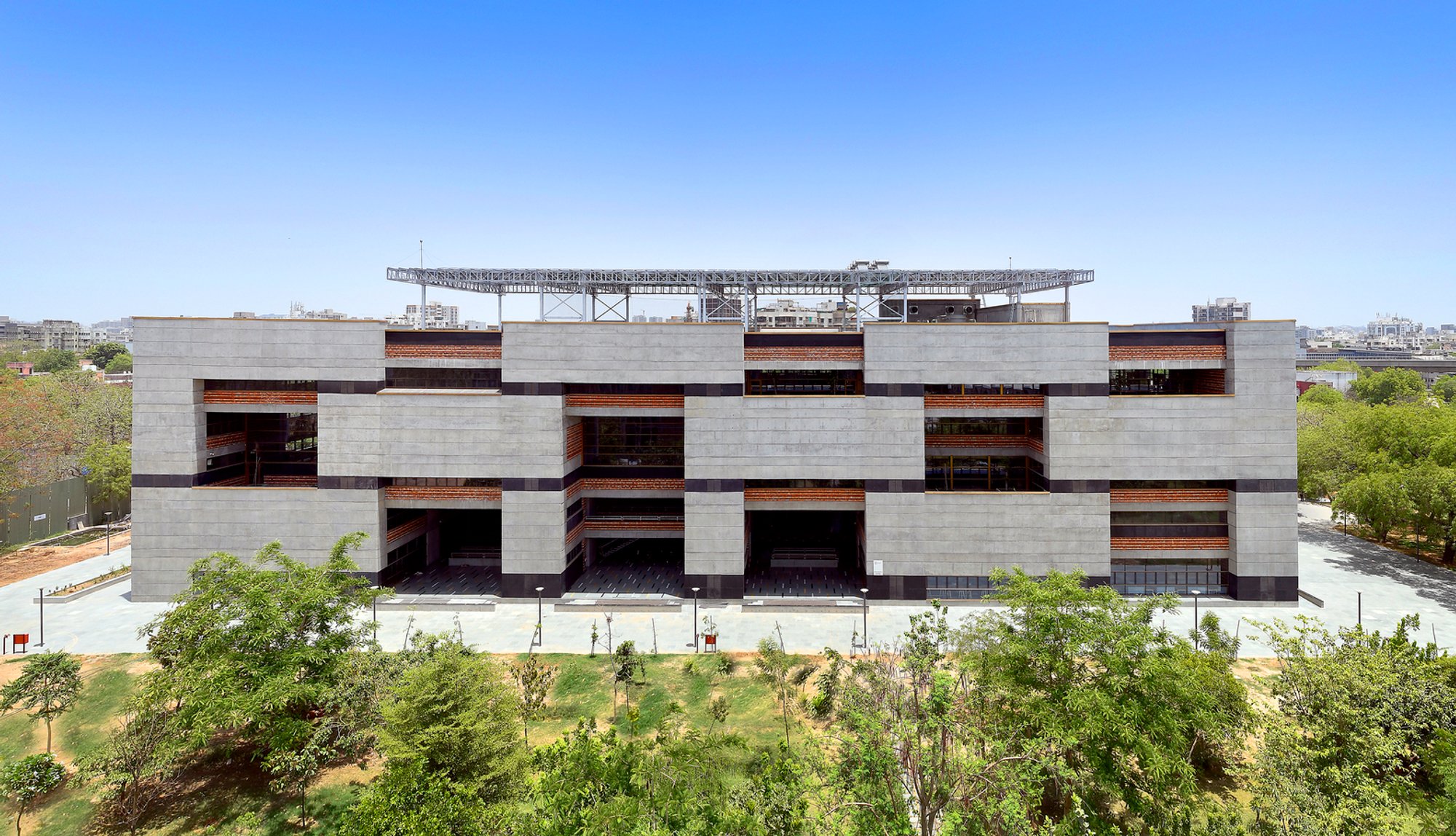
Located in the heart of Ahmedabad, India, the Ahmedabad University Centre, designed by Stephane Paumier Architects, serves as a dynamic campus hub that seamlessly blends academic life, cultural exchange, and sustainable architecture. Completed in 2022 and spanning over 20,880 square meters, the centre redefines the boundaries between formal learning environments and interactive public spaces.
A Central Node for Campus Life
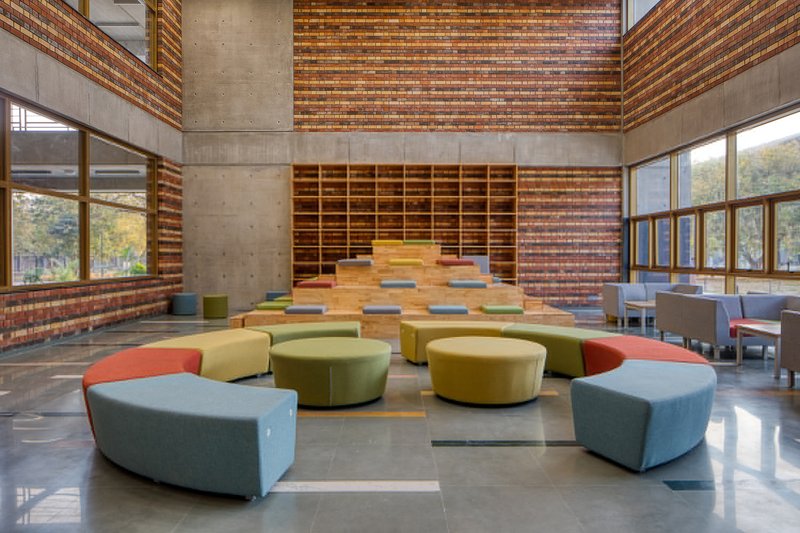
Commissioned by the University Board, the project was conceived as a vibrant interstitial space—a social incubator where students and faculty gather, collaborate, and relax between academic sessions. Strategically placed near the vehicular entrance with an underground parking facility, the centre forms a transitional gateway between the city and the university's pedestrian-focused campus.
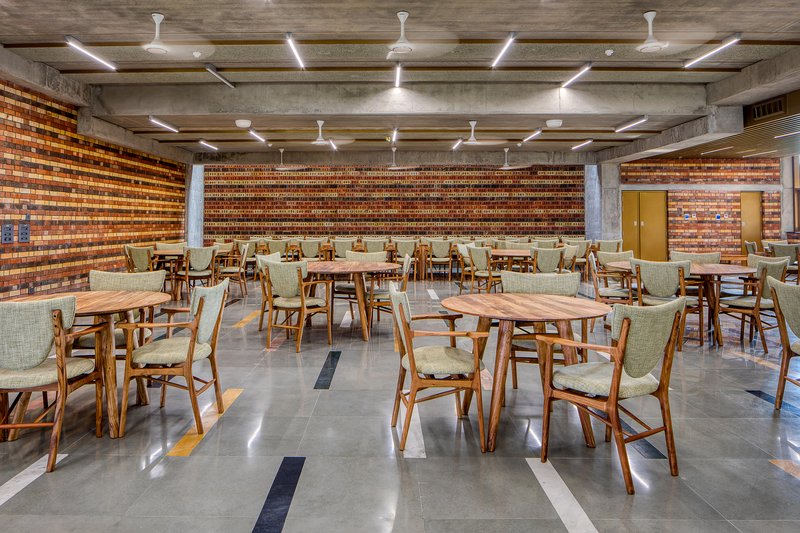
One of the most culturally resonant aspects of the design is the ground-level food street, inspired by the everyday vibrancy of Ahmedabad’s street food culture. Drawing parallels to the Galata Bridge in Istanbul—home to a string of restaurants beneath its span—the building features three verandahs overlooking the central park, designed to host live performances and student gatherings under the canopy of existing trees.
Programmatic Complexity and Vertical Integration
The building is structured vertically with distinct functions assigned to each level:
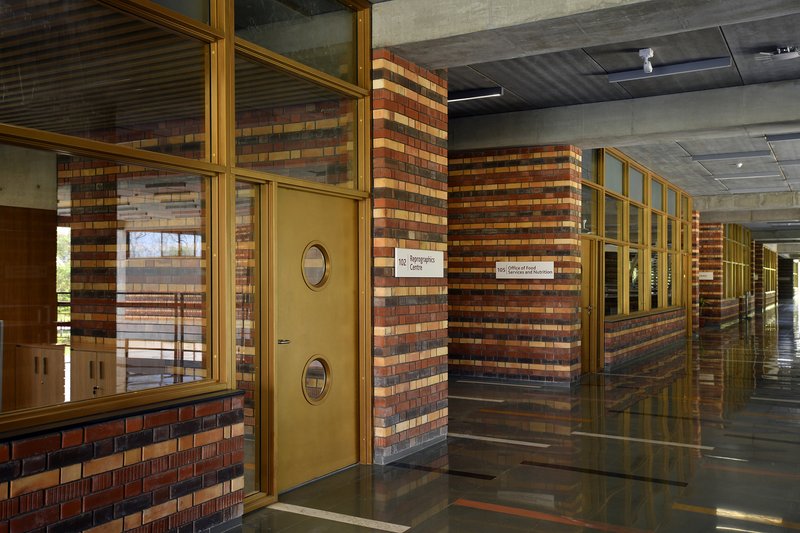
- Ground & First Floor: Designed as an extension of the public street, this zone houses multipurpose rooms, student clubs, and activity areas.
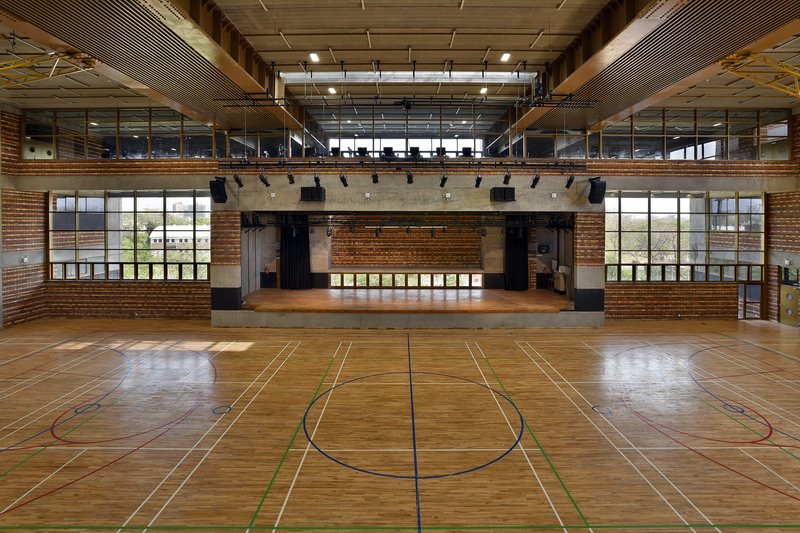
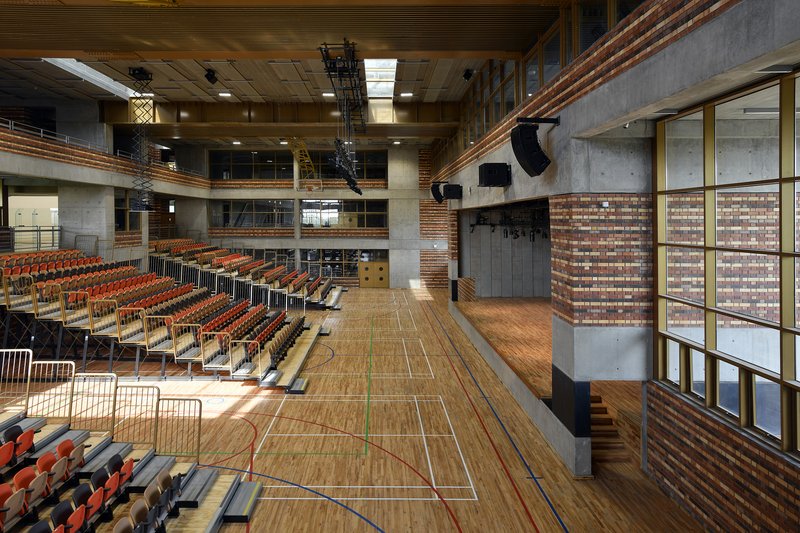
- Second Floor: Features a versatile performance hall equipped with telescopic bleacher seating that can be retracted for sports activities such as basketball, volleyball, and indoor games.
- Third Floor: Dedicated to the faculty club and café, offering panoramic views of the central park and morning sunlight through covered verandahs.
- Fourth Floor: Hosts quiet reading zones and the Career Development Cell, supporting academic growth and professional preparation.
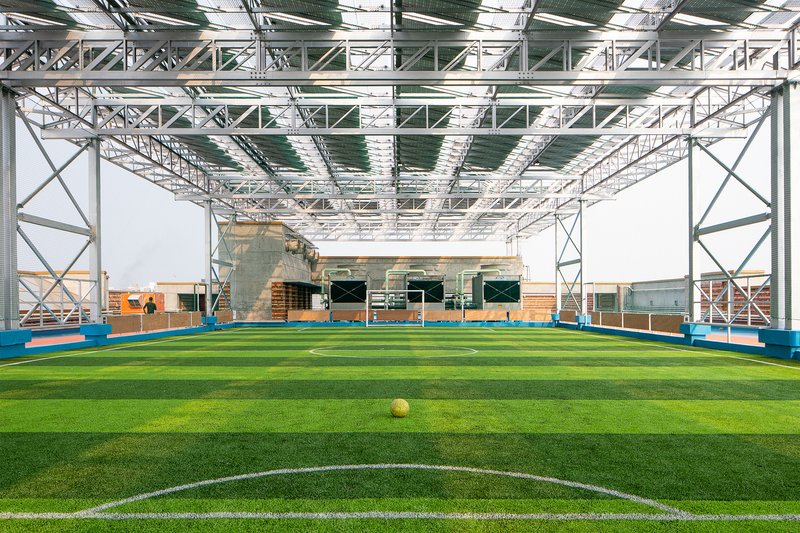
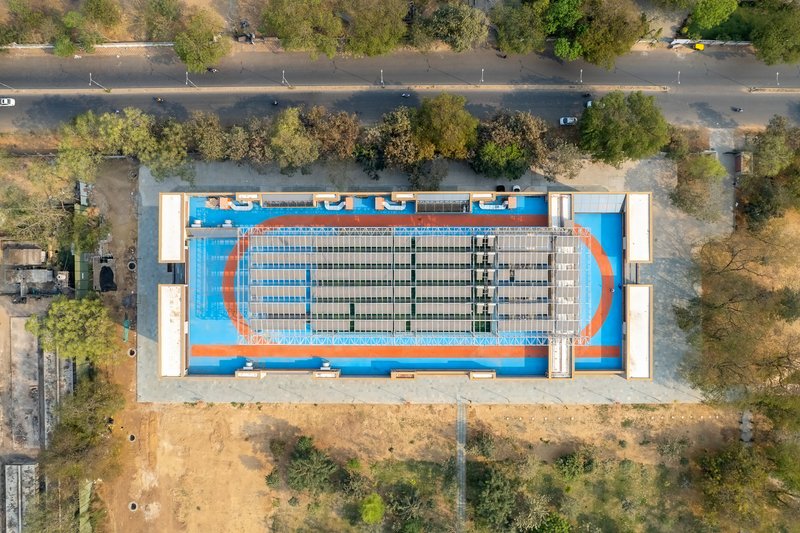
- Rooftop: Includes a 6x6 futsal court and a running track, shaded by a solar panel roof generating 140 KW of renewable energy.
Light, Air, and Sustainability at the Core
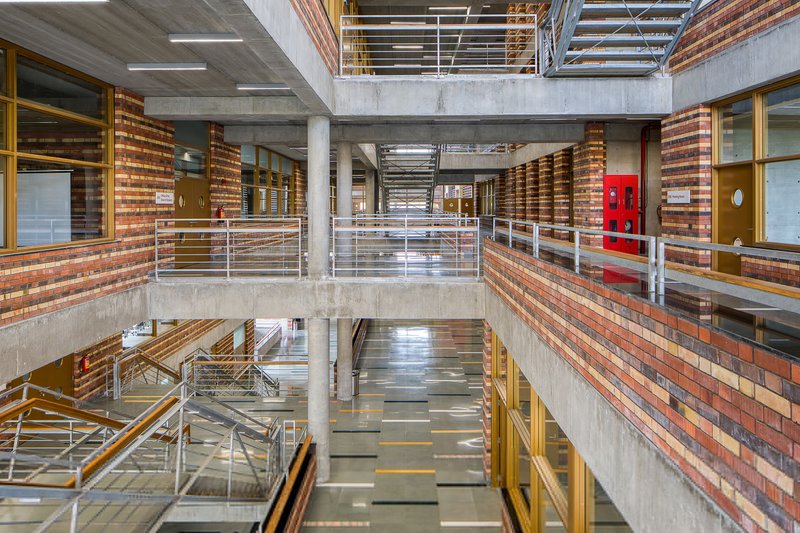
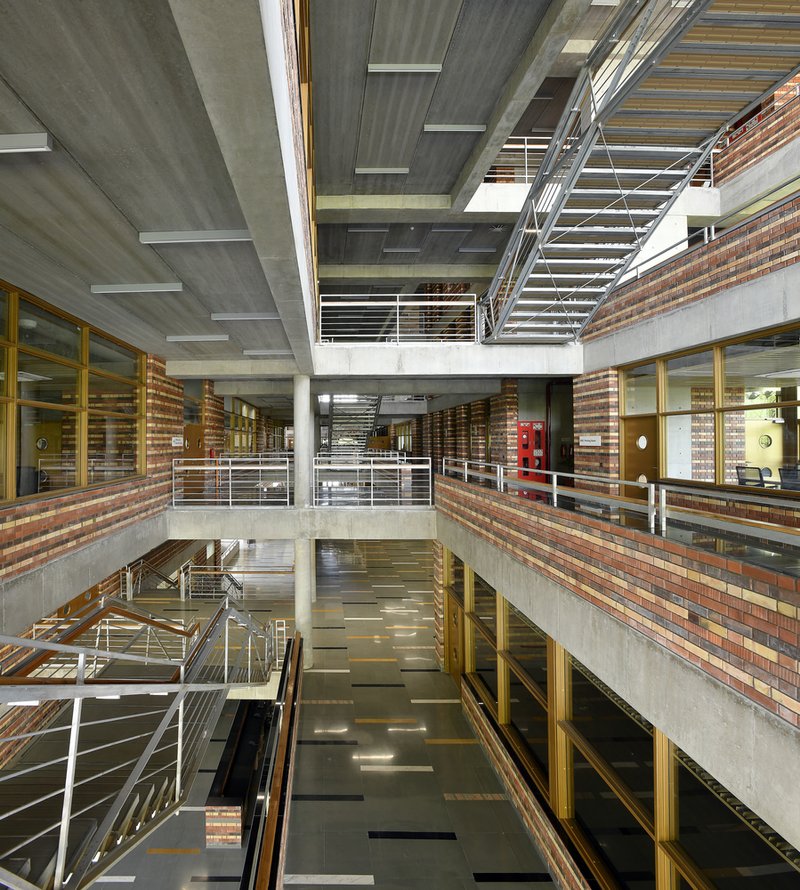
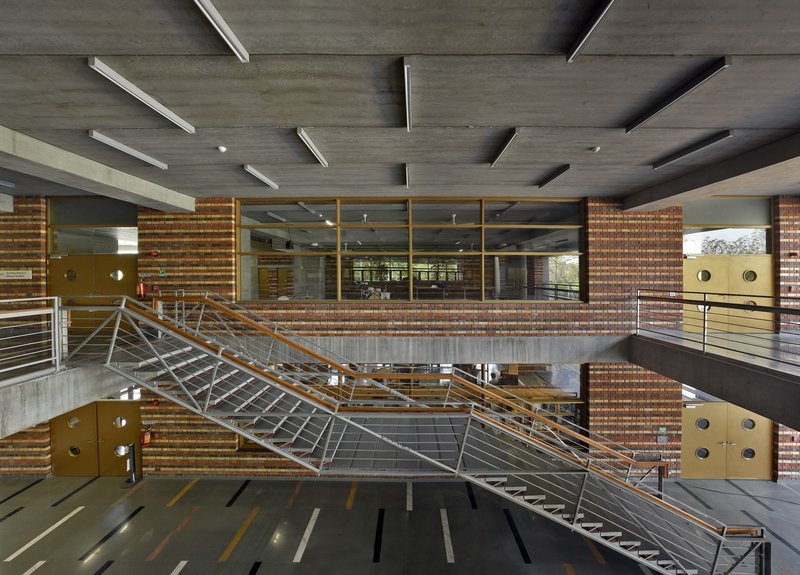
With a massive footprint of 96m x 36m, the architectural challenge was to infuse natural light and ventilation deep into the building’s core. Using 3D simulation tools, the architects designed staggered floorplates and South-facing verandahs to allow daylight to travel diagonally across the structure. Notably, on May 1st and August 15th, a symbolic ray of light aligns perfectly through the East façade, marking International Workers’ Day and India’s Independence Day.
Pioneering Construction and Green Infrastructure
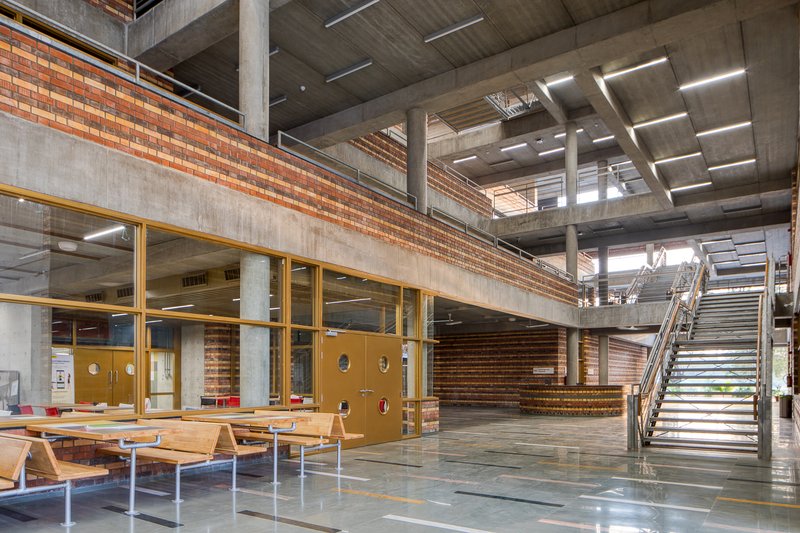
This is Ahmedabad’s first large-scale building to use precast concrete technology, incorporating hollow core slabs and thin steel strands for structural efficiency. While beams and walls are cast in situ, prefabricated slabs ensure faster construction with reduced material waste.
The LEED Platinum-certified building emphasizes water and energy sustainability:
- A sewage treatment plant in the basement reuses grey and black water for irrigation, toilet flushing, and cooling systems.
- Over 450 rooftop solar panels power internal systems during daylight hours.
- Recessed windows and deep verandahs minimize glare, reducing the need for blinds and artificial lighting.
A Campus Catalyst for Innovation and Community
The Ahmedabad University Centre is more than just a functional building—it is a cultural catalyst, sustainability benchmark, and interactive urban element. By integrating academic spaces, social zones, and environmental consciousness, the design embodies the future of university architecture in India.
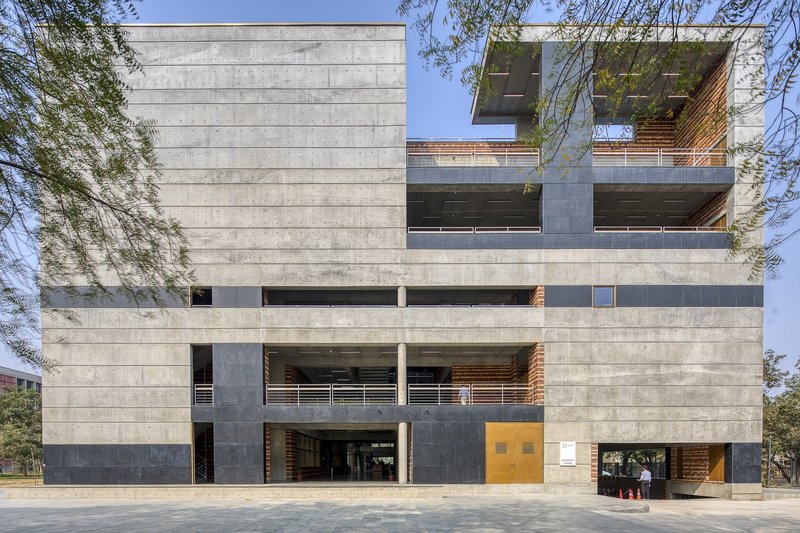
All Photographs are works of Amit Pasricha, Umang Shah




Popular Articles
Popular articles from the community

Treehouse Apartment: A Warm Timber Interior Blending Craft, Play, and Contemporary Living
Warm timber apartment with integrated treehouse, combining natural materials, craftsmanship, and playful design to create a flexible, family-oriented living environment.
Atelier Macri Concept Store Interior Design by CASE-REAL
Atelier Macri store features a "ko" counter, walnut wood details, cork displays, blending retail, gallery, and seamless customer experiences.
On the Brooks House by Monsoon Collective – A Contemporary Kerala Home Rooted in Tradition
Kerala home blending tradition and modernity with water-inspired design, brick architecture, courtyard planning, and sustainable rainwater harvesting strategies.
A Contemporary Take on Iranian Residential Architecture
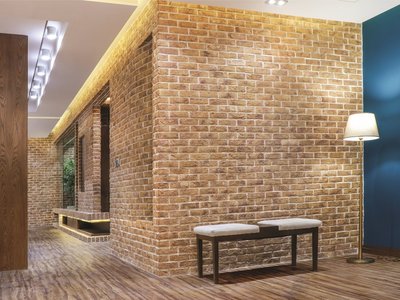
A modern interior design in Mashhad that reinterprets brick, light, and spatial flow to create a warm, contemporary residential architecture.


Similar Reads
You might also enjoy these articles


The Ken Roberts Memorial Delineation Competition (Krob)
As the most senior architectural drawing competition currently in operation anywhere in the world, it draws hundreds of entries each year, awarding the very best submissions in a series of medium-based categories.


Waterfront Redevelopment and Urban Revitalization in Mumbai: Forging a New Dawn for Darukhana
A transformative waterfront redevelopment project reimagining Darukhana’s shipbreaking heritage into an inclusive urban future.

OUT-OF-MAP: A Call for Postcards on Feminist Narratives of Public Space
Rhizoma Design and Research Lab invites artists, designers, architects, researchers, and students to reflect on how feminist perspectives can reshape public space. Selected works will be exhibited in Barcelona, October 2026. Submissions open until 15 April 2026.


Documentation Work on Buddhist Wooden Temple
Architectural syncretism and cultural hybridity: A comparative study of the Buddhist temples in Chattogram Hill tracks


Explore Architecture Competitions
Discover active competitions in this discipline




The International Standard for Design Portfolios


The Global Benchmark for Architecture Dissertation Awards


The Global Benchmark for Graduation Excellence


Challenge to design public laboratory
Comments (0)
Please login or sign up to add comments
No comments yet. Be the first to comment!