

Al-Muttaqin Grand Mosque: A Testament to Contemporary Mosque Design
Exploring Al-Muttaqin Grand Mosque's design, merging traditional Indonesian motifs with contemporary architecture for community and spirituality.


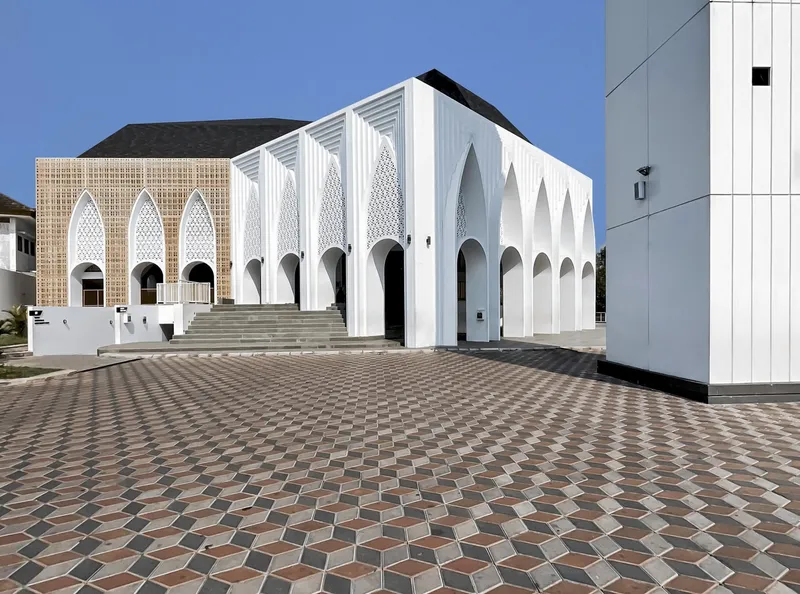
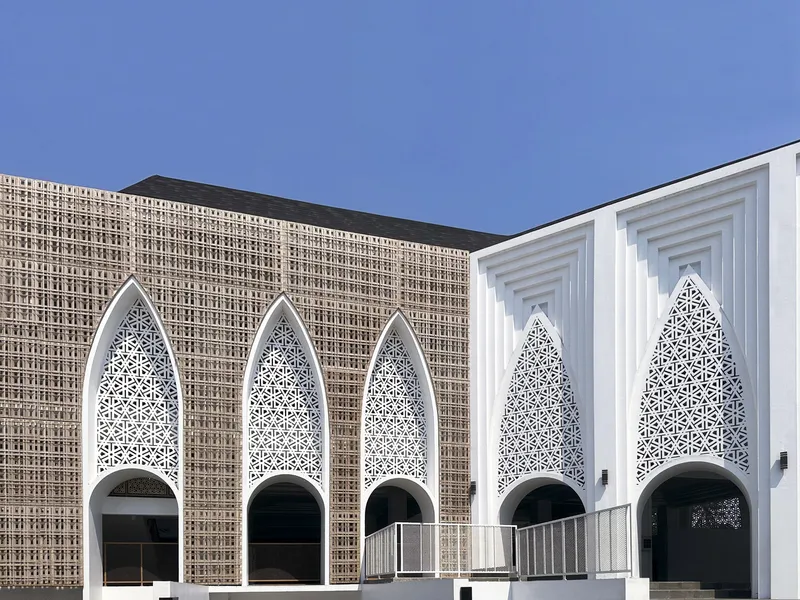
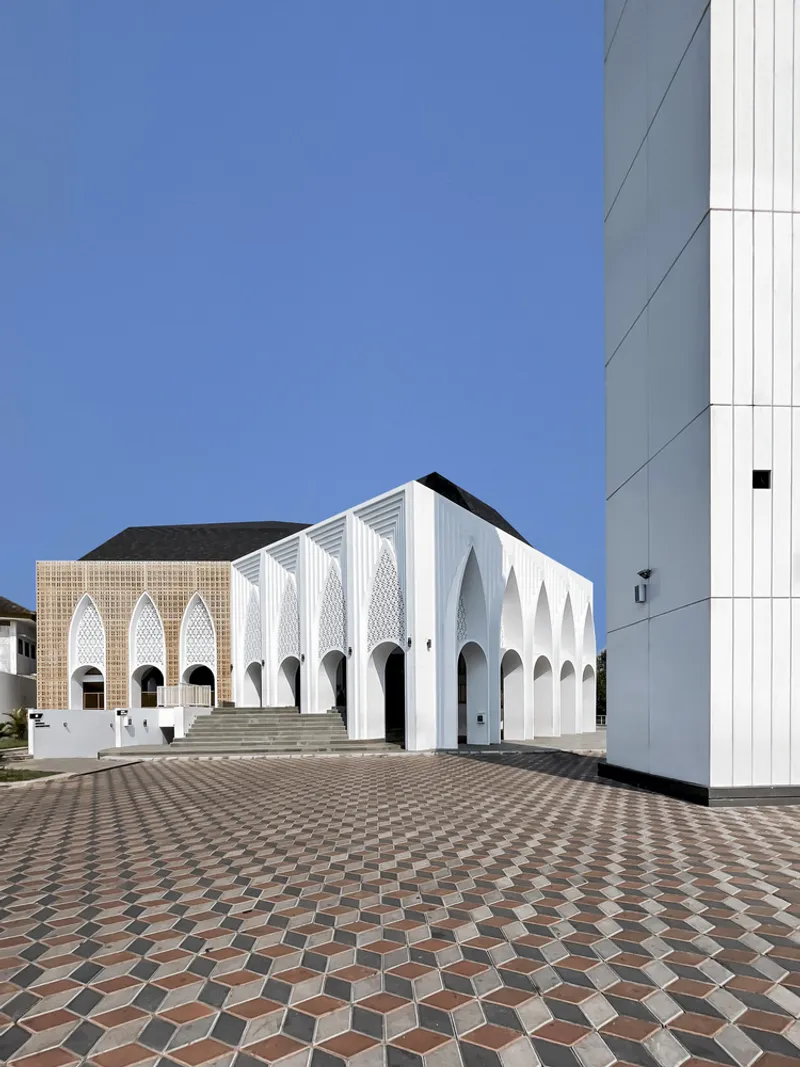
Al-Muttaqin Grand Mosque, designed by Andyrahman Architect, stands as a beacon of contemporary mosque design in Cakranegara, Indonesia. This project, spanning an area of 2800 m² and completed in 2021, represents a harmonious blend of religion and tradition, encapsulated within a modern architectural framework. The mosque’s design journey is a response to the devastating earthquakes that struck Lombok, leading to a more nature-responsive and user-centric architectural approach.
Architectural Philosophy: Blending Tradition with Modernity
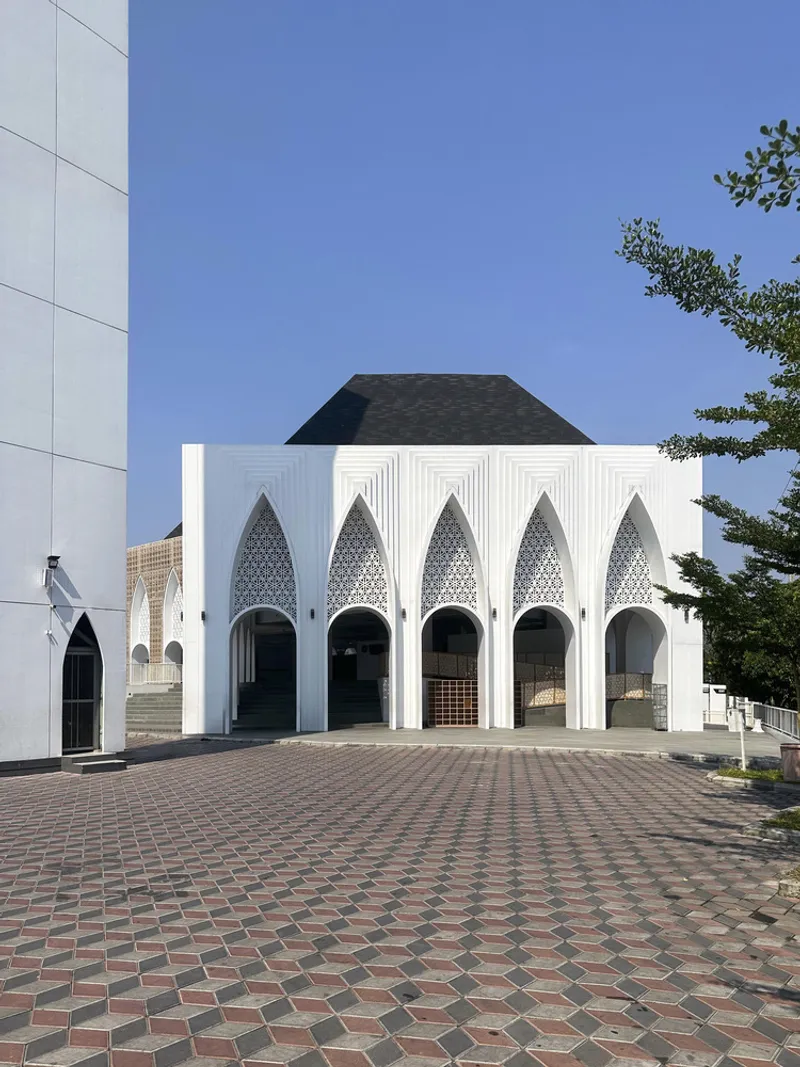
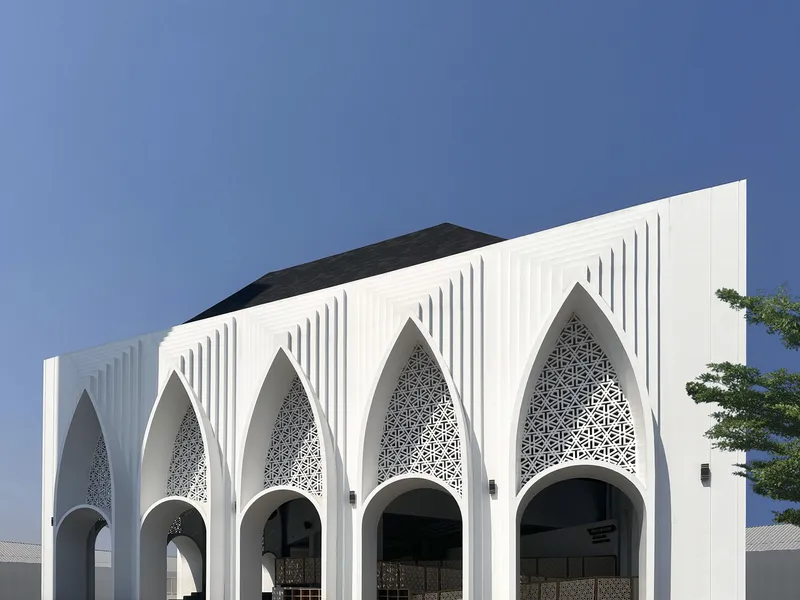
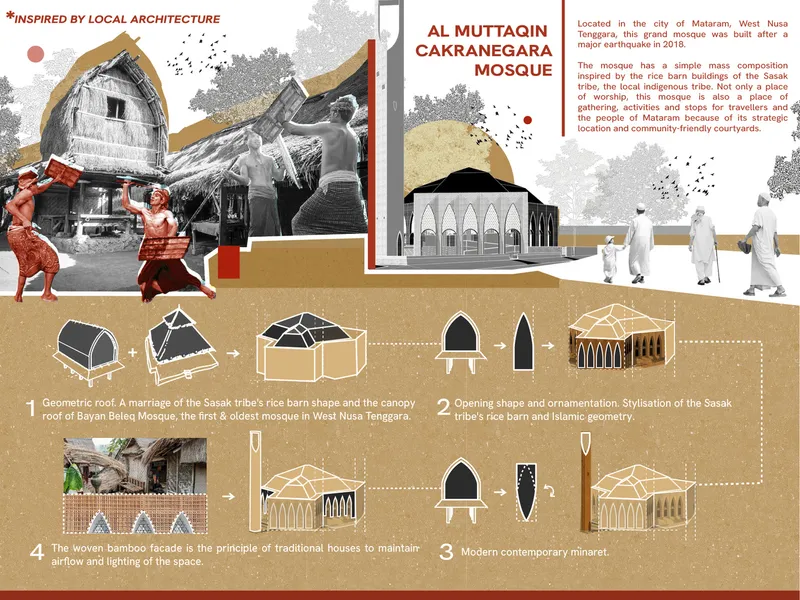
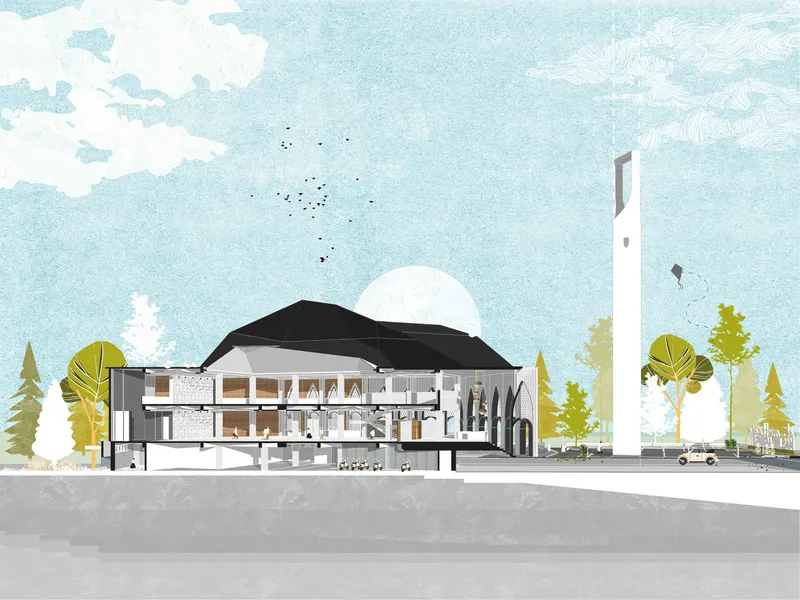
The mosque's architectural narrative begins with its roof, a fusion of the traditional tajug roof and the Sasak rice barn roof, symbolizing the melding of religious and local traditions in a contemporary setting. This choice not only respects the island's architectural heritage but also introduces a lightweight construction approach to enhance earthquake resilience.


Design and Spatial Organization
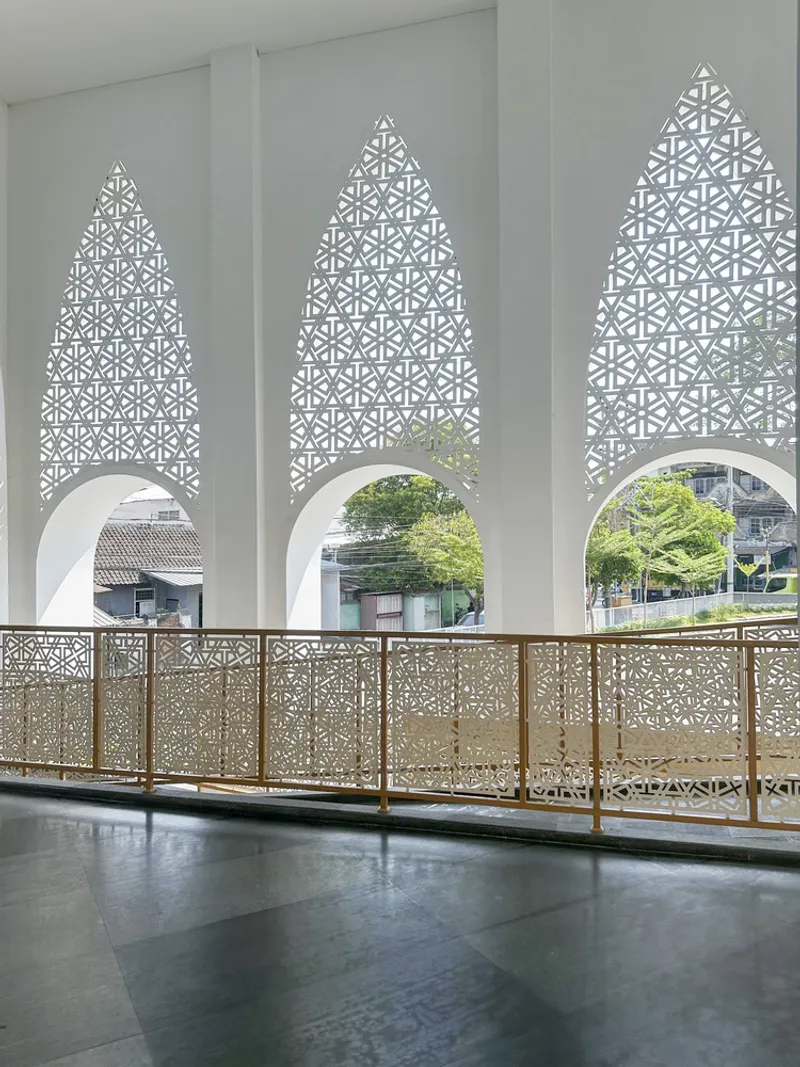
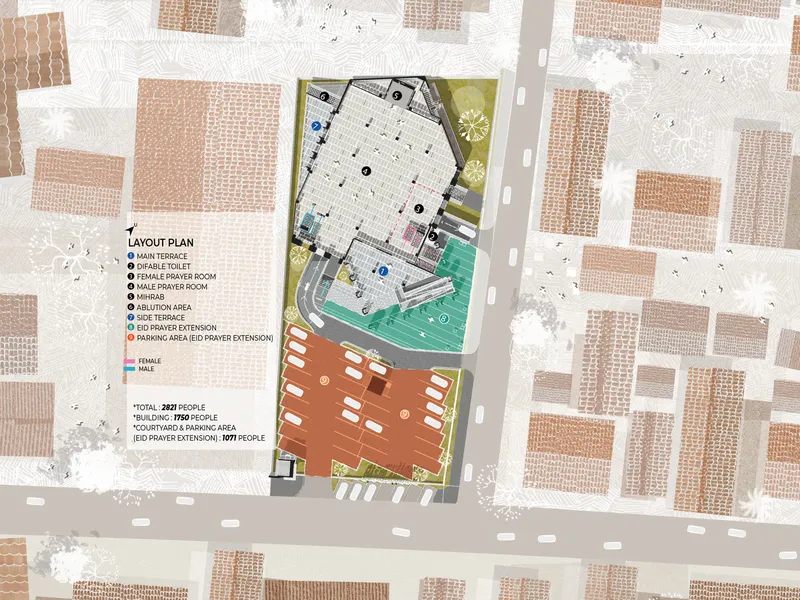
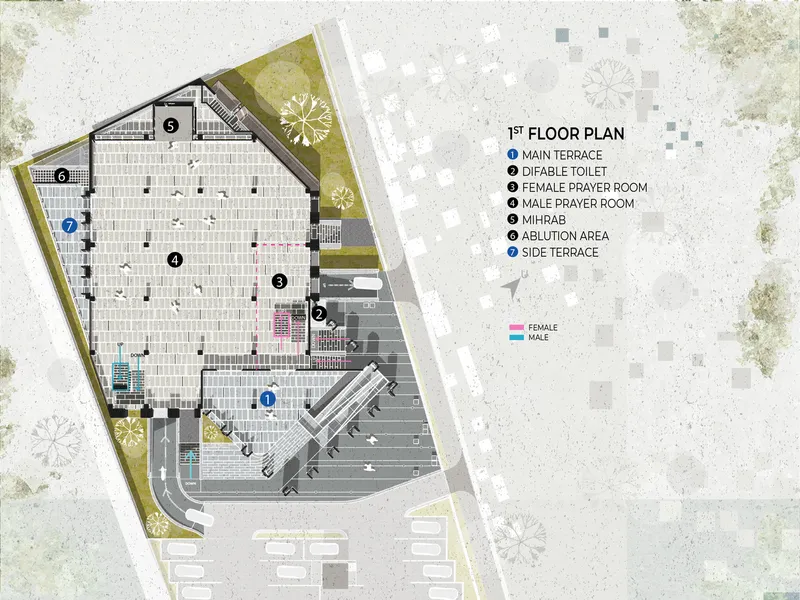
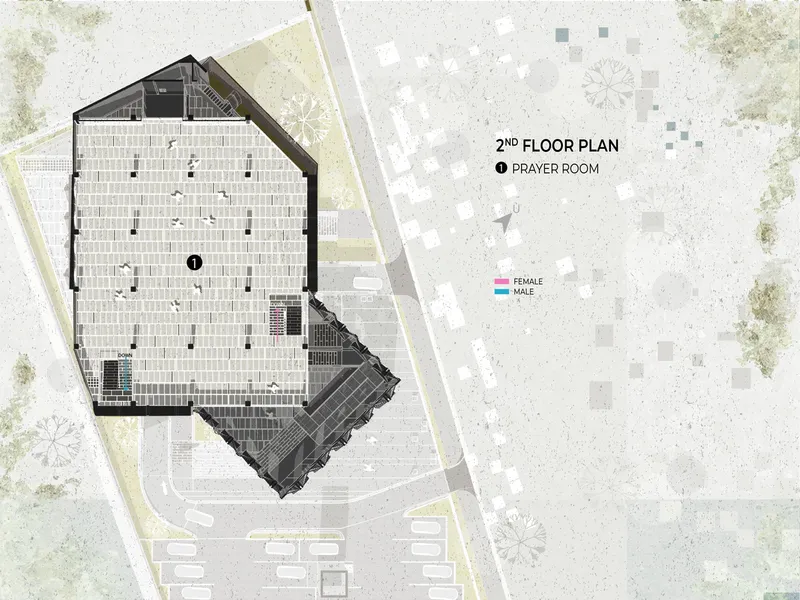
The spatial concept of Al-Muttaqin mosque prioritizes accommodating a large congregation, particularly during Eid prayers, by positioning the mosque closer to the west side towards Qibla. This strategic placement not only facilitates optimal space utilization but also embeds the mosque within the communal fabric, allowing it to serve as a vital public space.

Innovations in Materials and Details
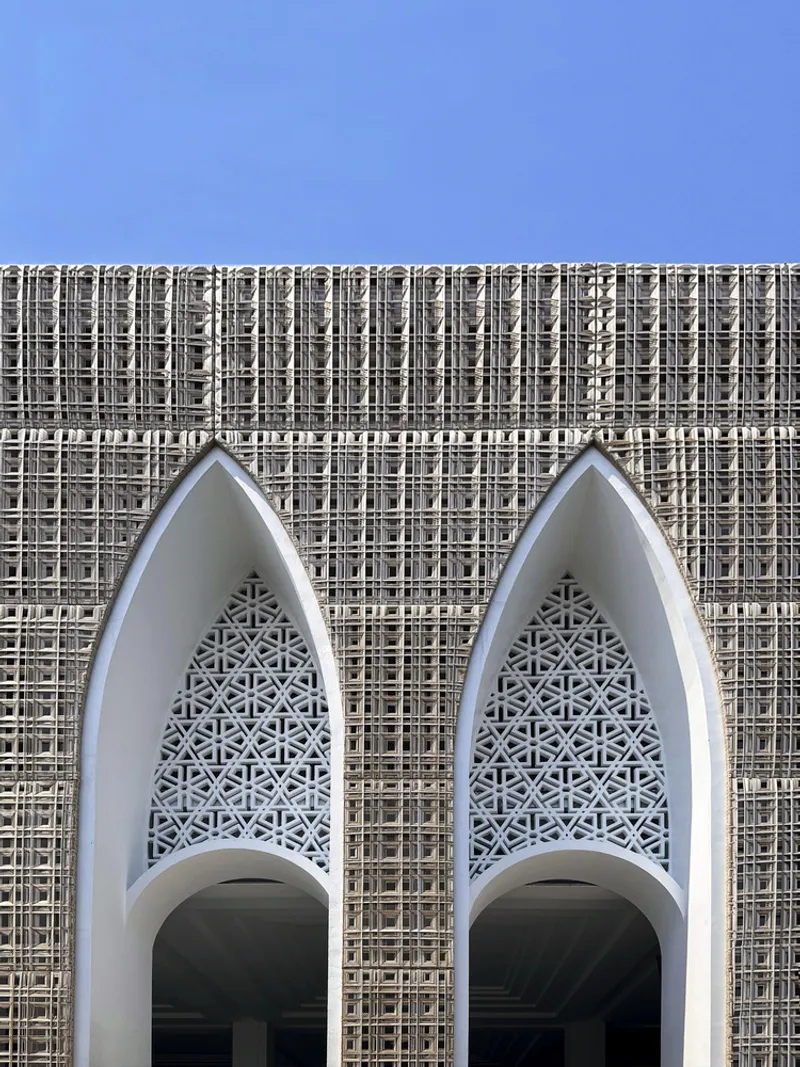
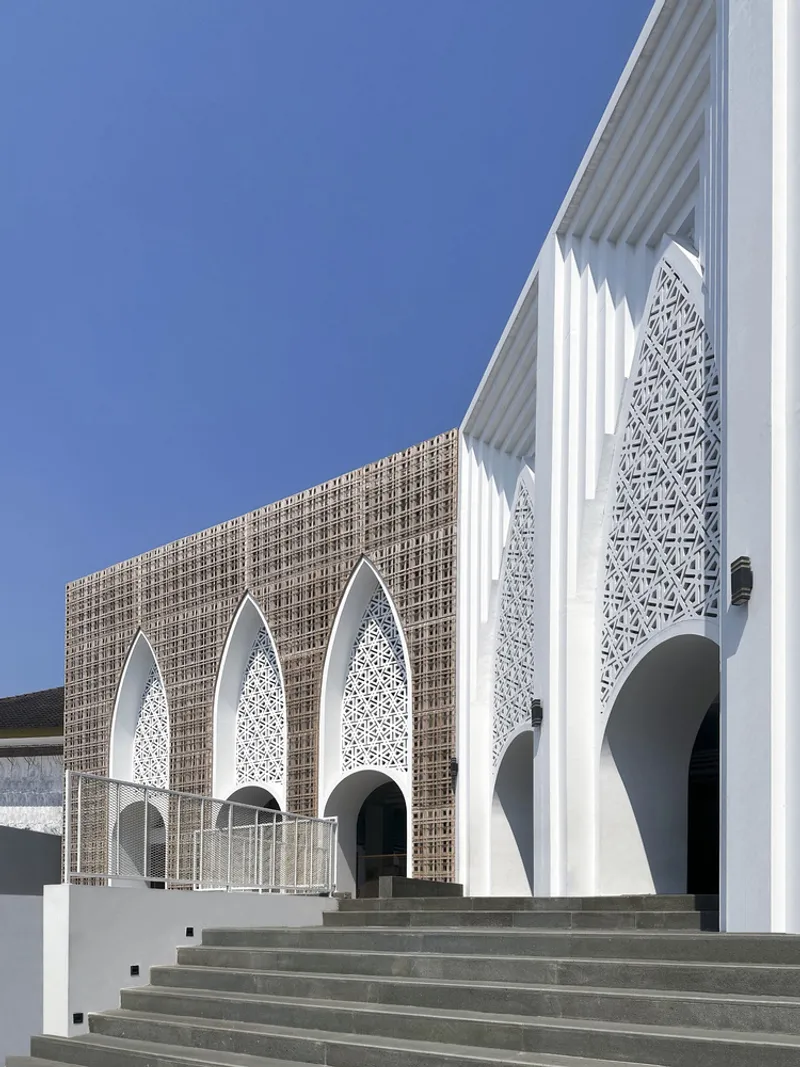
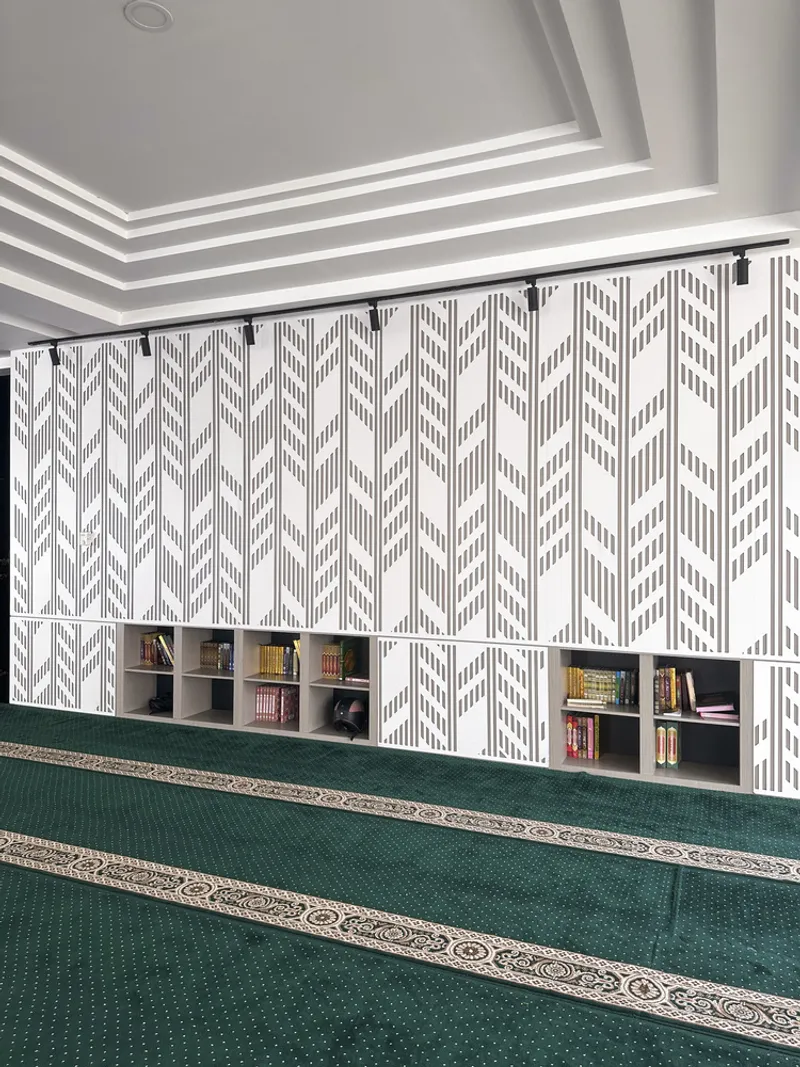
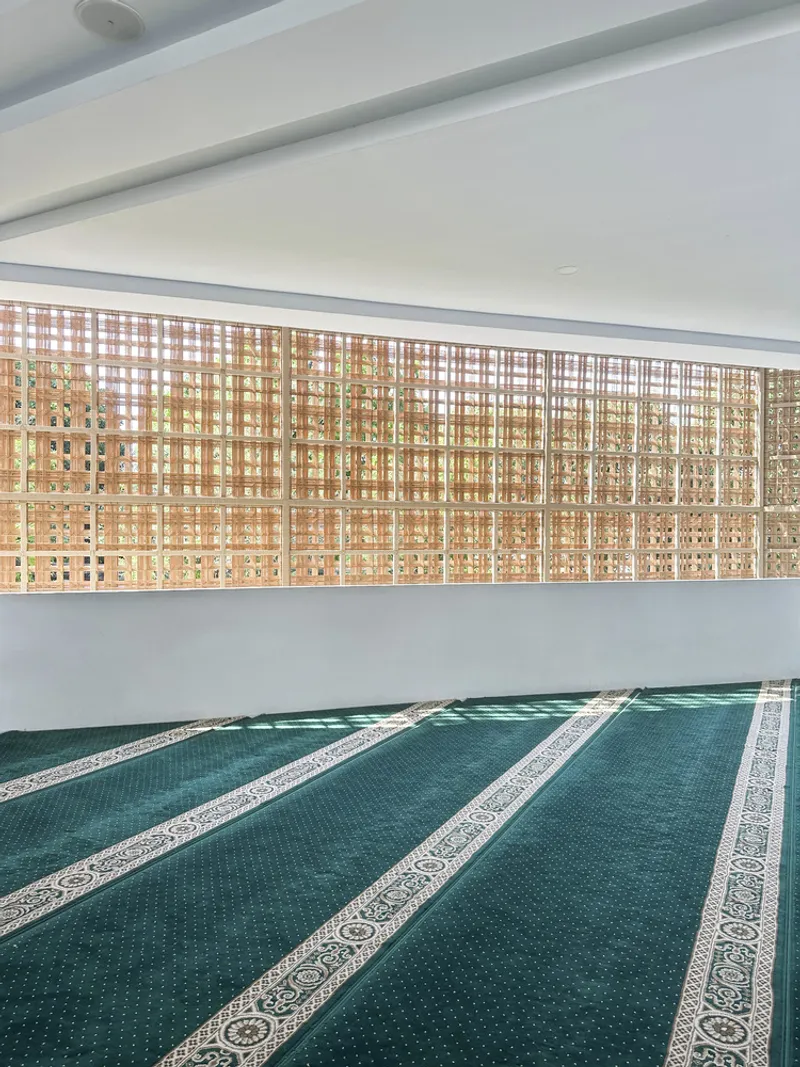
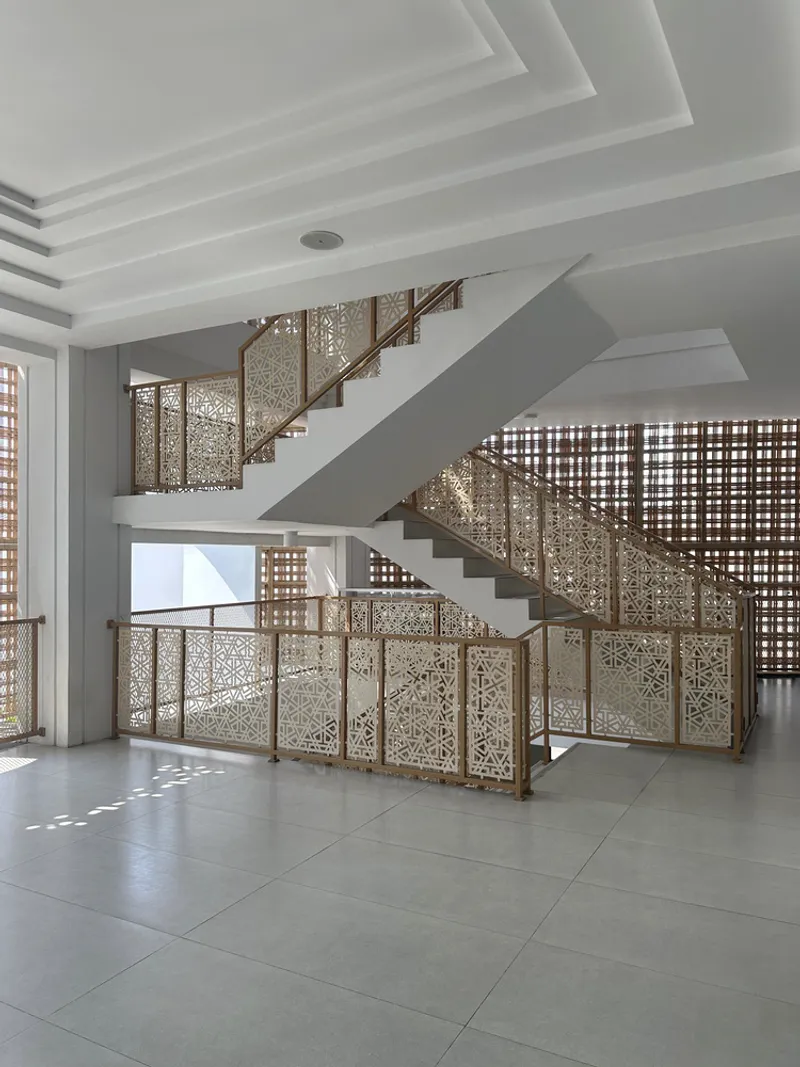
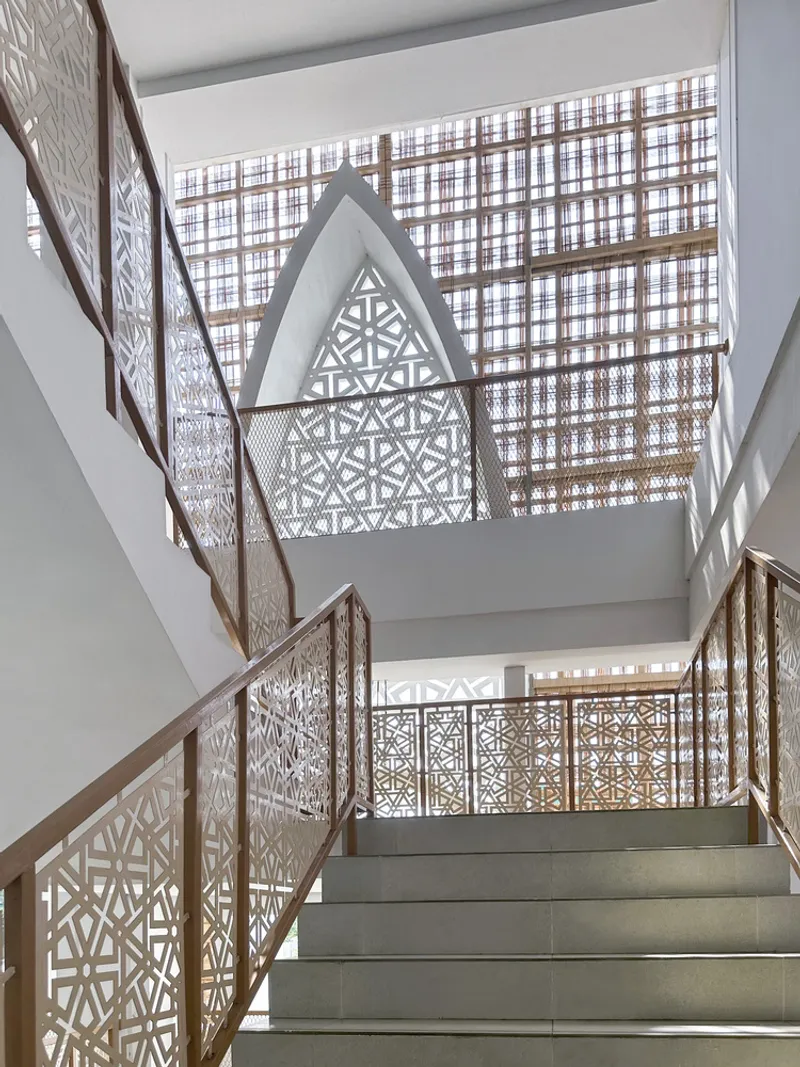
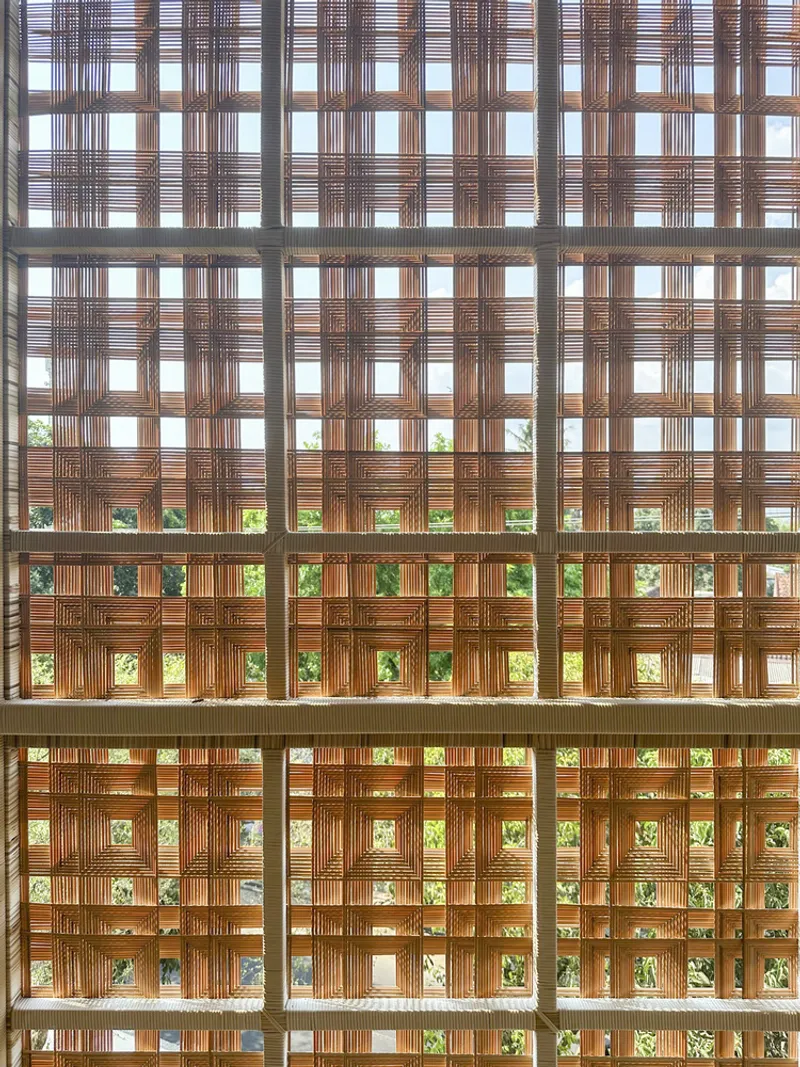
A notable aspect of the mosque's design is its use of traditional ornamental details, such as Lombok-style wickerwork, reinterpreted through modern materials like synthetic rattan. This innovative use of materials strengthens the mosque’s local character while ensuring durability and sustainability.
Integrating Nature and Humanity
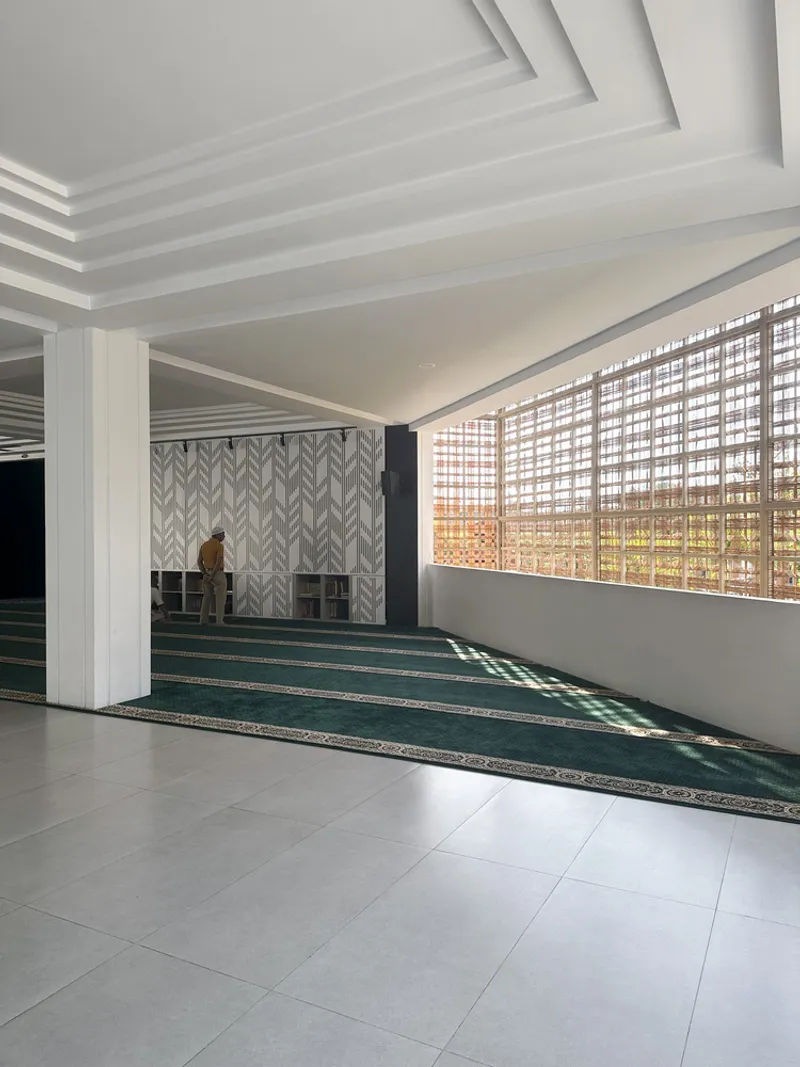
The mosque's design maximizes natural ventilation through strategic openings, ensuring comfortable prayer spaces without the reliance on air conditioning. This approach underscores the mosque's commitment to harmonizing architectural design with environmental considerations, providing a serene and inviting space for worship.


Social Connectivity and Public Space
Al-Muttaqin Grand Mosque transcends its religious function to become a social nexus for the community. Its open and welcoming design encourages young people and community members to gather, reflecting the mosque's role in fostering social bonds and inclusivity.


A Model for Future Mosque Design
Al-Muttaqin Grand Mosque by Andyrahman Architect is a profound example of how contemporary mosque design can respect and reflect traditional values while embracing modernity and sustainability. This project not only serves the spiritual needs of its community but also acts as a model for future mosque designs, demonstrating how architecture can bridge the past and present to create spaces that are meaningful, resilient, and inclusive.





Popular Articles
Popular articles from the community


The Musturak Paradise: Senior Living Architecture for a Connected Future in Temara, Morocco
The Musturak Paradise reimagines senior living architecture in Temara via private homes, social spaces, culture, community, and shared care.

Co-life: Sustainable Architecture for Age-Friendly Community Living
Co-life reimagines sustainable architecture for seniors through courtyards, rammed earth, shared gardens, and spaces designed for belonging.

Riyadh For All: Intergenerational Urban Design for Active Aging in Rabat
Riyadh For All reimagines urban design in Rabat with intergenerational co-living, adaptive courtyards, and Moroccan cultural exchange today.

The Ocean Hive: Sustainable Architecture for a Self-Sufficient Civilization at Sea
The Ocean Hive imagines sustainable architecture at sea, where modular habitats, algae, wave power and ocean waste sustain a growing colony.


Similar Reads
You might also enjoy these articles

Bamboo Housing Challenge 2026: Design Affordable, Sustainable Homes Using Bamboo
An international design competition by Bamboo U and IBUKU inviting architects and designers to reimagine affordable housing using bamboo — with the winning design built full-scale in Bali.

Computational Design & Education: Beegraphy Design Awards Introduces 7th Category (Featuring Jiyun's Innovative Approach)
Dive into Beegraphy’s 7th Design Awards category, where computational design meets education to create immersive, interactive learning tools, inspired by Jiyun’s work.
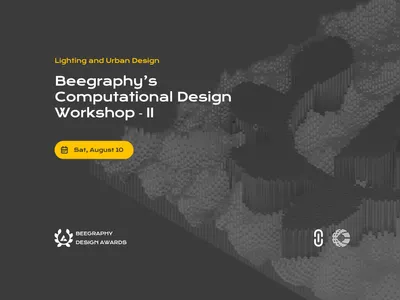
From Parametric Lighting to Urban Furniture: Join the 2nd Workshop in Beegraphy’s Computational Design Series
Dive into Cutting-Edge Design Techniques and Practical Applications with Industry Experts

Last Call: Unleash Your Architectural Genius in SHAK's Kindergarten Design Competition
Urgent call for architects to join SHAK's kindergarten design competition before the looming deadline


Explore Cultural Architecture Competitions
Discover active competitions in this discipline



Challenge to reimagine the Iron Throne


Photograph architecture without architects


Illustrate the lost glory of Angkor Wat - Render Challenge


Bring back Drive In's
Comments (0)
Please login or sign up to add comments
No comments yet. Be the first to comment!