
Cascading Terraces House by Arch.Lab: A Masterpiece of Spatial Connectivity and Cultural Domesticity
The article explores Cascading Terraces House by Arch.Lab, a sustainable, culturally rooted family home with seamless spatial connectivity and regional materials.

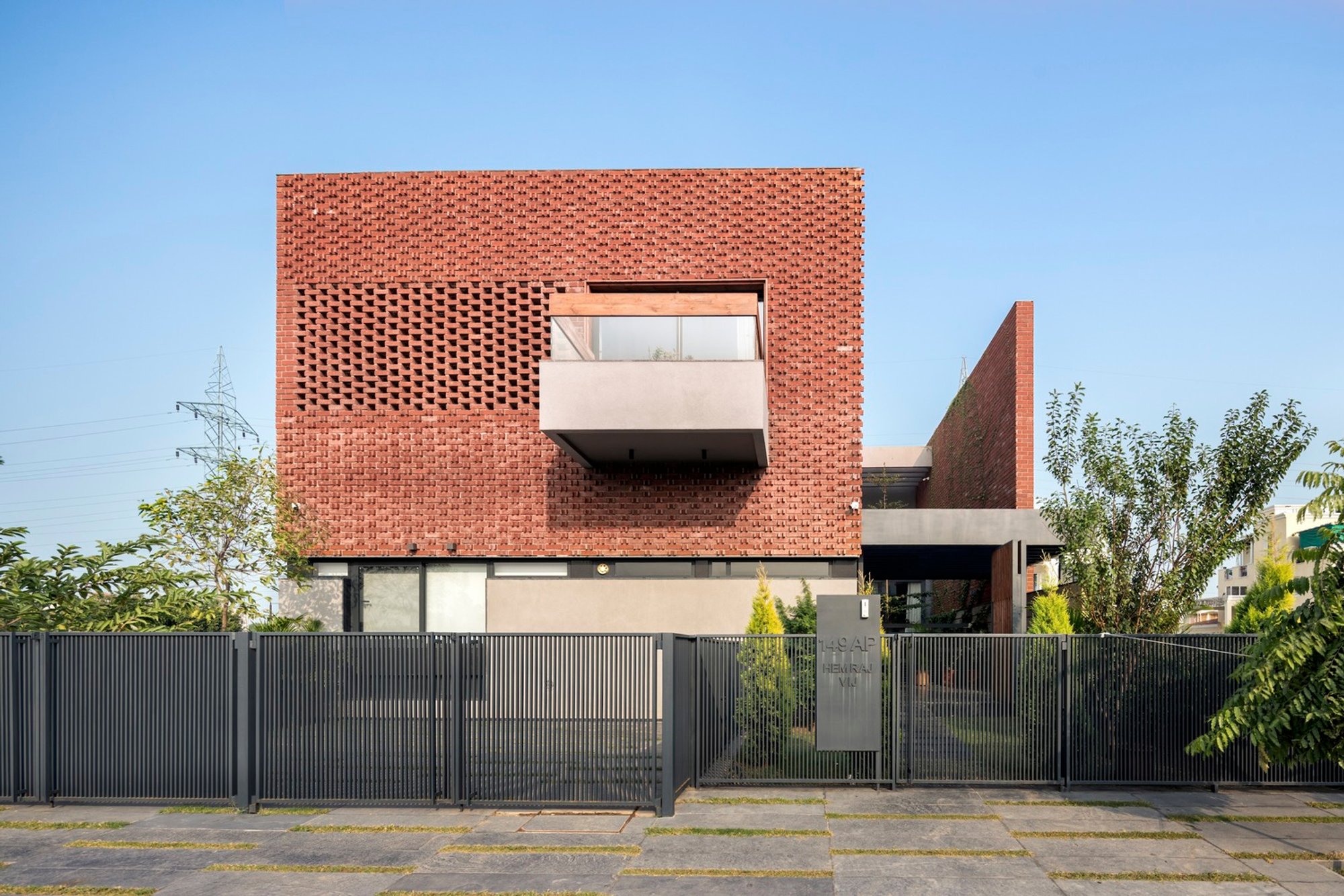
The Cascading Terraces House by Arch.Lab is a remarkable blend of traditional and contemporary design located in Sahibzada Ajit Singh Nagar, India. Completed in 2022, this 503-square-meter residence exemplifies culturally rooted domesticity through innovative spatial connectivity and material continuity. Designed for a three-generational family, the residence combines functionality, aesthetic appeal, and a deep connection to regional materials, making it a sustainable architectural model.
Architectural Vision and Project Overview
Architects: Arch.LabLead Architects: Mohit Vij, Harsimran SinghProject Managers: Sanan BuildersStructure Engineer: Structural SolutionsPhotographs by: Purnesh Dev NikhanjManufacturers: Bharat Bricks, FIMA Carlo Frattini, Kriglow Lighting, Schüco, Thermory Wood
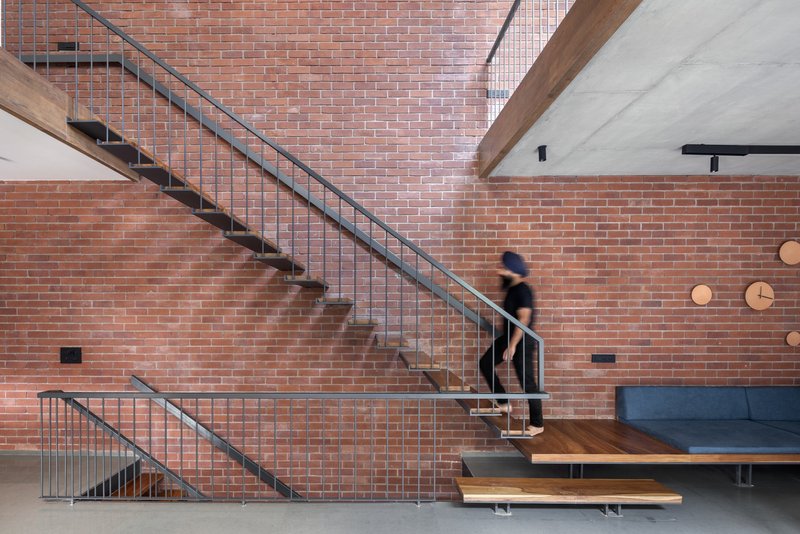
The Cascading Terraces House revolves around a vision that emphasizes "in-between" spaces—creating connections between indoor and outdoor areas while honoring the simplicity and sufficiency of living spaces.
Design Intent and Spatial Planning
A Family-Centric Design
The design brief called for a family-centric residence with an emphasis on flexibility, ease of movement for elderly members, and a central ground floor that serves as the primary gathering area. The architectural team responded by creating interconnected spaces that allow natural light to permeate every corner while facilitating accessibility.
Embracing Spatial Flow and Connectivity
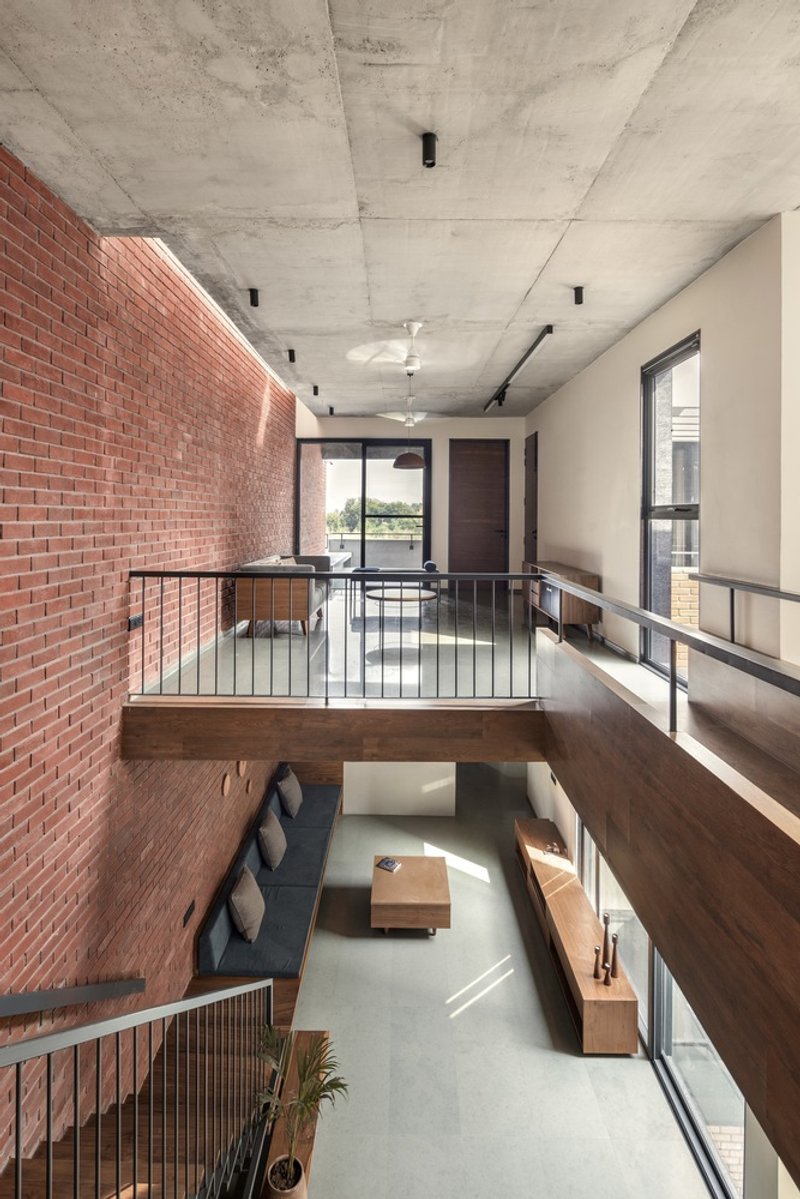
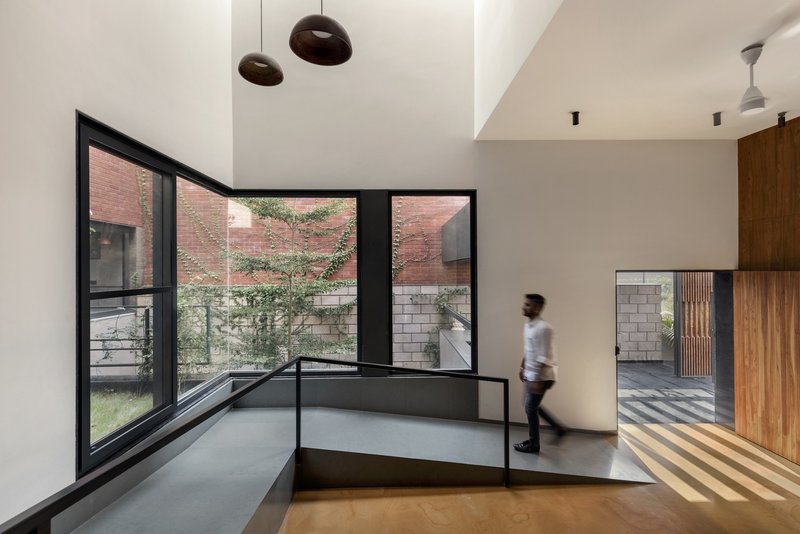
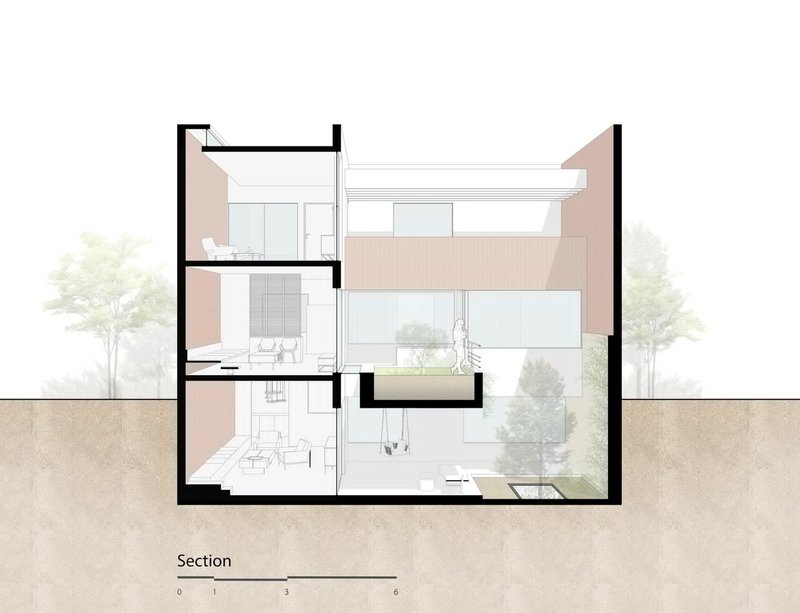
Due to the constraints of a row house plot, the architects implemented design strategies to expand spatial thresholds. The house is structured in a basement-ground-first floor arrangement, creating continuity through vertical integration. With the absence of a traditional extended verandah, multiple terraces were integrated to provide semi-open spaces that blur the boundaries between the interior and exterior.
Exterior Features: Facade and Brick Jaali
Opaque Facade with Regional Influence
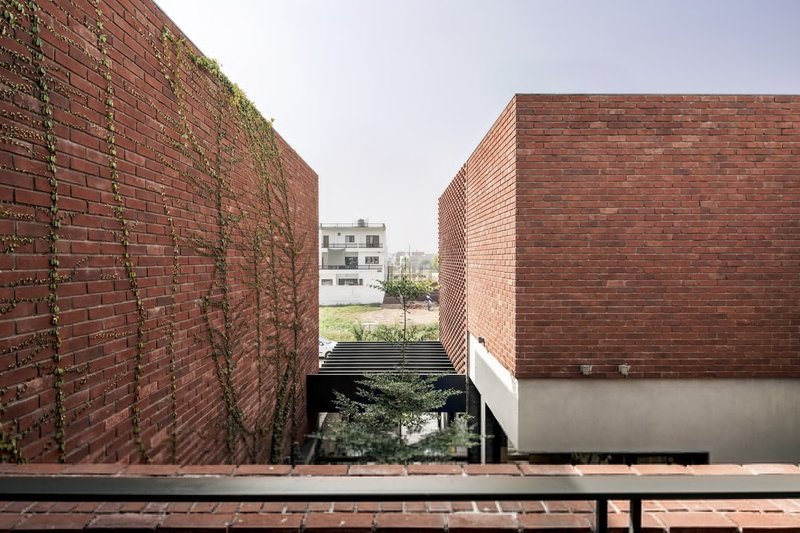
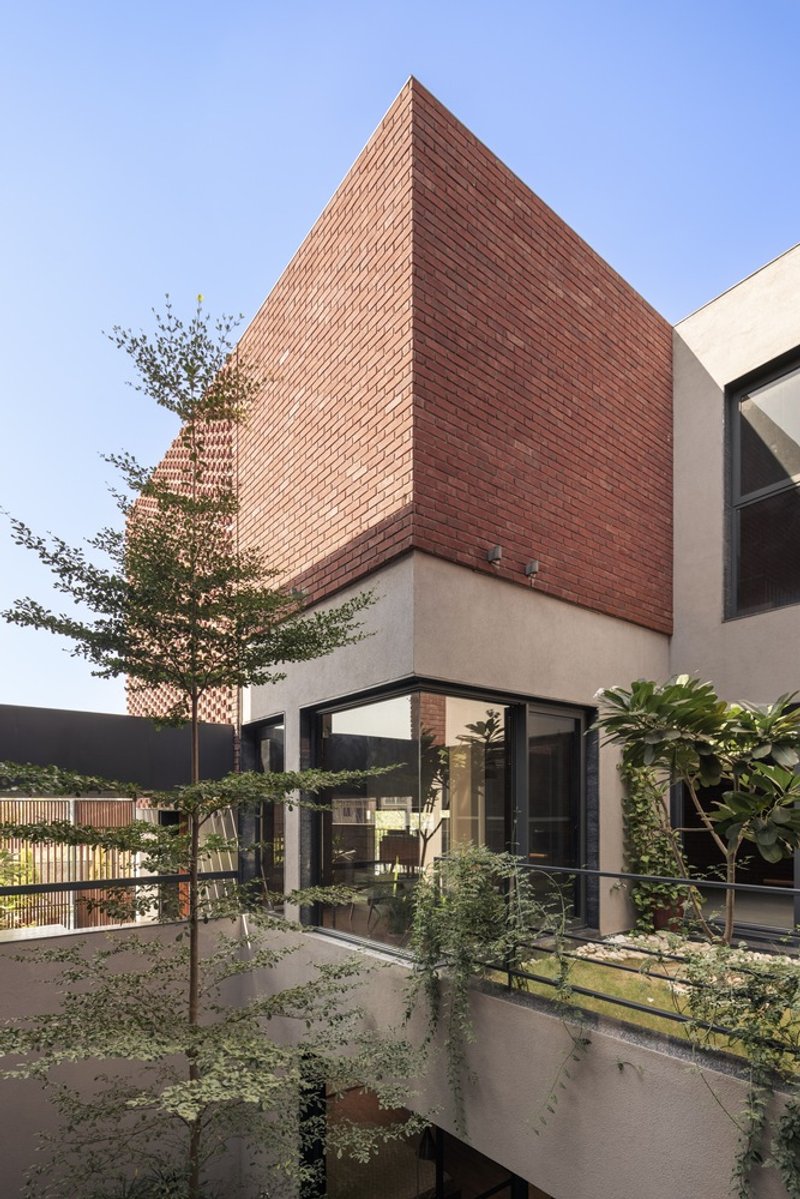
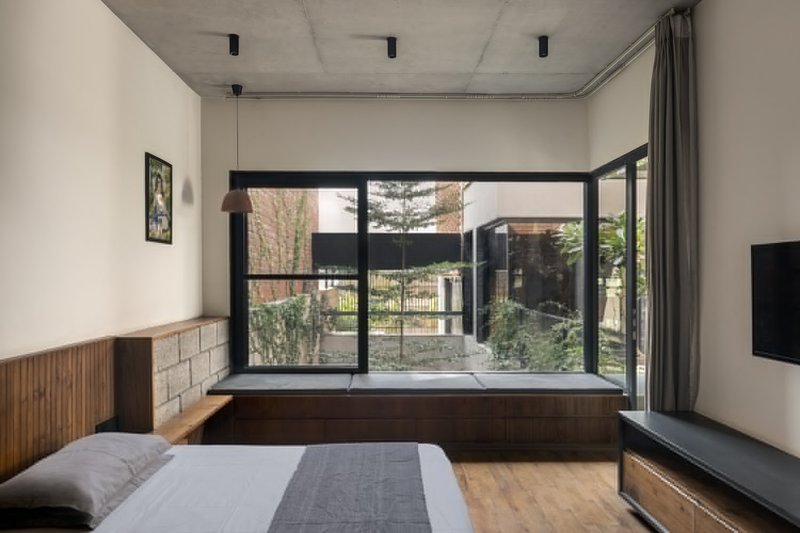
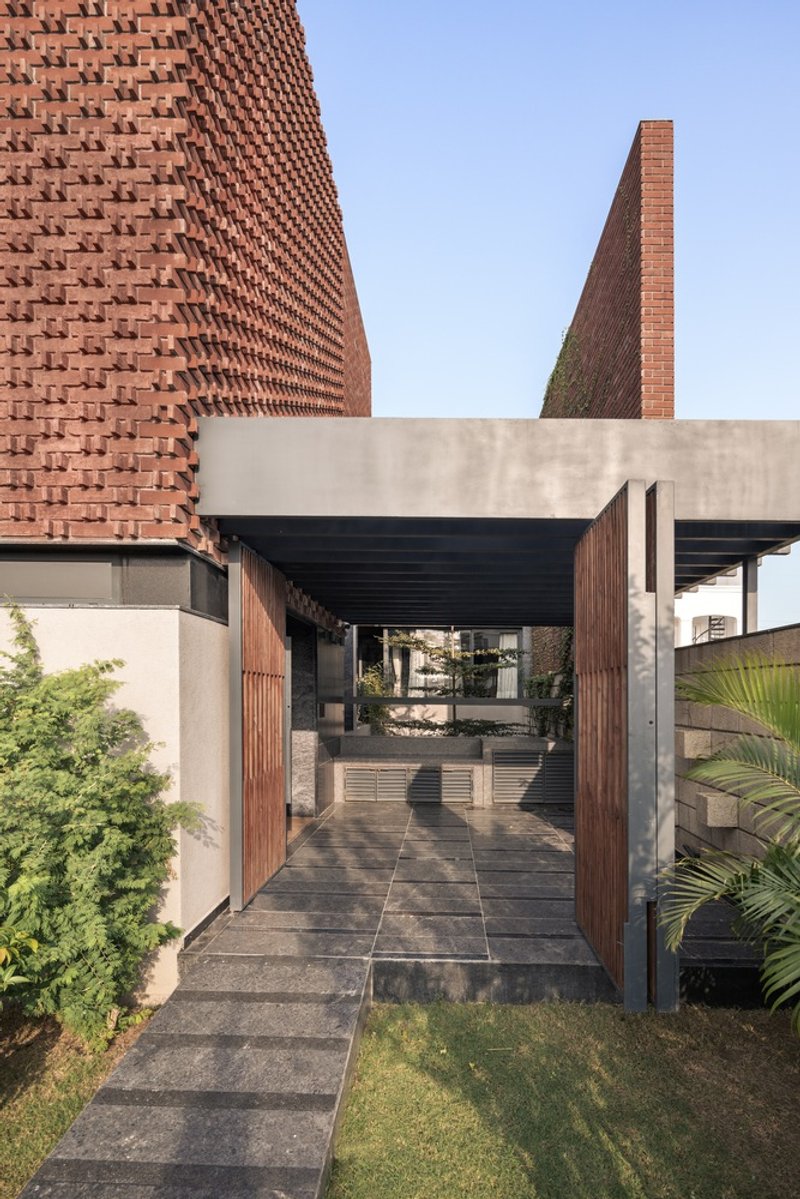
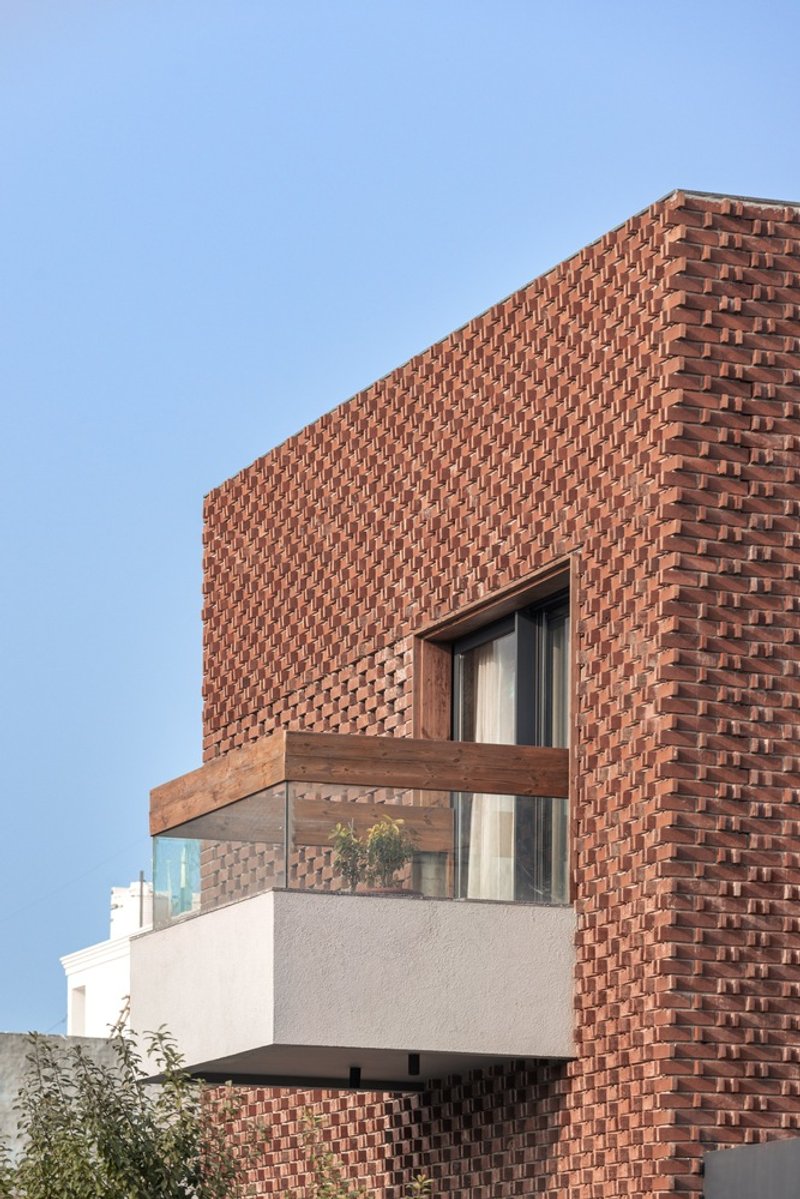
The facade of Cascading Terraces House addresses the strong western sun exposure by using a play of brick patterns that introduce both texture and scale, creating a visually dynamic structure. The design includes a brick jaali (perforated screen) on the first floor, filtering light into the bedroom while offering a private, recessed garden space. This facade feature not only adds a layer of privacy but also brings in fresh air and soft, natural light, enhancing the ambient quality of the bedroom.
Regional Materials and Sustainable Aesthetics
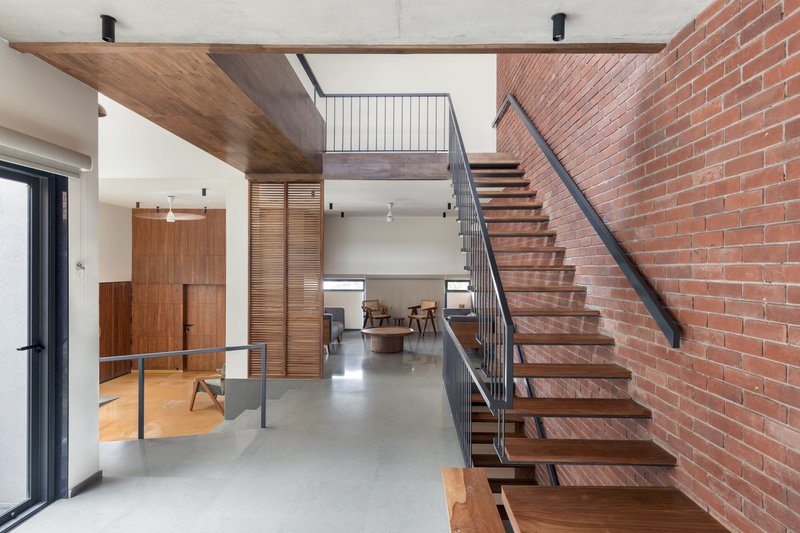
Materials like Kota stone, Jaisalmer stone, Kadappa, and granite were used as integral structural elements rather than superficial cladding. These natural materials reflect the region's heritage and create a tactile experience that feels authentic and grounded. The seamless integration of these materials extends to interior elements, with steps transforming into seating, benches, or side tables, emphasizing the concept of functional continuity.
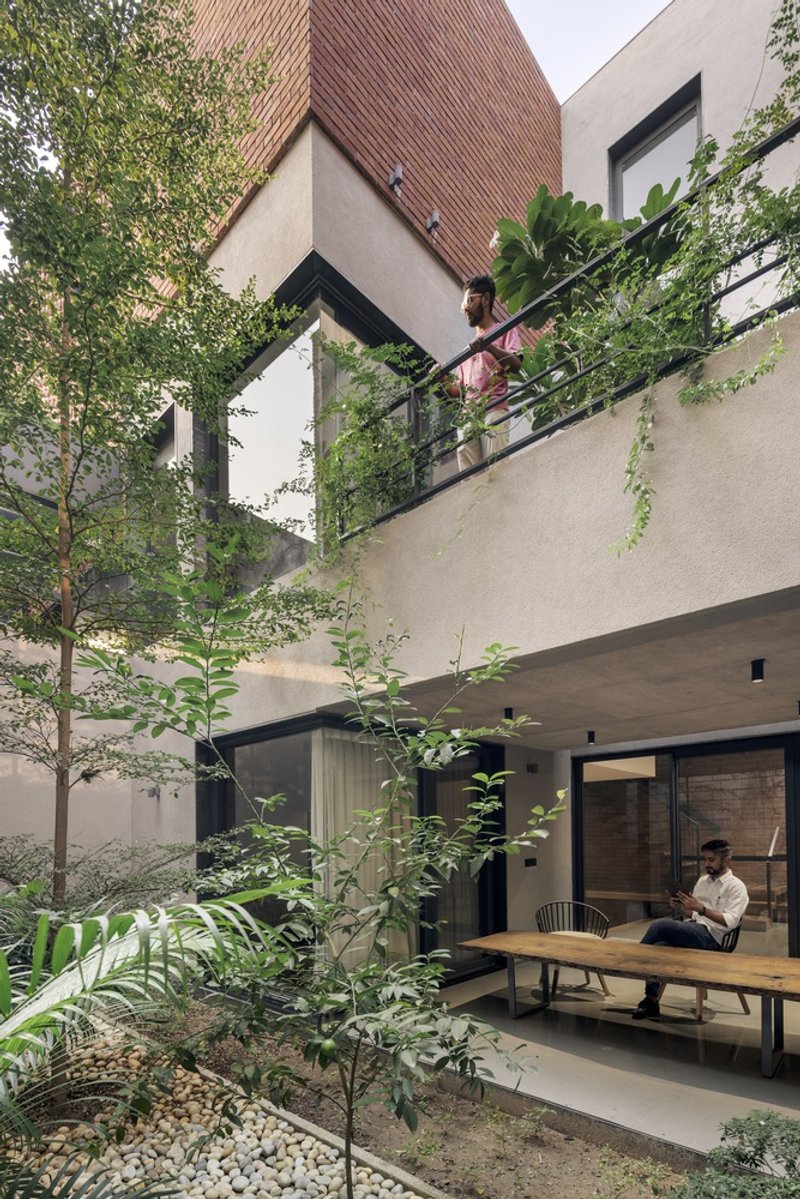
Interior Spaces: Functional Flow and Material Continuity
Courtyard Design and Light Integration
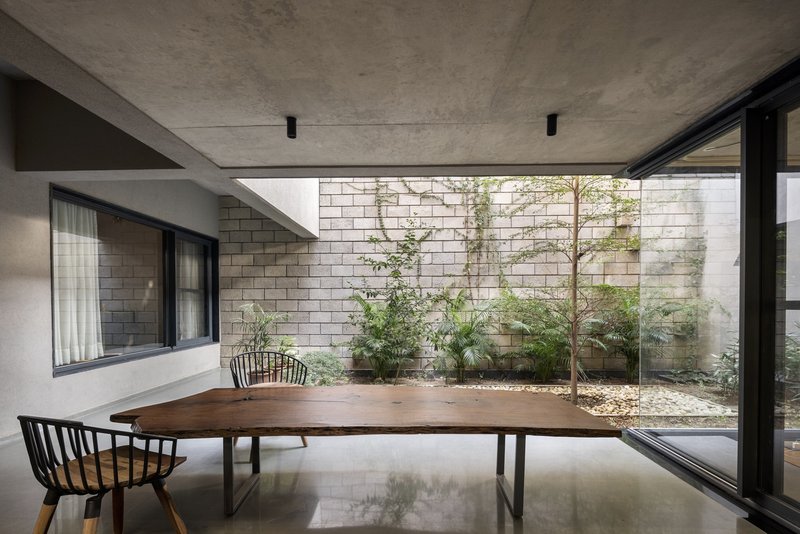
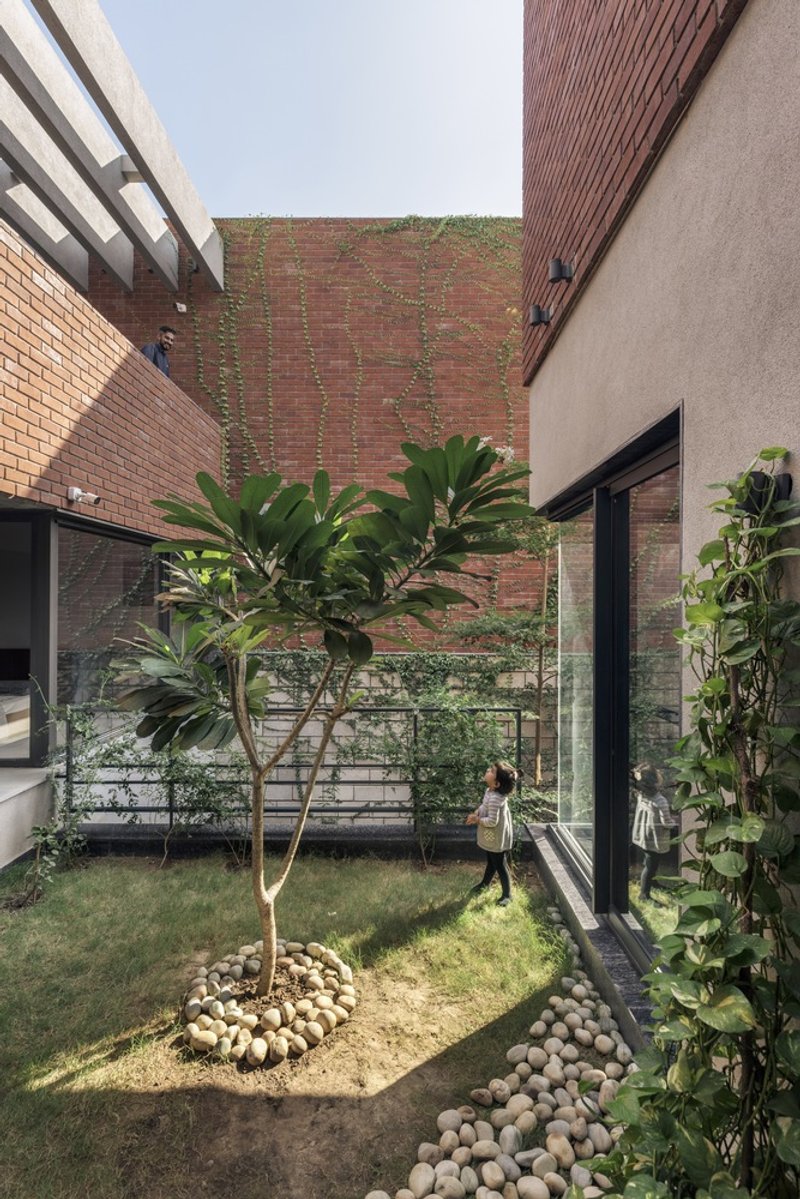
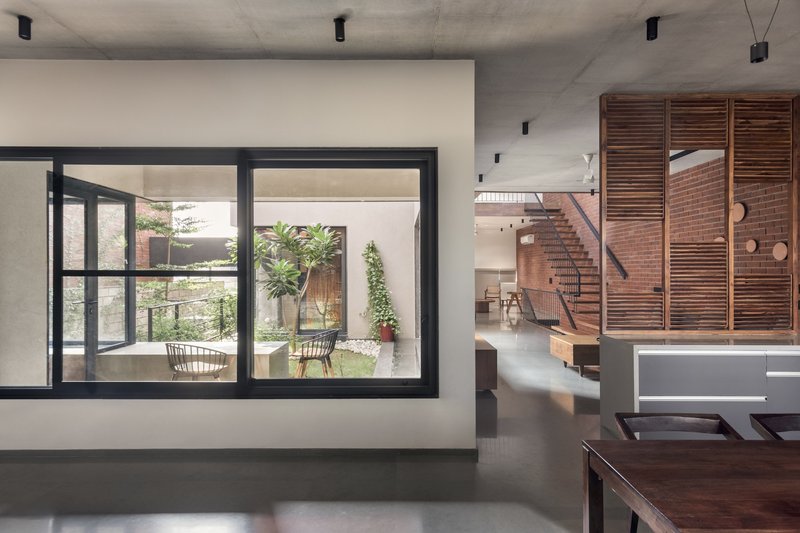
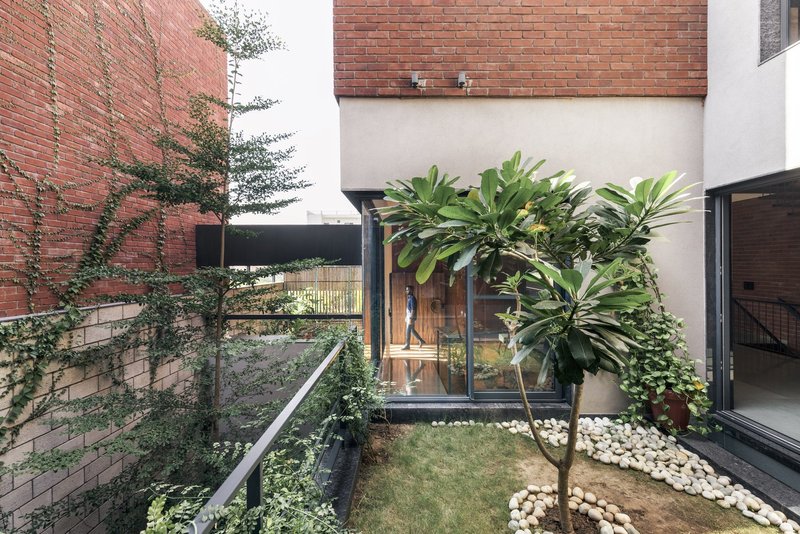
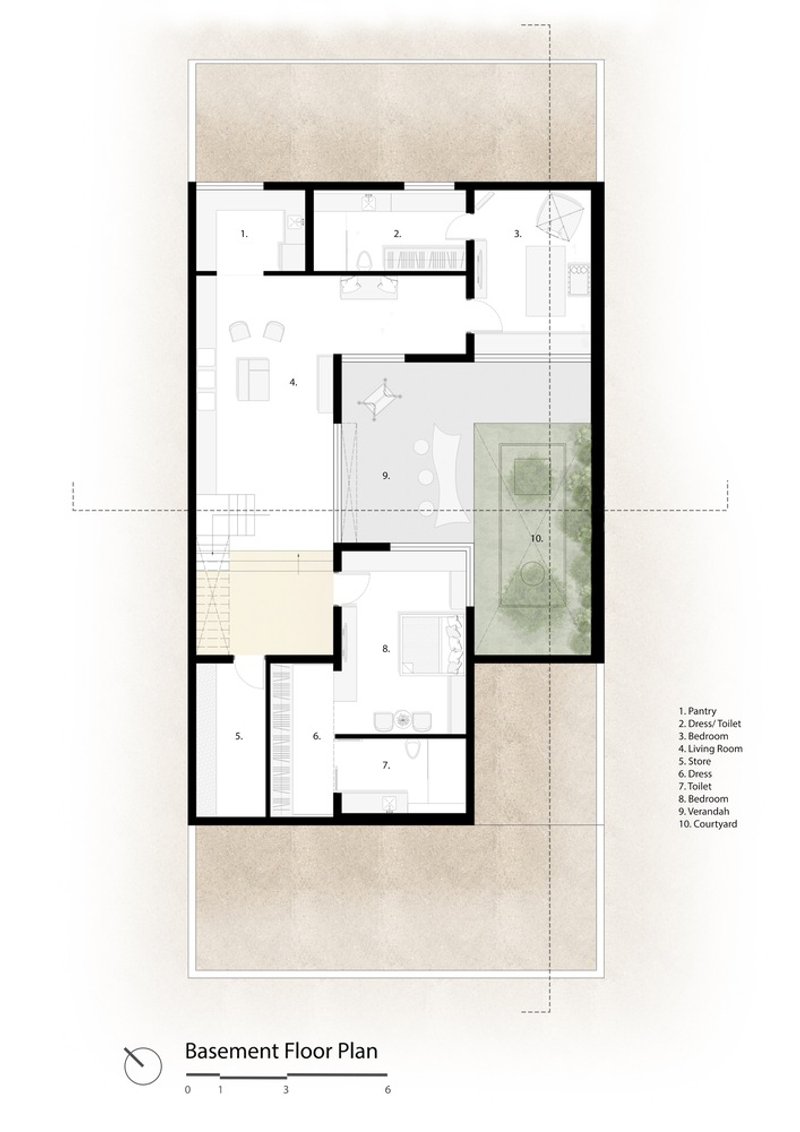
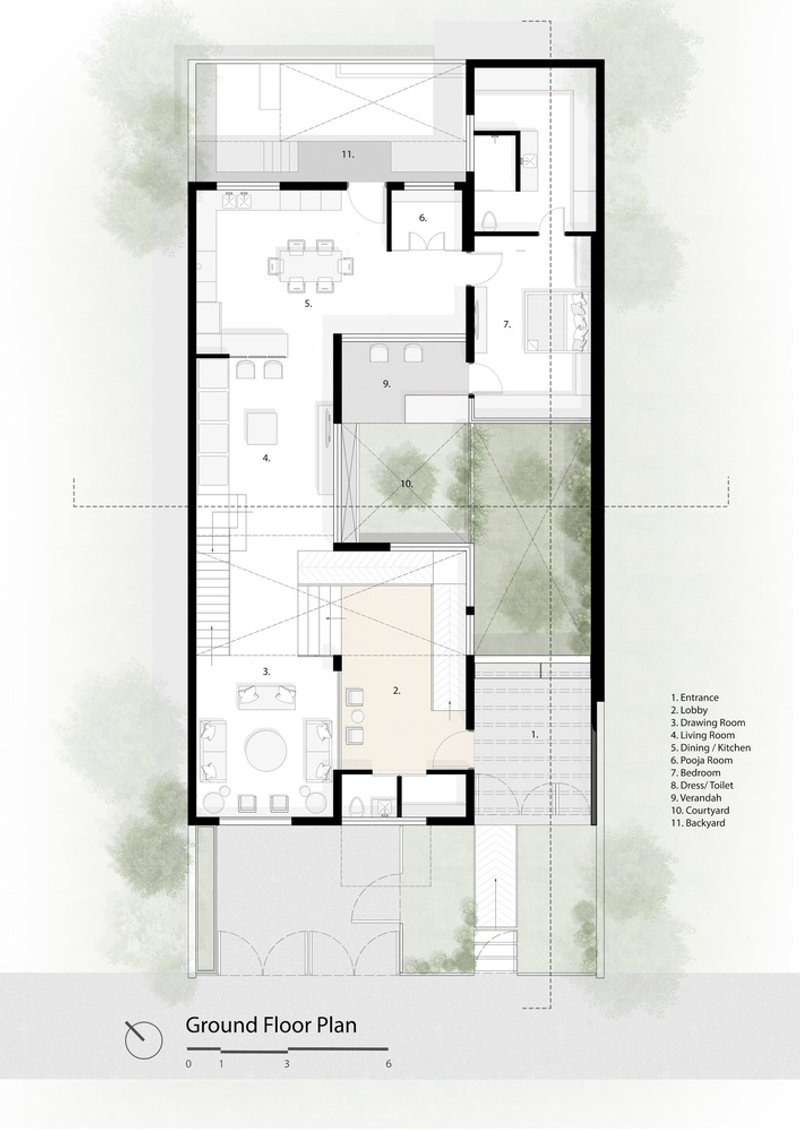
One of the standout features is the central courtyard, which brings indirect light into the basement level and supports various plant species, including creepers that climb the brick walls. This vertical garden integrates each floor visually, connecting the basement to the ground floor and first floor with cascading terraces and open spaces. A tree planted in the courtyard creates a focal point that is visible from every level, enhancing the house’s biophilic design approach.
Ground Floor: A Family Gathering Hub
The ground floor is designated for communal activities, housing the living room, kitchen, and dining area. These shared spaces reflect the simplicity and function-first philosophy of the house, eliminating excess furnishings and unnecessary decor. By focusing on open layouts and material textures, the design prioritizes natural light and minimalism, creating an inviting environment for both family members and guests.
Emphasis on Accessibility and Generational Living
Designed with generational comfort in mind, Cascading Terraces House incorporates a ramp from the street to the ground level to facilitate accessibility for elderly family members. The deliberate shift in the entrance axis enhances visual connections without compromising privacy. By providing breakout spaces on each floor, family members can enjoy both private and communal experiences, accommodating diverse needs across generations.
Cascading Terraces House as a Model of Sustainable, Culturally Rooted Architecture
The Cascading Terraces House by Arch.Lab is a testament to the balance of tradition and modernity, connecting family needs with sustainable design principles. Through its thoughtful use of regional materials, natural lighting, and spatial continuity, this residence not only meets the functional demands of its occupants but also embraces the cultural heritage of its location. In a world increasingly focused on sustainable and resilient architecture, the Cascading Terraces House stands as a timeless, inspiring model for future homes.
All photographs are work of Purnesh Dev Nikhanj




Popular Articles
Popular articles from the community

Inverted Architecture Installation by Studio Link-Arc: Exploring the Intersection of Architecture and Living Organisms
Inverted Architecture Installation by Studio Link-Arc blends mycelium, sustainability, inverted design, ecological cycles, and urban adaptive architecture in Shenzhen.
Flamboyant House by Juliana Camargo + Prumo Projetos
Modern Brazilian house integrating existing tree, pool, and volumes with glass, wood, and transitional spaces blending interior, exterior, and landscape seamlessly.
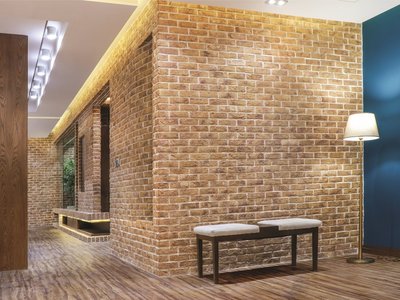
A Contemporary Take on Iranian Residential Architecture
A modern interior design in Mashhad that reinterprets brick, light, and spatial flow to create a warm, contemporary residential architecture.
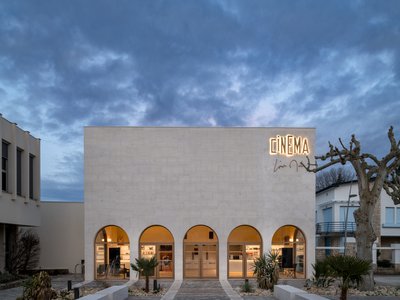
Louis Malle Cinema: A Limestone Cultural Landmark Revitalizing Community Life in Prayssac
Limestone cinema extension with public forecourt, blending heritage and modern design to create flexible cultural spaces and strengthen community interaction.


Similar Reads
You might also enjoy these articles


The Ken Roberts Memorial Delineation Competition (Krob)
As the most senior architectural drawing competition currently in operation anywhere in the world, it draws hundreds of entries each year, awarding the very best submissions in a series of medium-based categories.


Waterfront Redevelopment and Urban Revitalization in Mumbai: Forging a New Dawn for Darukhana
A transformative waterfront redevelopment project reimagining Darukhana’s shipbreaking heritage into an inclusive urban future.

OUT-OF-MAP: A Call for Postcards on Feminist Narratives of Public Space
Rhizoma Design and Research Lab invites artists, designers, architects, researchers, and students to reflect on how feminist perspectives can reshape public space. Selected works will be exhibited in Barcelona, October 2026. Submissions open until 15 April 2026.


Documentation Work on Buddhist Wooden Temple
Architectural syncretism and cultural hybridity: A comparative study of the Buddhist temples in Chattogram Hill tracks


Explore Architecture Competitions
Discover active competitions in this discipline




The International Standard for Design Portfolios


The Global Benchmark for Architecture Dissertation Awards


The Global Benchmark for Graduation Excellence


Challenge to reimagine the Iron Throne
Comments (0)
Please login or sign up to add comments
No comments yet. Be the first to comment!