
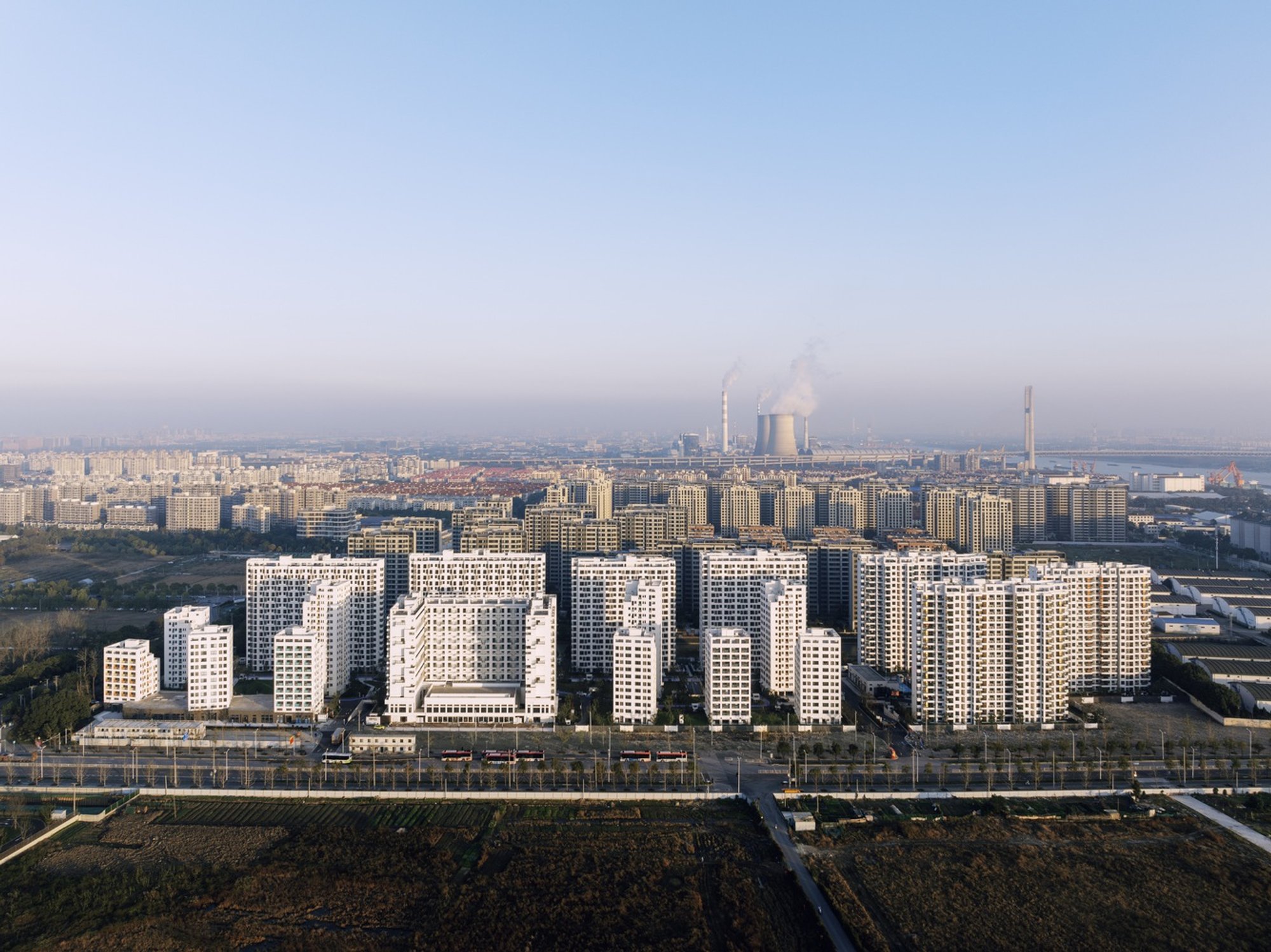
Change X Community by Atelier GOM – Redefining Affordable-Rental Housing in Shanghai
Change X Community by Atelier GOM redefines Shanghai affordable-rental housing with diverse clusters, loft units, sustainable design, and human-centered urban innovation.

A New Chapter in Shanghai’s Affordable-Rental Evolution
In Shanghai’s ever-evolving urban landscape, Change X Community by Atelier GOM stands as a milestone in China’s affordable-rental housing journey. Completed in 2025, the project marks the fourth major iteration in Atelier GOM’s long-term engagement with social and affordable housing—following Longnan Garden Social Housing Estate, Lingang Price-fixed Housing, and Xuhui Binjiang Talent Apartments. Each stage has advanced the studio’s commitment to designing spaces that balance social responsibility with architectural innovation.
Unlike previous standalone projects, Change X Community emerged from a continuous, collaborative process between the architects and the client—a “technical alliance” that merges market logic with design intelligence. This synthesis has produced a vibrant, inclusive community that redefines the architectural vocabulary of rental housing in China’s megacities.
Overview
Completed in 2025, Change X Community represents Atelier GOM’s fourth iteration in Shanghai’s affordable-rental housing sector. Building on prior projects such as Longnan Garden Social Housing, Lingang Price-Fixed Housing, and Xuhui Binjiang Talent Apartments, this project exemplifies a new approach to urban housing that balances technical rigor, architectural innovation, and market realities. Unlike previous solo-driven initiatives, Change X Community is the product of collaborative negotiation, integrating practical experience with architectural intelligence.
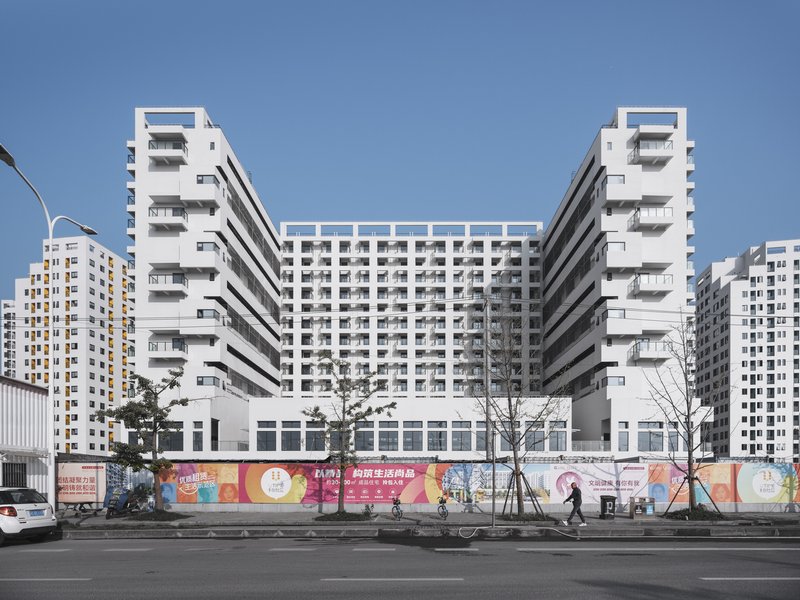
Context and Design Approach
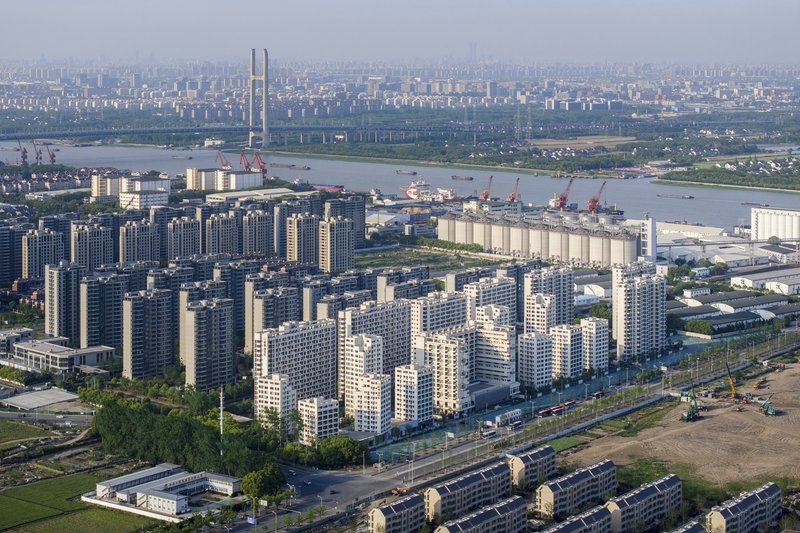
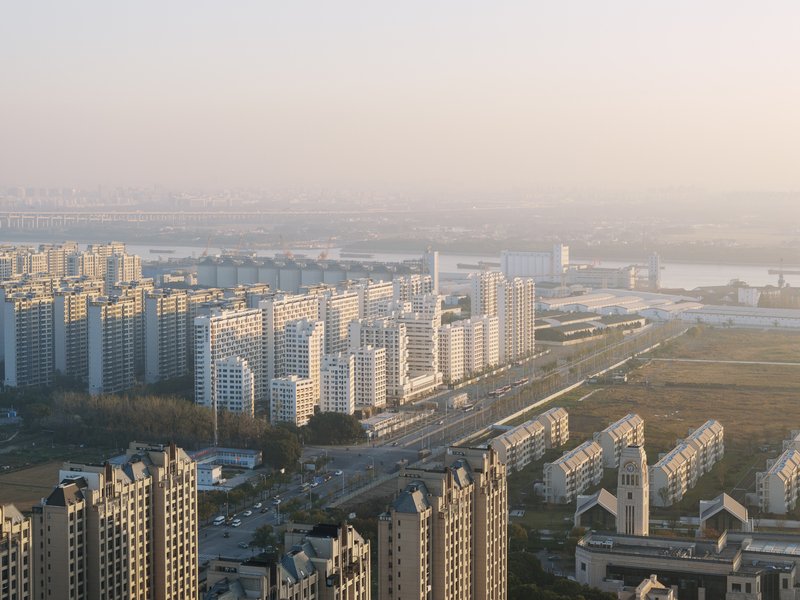
Situated on a 48,000 m² peri-urban plot with a 2.5 FAR, Change X Community confronts the legacy of China’s commodity-housing era while embracing the emerging rental market. Atelier GOM uses this project as a laboratory to develop a design methodology specific to the affordable-rental era, aiming to expand the architectural vocabulary of rental housing and reshape thinking across all housing types.
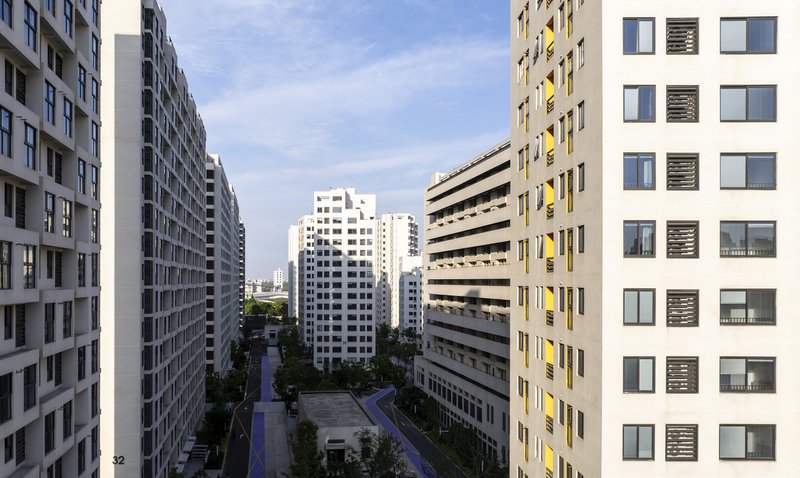
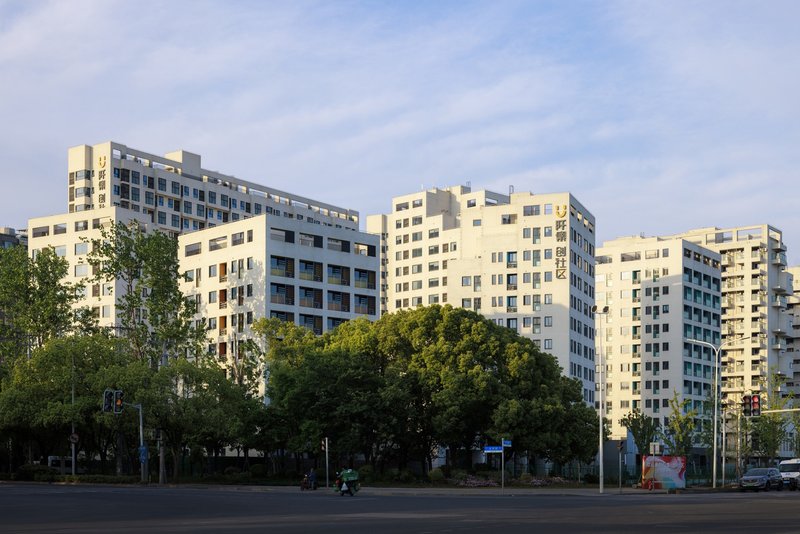
The design process carefully analyzes building codes, planning statutes, and urban regulations to craft unconventional typologies that respond to real-world conditions. By prioritizing tenant needs, market data, and operational efficiency, the architects move beyond conventional slab-based housing, offering a nuanced, human-centered approach.
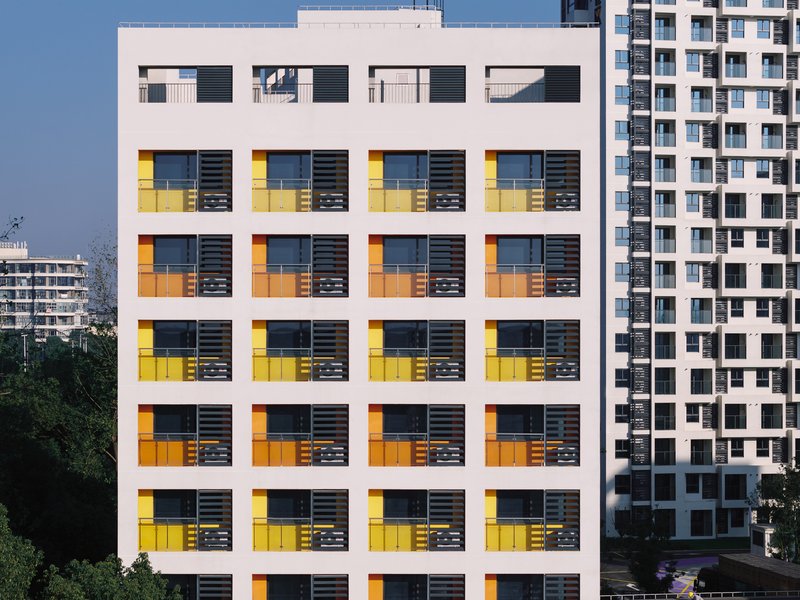
Architectural Strategies
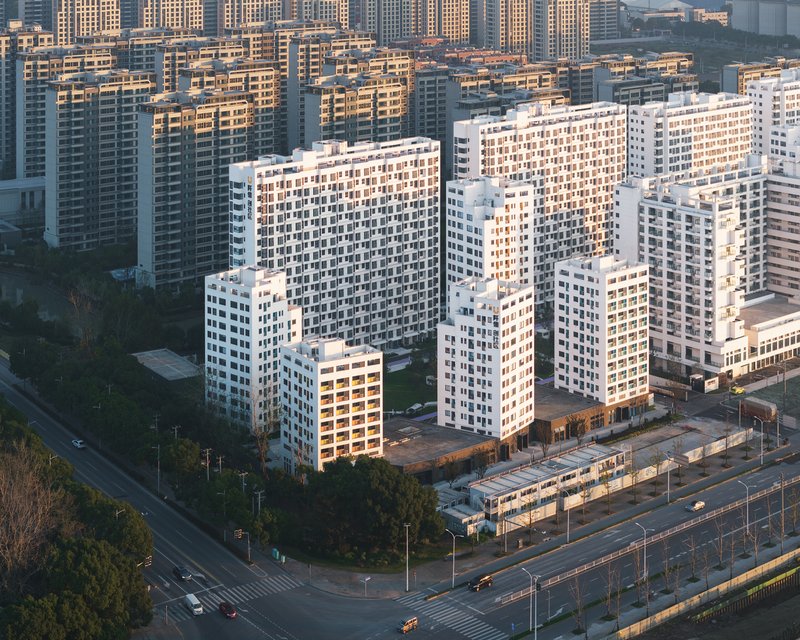
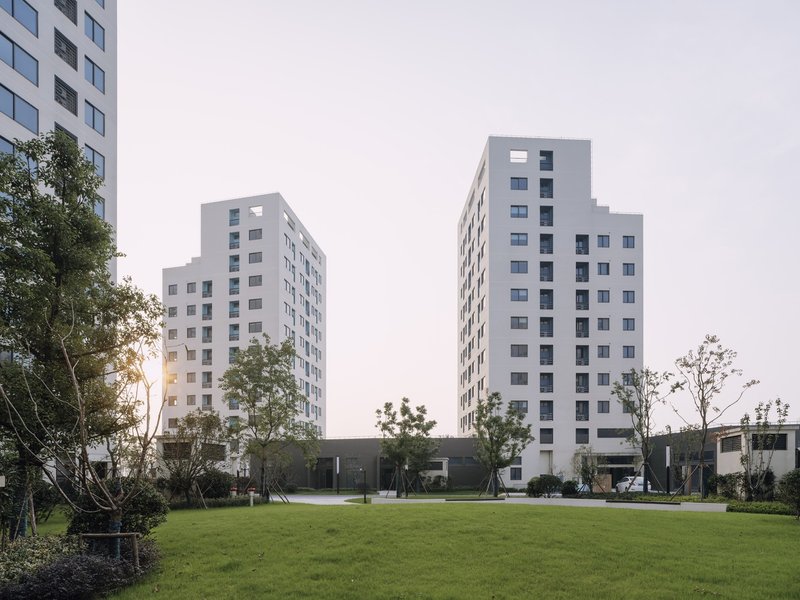
1. Block and Cluster Typology The long east-west site challenged standard slab typologies. Atelier GOM divided the site into four distinct clusters, mixing plate, point, and U-shaped buildings to create varied spatial experiences. This approach reduces the visual impact of street-wall massing, encourages demographic diversity, and allows flexibility in programmatic adaptation.
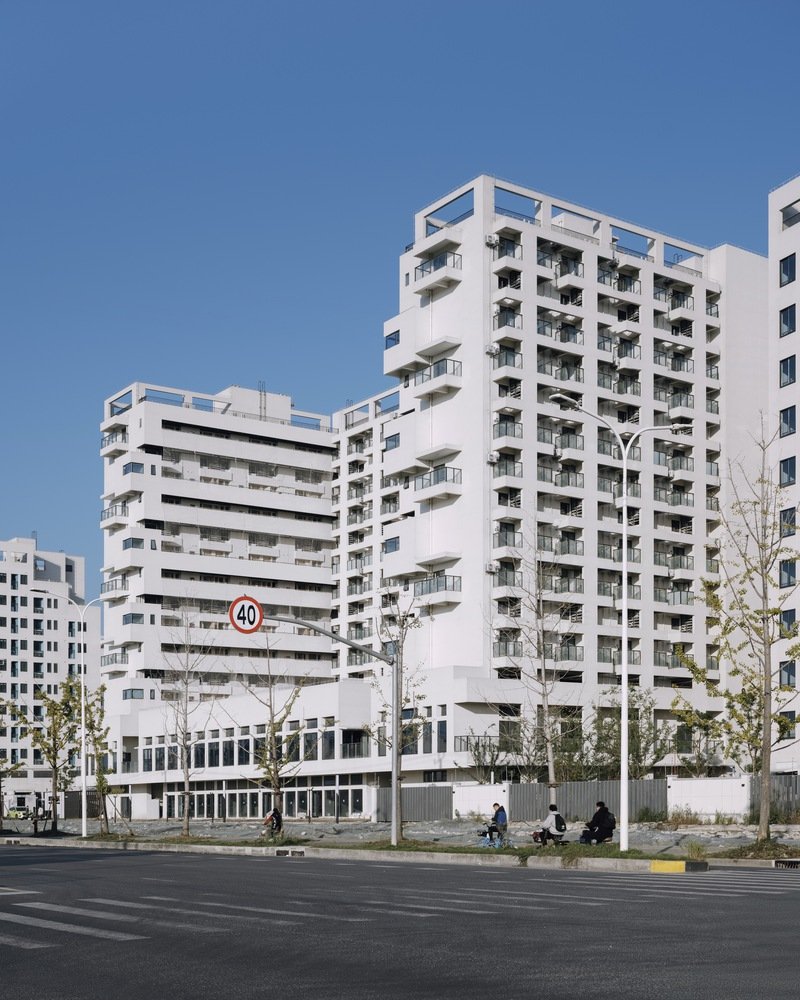
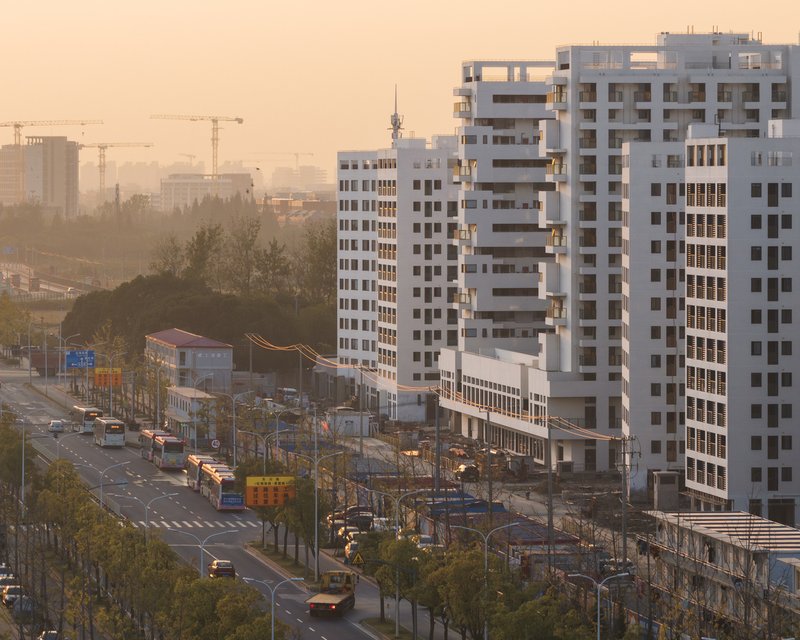
2. Loft Units and Micro-Footprints Drawing lessons from previous projects, new duplex lofts maximize mezzanine spaces within a limited footprint. With a 2.18 m bedroom height, these units exploit tenants’ adaptability while maintaining affordability, demonstrating a creative solution for compact urban living.
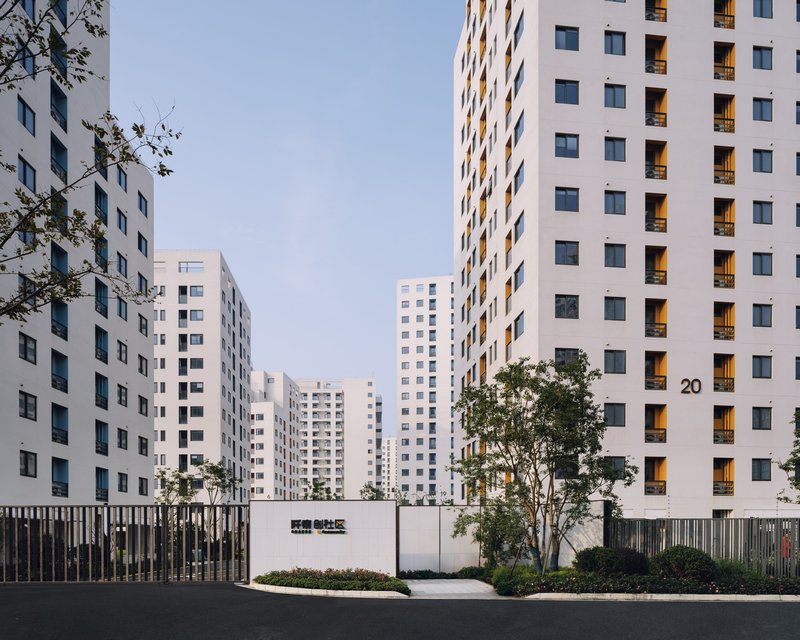
3. Diverse Unit Sizes and Programmes Unit sizes range from 25 m² to 100 m², catering to various household types and age groups. Entire blocks can be adapted for dormitory-style living, such as housing frontline municipal workers, highlighting the project’s responsiveness to both market and policy shifts.
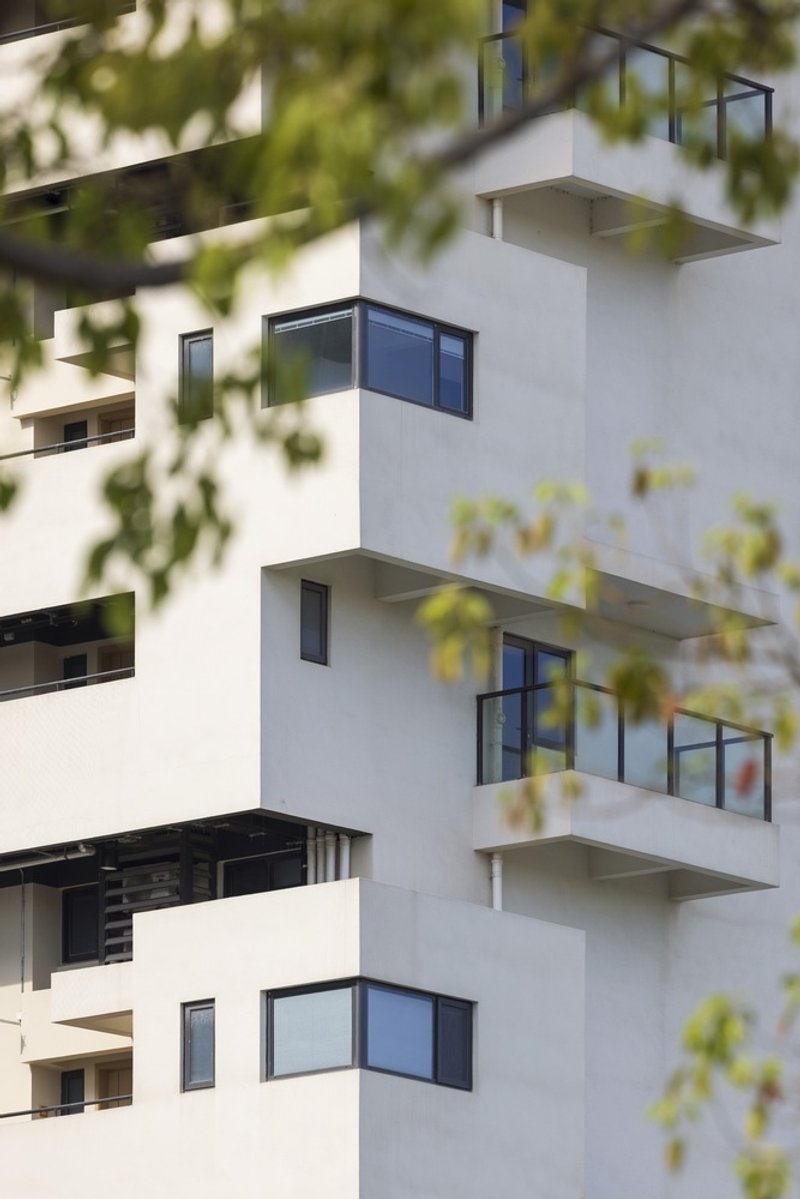
Significance in Urban Housing
Change X Community challenges the formulaic standardization of China’s previous commodity-housing boom. By reversing the conventional hierarchy—urban design → cluster planning → building design—Atelier GOM merges top-down architectural vision with bottom-up operational strategies, informed by user behavior and market dynamics.
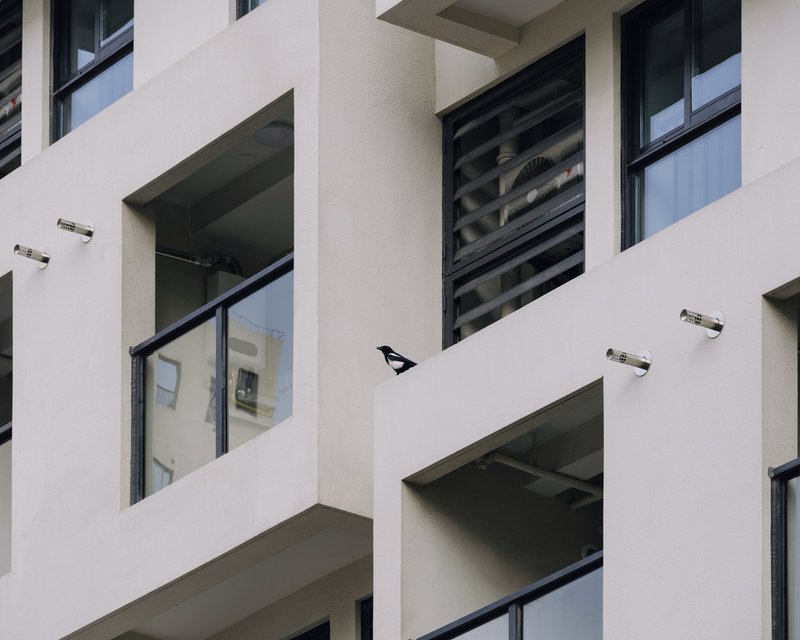
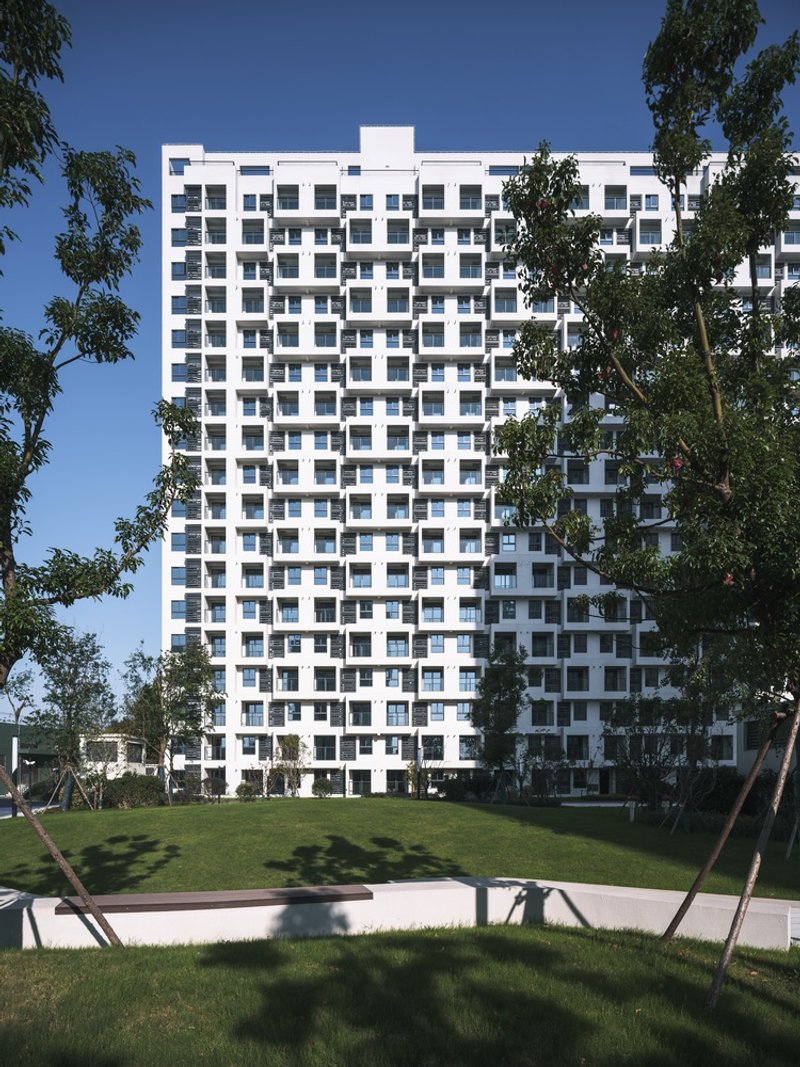
All photographs are works of Jianyuan Ye, Wei He, Guowei Liu




Popular Articles
Popular articles from the community

Treehouse Apartment: A Warm Timber Interior Blending Craft, Play, and Contemporary Living
Warm timber apartment with integrated treehouse, combining natural materials, craftsmanship, and playful design to create a flexible, family-oriented living environment.
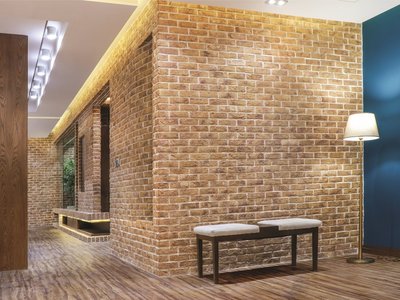
A Contemporary Take on Iranian Residential Architecture
A modern interior design in Mashhad that reinterprets brick, light, and spatial flow to create a warm, contemporary residential architecture.
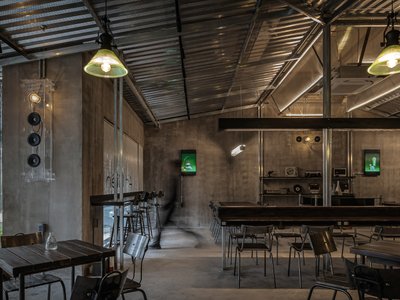
An Miên Lumière Cafe by xưởng xép, Ho Chi Minh City, Vietnam
An industrial-inspired café where layered steel and warm light create a dynamic, immersive environment shaped by reflection, depth, and perception.
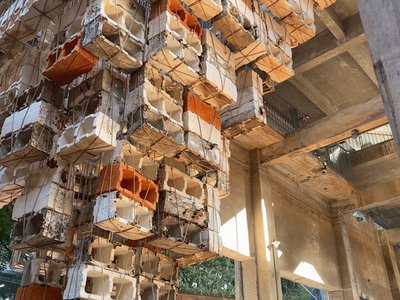
Inverted Architecture Installation by Studio Link-Arc: Exploring the Intersection of Architecture and Living Organisms
Inverted Architecture Installation by Studio Link-Arc blends mycelium, sustainability, inverted design, ecological cycles, and urban adaptive architecture in Shenzhen.


Similar Reads
You might also enjoy these articles


The Ken Roberts Memorial Delineation Competition (Krob)
As the most senior architectural drawing competition currently in operation anywhere in the world, it draws hundreds of entries each year, awarding the very best submissions in a series of medium-based categories.

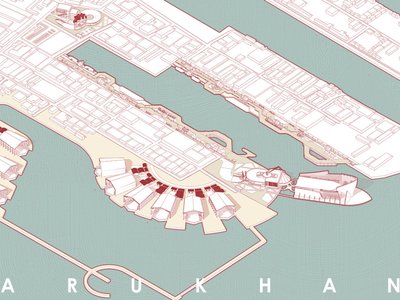
Waterfront Redevelopment and Urban Revitalization in Mumbai: Forging a New Dawn for Darukhana
A transformative waterfront redevelopment project reimagining Darukhana’s shipbreaking heritage into an inclusive urban future.

OUT-OF-MAP: A Call for Postcards on Feminist Narratives of Public Space
Rhizoma Design and Research Lab invites artists, designers, architects, researchers, and students to reflect on how feminist perspectives can reshape public space. Selected works will be exhibited in Barcelona, October 2026. Submissions open until 15 April 2026.


Documentation Work on Buddhist Wooden Temple
Architectural syncretism and cultural hybridity: A comparative study of the Buddhist temples in Chattogram Hill tracks


Explore Architecture Competitions
Discover active competitions in this discipline




The International Standard for Design Portfolios


The Global Benchmark for Architecture Dissertation Awards


The Global Benchmark for Graduation Excellence


Challenge to reimagine the Iron Throne
Comments (0)
Please login or sign up to add comments
No comments yet. Be the first to comment!