
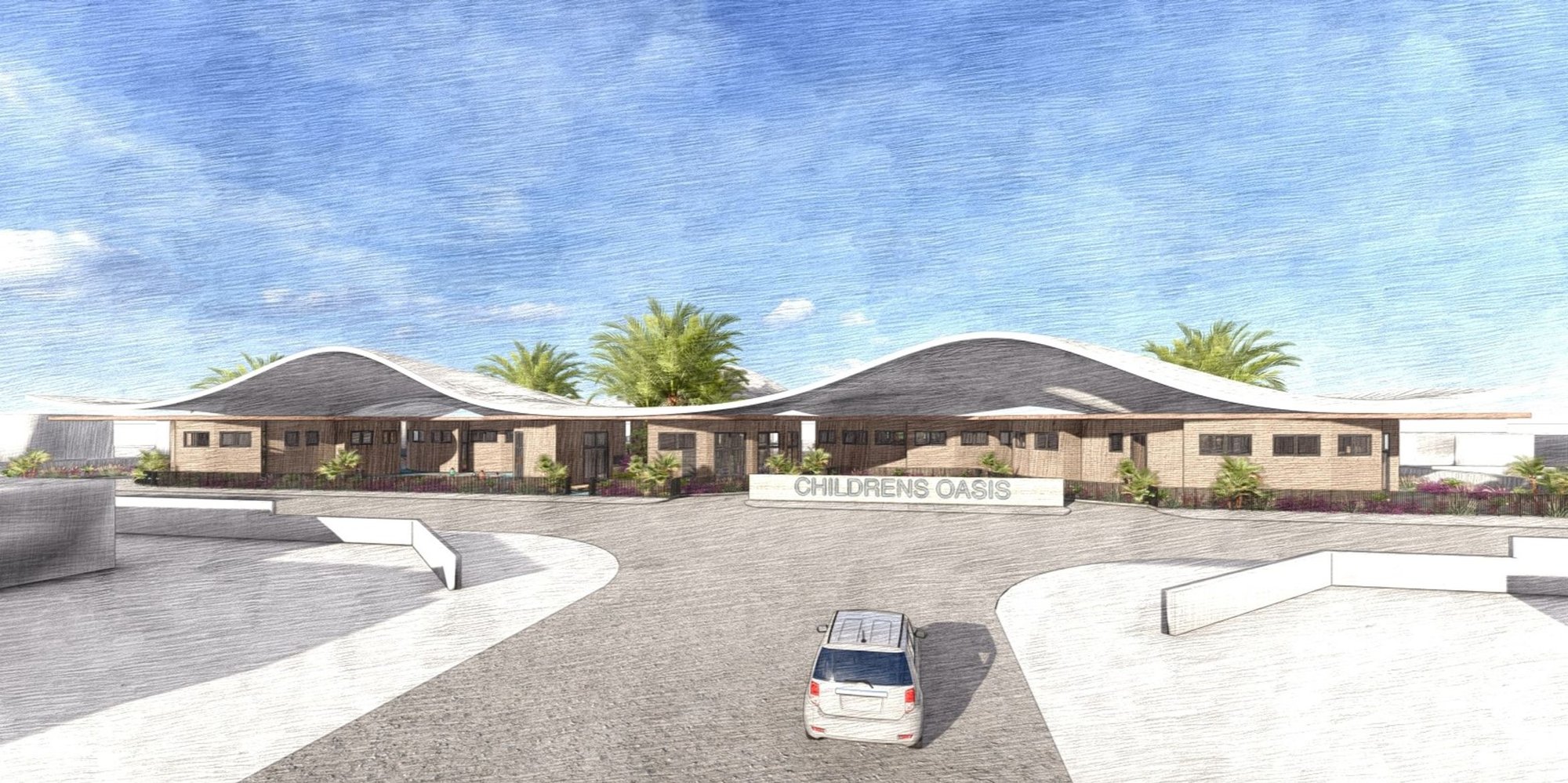
Children's Oasis: A Sustainable Daycare Architecture in the Mojave Desert
Innovative and sustainable design of the Children's Oasis daycare in Mojave Desert.

The Children's Oasis, created by Hassibullah Halimi, Maryam Hosseinzadeh, and Reeva AlAsaadi, stands as a groundbreaking achievement in sustainable daycare architecture. Winner of the prestigious Form Follows Climate competition, this innovative project redefines traditional daycare design, making it a model of sustainability and efficiency tailored to the harsh conditions of the Mojave Desert.
Design Inspiration and Plot Placement
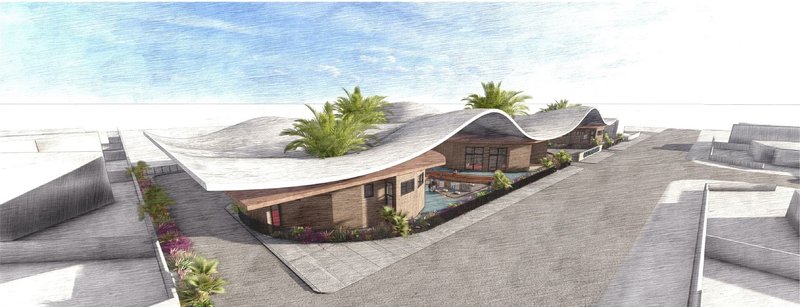
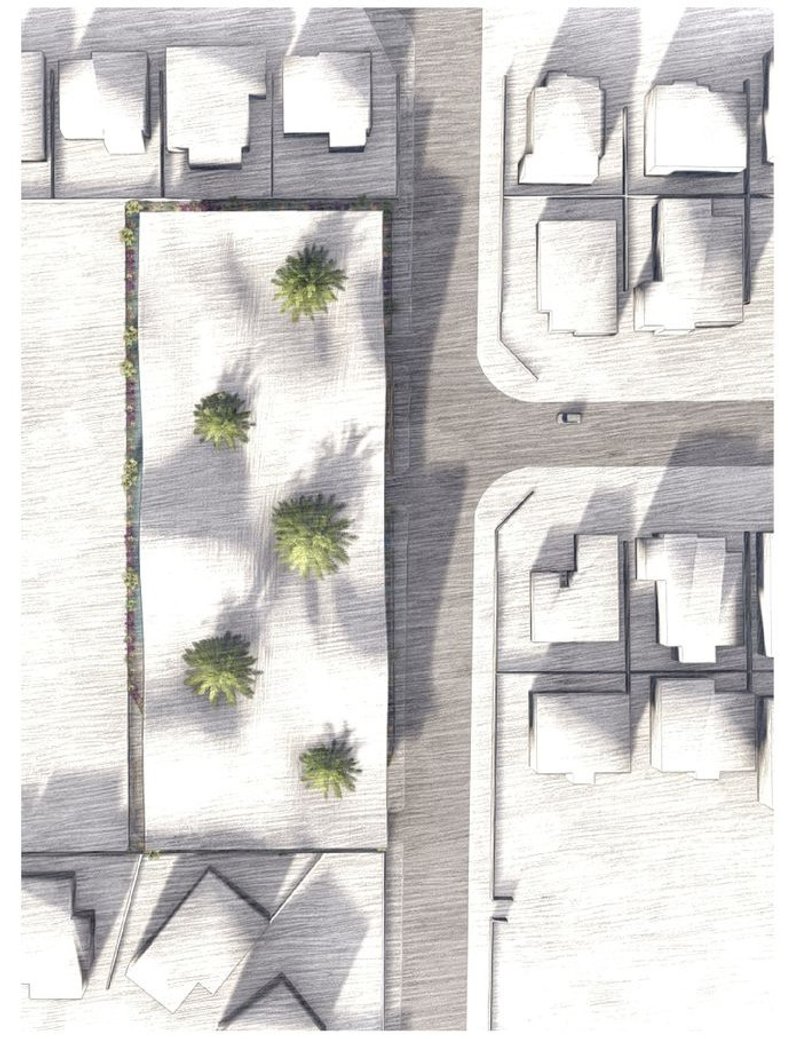
Inspired by the strategic placement of the plot, the Children's Oasis maximizes efficiency through its unique circular design. The project comprises five interconnected buildings forming a cohesive oasis that opens into serene courtyards. This layout not only optimizes the use of space but also promotes natural ventilation and cooling, essential for the desert environment.
Innovative Cooling and Sustainability Features
At the heart of the design is a double-layered roof system that facilitates passive cooling, a key feature of sustainable architecture. This system channels wind through geothermal pipes, harnessing the principles of ancient wind towers to create a cool, comfortable environment without relying heavily on air conditioning. The outer roof acts as a thermal mass, absorbing heat during the day and releasing it at night, further stabilizing indoor temperatures.
Prioritizing Shade and Ventilation
In the Mojave Desert, shade and ventilation are paramount. The Children's Oasis addresses these needs by incorporating extensive shaded areas and open courtyards that serve as play and activity spaces for children. The circular layout of the buildings breaks the wind, preventing the creation of wind tunnels and ensuring a pleasant outdoor experience.
Efficient Space Utilization
The project embraces a single-story design, with all functions consolidated on the ground floor. This approach not only adheres to the 25% plot coverage constraint but also fosters a sense of openness and accessibility. The use of cross-laminated timber (CLT) for the modular buildings enhances sustainability, allowing for prefabricated construction that minimizes on-site disruption.
Age-Specific Clustering and Safe Play Areas
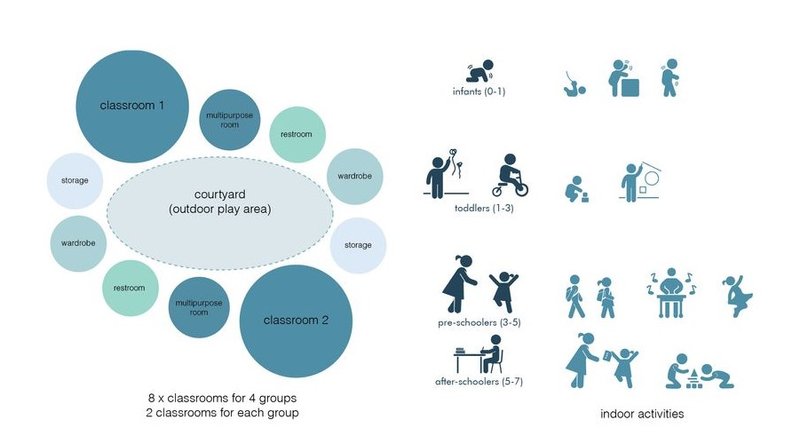
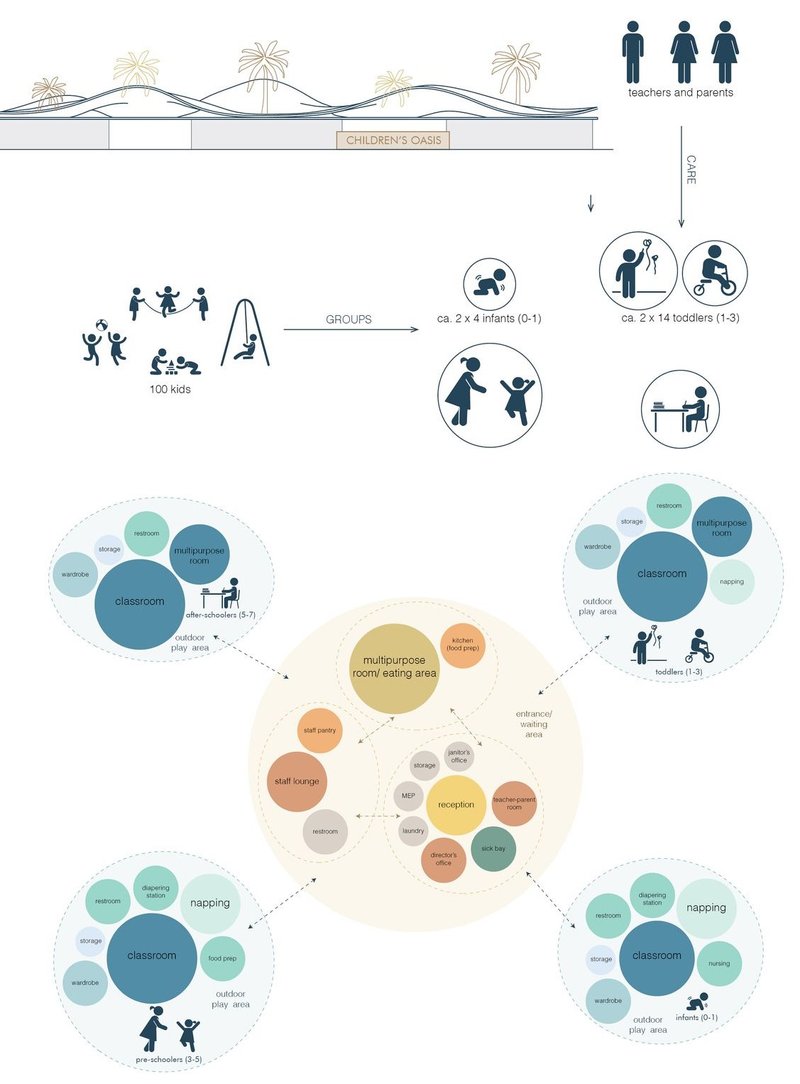
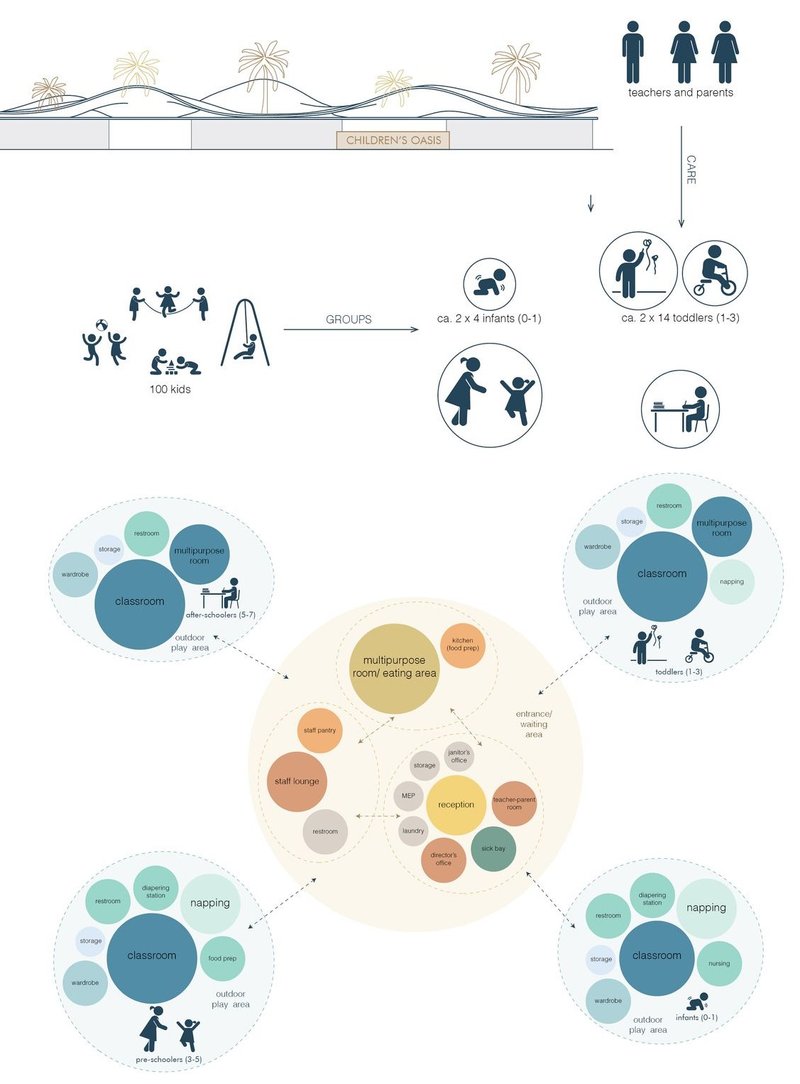
The daycare is thoughtfully organized to cater to different age groups, with classrooms, multipurpose areas, and indoor and outdoor playgrounds. Five distinct buildings are strategically placed to cluster similar age groups while providing spatial separation for efficient management. This layout ensures that each age group has access to appropriate facilities and safe, secure play areas.
Environmental Considerations
Sustainability is a core principle of the Children's Oasis. The project features a rooftop cladding of solar panels, making the building largely self-sufficient in terms of energy. The design also includes automated tilt windows that open at night, allowing for cross-ventilation and cooling. The concave-shaped roof channels rainwater into the courtyards, creating a waterfall effect that delights the children and nourishes the surrounding vegetation.
Landscape and Outdoor Areas
The landscape design integrates the natural beauty of the Mojave Desert, featuring native vegetation and well-planned outdoor areas. The courtyards, adorned with palm trees, provide shaded, child-friendly spaces that are both inviting and functional. These areas serve as secluded play zones, enhancing the overall child-centric environment.
The Children's Oasis is a testament to the potential of sustainable daycare architecture. By combining innovative design, efficient space utilization, and advanced passive cooling techniques, this project sets a new standard for daycare facilities in extreme climates. It not only provides a safe and comfortable haven for children but also demonstrates a profound commitment to environmental sustainability.




Popular Articles
Popular articles from the community

Inverted Architecture Installation by Studio Link-Arc: Exploring the Intersection of Architecture and Living Organisms
Inverted Architecture Installation by Studio Link-Arc blends mycelium, sustainability, inverted design, ecological cycles, and urban adaptive architecture in Shenzhen.
An Miên Lumière Cafe by xưởng xép, Ho Chi Minh City, Vietnam
An industrial-inspired café where layered steel and warm light create a dynamic, immersive environment shaped by reflection, depth, and perception.
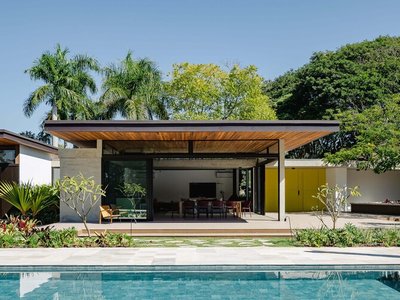
Flamboyant House by Juliana Camargo + Prumo Projetos
Modern Brazilian house integrating existing tree, pool, and volumes with glass, wood, and transitional spaces blending interior, exterior, and landscape seamlessly.
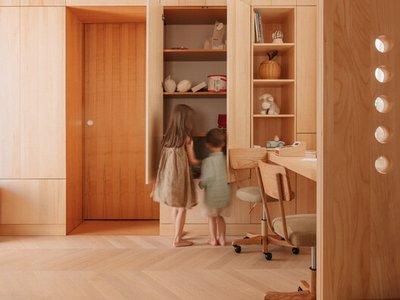
Treehouse Apartment: A Warm Timber Interior Blending Craft, Play, and Contemporary Living
Warm timber apartment with integrated treehouse, combining natural materials, craftsmanship, and playful design to create a flexible, family-oriented living environment.

Similar Reads
You might also enjoy these articles

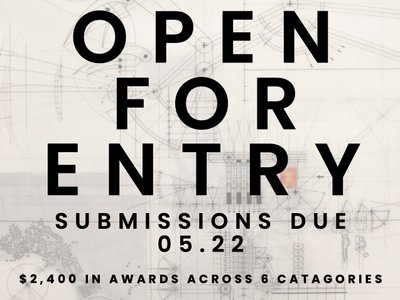
The Ken Roberts Memorial Delineation Competition (Krob)
As the most senior architectural drawing competition currently in operation anywhere in the world, it draws hundreds of entries each year, awarding the very best submissions in a series of medium-based categories.
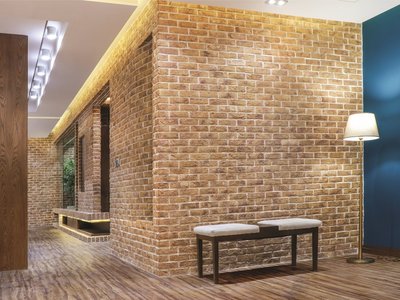
A Contemporary Take on Iranian Residential Architecture
A modern interior design in Mashhad that reinterprets brick, light, and spatial flow to create a warm, contemporary residential architecture.
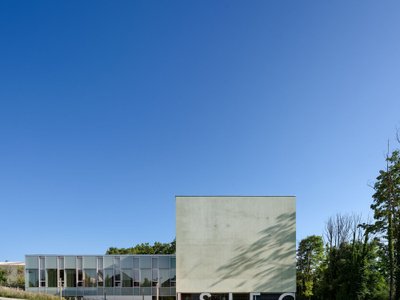
Franche-Comté Advanced School of Engineering by Dominique Coulon & associés, Besançon
A flexible engineering school immersed in woodland, combining concrete minimalism, adaptable spaces, and natural light to support evolving educational environments.

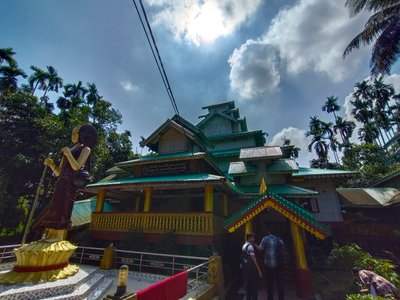
Documentation Work on Buddhist Wooden Temple
Architectural syncretism and cultural hybridity: A comparative study of the Buddhist temples in Chattogram Hill tracks

Explore Architecture Competitions
Discover active competitions in this discipline




The International Standard for Design Portfolios


The Global Benchmark for Architecture Dissertation Awards


The Global Benchmark for Graduation Excellence


Challenge to reimagine the Iron Throne
Comments (0)
Please login or sign up to add comments
No comments yet. Be the first to comment!