
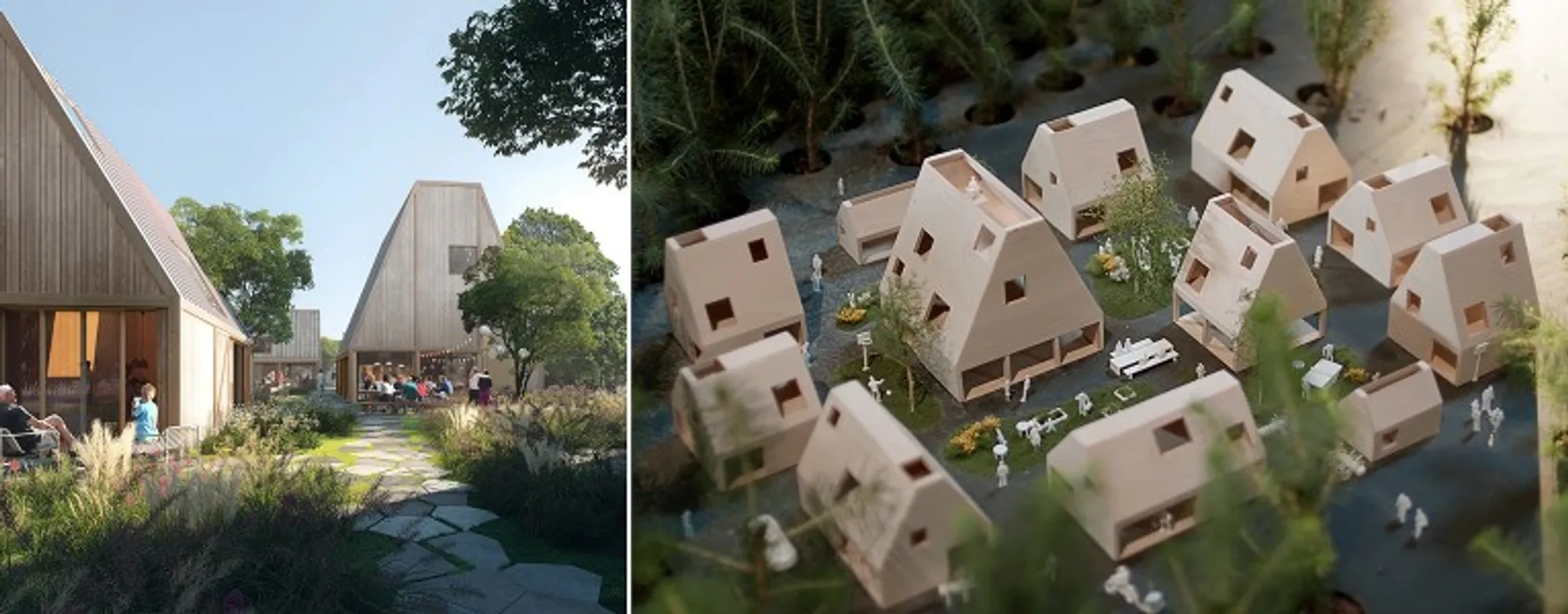
Construction Industry Goes Green: 'Build for Life' Initiative Tackles Climate Challenges Head On
From Sustainable Materials to Renewable Energy: How Builders Are Reducing Carbon Footprint and Creating Eco-Friendly Structures

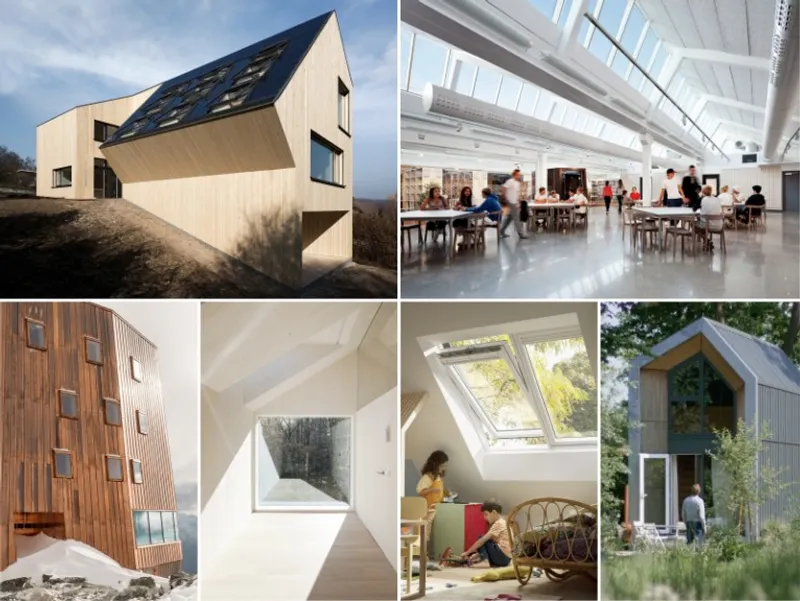
The Velux Group has announced the launch of its Build for a Life event, a three-day digital conference designed to address climate-related challenges for the construction industry. With 90 speakers from around the world, the free conference will explore sustainable building techniques and innovation and will bring together architects, engineers, developers, builders, students, researchers, and other opinion leaders to discuss some of the critical challenges and opportunities facing the construction industry today and in the future.
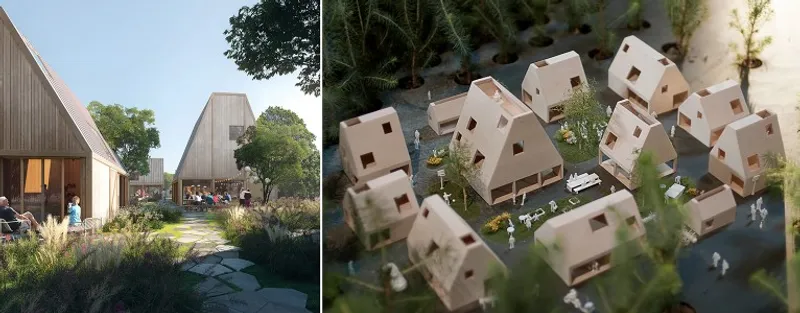
The conference's central question is "How can we create well-being for people and the planet through building design?". Presentations will take place on two simultaneous stages: the Compass stage and the Daylight Symposium stage. Speakers on the Compass stage will focus on the seven crucial challenges and opportunities for the construction industry. The Daylight Symposium, which has been exploring how natural light contributes to healthy, resilient buildings since 2005, will bring together 40 natural lighting researchers and practitioners.
The seven keywords that will be tackled on the Compass stage are: Flexible, Quality, Environment, Healthy, Community, Local, and Affordable. The first keyword, Flexible, explores how a building can undergo modifications and support functional changes with limited structural interventions. A flexible home is designed to change over time, with adaptable floor plans, indoor climate zones, and overall functional performance.
The second keyword, Quality, highlights the importance of designing and building homes that are durable and long-lasting. A good quality building is designed and built to last, merging aesthetics and function to allow for easy maintenance and durability. Long-lasting, quality materials, detailed solutions, and choice of assembly enable longevity, a sense of home and belonging.

The third keyword, Environment, addresses the need for resource-conscious design that reduces negative impacts and strives to create lasting positive effects on our climate and natural environment. Our homes and how they define our lifestyles should be designed, delivered, and maintained within planetary boundaries.
The fourth keyword, Healthy, focuses on facilitating the creation of an optimal indoor climate that directly affects our physical and mental health. Designing for health and well-being is not just about reducing discomfort; it is about minimizing negative impacts. The design of healthy buildings must include a holistic understanding of the parameters that influence the environmental quality of indoor living spaces.
The fifth keyword, Community, recognizes that beyond its walls and surrounding land, buildings influence communities and their environments. A healthy community is one that continuously creates and improves its physical and social environments, providing resources and shared spaces that enable people to support one another. Homes should be designed as part of a community where people can connect, engage, share, and support each other.
The sixth keyword, Local, emphasizes the need for careful consideration of local context, identity, and heritage in constructing culturally sensitive, aesthetically pleasing, and durable buildings. Homes should include contemporary and innovative approaches to traditional building designs, materials, and crafts. Shaping homes with solutions from local building and climate traditions is the foundation of successful design and a key to the long-term acceptance of a building in relation to the local community and its context.
In conclusion, the Build for Life event will bring together thought leaders and industry experts to explore sustainable building practices and potential solutions to climate problems. The conference aims to answer the question of how we can create well-being for people and the planet through building design, with presentations on two simultaneous stages: the Compass stage and the Daylight Symposium stage. The seven keywords to be tackled on the Compass stage, including Flexible, Quality, Environment, Healthy, Community, Local, and Affordable, will address crucial challenges and opportunities facing the construction industry today and in the future.
Build for Life is part of the broader VELUX sustainability strategy, which involves "taking measurable steps towards positive change by focusing on how buildings can help solve global challenges with sustainable solutions and practical actions".



Popular Articles
Popular articles from the community


The Musturak Paradise: Senior Living Architecture for a Connected Future in Temara, Morocco
The Musturak Paradise reimagines senior living architecture in Temara via private homes, social spaces, culture, community, and shared care.
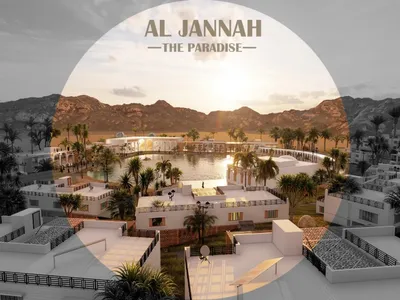
AL-JANNAH: Sustainable Architecture and Permaculture for Afghan Widows
AL-JANNAH uses sustainable architecture and permaculture to create resilient oasis of housing, learning, work and renewal for Afghan widows.

Co-Life: Senior Housing Design That Reconnects Older Adults With the City
Co-Life reimagines senior housing design through healing gardens, shared streets, workshops, and a sustainable community across generations.

Co-life: Sustainable Architecture for Age-Friendly Community Living
Co-life reimagines sustainable architecture for seniors through courtyards, rammed earth, shared gardens, and spaces designed for belonging.

Similar Reads
You might also enjoy these articles
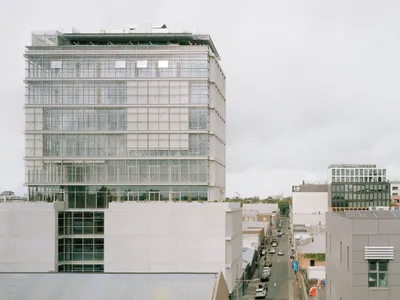
116 Rokeby Building, Collingwood
Sustainable Collingwood office building featuring double-skin façade, natural ventilation, rooftop amenities, and carbon-neutral design focused on wellbeing and longevity.
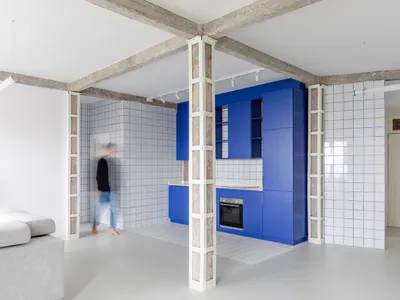
Contemporary Apartment Renovation in Spain: RV House by BIAN Opens Up to the Sea
A minimalist 1930s apartment in Santander is transformed into a flexible, sea-facing home through contemporary Spanish renovation.
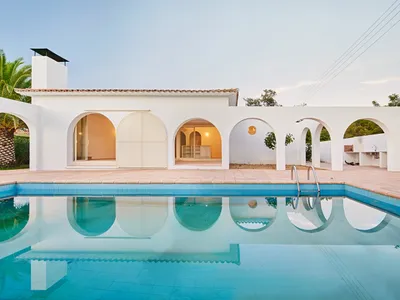
3 Marías House: A Contemporary Mediterranean Courtyard Retreat by Bajet Giramé + Burckhardt
Mediterranean courtyard home blending traditional architecture with modern design, terracotta flooring, flexible interiors, sustainable climate strategies, and garden integration.
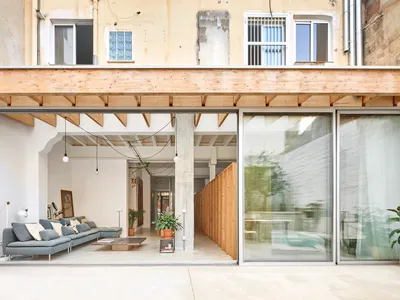
NZ10 Apartment by auba studio: Adaptive Reuse in Palma de Mallorca
Adaptive reuse apartment transforms bakery into light-filled home with patios, privacy layers, and wood interiors enhancing urban living experience.

Explore Building Technology Competitions
Discover active competitions in this discipline




Challenge to reimagine the Iron Throne


Photograph architecture without architects


Illustrate the lost glory of Angkor Wat - Render Challenge


Design challenge to reuse E-waste
Comments (0)
Please login or sign up to add comments
No comments yet. Be the first to comment!