
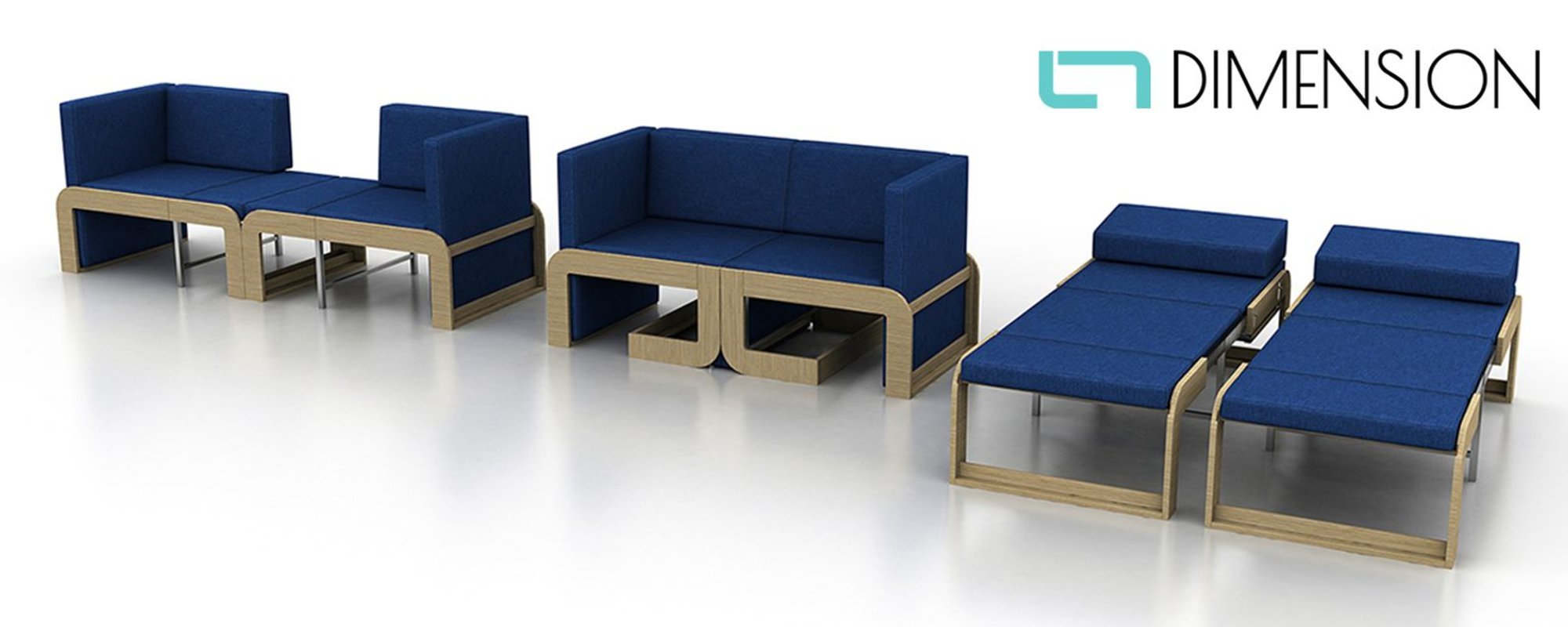
Dimension: Modular Sofa Bed For Compact Living
Modular sofa-bed design for compact urban living, delivering flexible, space-efficient furniture for studios and small apartments.

As cities grow denser and living spaces become increasingly compact, architecture and furniture design are required to respond with smarter, more adaptable solutions. Dimension is a modular sofa-bed system conceived as a direct response to urban densification and the shrinking size of contemporary homes. Designed specifically for studio apartments and one-bedroom flats, the project explores how modular furniture design can significantly improve space efficiency, flexibility, and everyday comfort.
Project by: Wai Ho Cheung
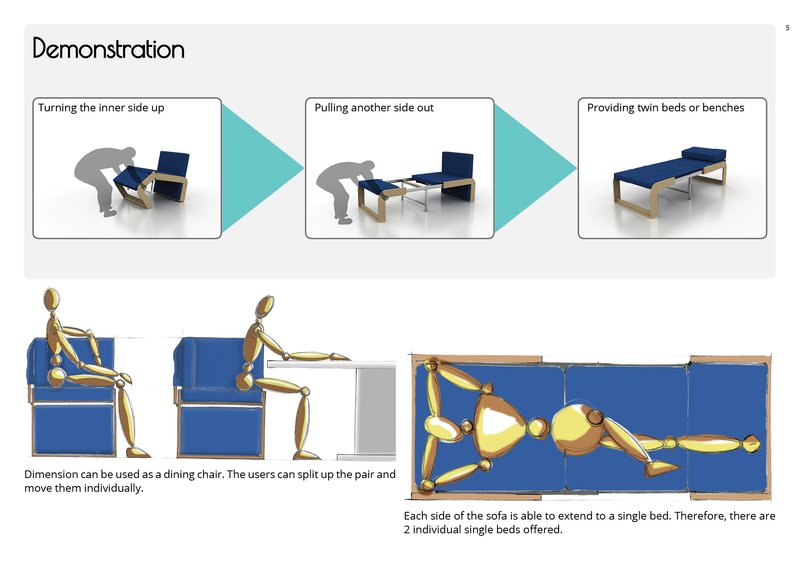
Unlike conventional sofa-beds that rely on a single transformation mode, Dimension operates as a pair of independent yet interconnected units. This modular logic allows the furniture to be separated, rearranged, or combined based on changing spatial and social needs, offering a dynamic alternative to static living room layouts.
Urban Context and the Need for Space-Efficient Furniture
Global urbanization continues to reshape the way people live. According to United Nations data, more than half of the world’s population already lives in urban areas, a figure expected to rise significantly by 2050. As housing demand increases, residential units, particularly in major metropolitan cities, are becoming smaller.
In this context, modular furniture design for small apartments plays a critical role. Furniture is no longer just an object; it becomes an architectural element that directly influences how space is used, shared, and experienced. Dimension addresses this challenge by prioritizing adaptability, efficient space usage, and multi-functionality without compromising comfort.
Design Aim and Conceptual Framework
The primary aim of Dimension is to improve the efficiency of space usage in compact homes while enhancing the quality of social interaction. In small dwellings, furniture often dictates how people gather, rest, and host guests. Poorly designed furniture can limit movement, privacy, and flexibility.
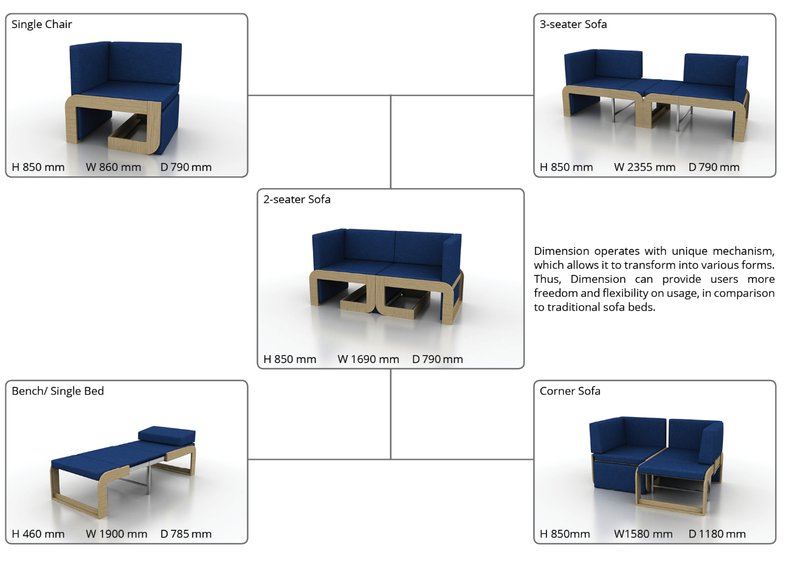
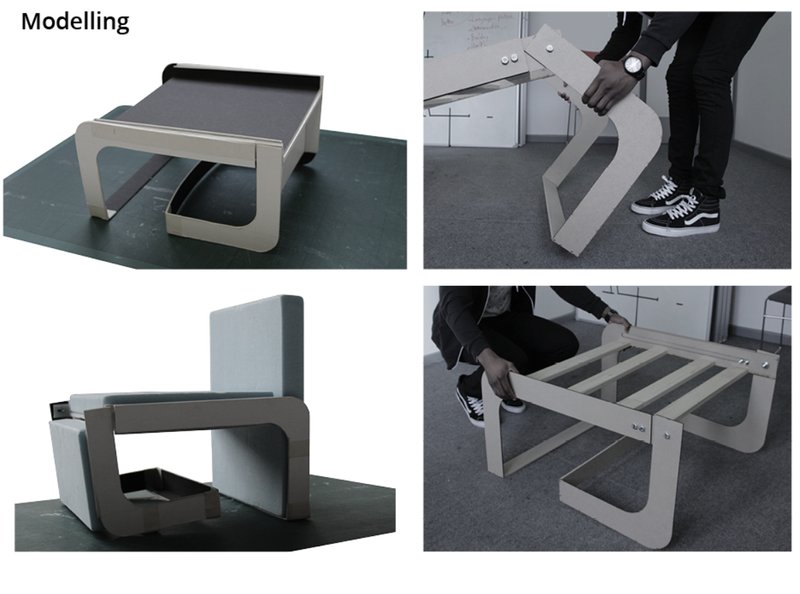
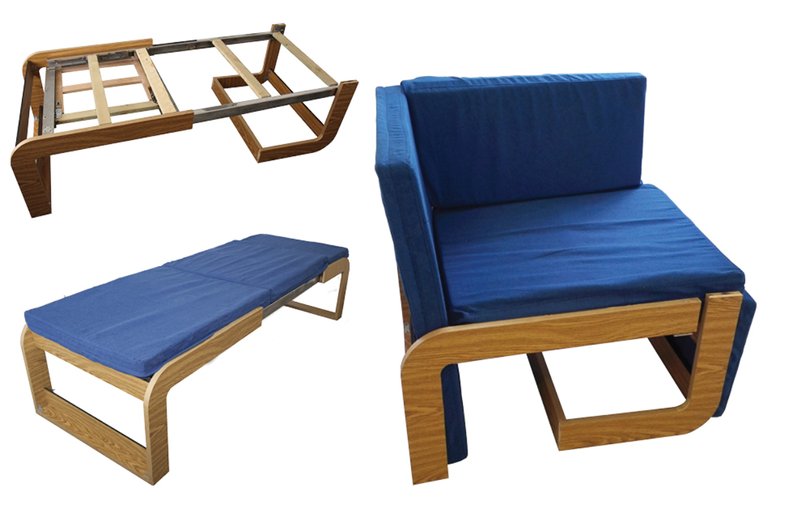
Dimension was developed with the understanding that social interactions remain essential even in constrained environments. By allowing the sofa-bed to transform into multiple configurations: single chair, two-seater, three-seater, bench, bed, or corner sofa: the system supports different activities such as daily lounging, social gatherings, dining, working, and overnight stays.
Modular Configuration and Spatial Flexibility
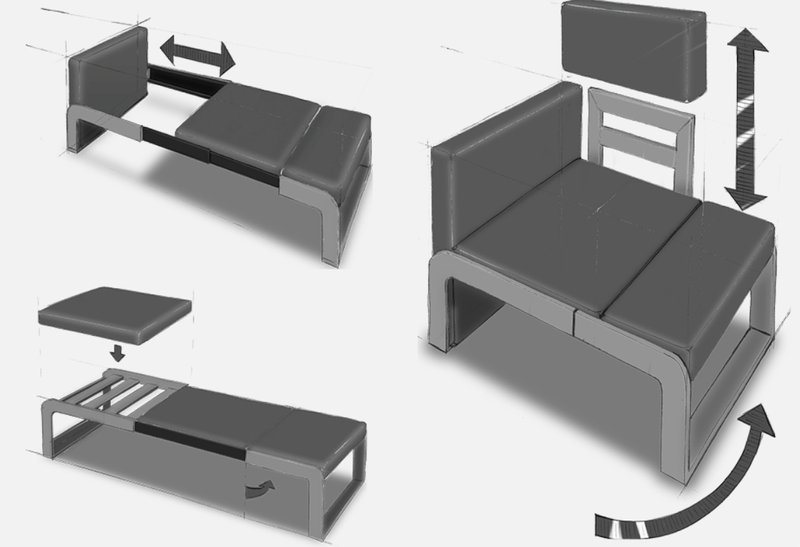
At the core of the project is a unique extension mechanism that enables smooth transformation between functions. Each module can operate independently or be combined with the other, offering users the freedom to customize their living space in real time.
Key configurations include:
- Single chair for compact seating
- Two-seater and three-seater sofa arrangements
- Corner sofa for social interaction
- Bench or single bed for resting and sleeping
This modular approach allows residents to adapt their furniture layout according to daily routines, guest visits, or spatial constraints, making it particularly suitable for small apartments.
User-Centered Research and Insights
The design process was informed by literature reviews, online surveys, and interviews. Research highlighted that residents in compact homes value space, cleanliness, privacy, and comfort, especially when hosting guests. A significant majority of respondents indicated that they would entertain more frequently if their living space were better organized and more efficient.
These insights directly shaped Dimension’s design language, focusing on clarity of form, ease of transformation, and minimal spatial footprint. The result is furniture that supports both private comfort and social interaction without overwhelming the space.
Target Users and Living Environments
Dimension is designed for urban dwellers aged between 20 and 34, including university students, early-career professionals, and frequent travelers living alone. The system is optimized for studio apartments and one-bedroom flats in high-density cities, where flexibility and adaptability are essential.
By aligning modular furniture design with contemporary urban lifestyles, Dimension demonstrates how thoughtful design can elevate the quality of compact living.
Design Development and Prototyping
The project progressed through an iterative design process involving sketching, digital modeling, and physical prototyping. Structural testing and material exploration ensured stability, durability, and ease of use. The final prototype combines a clean architectural frame with soft upholstered surfaces, balancing visual clarity with physical comfort.
Every design decision, from proportions to transformation logic, was guided by real-world usability, ensuring that the furniture performs seamlessly in everyday scenarios.
Dimension exemplifies how modular furniture design for small apartments can act as an architectural strategy rather than a mere product solution. By merging flexibility, efficiency, and user-centered design, the project offers a compelling model for future urban living.
Designed by Wai Ho Cheung, Dimension stands as a thoughtful response to the evolving demands of compact housing, proving that limited space does not have to limit quality of life.




Popular Articles
Popular articles from the community

Prokop Hartl Turns a 1930s Prague Corner Apartment into a Lesson in Structural Honesty
A 115 m² renovation on the Vltava River celebrates exposed concrete, restored parquet, and a mirrored column as its centerpiece.

20 Most Popular Furniture Design Projects of 2025
Modular street systems, parametric benches, and insect hotels: the furniture design projects that captivated architects on uni.xyz in 2025.

20 Most Popular Office Building Projects of 2025
From biophilic workspaces in India to net-positive energy offices in New Delhi, 20 office building projects that defined architecture in 2025.
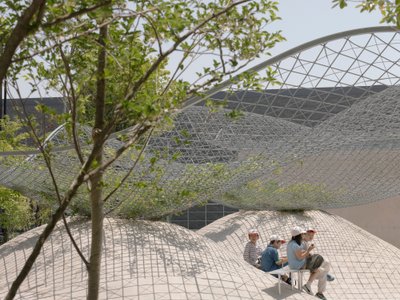
MIDW Casts a Pavilion Roof from the Earth Itself at the 2025 Osaka Expo
On a fragile reclaimed island, excavated soil becomes formwork for a concrete canopy that will eventually disappear into wisteria.


Similar Reads
You might also enjoy these articles

Maya Harvest: A Cacao Resort Village Rooted in Mayan Tradition and Local Craft
Situated within a Tabasco cacao plantation, this shortlisted resort proposal merges vernacular materials with hands-on cultural immersion.
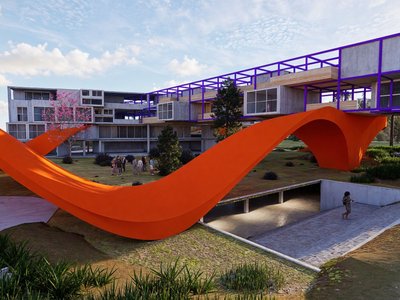
Harmonia: A River-Shaped Community That Grows Over Decades in Boa Vista
Curved pathways and modular grid structures along the Branco River create a phased settlement designed to evolve from 2030 to 2050.

The Architecture of Bathing: A Mughal Hammam Reimagined Across the Yamuna
Charlotte May's honorable mention entry for The Black Taj reinterprets Agra's bathing rituals through red sandstone, water, and framed views of the Taj Mah
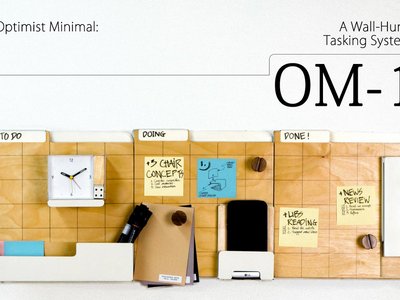
Om-1: A Wall-Hung System That Moves Your Workspace Off the Desk
Modular plywood boards, magnetic pegs, and utility elements migrate clutter from the horizontal surface to the vertical plane.


Explore Furniture Design Competitions
Discover active competitions in this discipline




The Global Benchmark for Architecture Dissertation Awards


Challenge to merge furniture with learning


Design challenge to equip cities with modern furniture

Competition to design a workstation for architects
Comments (0)
Please login or sign up to add comments
No comments yet. Be the first to comment!