
Double Villa Bukovac: A Visionary Approach to Contemporary Villa Architecture in Zagreb
Double Villa Bukovac reimagines contemporary villa architecture through low-density living, spatial duality, and critical urban design.

Rethinking Urban Residential Living through Duality and Downscaling
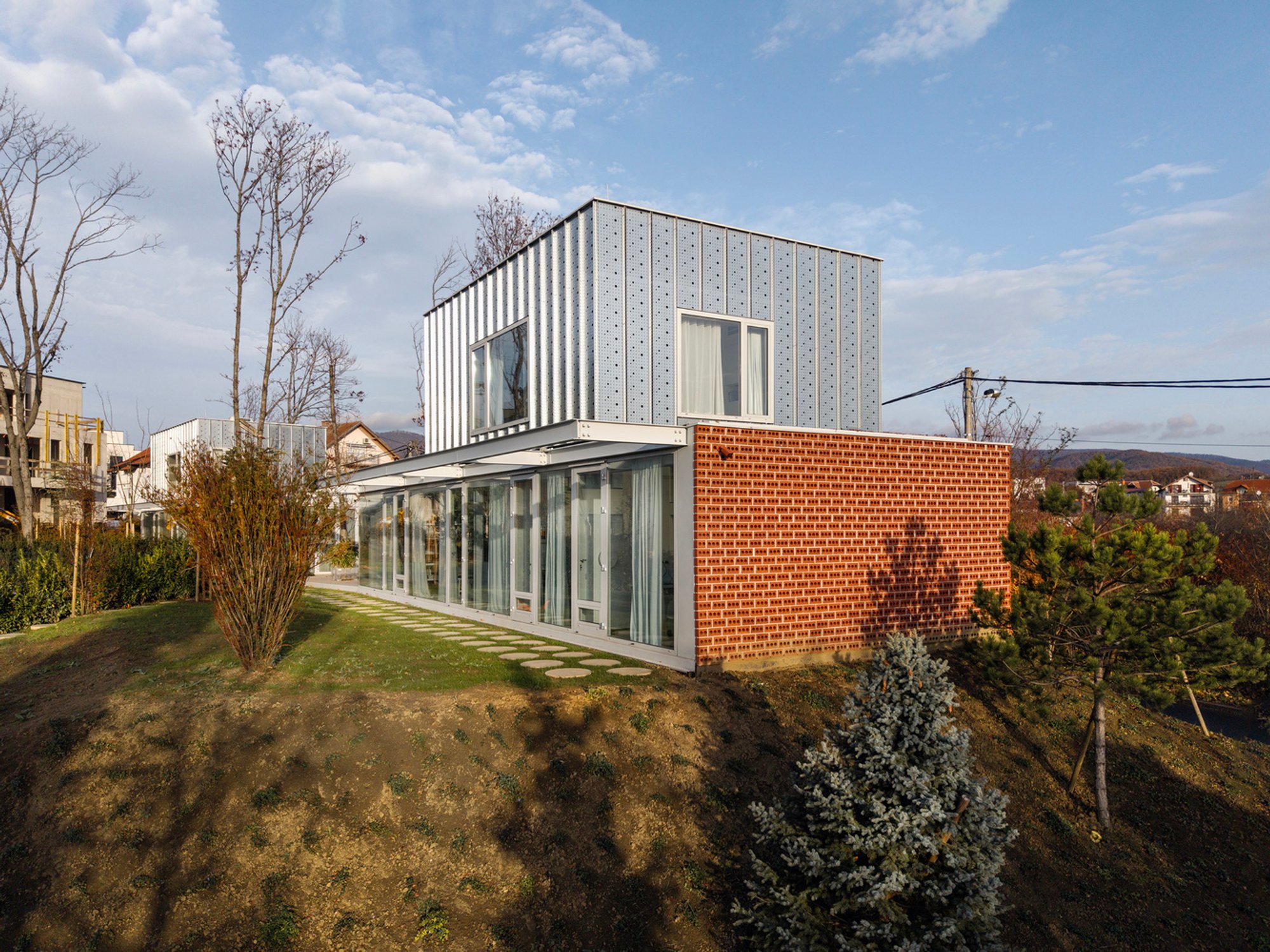
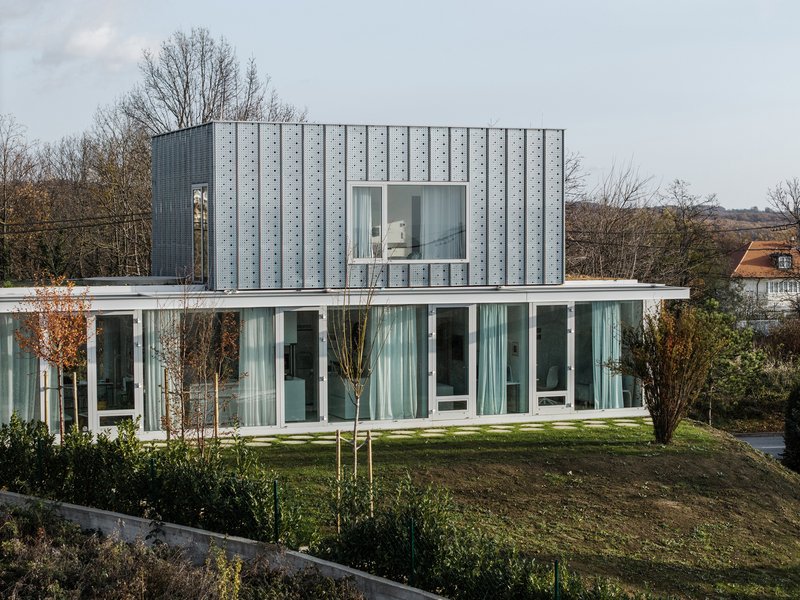
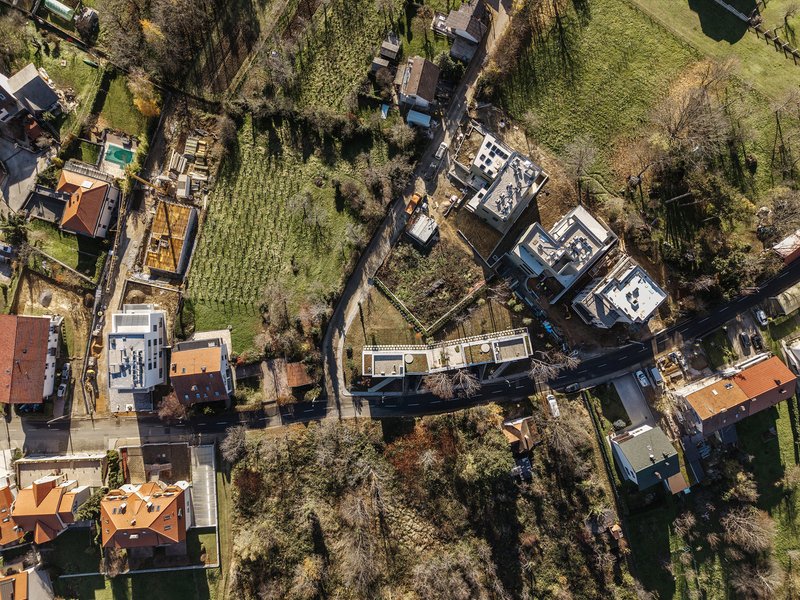
Located in the lush foothills of Zagreb, Double Villa Bukovac by njiric+ arhitekti is a bold architectural response to rigid urban planning norms. Completed in 2024, this 360 m² project comprises two horizontally arranged residential units that challenge conventional housing strategies. Rather than maximizing the allowed building envelope, the architects chose to significantly downscale and instead propose a human-centered, low-density alternative—marking a shift in the evolution of contemporary villa architecture.
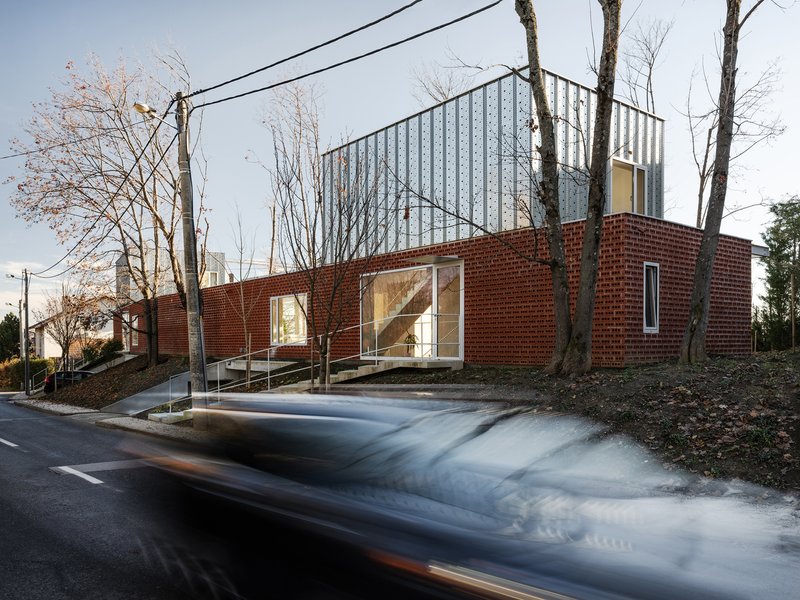
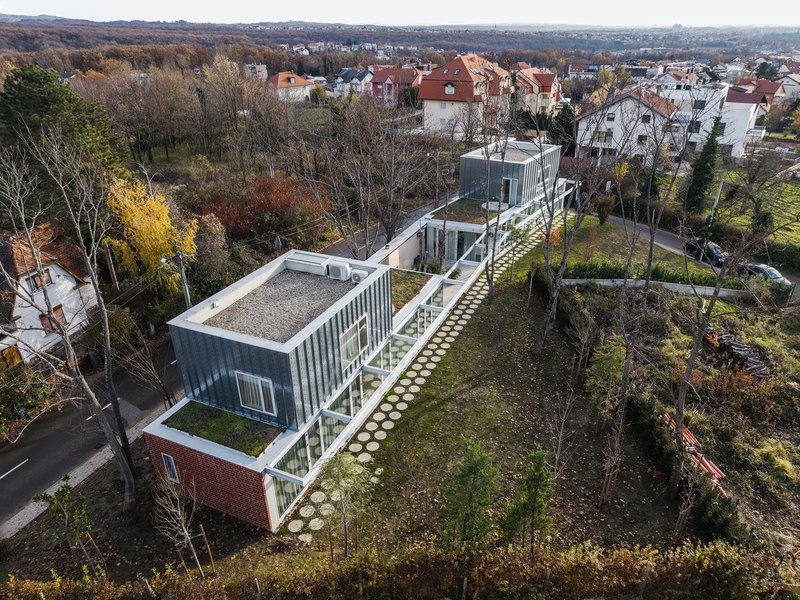
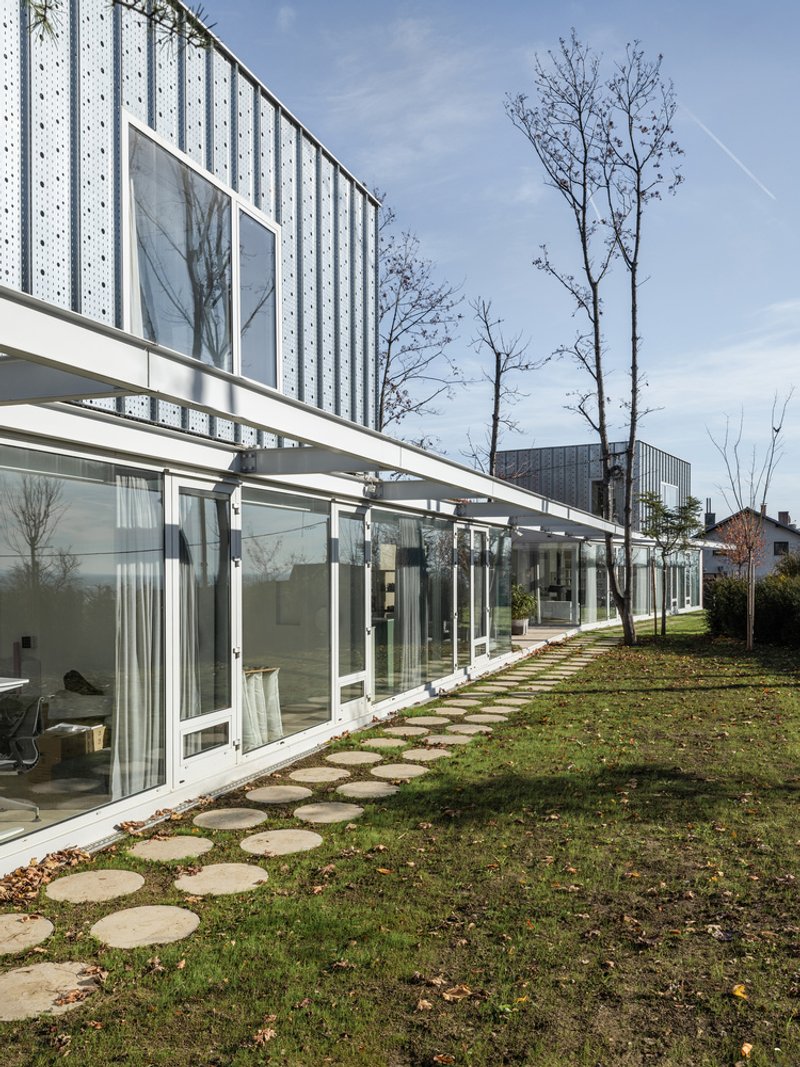
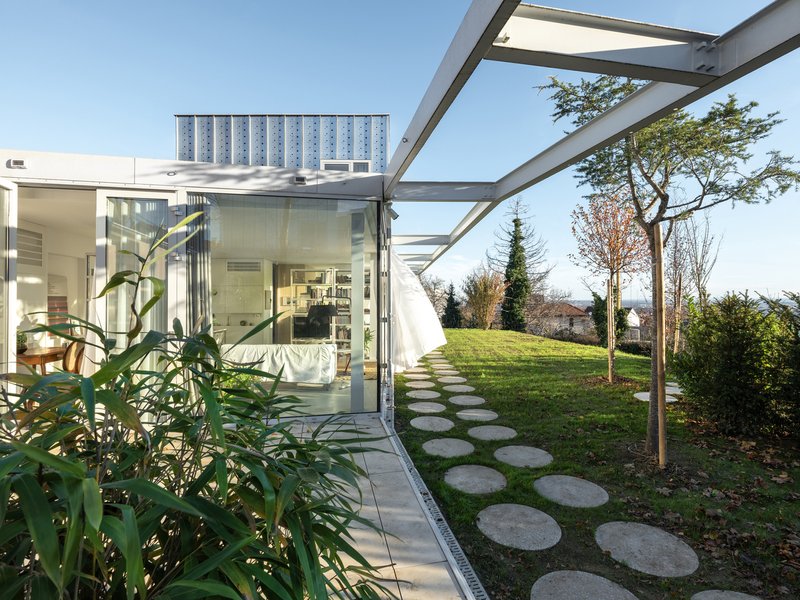
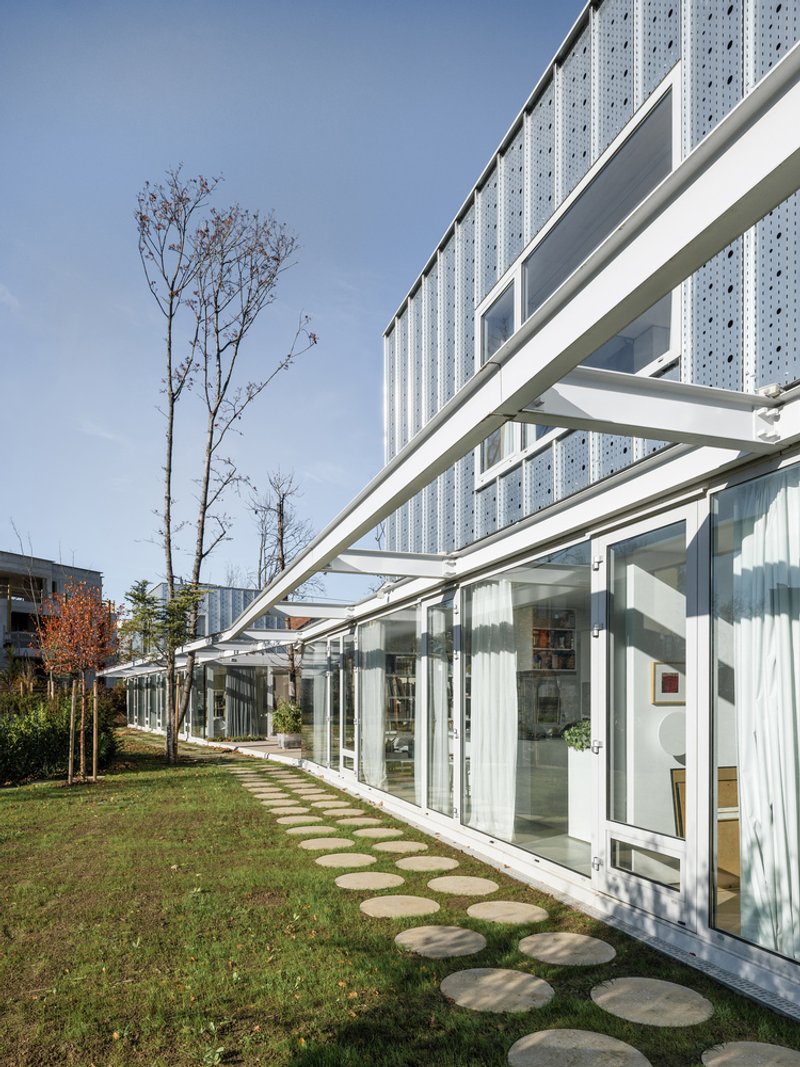
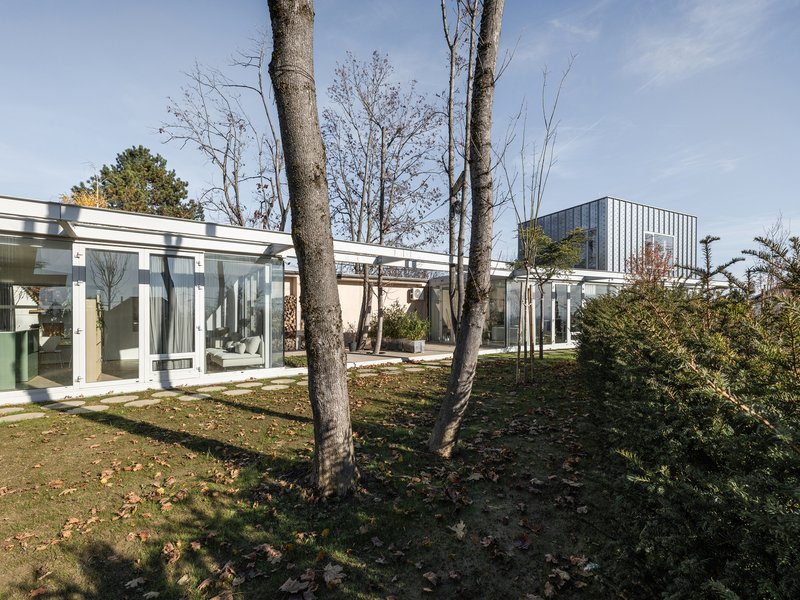
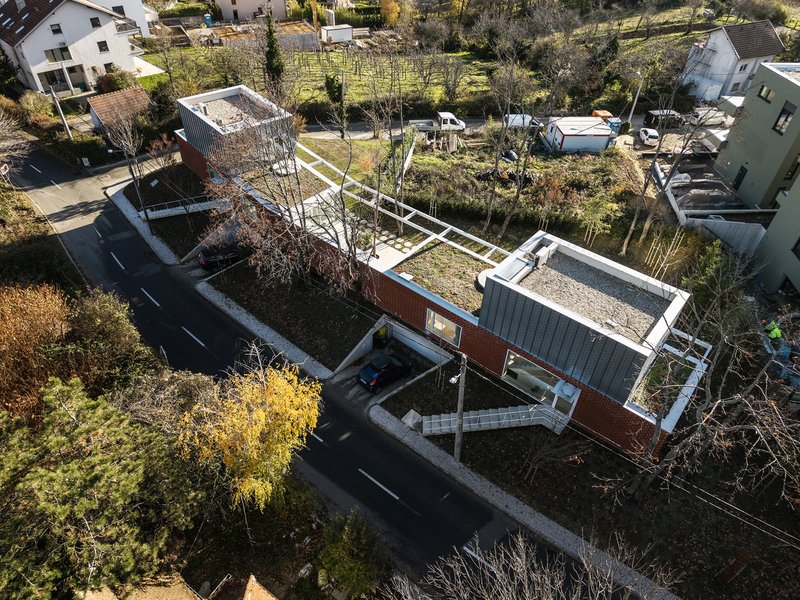
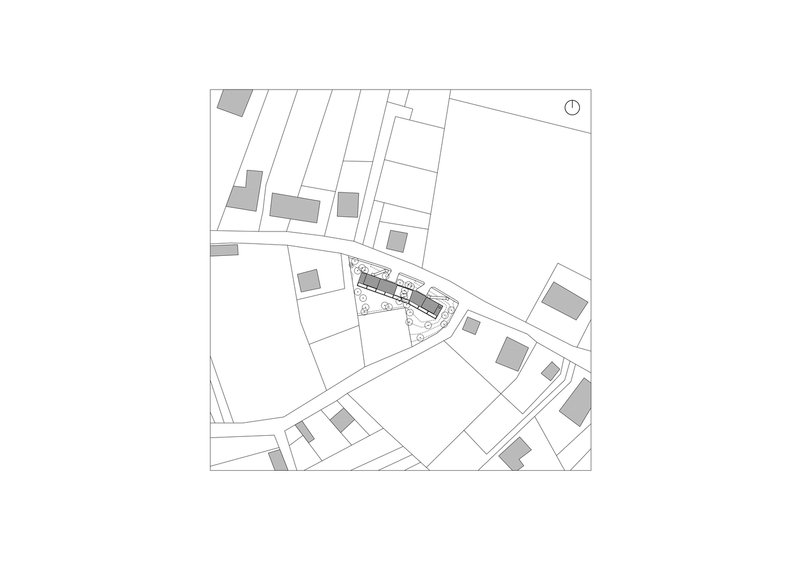
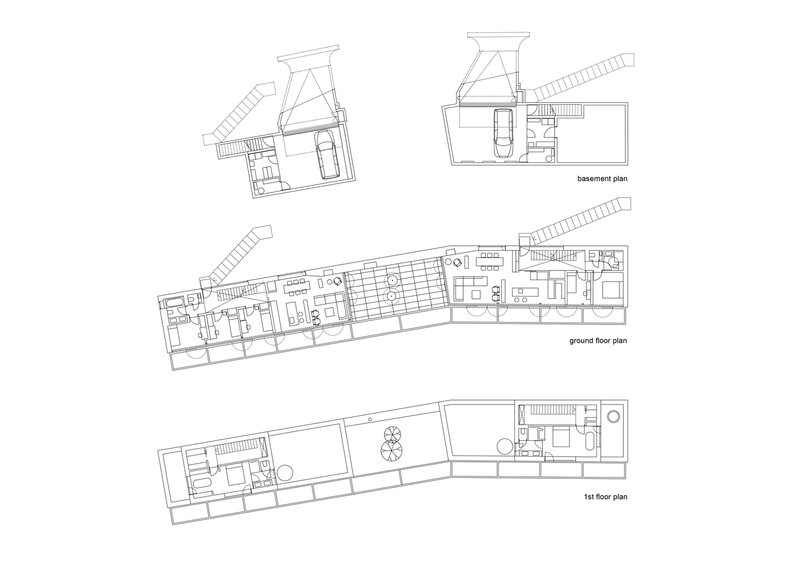
The house is situated on two adjacent lots, each originally designed for vertical housing typologies. By resisting the impulse to stack functions and instead opting for a linear configuration, the design creates a shared middle zone—an outdoor atrium that becomes the emotional and social core of the site. This spatial approach not only enhances intergenerational living but also introduces new possibilities for suburban intimacy and architectural modesty.
A Critique of the Urban Master Plan
The Double Villa Bukovac directly engages in a critique of Zagreb’s General Urban Development Plan. Conventional planning dictates maximum built volume, rigid setbacks, and excessive parking requirements. The architects, Hrvoje Njirić and Iskra Filipović, propose a more sensitive, context-responsive model—embracing smaller building footprints, lower structures, and more open land for landscape and light.
By implementing this restrained approach, the project advocates for a redefinition of urban decency—where environmental responsiveness and human comfort take precedence over overbuilt density.
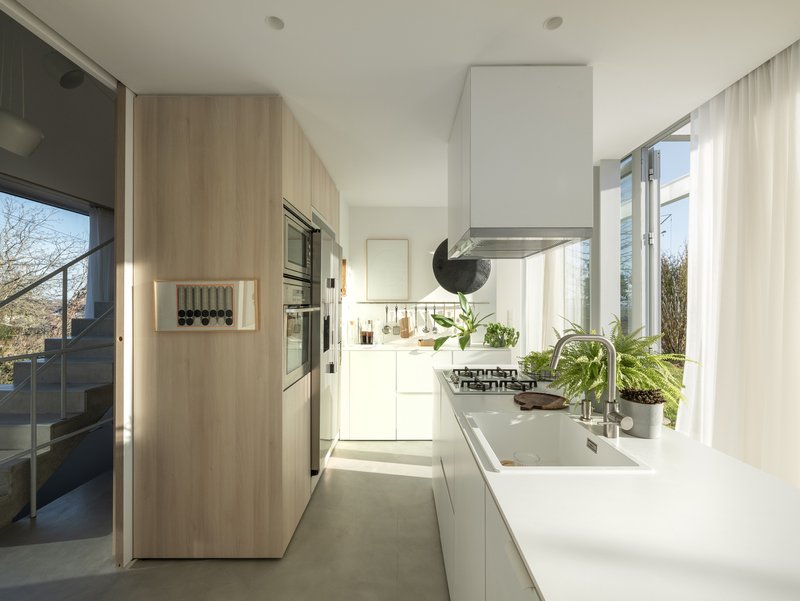
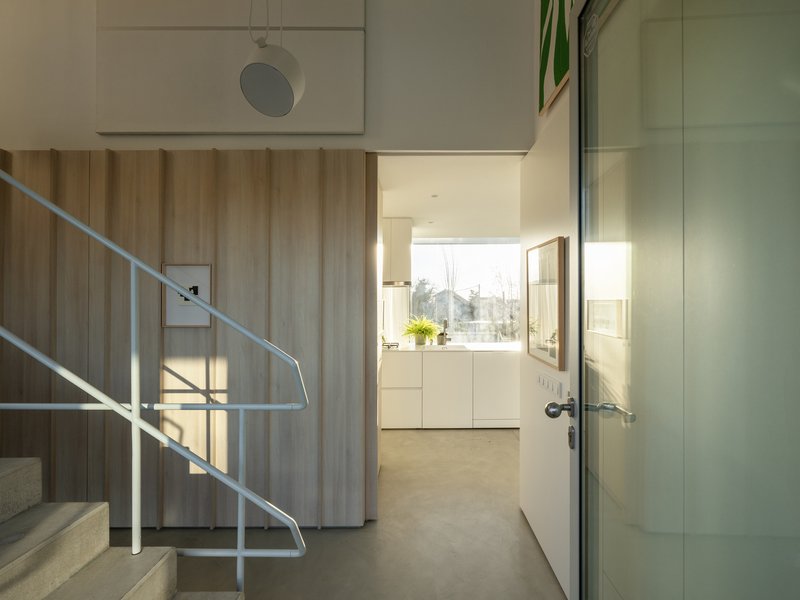
Formal Composition and Spatial Strategy
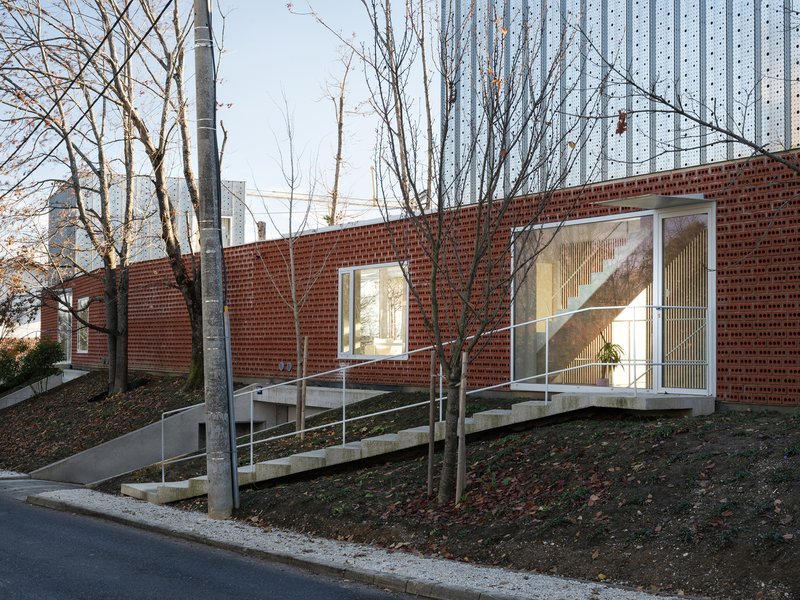
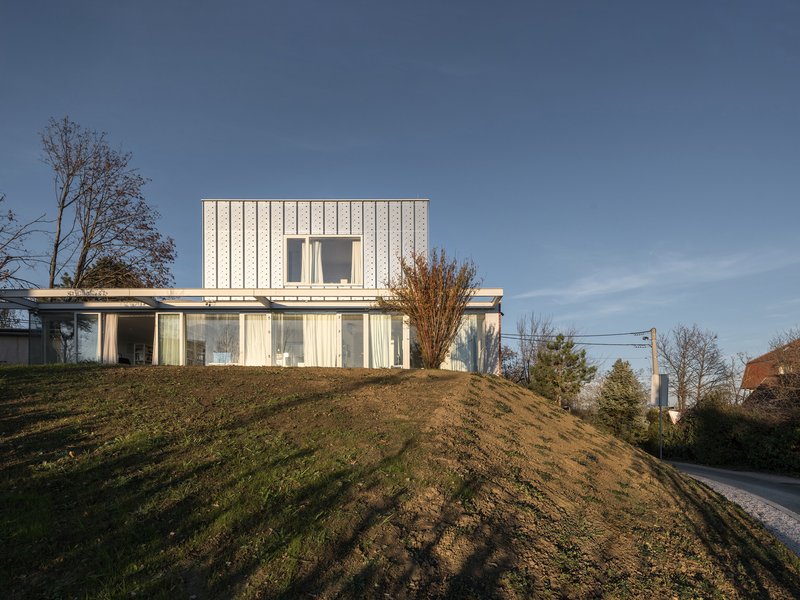
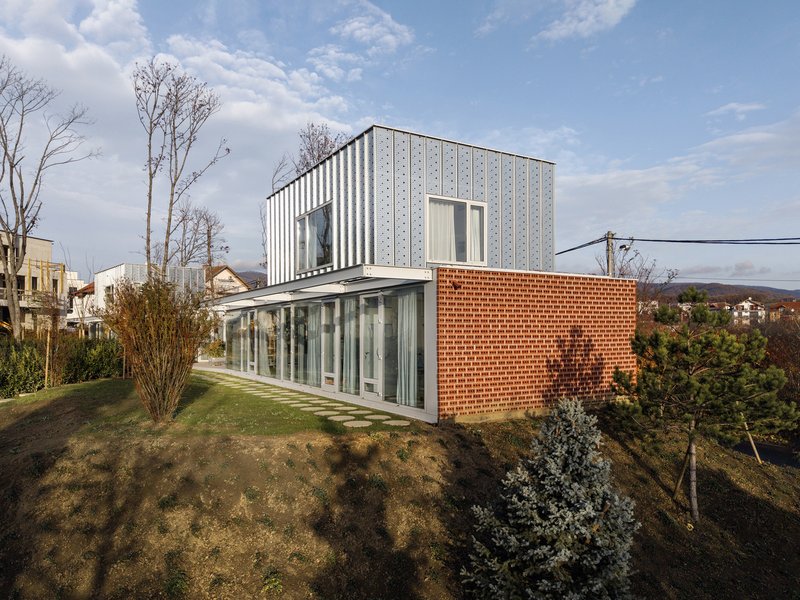
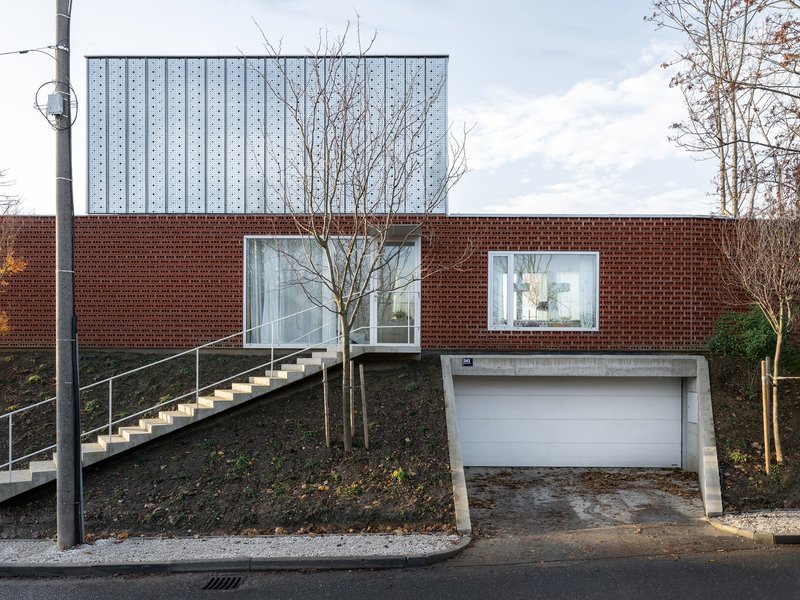
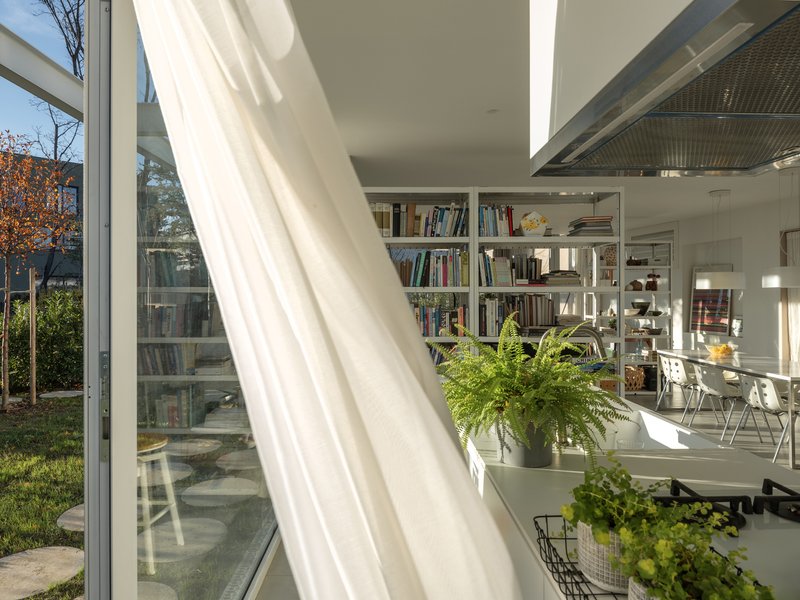
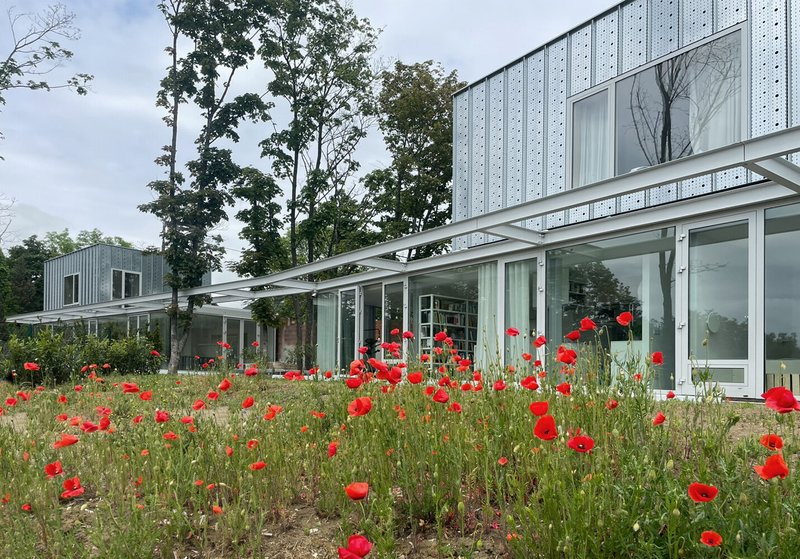
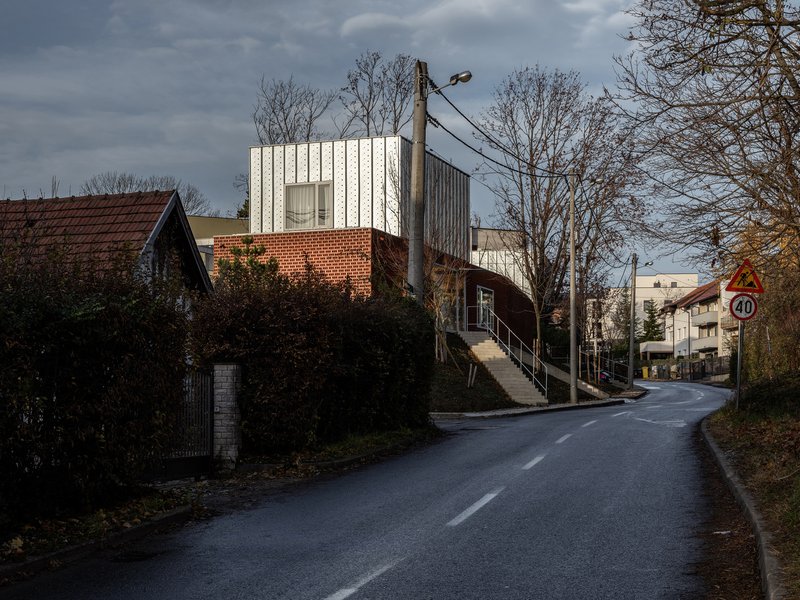
The dual character of the house is established through its axial orientation and sectional logic. The northwest street-facing façade is largely closed, offering privacy, acoustic protection, and a defined urban boundary. In contrast, the southeast façade opens generously to the garden, bathed in sunlight and expansive city views. This architectural duality sets up a sequence of spatial contrasts—introspective versus extroverted, enclosed versus transparent.
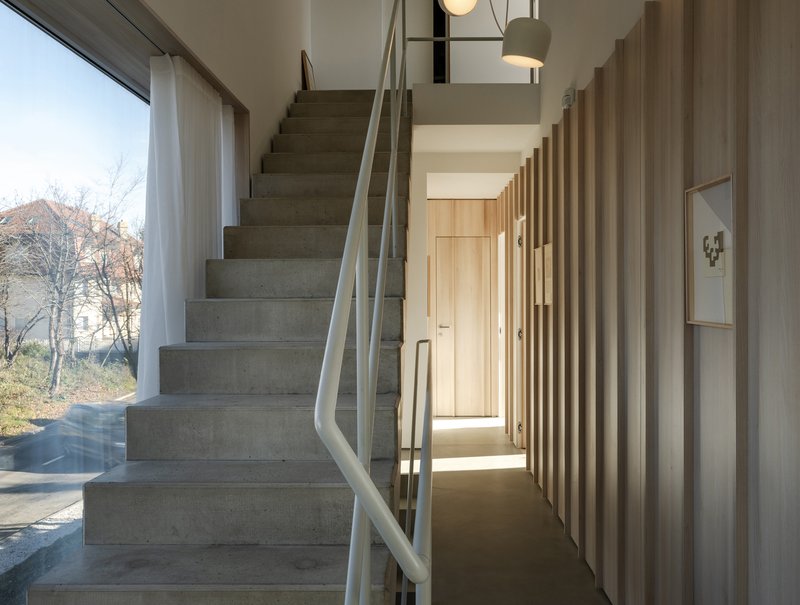
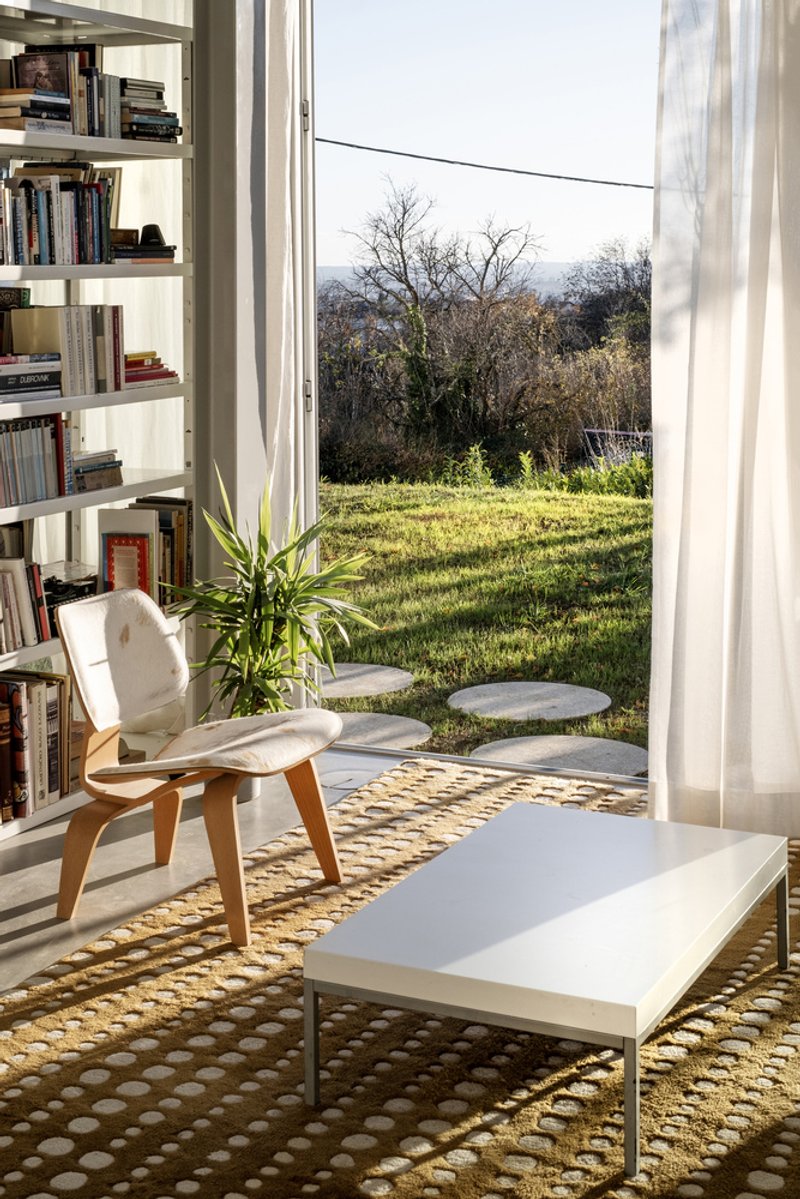
Inspired by Andrea Palladio’s Villa Barbaro, the symmetry and geometry are meticulously controlled, while the unifying atrium references the Eames House and the open-plan concepts of the LA Case Study Houses. The project merges these historical and modernist cues into a highly site-specific Croatian context.
Materials that Mediate Earth and Sky
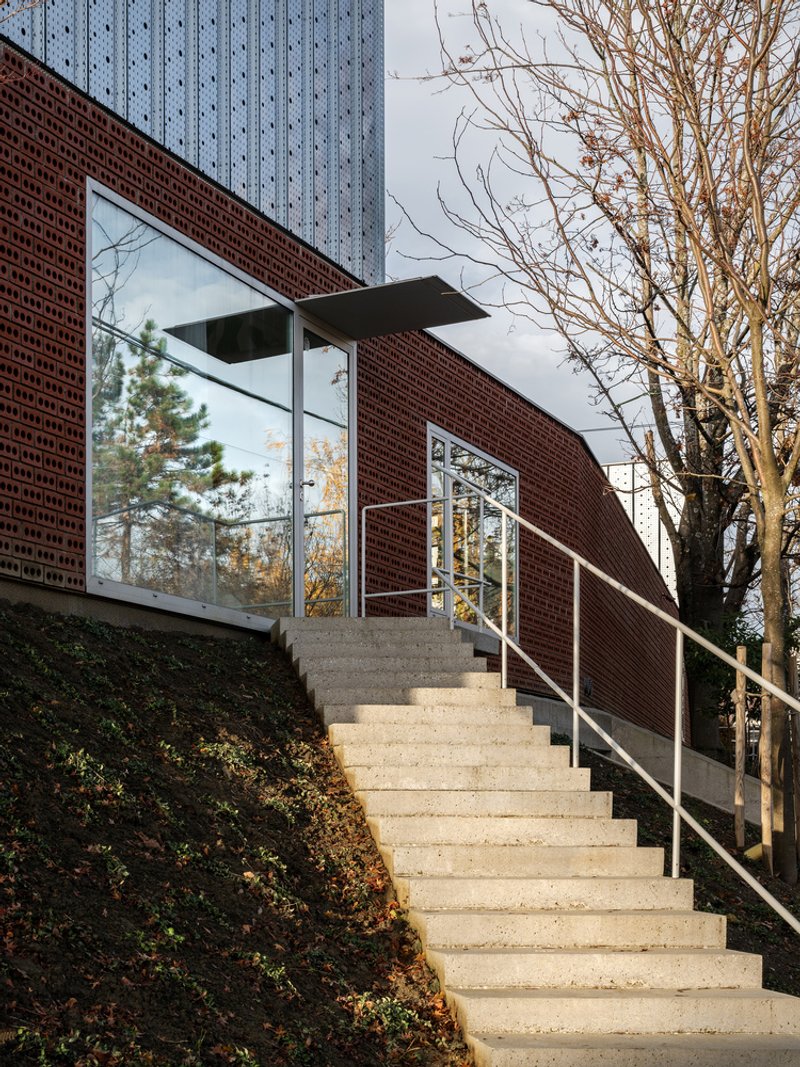
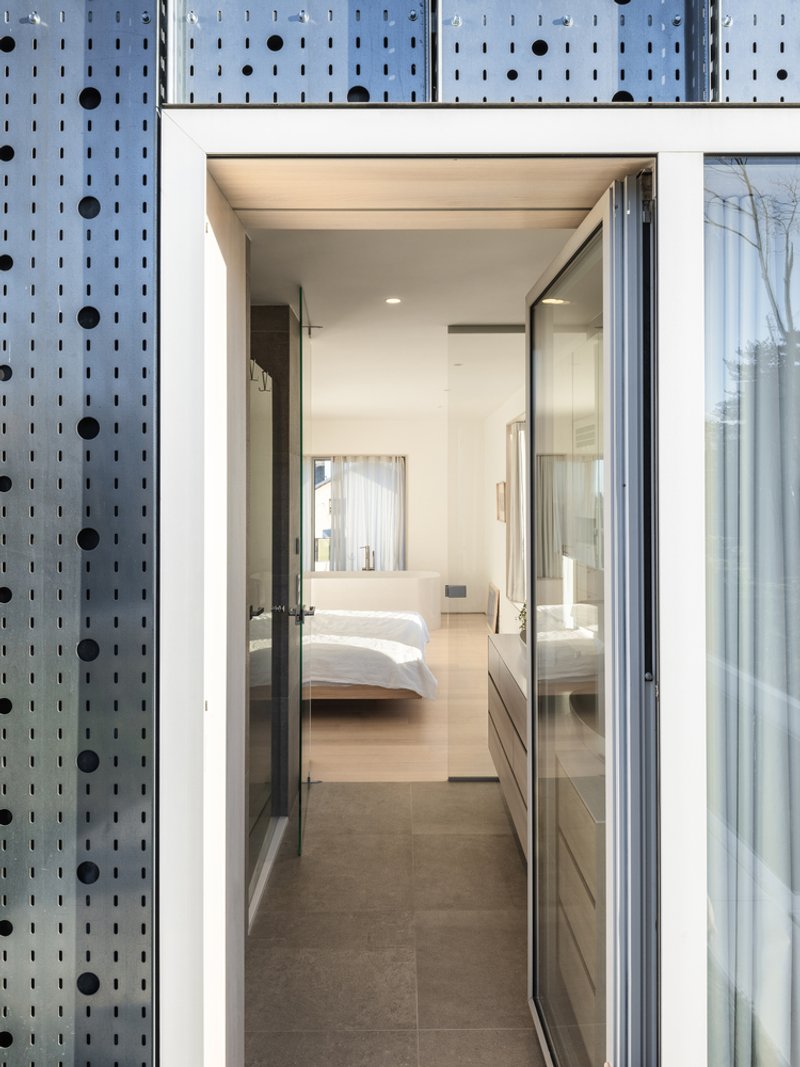
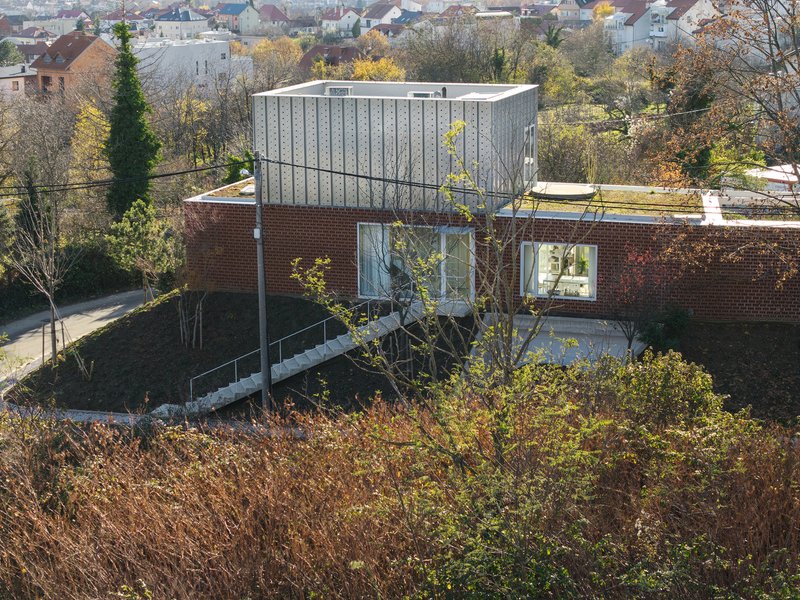
Material articulation further enhances the villa's dual nature. The lower levels are grounded in brick—robust, textured, and weighty—blending with the terrain. The upper floors shift toward lightness and translucency, using innovative cladding like repurposed cable tray mesh. This creates a sense of levity and reflection, connecting the structure to its natural surroundings and sky.
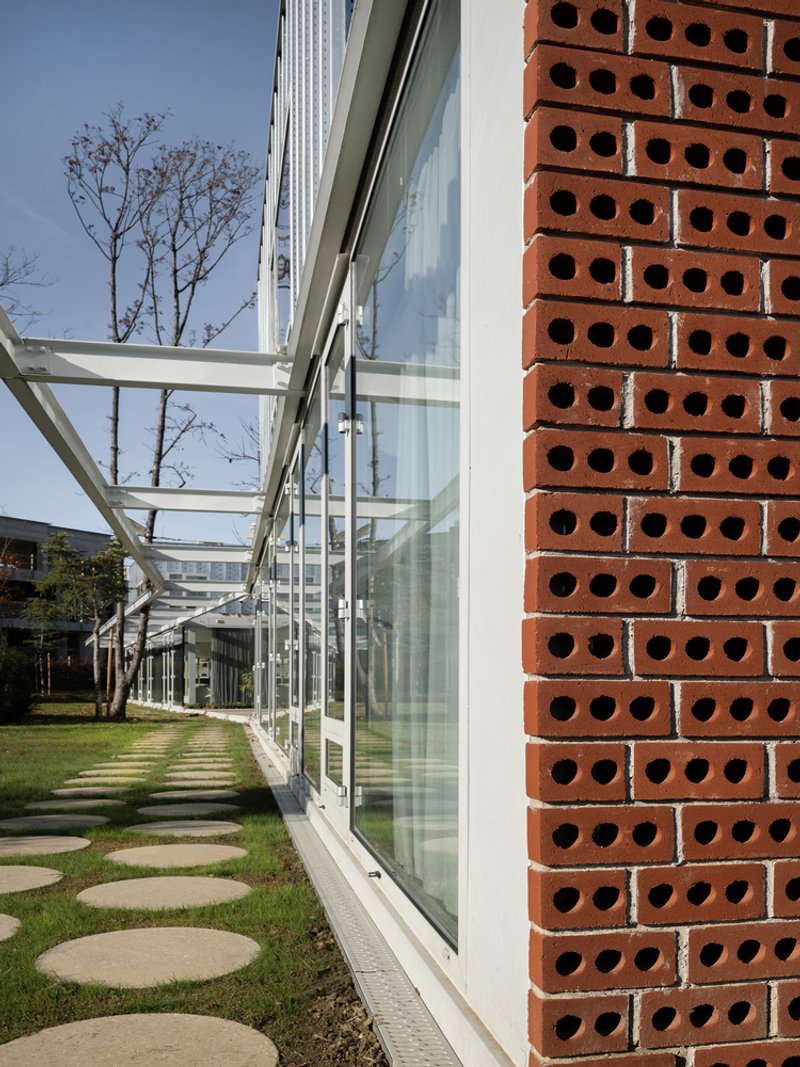
This play between permanence and ephemerality deepens the villa’s sensory experience, encouraging an appreciation of light, shadow, and environmental transitions throughout the day.
Section and Terrain Integration
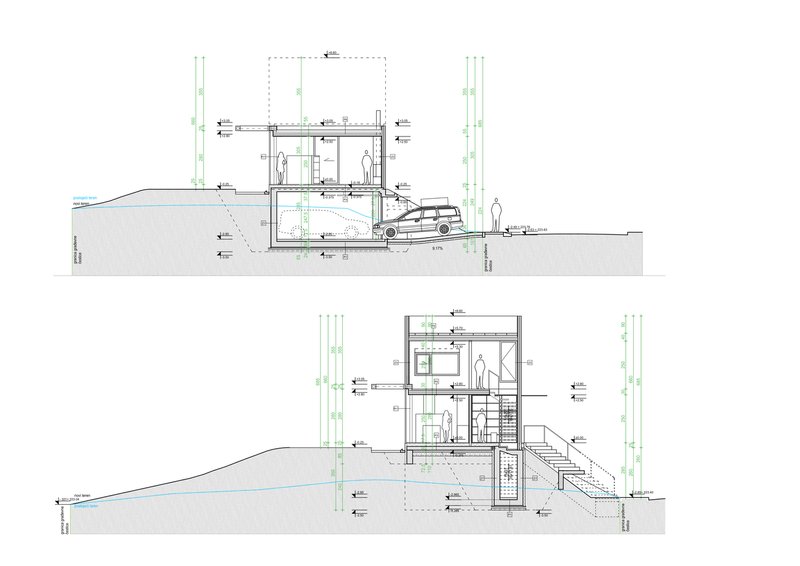
One of the most effective aspects of the design is its relationship with the sloped site. The natural topography allows for direct access from multiple points and eliminates the need for excessive excavation or site manipulation. The sectional composition creates a rhythmic sequence of descending and ascending experiences that reinforce the architecture’s integration with nature.
It’s a house that breathes with its site—not against it—marking a vital step forward for contemporary villa architecture in urban fringe zones.
A Prototype for Future Suburban Living
Double Villa Bukovac presents more than a refined architectural object; it’s a prototype for alternative suburban living. It rejects overdevelopment and asserts that quality of life can be enhanced through intentional reduction. The project critiques, redefines, and elevates the future of Zagreb’s housing models—merging architectural heritage, landscape sensitivity, and progressive design.
In an age of ecological urgency and urban overload, this project stands as a testament to restraint, beauty, and the transformative potential of contemporary villa architecture.
All Photographs are works of Danijel Krznaric




Popular Articles
Popular articles from the community

On the Brooks House by Monsoon Collective – A Contemporary Kerala Home Rooted in Tradition
Kerala home blending tradition and modernity with water-inspired design, brick architecture, courtyard planning, and sustainable rainwater harvesting strategies.
Treehouse Apartment: A Warm Timber Interior Blending Craft, Play, and Contemporary Living
Warm timber apartment with integrated treehouse, combining natural materials, craftsmanship, and playful design to create a flexible, family-oriented living environment.
An Miên Lumière Cafe by xưởng xép, Ho Chi Minh City, Vietnam
An industrial-inspired café where layered steel and warm light create a dynamic, immersive environment shaped by reflection, depth, and perception.
A Contemporary Take on Iranian Residential Architecture
A modern interior design in Mashhad that reinterprets brick, light, and spatial flow to create a warm, contemporary residential architecture.


Similar Reads
You might also enjoy these articles


Bamboo Housing Challenge 2026: Design Affordable, Sustainable Homes Using Bamboo
An international design competition by Bamboo U and IBUKU inviting architects and designers to reimagine affordable housing using bamboo — with the winning design built full-scale in Bali.

Computational Design & Education: Beegraphy Design Awards Introduces 7th Category (Featuring Jiyun's Innovative Approach)
Dive into Beegraphy’s 7th Design Awards category, where computational design meets education to create immersive, interactive learning tools, inspired by Jiyun’s work.

From Parametric Lighting to Urban Furniture: Join the 2nd Workshop in Beegraphy’s Computational Design Series
Dive into Cutting-Edge Design Techniques and Practical Applications with Industry Experts

Introducing Sphere by UNI: Pioneering a New Era in AEC Industry
Unlocking Global Potential with BIM and Agile Management


Explore Architecture Competitions
Discover active competitions in this discipline




The International Standard for Design Portfolios


The Global Benchmark for Architecture Dissertation Awards


The Global Benchmark for Graduation Excellence


Challenge to reimagine the Iron Throne
Comments (0)
Please login or sign up to add comments
No comments yet. Be the first to comment!