
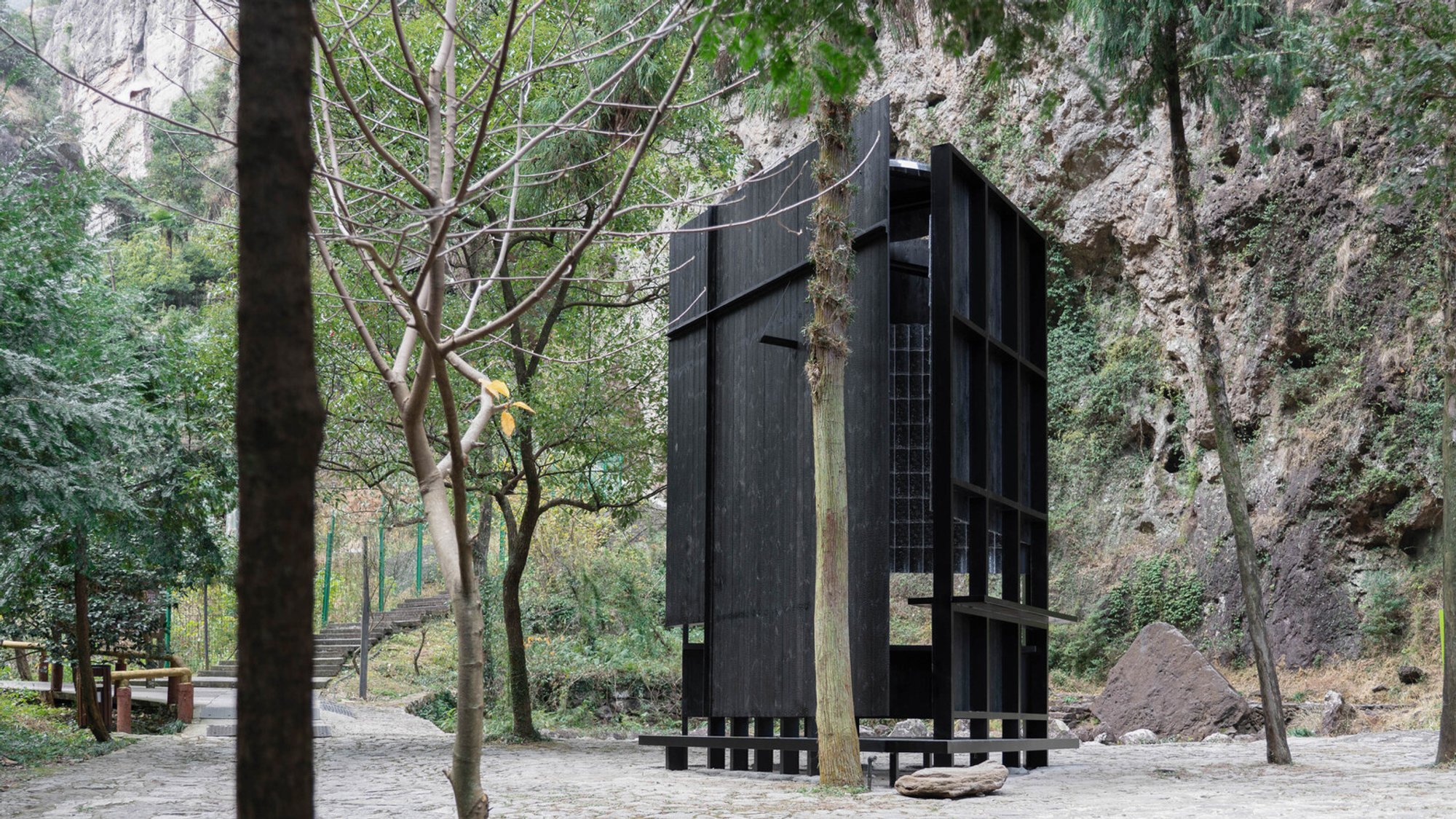
Drop-Stop Pavilion by aptdotapt: A Harmonious Blend of Nature and Architecture
Drop-Stop Pavilion integrates water, light, and reflection, creating an immersive space that harmonizes modern design with natural surroundings.

A Scenic Pause Along the Event Route
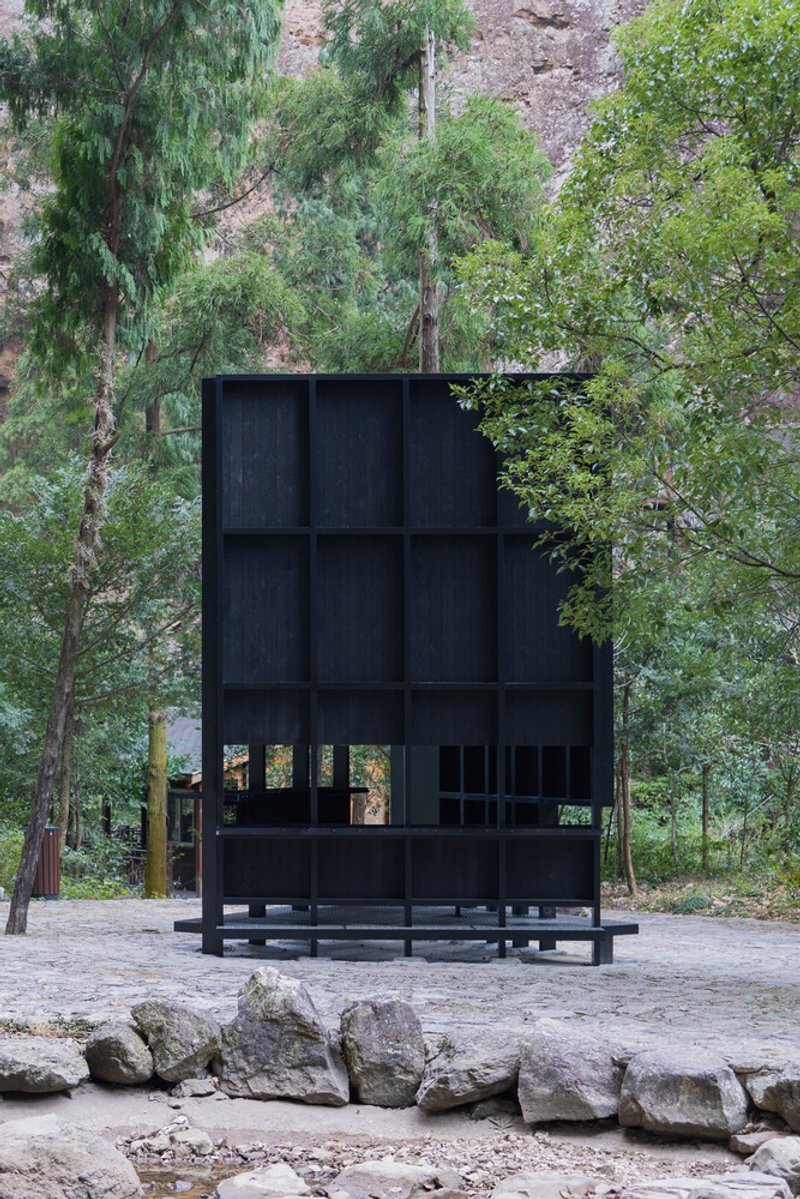
Nestled in the breathtaking landscape of Yandang Mountain, Wenzhou, China, the Drop-Stop Pavilion by aptdotapt redefines the spatial experience of mountain ascents. Designed as the first stop along the "Event Route," the pavilion introduces a rhythmic and narrative dimension to the otherwise monotonous journey of winding mountain paths. Much like punctuation in writing, Drop-Stop serves as a pause within nature, allowing visitors to engage with their surroundings in a more contemplative and immersive manner.
Reinterpreting Traditional Eaves: The Raindrop Apparatus
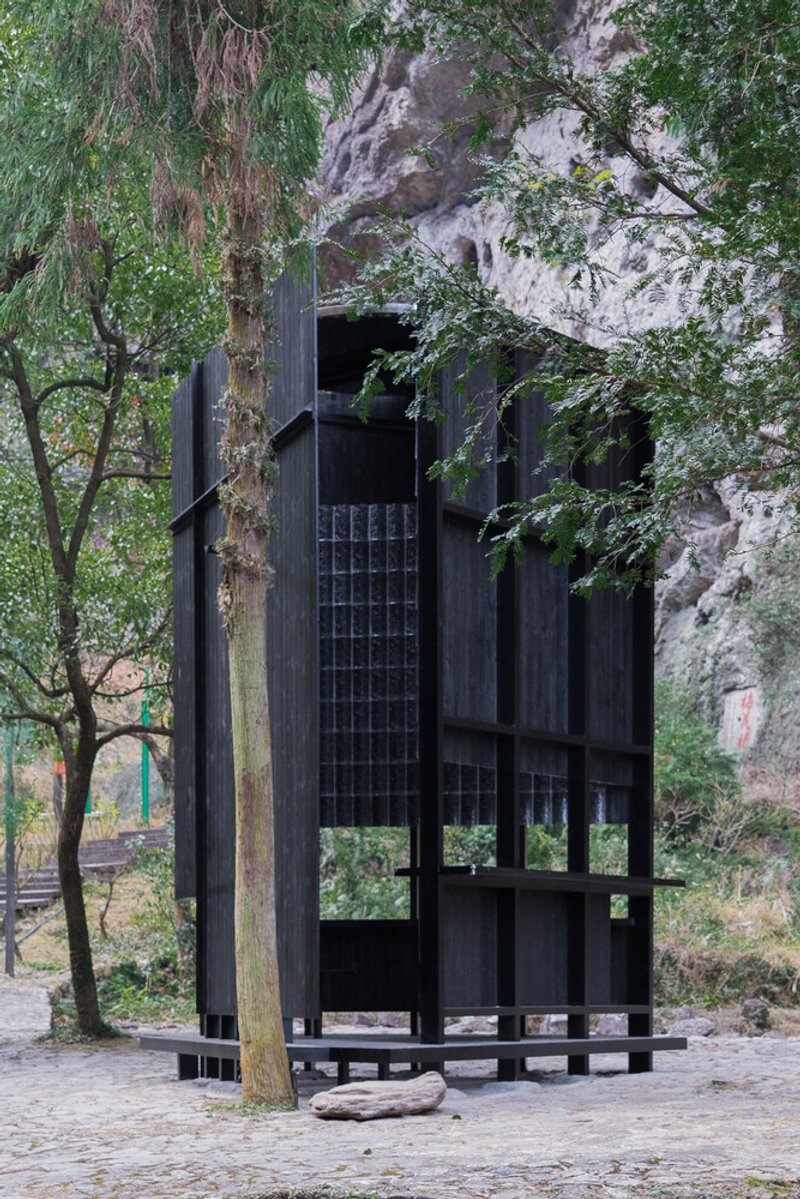
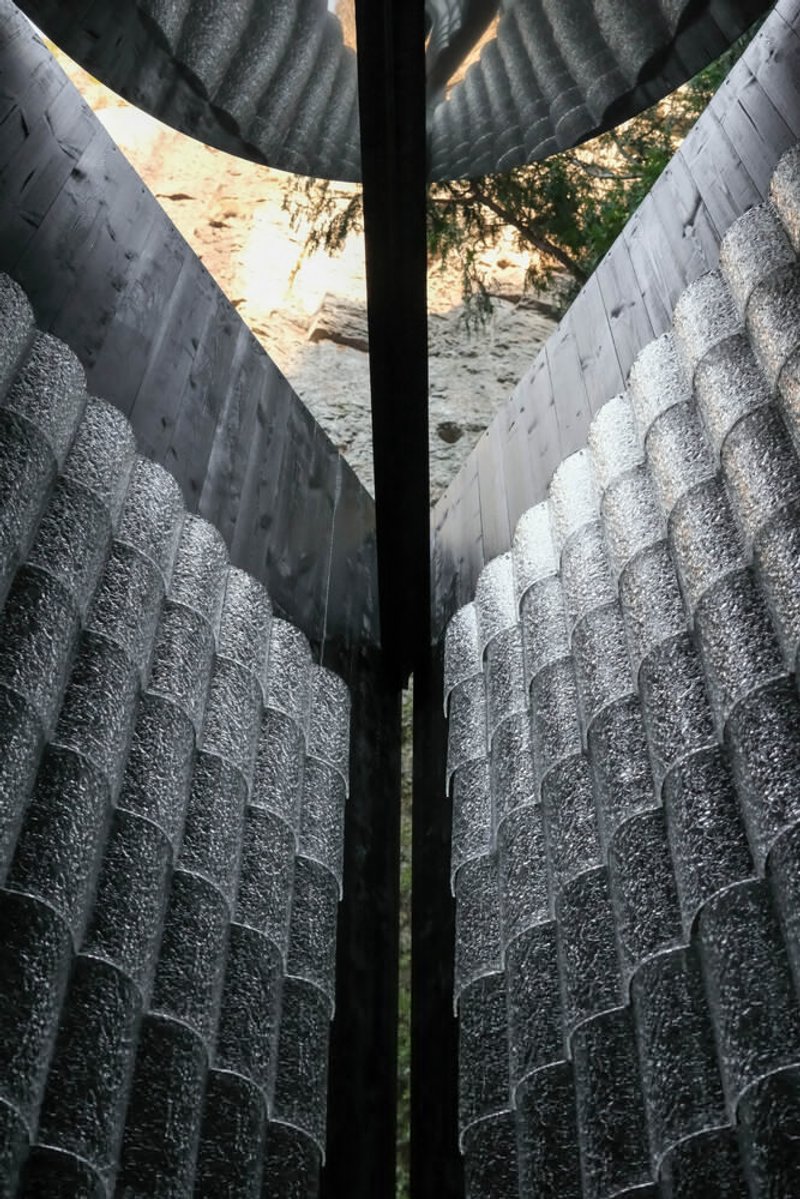
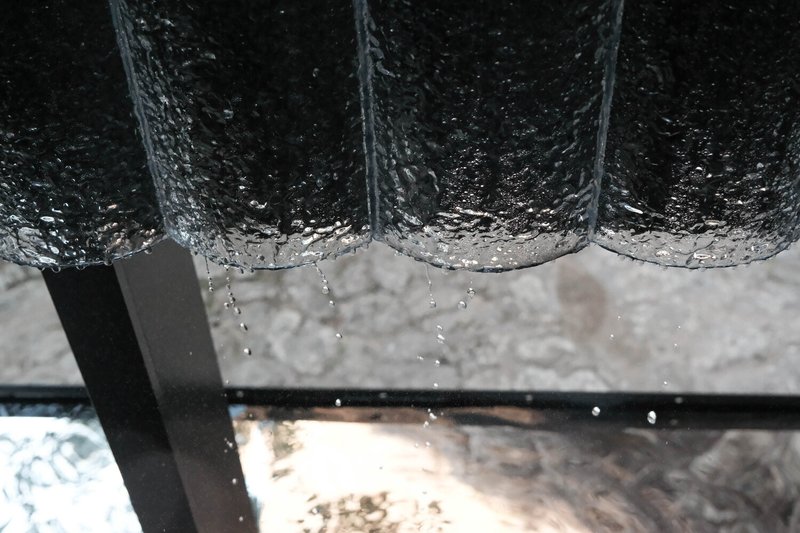
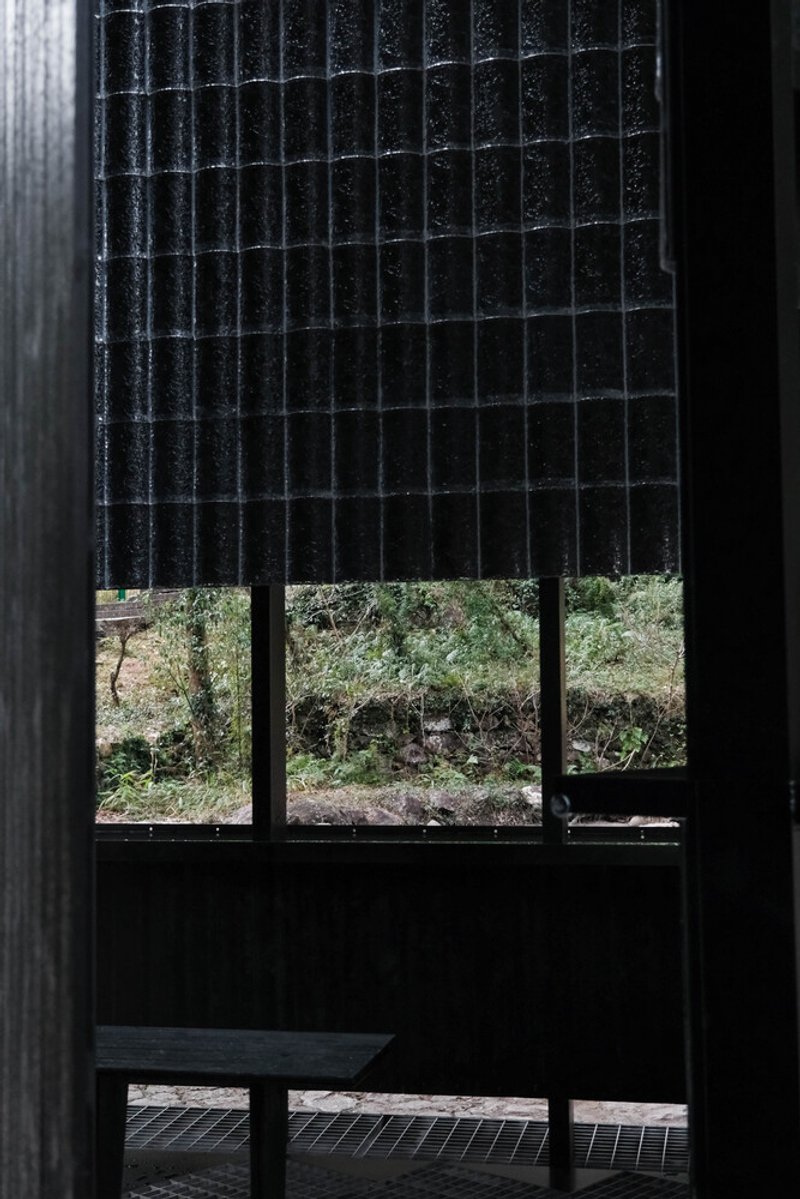
Inspired by the raindrops that form between the tiles of traditional East Asian architecture, the pavilion reimagines the function of eaves, transforming them from external shelters into integral interior elements. The charred black timber exterior contrasts with transparent glass tiles, which are layered to create a poetic interplay of light, shadow, water, and reflection. Sunlight filters through the gaps, casting a dynamic display of textures across the space, enhancing the connection between the built structure and its natural setting.
An Interactive Water Experience
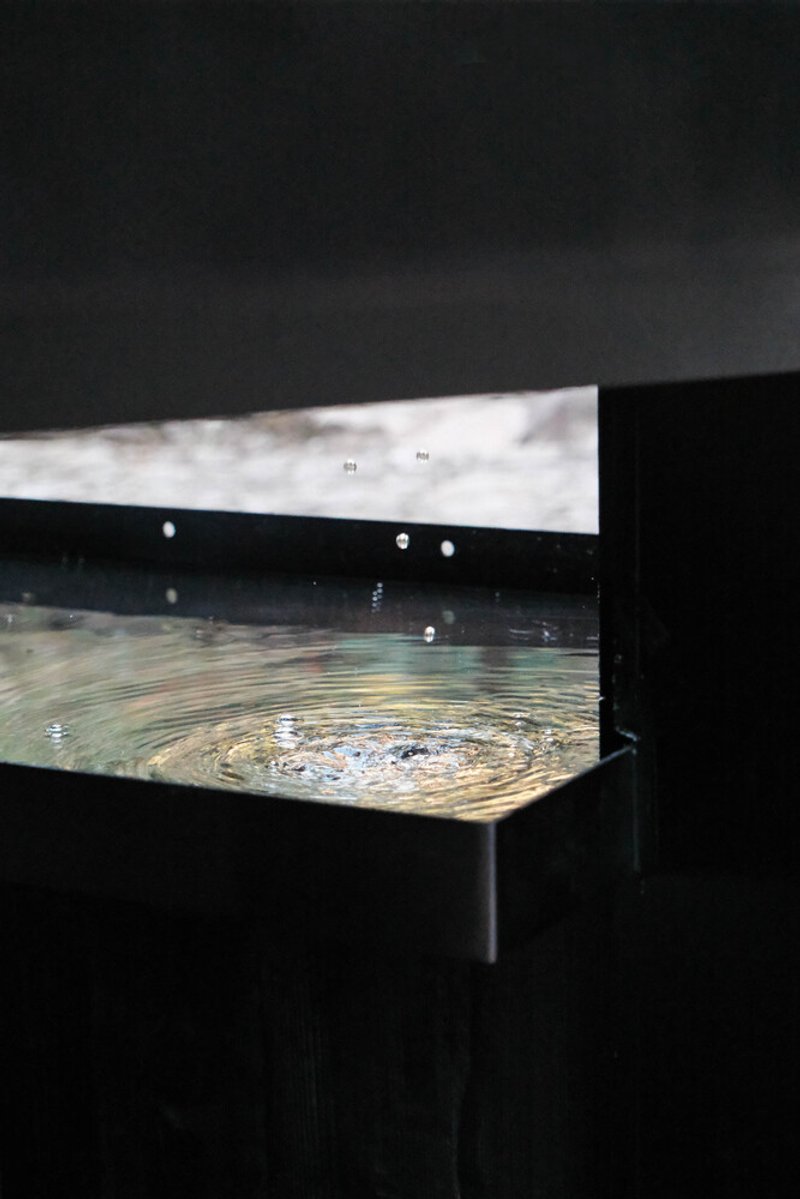
On rainy days, water cascades down the pavilion’s tiles into mirrored stainless-steel pools, inviting visitors to touch the falling droplets, observe the ripple effect, and listen to the gentle sound of flowing rainwater. Within this compact 4-square-meter pavilion, water serves as a sensory bridge between the individual and nature. The reflective pools capture the surrounding mountains, mist, and waterfalls, blurring the lines between reality and illusion. This ephemeral experience creates a profound and personal connection to Yandang Mountain, offering visitors a moment of introspection and tranquility.
Architectural Form: Geometry and Ritual
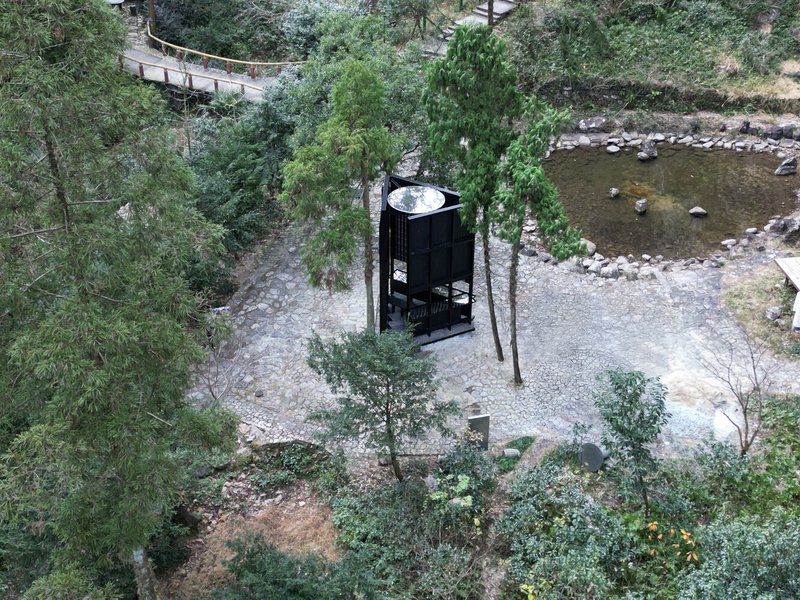
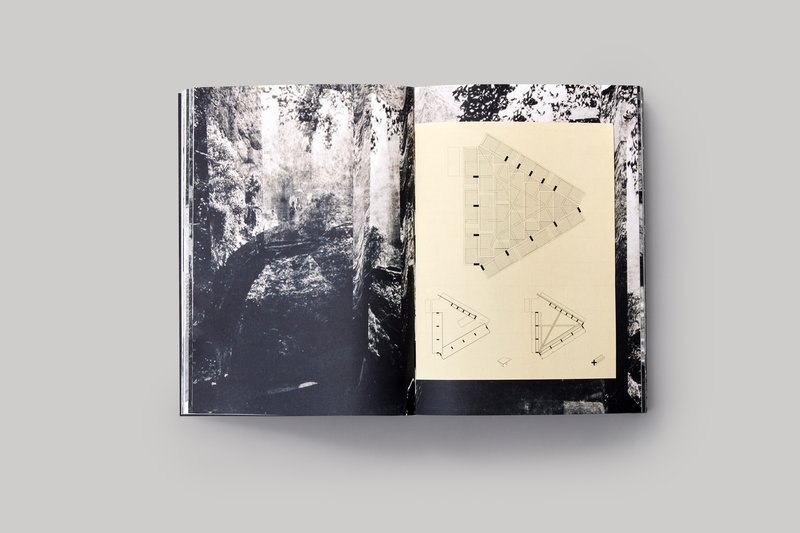
The pavilion’s triangular form is punctuated by a circular mirrored stainless-steel roof, creating a striking visual contrast. Suspended above the ground, the floor consists of layered rectangular grates that lead visitors' gazes upwards—from the reflections in the pools to the flickering light on the tiles, culminating in the mirrored ceiling that fosters a dialogue between self and cosmos. This interplay of geometrical forms and materials enhances the pavilion’s ritualistic quality, transforming it into a space of contemplation and interaction.
Harmonizing with the Landscape
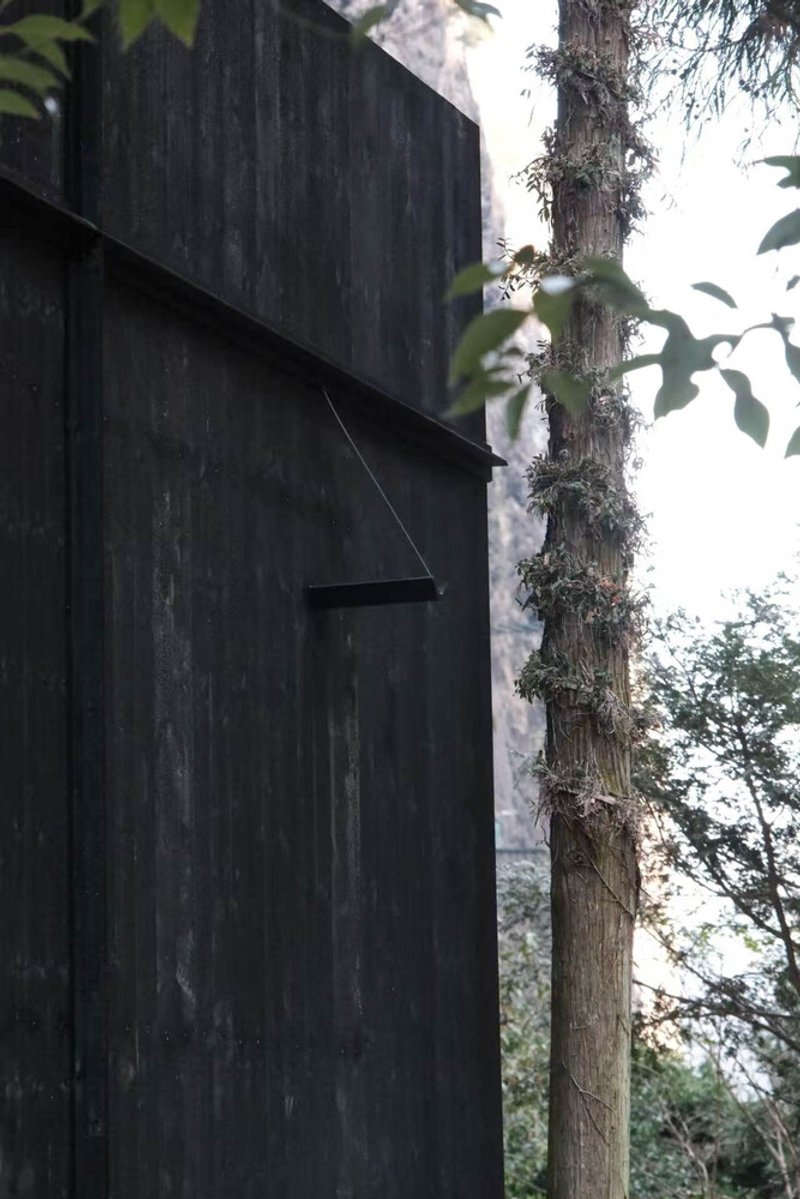
Incorporating elements of traditional East Asian garden design, the pavilion features windows of varying proportions, framing specific views of the surrounding mountains. The structure also includes two entrances: a main open entrance with ascending steps and a hidden, child-sized passage that encourages playful exploration while improving visual connectivity. The staggered rain pools correspond to bodily gestures of sitting and standing, creating a dynamic interaction between space and human movement.
Site Integration: Honoring the Natural Elements
A carefully preserved pine tree stands beside the entrance, serving as both a natural marker and an extension of the pavilion’s verticality. Rather than removing it during construction, the design integrates the tree into the composition, allowing its organic form to resonate with the pavilion’s upward gesture. Additionally, a stone step at the entrance, sourced from the site, further grounds the structure within its natural context.

A Poetic Fusion of Architecture and Nature
The Drop-Stop Pavilion is more than just a shelter—it is an immersive experience that merges traditional craftsmanship, contemporary design, and environmental awareness. By celebrating rain, light, reflection, and landscape, the pavilion offers visitors a space to pause, reflect, and engage with the natural world in a deeply meaningful way.




Popular Articles
Popular articles from the community

Treehouse Apartment: A Warm Timber Interior Blending Craft, Play, and Contemporary Living
Warm timber apartment with integrated treehouse, combining natural materials, craftsmanship, and playful design to create a flexible, family-oriented living environment.

Solar Steam: A Climate-Responsive Architecture That Redefines the Monument
A climate-responsive memorial architecture that transforms heat, decay, and time into a living system reflecting humanity’s ecological impact.
Louis Malle Cinema: A Limestone Cultural Landmark Revitalizing Community Life in Prayssac
Limestone cinema extension with public forecourt, blending heritage and modern design to create flexible cultural spaces and strengthen community interaction.
Flamboyant House by Juliana Camargo + Prumo Projetos
Modern Brazilian house integrating existing tree, pool, and volumes with glass, wood, and transitional spaces blending interior, exterior, and landscape seamlessly.


Similar Reads
You might also enjoy these articles


The Ken Roberts Memorial Delineation Competition (Krob)
As the most senior architectural drawing competition currently in operation anywhere in the world, it draws hundreds of entries each year, awarding the very best submissions in a series of medium-based categories.


Waterfront Redevelopment and Urban Revitalization in Mumbai: Forging a New Dawn for Darukhana
A transformative waterfront redevelopment project reimagining Darukhana’s shipbreaking heritage into an inclusive urban future.

OUT-OF-MAP: A Call for Postcards on Feminist Narratives of Public Space
Rhizoma Design and Research Lab invites artists, designers, architects, researchers, and students to reflect on how feminist perspectives can reshape public space. Selected works will be exhibited in Barcelona, October 2026. Submissions open until 15 April 2026.

Documentation Work on Buddhist Wooden Temple
Architectural syncretism and cultural hybridity: A comparative study of the Buddhist temples in Chattogram Hill tracks


Explore Architecture Competitions
Discover active competitions in this discipline




The International Standard for Design Portfolios


The Global Benchmark for Architecture Dissertation Awards


The Global Benchmark for Graduation Excellence


Challenge to design a portable theatre
Comments (0)
Please login or sign up to add comments
No comments yet. Be the first to comment!