
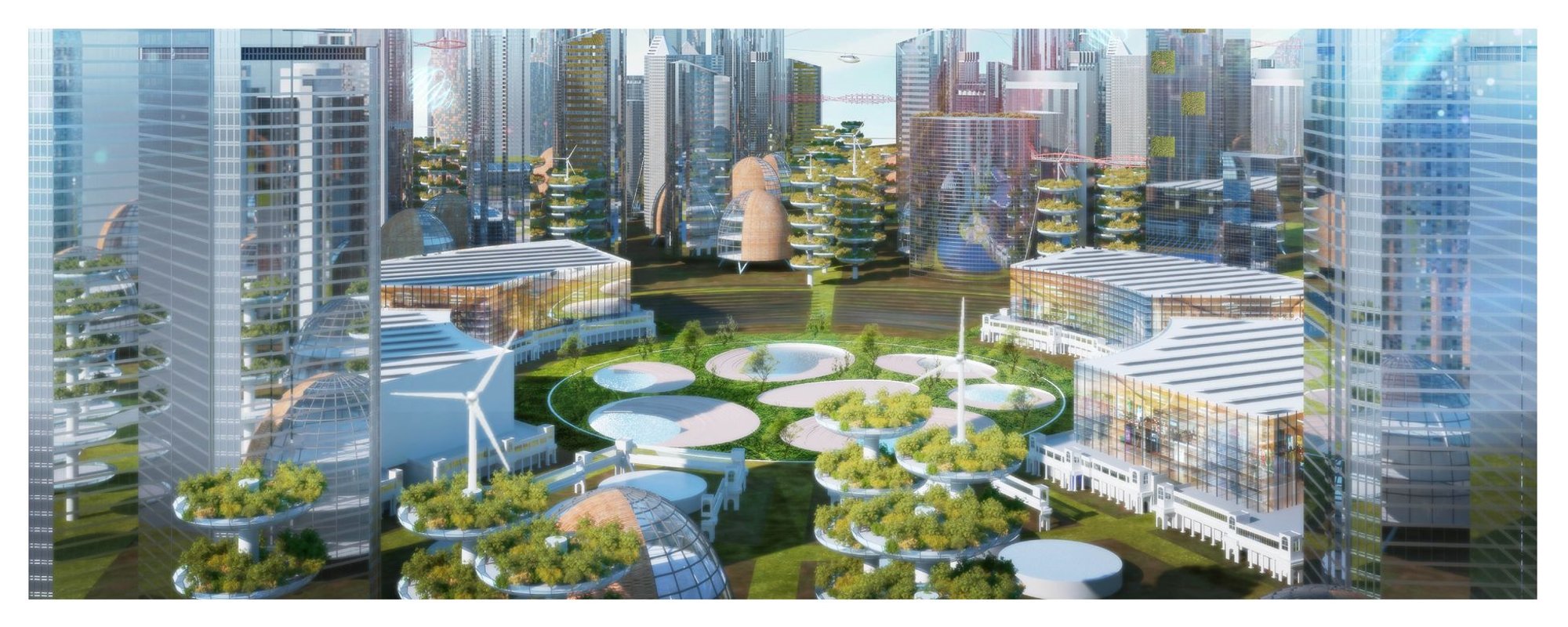
Eco City: Center of Power
Building a self-sustaining, eco-friendly, and tech-driven urban future, preserving heritage while embracing innovation.

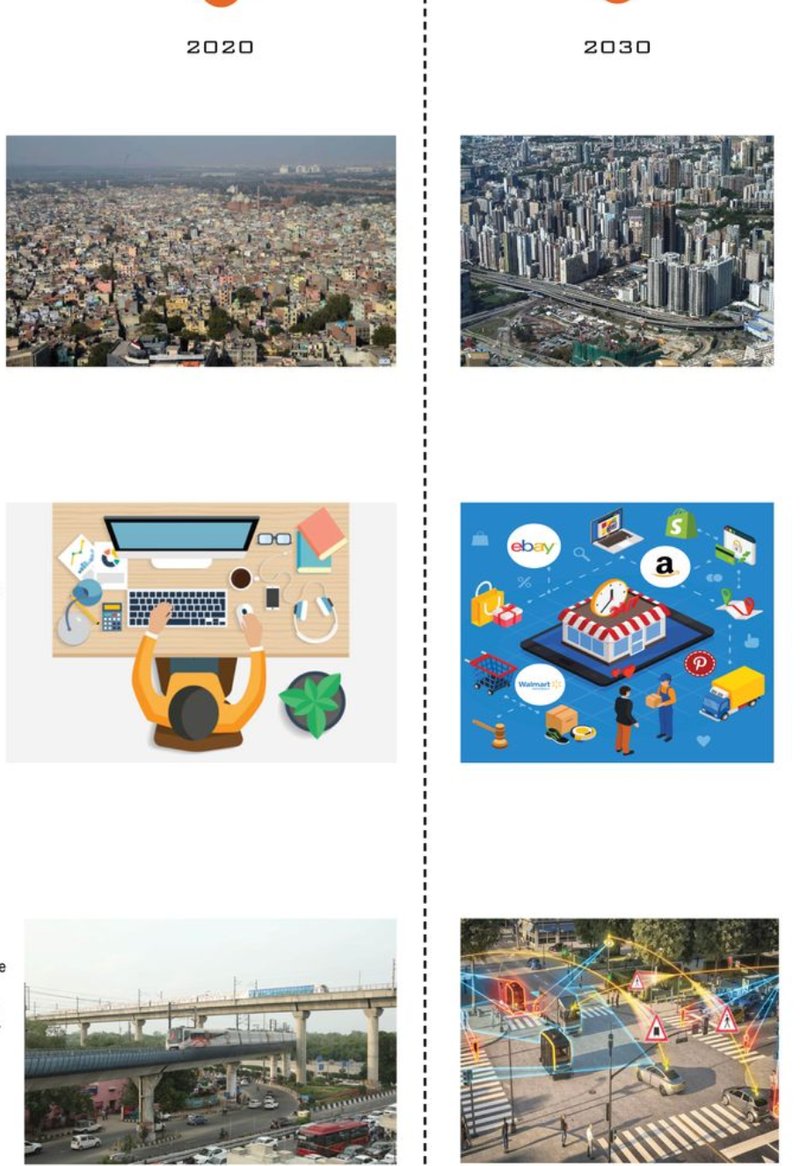
By the next century, the world population is projected to grow from 7.7 billion in 2019 to 10.8 billion in 2080, bringing unprecedented challenges in sustainability. The world is rapidly advancing from microprocessors to supercomputers and drone-based technology. As urbanization expands, more agricultural land is being converted into livable enclosed spaces, necessitating innovative urban planning.
A Vision for Sustainable Architecture
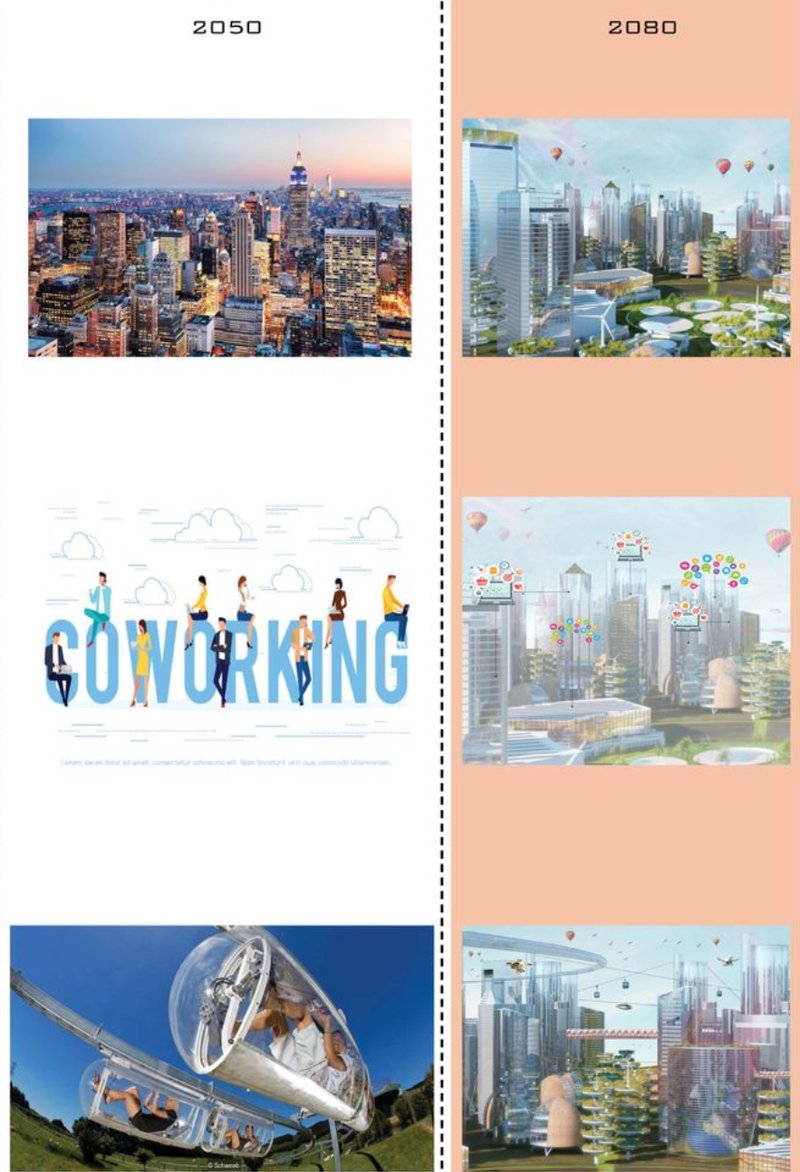
Neo Delhi 2080 aims to be a self-sustaining eco-city with a futuristic approach to urban architecture. This project "ECO CITY:CENTER OF POWER" , envisioned by Gandhali Tipnis, was a shortlisted entry in Neo Delhi competitions.
Urban Transformation & Key Features
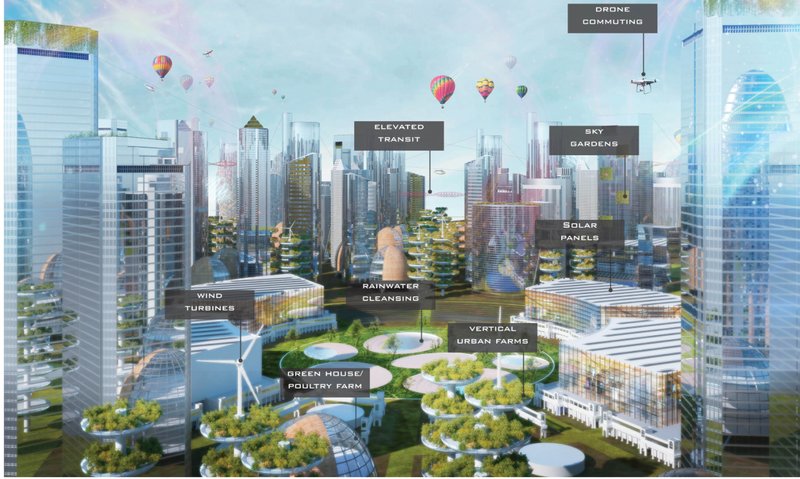
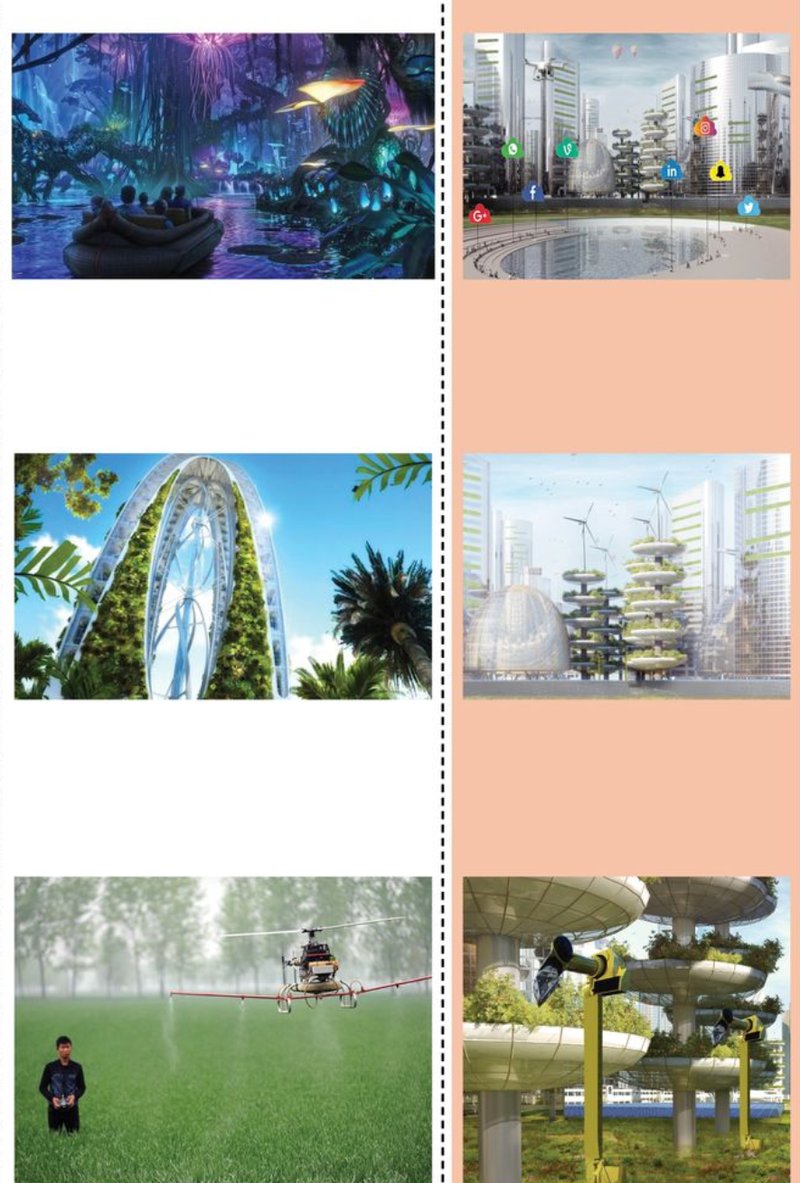
- Renewable Energy Integration – The city will harness solar panels, wind turbines, and biogas plants for energy self-sufficiency.
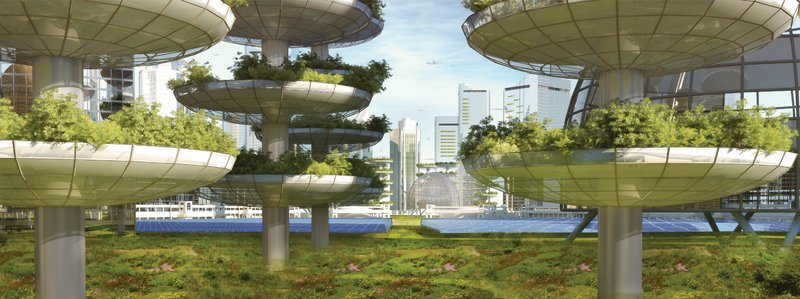
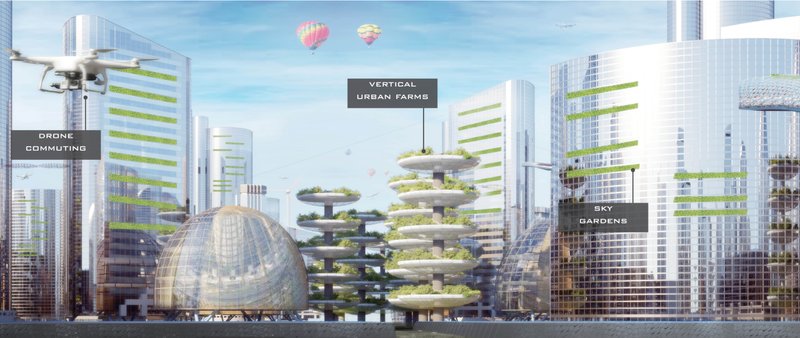
- Vertical Urban Farms – A revolutionary approach to food production, integrating urban agriculture within the cityscape.
- Eco-friendly Infrastructure – Smart waste management systems, rainwater harvesting, and air purification systems ensure sustainability.
- Pedestrian-Centric Urban Design – Elevated walkways, drone commuting, and intelligent transportation networks reduce congestion.
- Preserving Heritage & Identity – Iconic landmarks such as India Gate, Jama Masjid, and Parliament House are integrated into the city’s modern grid.
Connaught Place: The Center of Power
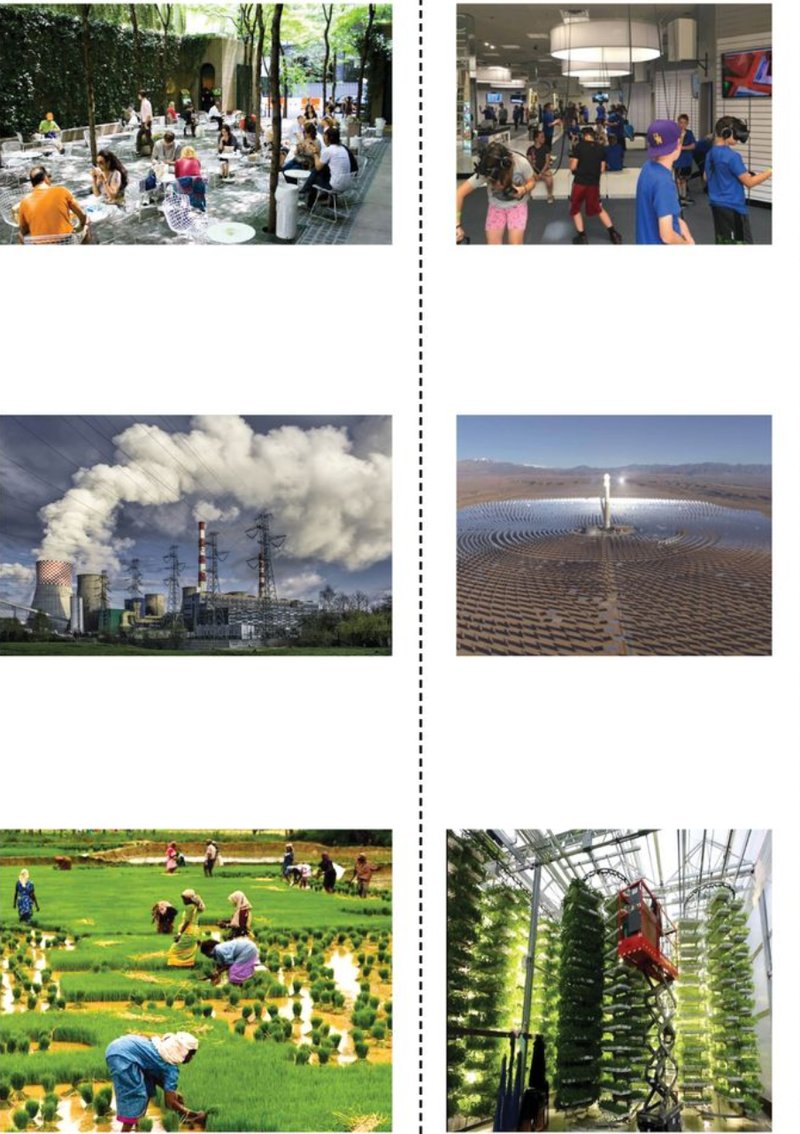
Connaught Place (CP) will be redesigned as the core economic and ecological hub of Neo Delhi. The planned CP complex will incorporate:
- E-Business Hubs supporting remote work and digital commerce.
- Training & Innovation Centers for green technology and renewable energy advancements.
- Sustainable Living Spaces that balance high-density urbanization with green, breathable environments.
Future Cities
Neo Delhi 2080 presents a scalable model for future-ready architecture, focusing on energy efficiency, environmental conservation, and intelligent urban growth. With a commitment to sustainability, it paves the way for a livable, technologically advanced, and ecologically balanced city for the next century.
Project by Gandhali Tipnis | Shortlisted Entry in Neo Delhi Urban Planning Initiative



Popular Articles
Popular articles from the community

Louis Malle Cinema: A Limestone Cultural Landmark Revitalizing Community Life in Prayssac
Limestone cinema extension with public forecourt, blending heritage and modern design to create flexible cultural spaces and strengthen community interaction.
An Miên Lumière Cafe by xưởng xép, Ho Chi Minh City, Vietnam
An industrial-inspired café where layered steel and warm light create a dynamic, immersive environment shaped by reflection, depth, and perception.
On the Brooks House by Monsoon Collective – A Contemporary Kerala Home Rooted in Tradition
Kerala home blending tradition and modernity with water-inspired design, brick architecture, courtyard planning, and sustainable rainwater harvesting strategies.
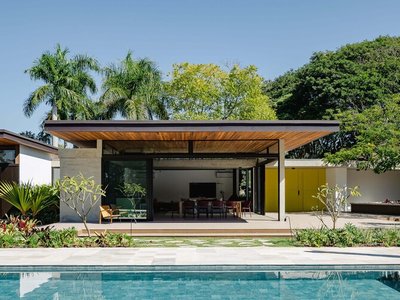
Flamboyant House by Juliana Camargo + Prumo Projetos
Modern Brazilian house integrating existing tree, pool, and volumes with glass, wood, and transitional spaces blending interior, exterior, and landscape seamlessly.


Similar Reads
You might also enjoy these articles


The Ken Roberts Memorial Delineation Competition (Krob)
As the most senior architectural drawing competition currently in operation anywhere in the world, it draws hundreds of entries each year, awarding the very best submissions in a series of medium-based categories.


Waterfront Redevelopment and Urban Revitalization in Mumbai: Forging a New Dawn for Darukhana
A transformative waterfront redevelopment project reimagining Darukhana’s shipbreaking heritage into an inclusive urban future.

OUT-OF-MAP: A Call for Postcards on Feminist Narratives of Public Space
Rhizoma Design and Research Lab invites artists, designers, architects, researchers, and students to reflect on how feminist perspectives can reshape public space. Selected works will be exhibited in Barcelona, October 2026. Submissions open until 15 April 2026.

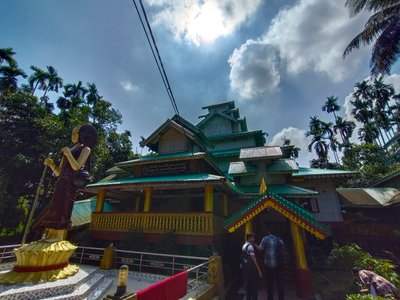
Documentation Work on Buddhist Wooden Temple
Architectural syncretism and cultural hybridity: A comparative study of the Buddhist temples in Chattogram Hill tracks






Comments (0)
Please login or sign up to add comments
No comments yet. Be the first to comment!