
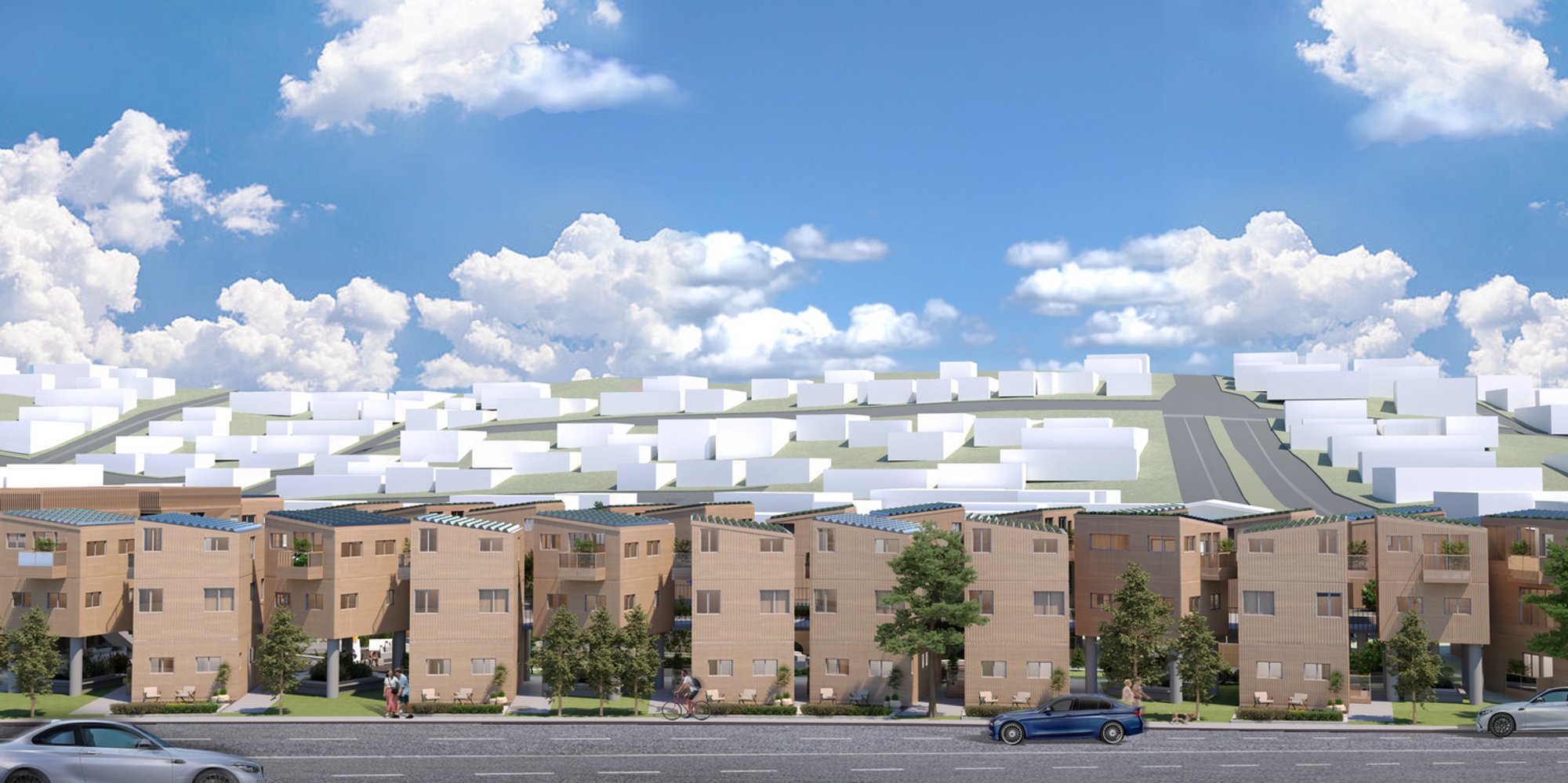
Evolution Amazon House: A Sustainable Housing Solution for the Amazon Rainforest
Embracing Nature and Community in the Face of Deforestation

The Amazon rainforest, once a symbol of abundant biodiversity and ecological balance, is now facing a critical juncture. Rampant deforestation driven by human expansion has led to habitat loss, threatening countless species and disrupting the delicate ecosystems within. The lack of affordable and sustainable housing further exacerbates the situation, pushing communities deeper into the forest and contributing to the cycle of destruction.
The Evolution Amazon House project by Daye kim, 은영 장, ONYU HWANG, BOSEONG PARK, a People's Choice Award entry in the Greenrich competition, proposes an innovative solution to this complex challenge. By integrating principles of ecological harmony, community engagement, and sustainable living, the project envisions a future where human development and environmental preservation can coexist.
Symbiosis and Evolution
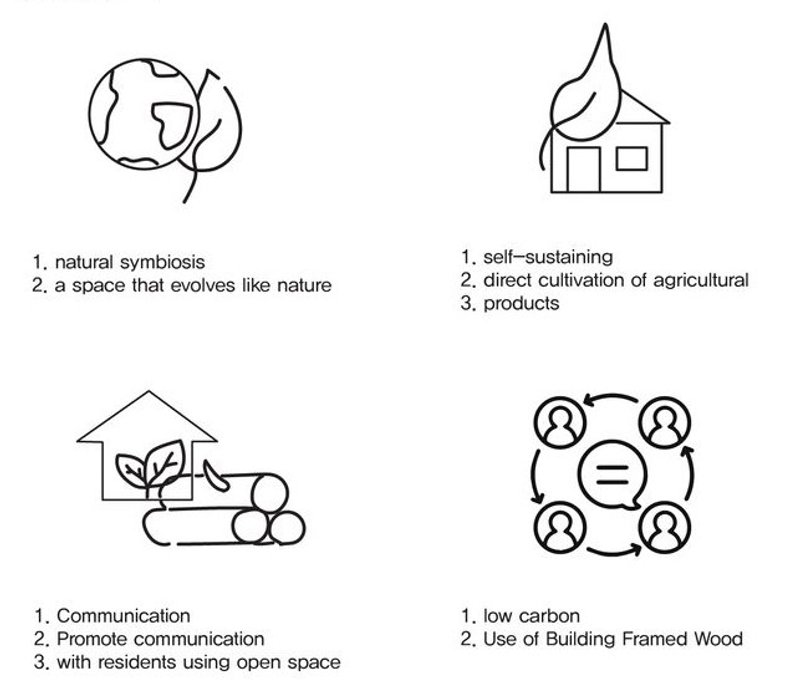
The core concept of the Evolution Amazon House revolves around two key principles:
Natural Symbiosis: The project recognizes the need for human development to integrate seamlessly with the natural environment, minimizing its impact and fostering a symbiotic relationship.
Evolutionary Adaptation: Inspired by the natural processes of adaptation and evolution, the design promotes a flexible and adaptable housing model that can respond to the ever-changing needs of both the environment and the community.
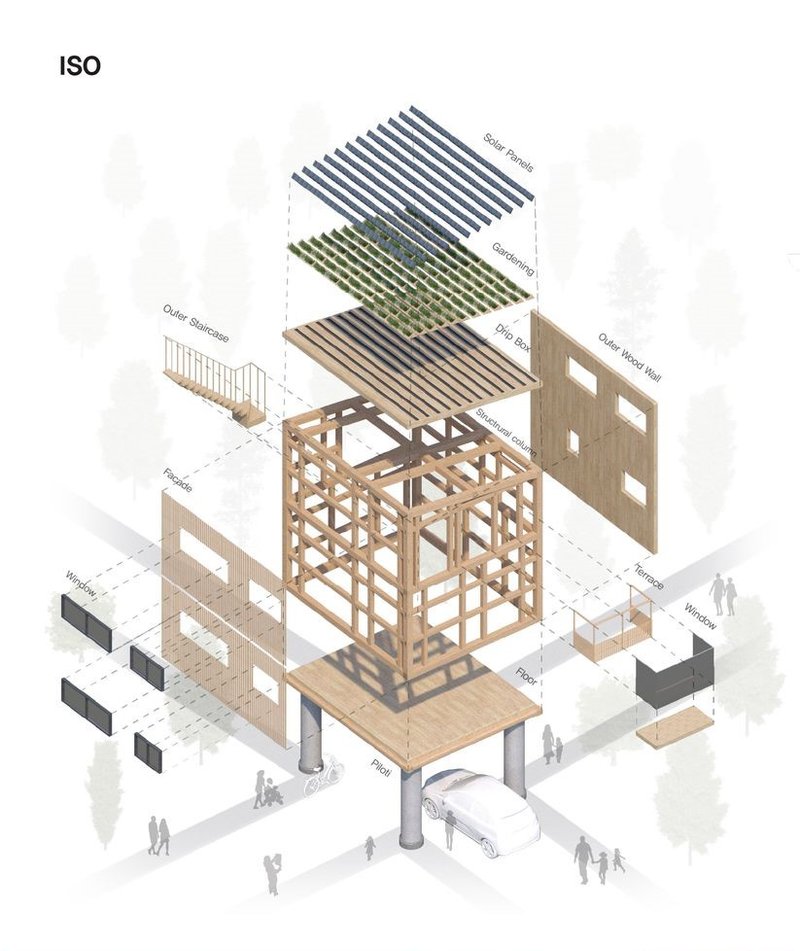
These principles translate into a housing design that prioritizes the use of sustainable materials, renewable energy sources, and eco-friendly construction techniques. By minimizing the ecological footprint, the project aims to reduce the pressure on the rainforest and contribute to its long-term health.
Location and Design: Fostering Community and Connection
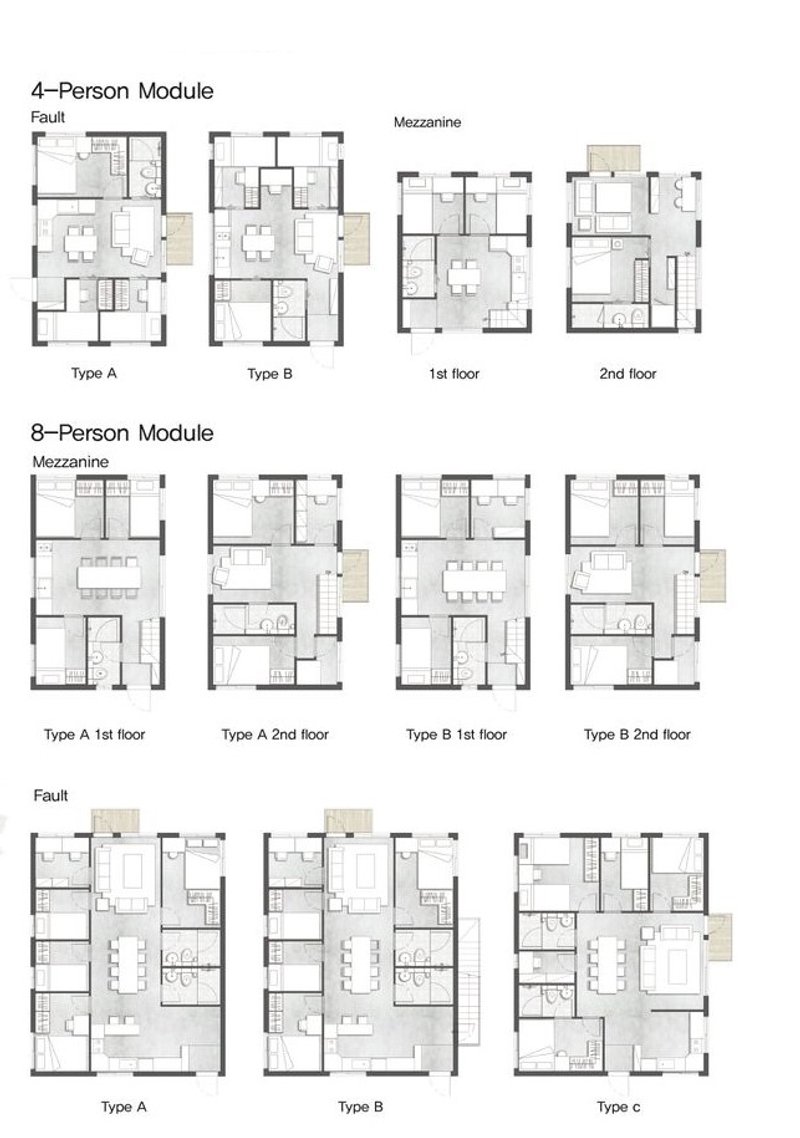
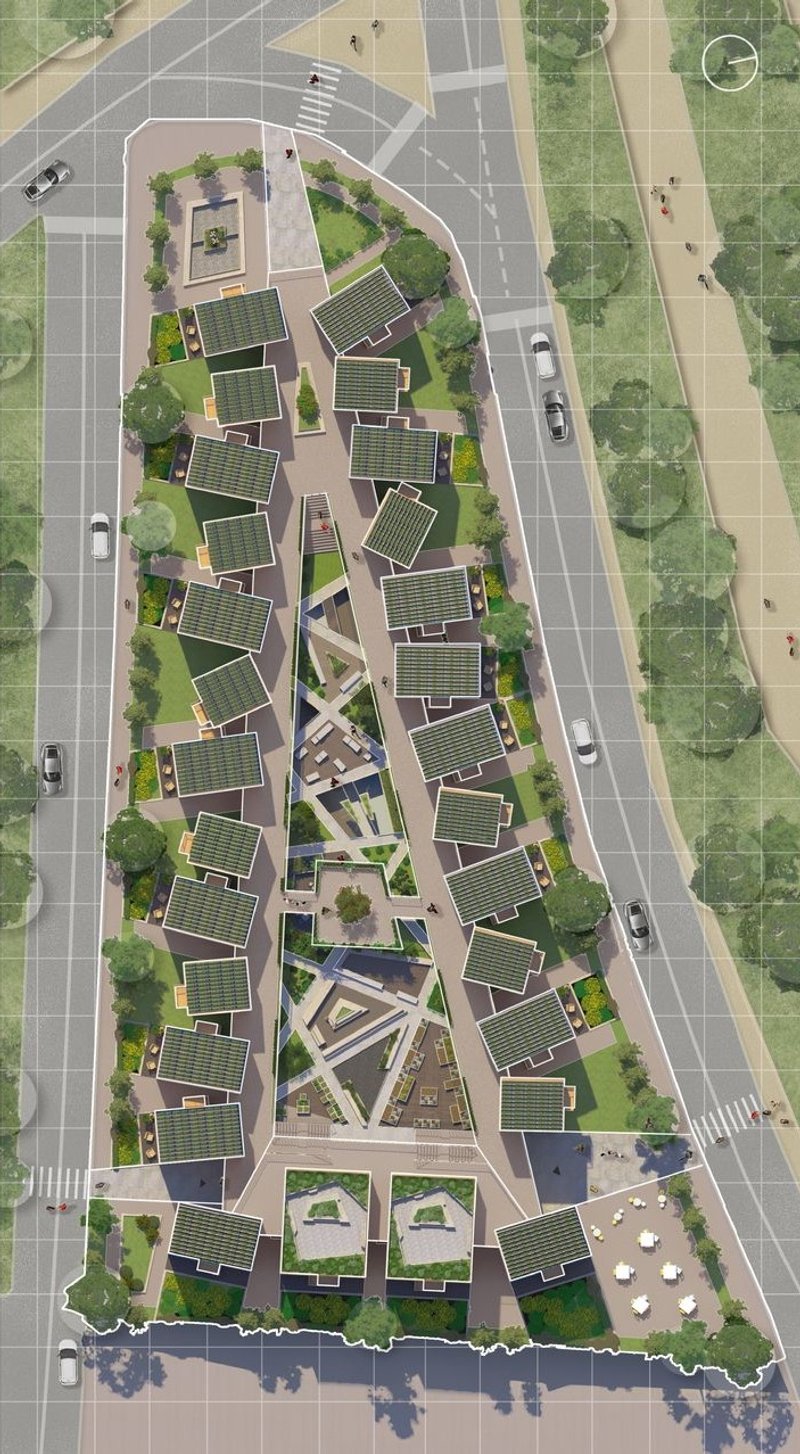
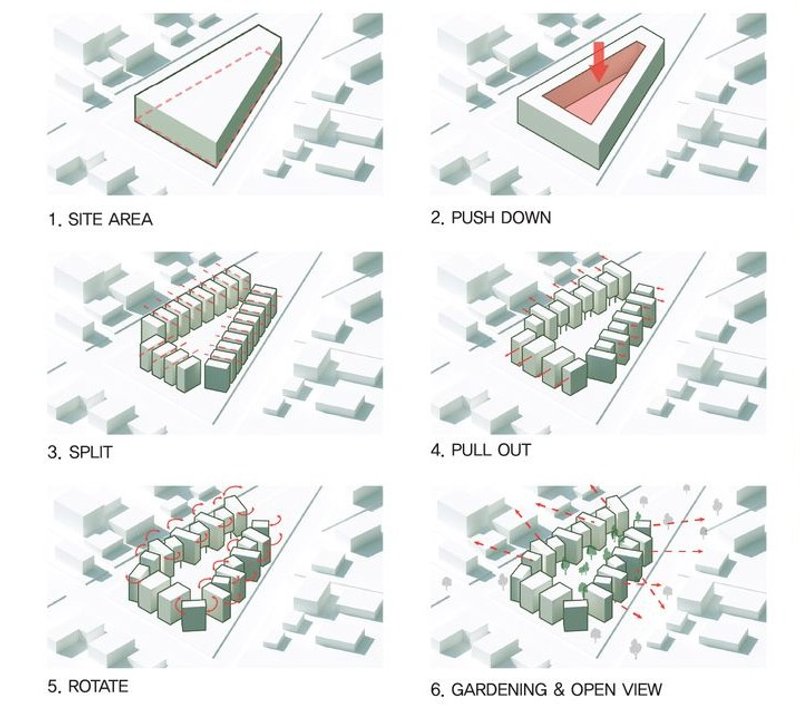
The Evolution Amazon House is designed as a modular system, allowing for flexibility in configuration and adaptability to different site conditions. The modular units can be arranged in various clusters, creating a sense of community while respecting the natural landscape.
The project incorporates a number of design features aimed at promoting interaction between residents and the environment:
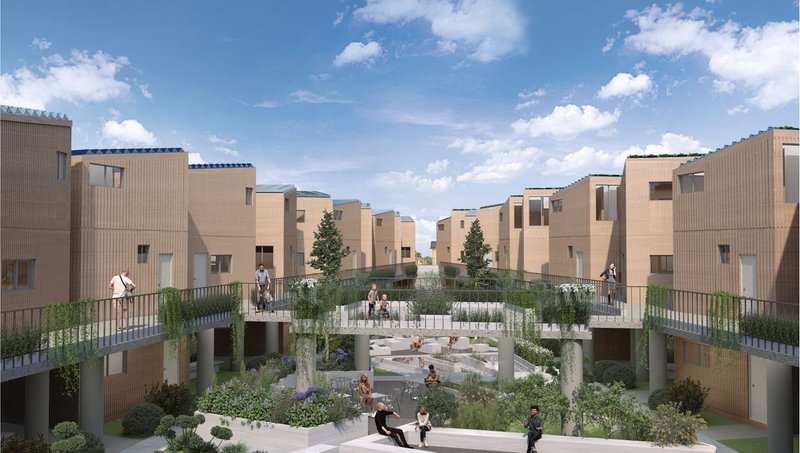
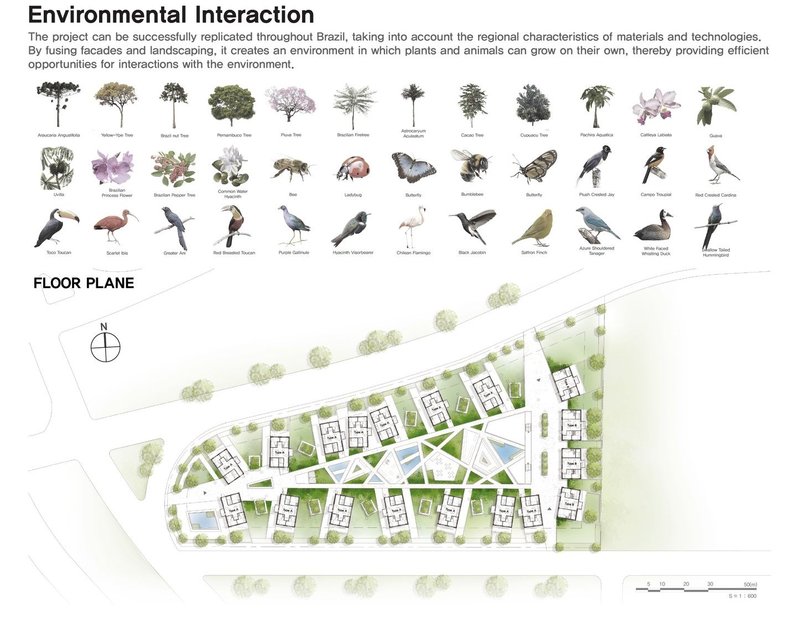
Green Facades and Landscaping: The integration of vertical gardens and native plants into the building facades blurs the boundaries between the built and natural environments. This not only enhances the aesthetic appeal but also provides habitats for local fauna, fostering biodiversity within the community.
Communal Green Spaces: The design prioritizes the creation of shared green spaces, including gardens, walking trails, and open areas for social interaction. These spaces encourage residents to connect with nature, promoting a healthier and more fulfilling lifestyle.
Local Markets and Cultivated Areas: The project envisions the development of community gardens and local markets, enabling residents to grow their own food and exchange goods and services. This promotes self-sufficiency and reduces reliance on external resources, further minimizing the impact on the surrounding environment.
Environmental Interaction: Creating a Thriving Ecosystem
The Evolution Amazon House project goes beyond simply minimizing environmental harm; it actively promotes the creation of a thriving ecosystem within the community. By carefully selecting plant species that attract local wildlife, the project seeks to create a habitat where humans and nature can coexist harmoniously.
The project's environmental considerations extend to the choice of construction materials and technologies:
Low Carbon Footprint: The use of renewable wood resources and building-framed wood construction minimizes the carbon footprint of the project.
Eco-Friendly Architecture and Energy Systems: The design incorporates passive cooling techniques, natural ventilation, and renewable energy sources, reducing the reliance on fossil fuels and minimizing energy consumption.
Sustainability and Replicability: A Model for the Future
The Evolution Amazon House project is not intended as a one-off solution but rather as a model for sustainable housing that can be replicated throughout Brazil and beyond. The modular design and adaptable features allow for the project to be tailored to different regional contexts, taking into account local materials, technologies, and environmental conditions.
By showcasing the feasibility of combining affordable housing with ecological consciousness, the project aims to inspire a paradigm shift in the way we approach human development. It demonstrates that it is possible to create thriving communities that respect and enhance the natural environment, paving the way for a more sustainable future.
Embracing a Sustainable Future
The Evolution Amazon House project offers a compelling vision for addressing the complex challenges facing the Amazon rainforest and other vulnerable ecosystems around the world. By embracing principles of natural symbiosis, evolutionary adaptation, and community engagement, the project demonstrates that sustainable development is not only possible but also essential for the well-being of both humans and the planet.
As the pressures of deforestation and climate change continue to intensify, projects like the Evolution Amazon House provide a beacon of hope, showcasing the power of innovative design and collaborative action to create a more equitable and sustainable future for all.



Popular Articles
Popular articles from the community

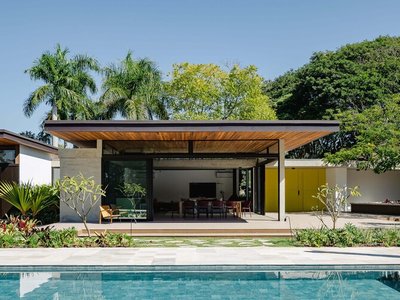
Flamboyant House by Juliana Camargo + Prumo Projetos
Modern Brazilian house integrating existing tree, pool, and volumes with glass, wood, and transitional spaces blending interior, exterior, and landscape seamlessly.
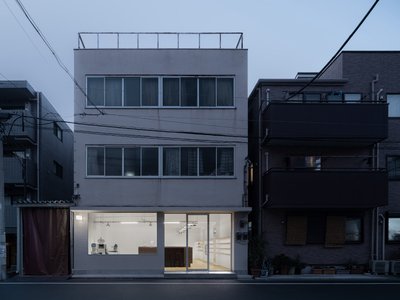
Atelier Macri Concept Store Interior Design by CASE-REAL
Atelier Macri store features a "ko" counter, walnut wood details, cork displays, blending retail, gallery, and seamless customer experiences.


The Ken Roberts Memorial Delineation Competition (Krob)
As the most senior architectural drawing competition currently in operation anywhere in the world, it draws hundreds of entries each year, awarding the very best submissions in a series of medium-based categories.
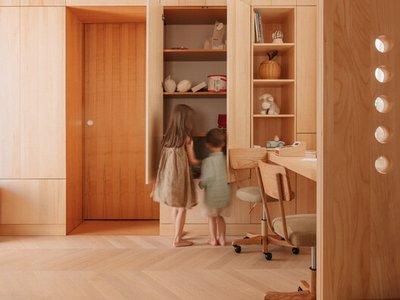
Treehouse Apartment: A Warm Timber Interior Blending Craft, Play, and Contemporary Living
Warm timber apartment with integrated treehouse, combining natural materials, craftsmanship, and playful design to create a flexible, family-oriented living environment.

Similar Reads
You might also enjoy these articles
The Ken Roberts Memorial Delineation Competition (Krob)
As the most senior architectural drawing competition currently in operation anywhere in the world, it draws hundreds of entries each year, awarding the very best submissions in a series of medium-based categories.
A Contemporary Take on Iranian Residential Architecture
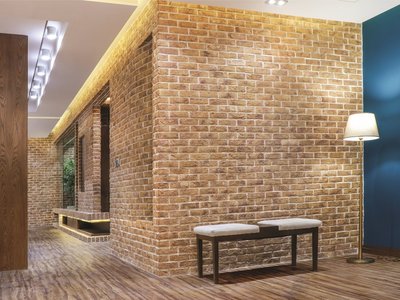
A modern interior design in Mashhad that reinterprets brick, light, and spatial flow to create a warm, contemporary residential architecture.
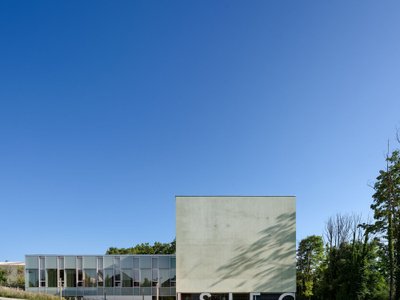
Franche-Comté Advanced School of Engineering by Dominique Coulon & associés, Besançon
A flexible engineering school immersed in woodland, combining concrete minimalism, adaptable spaces, and natural light to support evolving educational environments.


Documentation Work on Buddhist Wooden Temple
Architectural syncretism and cultural hybridity: A comparative study of the Buddhist temples in Chattogram Hill tracks

Explore Architecture Competitions
Discover active competitions in this discipline




The International Standard for Design Portfolios


The Global Benchmark for Architecture Dissertation Awards


The Global Benchmark for Graduation Excellence


Challenge to reimagine the Iron Throne
Comments (0)
Please login or sign up to add comments
No comments yet. Be the first to comment!